
21 min 04 sec
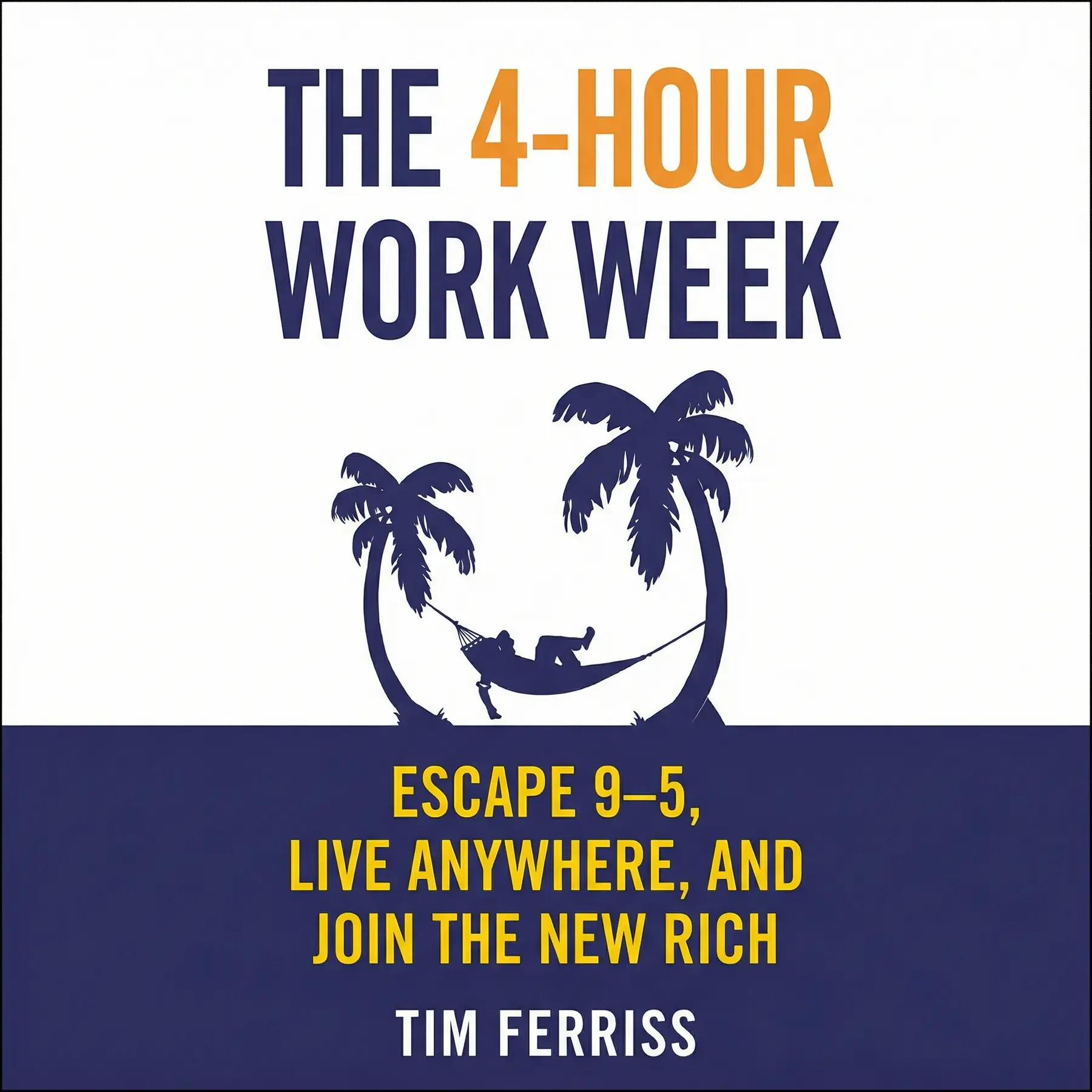
The 4-Hour Workweek: Escape 9–5, Live Anywhere, and Join the New Rich
By Tim Ferriss
The 4-Hour Workweek challenges traditional career paths, offering a blueprint for lifestyle design through automation, outsourcing, and ruthless prioritization to achieve financial freedom and absolute mobility right now.
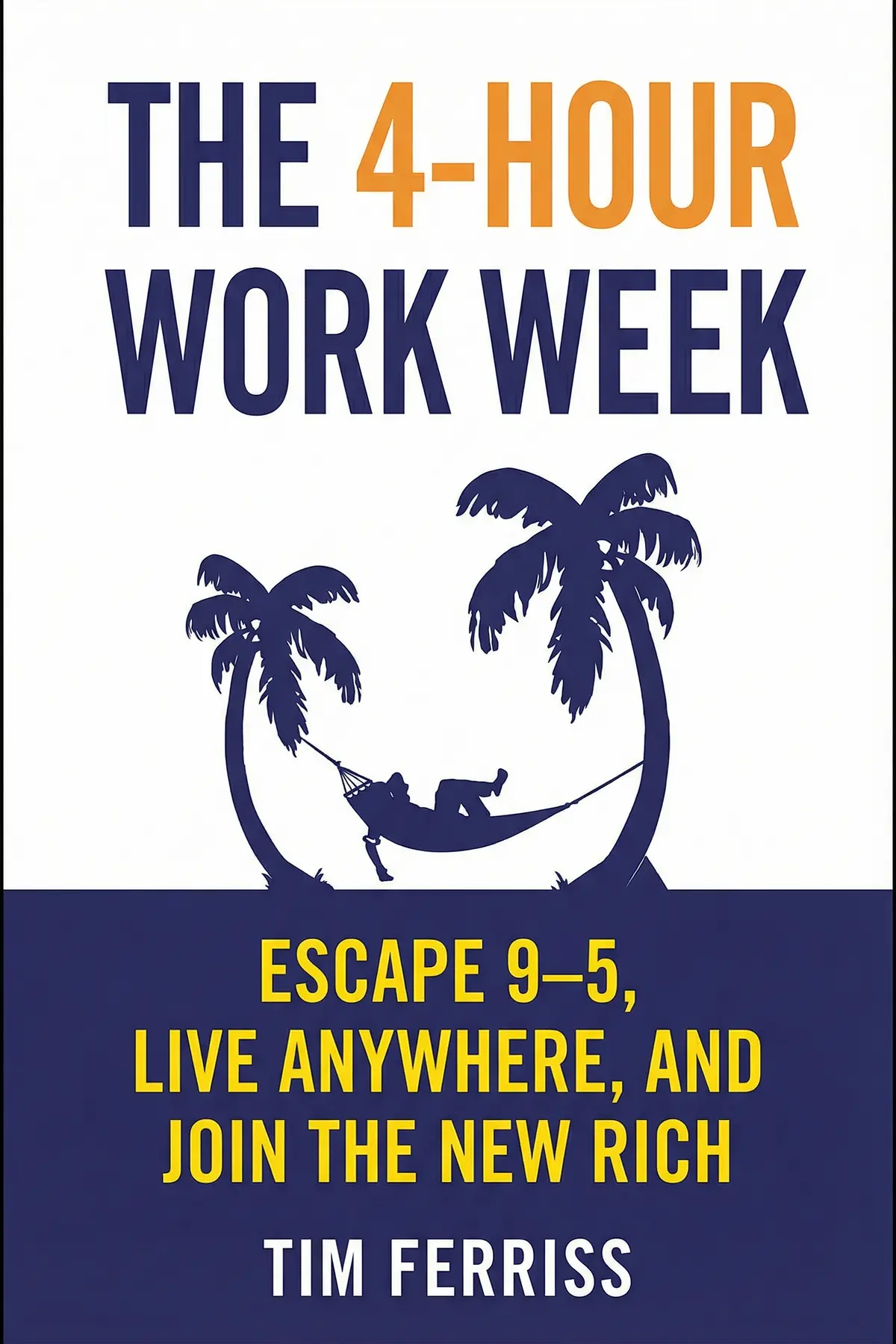
Table of Content
1. Introduction
1 min 59 sec
The concept of a four-hour workweek sounds, at first glance, like a shimmering mirage in a desert of endless spreadsheets and fluorescent office lights. For most of us, the standard operating procedure for life is a marathon: you work forty to sixty hours a week for forty years, saving every penny in the hopes that by age sixty-five, you’ll finally have the health and the wealth to enjoy yourself. But what if that entire structure is based on a lie? What if the goal isn’t to reach the finish line of retirement, but to scatter ‘mini-retirements’ throughout your entire life?
This is the core philosophy behind Tim Ferriss’s revolutionary approach to lifestyle design. He argues that the traditional yardsticks of success—like a high-status job title or a massive savings account—are actually traps if they come at the cost of your freedom and your time. The world has changed, and the old rules of the game no longer apply. Today, a new subculture has emerged: the New Rich. These aren’t just people with a lot of money; these are people who have mastered the art of mobility and time management. They have realized that the real currency of the modern world is the ability to choose what you do, when you do it, and where you do it from.
In this summary, we are going to walk through the exact blueprint for making this transition yourself. We aren’t just talking about working a little bit less; we’re talking about a fundamental redesign of your existence. You’ll learn the DEAL formula—Definition, Elimination, Automation, and Liberation—which serves as the roadmap for escaping the grind. We’ll explore how to stop confusing being ‘busy’ with being productive, how to build businesses that run themselves, and how to negotiate a life of total geographic freedom. Whether you’re a corporate employee or an aspiring entrepreneur, the goal is the same: to stop deferring your life and start living it in the here and now. Let’s look at how you can transform that forty-hour exhaustion into a four-hour explosion of possibility.
2. The Paradigm Shift of the New Rich
2 min 20 sec
Discover why traditional retirement is a flawed goal and how the New Rich prioritize time and mobility as the ultimate forms of modern currency.
3. Defining Your Dreams and the Cost of Inaction
2 min 26 sec
Learn how to move past vague goals by calculating the specific costs of your dream life and defining happiness through excitement.
4. The Art of Ruthless Elimination
2 min 19 sec
Unlock massive amounts of free time by applying the 80/20 rule and Parkinson’s Law to your daily workload.
5. Escaping the Interruption Trap
2 min 00 sec
Master the ‘low-information diet’ and learn how to manage communication to reclaim hours of focused productivity every day.
6. Liberation for the Corporate Employee
2 min 01 sec
Step-by-step strategies for transitioning from a cubicle to a remote-work lifestyle by becoming indispensable and proving your value.
7. Building the Engine of Automation
2 min 07 sec
Learn to decouple your time from your income by creating systems and businesses that run without your constant supervision.
8. Finding Your Muse and Validating the Market
2 min 08 sec
Discover how to identify a profitable niche and test your product ideas with minimal risk before committing your time or money.
9. Designing the Perfect Premium Product
2 min 21 sec
Learn the essentials of product design, from setting premium prices to making bold, trust-building guarantees.
10. Conclusion
1 min 23 sec
As we come to the end of this journey through lifestyle design, the most important takeaway is that you have more control over your life than you’ve been led to believe. The four-hour workweek isn’t just a catchy title; it’s a challenge to the status quo. It’s a call to stop being a spectator in your own life and start being the director. Through the DEAL formula, you’ve seen how to redefine your goals, eliminate the noise, automate your income, and liberate yourself from the geographic and temporal traps of the modern workplace.
The transition to the New Rich isn’t always easy. It requires the courage to be ‘unproductive’ in the eyes of others so that you can be truly effective in your own. It requires the discipline to stop checking your inbox and start checking your bucket list. But the reward is a life of unprecedented freedom. Imagine waking up in a city you love, knowing that your income is secure, your time is your own, and your days are filled with the things that truly excite you.
Your next step is simple but profound: stop planning and start doing. Take one dream from your list today and calculate its real cost. Audit your work and find one task to eliminate. Send that first email to negotiate a remote day. The life you want isn’t waiting for you in retirement; it’s waiting for you to design it. The clock is ticking, and the world is wide. It’s time to join the New Rich and start living the life you were meant to have.
About this book
What is this book about?
The 4-Hour Workweek is a manifesto for those who feel trapped in the classic nine-to-five cycle. It argues that waiting for retirement to enjoy life is a flawed strategy. Instead, it introduces the concept of the New Rich—individuals who leverage currency, time, and mobility to live a luxury lifestyle without needing millions in the bank. The book provides a step-by-step framework called the DEAL formula: Definition, Elimination, Automation, and Liberation. Readers are guided through the process of redefining their goals, purging low-value tasks, and creating automated business systems that generate income with minimal oversight. Whether you are an overworked employee looking to work remotely or an aspiring entrepreneur seeking a 'muse' to fund your adventures, the book promises a path toward reclaiming your time. It is about shifting focus from being busy to being productive, ultimately allowing you to work less while living more.
Book Information
About the Author
Tim Ferriss
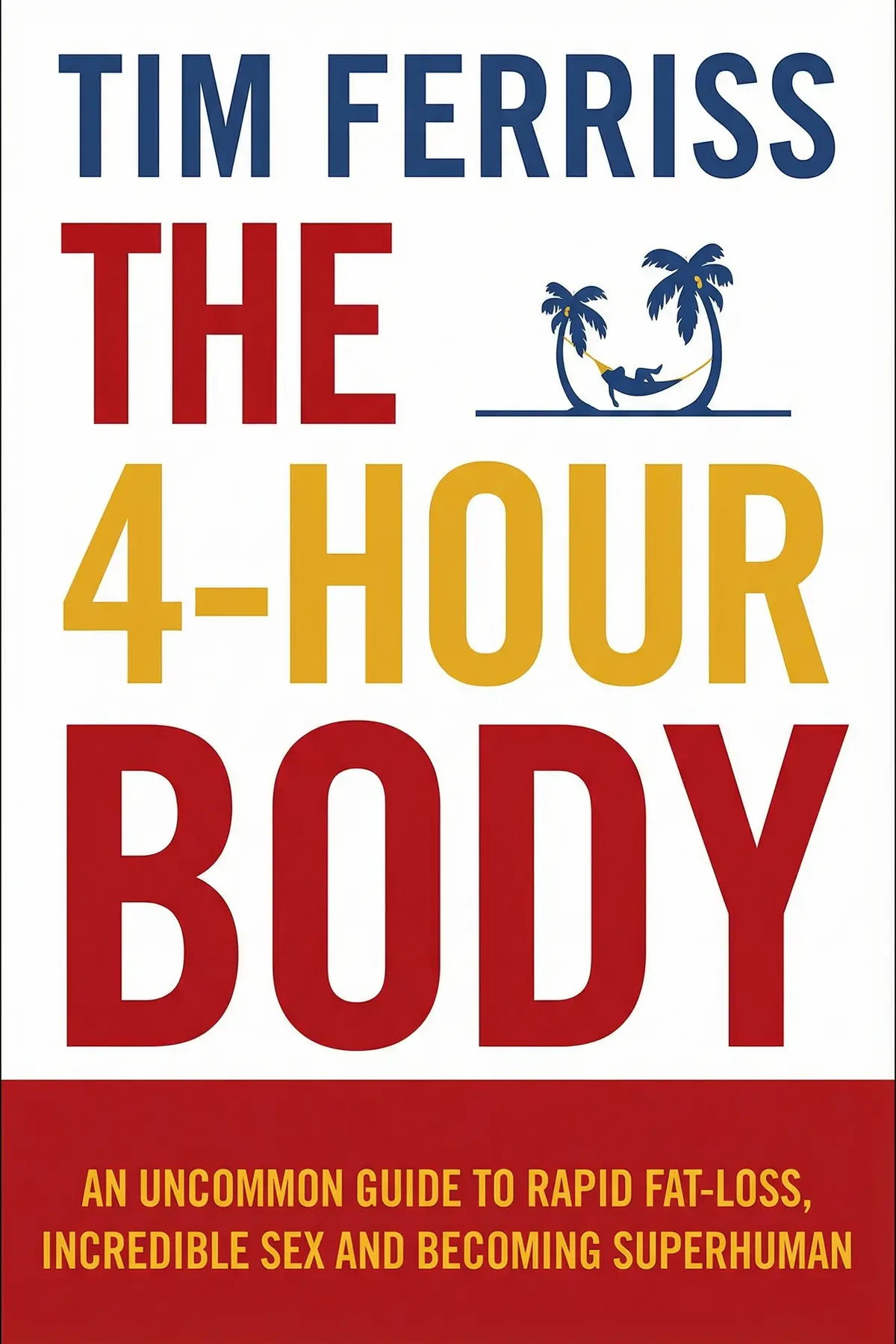
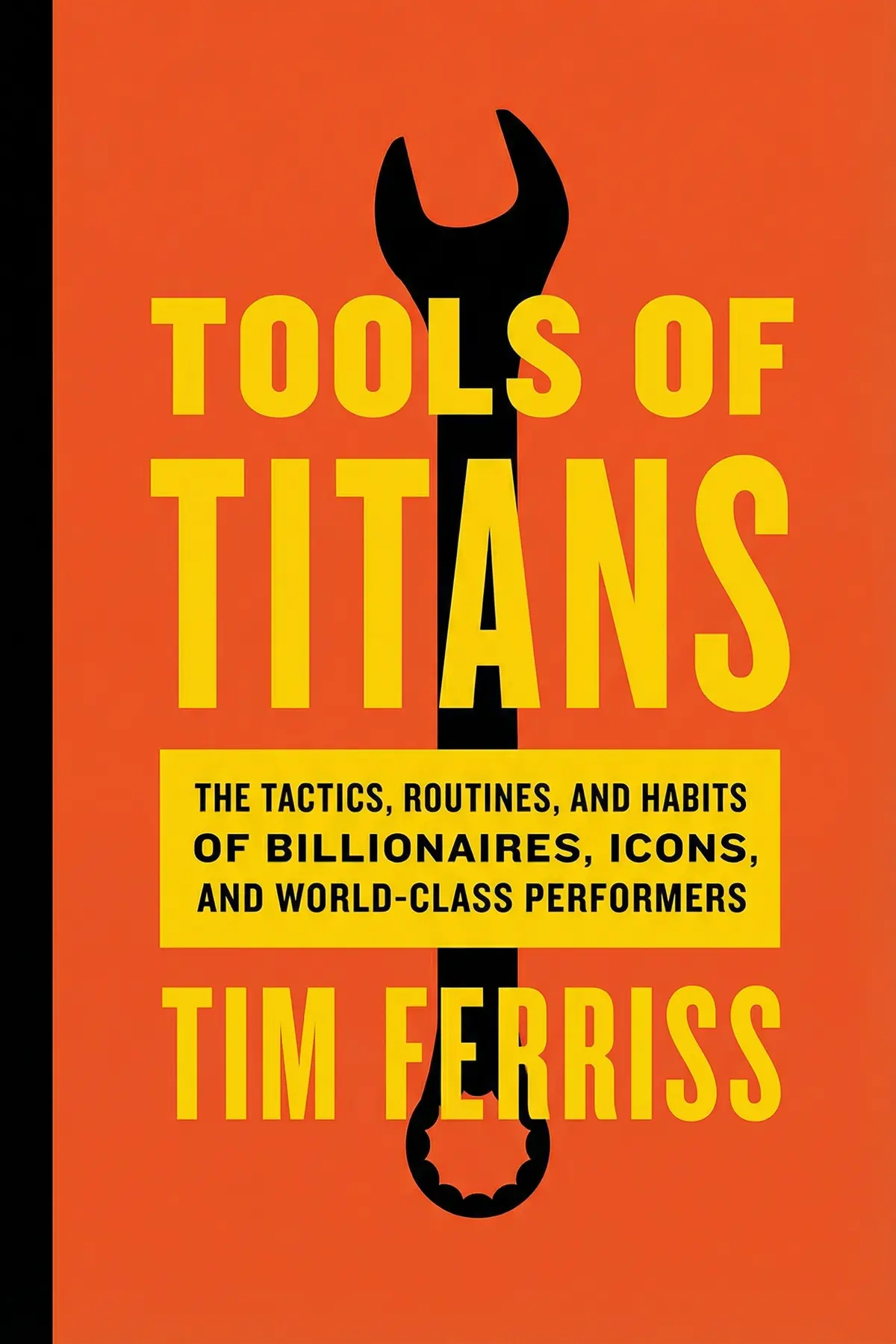
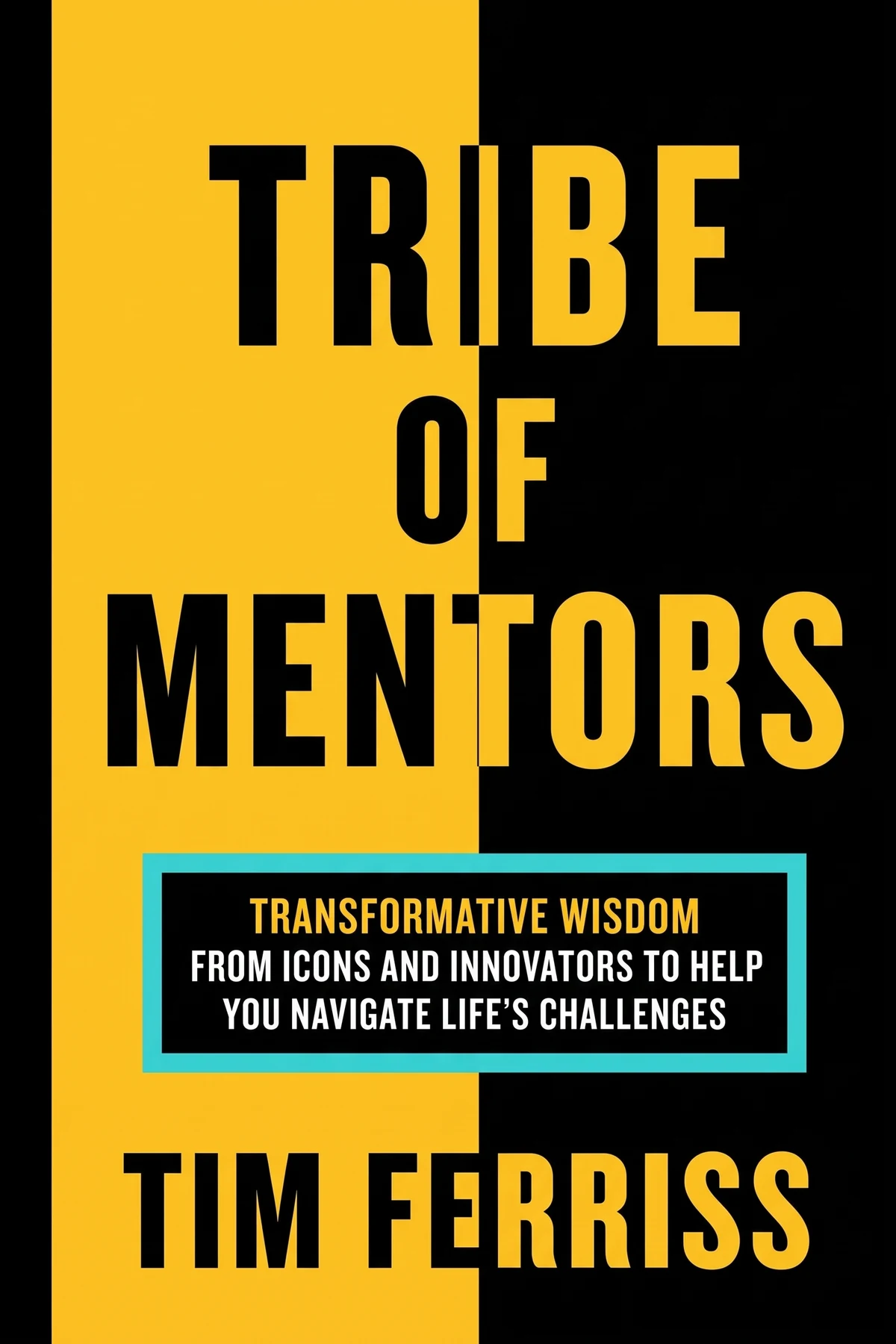
Tim Ferriss is a highly successful investor and a strategic advisor to several prominent technology start-ups. His investment portfolio includes involvement with the early stages of globally recognized companies such as Uber, Facebook, and Alibaba. Beyond his business ventures, he is well-known as the creator and host of the acclaimed podcast, The Tim Ferriss Show. In addition to his primary work, he has authored several other best-selling titles, including Tribe of Mentors and Tools of Titans.
Ratings & Reviews
Ratings at a glance
What people think
Listeners find this book easy to navigate and life-altering, noting its thorough information and actionable tips. They value the stimulating ideas and how the content encourages them to be more imaginative while reflecting on how to enjoy life. Listeners view it as a great investment and praise its engaging quality.
Top reviews
Rod
Wow, this book genuinely changed the way I view my entire career trajectory and the concept of retirement as a whole. Instead of grinding for forty years just to enjoy a few sunsets at the end, the idea of "mini-retirements" makes so much more sense for our generation. I’m currently planning my first two-month stint abroad while keeping my income streams active, something I never thought was feasible before reading Ferriss's advice on location independence. Some critics call him a "weasel," but I see a man who simply understands how to leverage the digital economy to his advantage. The chapters on automation and outsourcing were eye-opening, even if I’m not ready to hire a virtual assistant in India just yet. It’s an entertaining, fast-paced read that challenges every social contract we’ve been taught to follow since elementary school.
Show moreMaria
Ever wonder why you're waiting until 65 to actually live your life? Ferriss asks that question with a sledgehammer, and the resulting "New Rich" philosophy is nothing short of revolutionary for the modern worker. This isn't just a book about working less; it’s about designing a life that prioritizes freedom and happiness in the present moment. I loved the "Dreamlining" exercise because it forced me to put a real price tag on my goals, proving they were much more attainable than I’d originally feared. The writing style is punchy and engaging, though some might find the author’s persona a little abrasive. Personally, I found the "Definition" and "Liberation" phases of his plan to be the most impactful parts of the book. It’s a must-read for anyone who feels like they’re just a cog in a machine that doesn't care about them.
Show moreLena
As someone who felt trapped in a cubicle for the last decade, this book was the permission slip I needed to finally quit and start my own thing. Ferriss doesn’t just give you a list of tasks; he gives you a whole new operating system for your brain. The concept of "relative income" versus "absolute income" was a massive "aha" moment for me, changing how I calculate the value of my work. It’s not about how much you make, but how much you make per hour and how much freedom that money actually buys you. I’ve already implemented the 80/20 rule in my freelance business, and I’m making more while working significantly less. The tone is bold and sometimes "narcissistic," but sometimes you need a loud voice to drown out the societal pressure.
Show moreTom
Picked this up during a particularly brutal week at the office, and frankly, it was exactly the kick in the teeth I needed. While some of the strategies for "escaping" the 9-to-5 feel like they belong in a spy novel rather than a business plan, the core philosophy regarding time management is stellar. I've started applying the 80/20 rule to my client list and it’s already clearing up my schedule in ways I didn't think were possible. Ferriss can come across as a bit of a "frat boy" at times, and his arrogance is definitely palpable through the pages. However, if you can look past the ego, there are some genuinely transformative ideas about automation and focusing on high-impact tasks. It isn't a perfect roadmap—especially if you work in a traditional service job—but it’s a great exercise in lateral thinking for anyone feeling stuck.
Show moreEvelyn
After hearing my boss mention this during a management meeting, I decided to see what all the hype was about. Truth is, the book is a fascinating blend of brilliant efficiency hacks and slightly ridiculous lifestyle fantasies. The "Elimination" section is particularly strong, offering concrete steps to cut out the information overload that plagues most of us in the corporate world. I’ve started checking my email only twice a day, and the boost in my focus has been immediate and undeniable. I’m still skeptical about the "Automation" part—it feels like he oversimplifies the difficulty of building a self-sustaining business. But even if you never reach the legendary four-hour workweek, the mindset shift is worth the price of admission. It encourages you to stop being a "patsy" at work and start valuing your time as your most precious commodity.
Show moreNarumon
Finally got around to this "classic," and while it’s definitely showing its age in the technical sections, the core message remains incredibly relevant. The way he breaks down the "DEAL" framework—Definition, Elimination, Automation, Liberation—provides a logical, if aggressive, path toward reclaiming your schedule. I particularly enjoyed the segments on "low-information diets" because we really are drowning in useless data that adds zero value to our lives. Some of the specific websites and tools he recommends are obsolete now, but the underlying principle of leveraging technology to save time is timeless. Just be prepared for the author’s "get-someone-else-to-do-it" attitude, which can feel a bit exploitative if you aren't careful. It’s a provocative read that will make you rethink every "urgent" task on your to-do list.
Show moreMalee
Look, you have to read between the lines with a guy like Tim Ferriss, but there is definitely some utility here. He’s a "serial entrepreneur" who treats life like a series of experiments, and that spirit of testing and iterating is something we can all learn from. The book is less a literal guide to a 4-hour week and more a manifesto for "lateral thinking" and challenging the status quo. I enjoyed the sections on how to negotiate a remote-work arrangement, which feels much more achievable today than it did when the book first came out. It's thought-provoking, controversial, and occasionally annoying, but it pushes you to be more creative with your career. It’s definitely worth the money if you’re looking for a jolt of inspiration to stop being a patsy and start designing your own life.
Show moreWatchara
Is Tim Ferriss a genius or a con artist? After finishing this, I’m still not entirely sure, but I suspect the answer lies somewhere in the middle. He presents some interesting "life hacking" concepts, like winning a kickboxing title on a technicality, which says a lot about his approach to life in general. It’s all about finding the loophole, which can be a bit off-putting if you value things like "virtue" or "teamwork." The section on outsourcing personal chores to India was hilarious, though I can't imagine actually asking a stranger to handle my private emails. There’s definitely utility in his tactics for simplifying one's life and developing an entrepreneurial outlook, but you have to read between the lines. He’s a salesman first and foremost, so take the "lifestyle of your dreams" promises with a massive grain of salt.
Show moreMaksim
To be fair, the advice is a mixed bag of genuine productivity gold and "pie in the sky" nonsense that most people can't actually use. On one hand, the tips for handling email and avoiding the "interruptions" of office life are legitimately helpful for anyone trying to get more done in less time. On the other hand, his suggestion that we should all just shirk our responsibilities and let a assistant run our lives is pretty disingenuous. It’s easy to live on the beach when you're selling books telling other people how to live on the beach. Not gonna lie, the entertainment value is high, and Ferriss is clearly a master of self-promotion. I’d recommend it for the time-management chapters alone, but don’t expect to actually be working only four hours a week.
Show moreAdam
The tone here is almost insufferable, dripping with a level of "douchebaggery" that makes it hard to take the actual advice seriously at times. Ferriss writes like he’s the first person to ever discover that productivity is better than busywork, yet his solutions often involve lying to your boss or being a nightmare to your colleagues. The idea that we should all just start dropshipping supplements to fund a life in Argentina is incredibly dated and ignores the reality of how saturated the web has become since this was published. To be fair, his tips on batching emails and avoiding unnecessary meetings are practical, but they’re buried under a mountain of "get rich quick" nonsense. If you're a regular person with a mortgage and kids, most of this "DEAL" framework is just plain unrealistic and borderline unethical.
Show more
Readers also enjoyed

7 Powers: The Foundations of Business Strategy
Hamilton Helmer
Alibaba: The House That Jack Ma Built
Duncan Clark
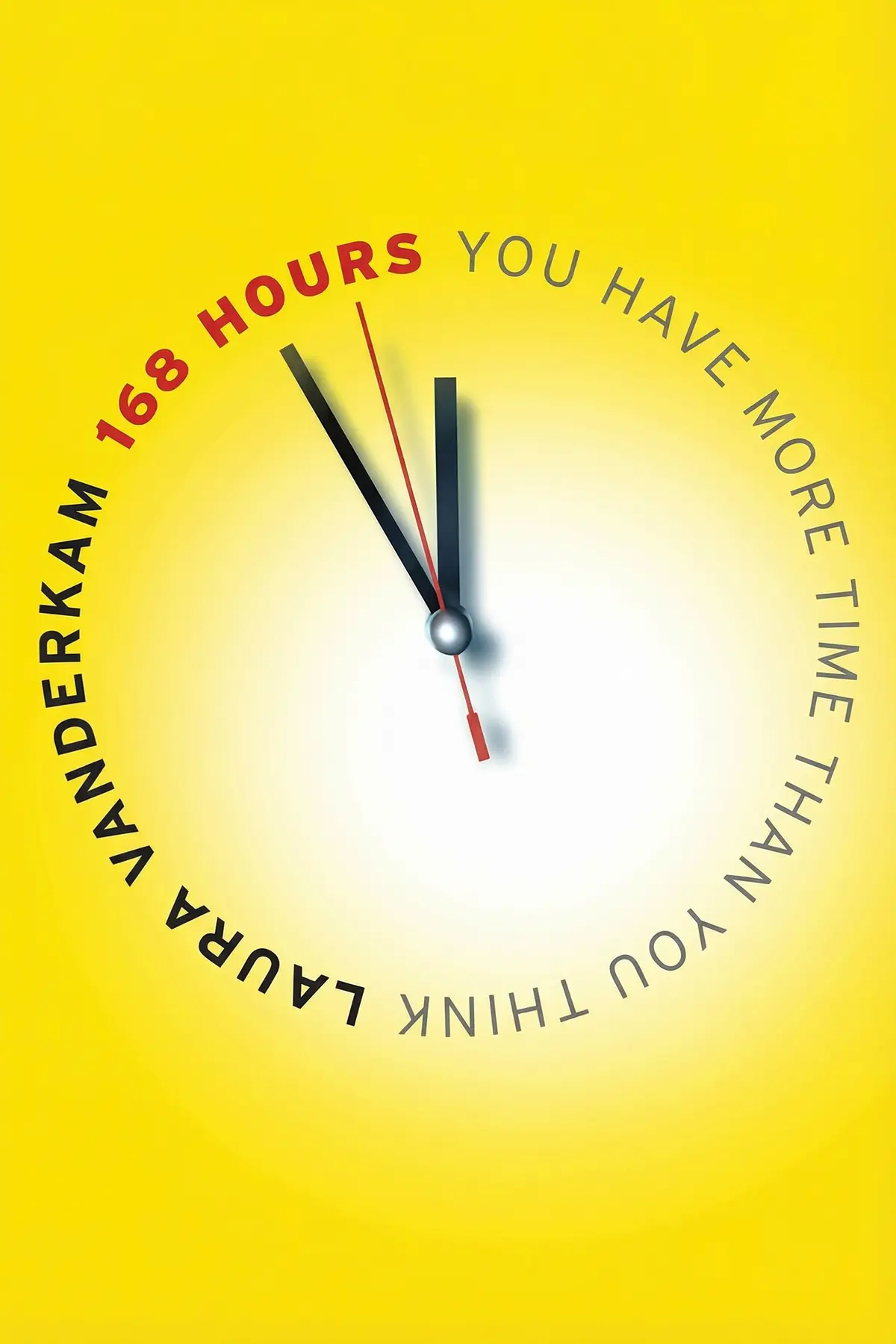
168 Hours: You Have More Time Than You Think
Laura Vanderkam
AUDIO SUMMARY AVAILABLE
Listen to The 4-Hour Workweek in 15 minutes
Get the key ideas from The 4-Hour Workweek by Tim Ferriss, plus 5,000+ more titles in English and Thai.
- 5,000+ titles
- Listen as much as you want
- 7-day free trial
- Cancel anytime







