
23 min 47 sec
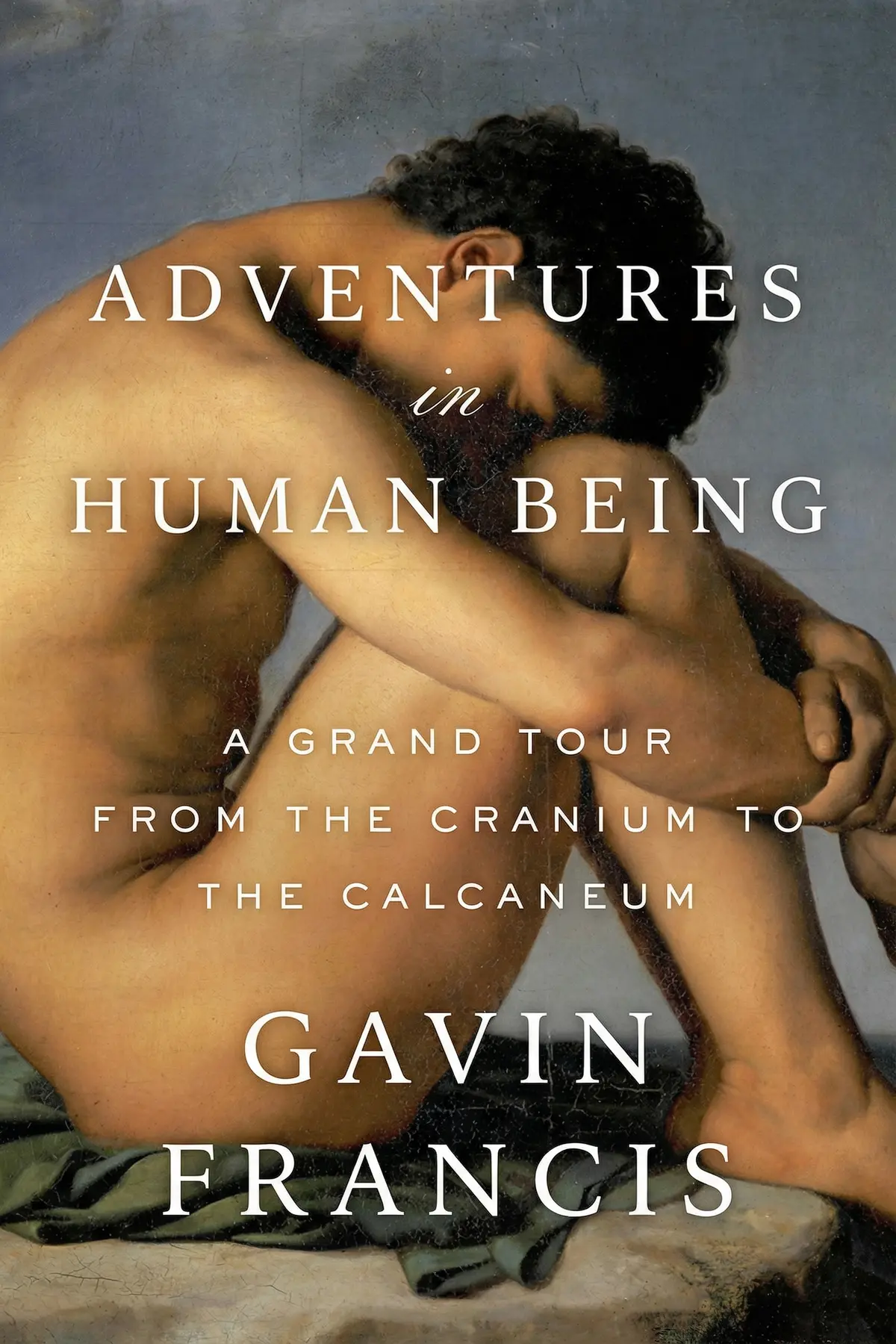
The Biological Mind: How Brain, Body, and Environment Collaborate to Make Us Who We Are
Alan Jasanoff challenges the modern obsession with the brain, revealing how our bodies and environments are just as vital to our identity, emotions, and thoughts as the neurons inside our skulls.
Table of Content
1. Introduction
1 min 34 sec
Where does the essence of who you are truly reside? If you were to ask most people today, they would probably point directly to their heads. In our modern age, we have come to view the brain as a sort of celestial control room—the literal seat of the soul and the sole generator of our personality, memories, and choices. This perspective creates a sharp divide between the mind and the body, suggesting that the former is a sophisticated pilot while the latter is merely a vessel to be commanded.
However, this concept, which separates our mental life from our physical biology and our surroundings, is increasingly at odds with scientific reality. In his work, Alan Jasanoff challenges what he calls the cerebral mystique. He argues that by placing the brain on a pedestal, we have blinded ourselves to the truth of our own existence: that we are biological systems deeply integrated with the world around us.
In the following minutes, we are going to explore why the brain is not a standalone supercomputer, but a wet, organic, and messy part of a larger whole. We will look at how the chemicals in your digestive tract influence your mood, why the lighting in your office can alter your brain chemistry, and why the dream of uploading our minds to a digital paradise might be a fundamental misunderstanding of what it means to be human. By the end of this journey, you will see that the throughline of your identity isn’t just a network of neurons, but a collaborative performance between your brain, your body, and the environment you inhabit.
2. The Myth of the Cerebral Mystique
2 min 34 sec
Discover why we have come to view the brain as a mystical object of wonder rather than a functional biological organ and how this shapes our culture.
3. Moving Past the Computer Metaphor
2 min 01 sec
Learn why comparing the brain to a digital processor is a misleading analogy that ignores the organic, wet, and chemical nature of our cognition.
4. Simplifying the Complexities of the Mind
2 min 07 sec
Even though the brain contains trillions of connections, understanding its basic functions is more achievable than the daunting numbers suggest.
5. The Hidden Flaws in Brain Imaging
2 min 08 sec
Brain scans are often presented as definitive maps of thought, but the reality behind fMRI technology is far more statistical and less precise.
6. The Brain-Body Conversation
1 min 55 sec
Your brain doesn’t just give orders; it is constantly listening to and being shaped by signals from your organs and your gut.
7. How the Outside World Infiltrates the Mind
2 min 01 sec
Our environment isn’t just a backdrop for our lives; it is a constant stream of data that reconfigures our brain chemistry every second.
8. Questioning the Roots of Human Behavior
1 min 51 sec
Is a person’s action the result of a faulty brain or a difficult environment? Explore the tension between neuroessentialism and behaviorism.
9. A Holistic Approach to Mental Health
1 min 59 sec
Reframing mental illness as a biological disease has reduced stigma, but focusing only on the brain can lead us to ignore social and environmental cures.
10. The Reality Check for Brain Hacking
1 min 59 sec
Transhumanist dreams of digital immortality often ignore the biological dangers of invasive surgery and the efficiency of non-invasive technology.
11. The Disembodied Mind is an Illusion
1 min 59 sec
The famous thought experiment of a brain in a vat reveals that without a physical body and a real world, our identity and emotions would wither away.
12. Conclusion
1 min 39 sec
As we have seen, the idea that the brain is an isolated, mystical command center is a myth that doesn’t stand up to the scrutiny of modern science. The cerebral mystique has led us to overlook the profound ways in which our physical bodies and our environments shape every thought we have and every emotion we feel. From the bacteria in our gut to the sunlight in the sky, we are constantly being influenced by forces that exist far beyond the borders of our skulls.
This realization changes everything. It changes how we think about mental health, suggesting that we need to look at a person’s entire life and environment, not just their neural chemistry. It changes how we think about technology, pointing us toward tools that support our biological nature rather than trying to bypass it. And most importantly, it changes how we see ourselves. You are not a pilot trapped in a biological machine. You are a living system, a beautiful and complex interaction between a brain, a body, and a world.
The next time you find yourself feeling overwhelmed or stuck in a mood you can’t explain, don’t just blame your brain. Look at what you’ve eaten, consider the space you’re standing in, and check in with your physical self. By embracing this holistic, biological view of the mind, we can live more grounded, connected, and meaningful lives. You are more than just your thoughts; you are the living connection between the internal and the external. Recognizing that is the first step toward true self-understanding.
About this book
What is this book about?
The Biological Mind explores the concept of the cerebral mystique—the cultural tendency to treat the brain as a supernatural or isolated command center. Dr. Alan Jasanoff argues that this perspective is not only scientifically inaccurate but also detrimental to how we handle mental health and technological advancement. By examining the brain as a biological organ rather than a mystical computer, the book bridges the gap between our internal thoughts and the external world. Throughout this summary, you will discover the intricate feedback loops between the gut and the mind, the limitations of current brain-imaging technology, and why our environment dictates our mental state more than we realize. The promise of this work is a more holistic understanding of the self, one that integrates the brain with the rest of the body and the surrounding world to provide a more grounded, realistic view of human existence and potential.
Book Information
About the Author
Alan Jasanoff
Dr. Alan Jasanoff is a prominent professor at the Massachusetts Institute of Technology, where he specializes in Biological Engineering, Brain and Cognitive Sciences. He leads a research lab at the McGovern Institute for Brain Research, a facility recognized for producing some of the most advanced and influential neuroscience research in the world today.
Ratings & Reviews
Ratings at a glance
What people think
Listeners value the work’s detailed scientific foundation, with one noting it is packed with cultural and academic references. Furthermore, the book clarifies brain function effectively; one listener specifically points out how every part of the body communicates with the mind. Finally, listeners describe the writing as both accessible and captivating.
Top reviews
Somsak
The final chapter alone is worth the price of admission, reading almost like an unsettling episode of Black Mirror. Jasanoff’s exploration of 'brains in a vat' and the future of human enhancement is absolutely wild. Throughout the book, he masterfully explains how our physical bodies and surroundings are inextricably linked to our cognitive processes. The way he describes brains as 'organic prisms' refracting the world is just beautiful. In my experience, most neuroscience books treat the head like it’s detached from the torso, but this author bridges that gap perfectly. It is replete with fascinating cultural references that keep the pacing brisk and the concepts grounded. Even if you aren't a scientist, you will walk away with a profound new understanding of why you feel the way you do. This is easily one of the best books on the mind I have encountered in years.
Show morePim
Ever wonder why a brisk walk actually makes you feel smarter? Jasanoff dives deep into the specific physiological pathways that link physical exercise to improved memory and creativity. I was fascinated by the section on how the hippocampus produces new neurons when we move. It’s not just a metaphor; our bodies literally fuel our brains. The book is incredibly readable and does a great job of explaining complex communication between various body parts and the mind. I particularly liked the section about destigmatizing brain disorders by viewing them as biological malfunctions similar to pneumonia. This perspective is so necessary in today's world. If you want a book that is both scientifically grounded and deeply human, this is it. It changed how I think about my daily habits and my mental health. Truly an eye-opening experience.
Show moreWit
Rarely do you find a neuroscientist who can weave together biological data with such rich cultural and historical context. Jasanoff’s 'The Biological Mind' is a masterful takedown of the idea that we are just 'brains in jars.' He illustrates how everything from our blood flow to the people we interact with helps construct our identity. The book is replete with scientific references, yet it never feels like a slog. I was especially moved by the quotes about brains being 'organic prisms.' It’s a poetic but scientifically accurate way to describe our existence. For anyone who wants to understand the complexity of the connection between the body and the surroundings, this is the definitive text. It’s readable, engaging, and deeply profound. I’ve already recommended it to several friends.
Show moreWittaya
Jasanoff offers a refreshing pivot from the typical 'brain-as-a-supercomputer' narrative that dominates most modern pop-science. He argues persuasively that we cannot understand the mind by looking at the brain in isolation, as it is constantly receiving feedback from our heart, lungs, and even our gut. Personally, I found the deconstruction of the 'cerebrocentric' myth to be the most compelling part of the book. While some of the biological explanations felt a bit dense for a casual reader, the prose remains largely accessible and engaging. To be fair, the author does occasionally drift into philosophical territory that borders on conjecture, but the core message is vital. We are biological entities, not just spirits inhabiting a meat-machine. It's a solid, thoughtful read for anyone tired of the usual neuro-hype and looking for a more holistic perspective on what makes us human.
Show morePla
After hearing about the 'cerebrocentric myth' in a lecture, I picked this up to see if the author could actually back up such a bold claim. Jasanoff succeeded. He shows that the brain is just another organ, like the kidney or the heart, and is subject to the same biological rules. The writing is engaging and full of varied sentence structures that keep the reader's attention throughout. I appreciated the way he integrated historical anecdotes with modern neurological data. My only minor gripe is that some sections on the 'sensory brain' felt a bit like a long introduction to the more interesting futurist ideas at the end. However, the overall message about our interdependent nature is powerful. It’s a fantastic read for anyone interested in the intersection of biology and psychology.
Show moreBella
The way Jasanoff deconstructs the 'brain as a computer' metaphor is genuinely thought-provoking. We’ve become so used to thinking of ourselves as hardware and software that we’ve forgotten we are living, breathing organisms. This book reminds us that our intellect is not a detached entity but a biological process. Not gonna lie, some of the scientific details were a bit over my head, but the general gist is easy to follow. The chapters on how we perceive the world through our senses were particularly enlightening. It's a bit of a wild ride, especially toward the end, but it's a journey worth taking. It might not be the most technical book on the brain, but it’s certainly one of the most interesting in terms of its philosophical implications.
Show moreOm
This wasn't exactly what the title promised, as I was expecting a deep dive into neuroanatomy rather than a sociological critique of how we view the brain. I found the chapters on mental illness to be particularly frustrating because they relied on psychiatric literature that felt quite dated. The author tries to frame mental health through a social lens, but it lacks the in-depth analysis needed to be truly convincing. To be fair, the central argument—that our environment shapes our mind—is common sense, yet the execution here feels a bit repetitive. The writing is clear enough, and the author is obviously brilliant, but the book oscillates between being too simple and too theoretical. It's an interesting thought experiment, but it left me wishing for more current genetic breakthroughs and less conjecture about the 'soul' of the machine.
Show moreAdam
Getting through the middle section felt like a bit of a chore because the pacing is quite uneven. One moment you're reading a fascinating bit about how the environment affects your mood, and the next you're stuck in a dry historical summary. Personally, I think the author could have cut about fifty pages and had a much stronger book. The core idea is great: your mind isn't just in your head; it's in your whole body. But the way it’s presented can be a bit 'opinionated' at times. It felt more like a manifesto than a textbook. Still, it’s not a bad read if you have the patience for it. The last chapter is definitely the highlight, even if it feels like it belongs in a different book entirely.
Show moreTen
I really wanted to like this, but frankly, it felt like I was reading a long-winded opinion piece rather than a rigorous scientific exploration. The author spends so much time on his personal point of view that the actual data feels like an afterthought. I made it about halfway through before the lack of concrete scientific theories started to wear on me. It’s quite boring if you're looking for hard facts about how neurons fire or how specific brain regions function. Instead, you get a lot of talk about the environment and social factors that felt way too speculative. Look, I appreciate the attempt to look at the 'big picture,' but I came for the biology and left feeling like I’d just sat through a very long, very dry lecture on philosophy. Not what I expected at all.
Show moreEmily
Truth is, this book relies heavily on conjecture and feels somewhat limited by modern academic doctrines. I felt like I was being lectured by a dinosaur who was ignoring recent genetic discoveries in favor of a more 'politically correct' view of human intelligence. The author is clearly trying to push a specific agenda regarding the environment's role in shaping us, but it comes at the expense of hard evidence. Much of the source material felt thin, and the arguments didn't always hold up to scrutiny. I found myself skipping pages just to find something that wasn't a repetitive attack on the idea of the brain as a control center. It’s a bit too much theory and not enough fact for my taste. If you’re looking for a serious, data-driven neuroscience text, you might want to look elsewhere.
Show moreReaders also enjoyed
Acting with Power: Why We Are More Powerful Than We Believe
Deborah Gruenfeld

Alien Earths: The New Science of Planet Hunting in the Cosmos
Lisa Kaltenegger
Age of Propaganda: The Everyday Use and Abuse of Persuasion
Anthony Pratkanis
AUDIO SUMMARY AVAILABLE
Listen to The Biological Mind in 15 minutes
Get the key ideas from The Biological Mind by Alan Jasanoff, plus 5,000+ more titles in English and Thai.
- 5,000+ titles
- Listen as much as you want
- 7-day free trial
- Cancel anytime







