
15 min
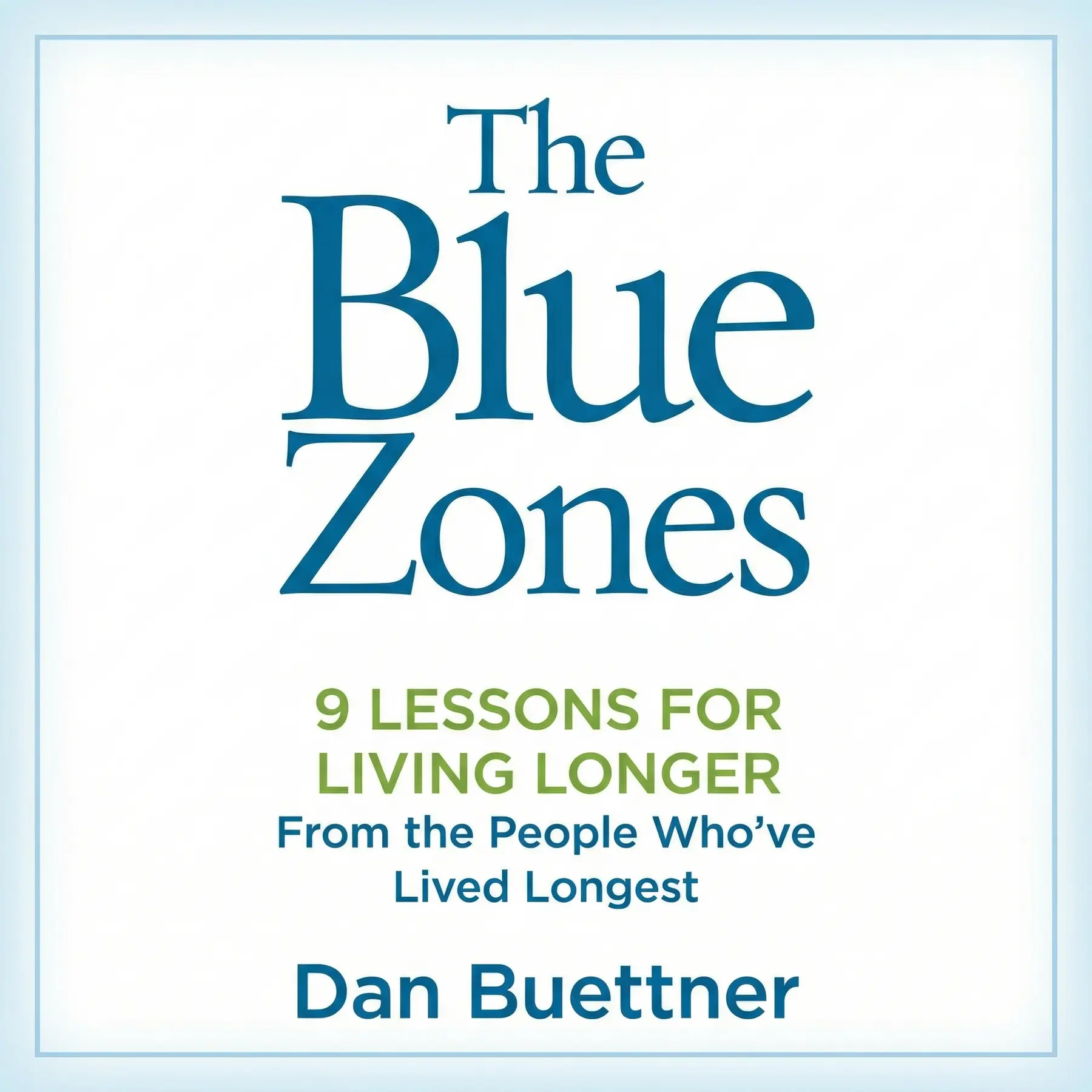
The Blue Zones: 9 Lessons for Living Longer From the People Who’ve Lived Longest
By Dan Buettner
A deep dive into global longevity hotspots reveals that the secrets to a long, vibrant life lie not in genes or medicine, but in simple lifestyle habits, community, and purpose.
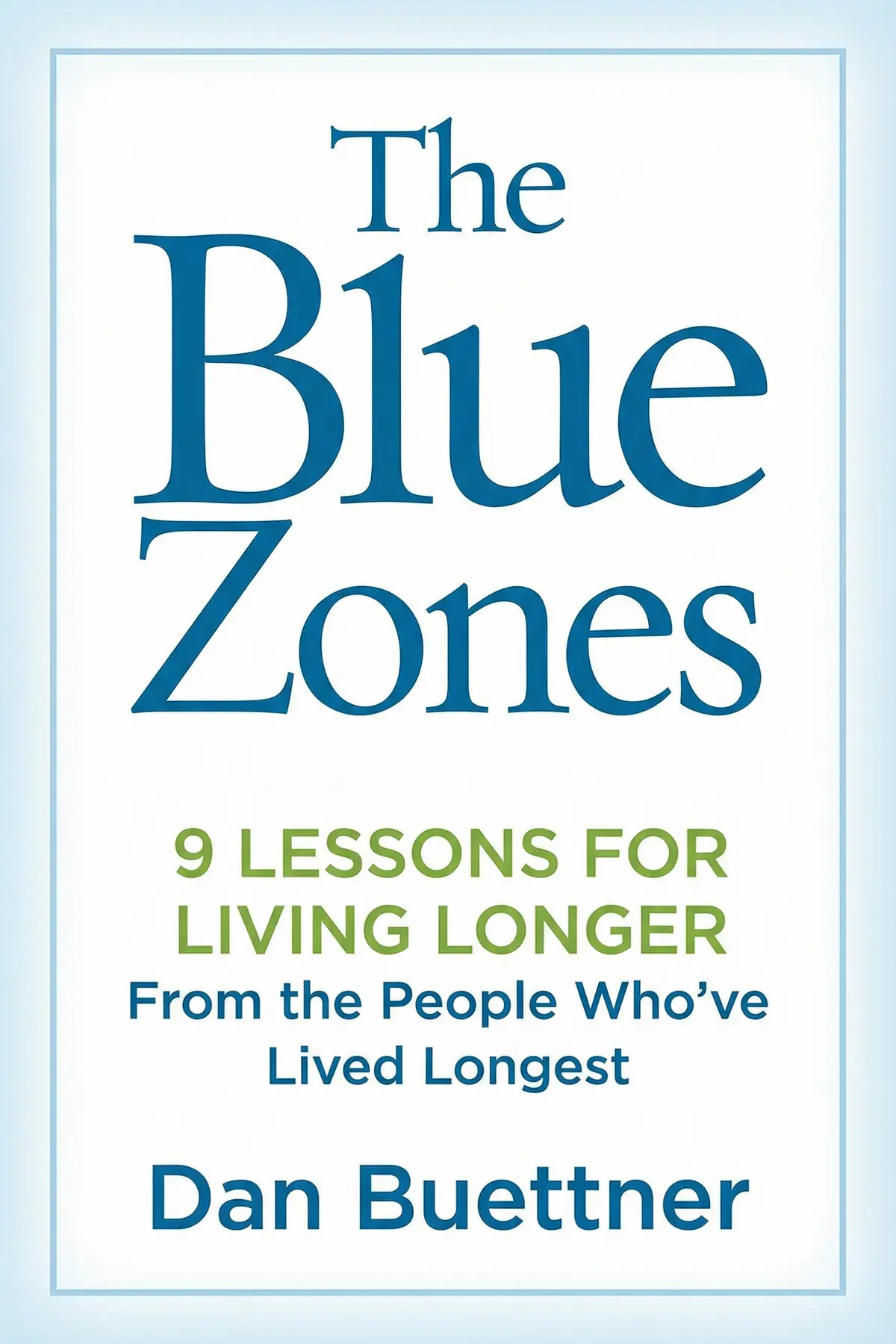
Table of Content
1. Introduction
1 min 43 sec
For centuries, the human imagination has been captured by the idea of a fountain of youth—a mythical spring that could erase the marks of time and grant us endless vitality. While that legendary fountain remains a mystery, modern science has discovered something even better: real-world locations where people are actually living significantly longer and healthier lives than the rest of us. These places are known as Blue Zones. They aren’t magical realms; they are vibrant, grounded communities where reaching one hundred years of age isn’t just a rare miracle, but a natural part of the human experience.
In this exploration of longevity, we are going to look at what sets these regions apart. Is it something in the water, or is it something in the way they think about their neighbors? We often assume that our health is a matter of luck or the genetic hand we were dealt, but the inhabitants of these zones prove otherwise. By observing their daily rituals, what they put on their plates, and how they navigate stress, we can uncover a blueprint for our own lives. The secret to a long life isn’t about finding a magic pill; it’s about the subtle adjustments we make to our environment and our schedules.
Throughout this journey, we’ll see how small shifts in perspective—like how we view our retirement or how we interact with our families—can add years to our life expectancy. We are going to dive into the core lessons learned from the people who have lived the longest, providing a roadmap for anyone looking to not just add years to their life, but life to their years. Let’s begin by looking at why our biology isn’t as much of a limiting factor as we might believe.
2. The Dominance of Lifestyle Over Genetics
2 min 13 sec
What if your lifespan was determined more by your choices than your DNA? Explore why your daily habits carry more weight than your biological inheritance.
3. The Nutritional Secrets of Longevity
2 min 26 sec
From the 80 percent rule to the benefits of specific beverages, discover how what we consume shapes our path to reaching one hundred.
4. The Vital Importance of a Life Plan
2 min 06 sec
Why do some people thrive in old age while others decline after retirement? The secret might be a clearly defined reason to wake up.
5. The Strength of Social and Family Ties
2 min 20 sec
Discover how the structure of your community and the closeness of your family can act as a shield against the diseases of aging.
6. Cultivating Natural Movement and Resilience
2 min 22 sec
Forget the gym; the secret to staying fit into your hundreds might be found in your backyard and your sense of humor.
7. Conclusion
1 min 50 sec
As we look back at the lessons from the Blue Zones, it becomes clear that longevity is not a mystery to be solved with technology, but a lifestyle to be embraced through habit. We have seen that the vast majority of our health outcomes are within our control. By focusing on the ‘Power Nine’—the core principles shared by these disparate regions—we can transform our own well-being. It starts with the plate: eating more plants, drinking plenty of water, and practicing the discipline of eating until we are just satisfied, not stuffed. It continues with our bodies, finding ways to move naturally through gardening, walking, and being outdoors rather than relying solely on artificial exercise.
But perhaps the most profound takeaway is the importance of the invisible threads that connect us to others. Longevity is a team sport. It is found in the laughter shared with a lifelong friend, the security of a tight-knit family, and the peace of mind that comes from having a clear purpose. If you want to live to be one hundred, you shouldn’t just look at your cholesterol levels; you should look at your social circle. Are you surrounded by people who support your healthy habits? Do you have a reason to get up and contribute to the world every day?
The actionable wisdom from these centenarians is simple: don’t be a loner. Build a community, stay active in your local circles, and make yourself likeable and useful. Those who have the most visitors and the strongest social ties are often those who live the longest. By weaving these physical, social, and spiritual threads into the fabric of our daily lives, we don’t just increase the quantity of our years; we ensure that every one of those years is filled with meaning, connection, and vitality. The fountain of youth isn’t a hidden spring—it’s the way we choose to live together.
About this book
What is this book about?
The Blue Zones explores the remarkable lifestyles of the world’s longest-living populations, located in specific geographical pockets where reaching age one hundred is a common occurrence. By studying these diverse cultures—from the mountains of Sardinia to the coastlines of Costa Rica—author Dan Buettner identifies the shared habits that contribute to health and happiness. The book promises to reveal how we can slow down the aging process by modifying our daily routines, diets, and social interactions. Rather than focusing on complex medical interventions or restrictive fad diets, the work highlights the power of natural movement, plant-heavy nutrition, and a strong sense of belonging. It explores how having a clear reason to wake up every morning and maintaining deep ties with family and neighbors can be as vital to heart health as any exercise program. This summary provides a blueprint for adopting these time-tested principles to improve your own life expectancy and quality of life, emphasizing that longevity is something we can actively cultivate through the environments we create for ourselves.
Book Information
About the Author
Dan Buettner
Dan Buettner, whose work focuses on the secrets of long life, is a bestselling author, National Geographic Fellow and host of the Netflix series Live to 100: Secrets of the Blue Zones. His next big project is to introduce the principles of long life that he’s discovered into several US cities.
Ratings & Reviews
Ratings at a glance
What people think
Listeners find this work exceptionally accessible and enlightening, featuring top-tier research that delivers enduring insights into extending one’s life. The book provides actionable daily routines and encourages listeners to reflect on their nutritional habits, interspersed with gripping anecdotes. Listeners value the high standard of writing, and one listener highlights how it offers a captivating exploration of the common traits shared by cultures with remarkable longevity.
Top reviews
Goy
Finally got around to reading this after hearing about the 'Blue Zones' for years, and it really lived up to the hype. Buettner provides a highly readable blend of travelogue and health guide that makes you rethink every lifestyle choice you’ve ever made. I was particularly captivated by the stories from Okinawa, where the sense of purpose and social connection seems just as important as the diet. It’s not just a list of things you can’t eat; it’s a beautiful look at how we should be living as a community. The writing quality is engaging and keeps you moving through the chapters quickly. I’ve already started making small changes, like eating more beans and trying to walk more often. If you want a book that offers timeless wisdom without being a boring textbook, this is the one for you. It’s genuinely life-altering stuff.
Show morePrasarn
Wow, I didn't expect a health book to make me rethink my relationship with my family and my community so deeply. Most books in this genre focus purely on macros and gym routines, but Buettner shows that your social circle is just as vital for longevity. The description of the multi-generational homes in Sardinia was particularly moving, highlighting a level of respect for elders that we’ve largely lost in the West. I found the common lessons to be incredibly practical and easy to implement in my own life. It’s rare to find a book that is both an easy read and deeply profound. The stories about centenarians still working in their gardens or drinking wine with friends are just so heartening. This is a must-read for anyone who wants to age with grace and joy.
Show morePensri
Dan Buettner has a way of making complex demographic data feel like a warm conversation over coffee. I’ve read a lot of health books, but this one stands out because it focuses on the quality of life, not just the number of years. The focus on 'ikigai'—finding your reason for getting out of bed—is such a beautiful concept that we often overlook in our rush for productivity. The writing is top-notch, and the author does a great job of transporting you to these remote corners of the world. It’s not just a book about nutrition; it’s a meditation on what it means to live well. I love how it challenges the Western obsession with gyms and supplements, pointing us back to simple, traditional ways of living. This is the kind of book you buy for everyone you love.
Show moreSirirat
While I take issue with some of the author's conjectures regarding alcohol, I cannot deny how impactful this book is. It provides a much-needed critique of our current food culture and the isolation of modern living. The research into these five zones is extensive, and Buettner’s ability to weave together personal stories with cultural observations is impressive. I especially liked the emphasis on natural movement—just living your life in a way that requires you to move rather than scheduling a 5:00 PM workout. It’s a very readable guide that offers timeless wisdom that feels more relevant now than ever. Even if you don't agree with every single conclusion, the book makes you think about nutrition and community in a whole new way. It’s a fascinating look at what we’ve lost in our pursuit of convenience.
Show moreViolet
The concept is fascinating, but the execution feels more like a travel diary than a groundbreaking health study. While I appreciate the look at cultures in Sardinia and Costa Rica, it’s hard to ignore that most of the longevity factors are external. These people live in specific geographies that naturally encourage movement and social cohesion; you can’t just replicate that in a suburban office park. Frankly, the advice to 'create your own Blue Zone' feels a bit intellectually dishonest given the massive social infrastructure involved. I did enjoy the interviews with the centenarians, as their resilience and humor are truly inspiring. However, the author’s tendency to make conjectures about why they live so long without formal research methodology was frustrating. It’s a decent read for some light motivation, but don't expect deep scientific rigor.
Show morePruet
Ever wonder why some people just keep going until they're 100 while others struggle in their 60s? This book offers some compelling answers by looking at the world's longest-lived populations. I loved the practical daily living habits shared at the end, especially the focus on 'hara hachi bu'—eating until you are 80% full. It makes so much sense when you see it in the context of these vibrant, elderly communities. The author’s writing is excellent, turning what could be dry data into a series of wonderful stories. My only gripe is that some of the suggestions feel a bit geared toward the middle class who have the time for community gardens and organic hiking. Still, the core message about social connection and movement is something everyone needs to hear. It’s a fascinating look at longevity that actually feels attainable.
Show moreJin
This book isn't going to give you a secret pill for immortality, but it does offer a very informative look at how environment shapes health. I was surprised to find that genetic factors only account for about 25% of our lifespan, which is actually quite empowering if you think about it. The chapter on the Seventh Day Adventists in Loma Linda was eye-opening because it showed that these habits work even in a modern American setting. Look, we all know we should eat more veggies and exercise, but seeing how these factors integrate into a life of purpose is what makes this book special. To be fair, the author’s tone can be a bit smug at times, and I wasn't a fan of how he dismissed certain modern foods without much evidence. Overall, it's a great piece of research that provides a blueprint for a better life.
Show moreSuda
Picked this up on a whim after hearing friends rave about the Blue Zones lifestyle. It’s a very informative read that manages to be inspiring without being overly preachy about your diet. I really appreciated the specific details about the foods they eat, like the sourdough in Sardinia or the squash in Costa Rica. It makes the idea of healthy eating feel more like a culinary adventure than a chore. The book also provides a fascinating look at the importance of 'downshifting' to manage stress, which is something I definitely struggle with. I do wish there were more formal citations for some of the bolder claims, but the overall research seems sound enough for a layperson. The recipes included at the end are a great bonus and very easy to follow. A solid read for making health feel human.
Show moreDavid
Truth is, Buettner is a great storyteller, but a mediocre researcher who relies too heavily on vibes and anecdotes. I picked this up hoping for a rigorous deep dive into epidemiology, but instead, I got a narrative about a guy drinking goat milk in the mountains. Not gonna lie, the stories are charming and the centenarians he interviews are legendary characters. But I struggled with the sexist undertones in how he described younger women, which felt totally unnecessary for a book on public health. Also, his insistence that everyone should join a religious community ignores how alienating that can be for many people. While the core advice of eating plants and moving more is solid, it's nothing you can't find for free on a basic health blog. It’s an okay read for the plane, but take the 'science' with a grain of salt.
Show morePornthip
As someone with a background in nutrition, I found this to be little more than clickbait in paper form. Dan Buettner is a journalist, not a scientist, and it shows in every chapter where he confuses correlation with causation. He spends far too much time waxing philosophical about his travels and describing the physical appearance of women he meets rather than citing actual peer-reviewed literature. To be fair, the stories are interesting, but the scientific evidence is incredibly thin and based almost entirely on anecdotal evidence. Telling people to drink wine every day or join a religion is reckless advice that ignores individual health complexities like addiction or trauma. It feels like he cherry-picked data to fit a personal narrative about pastoral life. If you want real, rigorous health information, you should probably look elsewhere.
Show moreReaders also enjoyed
AUDIO SUMMARY AVAILABLE
Listen to The Blue Zones in 15 minutes
Get the key ideas from The Blue Zones by Dan Buettner, plus 5,000+ more titles in English and Thai.
- 5,000+ titles
- Listen as much as you want
- 7-day free trial
- Cancel anytime







