
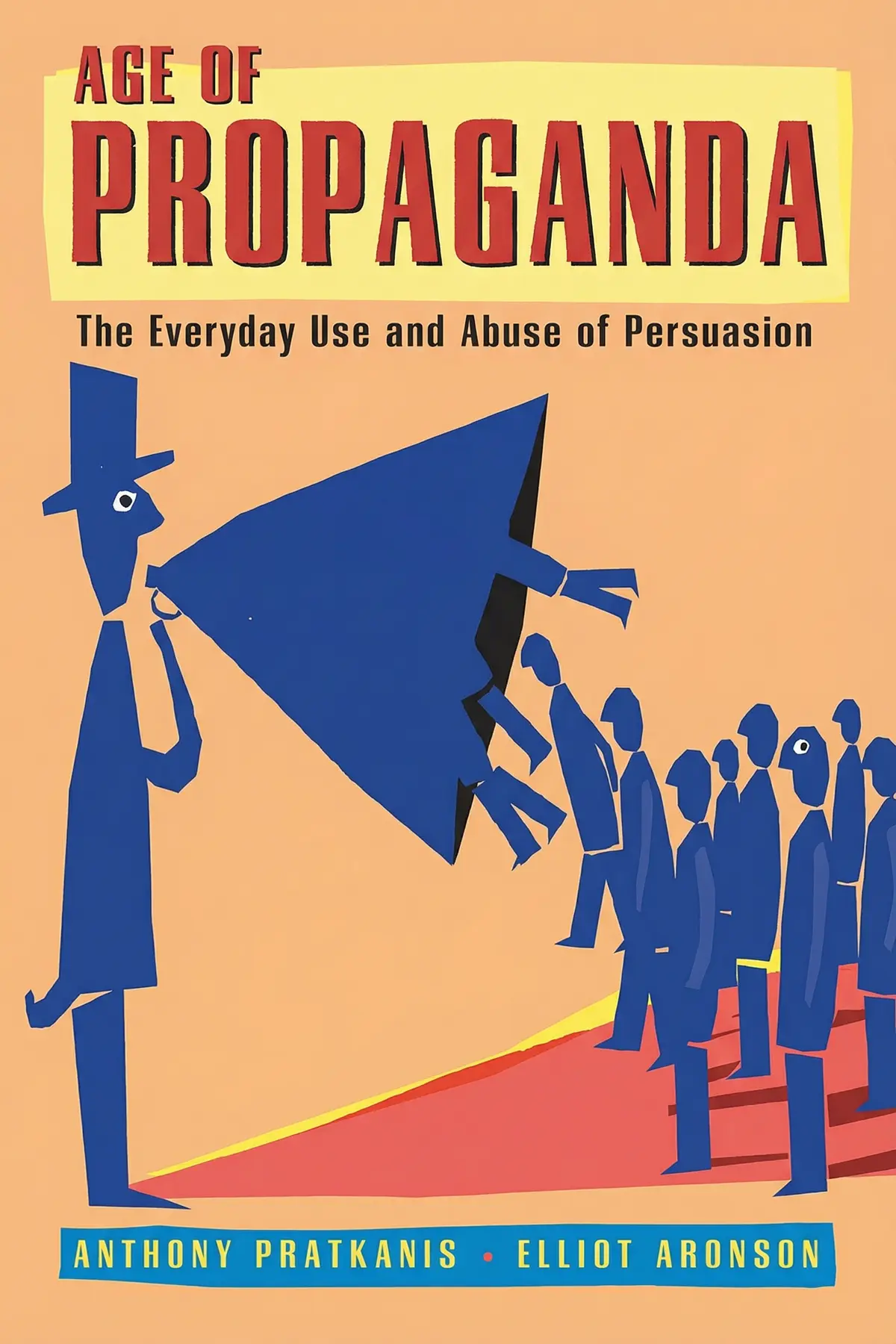
Age of Propaganda: The Everyday Use and Abuse of Persuasion
Anthony Pratkanis
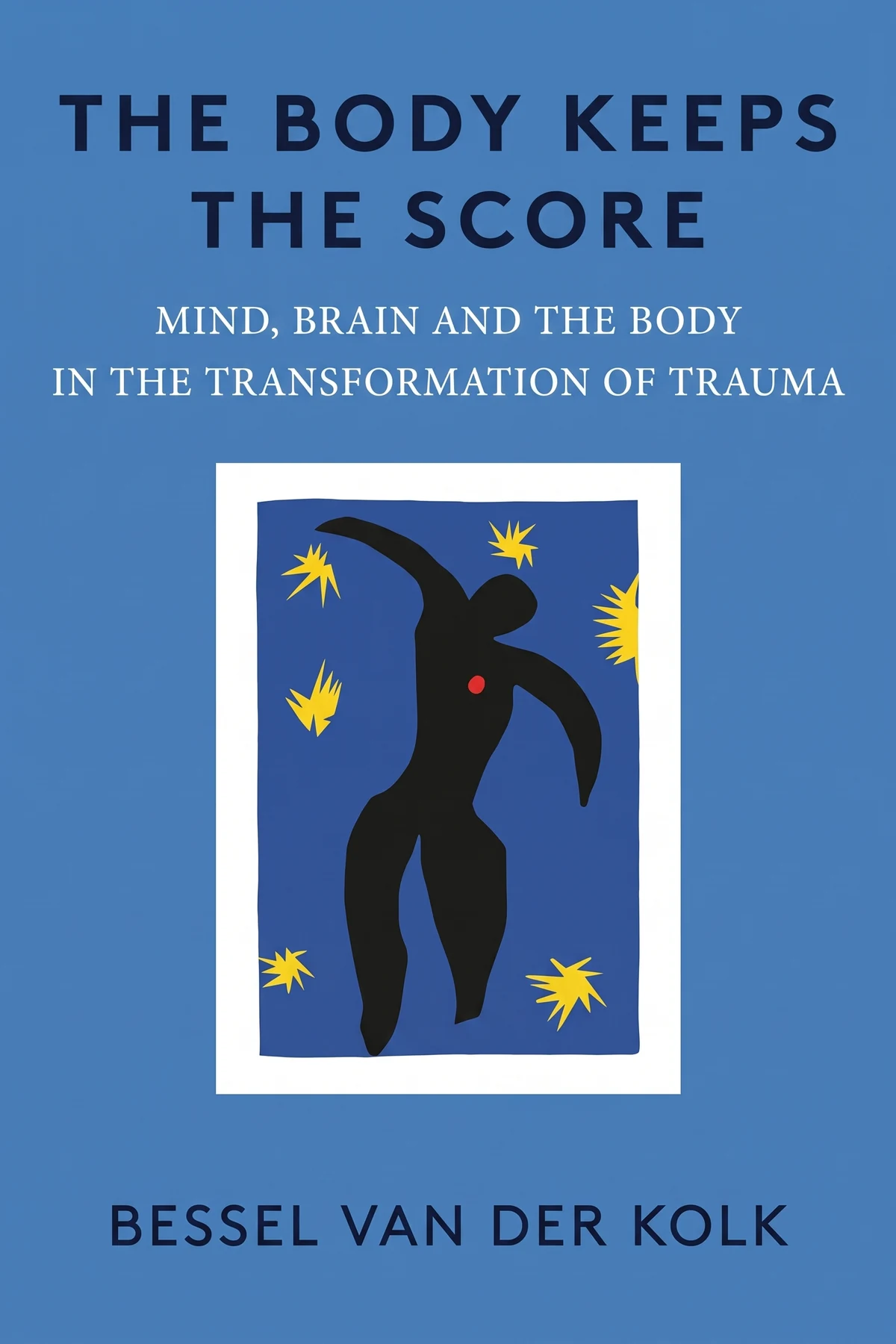
Explore how traumatic experiences reshape the human brain and body. This summary reveals why trauma persists as physical sensation and offers revolutionary pathways toward holistic healing and emotional recovery.
1 min 46 sec
When we think of trauma, our minds often jump to the most visible scars—the veteran returning from a combat zone or the survivor of a catastrophic natural disaster. We imagine people who are ‘haunted’ by their past, but we often view that haunting as something purely mental, a series of bad thoughts that just won’t go away. However, as we will explore today, the reality is much deeper and more physical than most people realize. Trauma isn’t just a story about something that happened a long time ago; it is a biological change that stays live within the person’s nervous system.
In this summary of the work by Bessel van der Kolk, we are going to look at the groundbreaking realization that the body, quite literally, keeps a record of everything we go through. We’ll see how traumatic events can actually rewire the brain, deactivating the parts responsible for logic and speech while keeping the ‘alarm system’ in a state of constant high alert. This shift explains why it is so difficult for survivors to simply ‘move on’ or ‘talk it out.’ Their bodies are still reacting to a threat that ended years ago.
Over the next few minutes, we will journey through the history of trauma research, from the therapy groups of Vietnam veterans to the cutting-edge brain scans of the modern day. We will look at why ordinary triggers can cause such explosive reactions and why children are particularly vulnerable to these long-term shifts. Most importantly, we will focus on the path forward. We’ll examine how techniques like yoga, mindfulness, and neurofeedback are helping people reclaim their bodies and their lives. The throughline here is one of hope: while trauma can change us, the brain’s incredible plasticity means we also have the power to change back.
2 min 19 sec
Trauma is not a rare occurrence reserved for soldiers; it is a widespread reality affecting millions of civilians every single year through abuse and accidents.
1 min 51 sec
Discover how brain scans reveal that the rational mind literally shuts down during a flashback, leaving survivors trapped in a wordless physical nightmare.
1 min 55 sec
Traumatic events in early life do more than cause temporary distress; they create a dark filter through which a child views all future possibilities.
1 min 52 sec
Unlike normal memories that fade and shift over time, traumatic memories remain frozen in a vivid, sensory-rich state that feels eternally present.
2 min 01 sec
Eye Movement Desensitization and Reprocessing offers a way to ‘file away’ traumatic memories, moving them from the active present into the historical past.
1 min 41 sec
For those whose bodies feel like a prison of panic, yoga provides a gentle and effective way to reconnect with physical sensations and regain a sense of safety.
1 min 53 sec
Recovery is rarely a solo journey; it requires both the internal work of mindfulness and the external support of a compassionate community.
1 min 53 sec
Neurofeedback allows individuals to literally see their own brain waves and train their minds to return to a state of calm and focus.
1 min 27 sec
As we come to the end of our exploration into the profound insights of Bessel van der Kolk, the most important takeaway is that trauma is not a life sentence. It is a physical reality that changes the brain and the body, but because of the brain’s incredible plasticity, those changes are not permanent. We have seen how trauma deactivates the rational mind and leaves the body in a state of perpetual alarm, but we have also seen the diverse and powerful ways we can fight back.
Whether it is through the eye movements of EMDR, the physical grounding of yoga, the mental focus of mindfulness, or the high-tech rewiring of neurofeedback, the goal is always the same: to help the survivor come back to the present. Healing happens when a person can finally say, ‘That happened to me then, but I am safe now.’ It is about moving from a state of mere survival to a state of true living.
If you or someone you know is struggling with the echoes of the past, remember that the first step is understanding that the struggle is biological, not a failure of character. By engaging with the body and the brain directly, we can begin to quiet the alarms and reclaim our sense of self. The journey of recovery is often long and requires a community of support, but as the research shows, the human spirit is remarkably resilient. We can, and do, heal.
The Body Keeps the Score explores the profound and lasting impact that overwhelming stress and trauma have on the human system. It moves beyond the idea that trauma is a purely psychological issue, illustrating how it physically alters the brain’s wiring and the body’s stress response. By examining the lives of veterans, abuse survivors, and accident victims, the narrative explains why traditional talk therapy often fails to reach the deep-seated imprints of past pain. The book promises a path toward reclamation. It introduces readers to innovative treatments that bridge the gap between mind and body, such as EMDR, yoga, and neurofeedback. Through these methods, individuals can learn to regulate their nervous systems and integrate their memories, eventually moving from a state of constant survival back into a life of connection and presence. It is a guide to understanding the biological roots of suffering and the inherent capacity of the human spirit to heal.
Bessel van der Kolk, MD, is a distinguished physician, researcher, and educator who has spent decades specializing in post-traumatic stress. As a professor of psychiatry at the Boston University School of Medicine, he has been at the forefront of trauma research. He previously directed the Trauma Center at the Justice Resource Institute. His extensive body of work includes influential titles such as Psychological Trauma and Traumatic Stress: The Effects of Overwhelming Experience on Mind, Body, and Society.
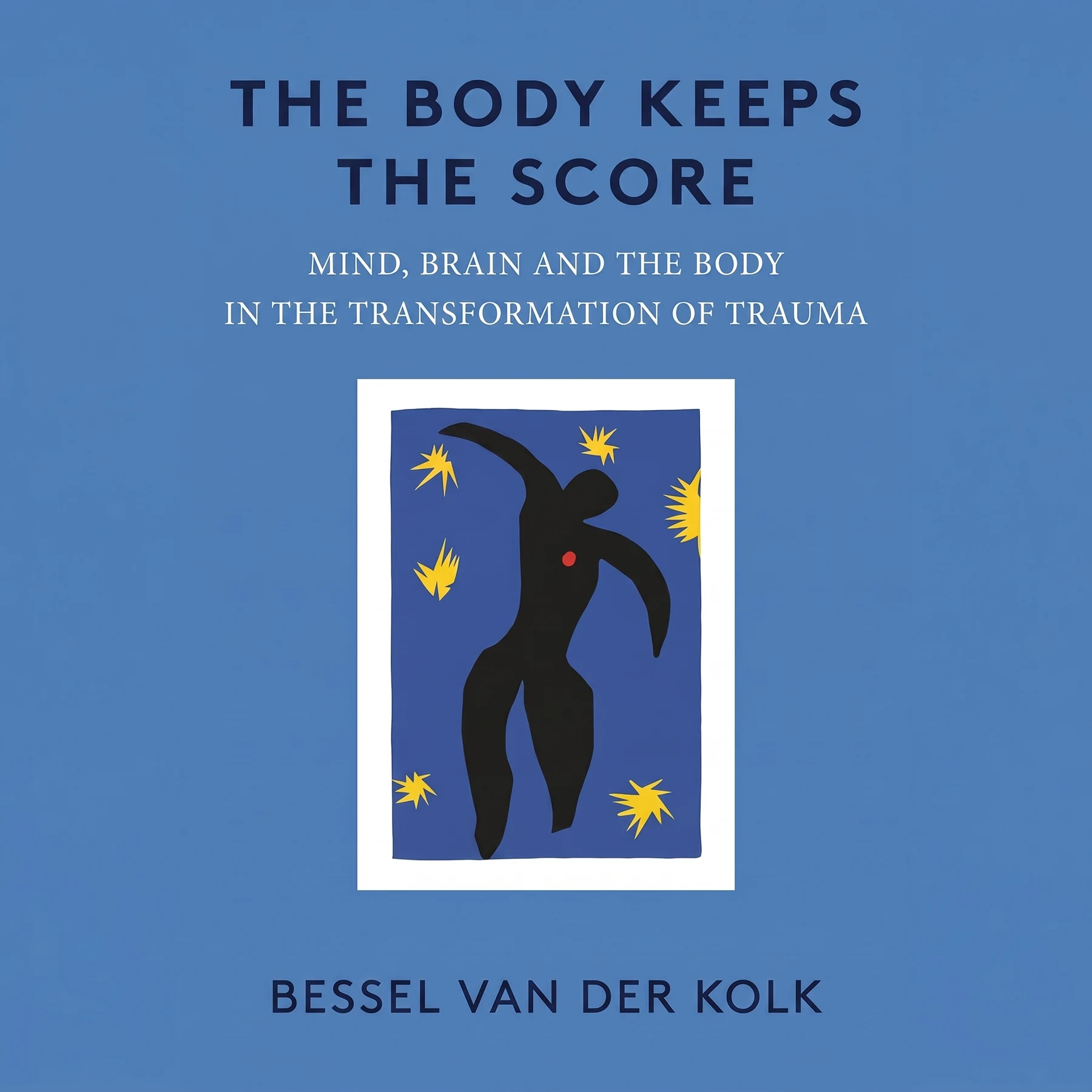
Listeners find this to be a compelling and approachable study on trauma, backed by extensive research and real-world examples that clarify many issues. This well-crafted book is easily understood by laypeople while delivering useful healing methods that have benefited many. Listeners value the depth of knowledge regarding neuroscience and mental wellness, and one listener highlights that it is a mandatory resource for those working in the mental health field.
Finally got around to reading this staple of trauma literature, and the hype is largely justified. Van der Kolk manages to make complex neuroscience remarkably accessible to a layperson like myself. The way he describes how the brain "shuts down" during a crisis to survive explains so many of my own physical reactions. Truth is, seeing the data on how trauma literally reshapes our physiology was a total lightbulb moment for me. While some of the case studies are incredibly heavy, the practical focus on EMDR and yoga felt empowering. It isn't just a list of problems; it is a roadmap for healing that respects the body’s wisdom. This is a fascinating and readable exploration of why our past follows us.
Show moreAs someone who has struggled with chronic pain for years without a clear diagnosis, this book felt like someone finally handed me the key. Van der Kolk explains that our tissues remember what our minds try to forget, which perfectly describes my experience with "unexplained" muscle tension. The chapter on Internal Family Systems was particularly enlightening and gave me a new vocabulary for my internal struggles. Look, it is a difficult read because the stories are raw and visceral, but the insight into how we store terror is life-changing. I appreciated how clearly accessible the science was to non-professionals like myself. Truly a foundational text for anyone seeking to understand how heartbreak and neglect physically hurt the body.
Show moreEver wonder why your body reacts to stress before your brain even knows what is happening? This book provides the most comprehensive answer I have ever found. Van der Kolk bridges the gap between Western medicine and holistic practices like yoga with incredible grace and scientific rigor. Personally, the explanation of how the amygdala and medial prefrontal cortex interact changed how I view my own anxiety. It is a thick, academic-leaning book, but the writing is clear enough for anyone to follow. It is rare to find a text that is both this scientifically dense and this profoundly moving. This is a masterwork that provides real, actionable strategies for healing after the unthinkable happens.
Show moreBessel van der Kolk has created a transformative guide that should be required reading for every medical professional and educator. The book brilliantly deconstructs the failures of the DSM in favor of a more holistic, person-centered approach to mental health. I was especially gripped by the stories of resilience and the innovative use of neurofeedback to help survivors find peace. While some sections are undeniably bleak, the overarching message is one of profound hope and recovery. The way he integrates social relationships into our understanding of biology is a perspective our society desperately needs. Not gonna lie, it changed my entire worldview. It is a masterpiece of modern psychology that answers questions I didn't even know I had.
Show moreAfter hearing so much buzz about this on social media, I was worried it would not live up to the reputation. I was wrong. The book is a fascinating exploration of why "talking it out" is not enough for many survivors, as the trauma is physically locked in the brainstem. The sections on how child abuse affects brain development were heartbreaking but necessary to understand the scope of the problem. Van der Kolk’s advocacy for non-drug treatments like EMDR and biofeedback is refreshing in a world obsessed with quick fixes. This is a compassionate, intelligent, and ultimately life-altering piece of work. It is clear why this has become a must-read for anyone interested in neuroscience and mental health.
Show moreIn my experience as a student of psychology, few books have had the cultural impact of this one, and for good reason. It successfully challenges the idea that mental illness is just a chemical imbalance, refocusing our attention on the lived experiences of individuals. The case studies, while difficult, provide a necessary context for the biological data he presents. I found the section on the Internal Family System to be a total game-changer for understanding complex trauma. It is a readable, authoritative, and deeply necessary exploration of what it means to be human after the unthinkable happens. While the author's personal history might be controversial, the medical insights provided here are undeniably vital for the future of psychiatry.
Show moreThis book is a masterclass in understanding the biological imprint of suffering, though it isn't without its flaws. I was fascinated by the exploration of neurofeedback and how we can retrain our nervous systems after years of hypervigilance. However, to be fair, the author’s tone occasionally feels dated or even clinical to a fault. I struggled with the chapter on the Vietnam veteran, Tom; the lack of empathy for the victims in that specific narrative was jarring and hard to stomach. Despite those moments of tone-deafness, the sheer volume of research provided is invaluable for anyone trying to understand the mind-body connection. It is a dense, challenging read that requires frequent breaks but offers genuine hope for long-term recovery.
Show moreThe research presented here is undoubtedly groundbreaking, especially the sections on how trauma affects our perception of time and space. I appreciated the deep dive into various treatment modalities beyond just standard talk therapy, which often fails those with deep-seated PTSD. To be honest, the book could have been significantly shorter if he had trimmed some of the more repetitive case studies. Sometimes the clinical language makes the human element feel like a lab experiment, which is a bit off-putting. Still, the practical strategies for "immobilization without fear" through yoga and theater are brilliant additions to the field. It is a must-read for mental health professionals, provided you can handle the graphic nature of the anecdotes.
Show moreNot what I expected from a typical self-help book, as it reads much more like a clinical history or a textbook. The depth of the research into how trauma impacts the nervous system is staggering and answered so many questions I had about my own triggers. However, I have to mention that the graphic descriptions of patient trauma are quite intense and could be very distressing for some. In my experience, it is best to read this in small chunks rather than all at once. I also found the author’s focus on his Harvard credentials a bit repetitive after a while. Regardless of the ego involved, the core information regarding somatic experiencing is absolutely worth the effort it takes to get through the text.
Show moreI wanted to love this given the glowing recommendations, but the author’s perspective frequently rubbed me the wrong way. Frankly, the way he describes female patients as "gorgeous" or "slender" while discussing their horrific abuse felt voyeuristic and deeply inappropriate for a professional. Then there is the controversy regarding his removal from his own trauma center for creating a hostile environment, which makes his "compassionate" tone feel performative. The science regarding EMDR is interesting, but I found the anecdotal sections about soldiers like Tom to be misogynistic and dismissive of victims. I am shelving this unfinished because the lack of humanization for women was just too triggering to ignore. There are better ways to learn about PTSD without the tone-deafness.
Show moreAnthony Pratkanis
Alcoholics Anonymous World Services
Richard Wiseman
AUDIO SUMMARY AVAILABLE
Get the key ideas from The Body Keeps the Score by Bessel van der Kolk, plus 5,000+ more titles in English and Thai.







