
26 min 15 sec
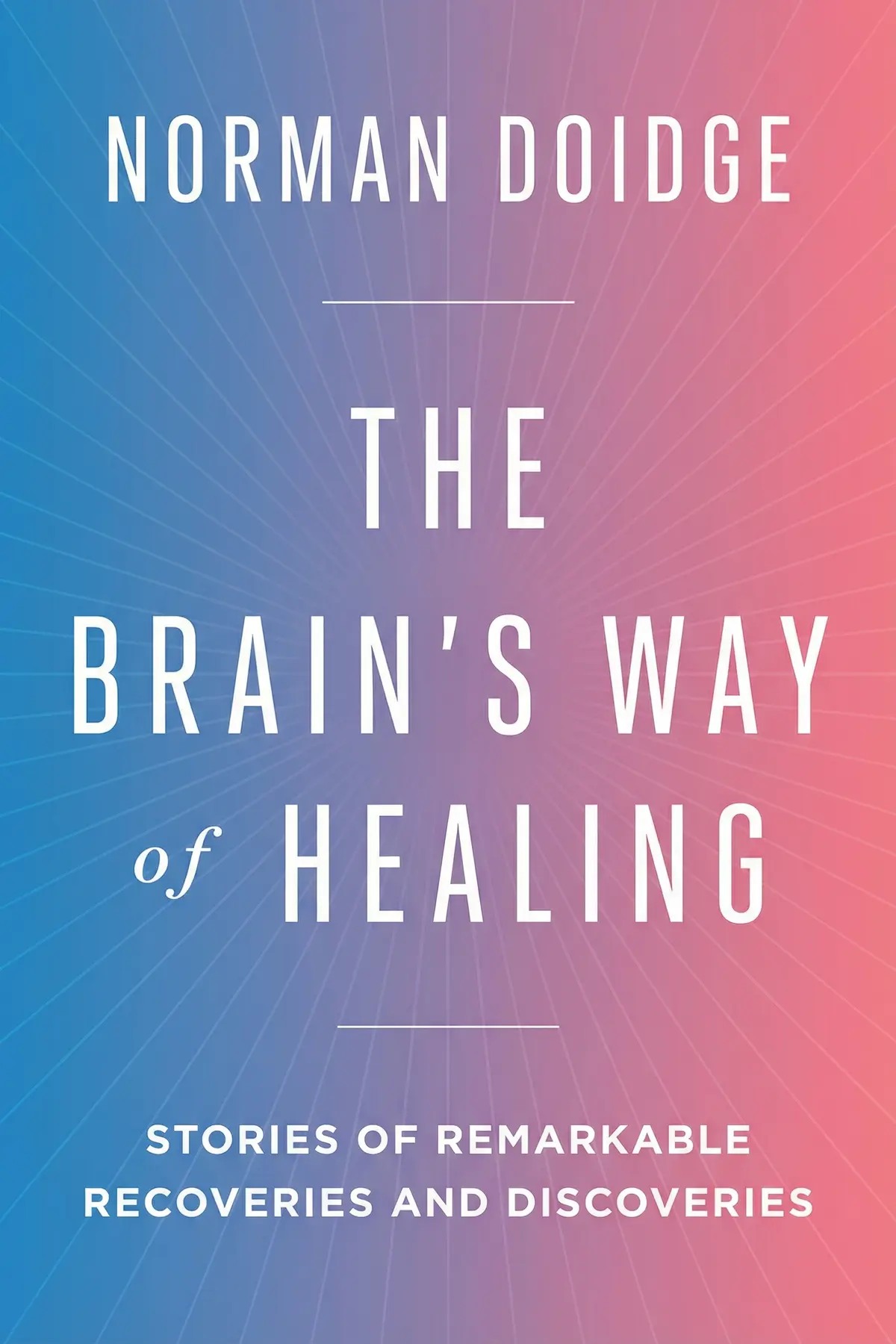
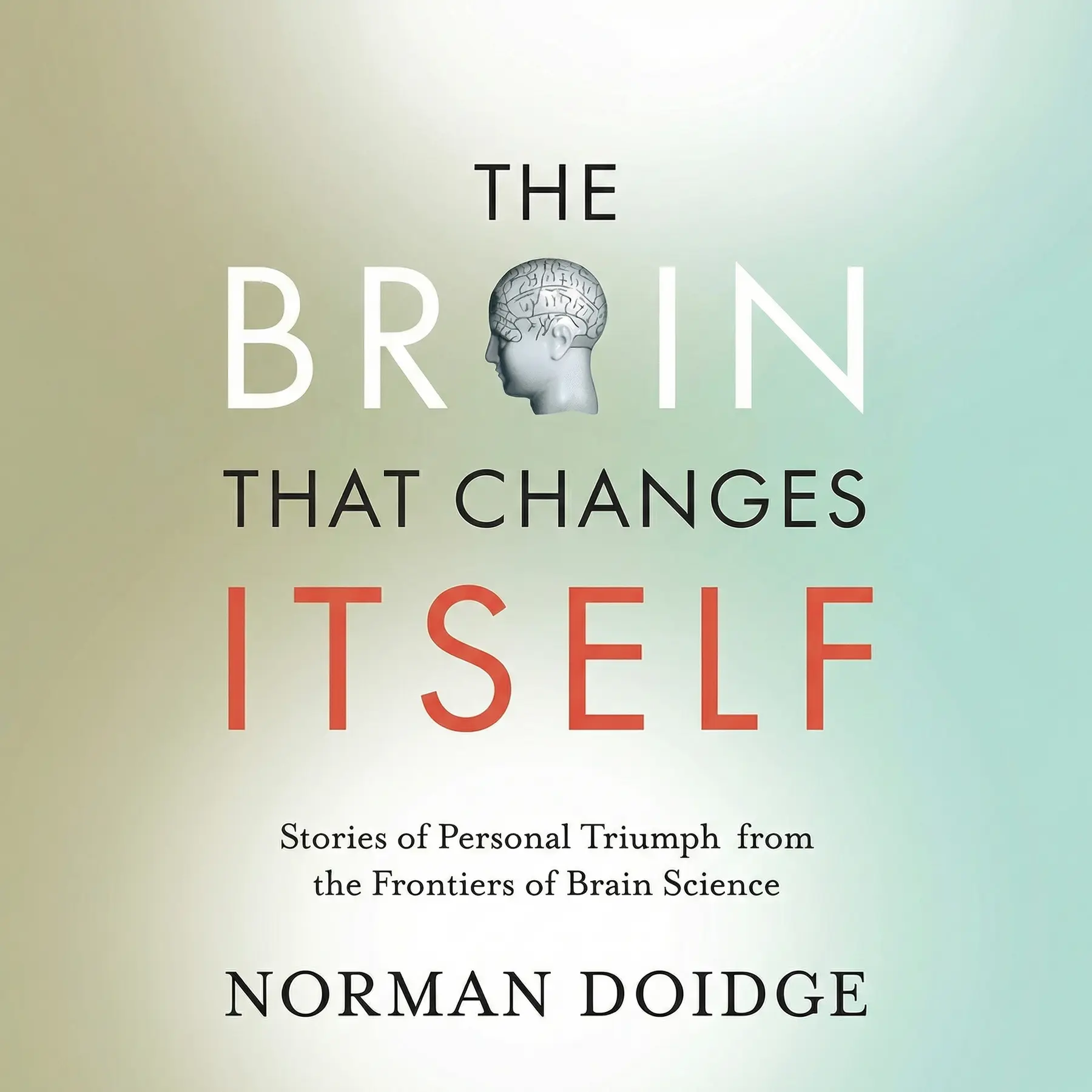
The Brain that Changes Itself: Stories of Personal Triumph from the Frontiers of Brain Science
Explore the revolutionary discovery of neuroplasticity, revealing how the human brain can physically reorganize, heal itself, and adapt throughout life, overcoming once-permanent limitations through thought, activity, and targeted mental exercises.
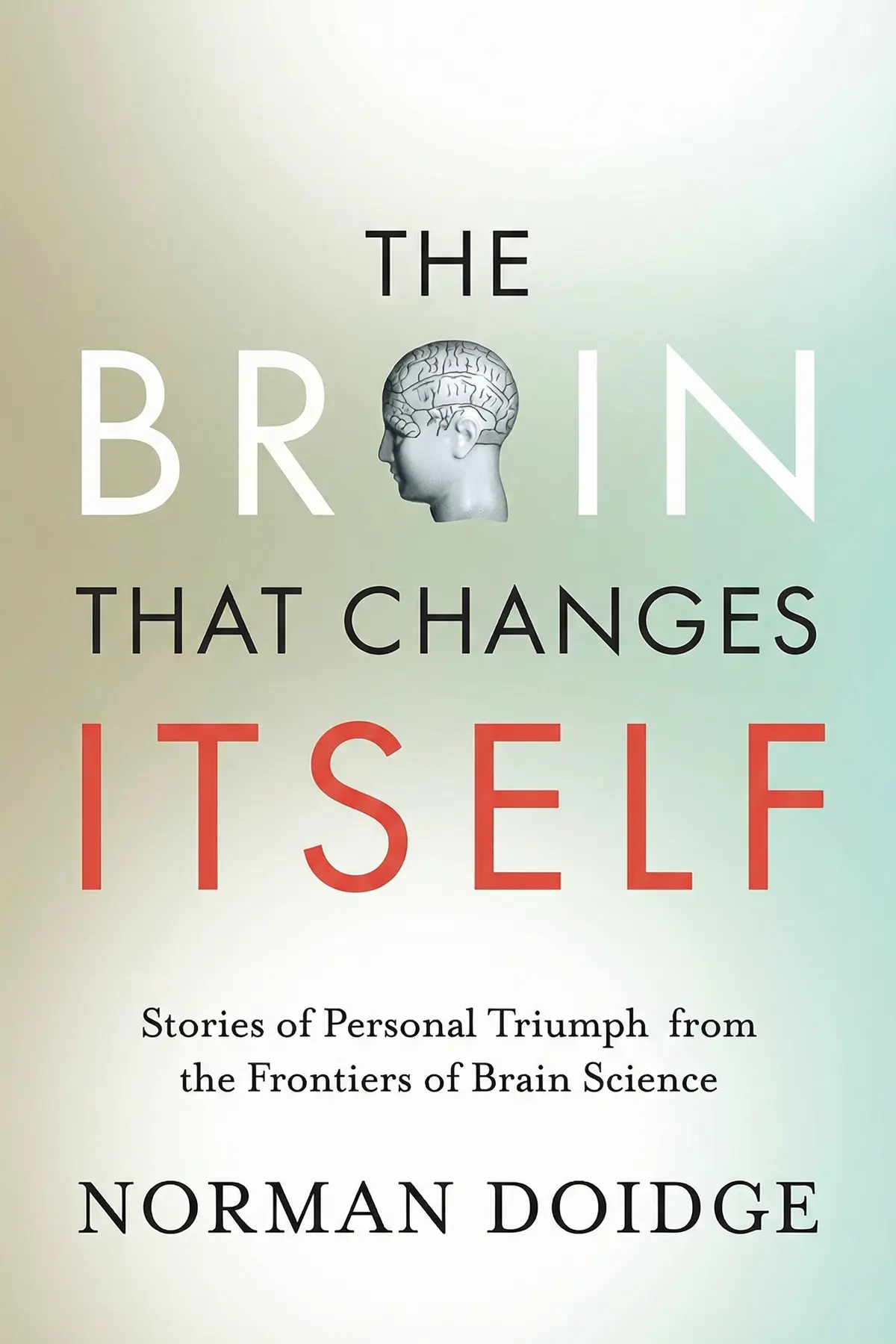
Table of Content
1. Introduction
1 min 48 sec
Imagine for a moment that your brain is not a static piece of hardware, but rather a living, breathing landscape that is constantly being reshaped. For most of the twentieth century, the brightest minds in medicine believed that once you reached adulthood, your brain was essentially ‘hardwired.’ The idea was that if a specific area was damaged or if you reached a certain age, your cognitive fate was sealed. But we are now living through a scientific revolution that has completely overturned that pessimistic view. We have entered the era of neuroplasticity.
The throughline of our exploration today is the incredible capacity of the brain to reorganize its own structure and function in response to experience. This isn’t just a minor technical detail of biology; it is a fundamental shift in how we understand the human experience. It means that we are not necessarily stuck with the brain we were born with, or even the one we have today. Through the stories of people who have triumphed over seemingly impossible neurological hurdles, we will see how the brain can ‘unmask’ hidden pathways, reclaim lost territory, and even use the power of imagination to change its physical reality.
As we walk through these discoveries, you will learn how the brain’s competitive nature allows it to reassign tasks to healthy regions, why our environments play a physical role in our mental health, and how we can use this knowledge to protect our minds as we age. Whether it is overcoming a lifelong learning disability or healing from a stroke, the message is clear: the brain is an organ that changes itself. Let’s dive into the frontiers of this new science and see what it means for the future of human potential.
2. The Mechanism of Neural Unmasking
2 min 18 sec
Discover how the brain reveals hidden backups to restore lost functions, allowing a woman who couldn’t stand to walk again by utilizing her tongue as a sensory bridge.
3. The Impact of Stimulating Environments
2 min 17 sec
Explore how active engagement and novelty physically thicken the brain’s cortex, proving that mental exercise is just as vital as physical movement for structural growth.
4. The Competitive Nature of Brain Maps
2 min 05 sec
Learn why the brain is like a piece of high-demand real estate, where different body parts compete for space and functions can shift to neighboring regions.
5. The Plasticity of Human Desire
2 min 04 sec
Understand how our most intimate preferences are shaped by neural conditioning and dopamine, meaning our tastes and habits are not as fixed as they seem.
6. Overcoming Learned Nonuse in Recovery
2 min 09 sec
See how stroke victims are reclaiming their independence by forcing their ‘quiet’ neurons back into action through intensive, specialized movement therapy.
7. Breaking the Anxiety Cycle Through Focus
2 min 05 sec
Learn how the ‘worry switch’ in the brain can get stuck, and how we can use plastic treatments to manually bypass obsessive-compulsive loops.
8. Tricking the Brain to Heal Physical Pain
1 min 56 sec
Discover how a simple mirror can solve the agonizing mystery of phantom limb pain by convincing the brain that a missing limb has returned.
9. The Physical Power of Visualization
1 min 55 sec
Can you grow stronger just by thinking? Learn how mental practice triggers the same neural growth as physical action, blurring the line between mind and body.
10. Psychotherapy as a Biological Intervention
1 min 58 sec
Revisit the roots of talk therapy through a modern lens, seeing how dialogue and reflection can physically rewire the brain’s emotional pathways.
11. Cultivating the Brain’s Internal Garden
1 min 53 sec
Discover the secret to staying sharp as you age: neuronal stem cells and the simple lifestyle changes that trigger the birth of new brain cells.
12. The Remarkable Adaptability of the Hemispheres
1 min 51 sec
Meet the woman living with only half a brain and discover how ‘mirror region takeover’ allows one hemisphere to perform the work of two.
13. Conclusion
1 min 56 sec
As we reach the end of our journey through the frontiers of neuroplasticity, it is worth reflecting on just how far our understanding has come. We have moved from a world where the brain was seen as a fragile, decaying machine to one where it is recognized as a resilient, ever-evolving landscape. We’ve seen that through the process of unmasking, our brains can find alternative routes to restore lost senses. We’ve learned that our environment, our thoughts, and even our most repetitive habits physically carve the neural paths we walk every day.
The most important takeaway is the sense of agency this gives each of us. You are not a passive observer of your own cognitive health. Whether you are recovering from an injury, battling an ingrained habit, or simply looking to stay sharp as you grow older, the power to change is literally inside your head. We saw this in the intense focus of Barbara Arrowsmith Young as she mastered the clock, in the forced movements of stroke survivors reclaiming their limbs, and in the quiet discipline of OCD patients refocusing their minds.
So, what can you do with this information today? The actionable advice is simple but profound: never stop being a student of the world. To keep your brain’s plastic potential at its peak, you must seek out ‘effortful’ learning. Don’t just stick to what you are good at; pick up a hobby that feels difficult. Learn to dance, study a new language, or take up a complex craft. Combine this mental novelty with physical movement to fuel the birth of new neurons. Your brain is a living organ that responds to use. By choosing to stay active, curious, and challenged, you aren’t just passing the time—you are literally building a better, stronger, and more resilient brain for the future.
About this book
What is this book about?
The Brain that Changes Itself explores the groundbreaking shift in neuroscience from viewing the brain as a rigid, machine-like organ to understanding it as a dynamic, ever-changing entity. For centuries, the medical establishment believed that the adult brain was fixed and incapable of repair. Norman Doidge challenges this outdated dogma by presenting a series of remarkable case studies where individuals used the power of neuroplasticity to overcome profound challenges. From a woman who regained her sense of balance after losing her vestibular system to stroke victims who learned to move paralyzed limbs again, this book provides a roadmap for the brain's restorative potential. It explains the biological mechanisms behind these transformations—such as the way neurons can be 'unmasked' or repurposed—and explores how this adaptability affects everything from our sexual preferences and habits to our ability to ward off dementia. The promise of this work is a new understanding of human nature: we are not merely products of our biology, but active participants in shaping the physical structure of our minds.
Book Information
About the Author
Norman Doidge
Norman Doidge is a distinguished psychiatrist and psychoanalyst who serves as a researcher at the Columbia University Center for Psychoanalytic Training and Research, as well as at the University of Toronto’s Department of Psychiatry. A prominent figure in the field of brain science, his insights have been featured in major publications like The Wall Street Journal, TIME, and The Guardian. Beyond his academic and clinical roles, Doidge is a New York Times bestselling author and a frequent contributor to television and radio programs where he shares the latest advancements in neuroplasticity.
Ratings & Reviews
Ratings at a glance
What people think
Listeners find this work to be very approachable and full of knowledge, offering excellent revelations regarding the brain's regenerative power and plasticity. The prose is relatable and straightforward, which helps clarify complicated topics, and the chapters are loaded with compelling stories about real individuals. Listeners find themselves intellectually captivated by the information, which presents a hopeful outlook for those with brain injuries; one listener even remarks that it works well alongside "The Brain's Way of Healing."
Top reviews
Pong
Wow. Doidge presents a revolutionary look at how our minds can literally rewire themselves, moving past the old idea that the brain is a fixed machine. I was particularly moved by the case studies of stroke victims regaining their lives through sheer persistence and the 'use it or lose it' principle. It’s written with a down-to-earth tone that makes heavy neuroscience feel like a page-turner. While some of the clinical descriptions are intense, the overall message of hope is undeniable. This is a must-read for anyone interested in the human capacity for change. The chapter on the lady who felt like she was constantly falling was both terrifying and enlightening. It truly makes you appreciate the delicate balance of our internal wiring and the potential to fix what we once thought was broken forever.
Show morePetch
Picked this up after a friend recommended it for my aging father, and I ended up finishing it before him. The way Norman Doidge translates complex medical jargon into plain English is a real gift. I was intellectually enthralled by the idea that we can literally think ourselves smarter by challenging our brains with new tasks. The case of the woman born with only half a brain who managed to function normally was mind-blowing. It really drives home the point that our neural pathways are not set in stone. The book acts as a great companion to 'The Brain's Way of Healing' and provides a lot of practical hope. It’s not just a science book; it’s a testament to the resilience of the human spirit and the amazing organ inside our skulls.
Show morePrayoon
After hearing about neuroplasticity for years, I finally dove into the source text. I wasn't disappointed. Doidge's writing is incredibly accessible, making the brain's regenerative qualities feel like a superpower we all possess. The story of the man who retrained his brain after a massive stroke by crawling on the floor for a year was incredibly moving. It’s these kinds of real-world examples that make the science stick. The book really challenges the notion that we are victims of our biology. Instead, it suggests we are the architects of our own neural architecture. Whether it's curing phantom limb pain or treating learning disabilities, the implications of this research are staggering. I came away feeling empowered and much more aware of how I spend my mental energy.
Show moreMaya
Finally got around to reading this classic! It’s easy to see why it’s so highly recommended. The book is intellectually enthralling from start to finish, particularly the chapters on how the brain maps sensory information. Doidge has a knack for taking complex concepts like 'synaptic pruning' and making them understandable for the average person. I was especially interested in the section on how mental exercise can ward off Alzheimer's—it’s a great reminder that our brains need a workout just as much as our bodies do. While the book is nearly two decades old now, the foundational ideas still feel fresh and relevant. It’s an optimistic, insightful read that provides a lot of hope for the future of brain health and human potential.
Show moreMats
This book provides a compelling argument against the old-school doctrine of 'localizationism.' Doidge explains how the brain is actually dynamic, constantly reallocating its neuronal real estate based on our activities. I found the section on phantom limbs particularly fascinating, especially the 'magic' mirror box treatment that relieves chronic pain. However, I’ve got to say, some of the author’s tangents felt a bit dated. His take on 'sexual perversions' and the influence of pornography seemed more like personal moralizing than hard science. To be fair, the book was written in 2007, so maybe some of that perspective is a product of its time. Despite those occasional uncomfortable moments, the core science regarding neuroplasticity is incredibly well-presented and accessible to a general audience.
Show morePrim
As someone who works in rehabilitation, I found the descriptions of 'Constraint-Induced Movement Therapy' for stroke survivors to be the highlight of the book. Doidge does a fantastic job of showing how 'unlearning' is often the hardest part of recovery because old habits have deep roots in our brain maps. The narrative is engaging, though I'll admit some of the chapters felt a bit repetitive in their 'miracle cure' tone. Frankly, I would have liked to see more double-blind studies cited rather than just individual success stories, which can sometimes be statistical outliers. Still, the central message—that the brain is a living, changing organ rather than a static computer—is essential reading for healthcare professionals and patients alike.
Show moreOwen
Not exactly a light beach read, but surprisingly easy to digest given the subject matter. The focus on how the brain deals with learning and changing multiple skills is the big takeaway here. I was fascinated by the idea that our brain functions are constantly 'fighting' for space. It makes sense that if you stop practicing a skill, your brain reclaims that territory for something else. My only real gripe is that some of the claims regarding certain software programs like Fast ForWord seemed a little too good to be true, and a quick search reveals they aren't universally acclaimed. Regardless, the book is packed with fascinating anecdotes and provides a great framework for understanding why habits are so hard to break. It’s definitely worth a read for the intellectual curiosity alone.
Show moreWitthaya
The truth is, I expected a dry textbook, but what I got was a collection of inspiring stories that happen to be backed by neuroscience. The concept of the brain being 'plastic' is a game-changer for anyone dealing with chronic issues or just looking to stay sharp as they age. I particularly liked the explanation of how we can develop new habits by consciously bypassing old, entrenched circuits—essentially a DIY brain rewire. To be fair, the author’s tone can be a bit judgmental in the later chapters, and the animal testing details were hard to stomach. But if you can look past those flaws, the information is gold. It’s a very informative look at how we can preserve our cognitive health through lifelong learning.
Show moreTakeshi
Ever wonder if your brain is stuck in its ways once you hit thirty? This book says a resounding 'no,' but the delivery is a bit of a mixed bag. The science of neuroplasticity is handled well, and the 'use it or lose it' mantra is a great motivator to keep learning. However, Doidge isn't exactly Oliver Sacks; he lacks that deep, warm humanism that makes Sacks' case histories so transcendent. Parts of this felt like a distant clinical report, and the chapter on OCD felt too brief compared to the long-winded sections on Freud and psychoanalysis. I also found the author’s lack of neutrality regarding certain lifestyle choices a bit jarring. It’s an informative read for sure, but be ready to sift through some personal bias to get to the good stuff.
Show moreCharlotte
I have seriously mixed feelings about this one. On one hand, the concept of brain plasticity is utterly gripping and the stories of recovery are undeniably powerful. On the other hand, I found the descriptions of animal experiments—like sewing a kitten's eye shut or deafferenting a monkey’s limbs—to be stomach-turning and presented with a cold, clinical detachment that lacked any ethical reflection. Furthermore, Doidge's foray into psychoanalysis and his judgmental views on 'sexual perversion' felt like a sharp departure from objective science. He seems to suggest that any brain not wired 'normally' needs to be fixed, which is a bit of a narrow-minded approach to human diversity. If you choose to read this, do so with a healthy dose of skepticism and be prepared for some very troubling passages.
Show moreFeatured in
Readers also enjoyed
Acting with Power: Why We Are More Powerful Than We Believe
Deborah Gruenfeld


Alien Earths: The New Science of Planet Hunting in the Cosmos
Lisa Kaltenegger

Age of Propaganda: The Everyday Use and Abuse of Persuasion
Anthony Pratkanis

AUDIO SUMMARY AVAILABLE
Listen to The Brain that Changes Itself in 15 minutes
Get the key ideas from The Brain that Changes Itself by Norman Doidge, plus 5,000+ more titles in English and Thai.
- 5,000+ titles
- Listen as much as you want
- 7-day free trial
- Cancel anytime







