
The Problems of Philosophy
Bertrand Russell
Explore Bertrand Russell’s timeless guide to finding joy. This summary breaks down the psychological barriers to contentment and offers practical strategies for building a life filled with zest, affection, and perspective.
1 min 45 sec
If you were to stop a person on the street today and ask them if they wanted to be happier, you would likely receive an immediate and enthusiastic yes. But if you followed up by asking them exactly how they planned to achieve that state, the conversation would probably stall. Most of us treat happiness like a mysterious weather pattern—something that either shines on us or stays hidden behind the clouds of fate. However, the legendary philosopher Bertrand Russell viewed it quite differently. He believed that for most people, happiness isn’t a gift from the gods, but an achievement that must be won through deliberate effort and a bit of common sense.
In this exploration of Russell’s classic work, we are going to dive into a world of practical wisdom that feels just as relevant today as it did when it was first written. We’ll look at the psychological knots we tie ourselves into—the constant need to outdo our neighbors and the mental exhaustion that comes from worrying about things we cannot control. But we won’t just dwell on the negatives. We’ll also discover the active ingredients of a joyful life: things like zest, affection, and the importance of having a wide range of interests.
The throughline here is simple: if we have our basic needs for food and shelter met, the rest of the journey toward fulfillment is largely a matter of training our minds. It’s about learning to look outward rather than inward, and finding a balance between striving for our goals and accepting the world as it is. By the end of this journey, you’ll see that the path to a contented life isn’t paved with complex secrets or expensive gadgets, but with a series of small, intentional shifts in how you perceive your life and your place in the universe. Let’s begin the process of understanding how to conquer our own happiness.
2 min 27 sec
Many people mistake professional triumph for ultimate fulfillment, yet the constant drive to surpass others often leads to a hollow and anxious existence.
2 min 16 sec
Explore why modern exhaustion is often more mental than physical and how the weight of constant worry drains our vital energy.
2 min 28 sec
Discover how zooming out to a broader view of the universe can shrink your problems and provide the clarity needed for a peaceful mind.
2 min 39 sec
A fulfilling life is built on curiosity and an appetite for varied experiences, preventing us from becoming victims of a single misfortune.
2 min 27 sec
Giving love and warmth freely, without demanding it in return, is one of the most reliable ways to secure your own emotional well-being.
2 min 27 sec
Finding the sweet spot between striving for change and accepting what cannot be changed is the final secret to a stable and joyful life.
1 min 45 sec
As we wrap up our look at Bertrand Russell’s timeless wisdom, the most important takeaway is that happiness is not a mysterious accident. It is a state of being that is largely within our own reach, provided we are willing to examine our habits and make a few intentional changes. We’ve seen how the ‘gospels’ of success and the pressures of social competition can turn our lives into a source of constant anxiety. We’ve explored how the weight of nervous fatigue can be lifted by practicing mental discipline and finding a better perspective on our place in the cosmos.
We also learned that the most joyful people are those who look outward. By cultivating a wide variety of interests—zest—and by being generous with our affection, we build a life that is resilient and rich. We aren’t vulnerable to every passing storm because we have multiple anchors holding us steady. Finally, we saw the value of the ‘golden mean,’ finding that perfect balance between putting in the effort to improve our lives and having the grace to accept the things we cannot change.
The ‘conquest’ Russell speaks of isn’t about defeating others; it’s about conquering our own tendencies toward self-absorption, worry, and envy. It’s about returning to a more natural, childlike state of curiosity and warmth, supported by the wisdom of an adult perspective. Happiness is accessible, practical, and possible. It starts with the simple decision to stop looking at what you lack and start engaging wholeheartedly with the vast, interesting world around you. By applying these principles, you don’t just find happiness—you build a foundation for it that can last a lifetime.
The Conquest of Happiness is a classic exploration of the human condition written by one of the twentieth century’s greatest thinkers, Bertrand Russell. Rather than focusing on abstract metaphysics, Russell provides a grounded, psychological roadmap for the average person to improve their daily experience. The book is divided into two parts: an analysis of the common causes of unhappiness and an investigation into the habits and mindsets that foster genuine satisfaction. Readers are promised a clear-eyed look at the modern pressures that drain our energy—specifically competition, fatigue, and envy—while being offered a path back to a more vibrant, connected existence. Russell argues that happiness is not something that simply happens to us by luck; instead, it is a “conquest” that requires both effort and self-awareness. By understanding the external societal traps and internal psychological habits that keep us miserable, we can intentionally cultivate a life defined by curiosity, warmth, and a balanced perspective on our place in the world.
Bertrand Russell was a prominent British philosopher and logician of the twentieth century. A prolific writer, he authored over 70 books and 2,000 articles throughout his career, with notable works including Principia Mathematica, The Problems of Philosophy, and A History of Western Philosophy. His immense contributions to literature and thought were recognized in 1950 when he was awarded the Nobel Prize for Literature.
Bertrand Russell
Listeners find this work to be an excellent choice that can be finished in just a few hours, providing insightful wisdom and useful advice on achieving happiness. Furthermore, the prose is described as accessibly deep and simple to follow, with one listener mentioning that the language feels quite modern. They also value the author's logical approach, the concise length, and the interesting material, while one review points to the chapter on boredom as being especially impressive.
Bertrand Russell manages to strip away the complex jargon often found in philosophy to deliver something surprisingly accessible. The writing style is humbly profound, making it feel more like a conversation with a wise friend than a lecture from a Nobel laureate. I found his central argument—that happiness is something you must actively 'conquest' rather than wait for—to be incredibly empowering. Unlike many modern self-help books that feel repetitive, this one is dense with clear thinking and can be finished in just a few hours. It’s a refreshing take on the human condition that feels remarkably modern despite being nearly a century old.
Show moreAfter years of struggling with professional envy and the 'persecution mania' that comes with a competitive career, this book felt like a necessary wake-up call. Russell argues that our modern meritocracy actually fuels our misery by making us believe our value is tied solely to our success relative to our peers. This resonated with me deeply. His advice to find interest in things with no practical benefit, like wildflowers or history, sounds simple but is actually quite radical today. I loved how he identifies that true zest for life comes from a sense of perspective. It’s a book that invites you to stop being the protagonist of your own tragedy.
Show moreAs someone who spends way too much time inside their own head, the advice to develop 'external interests' resonated deeply with me. Russell explains that unhappiness is often just a form of self-absorption, where we become the center of our own tiny, miserable universe. By shifting our focus to things like science, hobbies, or the well-being of others, we gain a sense of perspective that makes our own problems seem manageable. Personally, I found the section on the fear of public opinion to be the most liberating part of the whole book. It’s an incredibly wise little volume that I know I’ll be returning to whenever I feel myself slipping into a funk.
Show moreThe chapter on boredom alone makes this worth the price of admission. Russell observes that we are far less bored than our ancestors, yet we are more terrified of it, leading to a frantic search for excitement that only results in further fatigue. His practical guidance on how to sit with oneself and value quiet moments is something I haven't seen articulated better elsewhere. The prose is written in clear, modern English, making the insights easy to digest. While some of his social observations are definitely dated, his psychological insights into why we feel restless are timeless. I’d recommend this to anyone feeling burnt out by the modern pace of life.
Show moreEver wonder why we are so miserable despite living in an era of relative abundance? Russell identifies 'Byronic unhappiness' and the sense of sin as major culprits, arguing that our internal conflicts prevent us from enjoying the world. I especially appreciated his analysis of competition and how we sacrifice happiness just to stay ahead of our neighbors. To be fair, he writes from a position of extreme privilege, which can be annoying at times, but his logic is almost impossible to fault. The book acts as a mirror, showing you exactly how your own self-preoccupation is the primary barrier to your joy.
Show moreWow, I really didn't expect a philosopher of this stature to write something so genuinely helpful for the average person. I picked this up thinking it would be a dense academic slog, but it's actually a very quick read that stays focused on actionable advice. Russell's breakdown of the causes of unhappiness—like envy and the fear of public opinion—felt like he was reading my mind. He encourages the reader to develop 'zest' by taking an interest in things that have no practical benefit to them. It’s a short, engaging work that offers a great deal of perspective for such a small page count.
Show morePicked this up on a whim and was struck by how Russell argues that happiness isn't a gift, but a 'conquest' achieved through rational thought. He dismantles the idea that being miserable is somehow a sign of superior intellect or 'depth.' Instead, he promotes a life of outward-facing interests and balanced emotions. Look, some of the gender stereotypes are pretty bad, and he can be a bit self-righteous about his own habits. But the core message—that the less we think about ourselves, the happier we become—is a powerful antidote to the ego-driven culture we live in today. It's an essential read for overthinkers.
Show moreWhat's most impressive is how the prose feels like it could have been written last week rather than in 1930. Russell avoids the high-flown words of his contemporaries, opting instead for a style that is direct and witty. His chapter on fatigue is particularly brilliant, distinguishing between the healthy tiredness of physical labor and the nervous exhaustion caused by constant worry. He offers a way to train the mind to only think about problems when action is possible, which is a game-changer for anyone with anxiety. It isn't a perfect book, but the clarity of his thinking provides a rare kind of mental hygiene.
Show moreIt is quite difficult to look past the glaring classism and the archaic views on women that pepper these pages, even if you are a fan of Russell’s other work. There are moments where his descriptions of society make you go 'whaaaaat?', particularly his strange remarks about women being vessels of bottled-up antagonism. However, if you can filter out the 1930s-era prejudices, the core thesis about directing your energy outward remains very potent. He is right that we spend far too much time navel-gazing and not enough time being genuinely interested in the world around us. It is a mixed bag that requires a lot of patience.
Show moreGotta say, the tone of this book felt incredibly condescending at times. Russell writes as if he’s solved the human condition from his ivory tower, often ignoring the material struggles of the people he claims to analyze. Some of his remarks regarding women and 'colored people' are simply cringeworthy and hard to ignore even with the 'it was a different time' excuse. While there is definitely some wisdom to be found in the sections on envy and fatigue, the self-righteous delivery makes it a slog. It’s an interesting historical document, but I found much more fruitful reading in authors like Erich Fromm or Simone Weil.
Show more
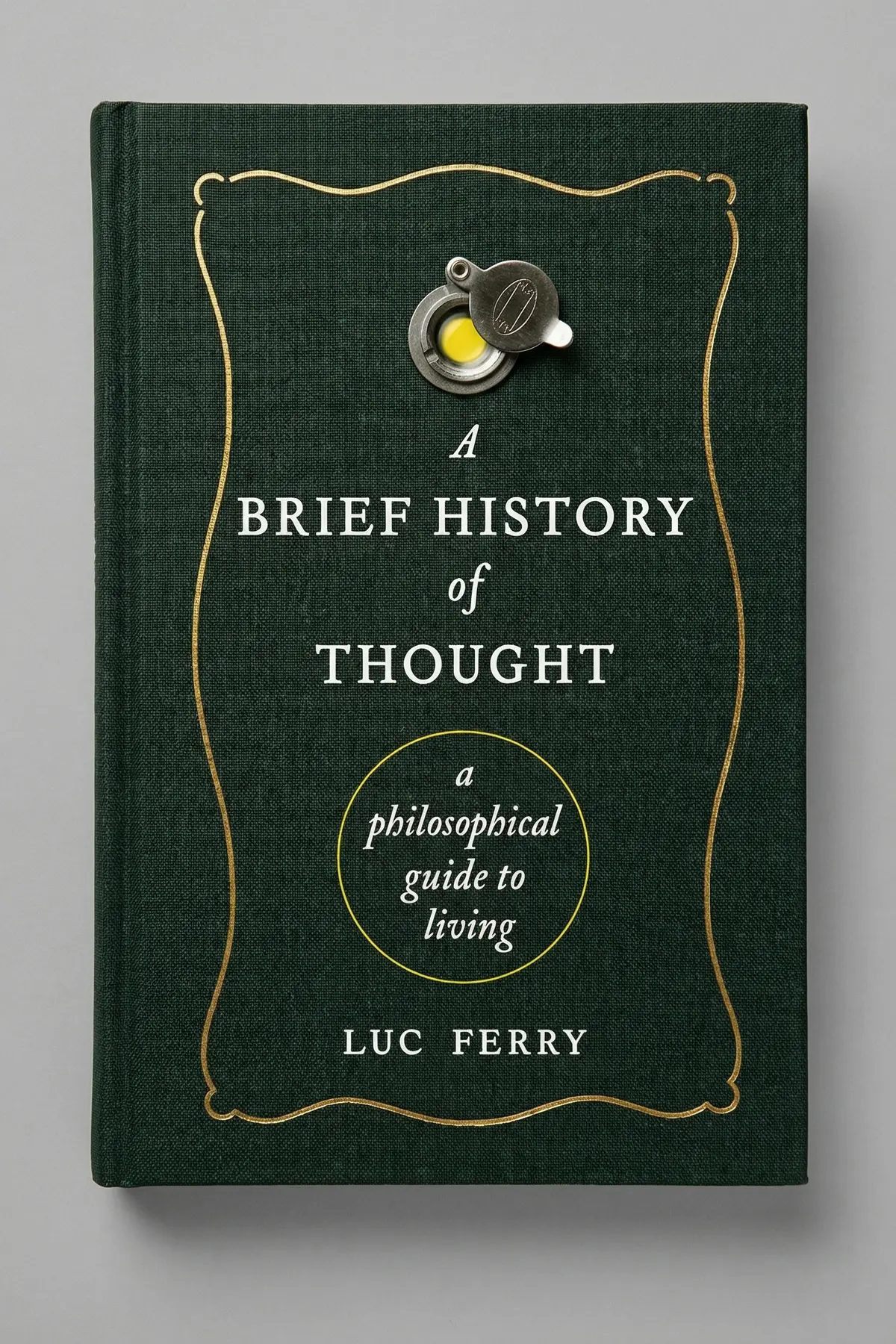
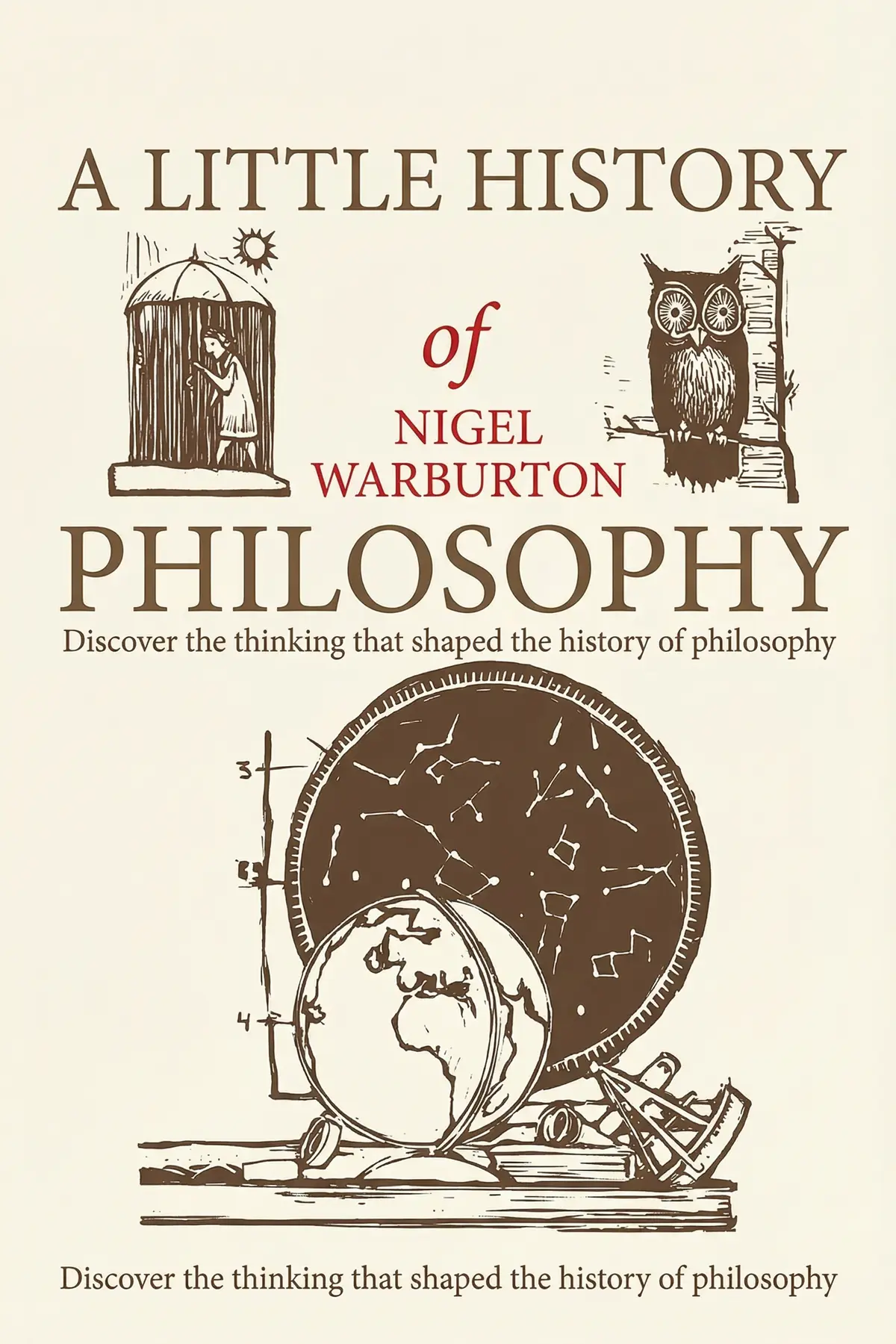
Nigel Warburton
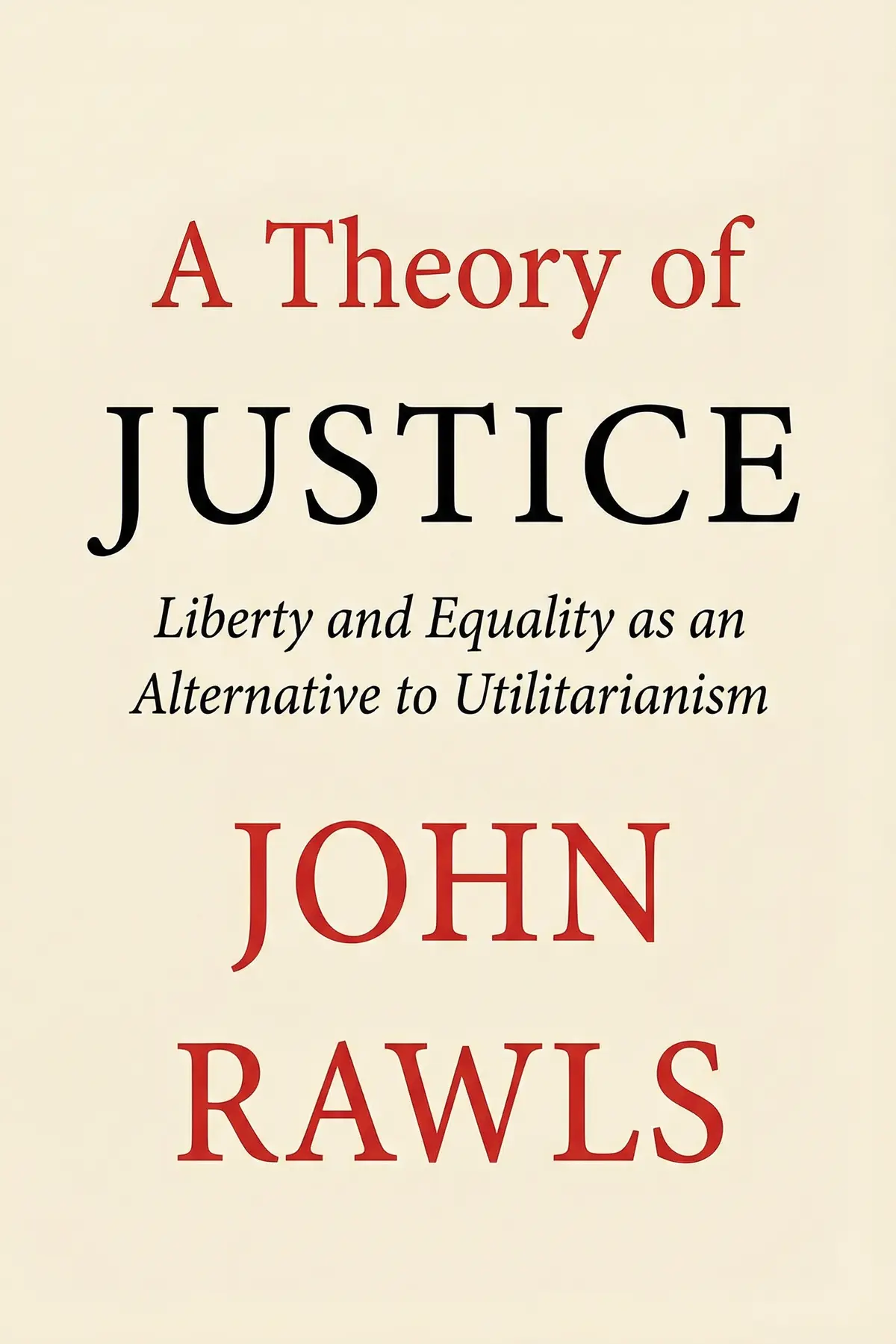
John Rawls


Richard Wiseman
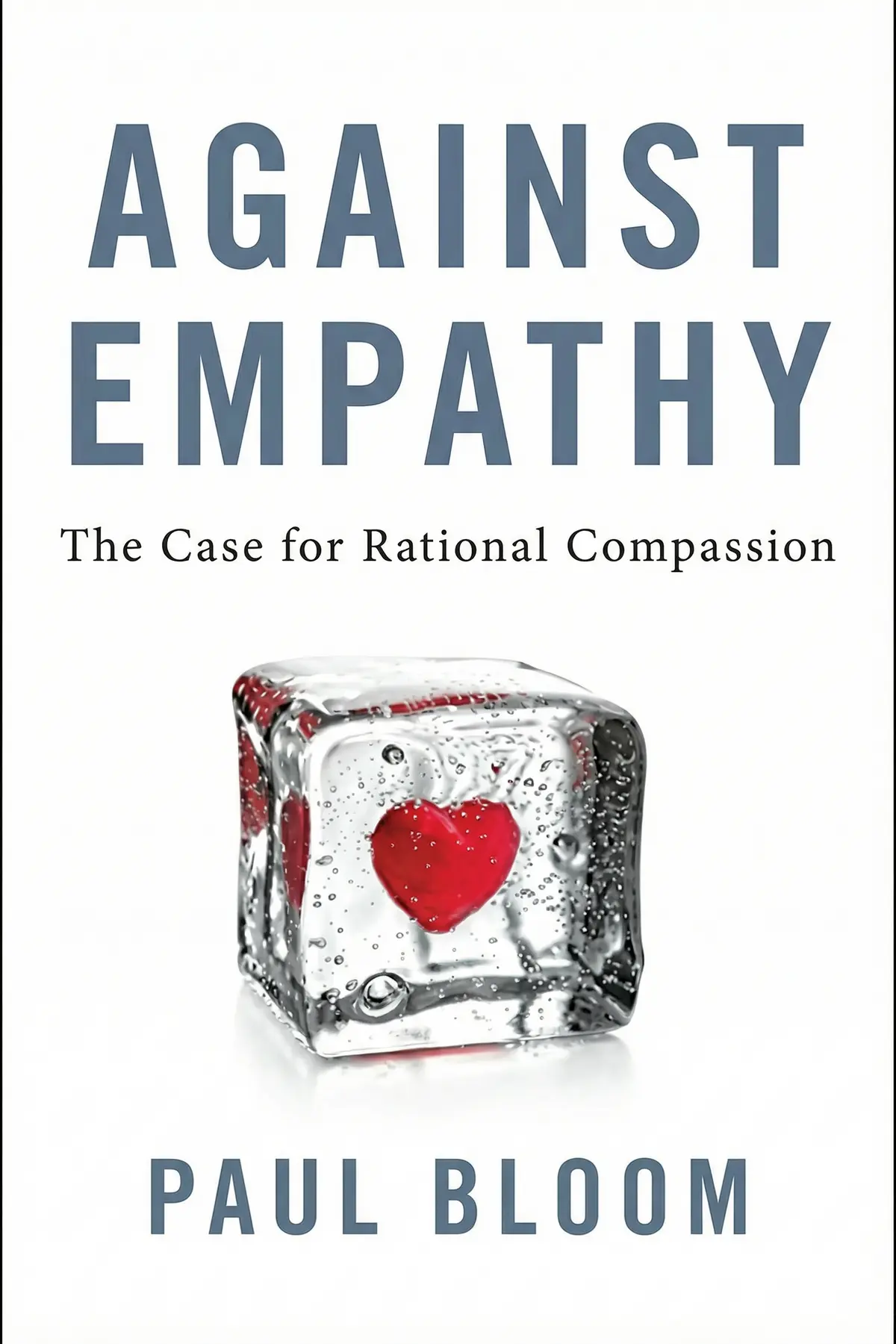
AUDIO SUMMARY AVAILABLE
Get the key ideas from The Conquest of Happiness by Bertrand Russell, plus 5,000+ more titles in English and Thai.







