
5 min 57 sec
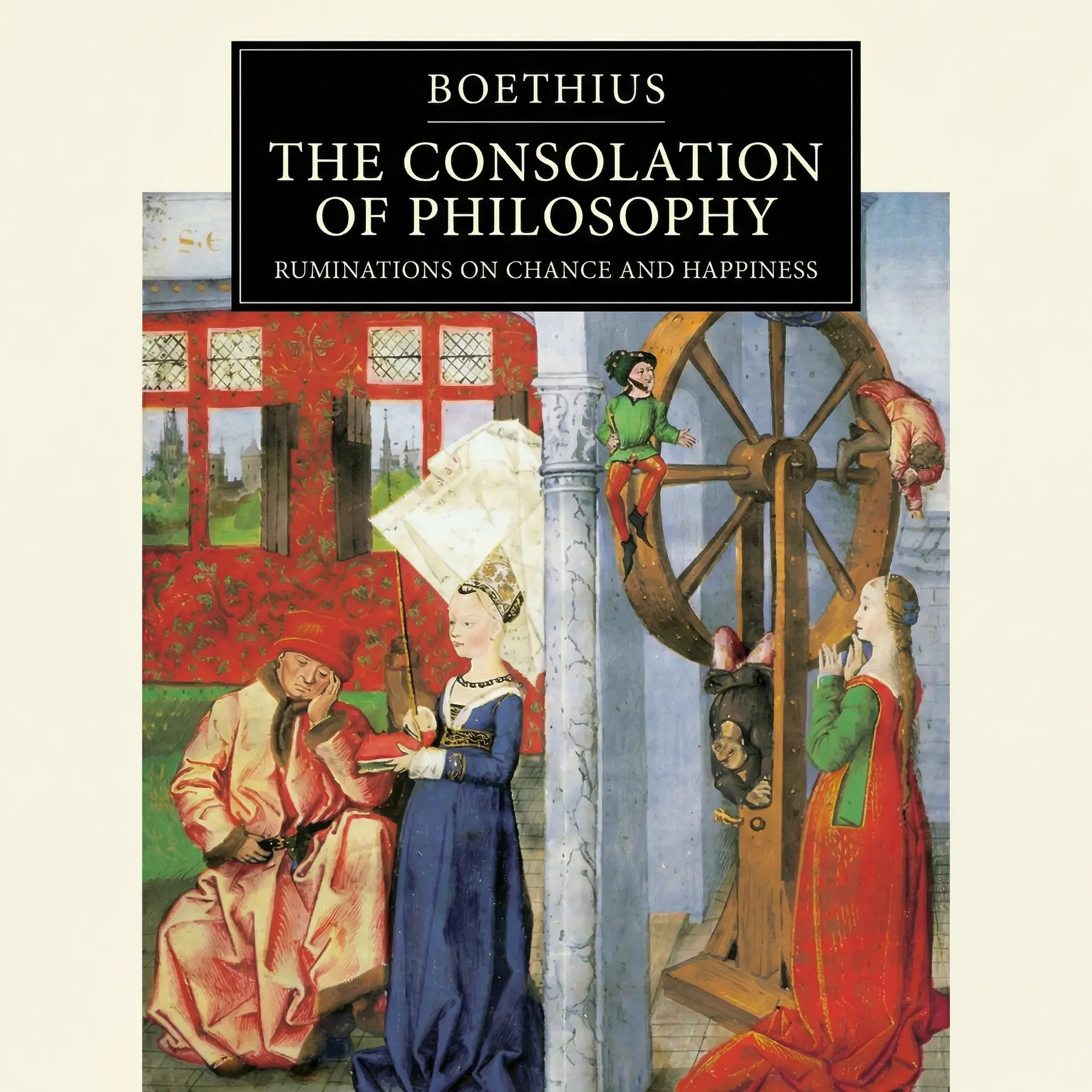
The Consolation of Philosophy
By Boethius
Explore a profound meditation on how to maintain inner peace when the world turns against you. This summary reveals why wisdom and reason are the only true defenses against life’s unpredictable hardships.
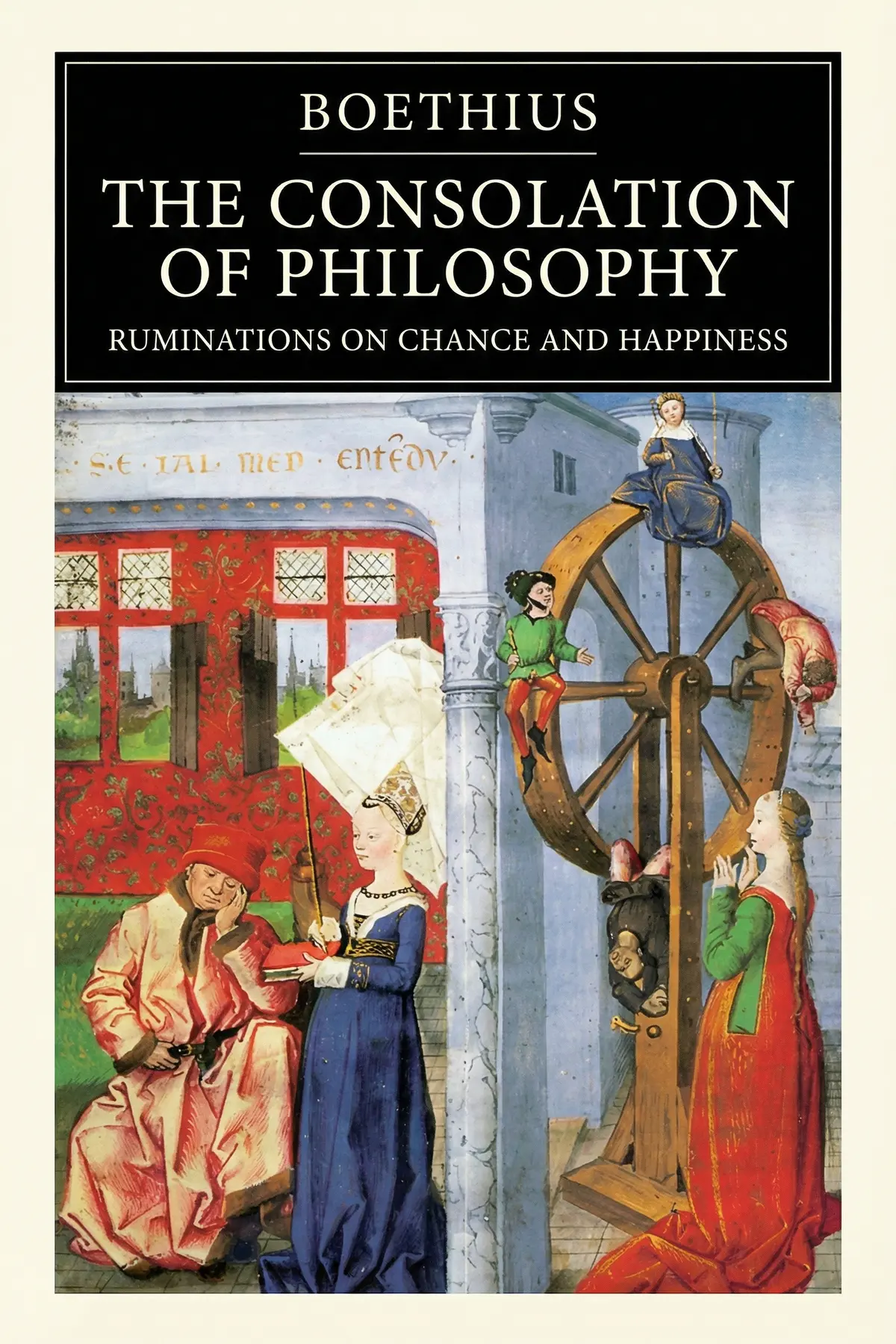
Table of Content
1. Introduction
57 sec
Imagine a person who has reached the pinnacle of society. They have wealth, respect, and political influence. Then, in an instant, it is all gone. This was the reality for Boethius, a 6th-century Roman statesman who found himself in a cold prison cell, accused of crimes he didn’t commit. In this moment of total despair, he didn’t turn to bitterness, but to the one thing that remained: his intellect.
The throughline of this summary is the transformative power of wisdom to act as a shield against the chaos of life. We are going to explore how Boethius used reason to heal his mind, shifting his focus from what the world took from him to what the world could never touch. This is more than just a historical text; it is a roadmap for anyone navigating a personal storm, offering a way to find peace when everything around you seems to be falling apart.
2. The Fickle Nature of Fortune
1 min 08 sec
Have you ever wondered why luck seems so unstable? This perspective shift reveals that the changing tides of fate are actually its most predictable feature.
3. Finding a Lighthouse in Knowledge
1 min 25 sec
When life feels like an overwhelming storm, wisdom acts as the beacon that guides us back to safety and clarity.
4. The Illusion of External Happiness
1 min 22 sec
We often chase wealth and status as if they were the keys to joy, but what if they are actually obstacles to true fulfillment?
5. Conclusion
1 min 05 sec
In the end, the journey through the depths of despair led Boethius to a singular, powerful conclusion: the mind is the only place where true freedom and comfort can be found. While the world can take away your physical liberty and your social standing, it cannot force you to abandon your reason. This is the ultimate consolation.
By practicing the discipline of philosophy, we learn to view our hardships not as unfair punishments, but as opportunities to strengthen our mental resilience. We move from being passive observers of our own bad luck to active participants in our own intellectual growth. The lesson is simple but life-changing: stop looking for stability in a world that is designed to change. Instead, build your foundation on the one thing that is truly yours—your wisdom. As you go forward, try to identify one external thing you are currently worried about losing, and remind yourself that your worth and your peace of mind are entirely independent of it.
About this book
What is this book about?
The Consolation of Philosophy is a foundational text of Western thought, written during one of the most dramatic personal collapses in history. It follows the author, Boethius, as he sits in a prison cell, stripped of his titles and wealth, awaiting execution. Through a dialogue with a personified Lady Philosophy, the book examines the nature of fate, the fickleness of fortune, and the definition of true happiness. The promise of this work is a radical shift in perspective. It argues that most of what we pursue—fame, power, and riches—are essentially borrowed goods that are never truly ours to keep. By understanding that external circumstances are outside our control, we can find a durable, internal source of joy that no tyrant or tragedy can take away. It is a guide to finding mental clarity and emotional resilience in the face of absolute adversity.
Book Information
About the Author
Boethius
Anicius Manlius Severinus Boethius was a prominent Roman senator, philosopher, and theologian. He is most recognized for his significant role in shaping Christian philosophy during the 6th century. His life was defined by extreme contrasts, as he climbed to the heights of political power before suffering a tragic fall into exile and imprisonment. His enduring insights continue to influence philosophical thought today.
Ratings & Reviews
Ratings at a glance
What people think
Listeners find the text accessible and profound, prompting serious reflection on life. The translation earns high marks, and one listener points out that it contains remnants of Stoicism and Epicurianism. There is also a strong appreciation for its genuine nature; one individual calls it the most honest book they’ve ever encountered. Furthermore, the content is intellectually stimulating, with one review noting how it effectively tackles the concept of selfish grief.
Top reviews
Saengdao
This classic remains a profound testament to human resilience in the face of absolute despair. Written while the author was imprisoned and awaiting a gruesome execution, the text moves between hauntingly beautiful poetry and rigorous prose. I was particularly struck by how Boethius channels Stoic and Epicurean remnants to navigate his own downfall. Lady Philosophy enters his cell not to offer hollow comfort, but to strip away his delusions about fame and wealth. The translation I read was remarkably clear, making the 6th-century logic feel vital and urgent for a modern audience. It’s a deep dive into why we suffer and how the fickle nature of fortune governs our lives. While some of the Neoplatonic arguments in the latter half are dense, the emotional core of the book is undeniably authentic. It really makes you rethink what constitutes a successful life.
Show morePong
How can a man facing a brutal execution remain so remarkably calm and focused on the nature of the universe? Boethius manages to transcend his physical chains through a rigorous mental dialogue that feels incredibly raw and honest. This is arguably the most authentic book I have encountered because the stakes were literally life and death for the writer. I appreciated the remnants of Stoicism, especially the idea that our internal state is the only thing we truly control. The way he addresses his own sense of injustice and turns it into a universal inquiry is brilliant. Some of the logical steps are a bit dated, but the emotional resonance is timeless. You can feel his struggle to move beyond his own suffering into a place of higher understanding.
Show moreEleni
The personification of Philosophy as a towering woman with torn clothes is a striking image that stays with you long after the book is closed. This work is a fascinating hybrid of a personal memoir and a formal philosophical treatise. I was surprised by how much Boethius leans on Plato and Aristotle rather than traditional scripture to find his peace. The text deals extensively with the problem of evil and why the wicked often seem to prosper while the good suffer. Personally, I found the arguments about the 'nothingness' of evil to be a bit of a stretch, but the writing is so earnest you can't help but follow along. It’s a short read, but you’ll find yourself stopping every few pages to stare at a wall and think. The translation captures the poetic shifts perfectly.
Show moreNarong
Wow, I didn't expect a 6th-century text to feel so contemporary in its psychological insights regarding loss and perspective. Boethius is sitting in a dungeon, yet he writes with more clarity than most people living in total comfort. This book is a masterclass in reframing one’s circumstances to find a shred of sanity. The translation is very accessible, which helps because the subject matter—providence, fate, and the nature of time—is quite heavy. Got to say, the absence of specific religious references makes it much more inclusive for a general reader. It’s a profound look at how we often wallow in selfish grief when we should be looking at the larger order of things. This is easily one of the most insightful books on the human condition I’ve ever picked up.
Show moreNannapat
Not what I expected at all, as I went in looking for a dry theological text but found a moving dialogue about what it means to be human. Boethius writes with a level of vulnerability that you rarely see in ancient or medieval works. The way he struggles with the unfairness of his imprisonment makes his eventual 'consolation' feel earned rather than forced. It’s interesting to see how he reconciles a deterministic universe with the existence of free will. The translation is crisp and doesn't get in the way of the author's voice. Look, if you’re looking for a book that will make you question your priorities, this is definitely the one. It’s a very honest exploration of faith and reason during a time of absolute crisis.
Show morePenelope
Picked this up after seeing it referenced in several history podcasts, and I wasn't disappointed by the intellectual depth on display. The dialogue between Boethius and Lady Philosophy serves as a bridge between the ancient world and the Middle Ages. I found the discussion of the 'Wheel of Fortune' to be the most relatable part of the entire work. It’s fascinating that he never explicitly mentions Christ, leaning instead on Greek logic to find peace. To be fair, the section on God's foreknowledge versus human free will is a bit of a head-scratcher. However, the author’s honesty about his own 'selfish grief' is what makes this feel like more than just an academic exercise. It is a very readable translation that invites you to ponder the big questions without being overly preachy.
Show moreTalia
Boethius delivers a masterclass in rationalizing misfortune, though his dismissal of worldly goods feels a bit extreme given he was literally about to be killed. The structure of the book, alternating between prose and verse, keeps the pace from becoming too bogged down in heavy metaphysics. I loved the Stoic undertones and the way he challenges the reader to look inward for true happiness. There is a certain beauty in his acceptance of the 'Wheel of Fortune' as an inevitable part of existence. My only gripe is that the ending felt slightly abrupt, as if the philosophy couldn't quite resolve the physical reality of his situation. Still, it is a deeply thought-provoking piece of literature. It provides a rare window into the mind of someone who has truly lost everything.
Show moreSupranee
Frankly, the most impressive part of this work isn't the argument itself but the incredible circumstances of its creation in a prison cell. Boethius is remarkably disciplined, using Lady Philosophy to interrogate his own despair and 'selfish grief.' The book contains fascinating remnants of Stoicism and Epicureanism that are blended into a unique worldview. I found the sections on the fickleness of fate to be particularly insightful for anyone going through a hard time. The translation is excellent, maintaining a sense of gravity without becoming impenetrable or archaic. It is a short but dense read that demands your full attention. Even if you don't agree with every logical conclusion, the bravery of the attempt is something to be admired.
Show moreYulia
As someone who isn't particularly well-versed in Neoplatonism, the second half of this book was quite a slog for me. The premise is incredible—a powerful man losing everything and seeking meaning in a prison cell—but the logic felt circular at times. Boethius spends a lot of time defining 'The Good' in ways that felt more like a mathematical proof than a spiritual consolation. That said, the initial chapters on the fickleness of fate were genuinely thought-provoking and hit home. Truth is, I preferred the interspersed poems to the actual philosophical debates. The translation is modern enough that you don't get lost in the syntax, but the content requires a lot of patience. It’s an important historical document, but it might not be the self-help book some modern readers are looking for.
Show morePim
After hearing so much about this being the most honest book ever written, I found the formal logic quite dated and difficult to engage with. I wanted to feel the weight of his imprisonment, but Boethius quickly retreats into abstract Platonic ideals that felt disconnected from his reality. The poetry is lovely, and the translation is fine, but the core arguments didn't provide much actual consolation to me as a modern reader. It felt more like a technical exercise in logic than a deep emotional journey. To be fair, his situation was horrific, and perhaps this was the only way he could cope. However, I struggled to stay interested during the long-winded sections on the nature of 'The One.' It’s an important classic for history buffs, but others might find it a bit dry.
Show moreReaders also enjoyed
A Guide to the Good Life: The Ancient Art of Stoic Joy
William B. Irvine
A Little History of Philosophy
Nigel Warburton
A Theory of Justice
John Rawls
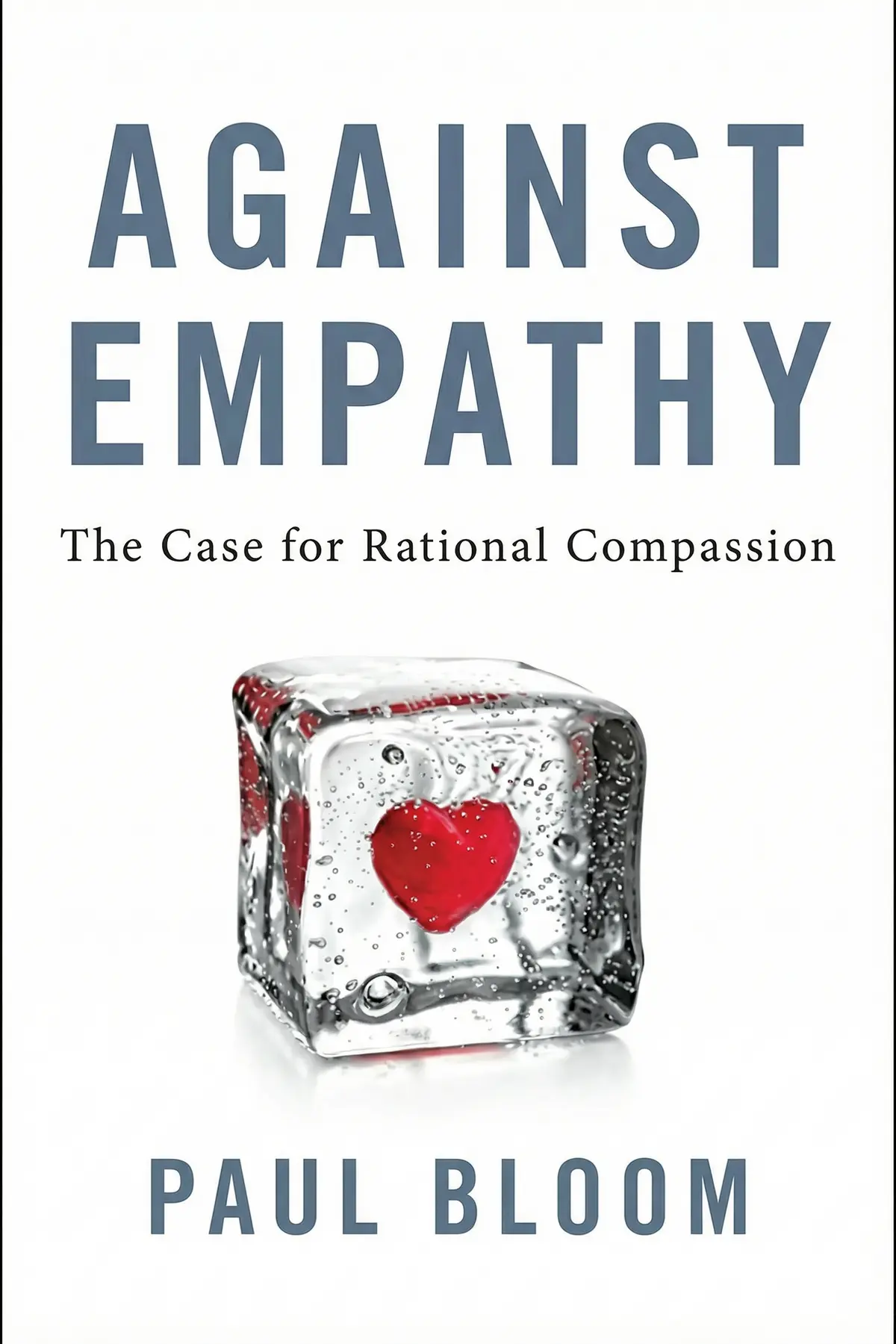
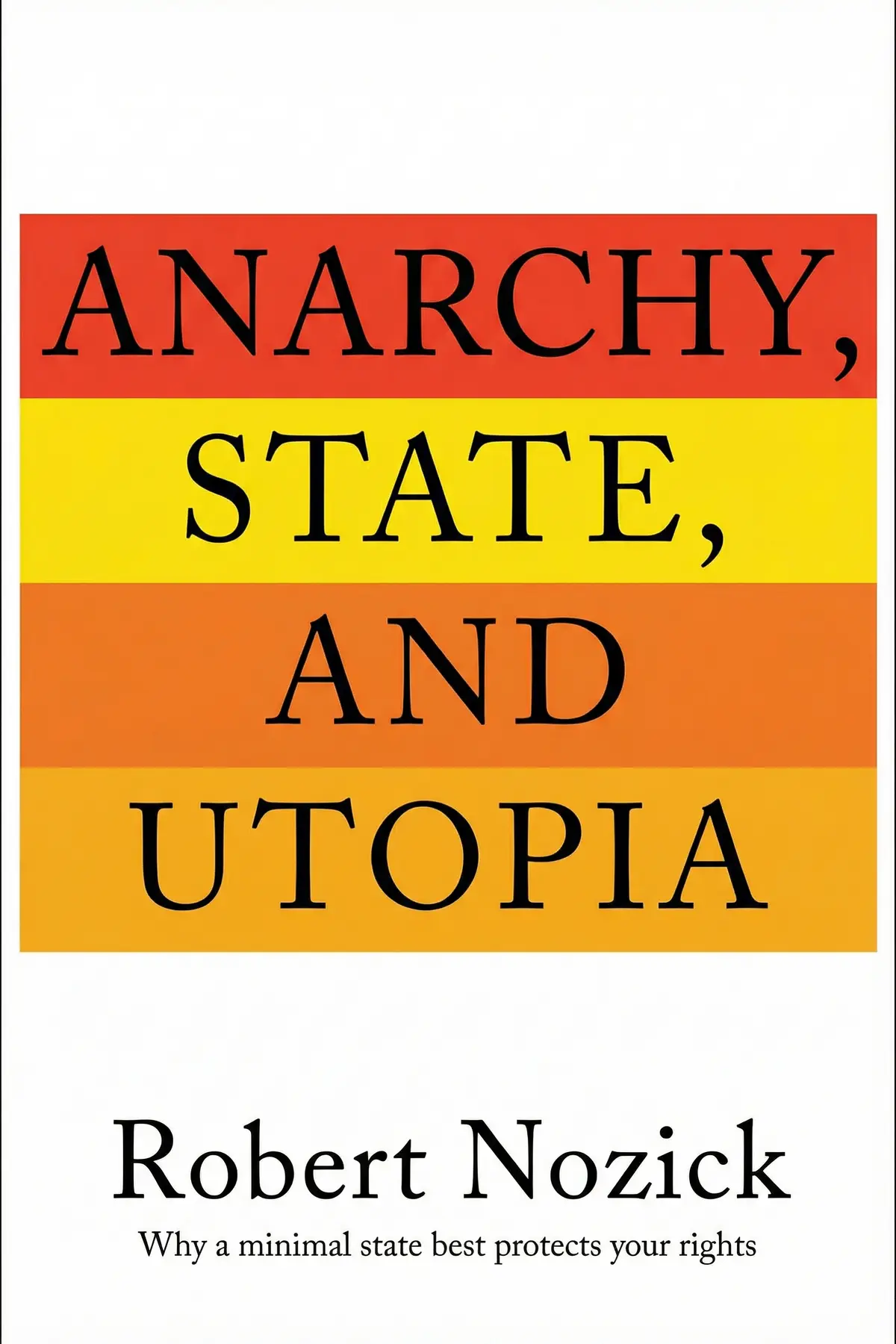
Anarchy, State, and Utopia
Robert Nozick
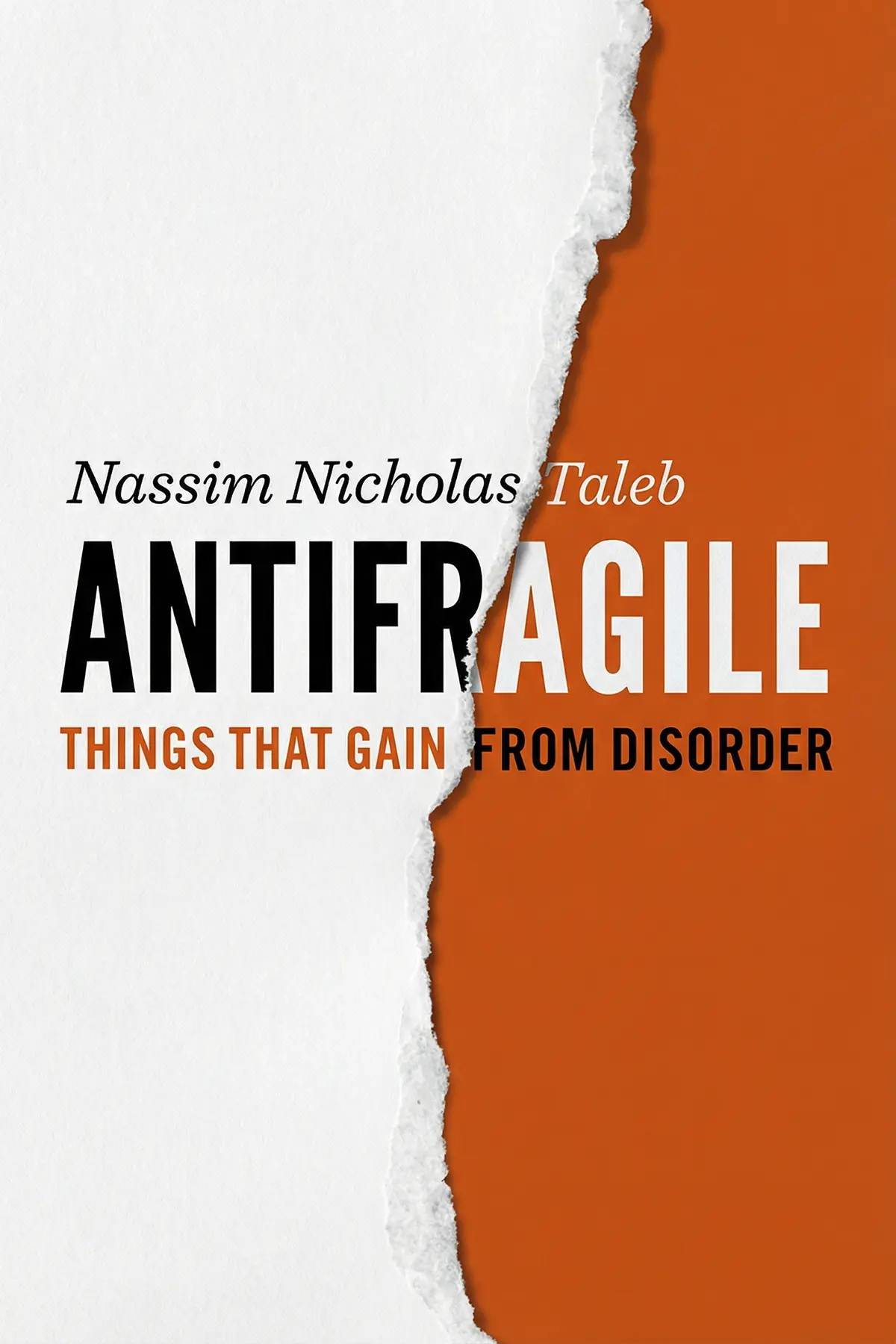
Antifragile: Things That Gain from Disorder
Nassim Nicholas Taleb
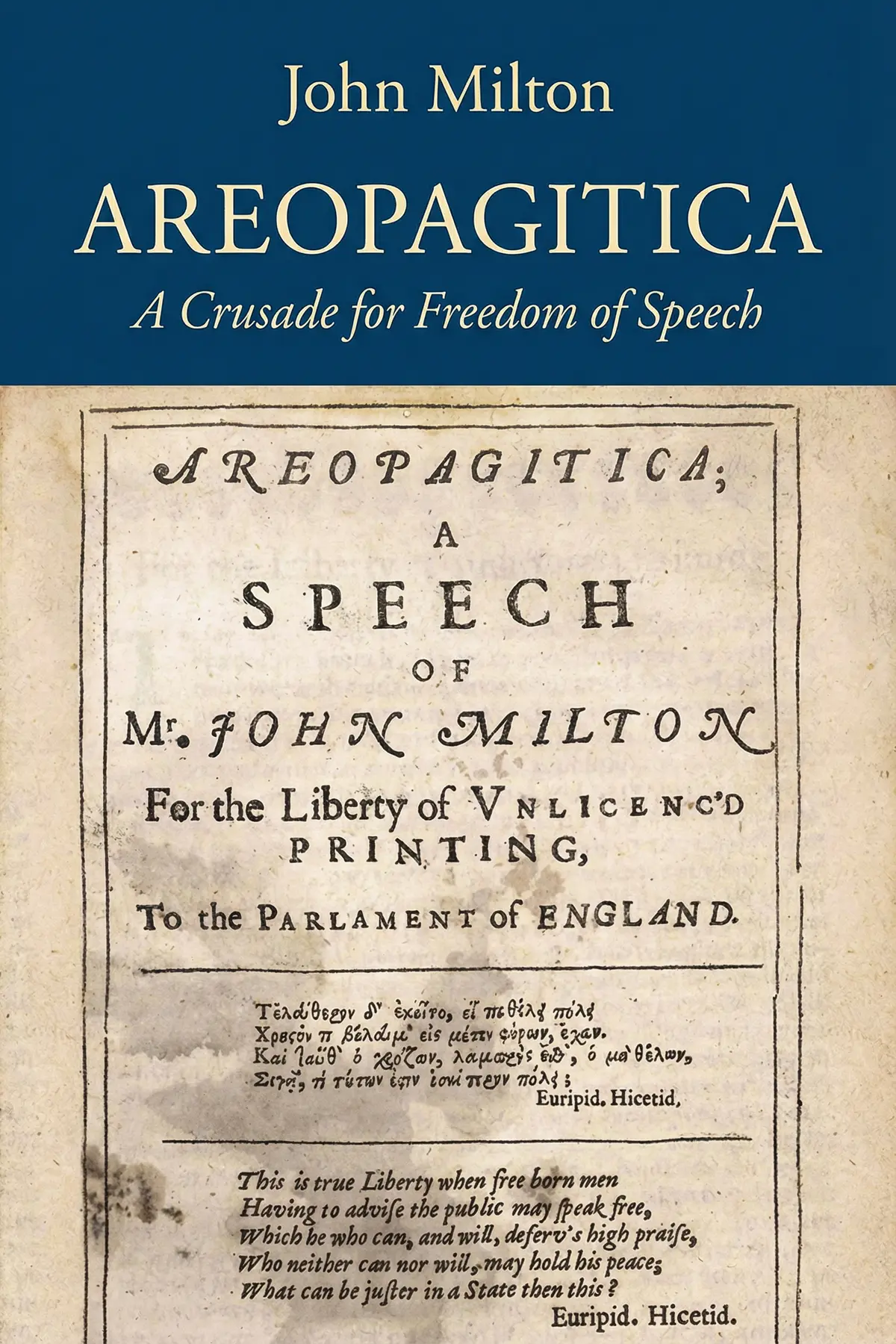
Areopagitica: Philosophy)
John Milton
AUDIO SUMMARY AVAILABLE
Listen to The Consolation of Philosophy in 15 minutes
Get the key ideas from The Consolation of Philosophy by Boethius, plus 5,000+ more titles in English and Thai.
- 5,000+ titles
- Listen as much as you want
- 7-day free trial
- Cancel anytime







