
16 min 53 sec
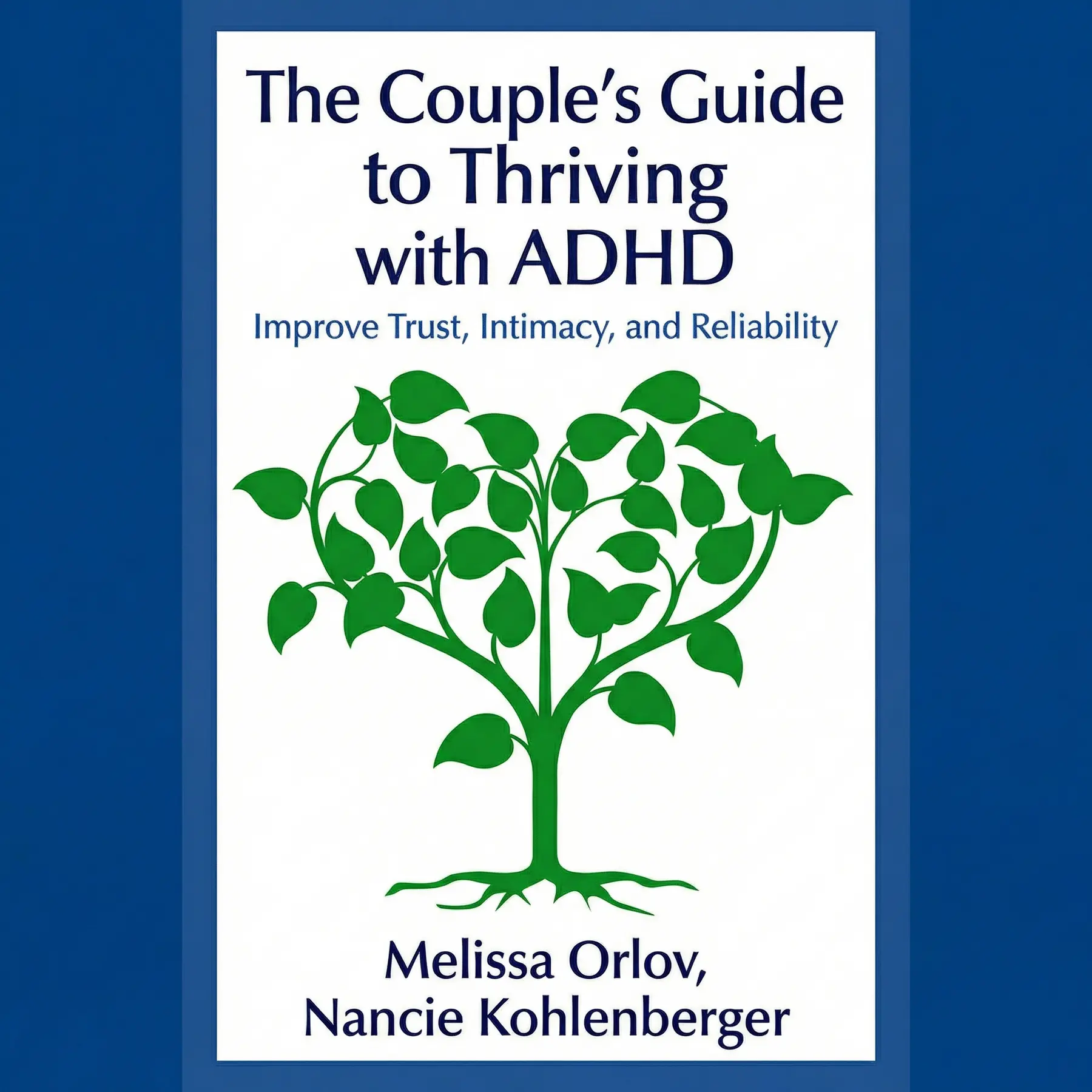
The Couple’s Guide to Thriving with ADHD
This guide explores the unique dynamics of relationships where one partner has ADHD. It offers practical tools for improving communication, setting healthy boundaries, and rediscovering joy through shared experiences and mutual understanding.
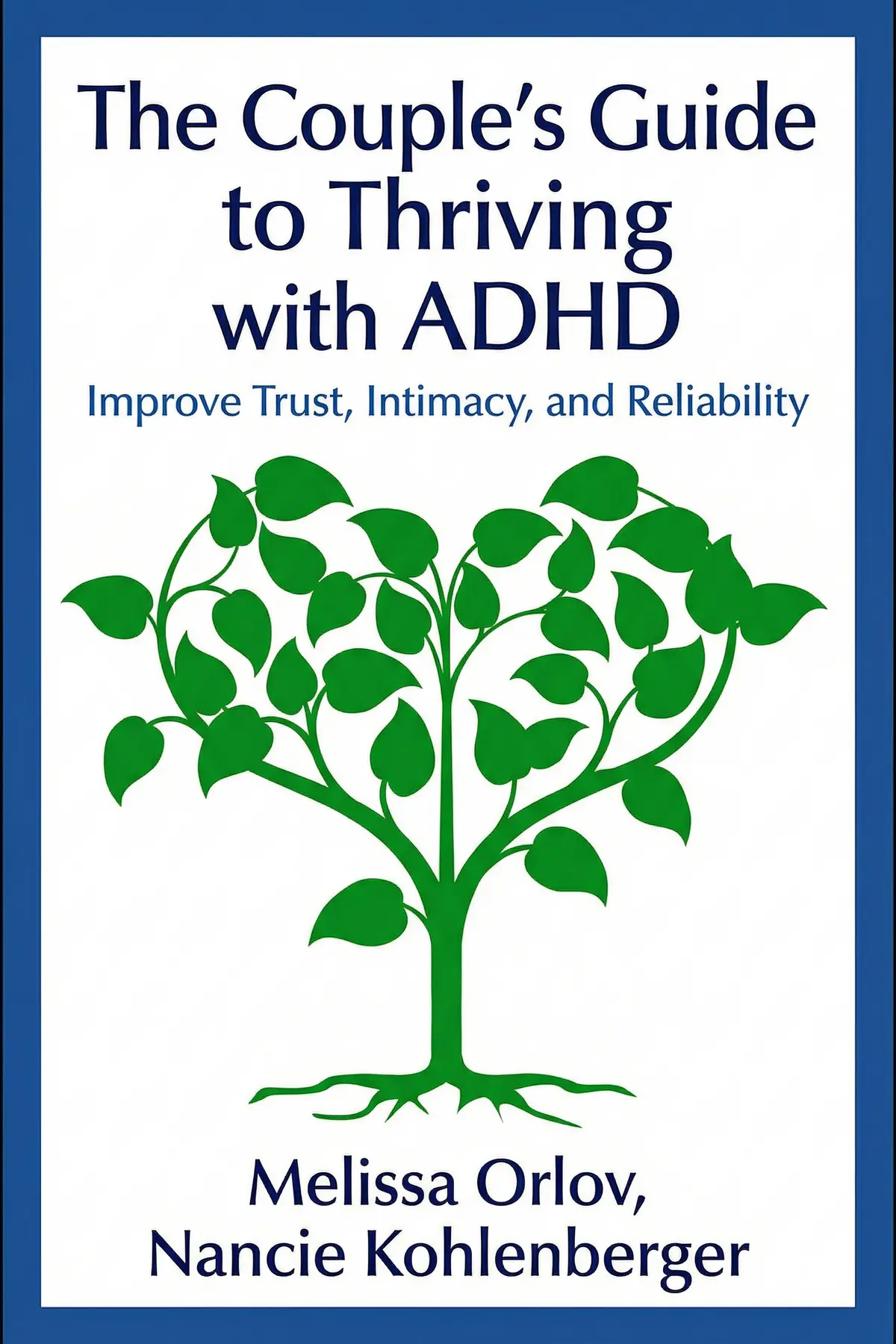
Table of Content
1. Introduction
1 min 48 sec
Every partnership is a delicate construction of shared habits, quiet understandings, and spoken promises. However, when one partner has Attention Deficit Hyperactivity Disorder, or ADHD, the architecture of that relationship undergoes a fundamental shift. What might start as a quirky sense of spontaneity can, over time, transform into a source of deep frustration. You might know the feeling of pouring your heart out to your spouse, only to see their gaze drift toward a bird outside the window or a notification on their phone. Or perhaps you are the one who feels constantly under fire, wondering why your partner seems to remember every one of your mistakes but none of your efforts.
The reality is that ADHD introduces a specific set of variables into a relationship that traditional marriage advice often fails to address. It is not just about being forgetful or messy; it is about how two people with very different cognitive wiring try to build a life together. This guide is designed to act as a bridge between those two worlds. We are going to look at the hidden mechanics of the ADHD brain—how it filters information, how it perceives time, and why it sometimes seems to prioritize a hobby over a spouse.
But this isn’t just a list of problems to be solved. Our goal is to move beyond the “symptom management” phase and toward a place where both partners feel valued. By the end of this journey, you will have a better understanding of how to navigate the emotional roller coasters, how to set boundaries that actually stick, and how to use the natural strengths of ADHD—like creativity and high energy—to revitalize your connection. Let’s explore how you can stop simply coping with ADHD and start thriving alongside it.
2. Understanding the ADHD Whirlwind
2 min 54 sec
Explore how common ADHD traits like impulsivity and hyperfocus create unique ripples in a relationship, often leading to unintended emotional consequences for both partners.
3. The Challenge of Different Cognitive Filters
2 min 53 sec
Discover why communication breaks down when one brain functions like a sieve while the other feels like an open floodgate, and learn to respect these differing perspectives.
4. Dismantling the Filter of Negativity
2 min 30 sec
Learn how long-term frustration can create a ‘negative narrative’ that colors every interaction, and how to start seeing your partner through a lens of hope instead of anger.
5. The Power of Loving Detachment and Boundaries
2 min 25 sec
Discover why setting firm boundaries isn’t about pushing your partner away, but about fostering mutual respect and personal responsibility.
6. Reconnecting Through Novelty and Flow
2 min 46 sec
Learn how to move past the ‘roommate phase’ by using the ADHD brain’s natural love for excitement and immersion to reignite your romantic spark.
7. Conclusion
1 min 37 sec
Navigating a relationship when ADHD is in the mix is undeniably complex, but it is far from a hopeless endeavor. As we have seen, the journey starts with a fundamental shift in understanding. By recognizing that symptoms like distractibility and impulsivity are neurological realities rather than character flaws, you can begin to dismantle the walls of resentment that often build up over time. It requires a commitment to clear communication, even when your cognitive filters are working in entirely different ways.
Remember, the goal isn’t to eliminate ADHD from your lives, but to integrate it into a healthy, balanced partnership. This means setting firm boundaries that protect the non-ADHD partner from burnout while empowering the partner with ADHD to take ownership of their own growth. It means making a conscious effort to look past the “anger filter” and celebrate the small victories along the way.
Ultimately, a thriving ADHD relationship is built on the same foundations as any other: trust, respect, and a willingness to keep trying. Use the creativity and energy that ADHD brings to your advantage. Seek out those moments of shared novelty and flow that remind you why you fell in love in the first place. You have the tools, the knowledge, and the resilience to transform your relationship from a source of stress into a source of strength. The path forward may have its share of bumps, but with mutual effort and a little bit of spontaneity, it is a path that leads to a deeply rewarding and vibrant life together.
About this book
What is this book about?
The Couple's Guide to Thriving with ADHD addresses the specific friction points that arise when neurodiversity meets domestic life. Many couples find themselves trapped in a parent-child dynamic, where one partner feels like a nagging manager and the other feels constantly criticized or misunderstood. This book provides a roadmap to break that cycle. By explaining how the ADHD brain processes information differently—from the lack of mental filters to a skewed perception of time—the authors show that many relationship conflicts are actually symptoms of the condition, not personal failings. The book promises a path toward a more balanced partnership, emphasizing that ADHD can be a source of creativity and spontaneity rather than just a list of challenges. Through strategies like loving detachment, clear boundary-setting, and intentional reconnection, couples can move from merely surviving the daily chaos to building a resilient, thriving bond based on mutual respect and shared growth.
Book Information
About the Author
Melissa Orlov
Melissa Orlov is a leading expert on how ADHD impacts adult relationships and is the founder of ADHDmarriage.com. She has written two highly regarded books on the subject, including The ADHD Effect on Marriage and The Couple's Guide to Thriving with ADHD. Nancie Kohlenberger is a seasoned marriage and family therapist with over 15 years of experience in the field. Bringing her own personal experience with ADHD to her work, Kohlenberger offers a unique and invaluable perspective on navigating these complex relationship dynamics.
Ratings & Reviews
Ratings at a glance
What people think
Listeners find the guide well-crafted and simple to digest, offering useful strategies for navigating the impact of ADHD on a relationship. They appreciate how the content addresses the needs of both diagnosed and undiagnosed partners, and one listener mentions it is especially beneficial for couples currently without a diagnosis. The work earns high marks for its relationship guidance, with one listener even calling it a "marriage saver."
Top reviews
Owen
Finally got around to reading this guide after months of struggling to balance chores and emotional labor in my household. It is a genuine lifesaver for couples where one partner feels like they’re constantly picking up the slack while the other stays in a fog. Frankly, the practical advice regarding the 'three-legged stool' of treatment—balancing physical health, behavioral habits, and emotional connection—is a total game changer for us. Some parts felt a bit heavy on the crisis management, which can be scary if your marriage isn't currently exploding. However, the sensitivity shown toward the undiagnosed spouse was incredibly refreshing. We finally have a vocabulary for our daily struggles. It's not just laziness; it's a neurological barrier that we can bridge together with the right tools. I would recommend this to any couple feeling the weight of ADHD-related resentment.
Show morePruet
The 'three-legged stool' analogy completely changed the way my husband and I approach his treatment plan. Before this, we were just throwing medication at the problem and wondering why our communication was still a disaster. This book taught us that physical treatment is only one part of the puzzle. You also have to address the habits and the emotional impact on the spouse. This is a marriage saver for anyone dealing with the 'ADHD effect' on a daily basis. It’s well-written, sensitive, and offers actual solutions rather than just theory. We’ve already seen a massive shift in how we divide housework and manage our schedules. Don't let the clinical title fool you; it's a very practical, hands-on manual for thriving. It really helped us stop the cycle of constant nagging and defensive fighting.
Show morePita
This book saved my marriage by teaching us how to stop the cycle of resentment and start communicating like actual partners again. We had reached a point where every conversation turned into an argument about forgotten chores or missed appointments. The authors explain the ADHD brain in a way that is sensitive to both the diagnosed and the undiagnosed partner. It’s easy to read and provides practical solutions that you can implement immediately. I particularly liked the exercises designed to rebuild trust. Truth is, we didn't realize how much of our conflict was just a symptom of untreated ADHD. Since implementing the strategies in this book, our home life is significantly calmer. It’s a must-read for anyone who feels like they’ve tried everything else. It truly provides a light at the end of a very dark tunnel.
Show moreNong
As a therapist who works with neurodivergent clients, I find the exercises here incredibly valuable for breaking the destructive parent-child dynamic. The authors provide a clear roadmap for moving from resentment to active cooperation. Truth is, many books focus solely on the individual with ADHD, but this addresses the marital ecosystem as a whole. I appreciate how it handles the nuances of undiagnosed partners who might be struggling without a formal label yet. The writing style is accessible and doesn't get bogged down in overly clinical jargon, making it an easy weekend read. My only real gripe is the slightly dated perspective on gender roles in some of the case studies. Still, the core strategies for empathy and boundary-setting are robust enough to recommend to almost any couple in this situation. It offers hope where there is usually just frustration.
Show moreMats
Ever wonder why your partner can focus on a video game for ten hours but forgets to take the trash out every single Tuesday? This book answers that question without making the ADHD partner feel like a failure. In my experience, the most helpful section was about the 'parent-child' dynamic that so many of us fall into. It’s a trap that breeds resentment on both sides. The authors offer specific strategies to shift back into a partnership of equals. While some of the advice feels a little one-sided—putting a lot of the 'patience' work on the non-ADHD spouse—the overall framework is solid. It's especially useful for those with no formal diagnosis who are just trying to make sense of their relationship friction. It isn't a magic wand, but it’s a much-needed map for a very confusing territory.
Show moreWit
In my experience, finding a book that validates the non-ADHD partner's frustration without demonizing the ADHD partner is rare. Most resources are either too clinical or too biased toward one side. This guide strikes a nice balance, offering practical solutions for the 'parental partner' trap. I found the chapter on dividing responsibilities based on strengths rather than 'shoulds' to be incredibly eye-opening. We have stopped fighting about the laundry because we finally understand why it’s such a hurdle. To be fair, the book can be a bit repetitive in the middle sections, and the formatting is occasionally confusing. But the core message—that ADHD is a shared challenge—is exactly what we needed to hear. It’s a solid resource that focuses on actionable change rather than just dwelling on the problems. Definitely worth a read.
Show moreKiattisak
Not gonna lie, I was skeptical about another self-help book, but this one actually delivers on the practical side of things. It doesn't just explain what ADHD is; it gives you a playbook for how to live with it in a committed relationship. The sensitivity to the undiagnosed partner's experience was a huge relief for me. It felt like someone finally understood the exhaustion of being the 'responsible one' all the time. While the book is definitely written for relationships in crisis, the lessons are applicable even if you’re just looking to refine your communication. I did find the heteronormative examples a bit outdated, but the underlying psychology is sound. If you are struggling to bridge the gap between your different brain types, this book provides the bridge. It’s well-written, easy to digest, and ultimately very hopeful.
Show moreJoshua
Look, the authors are obviously experts, but the tone of this book often feels a bit too focused on worst-case scenarios for my liking. It assumes every couple is on the brink of divorce or in a state of constant 'crisis.' If you are just looking for light tips to improve your organization as a neurodivergent couple, this might feel a bit overwhelming and negative. Personally, I found the constant referral to their previous work a bit annoying as well. It felt like I was missing half the story unless I bought another book. That being said, the sections on setting healthy boundaries were quite helpful. I just wish the examples were more diverse and didn't rely so heavily on gendered stereotypes. It’s a decent resource, but you might find similar advice through a quick internet search if your issues are minor.
Show moreBo
After hearing so much praise for Orlov's work, I expected something a bit more modern regarding gender dynamics. The book consistently uses male pronouns for the partner with ADHD and female pronouns for the non-ADHD spouse. For a woman with ADHD, this was alienating and felt like my struggles were being ignored. Got to say, the advice itself is actually quite good if you can mentally swap the pronouns while you read. The focus on the 'three legs' of treatment is a logical way to look at the disorder. However, the authors sometimes seem to give the ADHD partner a pass on bad behavior while expecting the other partner to be infinitely forgiving. It feels a bit off-balance at times. It is a helpful guide for those in crisis, but it definitely needs a contemporary update to stay relevant to all couples.
Show moreTanawan
To be fair, the authors clearly know their stuff, but I couldn't get past the blatant 1950s gender roles throughout the text. Every single example seems to assume the ADHD partner is a man and the non-ADHD partner is a woman, which is incredibly alienating for my situation. Not gonna lie, the 'boys will be boys' energy in certain chapters felt like an excuse for problematic behavior rather than an explanation of symptoms. It also feels very rooted in an American diagnostic framework that might not translate well for international readers. If you can look past the rigid heteronormativity and the occasional 'just let him be in charge' advice, there might be some grains of truth here. However, there are far more inclusive and modern books on the market today that don't make the non-ADHD partner feel like a submissive caretaker.
Show moreReaders also enjoyed

All About Love: New Visions
bell hooks
Alcoholics Anonymous
Alcoholics Anonymous World Services

A Liberated Mind: How to Pivot Toward What Matters
Steven C. Hayes
AUDIO SUMMARY AVAILABLE
Listen to The Couple’s Guide to Thriving with ADHD in 15 minutes
Get the key ideas from The Couple’s Guide to Thriving with ADHD by Melissa Orlov, plus 5,000+ more titles in English and Thai.
- 5,000+ titles
- Listen as much as you want
- 7-day free trial
- Cancel anytime







