

22 min 12 sec
The Desert and the Sea: 977 Days Captive on the Somali Pirate Coast
An intense exploration of journalist Michael Scott Moore's 977-day captivity by Somali pirates, detailing his psychological battle for survival and his profound observations on the complexities of human nature in extreme conditions.
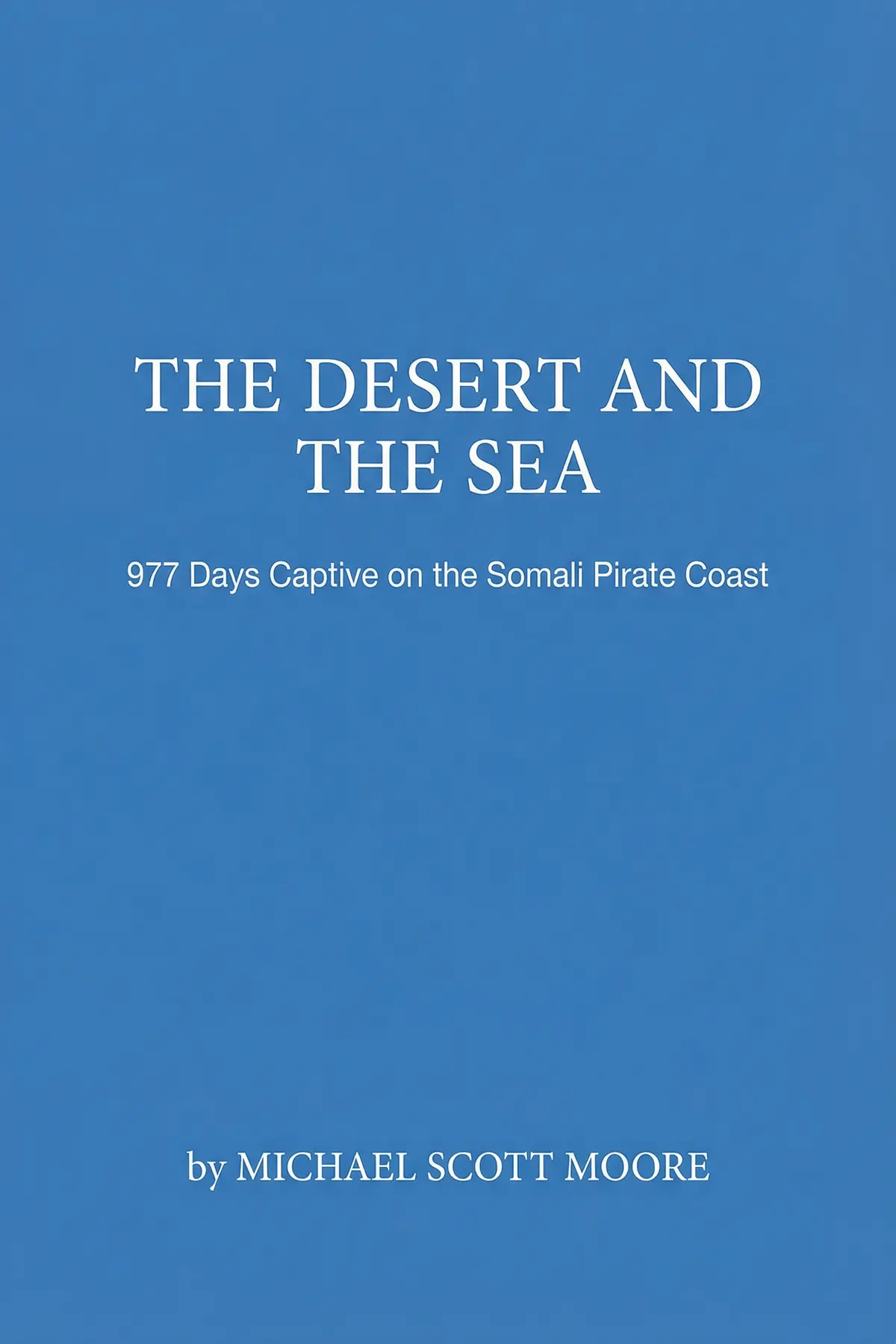
Table of Content
1. Introduction
2 min 28 sec
Imagine for a moment that you are a storyteller, a person who makes a living by looking at the world from the outside, documenting its complexities and reporting them back to a safe, comfortable audience. You travel to a corner of the globe that most people only see in headlines—a place where law is a suggestion and survival is the only true currency. Your goal is to understand a phenomenon: the rise of modern piracy. But then, in a single, shattering heartbeat, the barrier between you and the story dissolves. You are no longer the observer. You are the subject. You are the victim. And you are no longer free.
This is the starting point of Michael Scott Moore’s extraordinary memoir, The Desert and the Sea. In this narrative, we follow Moore through a staggering 977 days of captivity in Somalia. It is a journey that takes us from the open, lawless waters of the Indian Ocean to the scorched, dusty hideouts of the Somali interior. But more than a travelogue of terror, this is a deep dive into the human condition under extreme pressure.
What happens to a person’s mind when they are stripped of their agency for nearly three years? How does one maintain a sense of self when they are treated as nothing more than a high-priced commodity? Throughout this summary, we will explore the themes of resilience, the absurdity of the hostage industry, and the surprising, often uncomfortable insights Moore gained about the men who held him captive. We will see how he navigated the psychological minefield of hope and despair, and how he eventually found a way to bridge the gap between his world and the world of his captors.
As we walk through Moore’s experience, we aren’t just looking at a story of a kidnapping; we are looking at a masterclass in survival. We are examining what it means to be human when everything that defines your life—your work, your family, your physical freedom—is taken away. This throughline of finding meaning in the midst of nothingness is what makes Moore’s story so vital. It is a reminder that even in the most desolate desert or on the most unforgiving sea, the human spirit has an incredible capacity to endure, to analyze, and eventually, to find its way home. So, let’s begin by looking at that initial, transformative moment when a journalist’s life was turned upside down.
2. The Disintegration of the Observer Status
2 min 22 sec
Explore the jarring moment when a professional journalist loses his safety net and becomes a hostage, highlighting the shift from being a witness to being the victim.
3. The Agony of the Infinite Present
2 min 16 sec
Analyze the psychological impact of living without a timeline, where every day is a repetitive cycle of boredom and terror with no end in sight.
4. The Economics of Desperation
2 min 11 sec
Learn about the complex and cold-blooded business model of piracy, where human lives are treated as commodities in a global market.
5. The Surprising Glimpses of Shared Humanity
2 min 16 sec
Reflect on the complicated relationships that form between captor and captive, and the moments of empathy that transcend a hostage situation.
6. Mental Fortification as a Survival Tool
2 min 08 sec
Discover how the author used intellectual exercises and inner dialogue to prevent his mind from breaking under the pressure of isolation.
7. The Hostage Negotiator’s Dilemma
1 min 54 sec
Delve into the high-stakes world of ransom negotiations, where a person’s life is weighed against political and legal principles.
8. The Environment as an Antagonist
1 min 57 sec
Examine the role of the Somali landscape, from the unforgiving desert to the unpredictable sea, in shaping the hostage experience.
9. The Long Path to Reintegration
1 min 59 sec
Consider the challenges of returning to a ‘normal’ life after years of trauma, and the difficulty of finding a new sense of peace.
10. Conclusion
2 min 41 sec
As we reach the end of Michael Scott Moore’s journey in The Desert and the Sea, we are left with a profound sense of the resilience of the human spirit. For 977 days, Moore was tested in every way a person can be—physically, mentally, and spiritually. He was a man who went looking for a story and ended up living through a nightmare that few could imagine, let alone survive with their sanity intact.
His story serves as a powerful reminder of several key truths. First, it highlights the incredible power of the mind. In the absence of physical freedom, Moore’s ability to think, to analyze, and to maintain an inner life was his most effective weapon. It tells us that no matter how dire our external circumstances, our internal world remains a territory that we can control and defend. This is a lesson that applies to any form of adversity, not just the extreme case of a kidnapping.
Second, the book challenges us to look at the ‘other’ with a more nuanced eye. Moore’s refusal to see his captors as mere caricatures of evil—even as they held him at gunpoint—is a remarkable act of intellectual and moral courage. It suggests that understanding the root causes of conflict and the humanity of those we oppose is the only way to eventually break the cycles of violence and desperation that lead to things like piracy in the first place.
Finally, The Desert and the Sea is a meditation on the value of freedom. We often treat our autonomy as a given, something as natural as the air we breathe. But through Moore’s eyes, we see that freedom is both fragile and precious. It is something that can be taken away in a moment, but also something that can be nurtured and kept alive within us even when we are behind bars.
Michael Scott Moore eventually returned home to California, but he did so as a changed man. His account doesn’t offer easy answers or a Hollywood ending. Instead, it offers a raw, honest look at the cost of survival and the long road to healing. It encourages us to appreciate our own lives, to cultivate our inner strength, and to never lose sight of the common humanity that connects us all, even across the vast distances of the desert and the sea. As you move forward from this summary, perhaps take a moment to reflect on your own ‘inner fortress’ and the freedoms you enjoy today. In the end, Moore’s story is not just about a captive in Somalia; it’s a story about the light of human consciousness refusing to be extinguished by the dark.
About this book
What is this book about?
The Desert and the Sea is a deeply personal and harrowing account of what happens when a professional curiosity leads to a life-threatening disaster. When journalist Michael Scott Moore traveled to Somalia to investigate the world of piracy, he never imagined he would become the subject of the very story he was trying to report. For nearly three years, he was held hostage, moved between various locations on land and at sea, and forced to navigate the unpredictable whims of his captors. This summary delves into the psychological and emotional toll of long-term isolation and the constant threat of violence. It explores how Moore used his skills as an observer to make sense of a chaotic and often brutal environment. Beyond the struggle for physical survival, the book offers a unique perspective on the geopolitical and economic drivers of piracy, while providing a rare glimpse into the humanity—and the lack thereof—found in those who operate outside the law. It is a story of resilience, the power of the human mind to withstand despair, and the difficult journey toward freedom and healing.
Book Information
About the Author
Michael Scott Moore
Michael Scott Moore is a seasoned journalist and author whose professional background includes contributions to major publications such as Spiegel Online, Atlantic Monthly, and the New Republic. Born and raised in California, Moore has spent much of his career exploring complex global subcultures and narratives. His previous literary contributions include the non-fiction work Sweetness and Blood, which examined the global history and spread of surfing, as well as the novel Too Much of Nothing. His diverse writing portfolio reflects a deep interest in how culture, geography, and human behavior intersect.
Ratings & Reviews
Ratings at a glance
What people think
Listeners find this memoir to be an accessible and gripping account of individual survival, blending profound psychological observations with historical context. The work is skillfully composed, and one listener specifically mentions the author’s thorough yet witty narrative approach. Listeners portray the book as a poignant story that resonates deeply, while one review notes that it provides context on the political and economic landscape of Somalia. Opinions on the pacing are divided, with one listener suggesting that the story felt slow in some parts.
Top reviews
Om
After finishing this memoir, I’m left reeling from the sheer psychological weight of Moore’s 977-day ordeal. He doesn't just chronicle the days spent in a concrete room; he explores the very nature of sanity under duress. To be fair, the level of detail regarding his internal landscape is what makes this stand out from other hostage stories. He dives deep into the economic desperation of the Somali pirates without ever excusing their cruelty. It is a haunting reflection on journalism and the price of seeking truth in places the world has forgotten. I found the sections on his interactions with the other captives aboard the fishing boat particularly moving, as they showed a rare side of human connection. If you want a book that stays with you long after the final page, this is the one.
Show moreMeen
I was gripped by the colorful cast of characters Moore meets during his time on the captured fishing vessel, especially Rolly. It’s rare to find a memoir that balances such dark subject matter with flashes of dry humor and keen observation. The author uses his journalistic skills to peel back the layers of Somali society, showing us the economic desperation that drives men to become pirates. Personally, I found the psychological shifts he experienced—alternating between empathy for his captors and pure, justified rage—to be the most compelling part of the story. The narrative is visceral enough that I could almost feel the heat and the flies while reading. This is a must-read for anyone who appreciates a survival story that prioritizes intellectual depth over simple sensationalism.
Show moreCha
Finally got around to reading this after hearing so much about it, and it absolutely lived up to the hype for me. Moore’s journalistic background shines through in his crisp prose and his ability to see the larger picture even while suffering. The way he describes the environment—the heat, the thirst, and the constant threat of violence—is incredibly immersive without feeling gratuitous. I was especially fascinated by the role of the ransom negotiators and the strain his captivity put on his family back home. It’s a thick book, but I found the pacing worked well to mimic the passage of time in his prison. This is a profound meditation on freedom and the fragility of the social contracts we take for granted every day.
Show morePaisley
Moore manages to weave a complex tapestry of Somali history and personal trauma that feels both intimate and expansive. The truth is, I expected a standard survival thriller, but what I got was a nuanced look at the rise of Al-Shabaab and the geopolitical failures of the region. While some might find the pacing a bit slow during the long stretches of isolation, those moments emphasize the crushing boredom of captivity. I did wish there was more information regarding the FBI’s role and the actual mechanics of the ransom negotiations back in the States. However, the author’s ability to humanize his captors—and then subsequently loathe them for their shifting loyalties—felt incredibly authentic. It’s a dense read but ultimately rewarding for anyone interested in the intersection of poverty and piracy.
Show moreLeila
It’s hard to imagine surviving nearly three years in such bleak conditions without losing one's mind entirely. Moore does an excellent job of illustrating his internal battle for sanity, though the book does feel a bit overlong in certain stretches. I really appreciated the way he discussed the role of his mother and the agonizingly slow process of dealing with the FBI and various middlemen. Look, the title tells you exactly how long he was gone, but the weight of those 977 days doesn't really hit you until you’re halfway through the text. My only real gripe is that the ending felt rushed, especially regarding the financial details of the ransom which were kept quite vague. Still, his insights into the different faces of Islam and the local politics were genuinely enlightening.
Show moreSomporn
This isn't your typical man vs. wild survival story because the wild here is a complex web of human greed and political instability. Moore’s writing is sharp and often surprisingly funny, which provides a much-needed relief from the grim reality of his situation. He captures the claustrophobia of his concrete cell so vividly that I found myself needing to take breaks just to breathe. In my experience, memoirs written by journalists tend to be a bit dry, but Moore avoids this by injecting real heart into his interactions with fellow hostages. I loved the chapters where he interacted with the multinational crew of the Naham 3, as it provided a broader perspective on the piracy crisis. It's an intelligent, well-researched memoir that asks tough questions about US foreign policy.
Show moreNadia
Most memoirs about being taken hostage focus entirely on the what, but Moore is much more interested in the why. He spends a significant amount of time trying to understand the cultural and economic pressures that lead Somali men into this life. While he doesn't always find easy answers, his attempts to engage with his captors as individuals are fascinating to witness. I was particularly struck by the description of the rise of ISIS and how those shifting global tides trickled down to his tiny corner of the desert. The book is definitely long, and some might find the detailed descriptions of his boredom to be, well, boring. However, if you stick with it, you get a much clearer picture of the Somali conflict than any news report could provide.
Show moreMalee
How does one maintain their humanity when treated like a piece of livestock for nearly three years? This question sits at the heart of Moore’s memoir, and his answers are often uncomfortable and raw. He doesn't paint himself as a hero, but rather as a man trying to survive through whatever means necessary, including manipulating his guards. Not gonna lie, the book is at its best when it explores the psychological toll of isolation and the stockholm-lite feelings that inevitably arise. I would have liked more closure regarding the aftermath and the trial of his captors in New York, as that felt like a missed opportunity for a final narrative arc. Regardless, it is a powerful testament to human resilience and a sobering look at a part of the world we often ignore.
Show moreAraya
The reality of being a hostage is apparently a lot more tedious than Hollywood would have us believe. While I have immense respect for what the author survived, the middle section of the book felt like it was dragging through the same desert sand he was trapped in. We get endless descriptions of the concrete walls and the meager food, which definitely conveys the misery, but it doesn't always make for an engaging narrative. I was hoping for a bit more deep-dive analysis into the tribalism and distorted religious views that fuel these pirate groups. Instead, those parts felt a bit surface-level compared to the minute-by-minute account of his suffering. It ends quite abruptly too, leaving me with a lot of questions about how his family actually managed the logistics of his release.
Show moreNongnuch
Frankly, I struggled to stay engaged with this one despite the incredible nature of the subject matter. It felt like a collection of journal entries that needed a much tighter edit to maintain any sense of narrative momentum. There is so much focus on the mundane aspects of being trapped in a room that the tension of the initial kidnapping completely evaporates. I kept waiting for a more profound exploration of why piracy flourishes in this region, but the sociological attempts were a bit jumpy and lacked real depth. Also, the author’s perspective shifted so frequently between pitying his captors and hating them that it became a bit repetitive to follow. It’s a long book with not quite enough substance to justify the page count for me, though I certainly empathize with the author's struggle.
Show moreReaders also enjoyed
Age of Anger: A History of the Present
Pankaj Mishra

A Promised Land
Barack Obama
Age of Propaganda: The Everyday Use and Abuse of Persuasion
Anthony Pratkanis

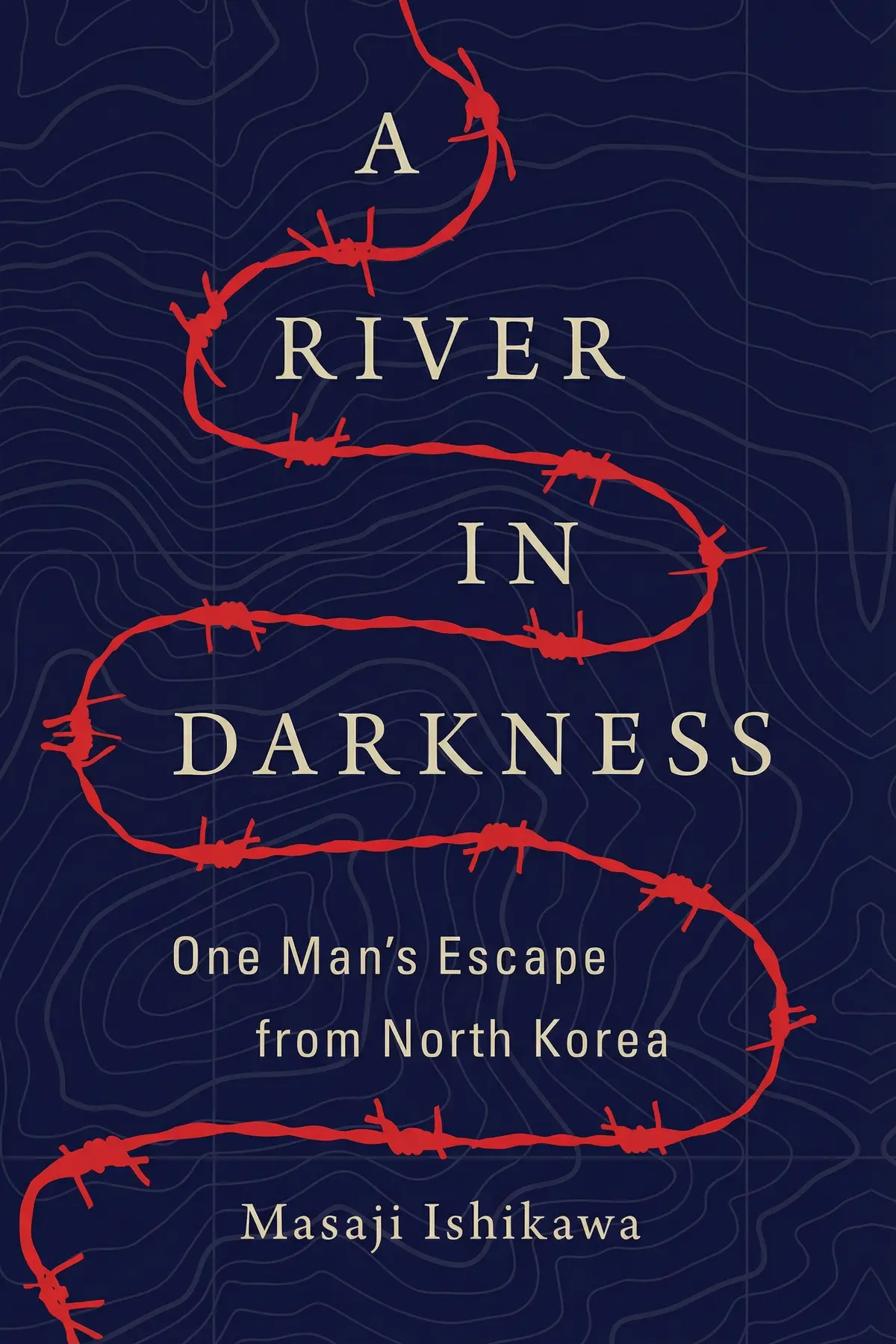
A River in Darkness: One Man’s Escape from North Korea
Masaji Ishikawa
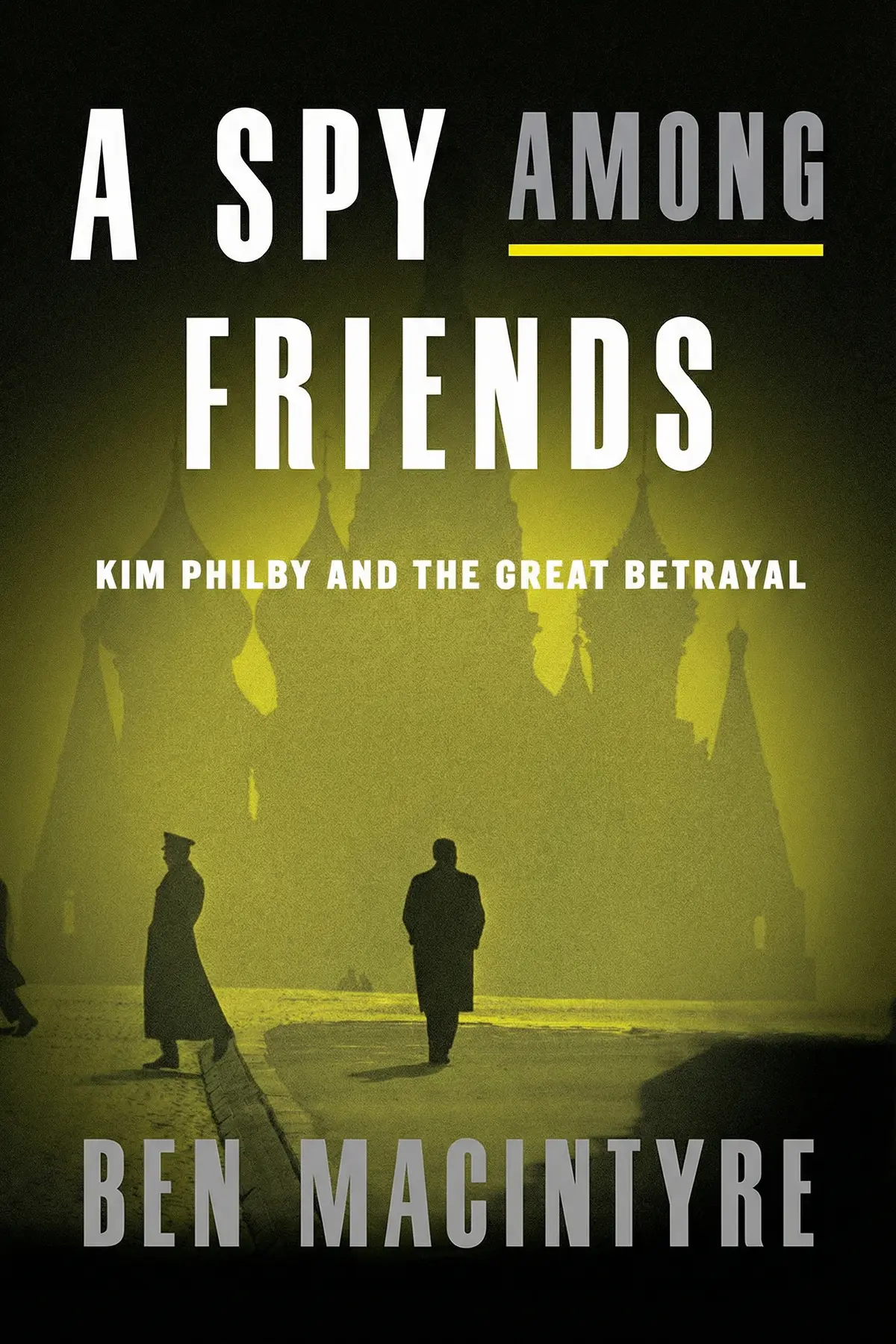
A Spy Among Friends: Philby and the Great Betrayal
Ben Macintyre
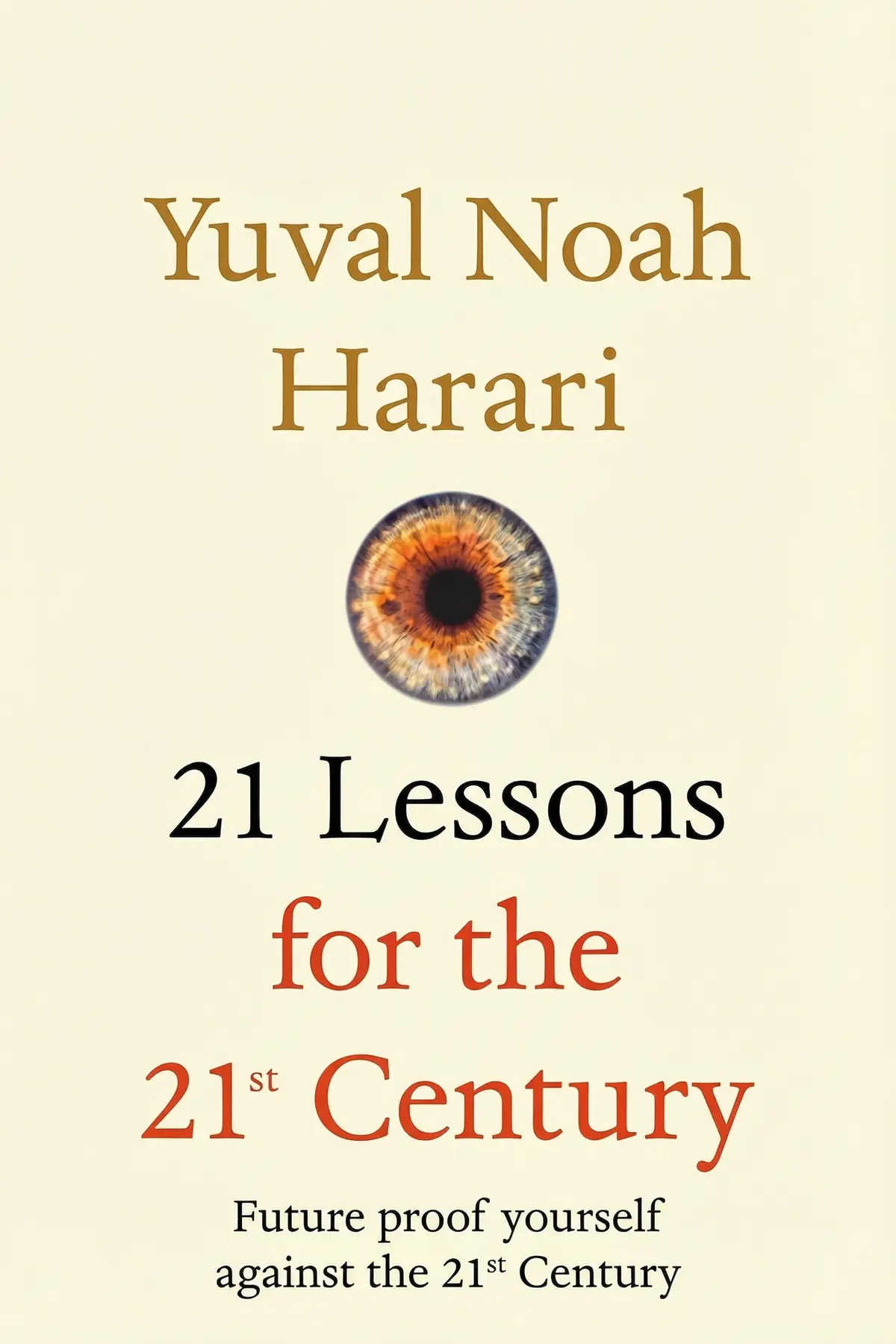
21 Lessons for the 21st Century
Yuval Noah Harari

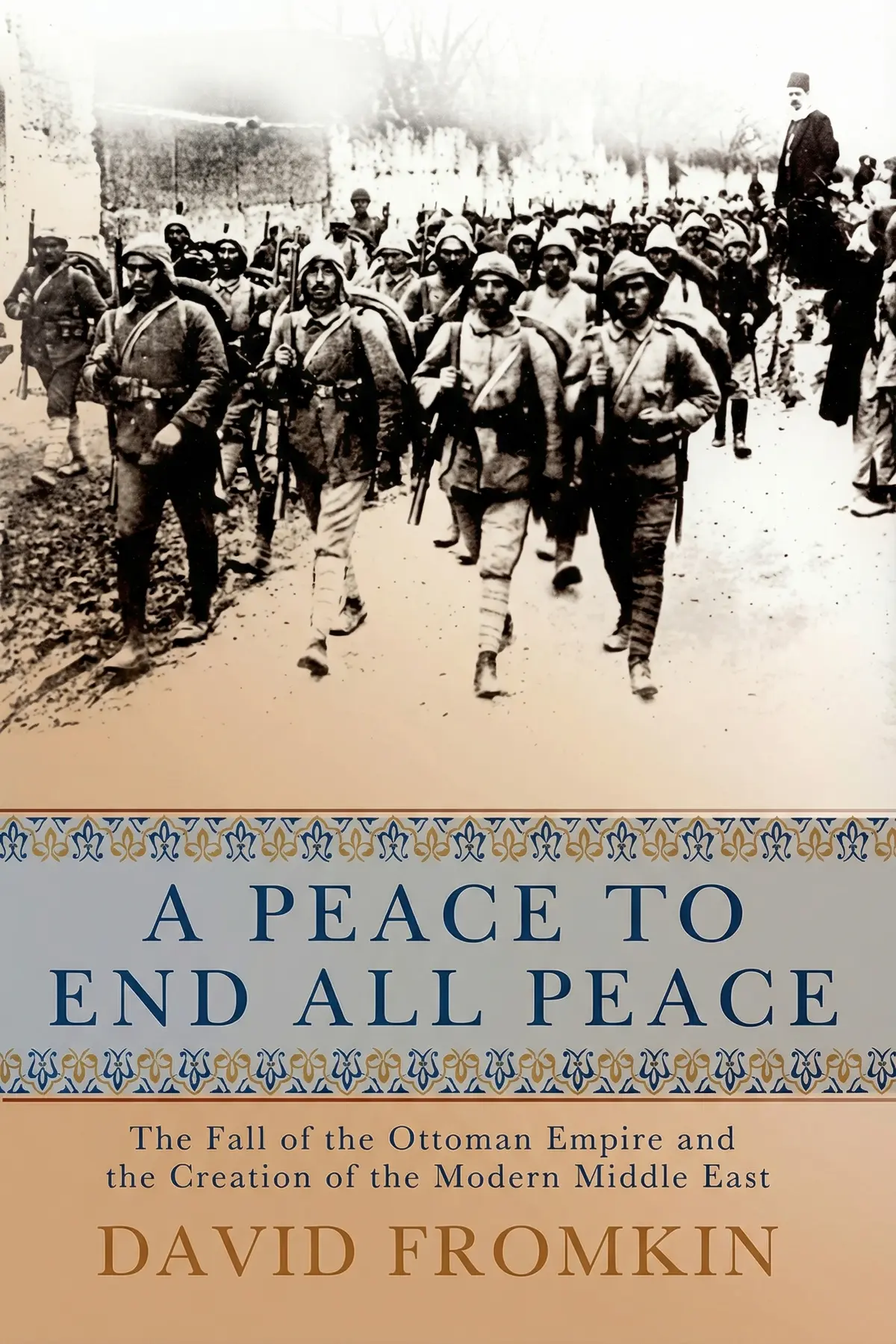
AUDIO SUMMARY AVAILABLE
Listen to The Desert and the Sea in 15 minutes
Get the key ideas from The Desert and the Sea by Michael Scott Moore, plus 5,000+ more titles in English and Thai.
- 5,000+ titles
- Listen as much as you want
- 7-day free trial
- Cancel anytime







