
A Year with Peter Drucker: 52 Weeks of Coaching for Leadership Effectiveness
Joseph A. Maciariello
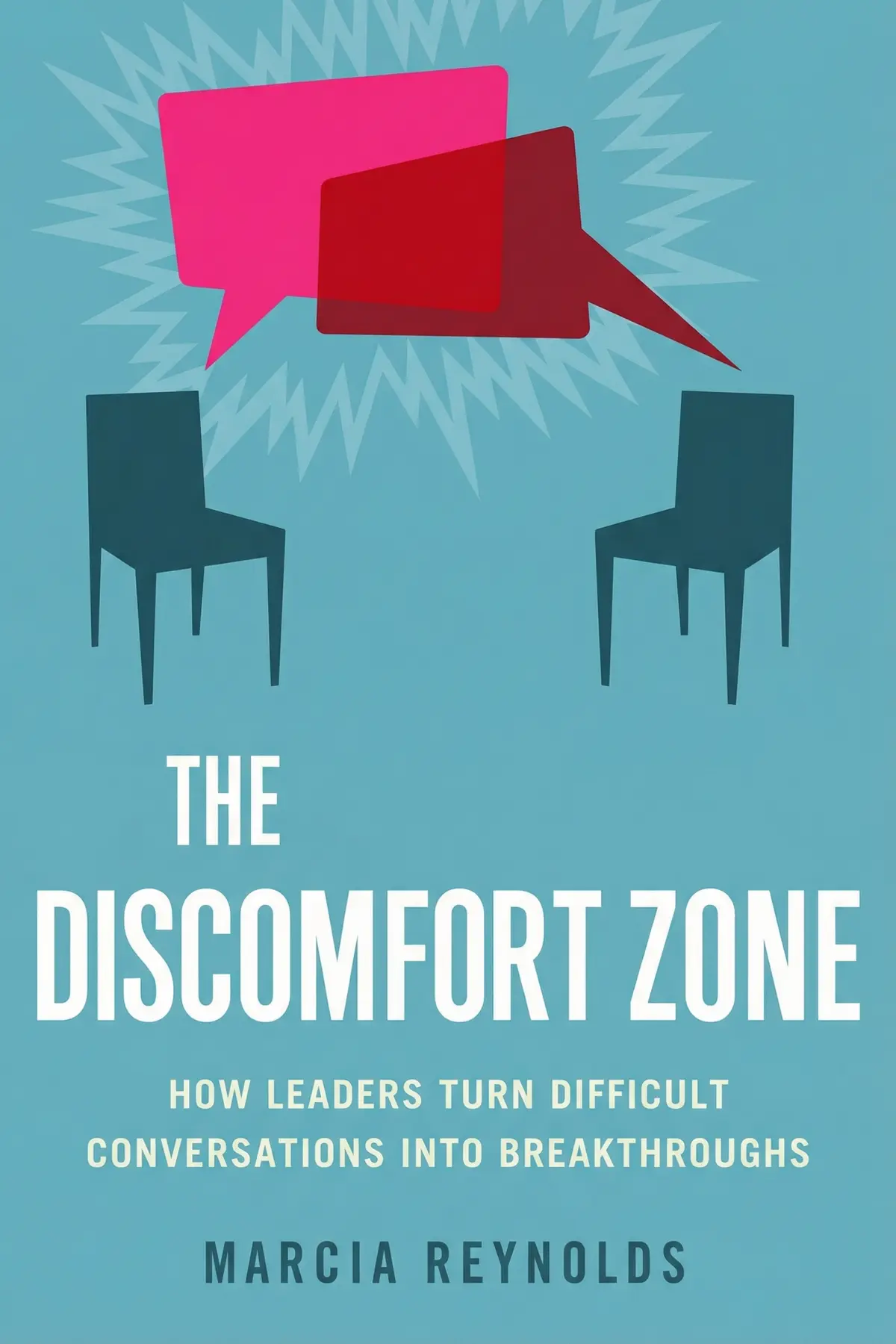
Marcia Reynolds explores how leaders can navigate high-stakes conversations by creating a safe yet challenging space that disrupts old thinking patterns and sparks profound breakthroughs through holistic listening and the DREAM framework.
1 min 30 sec
Every leader eventually faces a moment of hesitation. It’s that familiar feeling in the pit of your stomach when you know a conversation needs to happen, but you also know it’s going to be awkward, emotional, or even volatile. Perhaps it’s an employee whose performance is slipping, or a colleague whose attitude is poisoning the team dynamic. Most of us have been taught that a good leader remains calm and keeps the peace. But what if maintaining the peace is actually preventing progress?
Marcia Reynolds suggests that our tendency to avoid friction is a major barrier to organizational growth. In this summary, we’re going to explore the concept of the Discomfort Zone. This isn’t a place of hostility or bullying; rather, it is a psychological space where people are challenged to look at their own beliefs and habits with fresh eyes. It’s a zone where the mind is momentarily unsettled, and in that state of being unsettled, it becomes capable of reorganizing itself into something more effective.
Throughout this discussion, we will break down why negative emotions aren’t something to be feared, but rather tools to be used. We’ll look at a unique way of listening that involves your entire physical presence, and we’ll walk through a specific five-step framework designed to turn a tense meeting into a moment of genuine clarity. The goal here is to transform the way you think about conflict. Instead of seeing a difficult conversation as a hurdle to be cleared, you’ll start seeing it as an invitation to a breakthrough. Let’s dive into how you can start creating these transformative spaces in your own professional and personal life.
2 min 08 sec
Discover why the best way to spark a change in behavior is to first interrupt a person’s habitual way of thinking.
1 min 59 sec
Listening is more than just processing words; it requires a physical and emotional alignment of the head, heart, and gut.
1 min 49 sec
A difficult conversation can only succeed if it is conducted within a ‘safety bubble’ of mutual respect.
1 min 45 sec
Learn the first two steps of the DREAM framework: defining the ultimate objective and reflecting on the context.
1 min 42 sec
The ‘E’ in DREAM involves exploring the blind spots and biases that prevent people from seeing the solution.
1 min 47 sec
Finish the DREAM process by ensuring the individual acknowledges their new understanding and commits to a specific plan.
1 min 07 sec
As we wrap up our look at The Discomfort Zone by Marcia Reynolds, the central theme is clear: your greatest growth as a leader—and the greatest growth of your team—lies just on the other side of the conversations you are currently avoiding. Growth requires disruption, and disruption is inherently uncomfortable. But as we’ve seen, if you can create a safety bubble of trust and use the DREAM framework to guide the process, that discomfort becomes a productive force rather than a destructive one.
Remember that this isn’t just a mental exercise. It is a full-bodied practice. To start applying this today, work on your holistic listening. The next time you find yourself in a meeting, try to visualize that glowing ball moving from your head to your heart and then to your gut. Ask yourself what you are sensing beyond just the words being spoken.
When you stop trying to avoid the tension and start using it as a diagnostic tool, you move from being a manager of tasks to a catalyst for human potential. It takes courage to step into the discomfort zone, but the breakthroughs waiting there are well worth the effort. Thank you for listening, and may your next difficult conversation be your next big breakthrough.
The Discomfort Zone addresses one of the most significant hurdles in leadership: the avoidance of difficult conversations. Most managers shy away from sensitive topics for fear of damaging relationships or appearing overly aggressive. However, this book argues that growth only happens when we move beyond our mental comfort zones. By following the strategies outlined by Marcia Reynolds, you will learn how to create a supportive environment that allows for radical honesty. The book provides a structured approach to listening with the entire body—not just the ears—and introduces a five-step process called DREAM to guide people toward their own realizations. The promise is simple: by leaning into discomfort rather than avoiding it, leaders can help their teams unlearn biases, solve persistent problems, and achieve sustainable behavioral change.
Marcia Reynolds is a highly respected leadership coach and author. She holds a doctoral degree in organizational psychology, which informs her deep understanding of human behavior and cognitive patterns in the workplace.
Listeners consider this work highly insightful, noting that the material is grounded in neuroscience and offers actionable advice for professional settings. Furthermore, the text is accessible, leading many to label it a necessary resource. They value the improved methods provided for managing challenging dialogues, and one listener highlights how it assists in developing a coaching presence.
After hearing so much buzz about Marcia Reynolds’ approach to leadership, I finally dove into this book. It’s a total game-changer for anyone who feels stuck in polite but unproductive professional circles. The core idea is that real growth only happens when we step into that 'discomfort zone,' using neuroscience to explain why our brains resist change so fiercely. To be fair, it takes a while to wrap your head around the DREAM model—Determine, Reflect, Explore, Acknowledge, and Make—but once you do, the results are palpable. I especially appreciated the emphasis on listening with your whole body, gut and heart included, rather than just waiting for your turn to speak. It’s a refreshing departure from the cookie-cutter management advice that fills the shelves these days. If you want to move beyond surface-level feedback and actually help your team have breakthroughs, this is a must-read.
Show moreWow, I am actually blown away by the depth of the neuroscience principles integrated into this coaching guide. It’s not just about what questions to ask, but about creating an environment where a person feels safe enough to be challenged. Reynolds explains that when we trigger a breakthrough, we are literally helping someone re-wire their thinking, and that is a powerful responsibility. I’ve started using the question 'What is the most important part of our conversation today?' at the end of my one-on-ones, and the results have been incredible. It really helps crystallize action steps and ensures that both parties are on the same page. Got to say, this is one of the few leadership books I’ve read recently that felt like it was offering something truly different. Highly recommended for anyone who wants to move beyond superficial management.
Show moreFinally got around to reading 'The Discomfort Zone' and I have to say, it offers a much-needed shift in perspective for modern managers. Instead of focusing on what you want to say, Reynolds teaches you how to focus entirely on the other person’s internal breakthroughs. I particularly liked the specific question, 'How do you know this to be true?' because it forces people to examine their own assumptions without feeling like they’re being attacked. While some sections felt a little pedantic, the overall message about creating a coaching presence is incredibly valuable for anyone leading a team. Not gonna lie, it’s going to take a lot of practice to get these questions right without sounding like a therapist. Still, the emphasis on the heart and gut as tools for navigation is something I haven’t seen in many other business books.
Show moreThe chapter on emotional triggers was worth the price of the book alone for me. Reynolds does a fantastic job of explaining how our social narratives can block us from making good decisions, and how a coach can help dismantle those narratives. I’m not usually a fan of 'difficult conversation' strategies because they often feel manipulative, but this approach feels more like a partnership. Personally, I found the DREAM acronym helpful as a mental checklist when I’m feeling lost in a meeting. My only gripe is that some of the corporate human relations perspectives felt a bit dated and didn't always account for more diverse work environments. That said, the focus on curiosity over judgment is a lesson that every leader needs to hear at least once. It’s a solid addition to any professional development library.
Show moreEver wonder why your feedback sessions always fall flat even when you follow the GROW model to the letter? This book might have the answer by pointing out that you’re likely staying in the comfort zone where no real learning happens. Marcia Reynolds challenges us to be more than just polite; she wants us to be disruptive in a way that creates meaningful change. I loved the section on asking questions that target the 'why' rather than just the 'what,' which helps employees see their own patterns of behavior. To be fair, the book can be a bit repetitive, but that might be intentional to drill the DREAM process into your head. It’s an insightful look at how to be a more mindful leader by using your heart and gut alongside your brain. Definitely worth a read.
Show moreTruth is, I was skeptical about the whole 'discomfort' branding at first, thinking it was just another buzzword for being blunt. However, this book is actually about the opposite—it's about being deeply present and compassionate while helping others face their fears. The DREAM model provides a nice structure, even if it feels a little similar to other frameworks I've used in the past. What sets this apart is the focus on the epiphany: that moment when the lightbulb goes off for the other person. In my experience, those moments are rare in the corporate world, but Reynolds gives you the tools to make them happen more often. There are some parts that feel a bit like leadership jargon, but the core message is solid and very applicable. It’s a valuable tool for anyone serious about professional development.
Show moreAs someone who has worked in corporate HR for over a decade, I found some of the insights here to be useful but ultimately a bit thin on the ground. The DREAM process is a decent framework for structuring a difficult talk, but it feels a bit forced compared to more natural methods. In my experience, the book works best when it focuses on the neuroscience of why we get defensive during conflict. However, the actual application of these techniques seems like it would require a lot of role-playing and professional workshops to master. Without that extra guidance, the advice remains somewhat vague and difficult to implement in the heat of a real-world argument. It’s a good introduction to the concept of mindful coaching, but don't expect it to solve all your communication problems overnight.
Show moreNot what I expected from a standard business book, as it leans heavily into the psychological and emotional side of leadership. While I appreciate the sentiment behind everything Reynolds writes, I found the self-help advice to be a little too vague for my liking. I am sure there is real benefit to be had by holding these discomfort zone conversations, but the book didn't quite show me how to do it in a way that feels natural. It feels like it was written to be paired with a live training session, and without that, some of the techniques feel a bit abstract. The truth is, I’m still not sure I’d feel confident implementing these probing questions without accidentally offending someone. It’s an interesting read for sure, but maybe more suited for those who already have a strong foundation in psychology.
Show moreLook, the premise of this book is solid, but the execution left me feeling quite cold. I agree that we need to lean into uncomfortable conversations to foster change, but the writing style felt oddly detached and repetitive. Maybe it’s because I’ve already read a lot of similar literature on conflict resolution, but I didn't find the breakthrough moments in the anecdotes to be very realistic. The author seems to think that asking one or two probing questions will magically resolve years of deep-seated behavioral issues in an employee. To be fair, there are a few tidbits about mindfulness that are worth highlighting, but they are buried under layers of fluff. It’s not a terrible book, but it certainly isn't the revolutionary text the marketing makes it out to be. I’d call it an okay starting point for a novice coach.
Show morePick this up only if you enjoy being told the same three things over and over again for two hundred pages. Frankly, I was disappointed by the lack of original thought here, as the author claims to have reinvented coaching while basically just re-skinning the classic GROW model. The examples provided felt incredibly naive and scripted, almost like they were written for people who have never had a real human interaction in an office setting. I struggled to finish it and ended up just skimming the chapter summaries because the repetition was becoming unbearable. It feels like this could have been a very informative ten-page PDF or a decent blog post, but it definitely didn't need to be a full-length book. I’d suggest sticking to more established conflict resolution literature if you actually want to improve your leadership style.
Show moreJoseph A. Maciariello


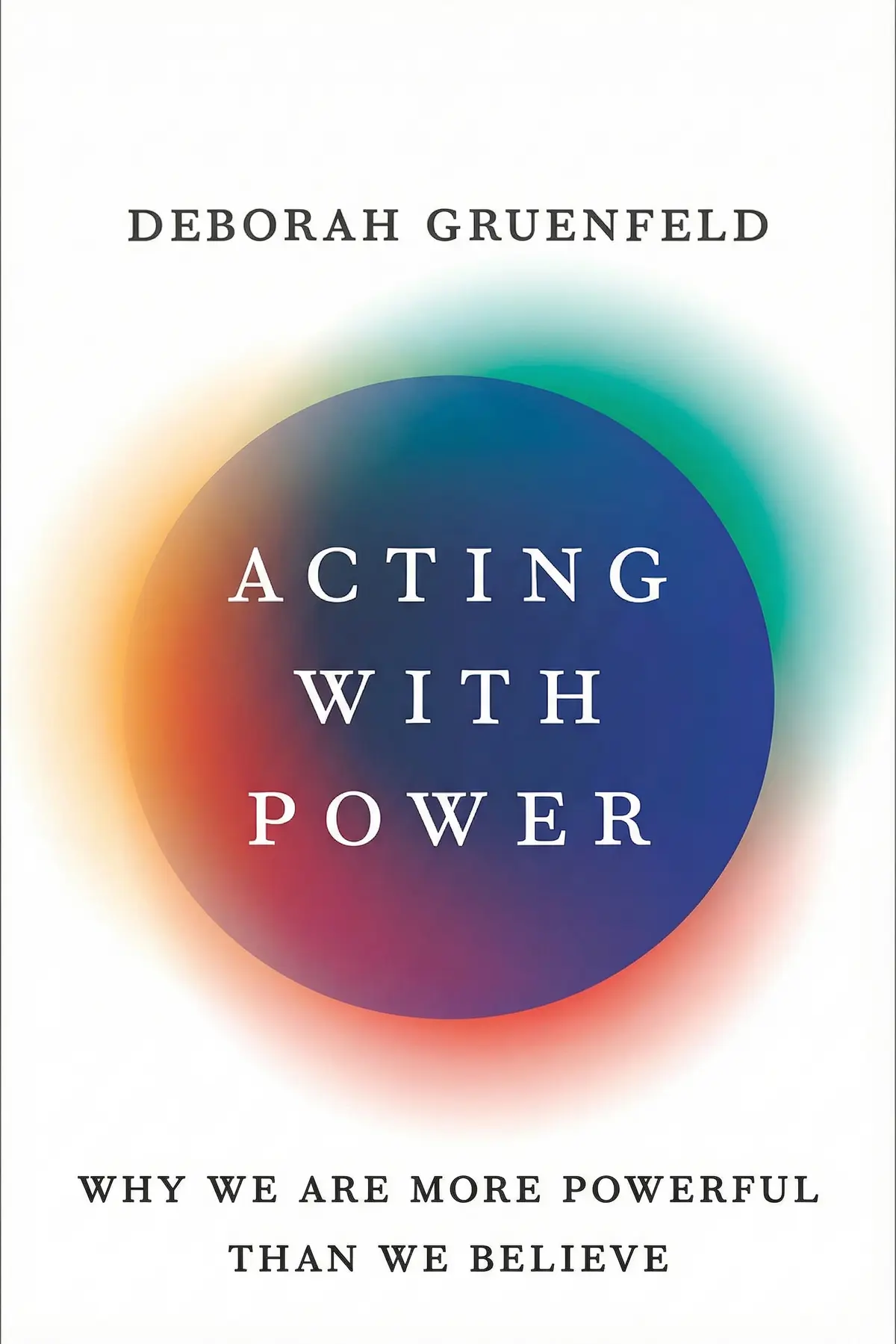
Deborah Gruenfeld

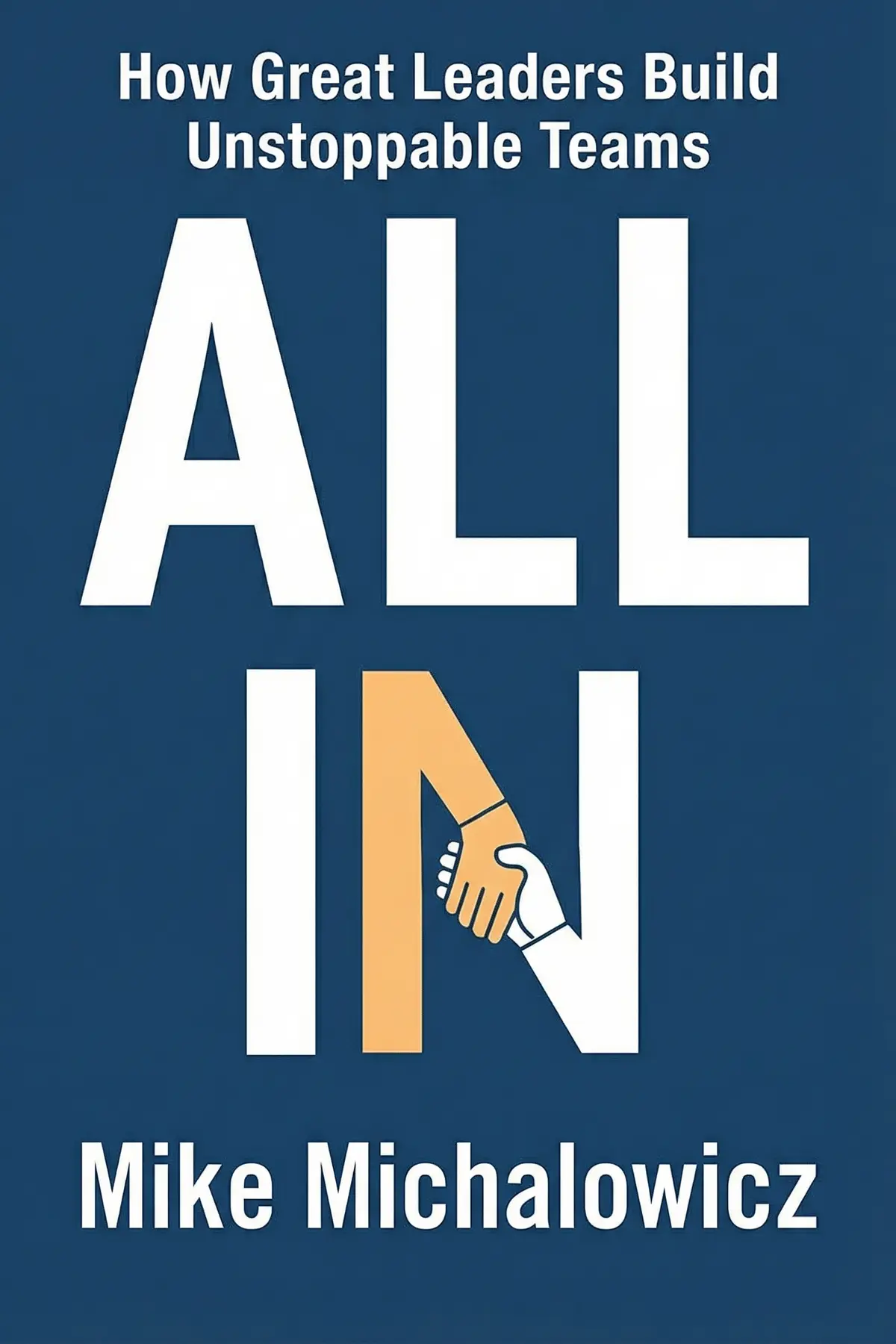
Mike Michalowicz
AUDIO SUMMARY AVAILABLE
Get the key ideas from The Discomfort Zone by Marcia Reynolds, plus 5,000+ more titles in English and Thai.







