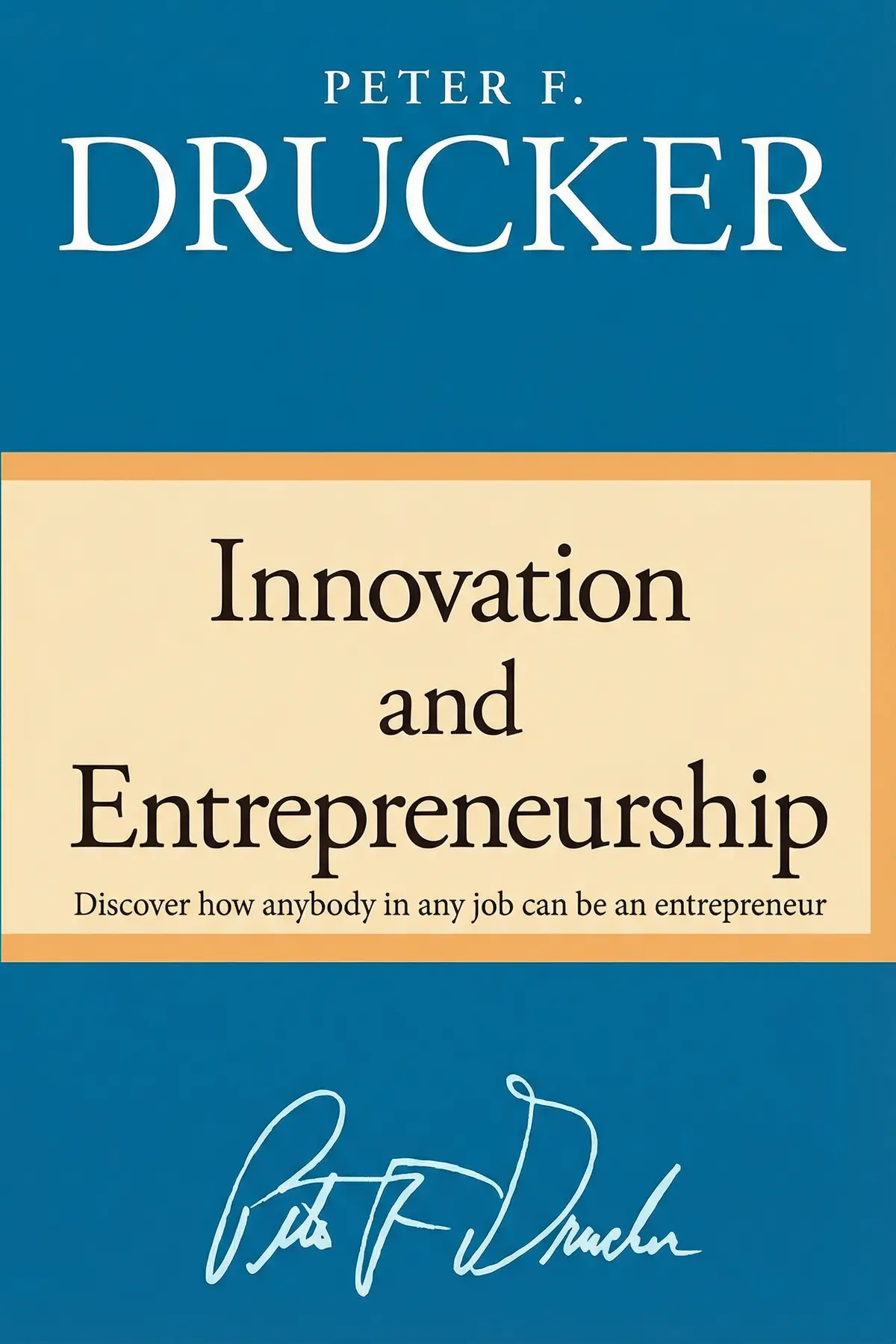
Innovation and Entrepreneurship
Peter Drucker
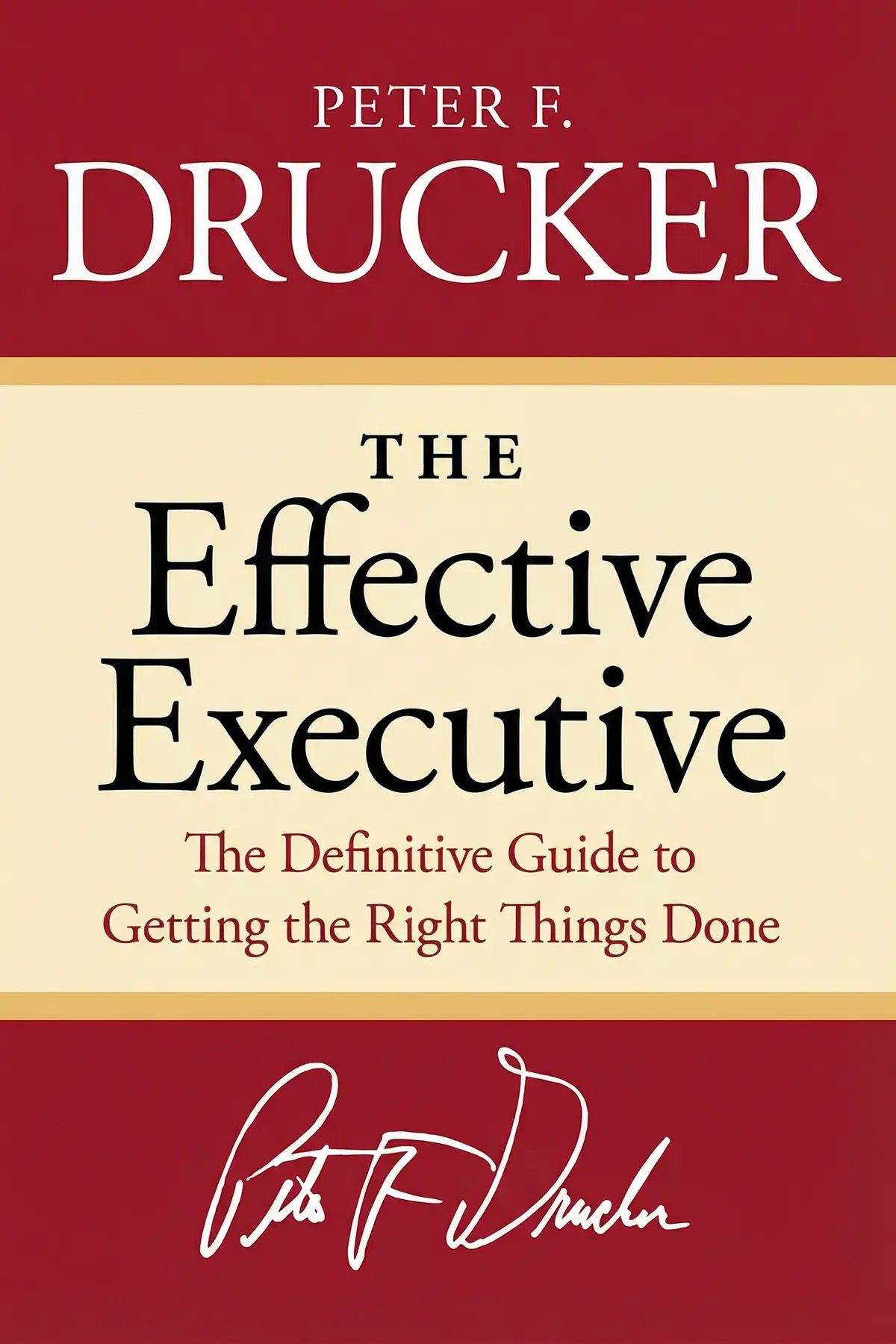
Explore the essential habits of high-performing leaders. This guide breaks down how to master time management, prioritize impactful tasks, and refine decision-making processes to achieve superior organizational results and personal productivity.
1 min 39 sec
In the modern world of work, we are often overwhelmed by the sheer volume of tasks, meetings, and communications that demand our attention. We tend to celebrate the ‘busy’ executive—the person whose calendar is packed from dawn until dusk. However, there is a profound difference between being busy and being effective. To be effective is to ensure that your work actually produces the results that matter. This summary explores the foundational philosophy that effectiveness is not a gift people are born with, but a discipline that anyone can and must learn.
As we dive into these concepts, keep in mind a central throughline: the effective executive is a steward of resources, the most precious of which is time. Because an executive’s time is constantly under pressure from the organization, they must be intentional about how they use it. This isn’t just about personal productivity; it is about the health of the entire organization. When a leader is ineffective, the whole system suffers. When a leader masters the habits of effectiveness, they create a ripple effect that elevates everyone around them.
We will look at how to move away from the ‘efficiency’ trap—which is about doing things right—and move toward ‘effectiveness,’ which is about doing the right things. This transition requires a shift in mindset, moving away from a focus on effort and toward a focus on results. It involves a rigorous approach to time-management, a ruthless commitment to priorities, and a systematic method for making decisions. By the end of this journey, the goal is to provide you with a clear framework for becoming the kind of leader who doesn’t just work hard, but works to make a real difference. Let’s begin by looking at why effectiveness is a skill that must be cultivated through practice.
2 min 26 sec
Discover why intelligence and hard work aren’t enough for leadership success. Learn why effectiveness is a specific discipline that requires consistent practice to master.
2 min 21 sec
Time is the only resource that cannot be replaced or bought. Learn how to track and consolidate your time to ensure you are focusing on high-value activities.
2 min 17 sec
Stop focusing on effort and start focusing on results. Shift your perspective to ask what you can contribute to the organization’s success.
2 min 19 sec
Multitasking is a myth for executives. Learn why concentrating on one major task at a time is the only way to achieve superior performance.
2 min 09 sec
Stop making countless minor decisions and start making a few high-level strategic ones. Learn the systematic process for sound judgment.
1 min 39 sec
In concluding our look at the habits of the effective executive, it’s important to remember that effectiveness is not a destination you reach, but a way of traveling. It is a continuous commitment to self-improvement and organizational contribution. We’ve seen that it begins with the realization that your intelligence and knowledge are only valuable if you apply the discipline of practice. It requires you to be a master of your time, a seeker of contribution, a champion of priorities, and a systematic decision-maker.
The throughline of all these practices is a sense of purpose. When you manage your time, you are doing it so you can focus on what matters. When you prioritize, you are choosing to make a difference rather than just being busy. When you make a decision, you are taking responsibility for the future. This is the essence of leadership. It isn’t about the title on your door or the number of people who report to you; it’s about the results you produce and the example you set for others.
As you move forward, start small. Begin by recording your time for just one week. You might be surprised at what you find. Then, look at your ‘to-do’ list and identify the one thing—just one—that would make the biggest contribution to your organization if you did it superbly well. Focus your energy there. Effectiveness is built one habit at a time, one day at a time. By choosing to be effective, you are not only increasing your own productivity, but you are also fulfilling the fundamental duty of an executive: to provide the direction and the results that allow an organization to thrive. The journey to effectiveness is a challenging one, but it is the only path to true professional mastery.
What does it actually mean to be an effective leader? Many people assume that effectiveness is a natural byproduct of intelligence, hard work, or charisma, but this book argues otherwise. It presents effectiveness as a distinct set of practices that can be learned and must be practiced until they become habits. The core premise is that the executive's primary job is to be effective—to get the right things done. Through a focus on productivity, the management of priorities, and the mechanics of sound decision-making, the text provides a roadmap for anyone in a position of responsibility. It promises to shift your perspective from being 'busy' to being 'impactful' by highlighting the importance of time-management and a clear sense of goals. By adopting these specific disciplines, you can ensure that your efforts translate into meaningful contributions for your organization and your career.
Peter F. Drucker is an American management consultant and educator who has written more than 35 books.
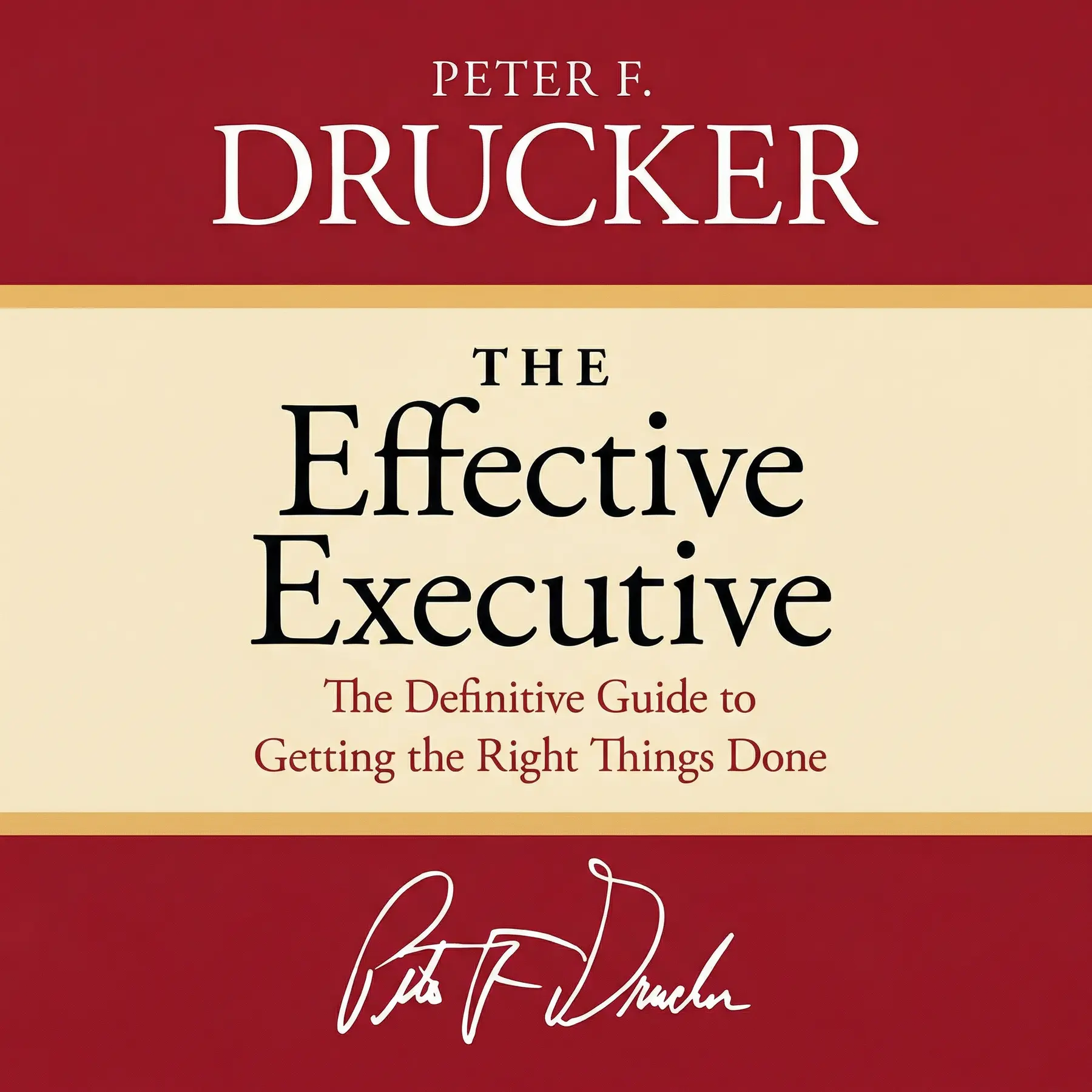
Listeners consider this a mandatory listen for business-oriented people, highlighting its sharp strategies and hands-on advice for leading with impact. Furthermore, the material is celebrated for its time management suggestions and its stimulating take on the decision-making process. On the other hand, the writing style draws conflicting opinions, as some find the narrative clear while others believe it is lacking. Finally, despite the work staying pertinent over 50 years later, some listeners suggest that certain aspects feel slightly old-fashioned.
Peter Drucker is often called the Father of Modern Management for a reason, and this specific work proves why his legacy endures. While the examples hail from the Mad Men era, the core principles regarding time management and outward contribution remain remarkably vital for anyone leading an organization today. Frankly, the advice on building on strengths rather than obsessing over weaknesses is a mindset shift that most modern HR departments still haven't fully grasped. The prose is remarkably readable, stripping away the fluff found in contemporary business blogs to focus on the self-discipline of effectiveness. It is a dense read, but every page contains a nugget of wisdom that feels both timeless and urgent. If you want to move beyond being busy and start being productive, this is the foundational text you need.
Show moreFinally got around to reading this classic and it’s essentially the blueprint for everything we consider 'modern' productivity today. Drucker cuts through the nonsense to explain that executives aren't paid to be busy—they are paid to get the right things done. I loved the insight that the customer is the one who makes the final decisions but exists entirely outside the organization's internal structure. It’s a powerful reminder to stop looking inward at corporate politics and start looking outward at actual impact. Not gonna lie, the five habits he lists are deceptively simple to understand but require a lifetime of practice to truly master. This isn't just a book for CEOs; it's for anyone who wants their efforts to actually mean something in a complex world.
Show moreConcentrating on the few major areas where superior performance will produce outstanding results sounds simple, yet most of us fail at it daily. Drucker’s masterpiece is a wake-up call for anyone who confuses activity with achievement or scale with impact. I particularly appreciated the rule about staffing from strength; we spend so much time trying to fix people’s weaknesses when we should be magnifying what they do well. The book provides detail and substance that you just won't find in a summary or a short blog post. It challenges you to treat effectiveness as a self-discipline rather than a subject to be studied. This is essential reading that has stood the test of time, even if the world around it has changed significantly since 1967.
Show moreBuilding on strengths rather than obsessing over weaknesses is the one takeaway from this book that changed how I approach my entire department. Drucker’s wisdom is dense, requiring you to slow down and actually think about how you allocate your most precious resource: time. He is the master of learning how to be effective, and his five habits provide a clear roadmap for anyone feeling lost in the weeds of middle management. The truth is, many of our 'crises' could wait ninety minutes, but we lack the courage to ignore the noise. I’ve read a lot of Jack Welch and other CEOs, but they all seem to lead back to these core principles. It is a profound, insightful, and surprisingly relevant guide for the 21st-century knowledge worker.
Show moreEver wonder why your professional life feels like a never-ending cycle of unproductive meetings and fire-fighting? Drucker identifies these traps with surgical precision, arguing that a well-managed organization should actually be quite 'dull' rather than a place for constant heroics. Truth is, his observation that one must 'know where the time goes' before managing it is a simple truth that is incredibly difficult to execute. I found the section on making effective decisions particularly thought-provoking, especially the idea that a decision is only necessary if a generic rule doesn't already apply. My only gripe is that the writing style can feel a bit dry and academic in certain chapters. Despite that, the practical guidance on prioritizing first things first makes this a definitive must-read for any aspiring leader.
Show moreAs someone who has managed teams for over a decade, I find myself returning to these pages every few years for a reality check. Drucker’s focus on effectiveness as a learned habit rather than an innate personality trait is incredibly empowering for those of us who weren't born 'natural' leaders. He breaks down management into five concrete habits, emphasizing that our value comes from our contribution to the organization's goals rather than our titles. Got to say, the chapter on 'making strengths productive' is worth the price of the book alone. Some readers might find the references to the Kennedy administration a bit distracting, but the logic underlying his strategies remains unshakeable. It isn't just about work; it’s about a disciplined way of living and thinking.
Show moreLook, the examples in this book are definitely dated, pulling from the 1960s in ways that feel like a total time capsule. However, if you can look past the mentions of dictaphones and shorthand, the strategic advice on executive decision-making is brilliant. Personally, I found the section on 'consolidating time' to be the most helpful part of the entire experience. Drucker correctly identifies that small droplets of time are useless and that we need large, uninterrupted blocks to do meaningful work. The prose is clear-eyed and avoids the 'self-help' fluff that plagues most modern business bestsellers. It’s a rigorous, disciplined look at what it actually takes to lead effectively in a large organization. I would recommend this to anyone who feels like their day is being eaten by trivialities.
Show moreNot what I expected from a business book written over fifty years ago, especially regarding how readable and clear-eyed the prose remains. Most management books today are second-rate copies of the ideas Drucker pioneered right here. His take on meetings as a 'concession to deficient organization' is a refreshing bit of honesty that most corporate types are afraid to admit. To be fair, some of the examples are a bit dry, and the tone can be somewhat formal compared to today's casual leadership style. But the core message—that you must manage yourself before you can manage others—is a foundational truth. It's a solid 4-star read that offers a practical framework for anyone overwhelmed by the demands of a managerial role.
Show moreThis book could have been a concise twenty-page pamphlet and lost absolutely none of its actual weight or substance. Like most business literature, it takes five solid ideas and stretches them across a full volume using repetitive anecdotes and long-winded explanations. In my experience, you can just read the conclusion at the very end to understand the gist of his five habits for effectiveness. Don't get me wrong, the ideas about concentration and decision-making are great, but the writing style leaves much to be desired. It feels like a lot of 'productivity porn' that rewards you for reading about being effective instead of actually doing the work. It’s okay as a reminder of fundamentals, but don't expect a revelation.
Show moreTo be fair, I struggled to finish this because the pervasive sexism throughout the text is impossible to ignore for a modern reader. Every single executive, leader, and decision-maker is referred to as 'he,' which makes the book feel like a dusty relic of 1967. While some people claim the advice is timeless, I found much of it to be basic common sense that has been explained better in newer books. Why should I trudge through nearly two hundred pages of 'he said' examples just to be told that meetings are a waste of time? The logic is sound, but the delivery is outdated and frankly exclusionary. It is difficult to take leadership advice seriously when it completely ignores half of the population in its framing and language.
Show moreand 1 more
Joseph A. Maciariello
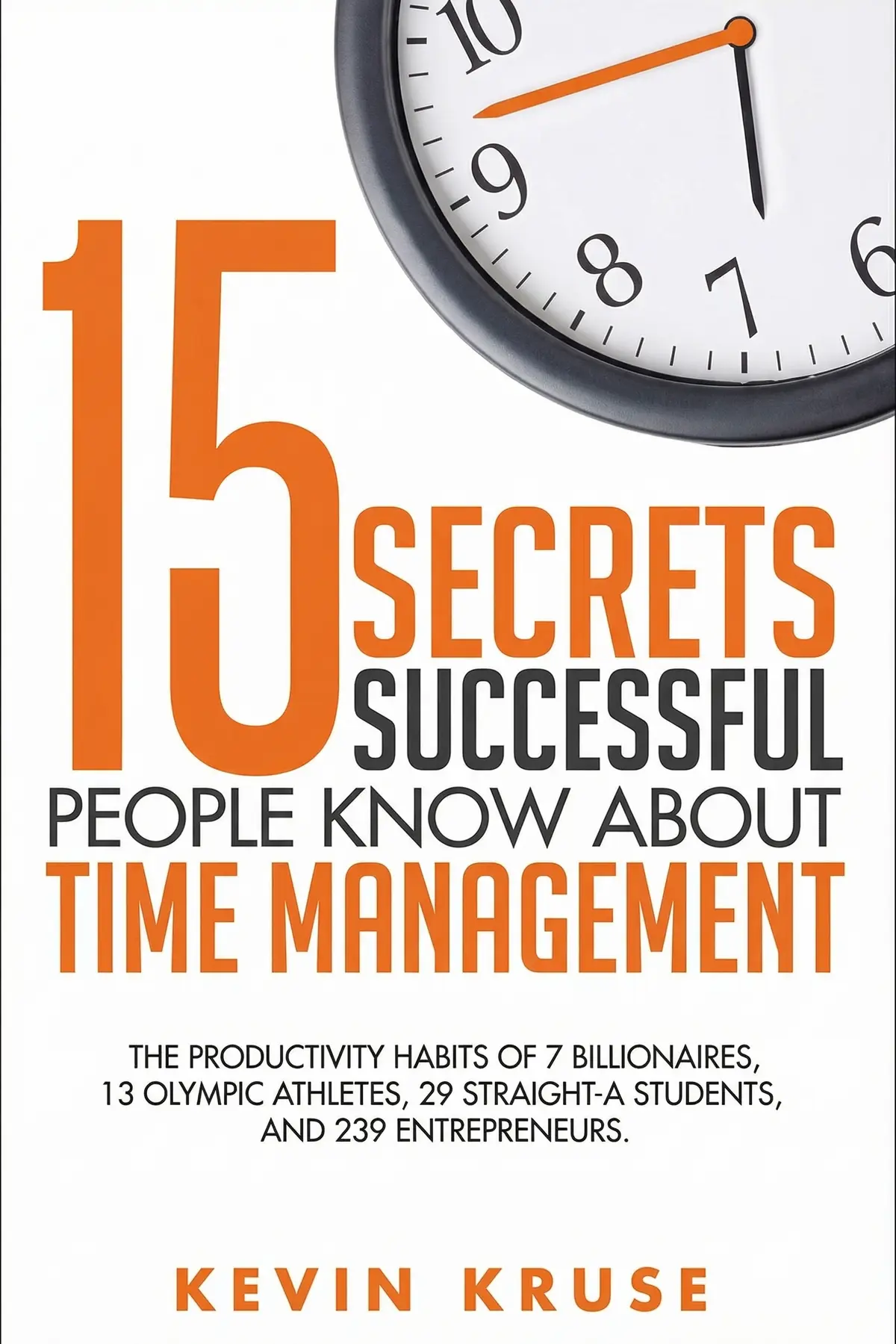
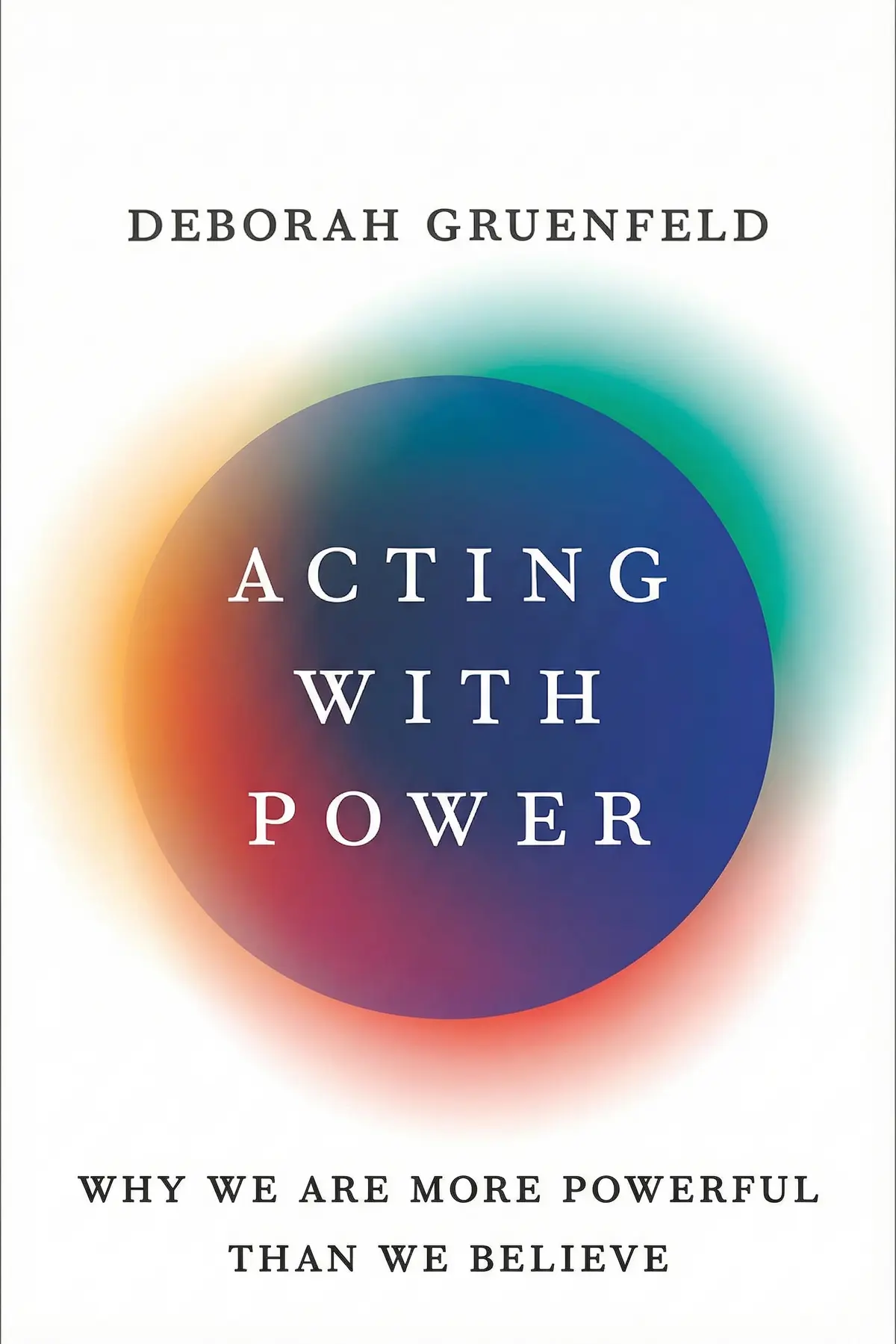
Deborah Gruenfeld
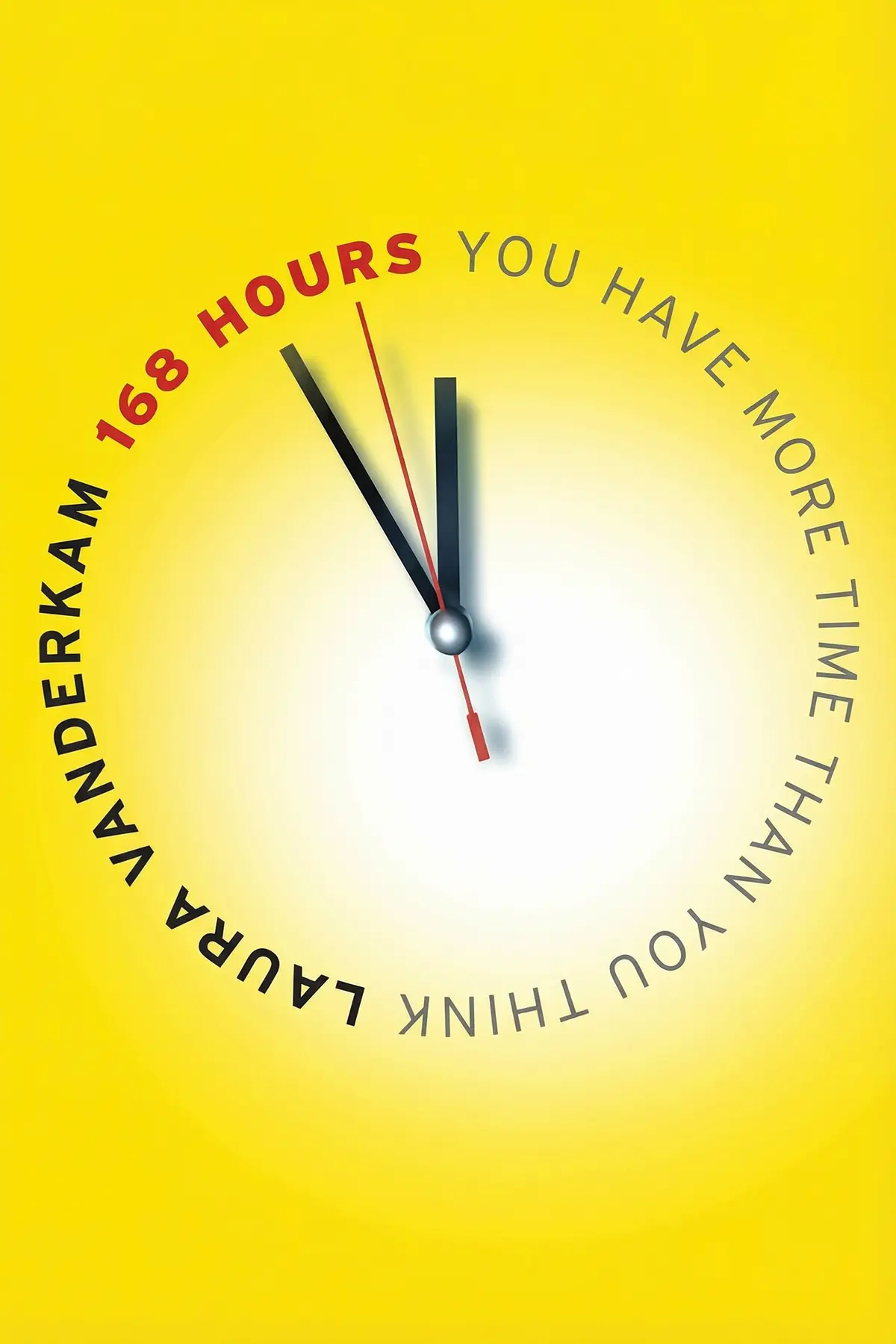
Laura Vanderkam
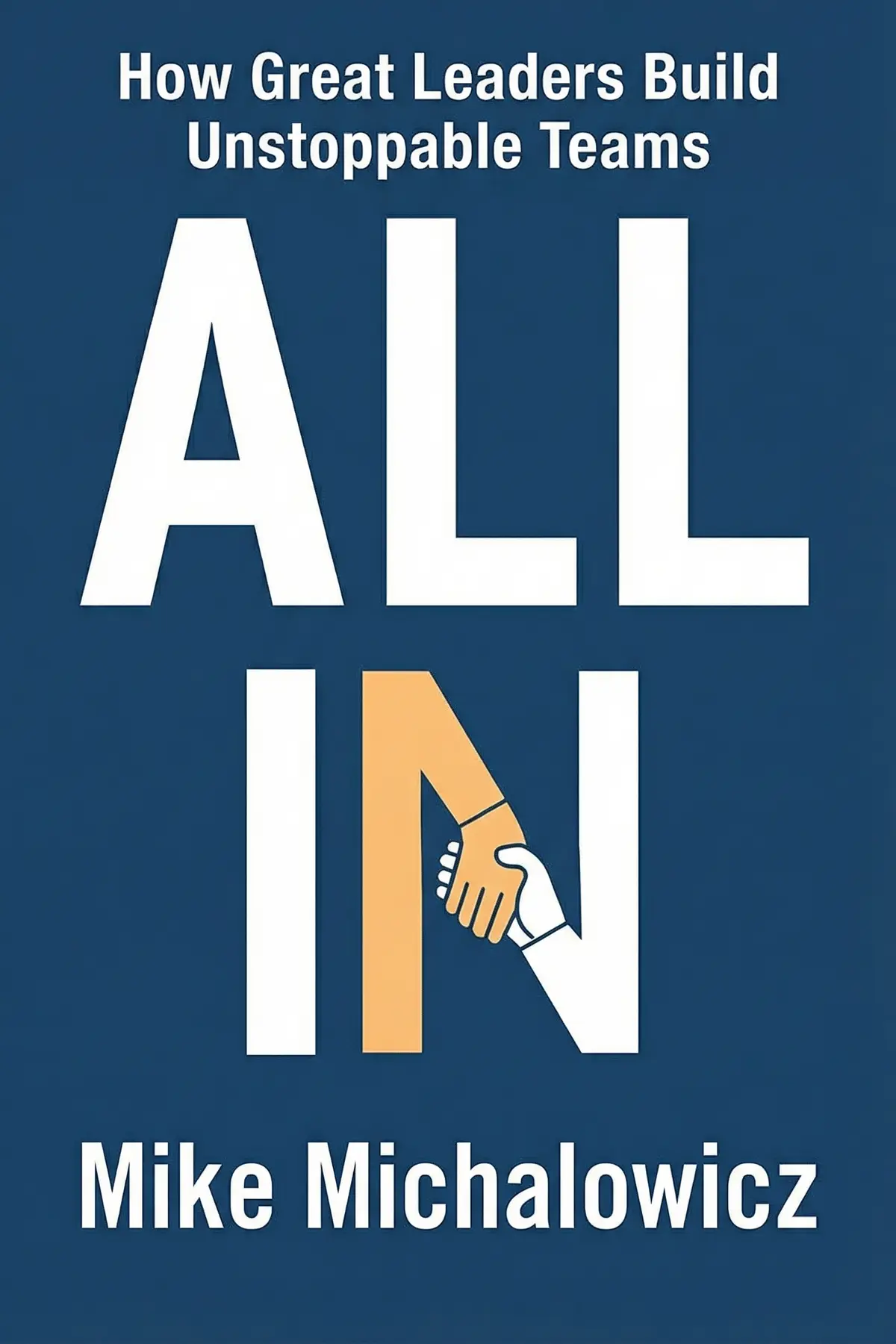
Mike Michalowicz
AUDIO SUMMARY AVAILABLE
Get the key ideas from The Effective Executive by Peter Drucker, plus 5,000+ more titles in English and Thai.