
16 min 07 sec
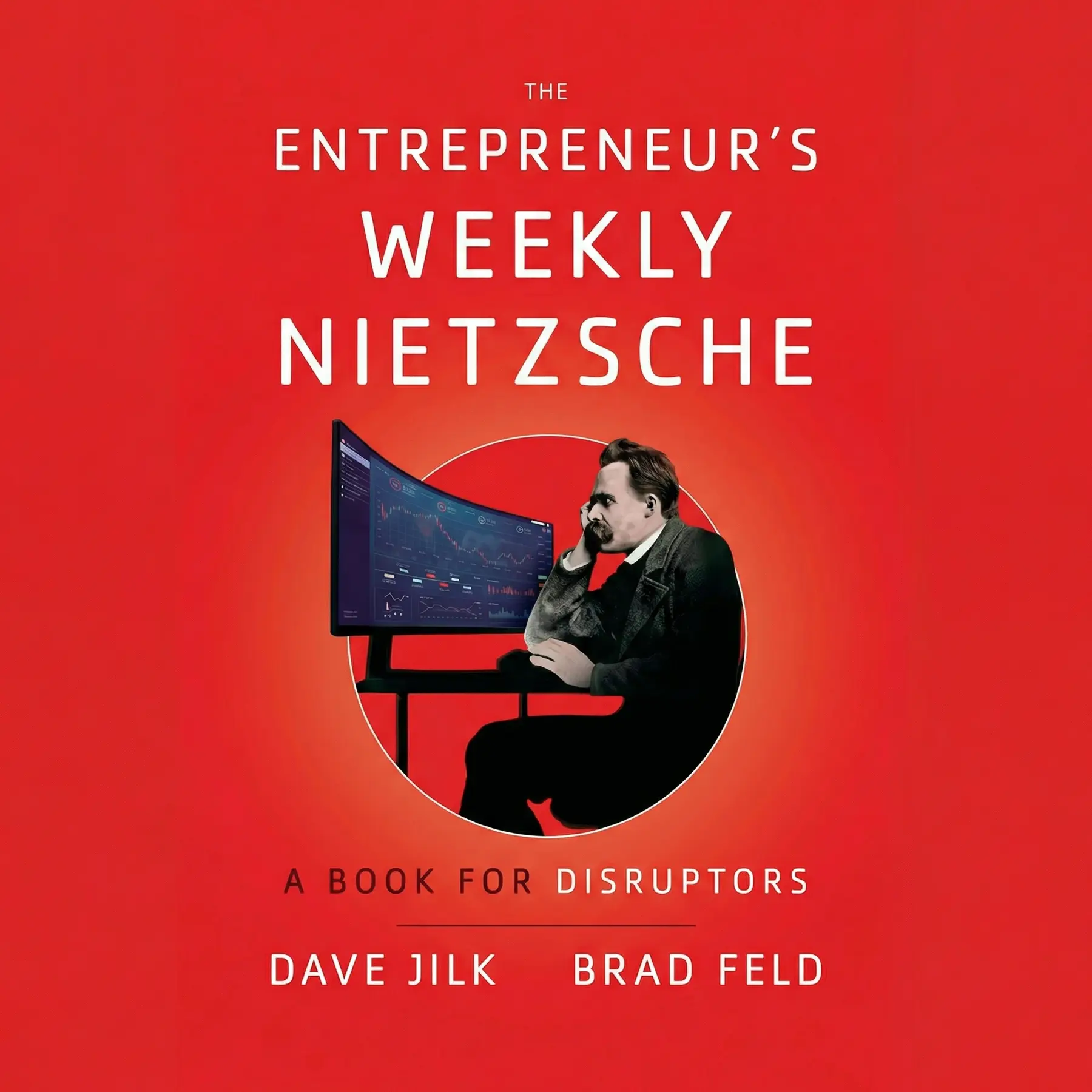
The Entrepreneur’s Weekly Nietzsche: A Book for Disruptors
The Entrepreneur's Weekly Nietzsche bridges the gap between 19th-century existential philosophy and modern business disruption, offering founders a psychological and ethical framework for navigating the chaotic journey of building a startup.
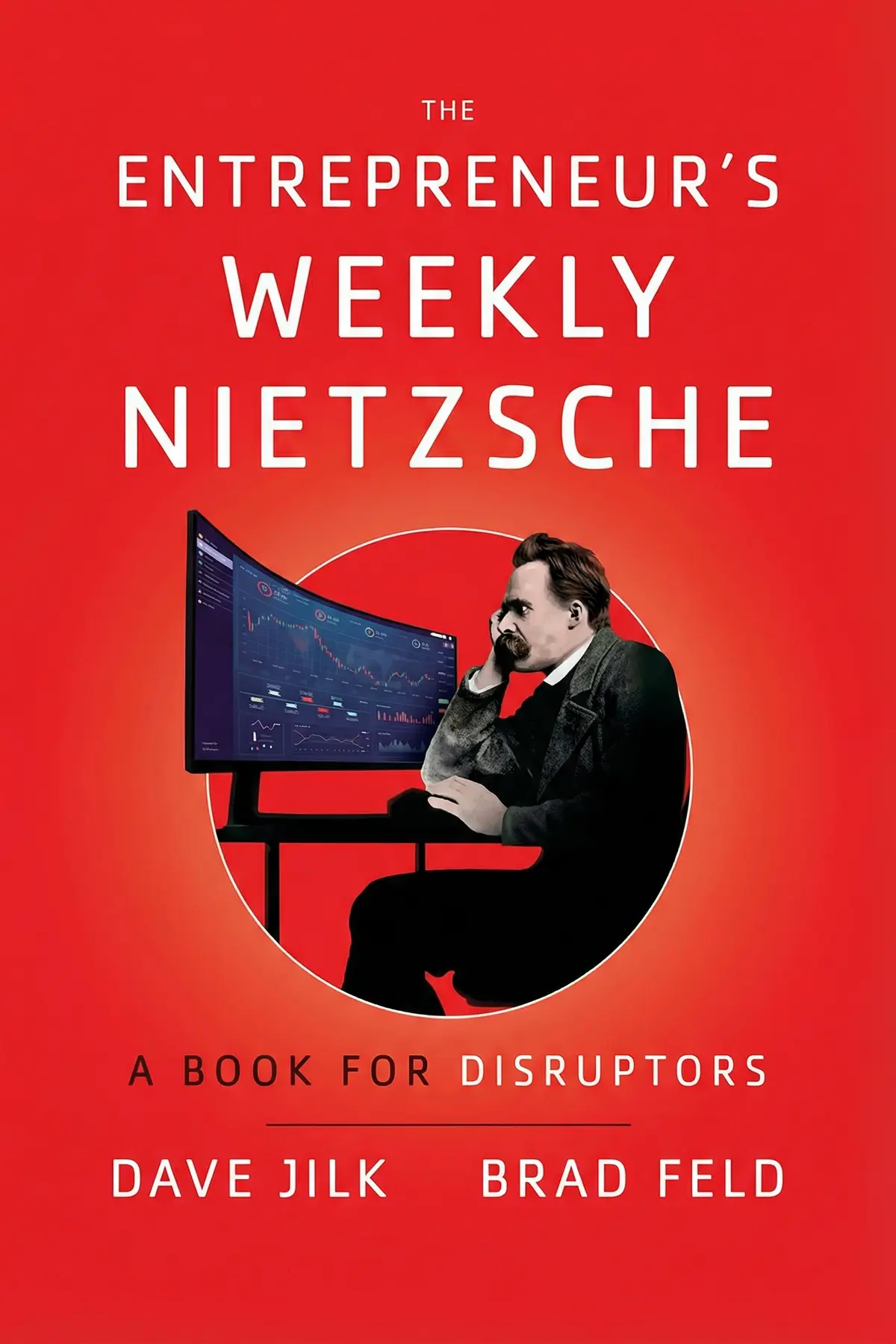
Table of Content
1. Introduction
1 min 51 sec
When you think of the tools an entrepreneur needs to succeed in today’s hyper-competitive market, you likely think of lean methodologies, agile development, or perhaps a deep understanding of venture capital. You probably don’t think of a mustachioed 19th-century German philosopher who spent his life questioning the foundations of Western morality. Yet, as we will explore in our summary of The Entrepreneur’s Weekly Nietzsche, Friedrich Nietzsche’s radical ideas are perhaps the most potent—and least utilized—resources available to the modern disruptor.
Nietzsche was a thinker who lived on the edge of intellectual discovery, constantly challenging the stale dogmas of his era. He was, in the truest sense, a disruptor of the mind. While he famously looked down upon the ‘grubby’ world of 19th-century commerce, his core philosophies regarding creativity, the will to power, and the courage to be different are perfectly aligned with the spirit of the startup founder. This throughline is what makes his work so vital today: the entrepreneur is not merely a merchant, but a creator who must tear down an old world to build a new one.
Over the course of this summary, we will delve into why a deep understanding of human nature is your most valuable asset and why the very traits that make someone a ‘deviant’ in polite society are exactly what’s required to lead a revolutionary company. We will look at how to avoid the trap of groupthink as your organization scales, how to manage the crushing weight of personal pride when things go wrong, and how to craft a vision that is so sensory and compelling that it becomes impossible for investors to ignore. By the end, you’ll see that Nietzsche isn’t just for the ivory tower; he is the patron saint of anyone daring enough to build something from nothing. This is about more than just business; it is about the intense, often lonely, but ultimately rewarding journey of the human spirit in the arena of innovation.
2. Nietzsche as the Ultimate Disruptor
2 min 04 sec
Discover why a 19th-century philosopher’s mission to upend traditional values is the perfect blueprint for the modern founder’s quest to transform industries.
3. The Necessity of Deviance for Progress
2 min 13 sec
Innovation doesn’t come from following the crowd; learn why being an ‘outsider’ or a ‘deviant’ is actually your greatest competitive advantage.
4. Escaping the Trap of Groupthink
2 min 05 sec
As your startup grows, the danger of collective ‘insanity’ increases; discover the vital difference between consensus and alignment.
5. The War Between Memory and Pride
2 min 09 sec
Accepting your failures is harder than it looks; learn how to stop your ego from rewriting history so you can truly learn from your mistakes.
6. The Art of the Sensory Pitch
2 min 00 sec
Abstract ideas don’t sell; learn Nietzsche’s secret for making your complex vision feel real and urgent to investors.
7. Why You Must Win Big
2 min 07 sec
In the world of disruption, there is no prize for second place; learn why a narrow victory is actually a failure for a startup.
8. Conclusion
1 min 38 sec
As we wrap up our journey through the insights of The Entrepreneur’s Weekly Nietzsche, it becomes clear that the path of the disruptor is as much about internal fortitude as it is about external strategy. Nietzsche’s philosophy reminds us that the challenges we face as founders—the loneliness of being an outsider, the fear of failure, the struggle to articulate a vision—are not unique to our modern era. They are the perennial struggles of anyone who dares to create.
We’ve seen how the very traits that make you feel like a ‘deviant’ are your most powerful tools for progress, and how the ‘insanity’ of groupthink can stifle even the most promising venture. We’ve learned that the war between pride and memory is one we must win if we are to grow, and that our pitches must move from the abstract to the sensory if we want to truly move people. Finally, we’ve embraced the necessity of the ‘big win’—the 10x improvement that doesn’t just beat the competition but transforms the world.
To leave you with a final actionable thought, consider Nietzsche’s vision of the ‘child at play.’ He noted that children possess a rare ability to combine total, intense concentration with a spirit of joy and spontaneity. They don’t see work and play as separate categories. For the entrepreneur, this is the ultimate goal. Don’t let the pressure of ‘building a business’ strip away the creative fire that started the journey in the first place. Treat your innovation with the same intensity and delight that a child brings to building a sandcastle. When you can find that state of ‘serious play,’ your work will not only be more effective, it will be a source of profound fulfillment. So, go out and challenge the old values, embrace your deviance, and above all, never stop disrupting.
About this book
What is this book about?
The Entrepreneur's Weekly Nietzsche is a unique exploration of how the radical ideas of Friedrich Nietzsche apply to the high-stakes world of modern innovation. Authors Dave Jilk and Brad Feld argue that the core of entrepreneurship is not just about spreadsheets and market share, but about a fundamental 'revaluation of values'—the exact same mission that defined Nietzsche’s life's work. By examining the philosopher’s views on creativity, deviance, and human nature, the book provides a roadmap for leaders who wish to disrupt industries and challenge the status quo. Through various lenses, the book addresses the psychological hurdles of leadership, the dangers of organizational groupthink, and the necessity of 'winning big.' It promises to transform how entrepreneurs view their own drive and their companies' missions, moving beyond dry business tactics into the realm of profound personal and professional growth. Whether you are struggling with a difficult pivot or seeking a more compelling way to pitch investors, these philosophical insights offer a fresh perspective on what it truly means to be a creator in the 21st century.
Book Information
About the Author
Dave Jilk
Dave Jilk is a seasoned professional who has successfully navigated the world of serial entrepreneurship. In his current chapter, he focuses his energy on the intersection of business, technology, and the humanities, writing extensively about entrepreneurship, artificial intelligence, poetry, and philosophy. Brad Feld is a highly influential investor and entrepreneur. He serves as a partner at the venture capital firm Foundry Group and is a cofounder of Techstars, a premier global platform for investment and innovation. Feld is a prolific author who has published several acclaimed books regarding the mechanics of venture capital and the entrepreneurial lifestyle.
Ratings & Reviews
Ratings at a glance
What people think
Listeners find the book to be highly insightful, including one who notes that it gives solid guidance on particular subjects. It presents a fresh perspective on the entrepreneurial world that is appropriate for both current and future business owners. Furthermore, they value the work's depth and accessibility, as well as the inclusion of various third-party accounts.
Top reviews
Malee
As a founder who recently hit a wall, I found this book at exactly the right moment. The chapter titled 'Reflecting Your Light' resonated deeply during a period of intense burnout and personal loss. It’s rare for a business book to acknowledge the dark emotional corners of leadership with such empathy and philosophical depth. Instead of just telling you to work harder, Jilk and Feld use Nietzsche’s ideas to help you see your own impact as a leader from a disinterested perspective. Seeing your own reflection in your team’s motivation is a powerful tool against the crushing weight of imposter syndrome. It’s a beautiful, unconventional work that goes beyond simple productivity hacks to address the soul of the creator. I’ll be keeping this one close for a long time.
Show moreSaranya
If your startup feels like it’s stagnating, this book might be the jolt of electricity you need to get moving again. It functions like a protein shake for your intellect, packed with ingredients that foster both inspiration and cold, hard wisdom. I loved the way it highlights Nietzsche’s desire to shift mindsets rather than just offering a set of rules to follow. It’s about becoming a different kind of person—a leader who isn't afraid to disrupt their own pieties. The readability is excellent, making complex existentialism feel relevant to a Monday morning board meeting. Even if you aren't a philosophy buff, the practical applications for founders and creators are undeniable. This is an essential resource for anyone serious about the psychological side of entrepreneurship.
Show moreBun
Finally got around to finishing this and it’s essentially a high-octane protein shake for the entrepreneurial mind. The weekly structure keeps the heavy philosophy manageable, which is a blessing for anyone currently drowning in spreadsheets. Brad and Dave take Nietzsche’s notoriously dense aphorisms and translate them into actionable startup wisdom without losing the original sting. I particularly appreciated the modern translations alongside the original text, as they bridge the gap between 19th-century Germany and modern-day Boulder. Sometimes the lessons feel slightly forced into the Nietzschean mold, yet the advice remains sound. It’s not a revolutionary business manual, but it’s a refreshing alternative to the usual 'move fast and break things' platitudes. If you’re a disruptor seeking a mental edge, this is a solid addition to your nightstand.
Show moreDylan
This paired perfectly with my morning routine, serving as a philosophical telescope to examine my own decision-making processes. If the brain governs action, then philosophy must govern the brain, and this book provides a sturdy framework for that governance. I read it alongside The Daily Stoic, and the contrast between Nietzsche’s fiery disruption and Stoic calm was incredibly enlightening for my leadership style. The authors suggest indexing the key topics and returning to them when you’re facing a specific problem, which is how I plan to use it from now on. Not every chapter is a home run, but the majority provide a healthy dose of inspiration and wisdom. It’s an invaluable set of tools for anyone trying to build something new in an old world.
Show moreSayan
Picked this up because I’ve followed Brad Feld’s work for years, and I wasn’t disappointed by the intellectual depth here. The book is designed to be consumed slowly, one week at a time, though the readability makes it tempting to binge the whole thing in a weekend. What sets this apart from typical business books is the inclusion of third-party narratives that aren't just the usual Silicon Valley success stories. You get a sense of the struggle, the grit, and the existential dread that accompanies the 'disruptor' lifestyle. My only gripe is that some of the CEO anecdotes felt a bit like an inside baseball session for a specific clique. Regardless, the core message remains powerful: you must destroy old mindsets to build something truly original. It’s a smart, readable guide for the modern creator.
Show moreDivya
Nietzsche was the ultimate contrarian, and seeing his work applied to the startup ecosystem is a surprisingly natural fit. The authors do a great job of explaining how he 'philosophized with a hammer' to break down conventional wisdom. For an entrepreneur, this translates to rejecting status quo market strategies and embracing a more mythological, narrative-driven leadership style. The book provides a solid set of philosophical tools that helped me reframe a particularly difficult negotiation last week. I appreciated the honesty regarding Nietzsche’s historical controversies, which the authors cleared up in a very professional appendix. It’s an insightful read that encourages you to be both 'contrarian and right,' which is the hardest part of any new venture. Definitely worth the time.
Show moreNatalie
The structure here is what really sells it, offering fifty-two chapters that act as a year-long mentorship program. Each week provides a new 'hammer' to use against your own biases and the conventions of your industry. Look, many business books are just long-form blog posts, but this has real meat on its bones thanks to the source material. Some sections are certainly more impactful than others, and a few of the translations felt a bit too 'modernized' for my taste. However, the overall effect is a profound look into the entrepreneurial psyche. It helped me recognize that the 'dark hours' of leadership are just part of the process of shining your own light. It’s a thoughtful, engaging read that avoids the typical cliches of the genre.
Show moreAisha
Ever wonder what happens when you combine nihilistic philosophy with venture capital? This book attempts to answer that, though the results are a bit hit-or-miss depending on the chapter. The authors are clearly well-versed in both worlds, but some of the connections between Nietzsche’s 'hammer' and modern software pivots feel tenuous at best. Truth is, Nietzsche was a disruptor of pieties, and while that fits the 'entrepreneur' brand, he wasn't exactly thinking about SaaS margins. The book is an easy read, and the third-party narratives provide some much-needed grounding for the abstract concepts. However, I found myself skimming the explanations to get to the anecdotes, which vary wildly in quality. It’s a fun intellectual exercise, even if it feels like they are shoehorning complex ideas into simplified business lessons.
Show moreLeila
The concept is fascinating, but I struggled with the way the authors presented the narrative examples. I would have preferred seeing more diverse individuals and perhaps some stories featuring more dramatic, tangible successes like massive revenue jumps or profits. Instead, the anecdotes often felt like a round-robin of the same founders dealing with fairly standard startup hurdles. Frankly, the writing style is quite accessible, and the 'weekly' format is a great way to digest Nietzsche’s more aggressive ideas without getting overwhelmed. The modern translations are particularly helpful for those of us who aren't philosophy majors. It’s a decent book for reflection, but it lacks the punch I expected from a book titled after such a provocative philosopher. It’s good, just not groundbreaking.
Show moreDimitri
While the premise of using Nietzsche as a startup guide is brilliant, the execution felt disappointingly redundant to me. Each chapter follows a rigid four-part structure: quote, translation, explanation, then anecdote. By the time I reached the anecdote, the core message had been hammered into my head three times already. This repetition makes reading the book in larger sittings almost impossible, though I suppose it fits the 'weekly' title. Additionally, the stories relied on the same small circle of CEOs instead of showing a wider variety of industries or dramatic pivots. To be fair, the appendix addressing Nietzsche’s more problematic views was handled with surprising grace and academic rigor. Still, I wanted more diverse perspectives and less rehashing of the same point four different ways.
Show moreReaders also enjoyed
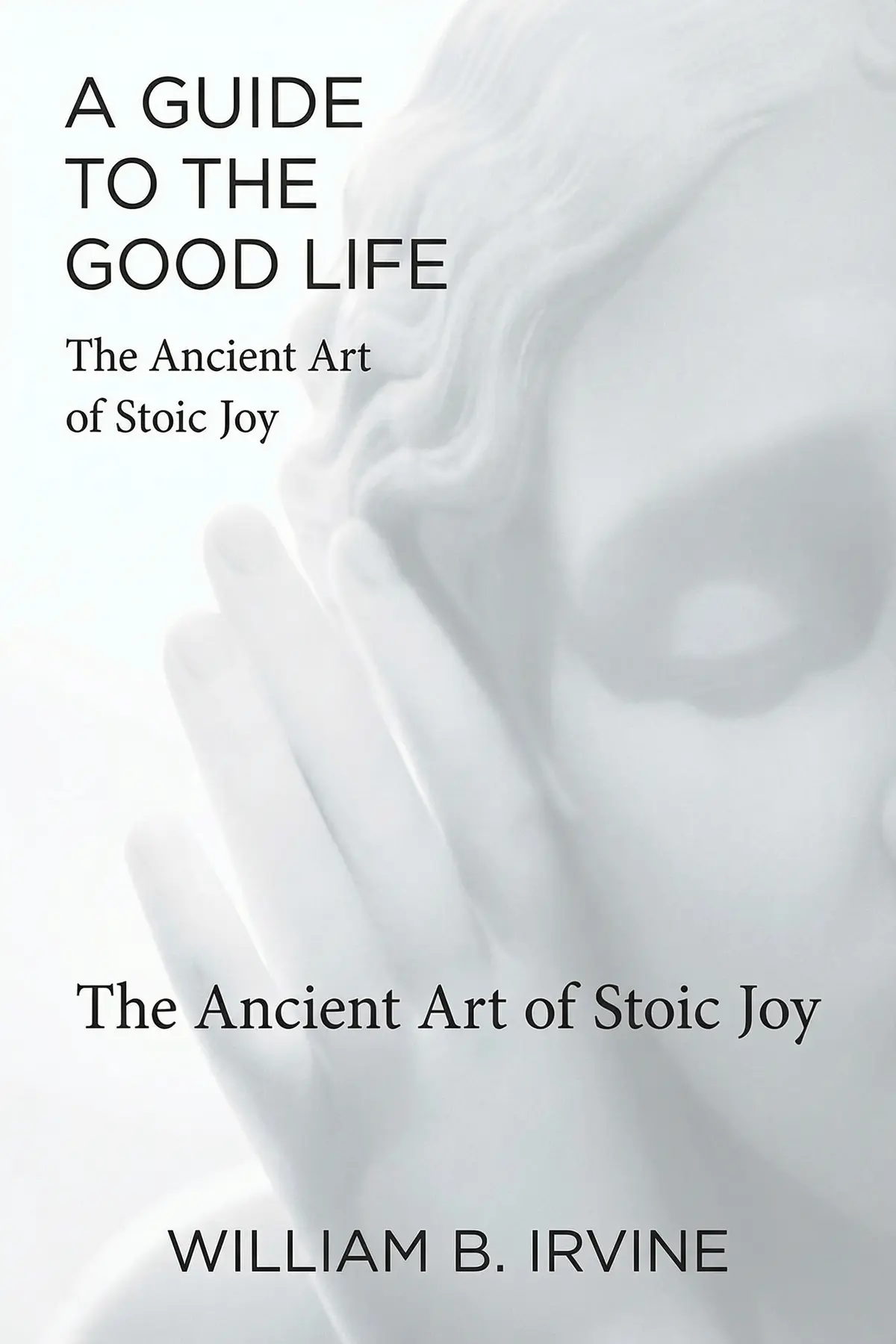
A Guide to the Good Life: The Ancient Art of Stoic Joy
William B. Irvine
A Little History of Philosophy
Nigel Warburton
A Theory of Justice
John Rawls

7 Powers: The Foundations of Business Strategy
Hamilton Helmer
AUDIO SUMMARY AVAILABLE
Listen to The Entrepreneur’s Weekly Nietzsche in 15 minutes
Get the key ideas from The Entrepreneur’s Weekly Nietzsche by Dave Jilk, plus 5,000+ more titles in English and Thai.
- 5,000+ titles
- Listen as much as you want
- 7-day free trial
- Cancel anytime







