
19 min 18 sec
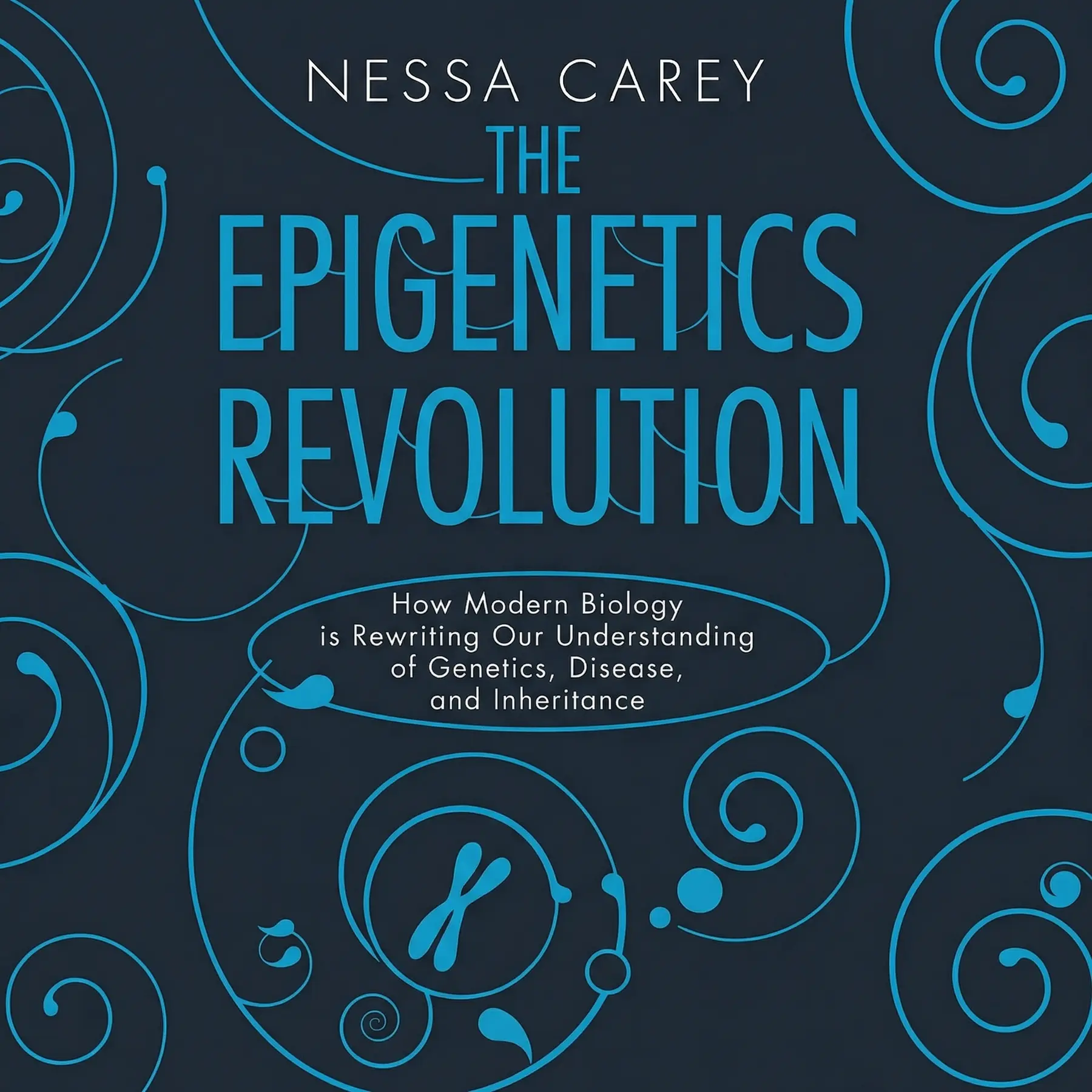
The Epigenetics Revolution: How Modern Biology is Rewriting Our Understanding of Genetics, Disease, and Inheritance
By Nessa Carey
Explore the groundbreaking world of epigenetics and discover how your environment and lifestyle influence gene expression, revealing that your DNA is not a fixed destiny but a dynamic, living script.
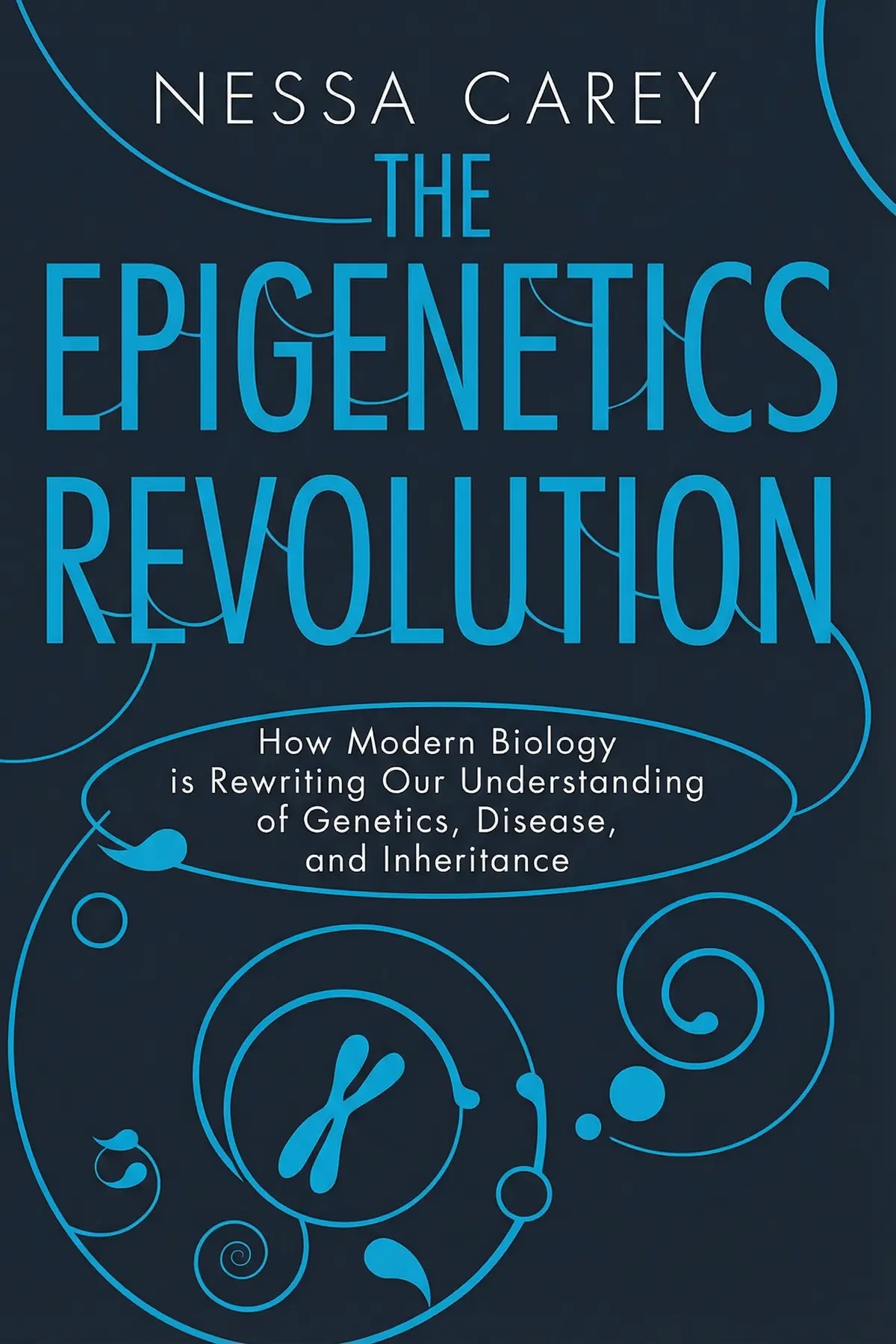
Table of Content
1. Introduction
2 min 35 sec
The turn of the millennium felt like a threshold into a new era of human understanding. In the summer of 2000, a global team of scientists achieved what many thought was impossible: they successfully mapped the entire human genome. At the time, the world was told that we had finally decoded the manual for human life. Leaders and scientists alike suggested that by reading this sequence of chemical letters, we would soon solve the mysteries of disease, aging, and personality. It was a moment of immense optimism, framed as the final victory in our quest to understand who we are at the most fundamental level.
However, as the years passed, a strange realization began to dawn on the scientific community. Having the map of the genome was certainly a triumph, but it was like having the blueprints for a house without knowing how the construction crew actually operates on the ground. We realized that DNA, on its own, doesn’t explain everything. It doesn’t explain why identical twins, who share the exact same genetic code, can grow up to have different health issues or personality traits. It doesn’t explain how a single set of instructions can create both a heart cell and a brain cell, which look and act nothing alike.
This gap in our knowledge led to the rise of a revolutionary field called epigenetics. If genetics is the study of the letters in our biological book, epigenetics is the study of the formatting—the bold text, the crossed-out lines, and the notes scribbled in the margins that change how the story is read. This field reveals that our environment, our diet, and even the experiences of our ancestors can leave physical marks on our DNA, changing how our bodies function without ever altering the underlying genetic sequence itself.
In this exploration, we are going to look beyond the static double helix. We will see how life is not a predetermined script, but a dynamic performance. We’ll uncover how history’s darkest moments, like famines and wars, have left biological legacies in the survivors’ descendants. We will explore how the way we are nurtured as children physically reshapes our brain chemistry. By the end, you’ll see that while you are born with a specific set of genes, the way those genes express themselves is a conversation between your biology and your life story. This is the story of how we are moving from a two-dimensional view of genetics into a multi-layered understanding of what it truly means to be human.
2. The Theatrical Script of Human Life
2 min 58 sec
Discover why the human genome is more like a versatile play than a rigid blueprint, and how the ‘stage directions’ of epigenetics dictate every aspect of our biological performance.
3. The Mechanical Dimmers of Gene Expression
3 min 02 sec
Peer into the microscopic machinery of your cells to see how simple chemical tags like methyl groups and histone proteins act as the master switches of your health.
4. Echoes of the Hunger Winter
2 min 52 sec
Learn how a tragic period of starvation in the 1940s provided a window into how the environment in the womb can ‘program’ a child’s health for a lifetime.
5. The Ghost of Lamarck: Inherited Memories
2 min 44 sec
Challenge the traditional laws of evolution as we explore how the experiences and diets of your grandparents might be affecting your biological health today.
6. The Molecular Scars of Trauma
3 min 00 sec
Explore the emerging field of neuro-epigenetics to understand how early life stress and neglect physically rewrite the stress-response systems in our brains.
7. Conclusion
2 min 07 sec
The epigenetics revolution represents one of the most significant shifts in how we view the human body and the nature of life itself. We have moved from a world where we believed our genes were our destiny to a world where we understand that we are active participants in the expression of our biology. The traditional ‘nature versus nurture’ debate has been replaced by a more sophisticated ‘nature through nurture’ perspective. We now know that the food we eat, the stress we endure, and the love we receive all act as chemical signals that tell our genes how to behave.
This new understanding has profound implications for the future of medicine. Instead of just looking at the genetic sequence a patient was born with, doctors will increasingly look at the epigenetic state of their cells. This could lead to highly personalized treatments for cancer, metabolic diseases, and mental health conditions—treatments that don’t just target symptoms but work to reset the epigenetic switches that have gone wrong. It also highlights the critical importance of public health and social support, showing that by improving the environments in which people live and raise children, we are literally improving the biological future of the human race.
As we close this exploration, the most important takeaway is a sense of empowerment tempered by responsibility. You are the custodian of a remarkable, dynamic system. Your daily choices and your environment are the ‘directors’ of your genetic script. While you cannot change the hand of cards you were dealt at birth, you have an incredible amount of influence over how those cards are played. By understanding the throughline of epigenetics, we can begin to see ourselves not as victims of our heredity, but as the authors of a living, breathing, and ever-changing biological story. The revolution is ongoing, and it invites each of us to live in a way that honors the complex, beautiful interplay between our genes and our lives.
About this book
What is this book about?
The Epigenetics Revolution explores a transformative shift in biological science, moving beyond the traditional view of DNA as a rigid blueprint. It explains how chemical modifications acting upon our genes can turn them on or off, functioning like a complex control system that responds to our environment, diet, and even emotional experiences. This field bridges the gap between our static genetic code and the dynamic reality of our health and development. Through fascinating historical case studies and modern laboratory research, the book promises to reveal how our ancestors' lives—and our own early childhood experiences—leave lasting marks on our physiology. You will learn how these epigenetic changes contribute to diseases like cancer and obesity, but also how they offer new hope for medical treatments. Ultimately, it provides a more nuanced understanding of inheritance, suggesting that while we cannot change the genes we are born with, we have a profound influence over how they are expressed throughout our lives.
Book Information
About the Author
Nessa Carey
Nessa Carey holds a PhD in virology from the University of Edinburgh and previously served as a senior lecturer in molecular biology at Imperial College, London. Currently, she leads Carey International Impact Training and has authored other notable works including Junk DNA and Hacking the Code of Life.
Ratings & Reviews
Ratings at a glance
What people think
Listeners regard this volume as a superb primer on epigenetics, noting that the lucid and absorbing prose makes the intricate subject matter easy to grasp. Furthermore, they value the compelling stories and intriguing reflections on societal concerns. The scientific substance is well-received, with one listener remarking on how it recounts experiments and counter-experiments, while another stresses its relevance to evolutionary biology. Additionally, listeners find the genetic information engrossing, with one listener mentioning how chemical add-ons to DNA are crucial for embryonic development.
Top reviews
Astrid
Ever wonder why we don’t have teeth in our eyes? That sounds like a joke, but this book provides the actual, fascinating scientific answer through the lens of epigenetics. Picked this up on a whim and was immediately sucked into Carey’s explanation of how genes are switched on or off like a volume knob. The most haunting part of the book for me was the section on the Dutch Hunger Winter of 1944. Seeing how malnutrition in one generation can leave a physical, epigenetic mark on the health of grandchildren decades later is both terrifying and profound. It totally changes how you think about inheritance. The writing is punchy and smart, filled with a gentle humor that keeps the heavy science from feeling like a textbook. If you want to understand the future of medicine and how we might eventually tackle diseases like cancer by simply 'reprogramming' our cells, you need to read this.
Show moreSuvannee
Finally got around to reading this, and my brain feels like it just went through a factory reset. For decades, we were told that 'junk DNA' was just useless filler, but Carey shows how this supposed trash is actually the control software for our entire bodies. It’s a revolution in every sense of the word. I was particularly struck by the rehabilitation of Lamarckian ideas—the notion that acquired traits might actually be passed down. Not in the way Lamarck originally thought, obviously, but through these chemical add-ons to our DNA. The book is incredibly thorough, moving from the basic biology of bees to the complex ethics of the pharmaceutical industry. Carey’s background in research shines through, especially when she recounts the experiments and counter-experiments that built this field. It’s dense, yes, but the payoff is a completely new understanding of what it means to be human in a changing world.
Show moreNarongrit
Carey's exploration of the 'junk' DNA that actually controls our developmental software is nothing short of revolutionary. This book completely upends the traditional view of the genome as a static set of instructions. Instead, we see a dynamic, responsive system that is constantly being tweaked by our experiences. The writing is incredibly engaging; she has a way of explaining things like lysine acetylation that makes you feel like an insider in the lab. I loved the speculation at the end about where this research is headed. Could we one day reverse aging by resetting our epigenetic clocks? It sounds like science fiction, but Carey makes it feel like an inevitable milestone. This is the kind of science writing that stays with you long after you've closed the book. It’s intellectually demanding but provides an immense sense of satisfaction once the pieces start to click into place.
Show moreMikael
To be fair, I expected a dry textbook, but I found a narrative about experiments and counter-experiments that reads like a mystery. Nessa Carey is an active researcher, and it shows in her deep respect for the scientific process. She doesn't just give you the answers; she shows you how we arrived at them, complete with the failures and the 'eureka' moments. The way she explains how chemical add-ons to DNA are crucial for embryonic development helped me finally understand why stem cell research is so complicated and so promising. Every page seems to contain a new revelation that challenges your assumptions about biology. Even when the names of the proteins became a bit of a blur, the logic of the system remained clear. This book is a vital contribution to popular science, and it’s helped me appreciate just how beautifully intricate life really is. Highly recommended for anyone who loves a good 'how it works' story.
Show moreArt
This book is a masterclass in making the invisible visible. Before reading this, I viewed DNA as a static blueprint, but Nessa Carey illustrates how it's more like a theatrical script where the performance can change drastically depending on the director. The analogy of the Royal Shakespeare Company versus Baz Luhrmann’s Romeo and Juliet was a lightbulb moment for me. It explains why our cells are so specialized despite having identical genetic codes. To be fair, some of the middle chapters get bogged down in the sheer density of molecular terminology, and my eyes definitely glazed over during the more technical descriptions of histone modification. However, the overarching narrative about how our environments—what we eat, how we live, and even what our grandparents experienced—shape our gene expression is absolutely riveting. It bridges the gap between nature and nurture in a way that feels scientifically grounded yet accessible to a curious layperson.
Show moreHarper
Picked this up because I’ve always been curious about the nature vs. nurture debate. Carey does a brilliant job of showing that it’s not an 'either/or' situation, but rather a complex, ongoing conversation between our genes and our environment. The way she describes the pharmaceutical industry’s attempts to create 'epigenetic drugs' was eye-opening. It’s not just theory; there are real-world applications happening right now for treating blood cancers. I did find her occasional hero-worship of certain biologists a bit distracting, and the text can be repetitive in its attempt to reinforce difficult concepts. Still, the insight into how stress and lifestyle can literally change the wrapping of our DNA is something everyone should be aware of. It makes you realize that your health isn't just a lottery you've already won or lost. You have a say in how your genetic script is performed, and that’s a powerful, if slightly daunting, realization.
Show moreMind
Wow. I didn't expect a book about genetics to make me think so much about social justice and history. The way Carey connects epigenetic markers to historical traumas like famine or even the long-term effects of smoking is deeply moving. It adds a whole new layer to how we view public health and ancestral legacy. My only real gripe is that the book is now about a decade old, so some of the 'frontier' science she mentions has likely progressed significantly since publication. A revised edition would be amazing. Regardless, the foundational science is explained with such clarity and wit that it still holds up as a premier introduction to the field. The subtitles in the chapters, like 'Women really are more complicated than men,' add a nice touch of personality to a subject that could easily have been cold and clinical. It's an essential read for anyone interested in how life actually works at the molecular level.
Show moreKavya
Look, the science here is top-notch, but what really grabbed me were the social implications Carey discusses regarding how we live today. We are essentially conducting a giant, uncontrolled epigenetic experiment on ourselves with our diets, our sedentary lifestyles, and our constant exposure to new chemicals. The book explains how these factors don't just affect our own health, but potentially the stability of our children's genomes. It’s a sobering thought. Carey manages to balance this 'gloom and doom' with genuine wonder at the complexity of biological systems. The section on how a queen bee and a worker bee can be genetically identical but functionally different just because of royal jelly was a perfect example. I occasionally found the technical terminology a bit much, but the recurring metaphors usually pulled me back to the surface. It’s a very worthwhile read for the scientifically curious.
Show moreBoy
The chapter on molecular mechanisms nearly lost me. While Carey is clearly an expert and an engaging writer, the jargon in this book is incredibly heavy. Unless you have a background in biology or a very high tolerance for memorizing names of proteins and enzymes, you might find yourself skipping entire pages. I appreciated the insight into why identical twins aren't actually identical, especially the discussion on schizophrenia risks, but the 'how' often felt buried under layers of technical complexity. Frankly, I would have preferred more focus on the broader implications for medicine and less on the granular chemistry of methylation. It’s an important topic that deserves more mainstream attention, and Carey’s enthusiasm for the subject is infectious, but the pacing is uneven. It’s a solid three-star read for me—fascinating when it stays on the big picture, but a bit of a slog when it dives too deep into the microscopic weeds.
Show moreSuthida
As someone without a degree in molecular biology, I struggled immensely with the density of the explanations here. I was hoping for a popular science book along the lines of Bill Bryson, but this felt much closer to a university lecture series. The metaphors, like the ball rolling down an 'epigenetic landscape,' are helpful at first, but they are quickly buried under an avalanche of acronyms and complex chemical interactions. Truth is, I found myself bored by the endless lists of genes and their specific functions. The author is clearly brilliant, and the subject matter is undoubtedly important for the future of evolutionary biology, but the delivery is just too dry for a general audience. I stopped halfway through because I realized I was reading words without actually absorbing any of the concepts. If you aren't prepared to take notes, you might want to look for a more simplified introduction to the topic.
Show moreReaders also enjoyed
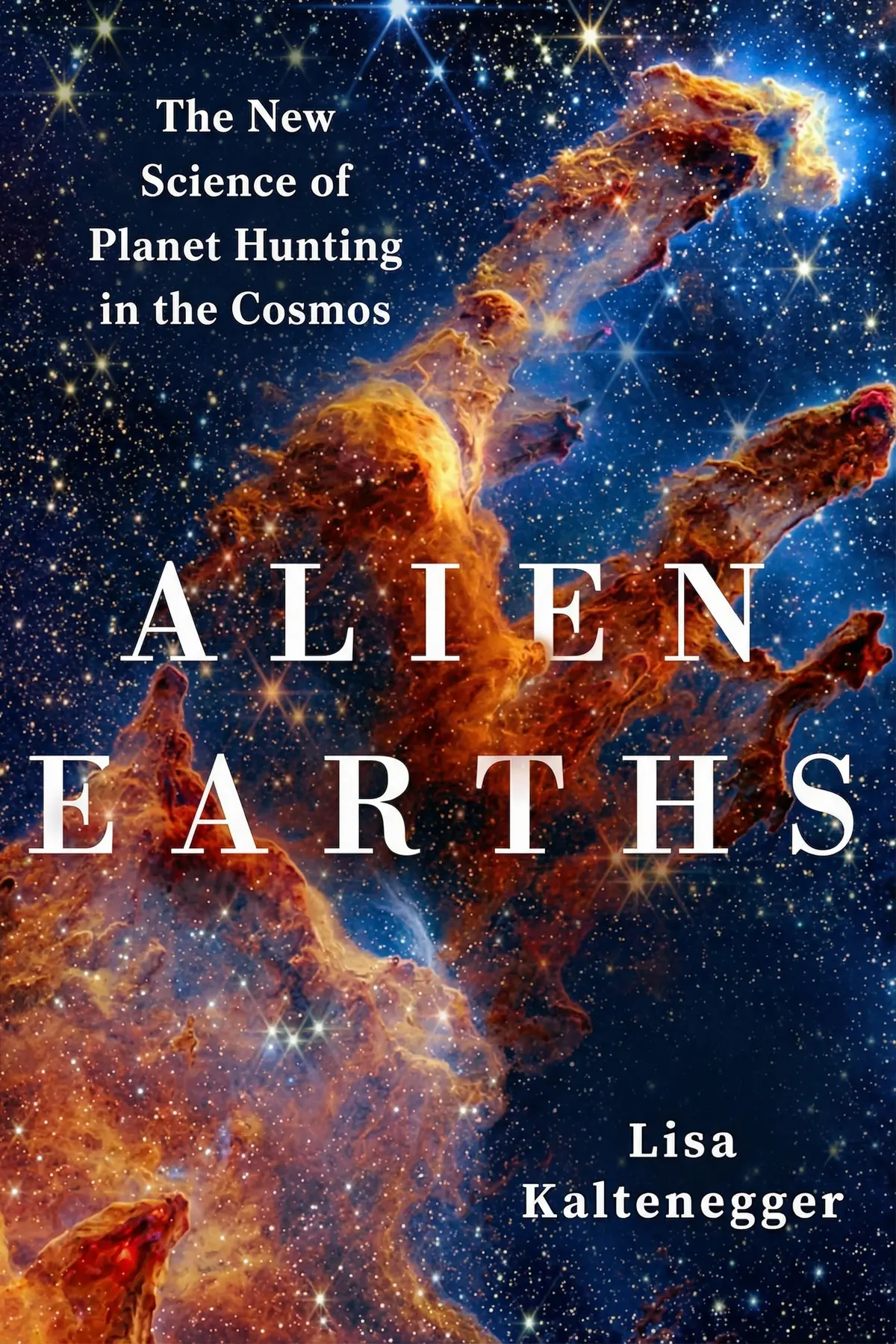
Alien Earths: The New Science of Planet Hunting in the Cosmos
Lisa Kaltenegger
A Life Decoded: My Genome: My Life
J. Craig Venter
A Planet of Viruses
Carl Zimmer
A Short History of Nearly Everything
Bill Bryson
AUDIO SUMMARY AVAILABLE
Listen to The Epigenetics Revolution in 15 minutes
Get the key ideas from The Epigenetics Revolution by Nessa Carey, plus 5,000+ more titles in English and Thai.
- 5,000+ titles
- Listen as much as you want
- 7-day free trial
- Cancel anytime







