
15 min 06 sec
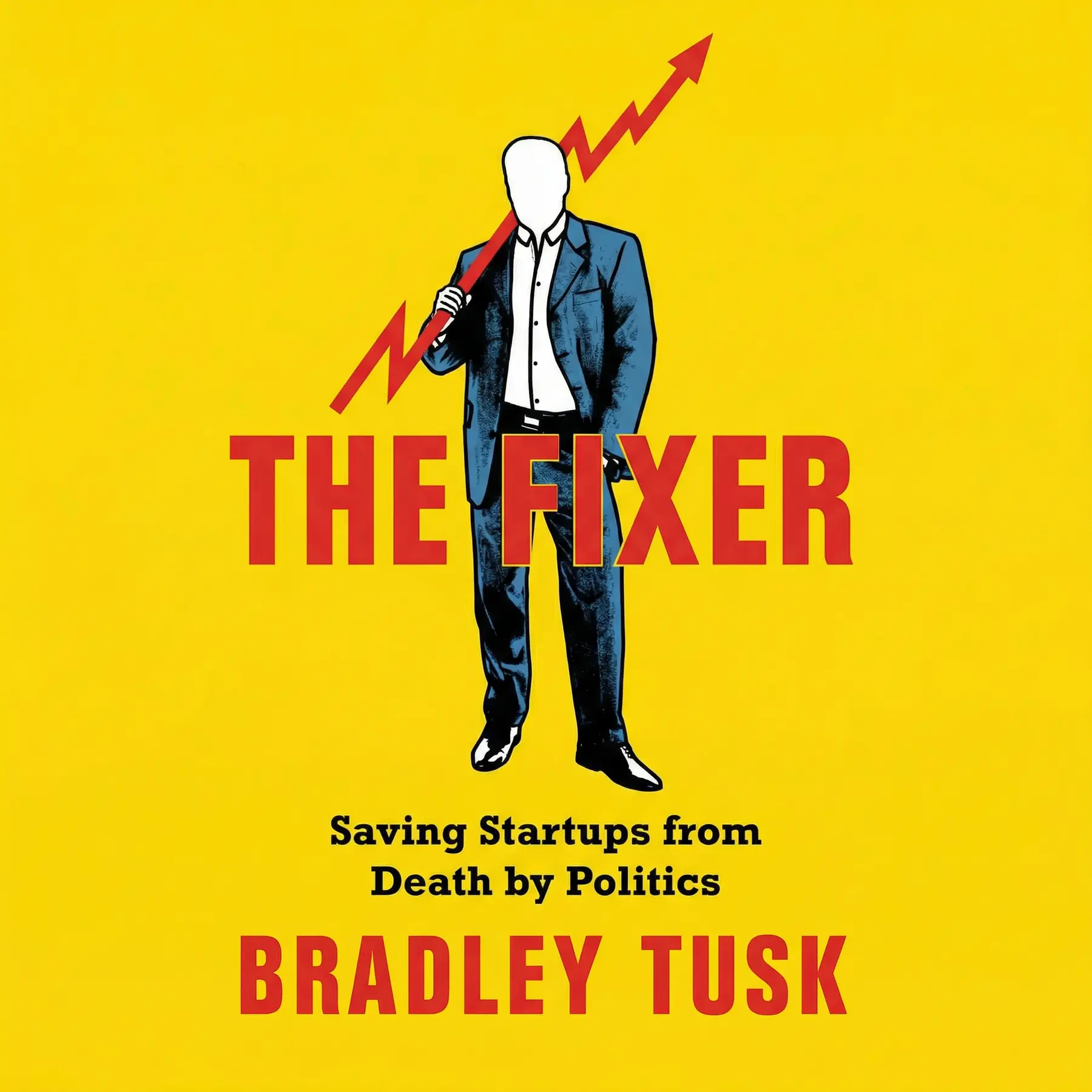
The Fixer: Saving Startups from Death by Politics
By Bradley Tusk
Bradley Tusk explores the high-stakes intersection of technology and government, revealing how a modern fixer navigates regulatory hurdles to help startups disrupt old industries and enact meaningful societal change through strategic political action.
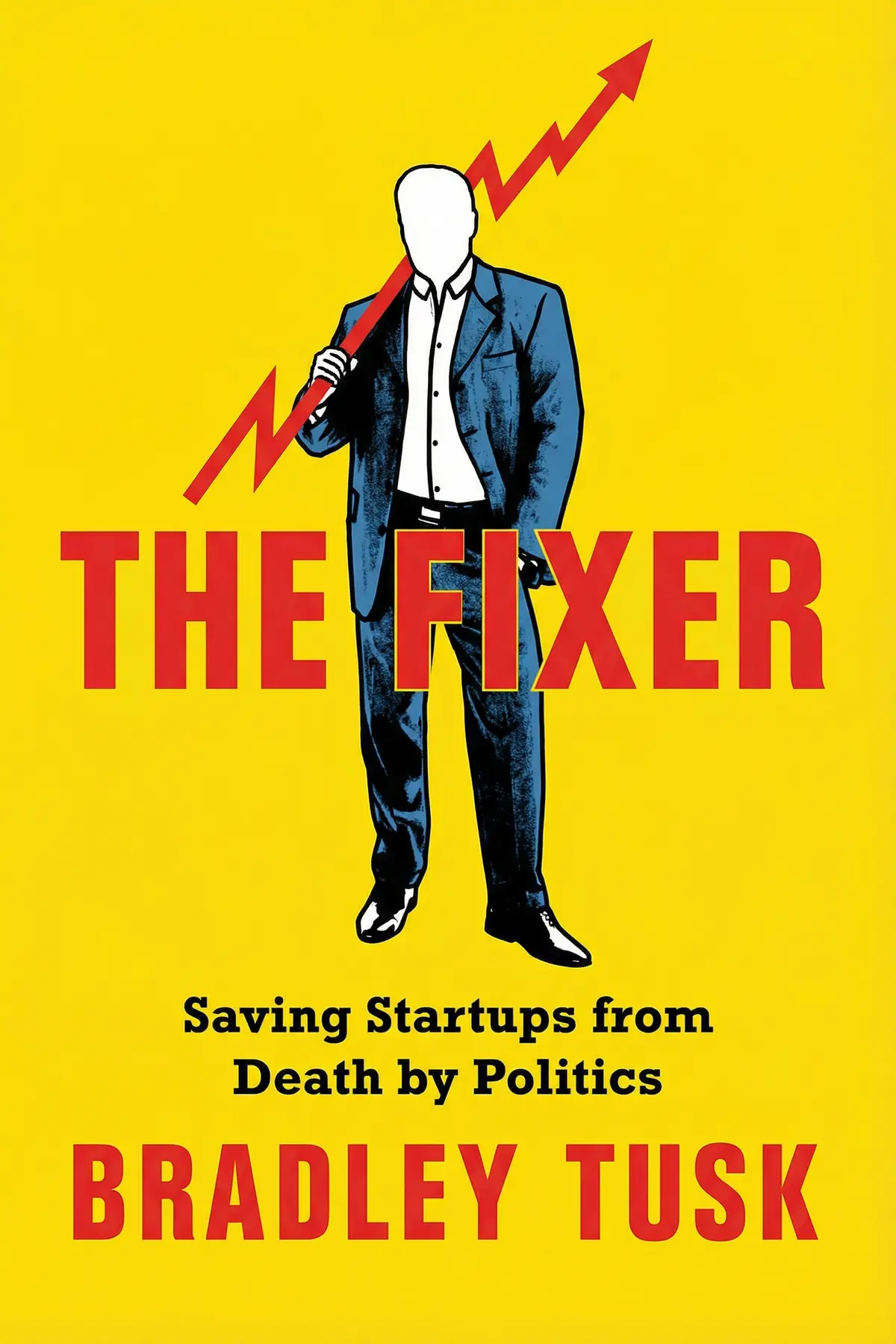
Table of Content
1. Introduction
1 min 55 sec
Imagine standing at the edge of two very different worlds. On one side, you have the lightning-fast, move-fast-and-break-things environment of Silicon Valley. Here, innovation is the only currency, and the goal is to invent the future before the present even has a chance to catch up. On the other side, you have the heavy, deliberate, and often archaic world of government and politics. This is a place where traditions are deep, rules are rigid, and the wheels of change turn with an agonizing slowness. For most people, these two worlds are completely incompatible. They speak different languages, value different outcomes, and generally view each other with a healthy dose of suspicion.
But what happens when a revolutionary technology needs to exist in the real world, and a century-old law stands in its way? This is where the role of the fixer becomes essential. In this summary, we are diving into the world of Bradley Tusk, a man who has built his career in that volatile space where innovation meets regulation. Through his experiences, we’ll explore how political strategy isn’t just for candidates running for office; it’s a vital tool for any business looking to disrupt the status quo. We will look at how the skills honed in the high-pressure environments of mayoral campaigns and the offices of United States Senators can be repurposed to help startups survive the political gauntlet.
This isn’t just a memoir of political maneuvers. It’s a deep dive into the throughline of Tusk’s career: the belief that for technology to truly change the world, it must first learn how to navigate the levers of power that control it. We’ll see how a background in public service and high-stakes communication provides the perfect foundation for a new kind of entrepreneurship—one that treats the government not as an obstacle to be avoided, but as a system to be understood, engaged, and occasionally disrupted. By the end of this journey, you’ll understand why the most successful innovators of the digital age aren’t just technical geniuses; they are also masters of the political game.
2. Defining the Modern Fixer
2 min 32 sec
What does it actually mean to be a fixer in the 21st century? Explore the transition from political strategy to corporate defense.
3. Applying Political Rigor to Business Success
2 min 23 sec
Discover how the data-driven intensity of a mayoral campaign can revolutionize the way a business operates and grows.
4. The Strategic Intersection of Tech and Policy
2 min 05 sec
Explore why emerging companies must prioritize political exposure and how it determines their long-term viability.
5. From Public Service to Private Power
2 min 16 sec
Understand the journey from government offices to consultancy and how public service experience provides a unique tactical advantage.
6. Reinventing Philanthropy through Disruption
2 min 16 sec
Learn how the same political tactics used to grow businesses can be harnessed to solve the world’s most stubborn social problems.
7. Conclusion
1 min 39 sec
As we wrap up our journey through the life and strategies of Bradley Tusk, the throughline becomes clear: we are living in an era where the traditional boundaries between business, technology, and politics have completely dissolved. The fixer is not a figure from a bygone era of smoke-filled rooms, but a necessary strategist for the digital frontier. From the high-pressure environment of the Bloomberg campaign to the founding of a new kind of venture capital firm, the lesson is consistent: if you want to change the world with your ideas, you have to be prepared to fight for them in the political arena.
We’ve seen how the rigor of a political campaign can transform a business’s operational style, turning it into a disciplined, data-driven force. We’ve explored why startups must recognize their political exposure and treat it as a core part of their strategy rather than an afterthought. We’ve looked at how a background in public service provides the tactical knowledge needed to navigate the corridors of power. And finally, we’ve seen how these same disruptive tactics can be applied to philanthropy to solve some of our most persistent social challenges.
The takeaway for any entrepreneur, leader, or citizen is simple: do not be intimidated by the systems of power. Understand them. Analyze them. And if they stand in the way of a better future, use the tools of strategy to change them. The world is being reinvented every day by those who have the courage to innovate and the savvy to win the political battles that innovation inevitably triggers. Whether you are building the next great app or trying to fix a broken social system, remember that the law is not a fixed reality—it’s a reflection of the political will. And as a fixer, you have the power to shape that will.
About this book
What is this book about?
The Fixer provides an inside look at the career of Bradley Tusk, a man who has made a profession out of bridging the gap between innovative startups and the slow-moving world of government bureaucracy. The book serves as a memoir and a strategic guide, detailing Tusk’s journey from the inner circles of high-level politics—working with figures like Michael Bloomberg and Chuck Schumer—to founding a consultancy and venture capital firm specifically designed to solve political problems for emerging tech companies. The promise of the book is to demystify the often opaque world of political strategy and show how the principles of a campaign can be applied to business and philanthropy. Readers are invited to understand why technology frequently crashes into the wall of regulation and how a strategic approach to law and policy can become a competitive advantage. It is a story of disruption, but more importantly, it is a roadmap for how to reinvent traditional systems in the digital age.
Book Information
About the Author
Bradley Tusk
Bradley Tusk is the founder of Tusk Strategies, a consultancy dedicated to helping start-ups tackle political problems, and Tusk Ventures, a venture capital fund for politically exposed start-ups. He has served as campaign manager to Mayor of New York Michael Bloomberg, communications director to Senator Chuck Schumer, and was himself deputy governor of Illinois. He writes for the Observer and hosts a podcast, Firewall.
Ratings & Reviews
Ratings at a glance
What people think
Listeners find that this book provides a skeptical yet useful perspective on the crossroads of tech startups and state regulation. While viewpoints differ on the author's self-promotional style, listeners enjoy the captivating "war stories" about high-stakes conflicts for firms like Uber and Tesla. Additionally, they appreciate the backstage look at political tactics, with one listener observing that the story is a "real eye-opener" into the way power is applied. Furthermore, many remark that the volume functions as an engaging and instructive resource for entrepreneurs trying to handle difficult regulatory challenges.
Top reviews
Elan
Bradley Tusk is the guy you want in your corner when the government tries to shut you down. This book provides a masterclass on how to survive the regulatory meat grinder, especially for disruptive tech companies. In my experience, most business books are fluff, but Tusk offers a cynical yet practical look at the intersection of startups and government regulation. I was particularly fascinated by the story of the Uber app's "De Blasio" button in NYC; it was a brilliant example of using a user base to exert political pressure. To be fair, Tusk definitely blows his own horn throughout the narrative, but when you've won battles for Tesla and Uber, you probably earned that right. The war stories are fast-paced and provide a real eye-opener into how power is wielded behind closed doors. Highly recommended for any founder who thinks their product is too good to be regulated.
Show morePick
Picked this up on a whim and was immediately sucked into the high-stakes world of political consulting. Tusk’s writing style is punchy and direct, which makes the 300 pages fly by in just a few hours. The truth is that most startups ignore politics until it’s too late, and this book serves as a necessary wake-up call. I loved the breakdown of the Uber versus De Blasio fight—it shows how a David can beat a Goliath by being more tech-savvy than the bureaucrats. Some might find his tone arrogant, but I appreciated the honesty about how power actually works. He doesn't sugarcoat the fact that you often need to find 'dirt' or create bad press to get a politician to back down. This isn't just a memoir; it's a tactical manual for anyone trying to disrupt an entrenched industry. Essential reading for the tech community.
Show moreArt
Finally got around to reading this and it lived up to the hype as a real eye-opener. Tusk proves the old adage that if you aren't at the table, you're on the menu. The book is a fast-paced journey through the corridors of power, from City Hall to the Governor's mansion. I was impressed by the sheer creativity of the campaigns he ran for his clients, especially the way he mobilized users as a political force. Not many people understand how to weaponize a customer base against a mayor, but Tusk has turned it into a science. Personally, I found his honesty about the 'sausage-making' of politics to be refreshing compared to the usual platitudes we hear from pundits. It's an entertaining, educational, and highly practical guide for anyone trying to change the status quo. Don't launch a disruptive company without reading this first.
Show moreWit
Ever wonder how the sausage actually gets made in the halls of power? The Fixer pulls back the curtain on the gross, messy reality of political maneuvering. Frankly, the author comes across as incredibly cynical, but that's exactly why the advice feels so authentic. He doesn't pretend that politicians are driven by noble ideals; he treats them as rational actors looking for attention or campaign donations. The chapter on his time as deputy governor in Illinois was a highlight for me, even if it showcased a shocking lack of traditional qualifications. While it occasionally reads like an extended marketing brochure for Tusk’s consulting firm, the tactical insights are invaluable. I found the section on how they intimidated Anthony Weiner out of the mayoral race to be both ruthless and effective. It's a quick, entertaining read that teaches you how to fight dirty when the stakes are high.
Show moreNatchaya
The chapter on mobile direct voting was the most thought-provoking part of the entire book for me. Tusk makes a compelling case for how technology can fix our broken democratic process, even if his other tactics feel a bit 'dark arts.' Not gonna lie, the way he describes taking out political opponents is chillingly efficient. He understands that politicians are often cowards who will back down the moment a situation becomes a liability for their re-election. The book is a fascinating look at how disruptive companies like Uber used 'gorilla warfare' to bypass traditional taxi commissions. While I disagree with his generic leftist bubble-think on certain issues, his tactical brilliance is undeniable. It’s a very skimmable and entertaining guide for anyone interested in how the real world of power operates. It certainly opened my eyes to the reality of pay-to-play politics.
Show moreMaya
After hearing Tusk on a podcast, I wanted to see if his 'fixer' reputation held up in print. The book is essentially a collection of war stories that demonstrate why startups need to take political risk seriously. I found his strategy of pinning the 'anti-innovation' label on governors to be a particularly effective tool in the modern media landscape. It’s a cynical view, sure, but in a world where incumbents own the regulators, what else are you supposed to do? The writing is concise and avoids the usual fluff found in business memoirs, which I appreciated. My only real gripe is that he glosses over the times his clients actually broke the law or acted unethically. He treats every battle as a 'good guy vs. bad guy' scenario where he is always the hero. If you can get past the ego, there's a lot of useful information here for startup execs.
Show moreViolet
Not what I expected, but in a good way. I thought this would be a dry textbook on regulatory compliance, but it’s actually a gritty, behind-the-scenes look at political combat. Tusk is a master of finding the leverage point that makes a politician blink. Whether it's running targeted ads in a specific zip code or threatening to pull a company out of a state, he knows how to play hardball. Gotta say, the section on the taxi industry's donors was a fascinating look at how incumbents protect their monopolies. The book is a bit self-serving, as most memoirs are, but the underlying lessons about 'anti-innovation' labeling and voter protests are spot on. It’s a quick read—I finished it in a single Sunday afternoon—and it left me with a lot to think about regarding the future of tech and government. Definitely worth your time.
Show moreYok
Wow, this was quite a ride, though perhaps not for the reasons the author intended. The book is clearly an ad-posting-as-political-memoir, designed to justify the massive fees Tusk charges his startup clients. Look, the war stories about Fanduel and Tesla are genuinely interesting and offer a unique perspective on regulatory hurdles. However, the constant name-dropping and self-aggrandizement become exhausting after a while. One minute he's talking about saving Uber, and the next he's bragging about his 'unlimited funds' and connections. To be fair, his insight that politicians are primarily driven by a need for attention seems depressingly accurate in today's climate. I wish there was more actual advice for founders who don't have millions of dollars to spend on a professional fixer. It's a decent 'hate read' if you want to see the cynical side of New York politics, but don't expect a moral compass.
Show moreRungrat
The truth is that this book feels like two different stories smashed together. The first half is a somewhat tedious memoir of Tusk's early career in government, which reads like a gossip magazine for political junkies. It took me a while to get through those chapters because the 'war stories' I was promised didn't start until halfway through. Once he starts talking about his work with Uber and Tesla, the pace picks up considerably. The insight into how politicians perform 'political calculations' before deciding which side to support is genuinely valuable for any business owner. However, Tusk's tone can be quite off-putting; he describes himself as a 'mature adult' while recounting his work for the corrupt Blagojevich. It’s a bit of a mixed bag. I’d recommend skimming the first 100 pages to get to the actual startup advice.
Show moreLucas
As someone who has worked in the public sector, I found Tusk’s lack of self-awareness almost breathtaking. He proudly describes taking the deputy governor role in Illinois at age 29 despite having zero connection to the state or relevant experience. The chapter title 'Not Being Qualified for a Job Shouldn't Stop You' says everything you need to know about his worldview. He essentially admits he was a useful idiot for the Blagojevich administration, yet he frames it as a stepping stone to his current success. The first half of the book drags significantly with gossip about various politicians that feels more like a tabloid than a business strategy guide. It’s hard to root for a narrator who seems to have no core beliefs beyond 'winning' for his wealthy clients. If you want a book on ethics, look elsewhere. This is purely about how to use unlimited resources to steamroll the government. I honestly struggled to finish it.
Show moreReaders also enjoyed
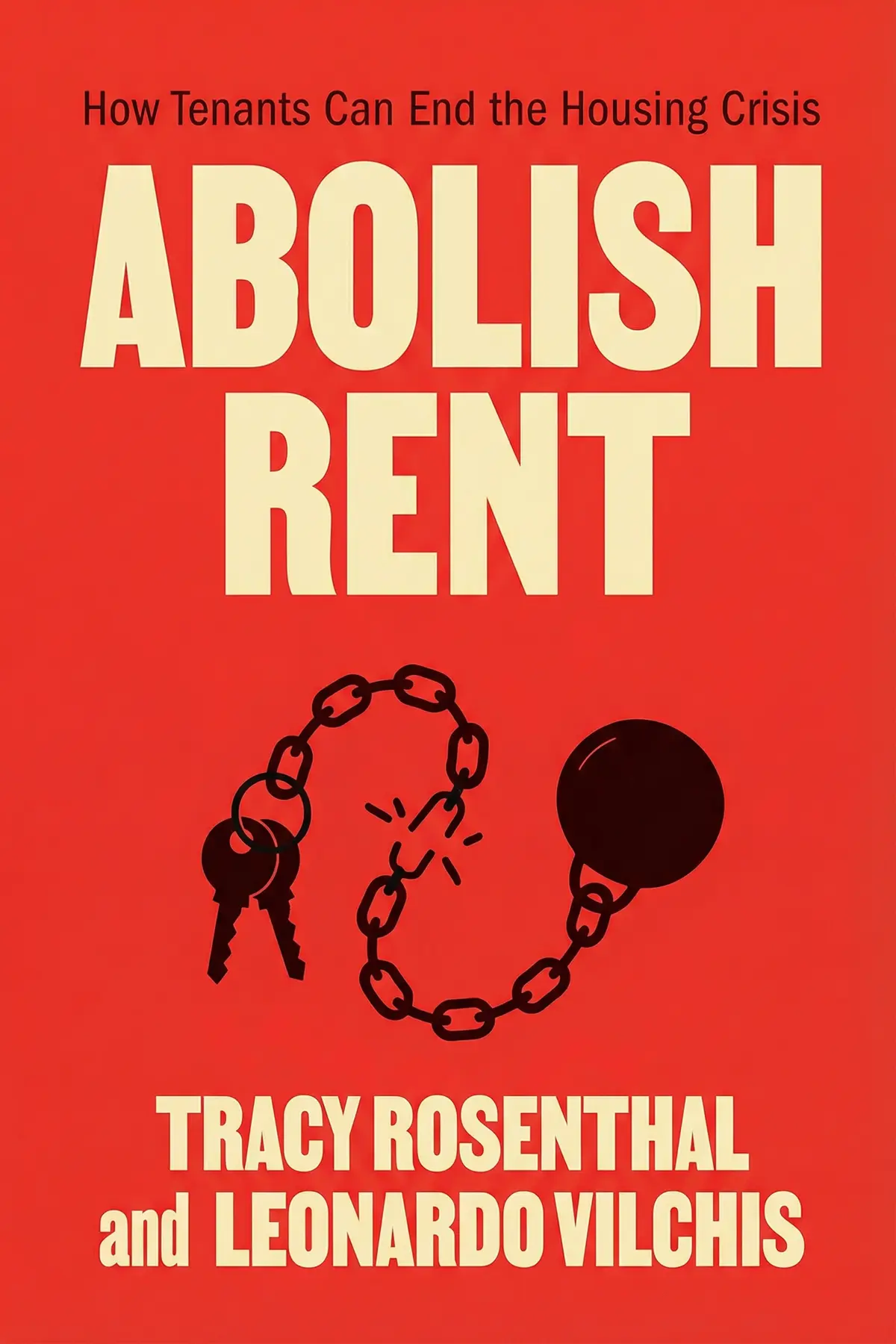
Abolish Rent: How Tenants Can End the Housing Crisis
Tracy Rosenthal
Abortion: Our Bodies, Their Lies, and the Truths We Use to
Jessica Valenti
Adults in The Room: My Battle With Europe’s Deep Establishment
Yanis Varoufakis
21 Lessons for the 21st Century
Yuval Noah Harari
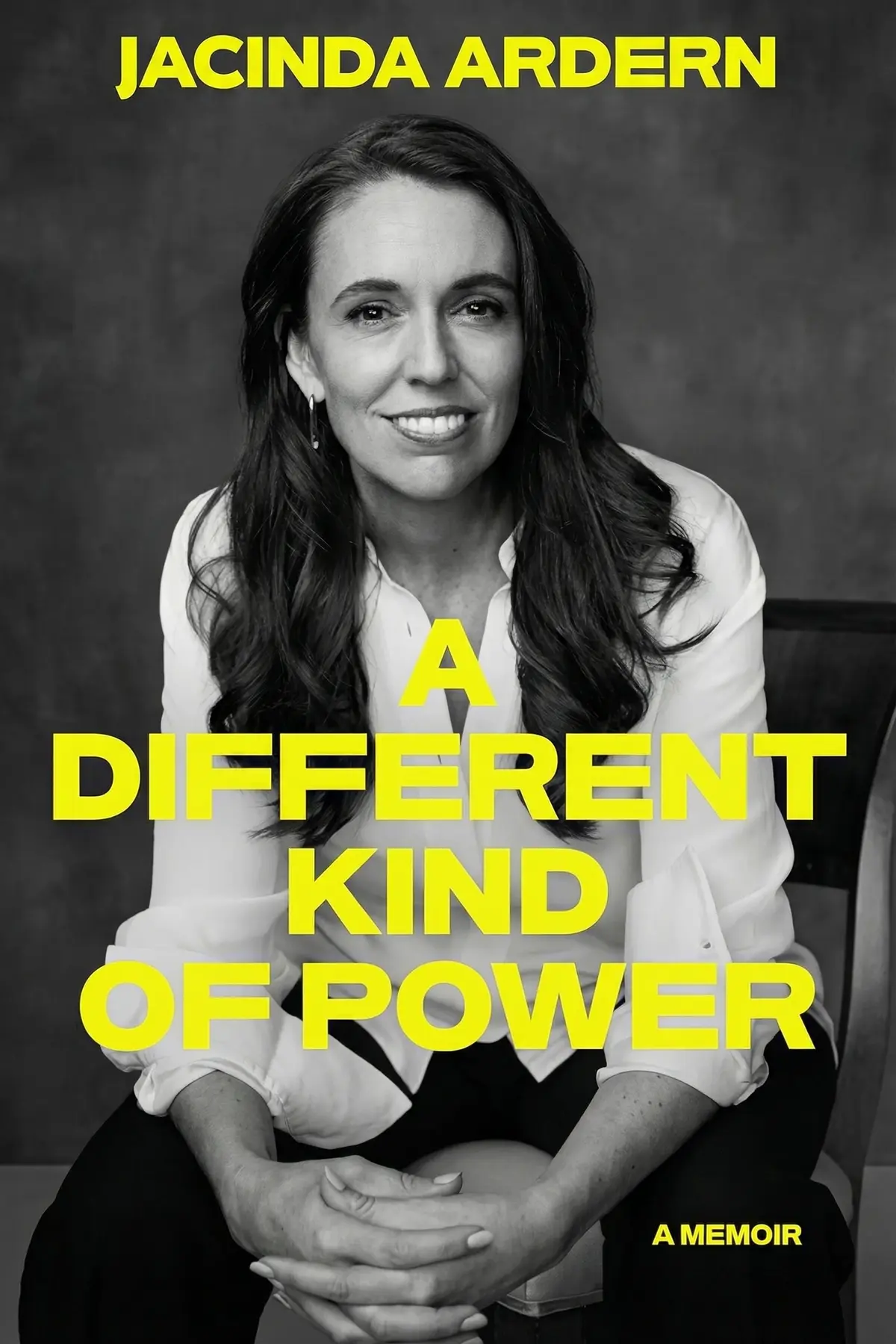
A Different Kind of Power: A Memoir
Jacinda Ardern
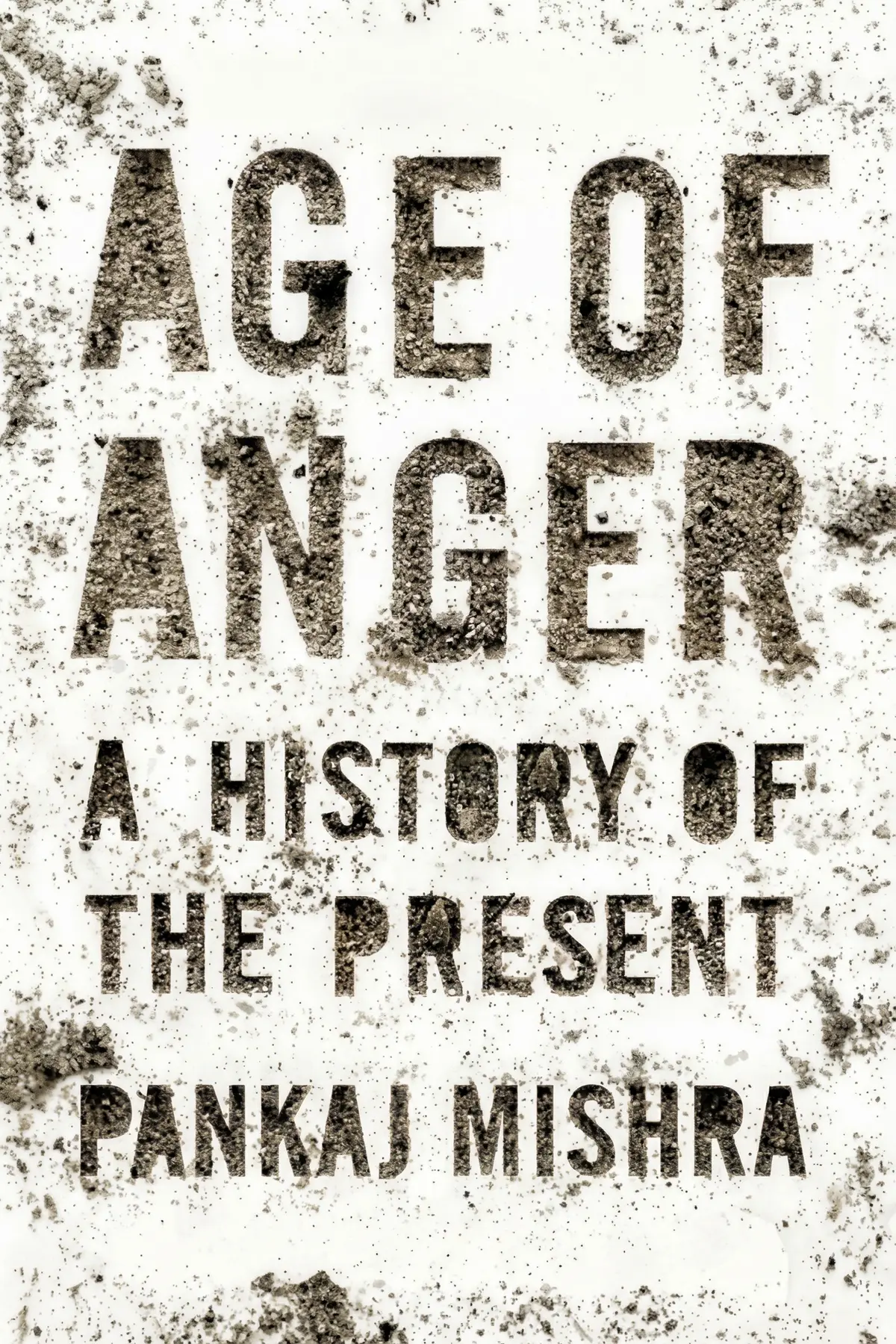
Age of Anger: A History of the Present
Pankaj Mishra
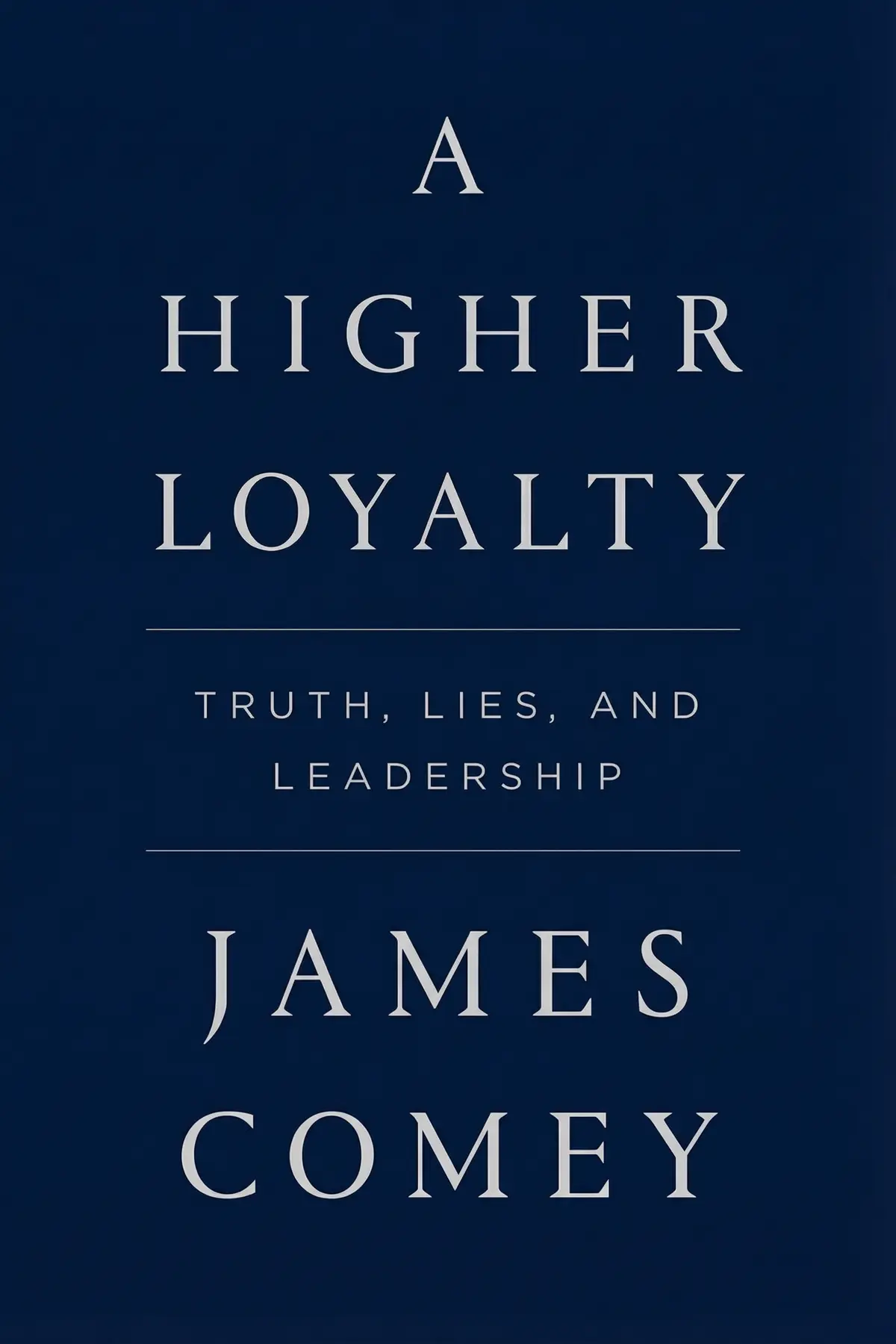
A Higher Loyalty: Truth, Lies and Leadership
James Comey
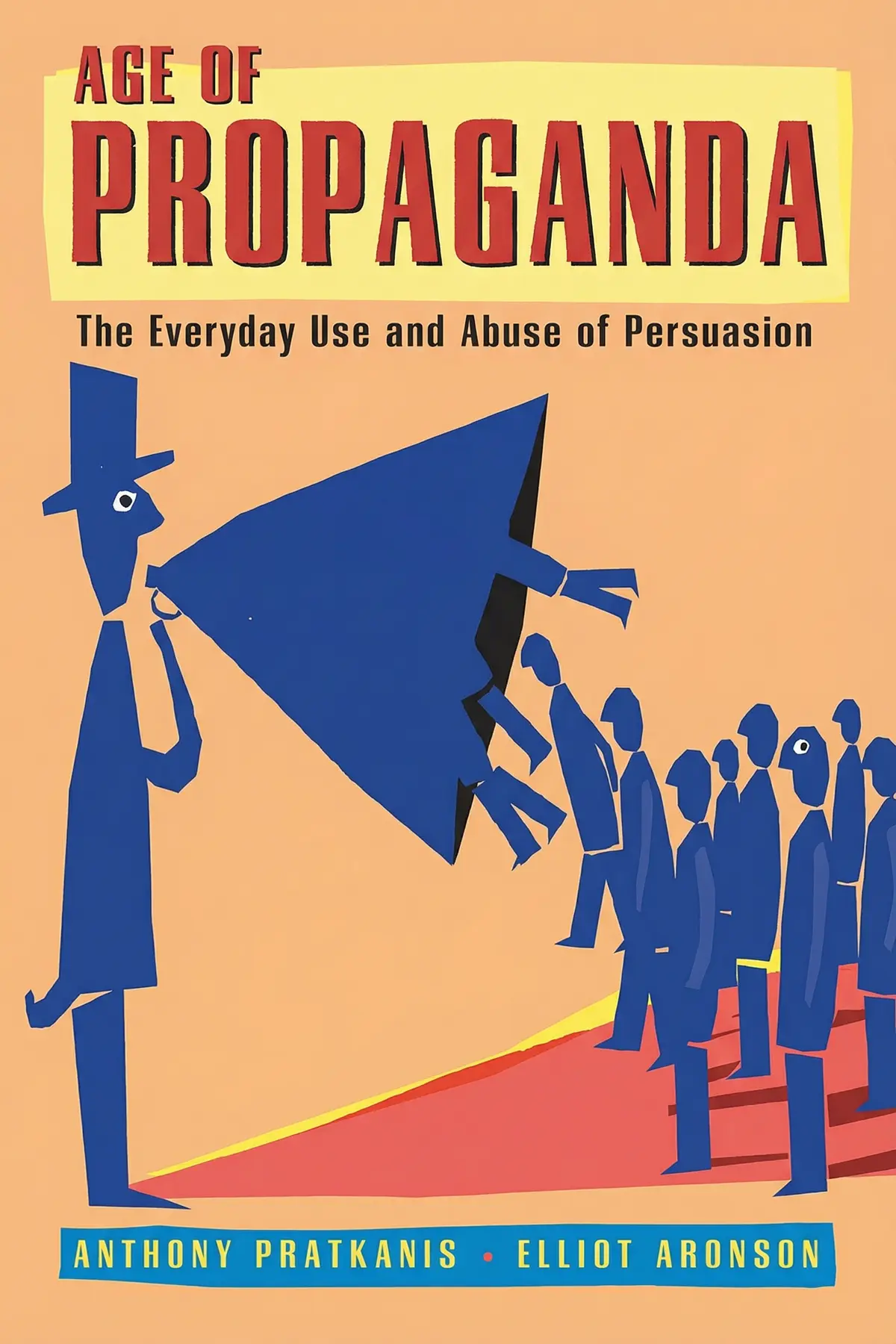
Age of Propaganda: The Everyday Use and Abuse of Persuasion
Anthony Pratkanis
AUDIO SUMMARY AVAILABLE
Listen to The Fixer in 15 minutes
Get the key ideas from The Fixer by Bradley Tusk, plus 5,000+ more titles in English and Thai.
- 5,000+ titles
- Listen as much as you want
- 7-day free trial
- Cancel anytime







