
Abortion: Our Bodies, Their Lies, and the Truths We Use to
Jessica Valenti
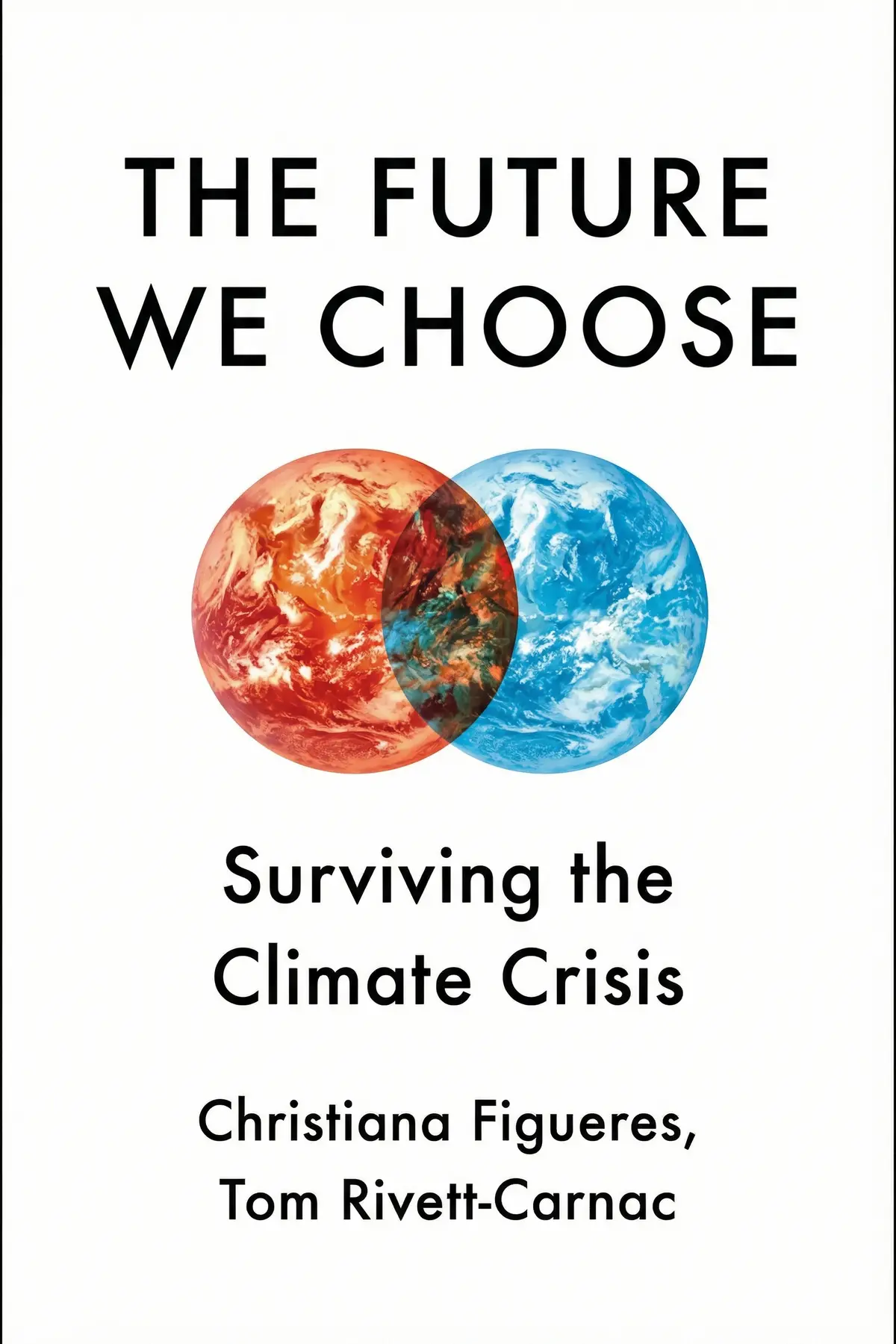
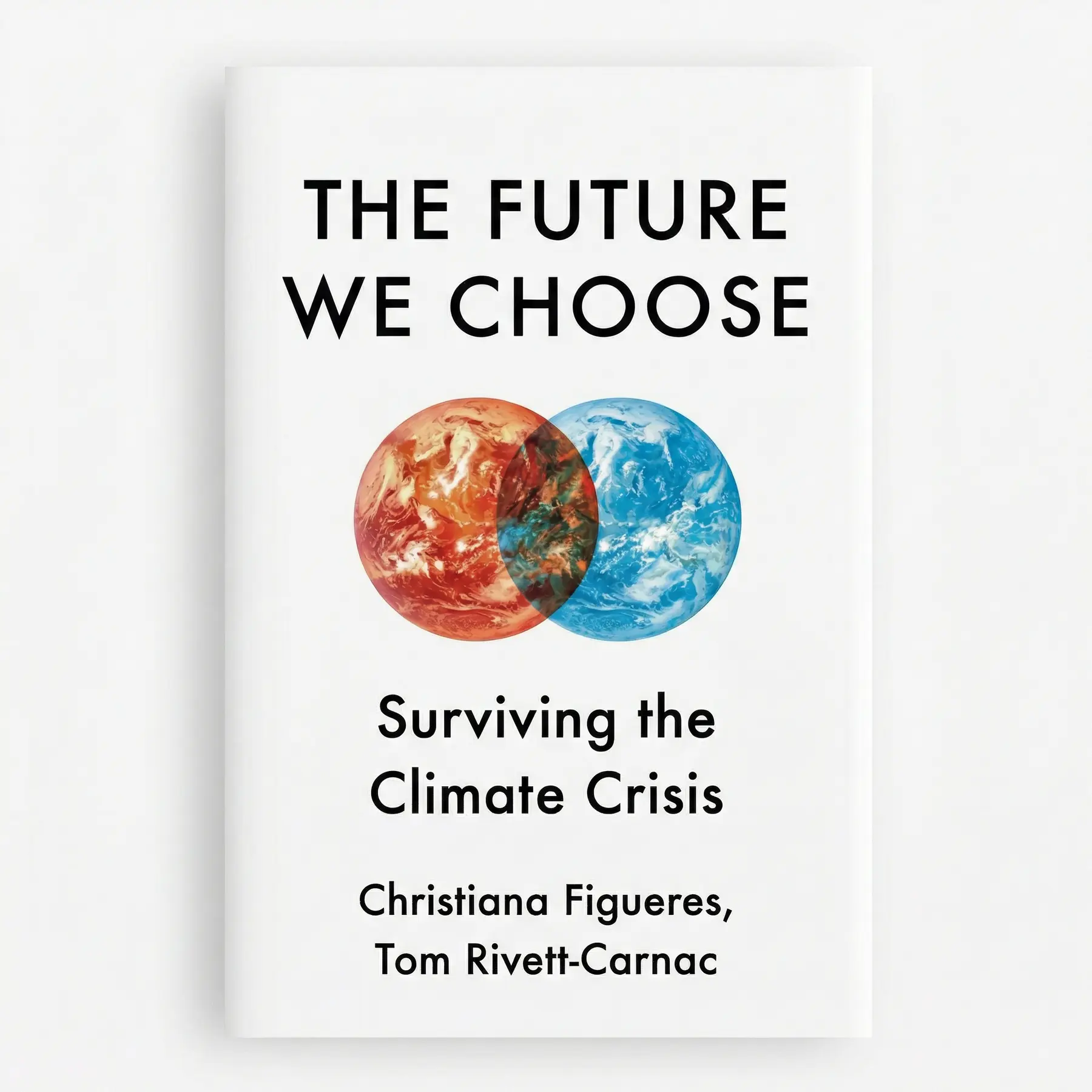
The Future We Choose explores the defining challenge of our era, offering a roadmap to navigate the climate crisis by choosing between two starkly different versions of the world in 2050.
2 min 16 sec
Imagine, for a moment, that you are standing at the edge of a great forest. To your left, the path is overgrown with thorns, the air feels heavy and parched, and the sky is a bruised, hazy gray. To your right, the path is clear, leading toward a canopy of vibrant green, where the air is cool and the sounds of life are abundant. This is not just a metaphor. This is the exact position we find ourselves in today. We are at a unique crossroads in human history, facing a choice that will determine the quality of life for every person on Earth for centuries to come.
In our current era, we are witnessing the undeniable warming of the planet and the accelerating disappearance of the natural world. Forests are burning, seasons are shifting, and species are vanishing. The urgency of this moment cannot be overstated. The decisions we make in the next decade are the most critical we will ever face. By the year 2030, we must find a way to cut our global emissions by half. By 2050, we need to reach a state of net-zero emissions, ensuring we don’t put more greenhouse gases into the air than the Earth can naturally reclaim.
The central message we must grasp is that we have two choices: we can act decisively or we can do nothing. Either way, our choice—or our lack of one—will ripple through time. We are essentially choosing between survival and collapse. But how do we bridge the gap between where we are and where we need to be? It starts with understanding that the climate crisis is not just a scientific or political problem; it is a human one. It is about how we think, how we consume, and how we relate to one another.
Over the course of this journey, we will explore the two starkly different worlds that could exist in 2050. We will look at why a shift in mindset is the first and most vital step toward salvation. We will delve into why moving away from a competitive, zero-sum worldview toward one of collaboration is the only way forward. We will also examine practical shifts in technology, consumption, and politics that can turn the tide. This is a story of hope, but it is a hope that requires a stubborn, unyielding commitment to action. It is about the future we choose.
2 min 18 sec
What happens if we fail to act? Explore a chilling vision of the year 2050, where every daily activity is dictated by extreme heat and toxic air.
2 min 09 sec
Discover an alternative 2050 where humanity has transformed its relationship with nature, leading to cleaner cities and healthier lives.
2 min 01 sec
Mindset is our most powerful tool. Learn why stubborn optimism is essential for overcoming the paralyzing fear of climate change.
1 min 56 sec
Competition often creates artificial scarcity. Explore how shifting to a mindset of collaboration can unlock hidden resources.
1 min 45 sec
Humanity has been taking from the Earth for centuries. It’s time to learn how to give back and heal the ecosystems we depend on.
1 min 45 sec
Nostalgia can be a barrier to progress. Discover how to process the grief of a changing world to build something better.
1 min 56 sec
From AI to lab-grown meat, technology offers powerful solutions. But we must use these tools wisely to avoid new problems.
1 min 43 sec
Your spending is a vote for the world you want. Learn how to detach your identity from ‘stuff’ and embrace conscious consumption.
2 min 01 sec
Misinformation is a major obstacle. Learn how truth-seeking and non-violent protest can force systemic change.
1 min 38 sec
As we conclude this exploration, it’s important to return to that image of the two paths. The future is not a far-off destination that we will eventually arrive at; it is something we are actively building with every choice we make today. We have seen the darkness of the path of inaction—the heat, the masks, the social collapse. But we have also seen the brightness of the regenerative path—the green cities, the clean air, and the renewed sense of community.
The throughline of everything we’ve discussed is the idea of choice. We are the first generation to fully understand the consequences of our actions on the climate, and we are the last generation with the opportunity to fix it. This is a heavy responsibility, but it is also a magnificent opportunity. We are being called to reimagine what it means to be human—to move from being a species that takes to being a species that heals.
So, what can you do right now? Start small but start today. You might consider transitioning toward a more plant-based diet, perhaps by committing to one or two meat-free days a week. You can audit your energy usage, support sustainable brands, and most importantly, use your voice. Talk to your neighbors, join local movements, and hold your political representatives accountable.
Remember, stubborn optimism is not a feeling; it is a practice. It is about waking up every day and deciding that the future we choose is the one where life thrives. The path to 2050 is being paved right now. Let’s make sure it’s a path that leads toward a world our children will be proud to inherit. The future is not yet written, and the pen is in your hands.
This summary explores the critical junction at which humanity currently stands regarding the global climate. Drawing on the experiences of the architects of the Paris Agreement, it outlines two possible futures for the year 2050. One path leads to a world of environmental collapse, extreme heat, and social unrest, while the other offers a vision of a regenerated, sustainable, and thriving planet. The book moves beyond mere scientific warnings to provide a psychological and practical manual for change. It argues that the fight against climate breakdown requires more than just new technology; it demands a fundamental shift in our mindset—moving from a sense of scarcity and competition to one of abundance and collaboration. By exploring themes of stubborn optimism, regenerative living, and political action, the authors provide a clear set of steps that individuals, corporations, and governments can take to ensure a livable future for all generations.
Christiana Figueres is a Costa Rican diplomat who has chaired multiple international organizations and served as Executive Secretary of the United Nations Framework Convention on Climate Change from 2010 to 2016. During that period, she led six annual global climate negotiations that eventually resulted in the historic 2015 Paris Agreement. Tom Rivett-Carnac is a British political lobbyist and former Buddhist monk who joined co-author Christiana Figueres as her chief political strategist during negotiations for the 2015 Paris Agreement. Formerly, he was president and CEO of the Carbon Disclosure Project USA, a not-for-profit charity.
Listeners find the writing accessible and value its hands-on advice, especially the 10 actionable steps. The content is grounded in evidence with a well-measured blend of serious data, and one listener mentions that it offers a fair perspective on the topic. Furthermore, listeners characterize the work as transformative; one person notes how it fosters a feeling of empowerment, while another points out its depiction of two potential future paths. The narrative speed is consistent, with one listener observing the authors' use of relatable analogies.
Finally got around to reading this after seeing the authors on a panel, and it's exactly the kick in the pants I needed. The juxtaposition between the two potential 2050s—one a scorched wasteland and the other a green, breathable paradise—is incredibly effective at illustrating the stakes of our current decade. While some might find the '10 steps' a bit basic, I think the emphasis on shifting our internal mindset from defeatism to 'stubborn optimism' is where the real value lies. It’s less about a technical manual and more about finding the agency to act when everything feels overwhelming. The writing is punchy and accessible, avoiding the dense jargon that usually kills my interest in climate science. It’s rare to find a book that acknowledges the dire reality while still leaving you feeling empowered to make a change. Truth is, we don't have time for more doom and gloom; we need this kind of clarity.
Show moreAs someone who has struggled with eco-anxiety for years, I found this book to be a literal lifeline. Instead of just burying me under a mountain of terrifying statistics, the authors provide a structured way to process grief and move toward meaningful engagement. The way they frame the climate crisis as a choice we are making every single day really changed my perspective on my own lifestyle. The ten steps are surprisingly holistic, covering everything from political engagement to reforesting our mental landscapes. Not gonna lie, I cried a bit during the 'bleak future' section, but it made the 'regenerative future' section feel so much more worth fighting for. This isn't just a book about the environment; it’s a manual for how to live with integrity in the 21st century. It gave me a sense of purpose that I hadn’t felt in a long time. Highly recommended for every citizen of this planet.
Show morePicked this up on a whim and it ended up being one of the most life-changing books I've read this year. The authors have this incredible ability to take the most daunting challenge in human history and turn it into a series of manageable, even exciting, opportunities. I loved the emphasis on gender equality and how it intersects with environmental sustainability; that's a connection I hadn't fully considered before. The pacing is excellent, moving quickly from the sobering reality of our current path to the 10-step roadmap for action. In my experience, most climate books leave you wanting to crawl into a hole, but this one makes you want to roll up your sleeves and get to work. The fact-based approach combined with a deeply human tone makes the message land much harder than a dry scientific report ever could. Every politician, CEO, and parent should have a copy of this on their nightstand.
Show moreWow. This is the first climate book I’ve read that didn’t leave me in a state of total despair. The concept of 'stubborn optimism' is brilliant because it acknowledges that things are bad but insists that we can still shape the outcome. I love how the authors break down the path forward into 10 clear, actionable steps that go beyond just individual consumption habits. It’s fact-based, sober, yet strangely beautiful in its vision for what a better world could actually look like. Instead of just scaring us, they invite us to participate in a grand project of global regeneration. The pacing is fantastic and the message is clear: the future is not yet written. If you read only one book about the environment this decade, make it this one. It really helps you find your own sense of agency in a world that feels increasingly out of control.
Show moreThe chapter on the Paris Agreement negotiations was easily the highlight for me, offering a rare behind-the-scenes look at how global diplomacy actually functions. Figueres and Rivett-Carnac bring a level of authority that most climate writers lack because they were actually in the room when history was made. I appreciated the practical 10-point plan for individual action, though I'll admit some suggestions felt a bit like 'Green Living 101' for anyone who’s already recycling and eating less meat. To be fair, the book's strength isn't in groundbreaking science, but in its ability to simplify complex trajectories into understandable analogies. My only real gripe is that it occasionally feels a bit too optimistic about the role of corporations and global finance. Despite that, it’s a necessary read for anyone feeling paralyzed by climate anxiety who wants to understand how we can still course-correct. It’s well-paced and avoids being overly preachy.
Show moreEver wonder what the world looks like in 2050 if we actually get our act together? This book paints that picture with striking clarity while also warning us of the 'hot house' world we're currently heading toward. The authors use very simple analogies to explain the carbon cycle and systemic shifts, making it a great entry point for people who aren't climate scientists. I found the section on 'being a citizen, not a consumer' particularly poignant because it challenges the idea that we can just shop our way out of this mess. Frankly, some of the advice on technology and AI felt a little vague and hand-wavy compared to the more concrete steps like reforestation. However, the overall message of 'stubborn optimism' is infectious and provides a much-needed balance to the pessimistic headlines we see every day. It’s a short, fast read that manages to pack a significant emotional punch without being melodramatic.
Show moreThis book provides a balanced view that is sorely lacking in most mainstream discussions about the environment. It doesn't shy away from the horrifying reality of what 3 degrees of warming would look like, yet it refuses to succumb to doomerism. I found the 10 steps to be a great framework for auditing my own life, especially the parts about defending the truth and engaging in local politics. It’s true that some of the advice is standard—eat less meat, drive less—but the authors frame it within a larger vision of a 'regenerative' economy that makes these changes feel meaningful. Personally, I would have liked a bit more critique of the capitalist systems that got us here, but I understand the authors were trying to write something that wouldn't immediately alienate half the population. It’s a pragmatic, clear-eyed guide to survival that focuses on what is still possible if we act immediately.
Show moreAfter hearing about the authors' work at COP21, I had high expectations for this book, and for the most part, it delivered. The writing style is very conversational, using analogies that anyone can grasp, which makes the scale of the crisis feel less abstract. I particularly appreciated the focus on 'defending the truth' in an era of rampant misinformation. The authors remind us that the future isn't something that happens to us, but something we are actively building with every choice. My only minor complaint is that the transition between the two scenarios felt a bit abrupt, almost like reading two different books. To be fair, though, the contrast is likely intentional to jar the reader into realizing how precarious our current position is. It’s an empowering read that shifts the focus from 'what are they doing?' to 'what can I do?' which is exactly the mindset shift we need right now.
Show moreNot what I expected given the credentials of the authors as the architects of the Paris Agreement. I was hoping for deep political insights or perhaps some new data on our progress since 2015, but instead, I got what feels like a motivational pamphlet. The two future scenarios are a bit too black-and-white for my taste, ignoring the messy complexities of how geopolitical shifts actually happen. Look, the '10 steps' are fine for beginners, but telling people to 'be more optimistic' feels slightly patronizing when the structural barriers to change are so massive. It’s a well-written book with a good heart, but it lacks the analytical rigor I’ve found in works by David Wallace-Wells. If you’re already very active in the climate movement, you probably won’t find much new information here. It’s a decent introductory text for your friends who are just starting to pay attention, though.
Show moreI'm actually quite disappointed by this, especially given the 'hardcover' format for a book that preaches sustainability. It feels like a very high-level, self-congratulatory summary of things we already know, wrapped in layers of 'peace and love' rhetoric that won't move the needle for skeptics. The authors spend a lot of time talking about the Paris Agreement as a massive success, but they are very vague on the actual impact it’s had on global emissions so far. Honestly, the 10 steps felt incredibly basic—don't buy fast fashion, eat less meat—and completely ignored the massive corporate and systemic hurdles that make these choices difficult for the average person. It’s a well-meaning 'motivational pamphlet' for people who are already sympathetic to the cause, but it offers very little in terms of real political or economic strategy. If you want a rigorous look at climate change, look elsewhere; this is essentially a collection of optimistic blog posts.
Show moreJessica Valenti

Yanis Varoufakis
Yuval Noah Harari
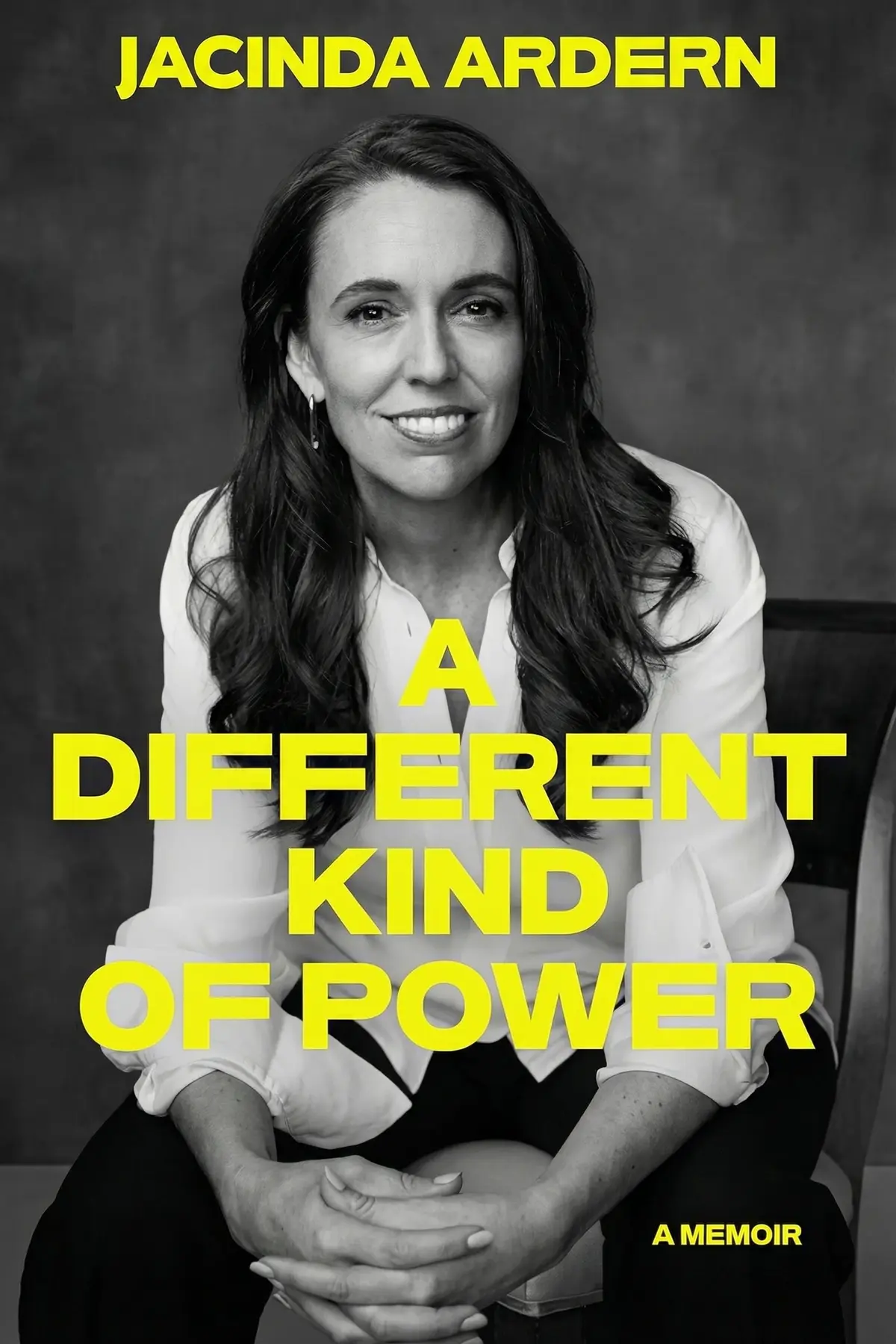
Jacinda Ardern
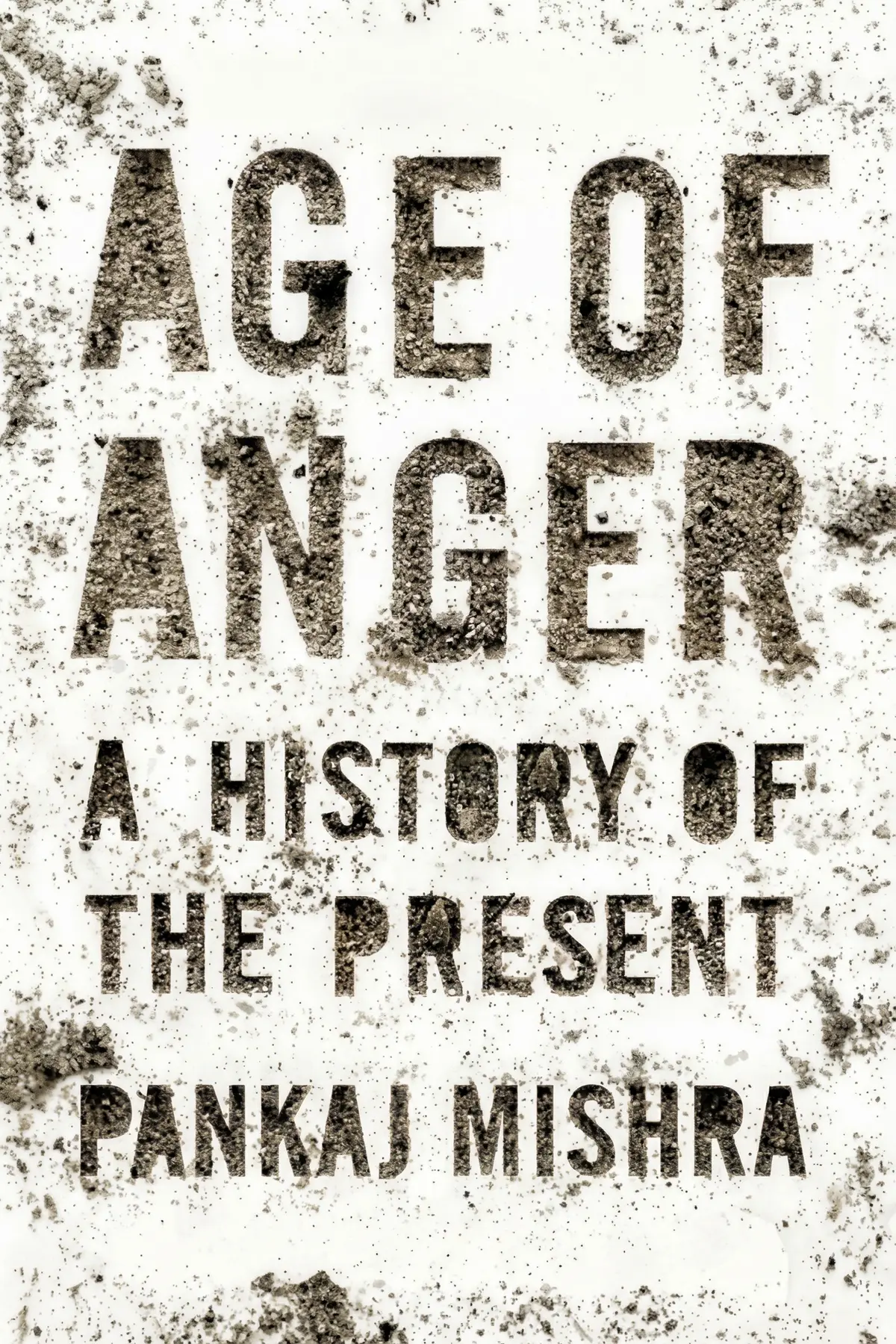
Pankaj Mishra
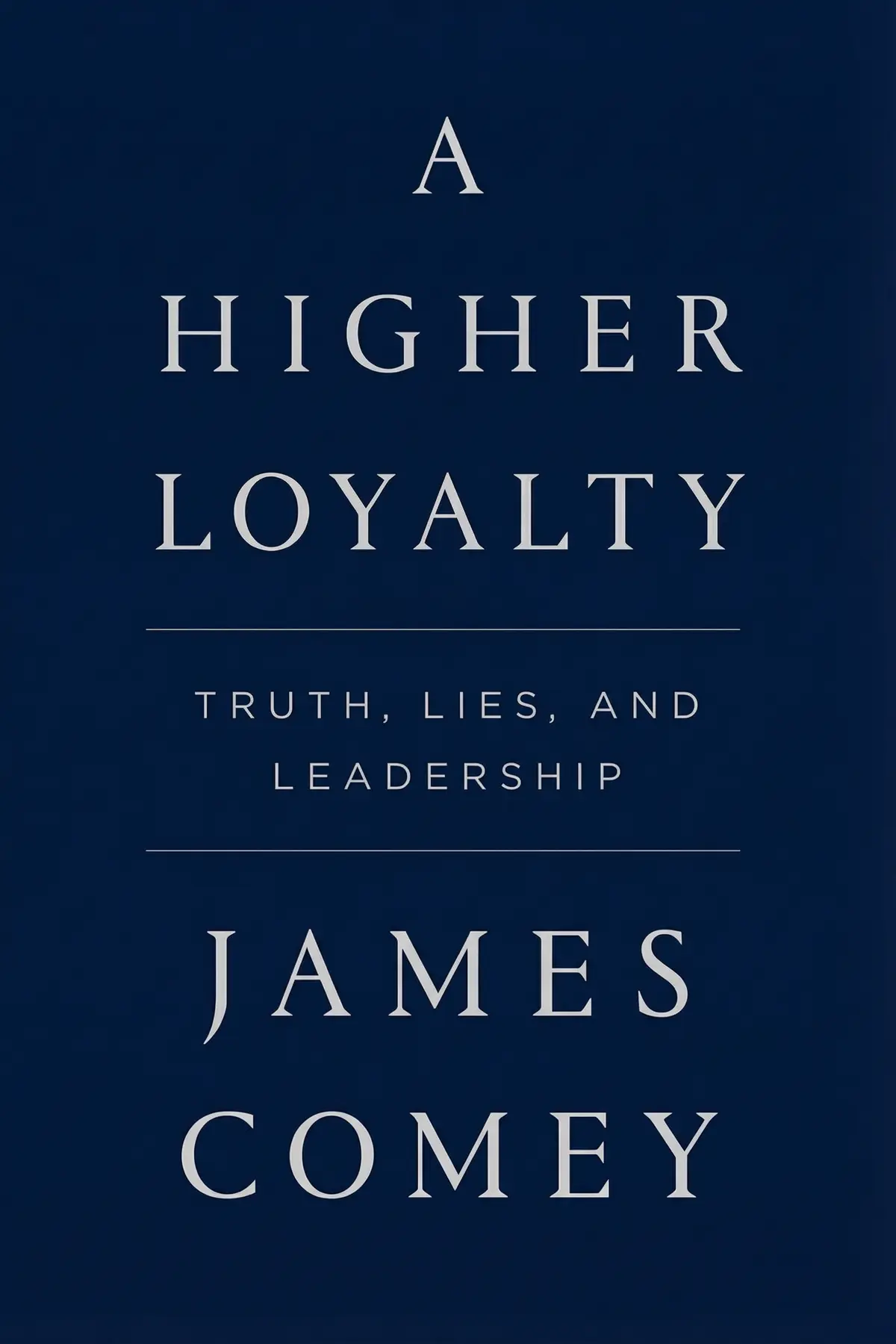
James Comey
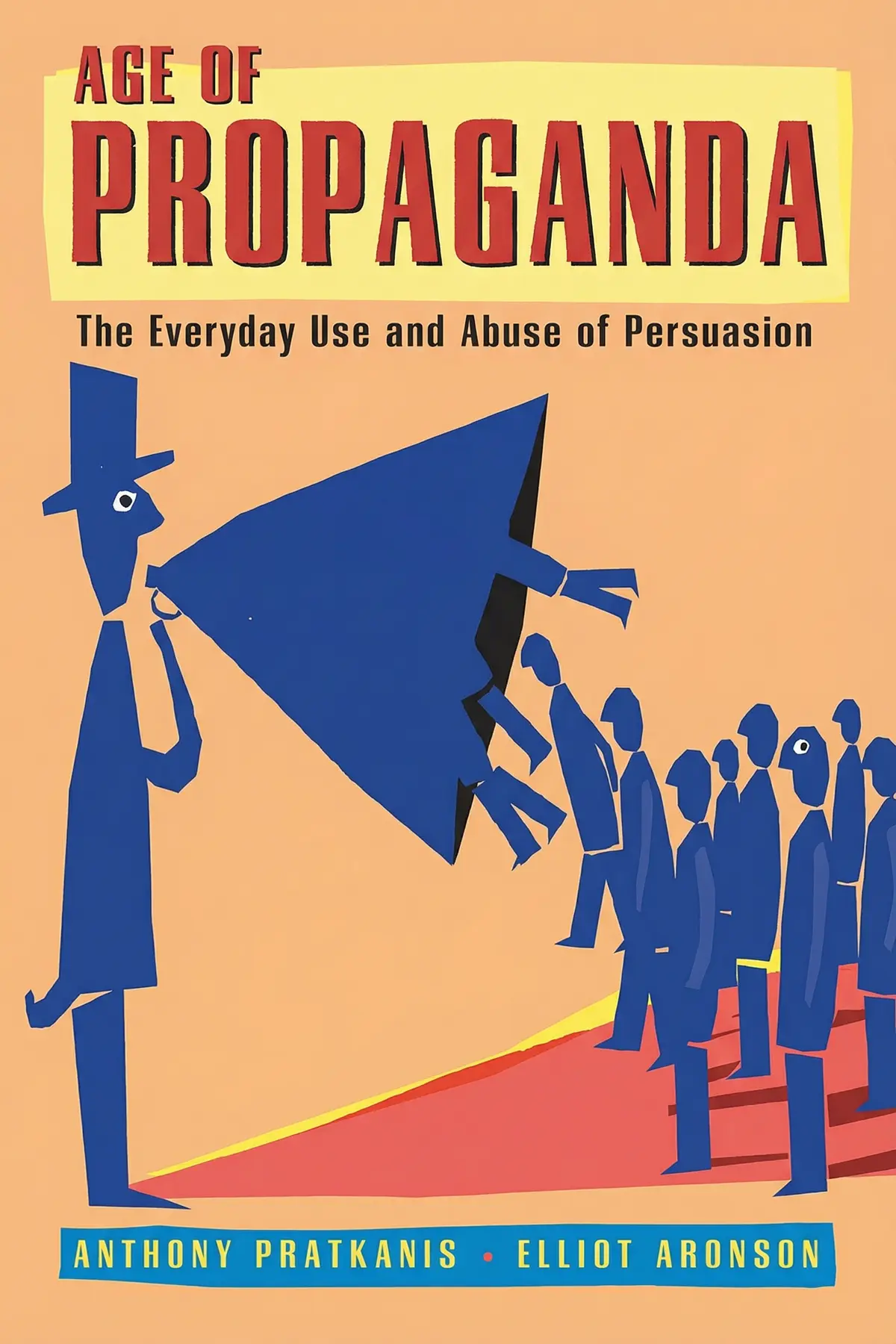
Anthony Pratkanis

AUDIO SUMMARY AVAILABLE
Get the key ideas from The Future We Choose by Christiana Figueres, plus 5,000+ more titles in English and Thai.







