
17 min 29 sec
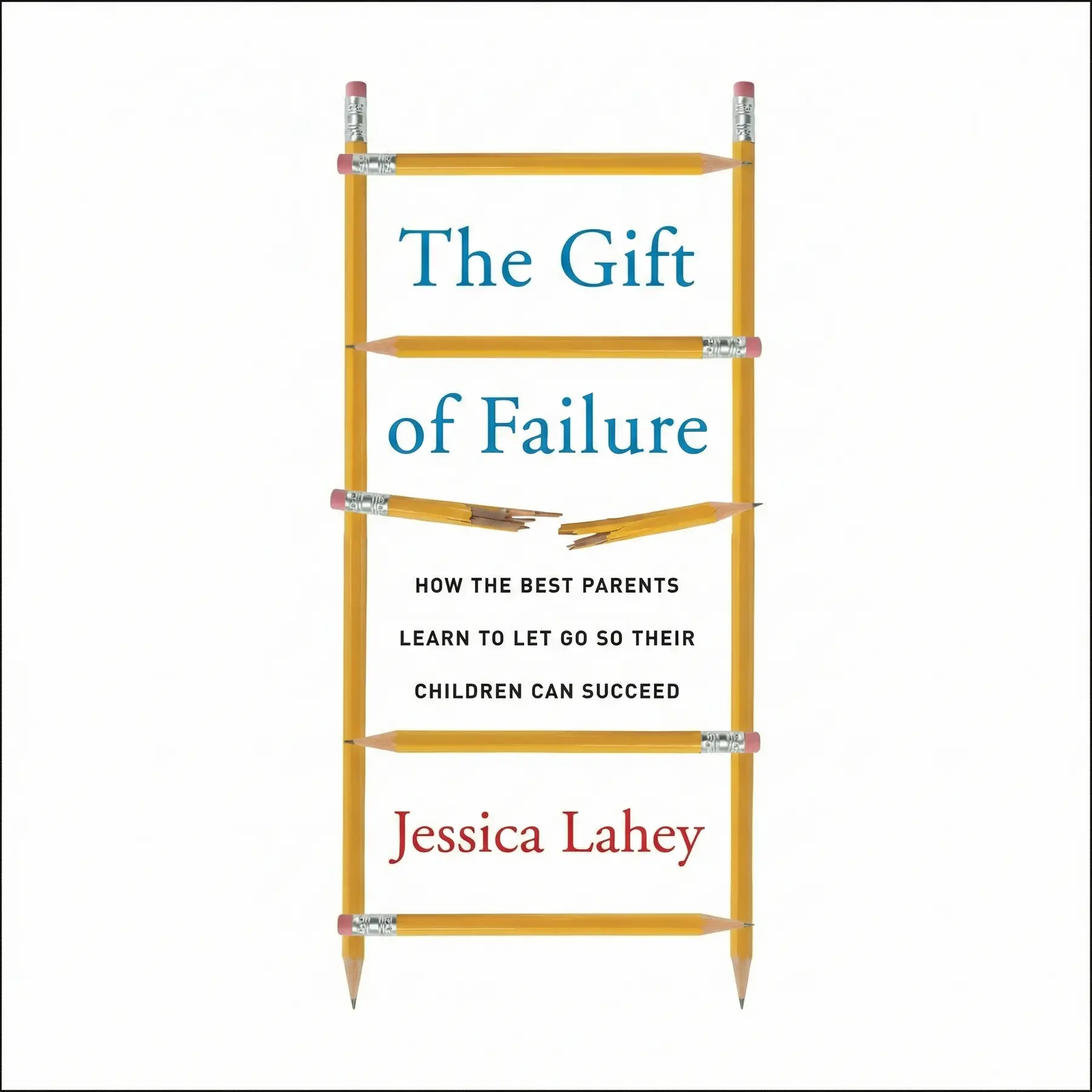
The Gift of Failure: How the Best Parents Learn to Let Go So Their Children Can Succeed
Discover why shielding children from struggle hinders their growth. This summary explores how embracing setbacks and fostering autonomy transforms mistakes into the essential building blocks of resilience, competence, and lifelong success.
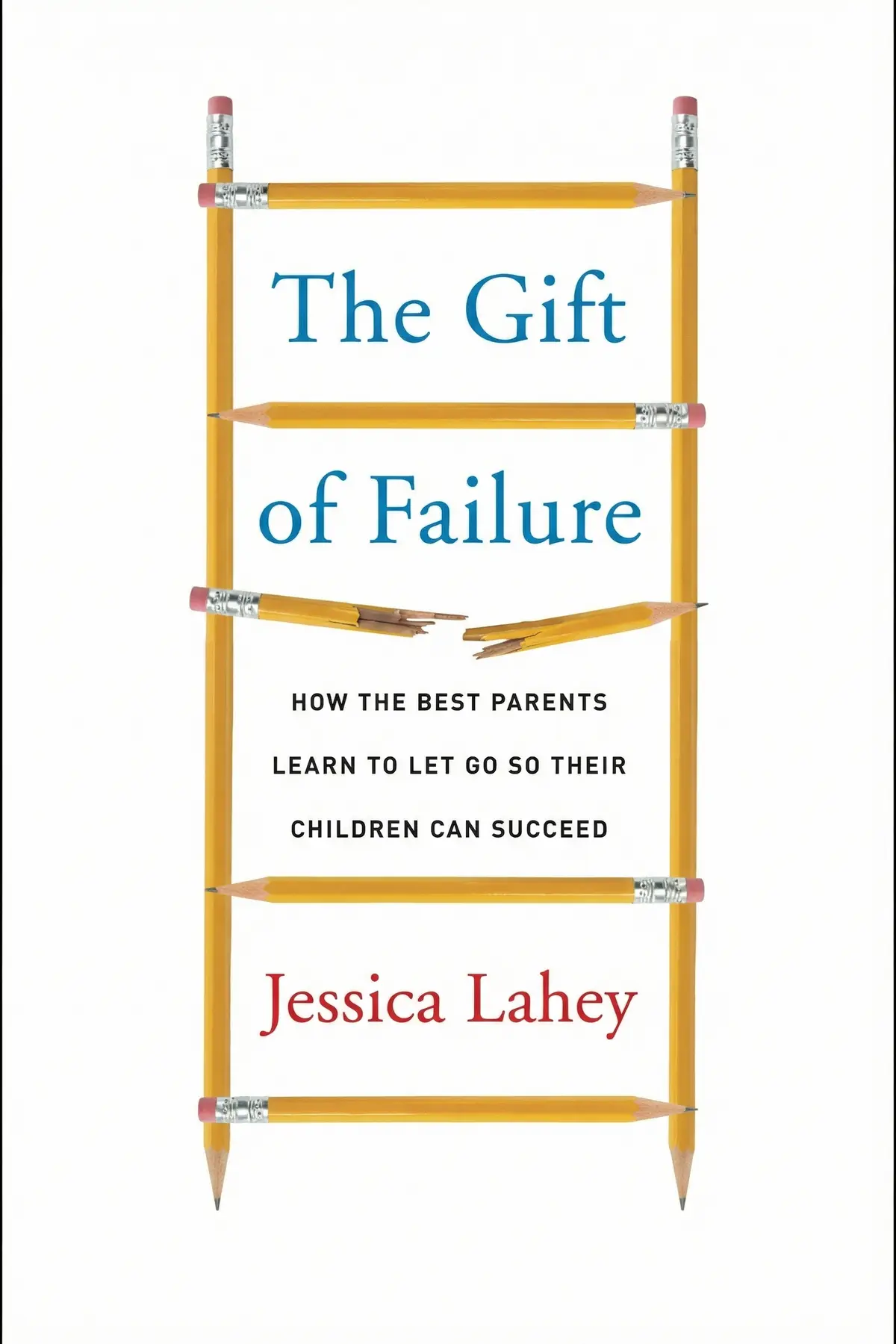
Table of Content
1. Introduction
1 min 26 sec
Every parent wants the best for their child. We want them to be happy, to be successful, and to navigate the world with confidence. Naturally, when we see them stumble, our first instinct is to rush in and catch them. We fix the science project, we argue with the teacher about a low grade, and we drop off the forgotten lunchbox. We think we are helping, but there is a hidden cost to this constant intervention. In our quest to ensure they never experience a moment of discomfort, we are inadvertently depriving them of the very experiences they need to grow.
This is the central paradox we are exploring today: the idea that failure is actually a gift. It sounds counterintuitive, perhaps even a bit harsh, but the reality is that resilience isn’t something people are born with; it is built through trial and error. When we remove the possibility of failure, we also remove the opportunity for our children to learn how to recover, how to problem-solve, and how to realize that they are capable of handling life’s challenges on their own.
In the following sections, we’ll look at how our approach to raising children has shifted over the centuries and why our modern focus on external achievement might be backfiring. We will examine the psychological triggers of motivation and the long-term benefits of allowing children to take ownership of their own lives—from their schoolwork to their social interactions. By the end, you’ll see why letting go is one of the most loving things a parent can do.
2. The Evolution of Modern Childhood
2 min 06 sec
Explore how the role of children has transformed from essential family contributors to sheltered subjects, and how this shift has impacted their development and independence.
3. The Perils of External Motivation
2 min 12 sec
Learn why relying on rewards and high grades can actually stifle a child’s natural curiosity and long-term desire to learn.
4. Cultivating Autonomy Through Support
1 min 55 sec
Understand the crucial difference between being an involved parent and a controlling one, and how to foster true self-reliance.
5. Praising the Process Over the Person
2 min 00 sec
Discover how the way you compliment your child can either lock them into a fixed mindset or open the door to a lifetime of growth.
6. Chores as a Path to Purpose
1 min 53 sec
Learn why including your child in household responsibilities is about much more than just a clean home—it’s about building their sense of belonging.
7. The Social Value of Unsupervised Play
2 min 12 sec
Understand why stepping back during your child’s social interactions is essential for developing empathy and conflict-resolution skills.
8. Internal Goals and the Reality of Grades
2 min 13 sec
Explore how to help your child find motivation in learning itself by shifting the focus from external ranking to personal achievement.
9. Conclusion
1 min 32 sec
The journey of parenting is a long process of gradually letting go. It starts with the first steps and continues until our children are ready to walk into the world as independent adults. Throughout this summary, we’ve explored the idea that by trying to protect our children from failure, we are actually making them more vulnerable. We’ve seen how the history of childhood has shifted toward overprotection and how the modern obsession with grades and external rewards can sap a child’s natural drive.
We’ve also discussed the power of the growth mindset and the importance of praising effort over innate talent. We’ve looked at the practical benefits of household chores and the social necessity of unsupervised play. All of these ideas point toward a single, powerful truth: children are much more capable than we often give them credit for. They have a natural desire to be competent, to be useful, and to master their environment. Our job as parents is not to do the work for them, but to provide the support and the boundaries that allow them to do the work themselves.
As you move forward, try to resist the urge to step in at the first sign of trouble. Whether it’s a difficult puzzle, a forgotten chore, or a social disagreement, give your child the space to figure it out. Ask questions that encourage them to find their own solutions instead of providing the answers yourself. It won’t always be easy, and it definitely won’t be tidy, but the resilience and self-confidence they gain will be the greatest gift you can ever give them. By allowing them the ‘gift’ of failure today, you are ensuring their success tomorrow.
About this book
What is this book about?
We live in an era of high-pressure parenting, where the desire to see our children succeed often leads us to clear every obstacle from their path. But what if our efforts to protect them are actually holding them back? This summary delves into the philosophy that failure is not a disaster to be avoided, but a vital educational tool. By examining the history of childhood, the science of motivation, and the psychological impact of different parenting styles, it offers a roadmap for stepping back so children can step up. You will learn about the difference between intrinsic and extrinsic motivation and why the modern obsession with grades might be damaging a child’s natural curiosity. The text explores practical ways to foster a growth mindset, from the way we offer praise to the importance of household contributions. It’s a guide to moving from a controlling parenting style to one that supports autonomy, ensuring that children develop the self-reliance and emotional intelligence they need to navigate the complexities of adulthood.
Book Information
About the Author
Jessica Lahey
Jessica Lahey is a highly regarded author, journalist, and educator who has spent years observing the intersection of parenting and education. She shares her insights through a biweekly column in The New York Times and frequently contributes to The Atlantic. As a speaker and former teacher, she brings a wealth of professional experience to her writing on child development.
Ratings & Reviews
Ratings at a glance
What people think
Listeners view this work as exceptionally educational and thorough, blending theoretical concepts with practical application to create essential reading for educators and caregivers. The book offers advice on parenting style, as one listener points out how it fosters a stronger relationship between parents and children. Listeners value the core message, the emphasis on developing resilience, and the enlightening perspectives shared. They prize its influence, with one listener mentioning how it saved their lives from heartache, while another notes how it takes pressure off both parents and children.
Top reviews
Chatchai
As a middle school teacher and a mom to a stubborn ten-year-old, this book felt like a much-needed lifeline during a stressful semester. Lahey’s insights into why we over-parent are eye-opening, particularly her discussion on how our own anxiety fuels the current hovering epidemic. I was especially struck by the distinction between chores and family participation, which has already changed the vibe in our household for the better. We have stopped nagging about the dishwasher and started focusing on the bigger picture of autonomy and competence. Truth is, it is painful to watch your child struggle, but this book gave me the permission I needed to step back. The writing is incredibly informative and grounded in solid research about intrinsic motivation. While some sections regarding school policy felt a bit idealistic, the overall impact has been life-changing for us. My son is finally starting to take ownership of his mistakes instead of looking at me to fix them.
Show morePhu
Picked this up after a particularly draining week of arguing over forgotten math homework and lost soccer cleats, and it was exactly what I needed. Lahey’s prose flows like butter, making complex psychological concepts like autonomy and competence easy to digest. She does not just tell you to let your kids fail; she explains why it is a moral imperative for their future success. I have already stopped delivering forgotten items to the school office, and the world did not end. My daughter actually remembered her gym shoes the next day without a single reminder from me. This book is a clarion call for common sense in an era of over-scheduling and constant safety nets. Look, it is not always easy to follow, but the long-term goal of raising a resilient human being is worth the temporary discomfort of watching them stumble.
Show moreSue
The history of parenting approaches at the beginning of this book provided such fascinating context for how we arrived at this high-pressure, competitive culture. Jessica Lahey writes with the authority of an educator who has seen the damage of over-parenting firsthand, and her perspective is refreshing. I was particularly moved by the quotes from college administrators who are seeing hand-held freshmen struggle with basic independence. This book is not just about grades; it is about the evolution of a child into a capable adult. I appreciated the specific guidelines for creating a predictable household, though I wish she had questioned the value of conventional homework more deeply. Even so, the central thesis—that we must trust our kids more as they get older—is one that every parent needs to hear. It is an immediate, essential read that reminds us that our job is to put ourselves out of a job.
Show morePraepimon
Finally, someone had the courage to tell parents that bailing out a child for a forgotten lunch or a missed deadline is actually an act of sabotage. This book saved me from a lot of future heartache by reminding me that my child’s failures are not my own. Lahey’s advice on focusing on the bigger picture rather than micro-managing daily grades has already reduced the anxiety levels in our house significantly. I love how she frames failure as an opportunity for growth rather than a catastrophe to be avoided at all costs. The section on praising effort instead of inherent intelligence was a total paradigm shift for me. If you want to raise a child who is actually prepared for the real world, you need to read this. It is a brave, honest, and incredibly necessary book for the modern parent struggling to find balance.
Show moreLeo
Ever wonder why so many students arrive at college today feeling completely incapable of managing their own lives? Jessica Lahey answers that question with a sharp, well-researched look at the gift we take away when we protect our children from every minor disappointment. I loved the breakdown of how fixed mindsets prevent kids from taking risks, but I found the book's second half to be a bit of a slog. It repeats the same core principles across different age groups, which might be helpful for some, but I felt I got the gist within the first hundred pages. Still, the practical tips on handling grades and the student-teacher relationship are invaluable. In my experience, shifting the responsibility of communication back to the child is a total game-changer. It is a worthwhile read for any parent feeling the burn of the current high-stakes education culture.
Show moreHana
Wow, this was a massive wake-up call for my inner helicopter parent that I did not even know existed. I picked this up because I wanted to foster more grit in my kids, and Lahey delivers a compelling mix of theory and practice. The focus on the growth mindset—praising effort over innate talent—is something I have started implementing immediately with my second grader. However, I did find myself comparing this to Julie Lythcott-Haims’ work, which felt a bit more cogent and less repetitive in its structure. There were moments where the advice felt a little disjointed, like the sudden insistence on getting kids to school early after telling us to let them fail. Despite those minor editing hiccups, the message is powerful. It takes the pressure off both the parent and the child, creating space for a much healthier relationship based on trust rather than surveillance.
Show moreJib
After hearing several friends rave about this, I finally sat down with the text and found it to be a solid, informative guide. The mix of academic research and personal anecdotes from Lahey’s own teaching career makes for a very engaging read. I found the practical guidelines for managing transitions and the emphasis on free play to be the most useful sections. However, the truth is that the book does feel somewhat limited to a specific demographic of high-income, college-track families. Not every parent has the luxury of worrying about over-parenting when they are just trying to keep their kids safe. That being said, the principles of fostering intrinsic motivation are universal. Even with its repetitive structure, the book offers a much-needed reminder to catch our kids doing things right. It is a strong resource that would be better if it acknowledged a wider range of cultural realities.
Show moreGoy
Lahey makes a compelling case for letting the natural consequences of life do the heavy lifting of parenting. As someone who has always struggled with the urge to save my kids from frustration, this book provided a helpful framework for backing off. The chapters on how to communicate with teachers without being a helicopter were particularly enlightening and practical. I did feel that the author's tone got a little sharp toward parents in the latter chapters, which felt a bit unnecessary. Also, her defense of conventional schooling seemed at odds with her desire for kids to be creative and independent. But overall, the book is a fantastic resource for anyone looking to build resilience and competence in their children. It is not a perfect manual, but the core philosophy is something I will be coming back to as my kids hit those difficult teenage years.
Show moreOscar
The core message here—that kids need to stumble to grow—is undeniably vital, yet the delivery often felt like being lectured by a frustrated schoolmarm. This is a tough pill to swallow for many. While I appreciate Lahey's background as an educator, the tone in the latter half of the book shifted from encouraging to surprisingly berating. It is almost as if she stopped speaking to parents and started scolding them for the failures of the entire school system. Frankly, I expected more nuanced strategies for helping children develop executive skills, rather than just being told to back off entirely. Despite these flaws, the early chapters on intrinsic motivation and the growth mindset are absolutely worth your time. If you can handle the wooden-ruler-across-the-knuckles vibe, there is some genuine wisdom to be found here. Just be prepared to skim when the repetitiveness starts to set in during the final third.
Show moreKavya
This book seems to operate on the wild assumption that parents should just step back and watch the house burn down while their children learn from the flames. This approach feels incredibly reckless and poorly thought out. While I agree that hovering and helicoptering are destructive, Lahey swings the pendulum so far in the opposite direction that it borders on negligence. She essentially screams at the reader to leave them alone on every page, ignoring the fact that children need actual guidance and mentorship. To be fair, the advice on letting a sixth-grader handle their own math homework is sound. However, applying that same hands-off logic to every aspect of social life feels dangerous. I found the section on avoiding conflict resolution between friends particularly troubling in today’s world. This felt like a guide on how to be a parent without actually doing any of the hard work of parenting.
Show moreFeatured in

Readers also enjoyed


AUDIO SUMMARY AVAILABLE
Listen to The Gift of Failure in 15 minutes
Get the key ideas from The Gift of Failure by Jessica Lahey, plus 5,000+ more titles in English and Thai.
- 5,000+ titles
- Listen as much as you want
- 7-day free trial
- Cancel anytime







