
18 min 11 sec
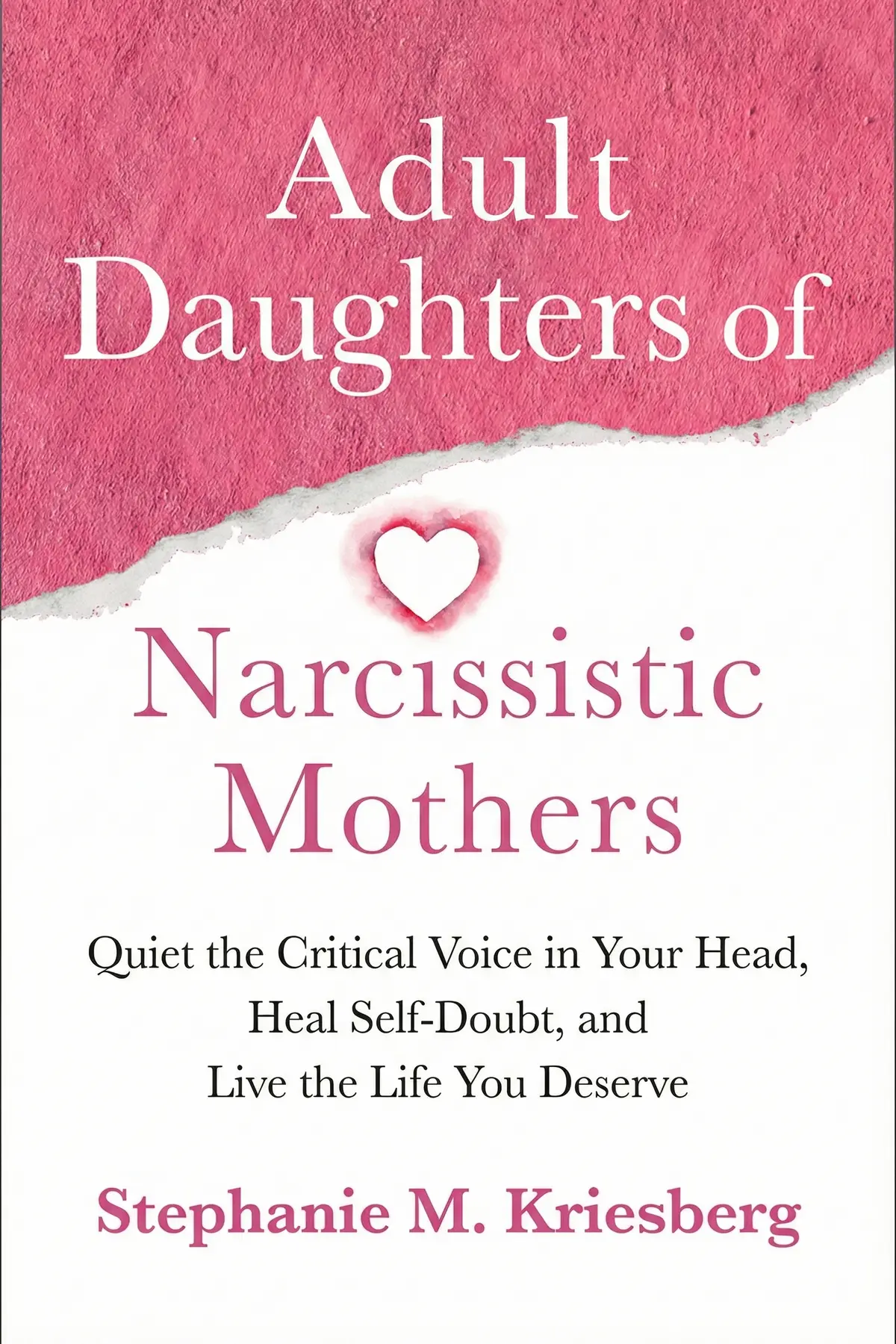
The Grieving Body: How the Stress of Loss Can Be an Opportunity for Healing
The Grieving Body explores the profound physical impact of loss, explaining how bereavement reshapes the brain, nervous system, and immune health, while providing somatic tools for healing and long-term resilience.
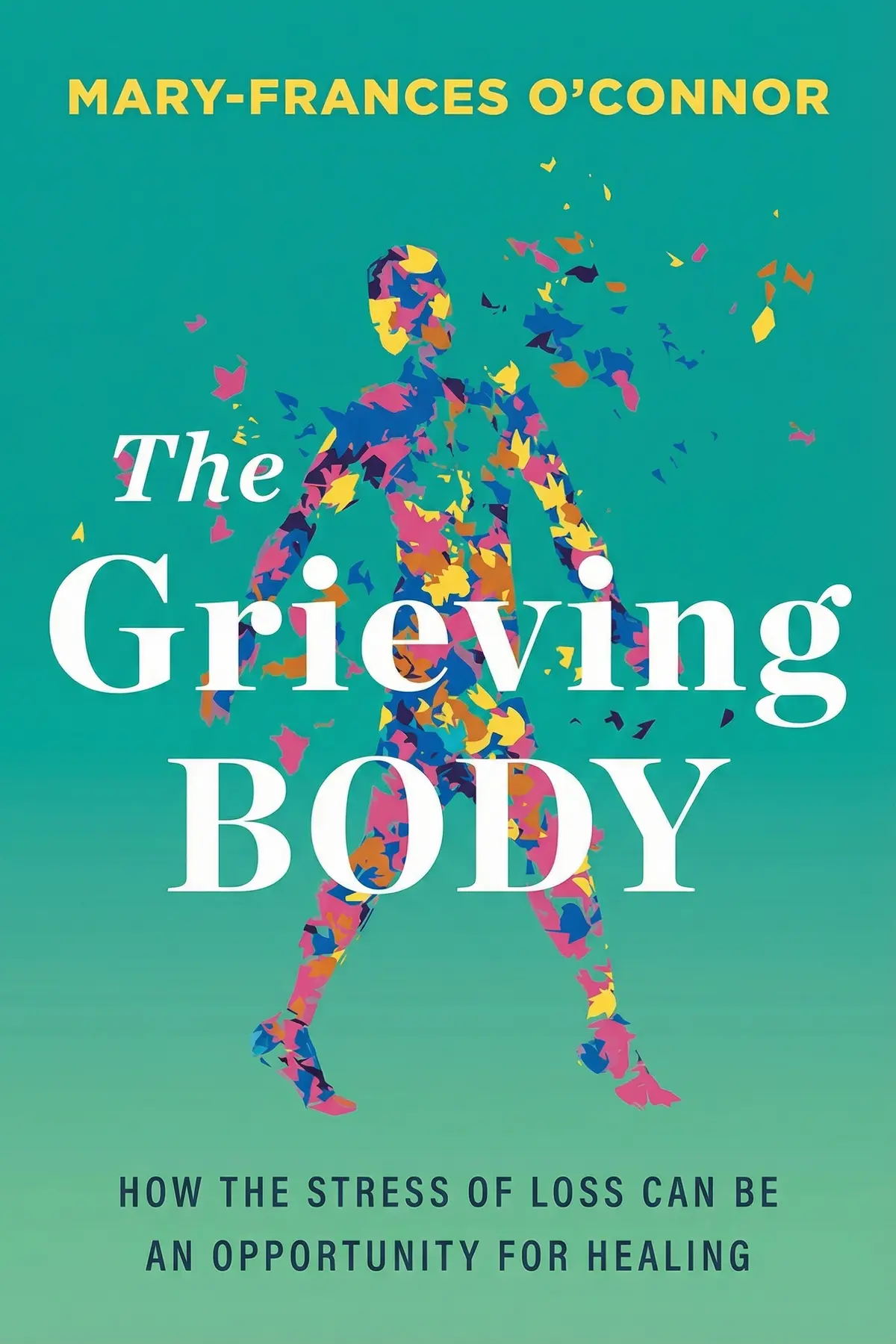
Table of Content
1. Introduction
1 min 32 sec
When we talk about loss, we often speak in the language of the heart. We talk about broken spirits, emotional voids, and the heavy weight of sadness. But as anyone who has walked through the valley of bereavement knows, grief is far more than a mental state—it is a full-body experience. It shows up in the way your heart hammers against your ribs in the middle of the night, the way your muscles ache as if you’ve run a marathon you never signed up for, and the fog that settles over your brain, making the simplest tasks feel insurmountable.
In this summary, we are diving deep into the physiological reality of mourning. We’re moving past the abstract concepts of ‘letting go’ to look at what is actually happening in your neurons, your hormones, and your digestive tract. You will learn that the physical symptoms you might be experiencing—from chronic fatigue to a weakened immune system—are not signs that you are failing to ‘cope.’ Instead, they are the natural, predictable responses of a biological system trying to navigate a profound shift in its environment.
By the end of this journey, you’ll have a new perspective on your body’s wisdom. You’ll understand why your brain keeps looking for the person who is gone and how you can use simple, somatic tools to signal safety to your nervous system. This is a roadmap for the physical side of healing, helping you move from the acute shock of loss toward a state of integrated resilience. Let’s explore how the body carries grief and how it can eventually learn to carry hope again.
2. The Brain’s Internal Relationship Map
1 min 54 sec
Discover why your brain struggles to accept the physical absence of a loved one and how internal mapping explains the confusing sensory experiences common in early grief.
3. The Biological Alarm System
1 min 55 sec
Explore how the autonomic nervous system enters a state of high alert during loss and why your body reacts to grief as if it were a physical threat.
4. The Disruption of Vital Life Rhythms
1 min 58 sec
Learn about the impact of bereavement on sleep architecture and circadian rhythms, and why typical rest often fails to restore energy during times of mourning.
5. The Gut-Brain Axis and Immune Health
1 min 50 sec
Uncover the connection between grief and your digestive system, and why loss often leads to a higher frequency of physical illness and inflammation.
6. The Healing Power of Somatic Regulation
2 min 01 sec
Explore practical, body-based techniques like specific breathing patterns and the role of physical touch in lowering cortisol and promoting safety.
7. Environmental Anchors and Soft Fascination
1 min 54 sec
Understand how your physical surroundings, from natural light to specific sounds, can help stabilize a nervous system overwhelmed by bereavement.
8. The Role of Ritual and Creative Action
1 min 49 sec
Discover why engaging the hands and using symbolic physical rituals can help the brain process the abstract nature of loss and integrate the past.
9. Signs of Physical Integration and Healing
1 min 56 sec
Learn to recognize the subtle physical shifts that indicate your body is beginning to integrate loss and move toward a new state of balance.
10. Conclusion
1 min 22 sec
The journey through grief is an undeniably physical one, requiring as much attention to the body as we give to the mind and soul. As we’ve explored, the racing heart, the sleepless nights, and the exhaustion are not signs of a broken person, but of a working body. Your brain is doing the heavy lifting of updating its internal map of the world, and your nervous system is simply trying to keep you safe in the wake of a profound disruption.
By understanding the biological roots of these symptoms, you can move away from judgment and toward a stance of compassionate self-care. You now know that you have tools—from the way you breathe to the rituals you create—that can help signal safety to your system and support your natural healing process. Whether it is through morning sunlight, nutrient-dense foods, or the simple act of grounding yourself in nature, every small physical choice is a step toward integration.
Remember that healing is not about forgetting or ‘getting over’ the loss. It is about your body learning to carry that loss as part of a whole, vibrant life. Be patient with your physical self; it is navigating a terrain it was never meant to cross alone. By honoring the physical reality of your grief, you provide your body with the grace it needs to eventually settle into a new, resilient rhythm. Take a deep breath, feel the ground beneath your feet, and know that your body is already on the path toward healing.
About this book
What is this book about?
The Grieving Body investigates the scientific and physiological reality of loss, moving beyond the purely emotional aspects of mourning to examine how the body carries grief. Drawing from neuroscience and psychoneuroimmunology, the book reveals how our brains create internal maps of our loved ones and the biological disorientation that occurs when those maps no longer match reality. Listeners will discover the promise of somatic healing—learning how to regulate a nervous system stuck in a state of high alert. By understanding the disruption of sleep, digestion, and immunity, the book provides a compassionate framework for supporting the body through the healing process. It offers practical rituals and sensory strategies to help the physical self integrate loss and eventually rediscover a sense of well-being and presence.
Book Information
About the Author
Mary-Frances O'Connor
Mary-Frances O’Connor is a professor of psychology at the University of Arizona and director of the Grief, Loss, and Social Stress (GLASS) Lab. She specializes in the intersection of grief, the brain, and the body. A renowned researcher in clinical psychology and psychoneuroimmunology, her insights have been featured in the New York Times and Scientific American. In 2023, she was honored with the Patricia R. Barchas Award in Sociophysiology.
Ratings & Reviews
Ratings at a glance
What people think
Listeners find that The Grieving Body presents an intriguing and thoroughly investigated exploration of the physical consequences of bereavement, even if perspectives differ on the complexity of the scientific data. Most listeners enjoy how the author links brain science to her personal journey with grief and disability; one listener points out that the text delivers "fresh insight" compared to conventional guides. Also, they find value in the concrete methods for physical recovery, such as 4-7-8 breathing and utilizing rituals to quiet the nervous system. Furthermore, they note that the author’s own vulnerability transforms intricate biological theories into "tough truths" that help spark a significant breakthrough during the recovery process.
Top reviews
Pornthip
As someone who has always felt grief in my bones rather than just in my head, this book was a revelation. Mary-Frances O’Connor bridges the gap between cold neuroscience and the raw, physical reality of loss with incredible grace. I particularly loved how she wove her own experiences with MS into the narrative, making the science feel less like a lecture and more like a shared journey. It’s fascinating to learn that our brains actually create physical maps of our loved ones and struggle to 're-route' when they're gone. The technical bits about cortisol and the vagus nerve were heavy at times, but they validated why I’ve felt so physically depleted. If you’ve ever wondered why you’re constantly exhausted or catching every cold after a loss, this provides the biological 'why' that most grief books ignore. Truly a deep, beautiful, and necessary read for anyone feeling 'broken' by their own body.
Show moreFrida
Finally got around to reading this, and the chapter on the brain’s ‘internal map’ of a loved one completely shifted my perspective on my own mourning process. It’s not that I’m ‘crazy’ for expecting my husband to walk through the door; it’s that my neurons haven't updated the map yet. This book is a masterclass in self-compassion. O’Connor manages to discuss complex topics like natural killer cells and circadian rhythms without losing the emotional thread of the story. I appreciated the vulnerability she showed when discussing the relief she felt after her mother died—it’s a 'tough truth' that many authors are too afraid to touch. The ending, which focuses on community being the best 'medicine' for our biology, was exactly what I needed to hear. This isn't just a book about death; it’s a book about the biology of love and how we survive its absence.
Show moreRin
Wow, the section on sensory rituals and how we can 're-train' our nervous system to feel safe again was worth the price of the book alone. I’ve read dozens of grief books, but none of them explained the 'skin hunger' or the physical need for touch in such a scientific yet empathetic way. The author’s voice is soothing and authoritative. I bought the physical copy after listening to the audiobook because I wanted to highlight the specific 4-7-8 breathing exercises and the nutrition tips. It’s rare to find a book that treats the body with as much importance as the soul. The way she links disability, chronic illness, and bereavement creates a very inclusive look at what it means to live in a 'grieving body.' It’s a profound study of human resilience that helped me stop fighting my physical symptoms and start listening to them instead.
Show moreKanchana
This book is a quiet masterpiece for anyone who feels like their body has betrayed them after a loss. Mary-Frances O’Connor explains the 'brain-fog' and the physical ache of grief with such precision that I felt seen for the first time in years. The connection she draws between the evolution of tribal separation and our modern-day 'fight or flight' response to death is brilliant. I’ve started using the 4-7-8 breathing and the morning sunlight walks she suggests, and I can honestly say my 3 a.m. wake-ups have become less frequent. It’s not a quick fix—she’s very clear about that—but it’s a roadmap for the physical journey of mourning. Healing isn't about forgetting; it's about the body finally allowing space for joy again without the immediate sting of guilt. I cannot recommend this highly enough for those who want to understand the biology of their heartbreak.
Show moreCha
Ever wonder why your heart actually aches or why your stomach stays in knots for months after a tragedy? O’Connor explains that grief is a full-body emergency. Our brains perceive the loss of a loved one as a threat to our survival, triggering a fight-or-flight response that just doesn’t quit. I found the section on the vagus nerve particularly eye-opening because it explained the 'lump in the throat' sensation I’ve carried for a year. The writing is sophisticated yet accessible enough for a layperson. My only minor gripe is that some chapters felt a little repetitive, hitting the same notes about the attachment system multiple times. Still, the practical advice on using 60bpm music and weighted blankets to soothe the nervous system was incredibly helpful. It’s a grounded, science-backed approach to healing that feels more proactive than just 'waiting for time to pass.'
Show morePun
O’Connor does a fantastic job of explaining how grief manifests in the gut and the heart, though some parts of the middle section do drag quite a bit. The concept that our bodies are literally 'searching' for the person we lost was a breakthrough moment for me. I’ve been struggling with insomnia and a racing heart for months, and seeing it described as a biological response to a severed attachment bond made it feel less like a personal failure. The suggestions for rituals—especially the water-based ones—were a highlight. I tried the cold water trick on my face during a particularly bad morning, and it actually helped reset my system. It’s a solid 4-star read that offers a lot of 'fresh insight' you won't find in standard 'stages of grief' books, even if the prose is a bit dry in the data-heavy chapters.
Show morePui
After hearing so many people talk about 'moving on,' it was refreshing to read O'Connor's take on 'integration' instead. The idea isn't to fix the grief, but to expand your body’s capacity to carry it. I found the discussion on how the immune system is impacted by loss to be particularly relevant given how often people get sick after a funeral. The science is solid, and the author’s dual perspective as a researcher and a grieving person adds a layer of authenticity that is often missing from clinical books. My only complaint is that the pacing is a bit slow in the beginning, and I wish there were more summaries at the end of the technical chapters. Overall, it’s a very insightful look at the 'physical wound' of loss that gave me several tools I’m already using in my daily routine.
Show moreTitiluck
To be fair, this was a lot more academic than I anticipated from the cover. I picked it up looking for comfort, but found myself wading through quite a bit of clinical data and neuroscience terminology that went over my head. While the author's personal story about her mother and her own disability added some much-needed warmth, the pacing felt uneven between the dense science and the memoir elements. There is definitely good information here, especially regarding the 4-7-8 breathing technique and why our immune systems tank during mourning. However, it felt a bit like reading a textbook at times, which is hard when you're already in a foggy headspace. It’s an insightful resource if you have the mental energy for it, but if your grief is very fresh, the technical depth might be a struggle to process.
Show moreHemp
Frankly, it’s a bit of a mixed bag. On one hand, the information about the vagus nerve and the 60bpm music for heart rate stabilization is fascinating and actually useful. On the other hand, the book leans very heavily into the author’s own life story and her struggles with MS. While her perspective is unique, at times it felt like the book was trying to be two different things: a neuroscience text and a personal memoir. They didn't always mesh perfectly for me. The 'tough truths' she mentions are important, but I found myself wishing for more case studies from her clinical work and fewer anecdotes about her own life. It's a decent read for those interested in the 'why' behind their physical symptoms, but be prepared for a lot of personal reflection alongside the data.
Show moreGung
Look, I really wanted to love this, but it felt way too much like a clinical research paper for my liking. The author is clearly brilliant, and I respect her expertise as a neuroscientist, but the 'personal touches' felt secondary to the graphs and studies. I found myself skimming large sections about the sympathetic nervous system just to get to the actual advice. Frankly, it felt a bit cold. When you’re grieving, you want a hand to hold, not a lecture on cortisol levels and hippocampal mapping. There are some okay tips on sleep and hydration tucked away in the back, but the barrier to entry is just too high for the average reader in the middle of a crisis. If you love hard science, you'll probably appreciate it, but it was just too technical for me.
Show moreReaders also enjoyed
Alcoholics Anonymous
Alcoholics Anonymous World Services
A Liberated Mind: How to Pivot Toward What Matters
Steven C. Hayes
AUDIO SUMMARY AVAILABLE
Listen to The Grieving Body in 15 minutes
Get the key ideas from The Grieving Body by Mary-Frances O'Connor, plus 5,000+ more titles in English and Thai.
- 5,000+ titles
- Listen as much as you want
- 7-day free trial
- Cancel anytime







