
1929: Inside the Greatest Crash in Wall Street History--and How It
Andrew Ross Sorkin
Explore the hidden ways that governments and corporations quantify your emotions. This summary reveals how the modern pursuit of well-being has been transformed into a tool for profit, productivity, and social control.
1 min 25 sec
Have you ever paused to ask yourself if you’re truly happy? It’s a question most of us grapple with in the quiet moments of our lives. But here is the shift: you aren’t the only one asking. In fact, there is an entire global infrastructure that is deeply, financially invested in the answer. From the halls of government to the boardrooms of Silicon Valley, your emotional state is no longer just a personal experience; it has become a valuable commodity. This is the central premise of The Happiness Industry.
What we are seeing today is a world where neuroscience, big data, and classical economics have collided to create a new kind of surveillance. We used to think of happiness as something elusive or spiritual, but modern power structures have decided it is something that can—and should—be measured, tracked, and manipulated.
In the following journey, we’re going to step away from the typical self-help advice and look at the gears and levers behind the scenes. We’ll explore how 18th-century philosophy laid the groundwork for our modern obsession with metrics, why your employer is suddenly so concerned with your mindfulness practice, and how every ‘like’ or ‘share’ on social media is helping companies build a map of your subconscious. By the end, you’ll see the pursuit of well-being not just as a goal, but as a marketplace where the stakes are your very autonomy. Let’s dive into how your joy became their business.
1 min 50 sec
Could your deepest feelings be reduced to a single number? Discover how early philosophers and modern neuroscientists teamed up to turn the human heart into a data point.
1 min 40 sec
Ever wonder why the link between money and happiness is so fiercely debated? Learn how capitalism relies on a chemical connection in your brain to keep the gears turning.
1 min 49 sec
Advertising has moved past selling products to selling psychological responses. Uncover the tactics used to trigger your brain’s anticipation and drive your spending habits.
1 min 43 sec
When companies talk about employee well-being, is it about your health or their bottom line? Explore the high cost of worker disengagement and the rise of corporate happiness.
1 min 54 sec
Your friendships are being drafted into marketing campaigns. Learn how brands use ‘friendvertising’ and corporate giving to manipulate your trust and loyalty.
1 min 41 sec
In a world of constant connectivity, your emotions are always being watched. Discover the disturbing reality of data mining and emotional contagion in the digital age.
1 min 22 sec
As we reach the end of this exploration, the throughline becomes clear: the very thing we value most—our happiness—has been systematically industrialized. What was once a subjective, internal experience is now a metric used to fuel productivity and consumption. We’ve seen how philosophers like Bentham provided the mathematical foundation for this, how neuroscientists mapped the brain’s reward centers to turn our joy into a chemical calculation, and how digital giants now monitor our every mood to nudge our behavior.
The most important takeaway is to recognize that when someone else tries to define or measure your happiness, they are often doing so for their own benefit, not yours. Whether it’s an employer pushing a wellness program to boost their bottom line or a social media platform tweaking your feed to see how you react, your emotions are being treated as a resource to be harvested.
So, what is the actionable path forward? It starts with reclaiming your own subjectivity. Don’t let an app, a corporate consultant, or a market researcher tell you what a ‘good’ life looks like. Your feelings are your own, and they don’t need to be productive or quantifiable to be valid. In a world that wants to turn your smile into a data point, the most radical thing you can do is to trust your own internal compass and define your well-being on your own terms. Your happiness is not an industry; it is your life.
The Happiness Industry explores the unsettling reality of how our inner emotional lives have been transformed into a strategic resource for others. For decades, the pursuit of joy has been seen as a private, subjective journey. However, William Davies reveals that this is no longer the case. Instead, happiness has been industrialized. It is now a quantifiable metric used by economists to drive markets, by employers to squeeze more productivity out of their staff, and by governments to manage social stability. The promise of this book is to pull back the curtain on the 'science of well-being.' You will see how neuroscience and big data are being leveraged to monitor your moods and nudge your behavior. By examining the history of utilitarian philosophy and the rise of digital surveillance, the narrative explains why your smile is so valuable to a CEO. Ultimately, this isn't just a critique of capitalism; it’s a wake-up call to reclaim your own emotions from the hands of those who wish to sell them back to you.
William Davies serves as a senior lecturer at Goldsmiths, University of London, where he also directs the Political Economy Research Centre. Beyond his academic role, he has established himself as a prominent voice in political theory with his previous work, The Limits of Neoliberalism. His insightful commentary frequently reaches a wide audience through publications like the Financial Times, Prospect, the New Left Review, and Open Democracy. His digital presence has also garnered attention, with his website, potlatch.org.uk, earning a feature in the New York Times.
Listeners find this work to be thoroughly researched, with one listener portraying it as an intellectual tour de force. They value its accessibility and feel it provides a perceptive examination of the topic. While the analysis draws varied responses, some characterize it as a powerful critique of the capitalist state.
Davies has produced a genuinely frightening yet essential intellectual tour de force that unmasks the darker side of our modern obsession with wellbeing. By tracing the history from Jeremy Bentham’s pleasure-pain calculus to modern-day neuroscience, he reveals how our emotions have become just another metric for corporate efficiency. It’s well-researched and surprisingly readable for such a dense subject. I especially loved the critique of 'resilience' as a tool used to keep us working in toxic environments without complaining. Truly, it’s a powerful critique of the capitalist state that everyone should read if they feel like the world is slowly crushing them.
Show moreThis is a gutsy and courageous takedown of the entire 'wellness' movement that has exploded since the Global Financial Crisis of 2008. Davies argues that instead of fixing the systemic issues that cause misery, we are told to medicate ourselves and practice mindfulness to become better cogs in the machine. The historical context regarding behaviorism and the measuring of pain was fascinating. It really changed how I view those 'wellness' packages and performance reviews. This is a deadly serious and incredibly insightful book. If you feel like your workplace is toxic, this will explain exactly why you're being told to just 'grin and bear it' while the world burns.
Show moreEver wonder why your office is suddenly offering lunchtime yoga sessions instead of actual raises or better benefits? This book provides a chilling answer by looking at how the 'happiness industry' treats workers like machines to be calibrated for maximum output. Davies connects the dots between early Taylorism and contemporary positive psychology in a way that feels both scholarly and urgent. While some of the sections on economic history got a little slow, the overall insight into how we medicalize social problems is brilliant. It’s an eye-opening look at the subject that will make you rethink your 'engagement' score.
Show moreAfter hearing about this from a colleague, I was skeptical, but the intellectual depth Davies brings to the table is genuinely impressive. He manages to make the medicalization of depression feel like a high-stakes conspiracy by showing how big data and neuroscience are used to monitor our moods. The writing style is sharp, and the sentences move quickly through complex ideas about Taylorism and productivity. I did think the ending was a little abrupt, leaving me wanting more solutions. Still, it’s a powerful critique of how our society is organized to crush the soul while telling us to smile for the camera.
Show moreFinally got around to finishing this, and the connection Davies makes between the 'happiness' agenda and the decline of trade unions is absolutely fascinating. He shows how we’ve moved from collective bargaining to individual 'wellness' packages that do nothing to solve the real, structural issues we face. The book is very readable despite the heavy focus on Taylorism and productivity metrics. My only gripe is that it can be quite bleak at times without offering much hope. However, the insight into how advertising treats us as emotional data points is worth the price of admission alone. It’s a very necessary read.
Show moreAs someone who has always been wary of the 'positive psychology' trend, this book felt like a massive validation of all my suspicions. Davies does a brilliant job of showing how 'resilience' is often just a code word for accepting terrible working conditions without any complaint. The way he traces the origins of these ideas back to the 18th century is truly impressive and shows how deep the roots go. It’s a scholarly and powerful work that isn’t afraid to be funny and biting. It definitely changed the way I think about those 'wellness' apps everyone seems to be using at my office lately.
Show moreTo be fair, the research here is top-notch, but I found the narrative a bit too focused on the history of neoliberalism for my taste. I was looking for a deeper philosophical exploration of what happiness actually is, rather than a history lesson on the University of St. Louis psychiatry and behaviorism. The author is clearly brilliant, and his critique of the 'always-on' workforce is biting. However, the tone felt a bit repetitive by the final third of the book. It’s worth a read if you enjoy socio-economic history, but it might be a struggle for a casual reader looking for self-help.
Show morePersonally, I think the first half of the book is much stronger than the second half. The exploration of how Jeremy Bentham’s ideas influenced modern psychiatry was an intellectual tour de force, but the later chapters felt a bit scattered. I appreciated the critique of the capitalist state and its obsession with 'engagement' as a way to avoid talking about wages. Yet, I found myself wanting more focus on the actual brain science and less on the economic history. It’s an insightful look at the subject, even if it feels a bit uneven in its execution and pacing across the chapters.
Show morePicked this up hoping for some actual strategies for finding balance in a hectic world, but it turned out to be a dense political treatise against the current state of capitalism. To me, it felt like the author had a massive axe to grind that overshadowed the actual science of psychology. The chapters on Jeremy Bentham and the history of utilitarianism were frankly quite dry and hard to get through. I understand the critique of 'resilience training,' but the book offers very little in the way of a positive alternative. It was just a bit too cynical and academic for what I wanted.
Show moreThe truth is, I just couldn't get into the author's writing style, which felt overly academic and detached throughout. There was a lot of primer material on the origins of neoliberalism and workplace management that felt like a college lecture I didn't sign up for. I was expecting something more along the lines of a social commentary on modern life, but this was more of a history of economic thought. While it is clearly well-researched, it didn't resonate with me personally as a reader. I think I am simply not the target audience for this specific type of academic critique.
Show moreAndrew Ross Sorkin


Virginia Woolf
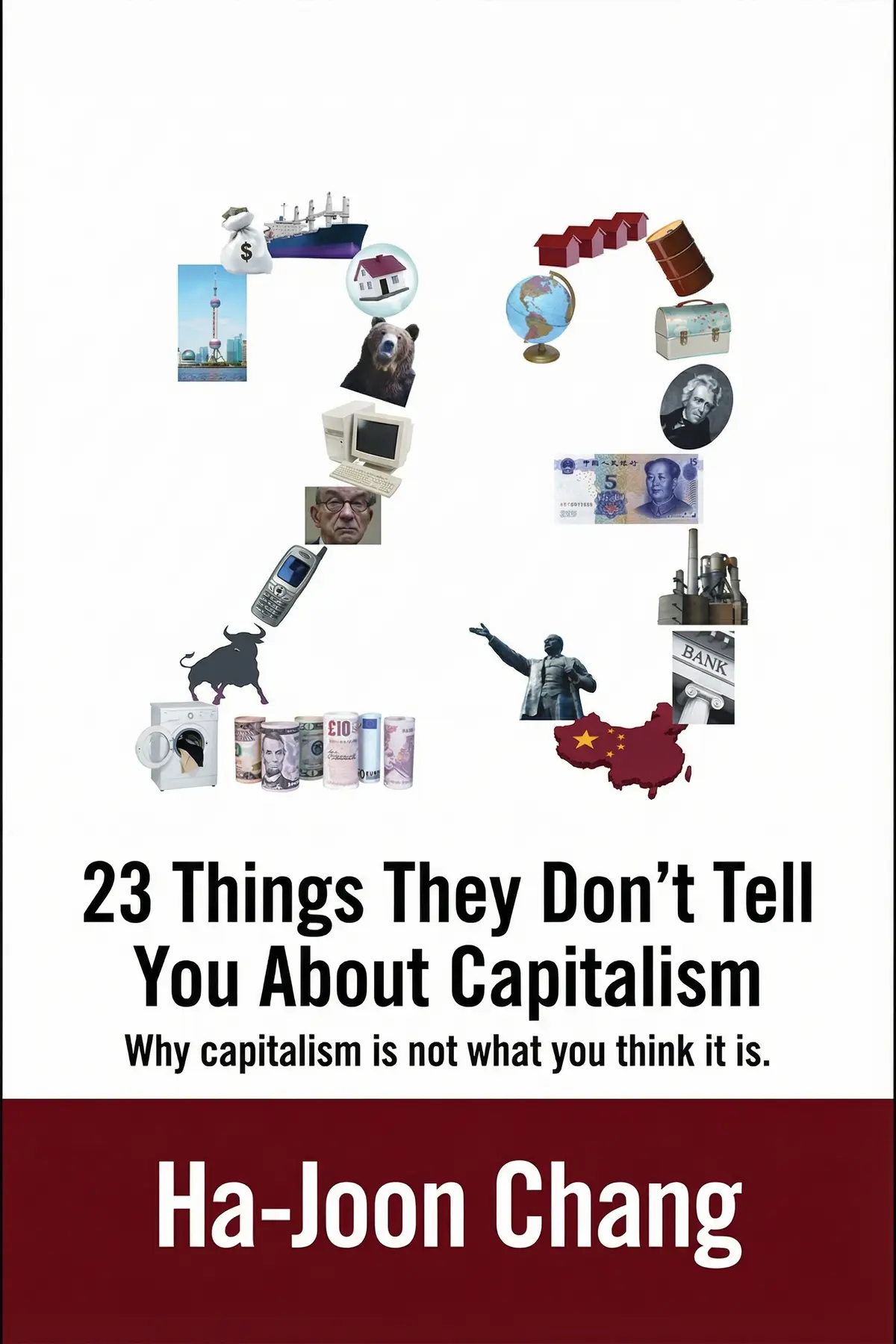
Ha-Joon Chang
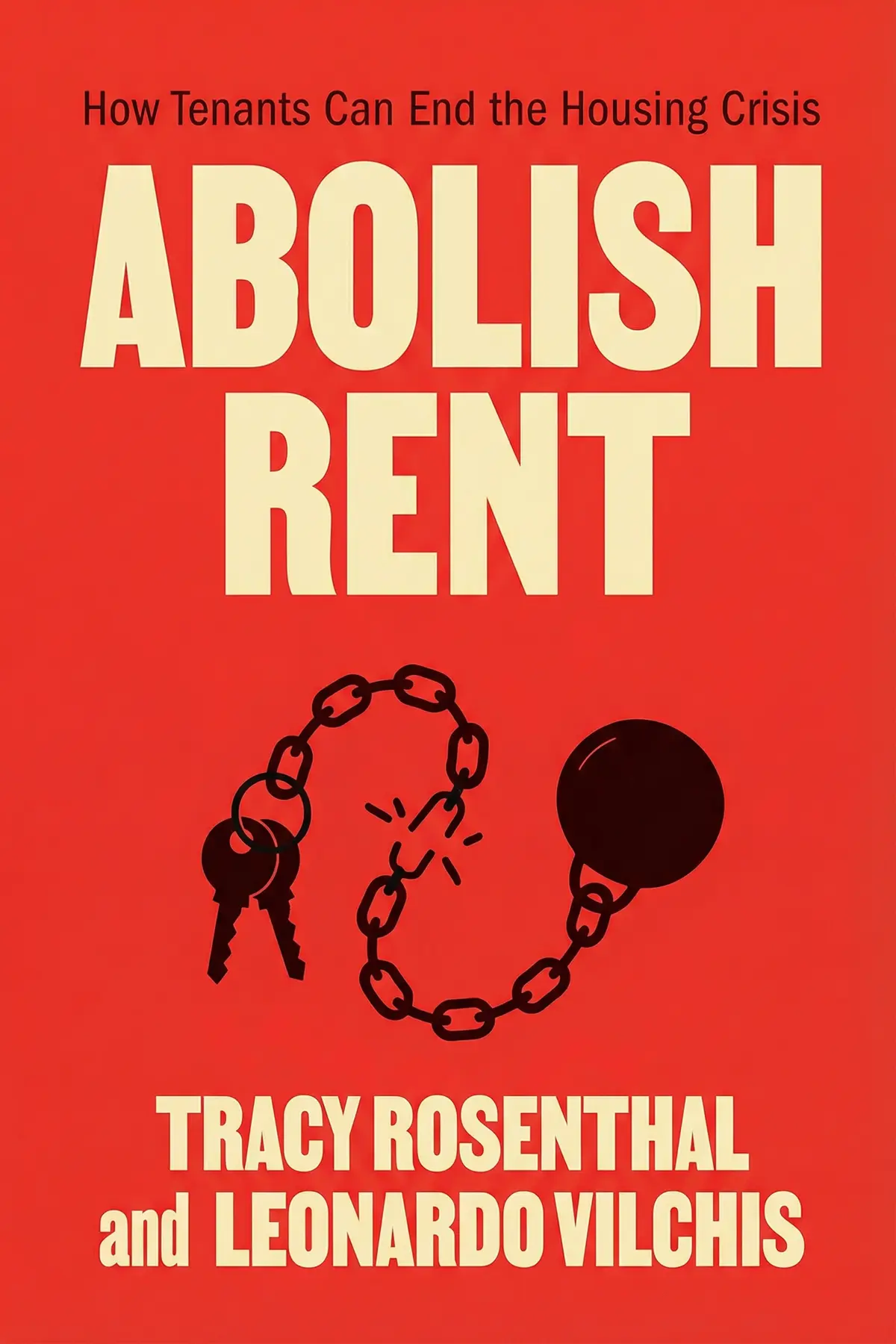
Tracy Rosenthal

Niall Kishtainy
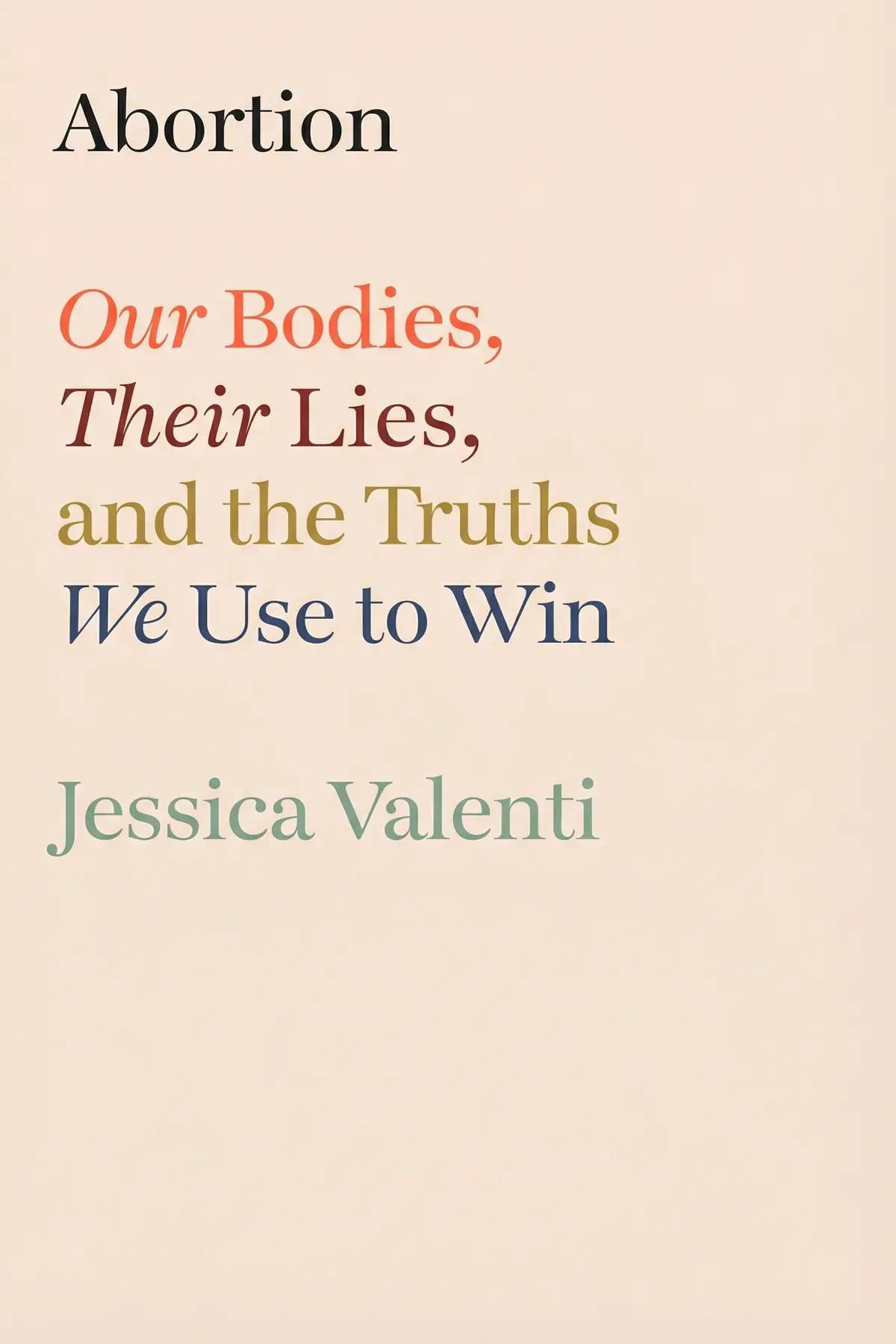
Jessica Valenti
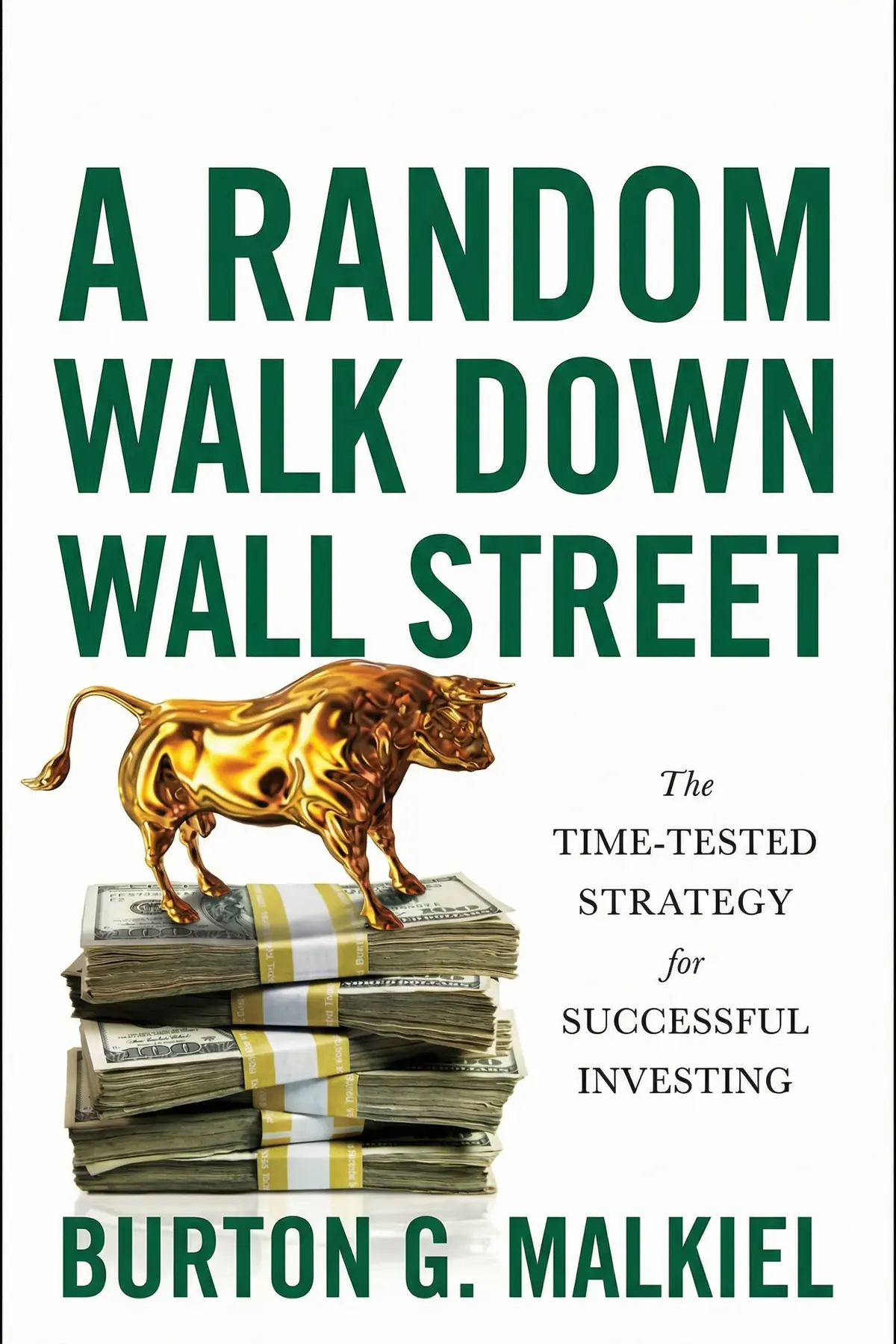
AUDIO SUMMARY AVAILABLE
Get the key ideas from The Happiness Industry by William Davies, plus 5,000+ more titles in English and Thai.







