
16 min 36 sec
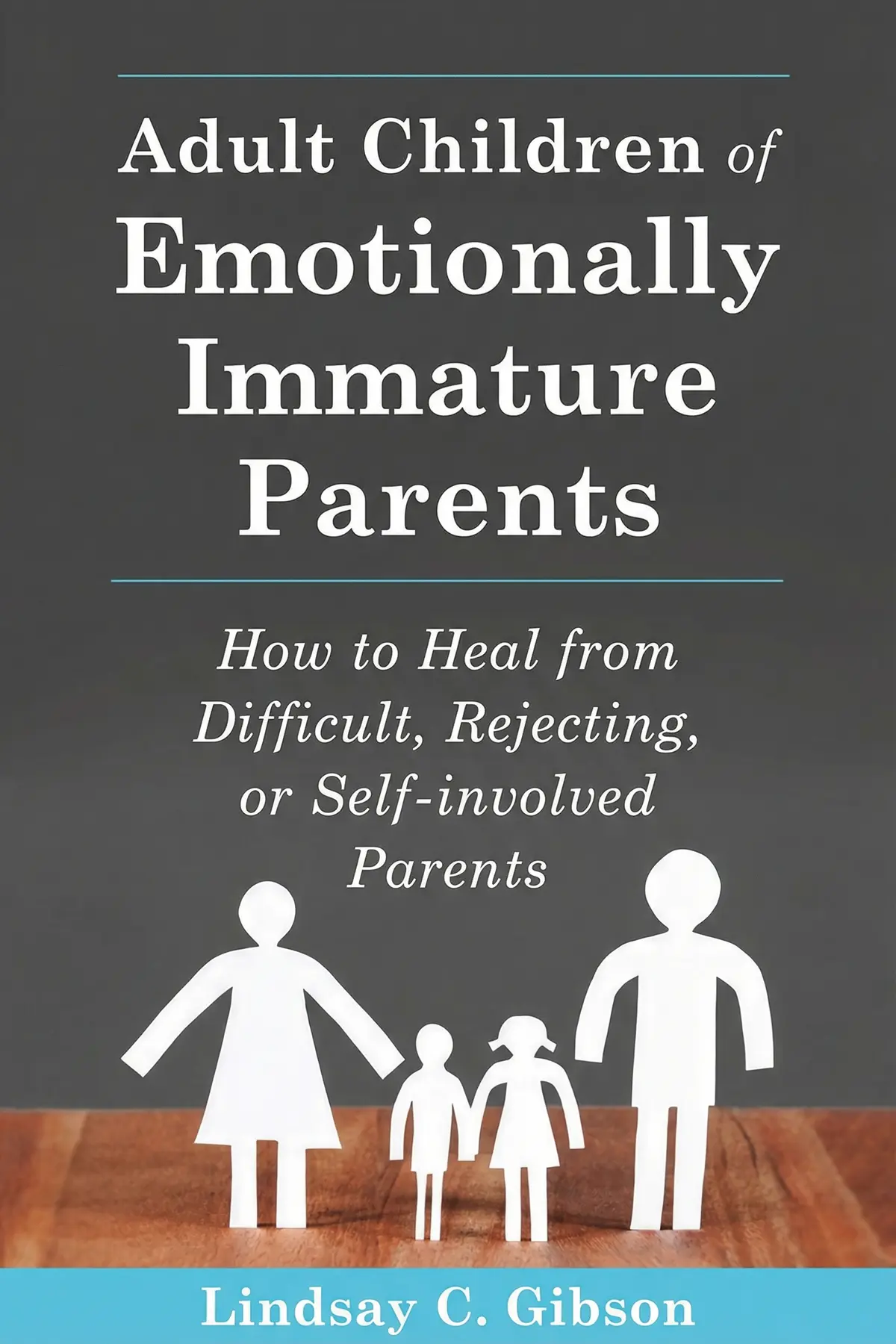
The Happy Kid Handbook: How to Raise Joyful Children in a Stressful World
By Katie Hurley
A practical guide to raising happy and resilient children by understanding their unique temperaments, fostering emotional intelligence, and prioritizing the power of play in a high-pressure modern world.
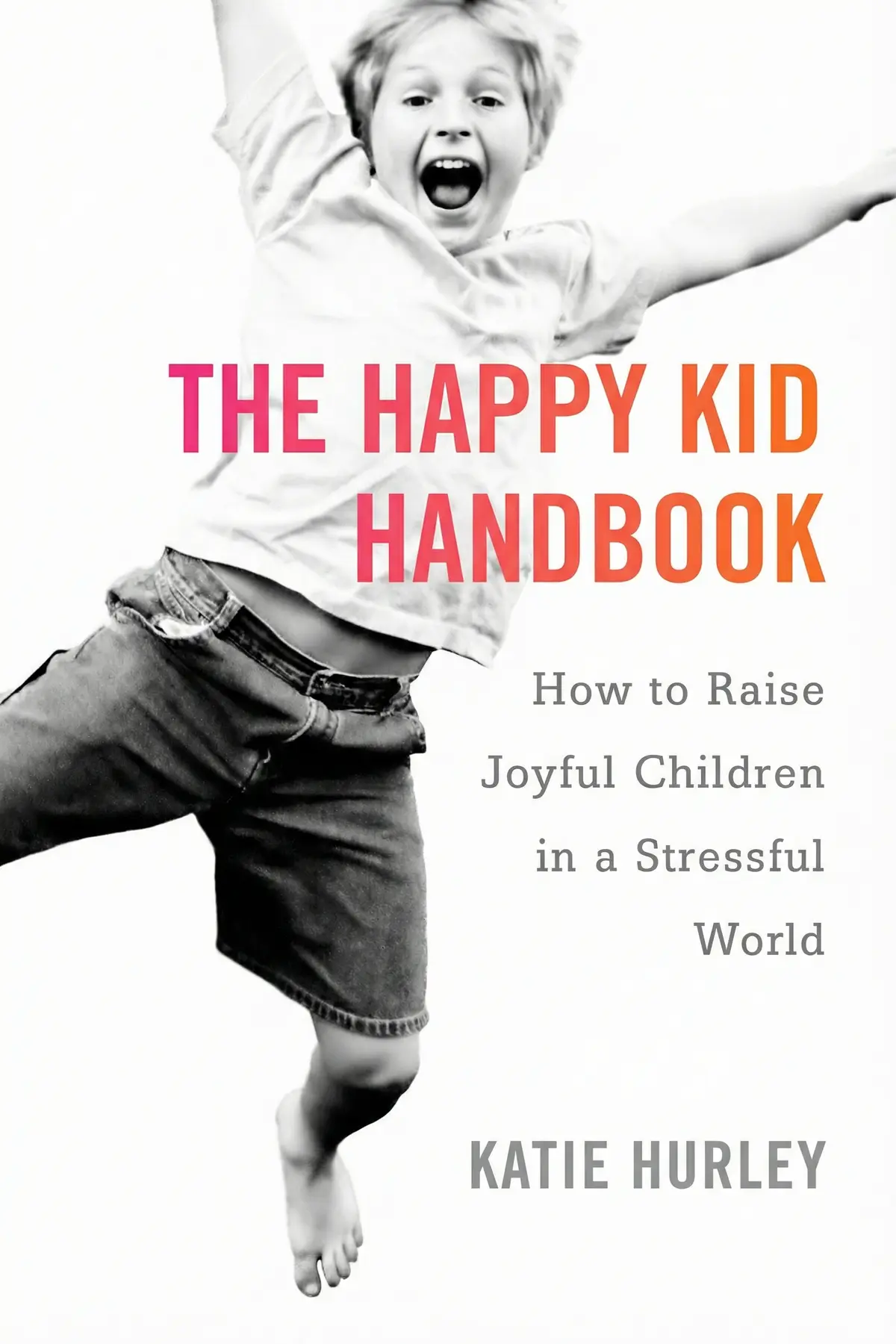
Table of Content
1. Introduction
1 min 44 sec
Everywhere you turn today, there is a new expert or a trending social media post telling you exactly how to raise your children. One week, the world is praising the discipline of high-achieving ‘Tiger Moms,’ and the next, everyone is discussing the merits of a more hands-off, ‘free-range’ approach. It is enough to make any parent feel overwhelmed and insecure. But in the middle of all this noise, we often forget the most vital source of information available to us: the children themselves. What if the secret to raising a happy child wasn’t found in a textbook or a rigid set of rules, but in the quiet observation of who your child actually is?
This summary explores a philosophy of parenting that is built on attunement rather than control. It suggests that if we simply take the time to listen and watch, our children will show us exactly what they need to thrive. We are going to look at the different ways children process the world, from the quiet internal reflections of the introvert to the high-energy interactions of the extrovert. We will also dive into the transformative power of play—not as a break from learning, but as the primary way children make sense of their lives.
As we move through these ideas, the throughline remains clear: happiness is not something you can force or manufacture. Instead, joy is a natural byproduct of a child feeling seen, heard, and understood. We will talk about how to navigate the inevitable stress of the modern world, how to handle those big, difficult emotions that can sometimes feel scary for both parent and child, and why true fairness has very little to do with treating everyone exactly the same. By the end of this journey, you’ll have a new perspective on how to be the role model your child needs to grow into a resilient, empathetic, and truly joyful adult.
2. The Fallacy of Uniform Fairness
1 min 58 sec
Discover why treating every child the same way might actually be doing them a disservice and how individual attunement is the real key to happiness.
3. Nurturing the Inner World of Introverts
1 min 48 sec
Learn how to help your quiet child express their deepest feelings without feeling overwhelmed or embarrassed by external pressure.
4. Supporting the High-Energy Extrovert
1 min 51 sec
Explore why extroverted children need to talk through their problems and how to help them find the calm they often struggle to reach.
5. The Serious Business of Play
1 min 48 sec
Why play is the most important ‘work’ a child can do and how it serves as a laboratory for social and emotional development.
6. Validating the Spectrum of Emotions
1 min 56 sec
Find out why protecting children from negative feelings can backfire and how to help them navigate sadness and fear with confidence.
7. The Empathy Apprenticeship
1 min 44 sec
Why empathy must be modeled rather than taught and how siblings can play a unique role in your child’s emotional growth.
8. Defending Against Modern Stressors
1 min 44 sec
Identify the hidden sources of stress in a child’s life and learn simple techniques to help them regain a sense of calm.
9. Conclusion
2 min 03 sec
As we reach the end of our journey through this philosophy of raising happy children, it all comes back to a single, powerful shift in mindset: moving from a parent who manages a child to a parent who understands a child. We’ve seen that the road to joy isn’t paved with perfect rules or equal treatment for everyone, but with the careful, intentional act of listening. Whether your child is an introvert who needs a quiet space to process their feelings or an extrovert who needs to talk through every problem out loud, the key is to meet them where they are, rather than where you think they should be.
We have explored how play serves as the vital language of childhood and why we must protect it from the encroachment of adult schedules. We have also discussed the importance of making peace with difficult emotions—realizing that sadness and fear aren’t obstacles to happiness, but necessary parts of a full, resilient life. By modeling empathy and providing your child with the tools to manage the stresses of our modern world, you aren’t just making their childhood better; you are setting the foundation for their entire future.
Here is one actionable step you can take today: reconsider the value of the ‘junk’ in your house. Before you throw out that old luggage, those discarded first-aid supplies, or that pile of old concert tickets, think about their potential as props. Create a ‘prop box’ for your kids. By giving them these open-ended materials, you are fueling their imagination and giving them a physical space to act out the stories and emotions they are processing inside.
Ultimately, raising a happy child is about giving them the freedom to be exactly who they are. It is about creating a home where they are safe to fail, safe to be sad, and safe to play without judgment. When you become an attuned parent, you stop looking for answers in the outside world and start finding them in the unique, wonderful person standing right in front of you. That connection is the true heart of a joyful childhood.
About this book
What is this book about?
In a society where parenting advice is both abundant and contradictory, it is easy to lose sight of the most important factor in a child's development: their own unique personality. This guide explores how parents can move away from one-size-fits-all strategies and instead become deeply attuned to their child’s specific needs. It shifts the focus from external performance and rigid rules to internal well-being and emotional literacy. By following this approach, parents will discover how to support both introverted and extroverted children, why unstructured play is actually a critical developmental tool, and how to help kids navigate the stressors of modern school and media. The promise of this summary is a roadmap to fostering a deeper connection with your children, allowing them to build the resilience and joy they need to thrive in a complex world. You will learn to prioritize empathy and communication over correction and compliance.
Book Information
About the Author
Katie Hurley
Katie Hurley is an experienced child and adolescent psychotherapist and licensed clinical social worker based in Los Angeles. She is the creator of the Practical Parenting blog and has contributed her expertise to major outlets such as PBS Parents and The Huffington Post. In addition to her professional work as a parenting expert, she is a mother to two children.
Ratings & Reviews
Ratings at a glance
What people think
Listeners consider this an essential read for anyone raising children, offering plenty of valuable observations and direct advice. They value its emotional weight; one listener praises the combination of a supportive tone and academic research, while another draws attention to its emphasis on nurturing emotional durability. The book is lauded for its parenting philosophy, with one listener observing how it caters to the specific temperament of each child and another remarking that it assists in raising children who are less stressed.
Top reviews
Arthit
As a parent of two who is constantly overwhelmed by conflicting advice, this book was a much-needed calm in the storm. Katie Hurley writes with such warmth and expertise that you feel like she’s sitting right there on the couch with you. I appreciated the actionable tips for fostering EQ and teaching our little ones how to articulate their big feelings. My favorite takeaway was the idea of playing like no one is watching, which reminded me to get off my phone and actually engage. Raising happy kids isn't about being perfect; it's about meeting them exactly where they are in their unique journey. This is a must-read for anyone wanting to create a less stressed home environment for their family.
Show moreBunyarit
Wow, this was exactly the breath of fresh air my family needed after a very stressful school year. I’ve read a lot of parenting books, but Hurley’s approach to tailoring strategies to a child's specific temperament is incredibly helpful. The book is full of practical advice that you can actually implement before the sun goes down today. Look, we all want our kids to be happy, but we often forget that happiness requires specific tools and emotional depth. She bridges that gap with research-backed ideas that are presented in a very accessible and kind way. It’s grounded, authentic, and truly feels like a guide for the modern, busy parent. Highly recommend for anyone feeling a bit lost in the chaos of child-rearing.
Show moreErn
Katie Hurley feels like a mentor who actually understands the reality of raising kids in a high-pressure society. Her book doesn't demand perfection from parents; instead, it offers a hand-holding experience that makes raising happy kids feel achievable. I loved the 'screenshot the happiness' concept because it's such a beautiful way to frame our daily interactions. The research is woven in naturally, so it never feels like you're reading a boring academic textbook. It’s a very straightforward guide that helps you build a deeper connection with your child based on who they actually are. I’ve already recommended this to several friends in my playgroup who are looking for more peace at home and less conflict.
Show moreHazel
Finally got around to reading this handbook and it’s a goldmine for those with toddlers or elementary-aged kids who are struggling to navigate the complex emotional landscape of growing up in a fast-paced world. Hurley provides a very empathic framework that doesn't just bark orders but instead helps you understand the 'why' behind specific behaviors. I loved the emphasis on screenshotting the small moments of joy because parenthood often feels like a blur of chores and stress. The advice is straightforward, though I did find some of the gender roles a bit dated, which was a slight bummer. Still, the focus on building emotional resilience is top-notch and something every household needs right now. It really helps you feel like you aren't alone in the struggle to raise a happy, grounded human being.
Show moreGiulia
Truth is, I was looking for something that would help me understand my daughter's intense emotions better. This book delivered on that front by providing tons of useful insights into how kids process their world. The focus on building a foundation of emotional wellbeing is so vital in an age where kids are more stressed than ever before. To be fair, I did notice the 'daddy goes to work' tropes mentioned by other reviewers, which felt a little out of sync with modern families. However, the core guidance on raising happy, resilient kids is too good to ignore. It’s a solid read if you have younger children, though maybe less relevant for those with teenagers who have more complex social issues.
Show moreSombat
Ever wonder why your child reacts so differently to the same situation that their sibling handles with total ease? This handbook tackles that mystery head-on by exploring how temperament shapes our kids' daily experiences. I found the sections on savoring small moments particularly moving, especially since I'm a first-time grandmother trying to support my daughter. The advice is gentle and emphasizes that there is no one-size-fits-all approach to parenting. My only gripe is that it feels very geared toward the under-eight crowd, so it might not be the best fit for everyone. Still, the empathic tone mixed with practical tips makes it a worthwhile addition to your bookshelf for quick reference during tough days.
Show moreIngrid
Picked this up on a whim after a particularly rough week of tantrums and meltdowns. Gotta say, it really helped me shift my perspective on my son’s behavior by looking at it through the lens of his personality. The book is packed with actionable tips that focus on emotional depth and resilience rather than just discipline. While I agree with some critics that the categorization of kids can feel a bit rigid at times, the underlying message of empathy is solid. It’s a great resource for parents who want to move away from stress and toward a more joyful childhood. Definitely worth a read if you want a practical, heart-centered approach to parenting that respects the individual child.
Show moreMats
The chapter on temperament left me feeling a bit conflicted about the whole categorization process. While the author is clearly a knowledgeable therapist, her reliance on the introvert/extrovert binary felt a bit too simplistic for the complexities of a growing child. She uses her own kids as primary examples, but I wasn't entirely convinced that a five-year-old’s behavior can be so easily labeled for life. Frankly, I was hoping for more deep-dive research into developmental stages rather than just anecdotes about her daughter being chatty. The writing is quite wordy and took some effort to push through, even though I agree with the core message. It’s a decent starting point for new parents, but seasoned ones might find it a bit repetitive.
Show moreSeksan
I really wanted to love this given the rave reviews, but I found the writing style a bit too dense and wordy for my taste. While I totally support the importance of teaching EQ, I felt like the book focused too much on kids who are already pretty verbal. What about the kids who struggle to say a single word when they are upset? The author’s advice about observing your child is good in theory, but I wanted more concrete 'what to look for' tips beyond the basic introvert vs. extrovert categories. It’s not a bad book by any means, but it lacked the truly ground-breaking insights I was anticipating. It’s a fine choice if you want a broad overview of parenting with empathy.
Show morePrinya
Not what I expected from a licensed clinical social worker, to be perfectly honest with you. The narration on the audiobook version was upbeat and happy, which I liked at first, but the content felt lacking in actual scientific depth. It seemed like she was projecting fixed traits onto her kids at a very young age, ignoring things like birth order or school environment. For instance, her son is labeled an introvert simply because he has emotional outbursts and doesn't ask for playdates at age five. That just seems like a normal developmental stage for many boys that age, not a permanent personality type! I stopped listening halfway through because the categorization felt flawed and somewhat limiting for the children involved.
Show moreReaders also enjoyed




AUDIO SUMMARY AVAILABLE
Listen to The Happy Kid Handbook in 15 minutes
Get the key ideas from The Happy Kid Handbook by Katie Hurley, plus 5,000+ more titles in English and Thai.
- 5,000+ titles
- Listen as much as you want
- 7-day free trial
- Cancel anytime







