
7 min 22 sec
The Heart of Business: Leadership Principles for the Next Era of Capitalism
Explore how shifting focus from profits to human purpose can revitalize any organization. This summary demonstrates how empathy, shared values, and inclusive leadership lead to sustainable success and corporate transformation.
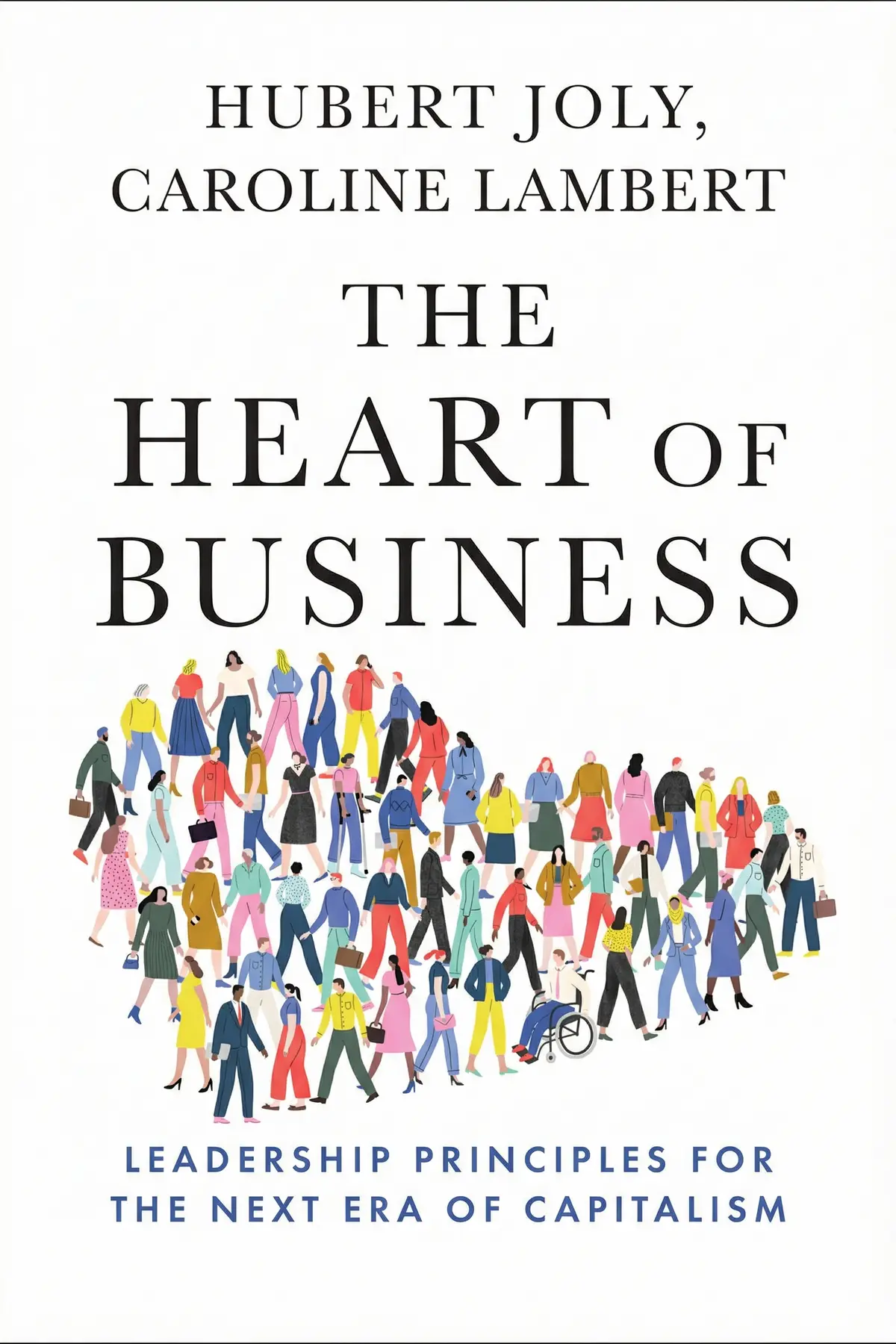
Table of Content
1. Introduction
1 min 02 sec
Imagine walking into a boardroom where the only thing that matters is the bottom line. For decades, this was the standard operating procedure for the corporate world. But then, a major retail giant faced an existential crisis, and its new leader decided to try something radical: he decided to focus on the human heart. This approach wasn’t just a soft-hearted experiment; it was a strategic overhaul that saved a company many thought was doomed.
Today, we’re looking at a philosophy that argues business is not a cold machine, but a vibrant community of people. It’s a vision that shifts the focus from maximizing quarterly earnings to finding a noble purpose. What this really means is that the success of an organization is inextricably linked to the well-being and engagement of its people. By the end of this journey, you’ll see why the most successful businesses of the future won’t be run by spreadsheets alone, but by a deep commitment to the people who make those businesses possible. We will explore how to move from a culture of compliance to a culture of contribution, where every individual feels they are part of something greater than themselves.
2. Moving Beyond Shareholder Supremacy
1 min 21 sec
What happens when a company cares more about its stock price than its people? We explore why the traditional focus on shareholder profit is a dead end.
3. The Power of a Noble Purpose
1 min 15 sec
Every successful organization needs a reason to exist that goes beyond making money. Discover how defining a meaningful mission can energize a workforce.
4. Cultivating Human Magic
1 min 17 sec
When employees feel a deep sense of belonging and support, they perform at their best. Learn the secrets to fostering an inclusive culture where shared values drive success.
5. The New Era of Human Leadership
1 min 15 sec
The era of the all-knowing boss is over. We look at why the most effective modern leaders prioritize humility, vulnerability, and the growth of their team members.
6. Conclusion
1 min 12 sec
As we’ve seen, the path to a successful and sustainable business isn’t paved with cold calculations, but with the warmth of human connection. The transformation from a profit-centric model to a purpose-driven one is not just a trend; it’s a fundamental shift in how we understand work and its role in our lives. By moving away from the outdated concept of shareholder supremacy and toward a noble purpose, companies can unlock a level of dedication and creativity that was previously untapped.
We’ve explored how creating an inclusive culture of shared values allows for human magic to take hold—where employees are empowered to bring their best selves to work every day. And perhaps most importantly, we’ve redefined leadership as an act of humility and service. The lesson here is clear: when you put people at the heart of your business, you don’t just create a better workplace; you create a stronger, more resilient, and ultimately more profitable organization. The future of business belongs to those who are brave enough to lead with their hearts. As you move forward in your own career, ask yourself how you can bring more purpose and connection to those around you. Because in the end, the most important thing a business can produce is not a product, but a positive impact on the lives of those it serves.
About this book
What is this book about?
This exploration details a radical shift in management philosophy, moving away from the cold logic of spreadsheets and toward the warmth of human connection. It centers on the idea that the primary goal of a corporation isn't just to generate wealth for shareholders, but to serve a greater purpose that benefits employees, customers, and the community. By examining the principles used to revitalize one of the world's largest retailers, the text illustrates how a focus on empathy and shared values can lead to sustainable growth and personal fulfillment. The narrative provides a blueprint for leaders at all levels to foster an environment where individuals feel seen and supported. It challenges the superhero model of leadership, advocating instead for humility and vulnerability. Ultimately, the book promises to show that when people are placed at the center of a business strategy, the results are not only more ethical but also more profitable in the long run. It is a call to rediscover the soul of the workplace and use human magic to drive performance.
Book Information
About the Author
Hubert Joly
Hubert Joly is a prominent business leader who served as the CEO of Best Buy from 2012 to 2019. During his tenure, he was responsible for leading a dramatic turnaround of the struggling electronics retailer. Following this successful leadership period, he joined the faculty at Harvard Business School. Today, he serves as a senior lecturer at the school, where he teaches courses focused on strategic leadership and organizational transformation.
Ratings & Reviews
Ratings at a glance
What people think
Listeners describe this business guide as an engaging and polished read that offers useful takeaways for corporate executives by using concrete illustrations. The text focuses on the importance of courageous and genuine management, with one listener pointing out its people-first philosophy toward commerce. Listeners value its powerful influence, mission-oriented perspective, and its role as a primary catalyst for achieving company-wide prosperity.
Top reviews
Ellie
Finally got around to reading Hubert Joly’s account of the Best Buy resurrection, and it’s genuinely refreshing. Instead of the usual ruthless cost-cutting manual, Joly highlights how he prioritized employee engagement and customer satisfaction over immediate stock prices. I loved the specific details about his first few days in the stores just listening to the staff. It’s rare to see a high-level executive admit that they didn't have all the answers from day one. While the writing leans a bit towards the corporate side, the underlying philosophy of "human magic" is incredibly compelling. It makes a strong case that profit is the outcome of a good purpose, not the sole objective. This is essential reading for anyone leading a team.
Show morePannipa
Wow. This isn't just another dry business memoir; it’s a profound meditation on why we work and what it means to lead with a soul. I was particularly moved by the way Joly describes his own transformation and his willingness to embrace his imperfections as a leader. The "Venn diagram" approach to finding purpose is a brilliant visual that I’ve already started using with my own management team to help them align their personal goals with our company mission. It’s rare to find a CEO who talks about "loving" their employees while also delivering a share price increase from $11 to $90. This is the blueprint for the future of capitalism. Bold, human, and deeply impactful.
Show moreKanokwan
After hearing so many horror stories about toxic corporate environments, reading about a "purposeful human organization" felt like a breath of fresh air for my cynical heart. Hubert Joly managed to take a dying dinosaur and turn it into a thriving, modern company by actually caring about the people on the sales floor. The way he discusses "work as a fulfillment of a dream" rather than a curse really changed my perspective on my own daily grind. It’s an authentic, heart-centered guide that shows business can be about more than just the bottom line. It’s a must-read for anyone who wants to lead with integrity and achieve massive results. Highly recommended for leaders at all levels.
Show moreHassan
Ever wonder how a big-box retailer survives the "Amazon apocalypse" without losing its soul? This book provides the answer through a combination of radical empathy and smart, people-focused strategy that focuses on long-term growth over quick wins. Joly’s writing is accessible and his "Five Be’s" framework offers a clear path for leaders who want to be more authentic in their roles. I especially appreciated the section on "reverse mentoring" and how it helps executives stay connected to the diverse realities of their workforce. It’s a powerful testament to the fact that when you treat people well, the profits will eventually follow. It’s compelling, well-written, and incredibly relevant for today's market.
Show moreSupaporn
This book is a compelling argument for a more humane version of capitalism, written by a man who has actually walked the walk. Joly and Lambert do an excellent job of blending high-level philosophy with the nitty-gritty details of a major corporate restructuring. While the style can be a bit formal in parts, the passion for "meaningful work" shines through every single page. It’s incredibly motivating to see that a focus on "human magic" can lead to such massive financial returns and improved employee engagement. Not gonna lie, I was skeptical at first, but the results Joly achieved at Best Buy are undeniable. If more CEOs operated with this level of heart and clarity, the business world would be a much better place.
Show moreGin
The chapter on the "Five Be's" of leadership really struck a chord with me because it feels so much more grounded than typical management fluff. Joly isn't just theorizing here; he’s sharing the battle-tested principles that saved a retail giant from the brink of bankruptcy against Amazon. It’s fascinating to track his personal growth from a McKinsey-style "profit-first" thinker to a leader who values vulnerability and authentic connection. Truth is, I did find some sections a bit repetitive, and a few more granular examples of "how" they handled specific HR conflicts would have been great. Still, the message about business being a force for good is vital in our current economic climate. A solid four-star guide for the modern era.
Show moreRiley
As someone who has spent years in retail management, I found the specific examples of the Best Buy turnaround to be the highlight of the entire book. Joly’s insistence on lowering the company's carbon footprint by half while simultaneously boosting morale is a masterclass in holistic success. He proves that you don't have to choose between being a "good" person and being a successful executive, which is a false dichotomy we've lived with for too long. The tone is quite earnest, which might turn off some of the more cynical readers, but the results speak for themselves. I would have liked more data on the long-term sustainability of these changes, but it's an inspiring read regardless. Definitely worth your time.
Show moreChatri
Picked this up after hearing Joly on a podcast, and I’m glad I did because his perspective on "distributed teams" and autonomy is spot on. Most business books are 300 pages of fluff that could have been a pamphlet, but this one actually keeps you engaged with real-world stakes. He doesn't shy away from the fact that Best Buy was on the verge of dying, and his humble approach to learning the business from the ground up is a lesson every MBA student needs. Frankly, it's a bit heavy on the inspirational quotes at times, but the core advice is practical and grounded in real success. Definite recommendation for new managers looking for an authentic voice.
Show morePairot
To be fair, a lot of the core concepts in this book aren't exactly revolutionary if you’ve been following modern leadership trends for the last decade. It often feels more like a collection of polished blog posts than a cohesive, deep-dive business strategy book. The emphasis on purpose and "putting people first" is a message I wholeheartedly agree with, but I was hoping for more "meat" regarding the actual logistics of the turnaround. It’s a pleasant read and Joly is clearly a brilliant, empathetic leader, but it didn't spark any major "aha" moments for me. It’s a solid reinforcement of good values, though perhaps a bit light on new intellectual territory. If you've read Sinek or Grant, you've heard much of this before.
Show moreAisha
Look, I know everyone is praising the "human-centered" approach, but it feels a bit like a PR-friendly rain dance for a system that is fundamentally broken. While Joly seems like a nice guy and the Best Buy story is impressive, the book avoids the deeper structural issues of late-stage capitalism in favor of feel-good anecdotes. If you are looking for a radical rethink of how our economy functions, you might be disappointed by the lack of systemic critique here. It’s basically a manual for making business slightly more palatable without changing the underlying power dynamics that prioritize shareholders in the long run. Personally, I found it a bit too shallow for such a complex topic. It felt more like a victory lap than a roadmap.
Show moreReaders also enjoyed
Acting with Power: Why We Are More Powerful Than We Believe
Deborah Gruenfeld
All In: How Great Leaders Build Unstoppable Teams
Mike Michalowicz
7 Powers: The Foundations of Business Strategy
Hamilton Helmer

A Bigger Prize: How We Can Do Better Than the Competition
Margaret Heffernan
AUDIO SUMMARY AVAILABLE
Listen to The Heart of Business in 15 minutes
Get the key ideas from The Heart of Business by Hubert Joly, plus 5,000+ more titles in English and Thai.
- 5,000+ titles
- Listen as much as you want
- 7-day free trial
- Cancel anytime







