
17 min 17 sec
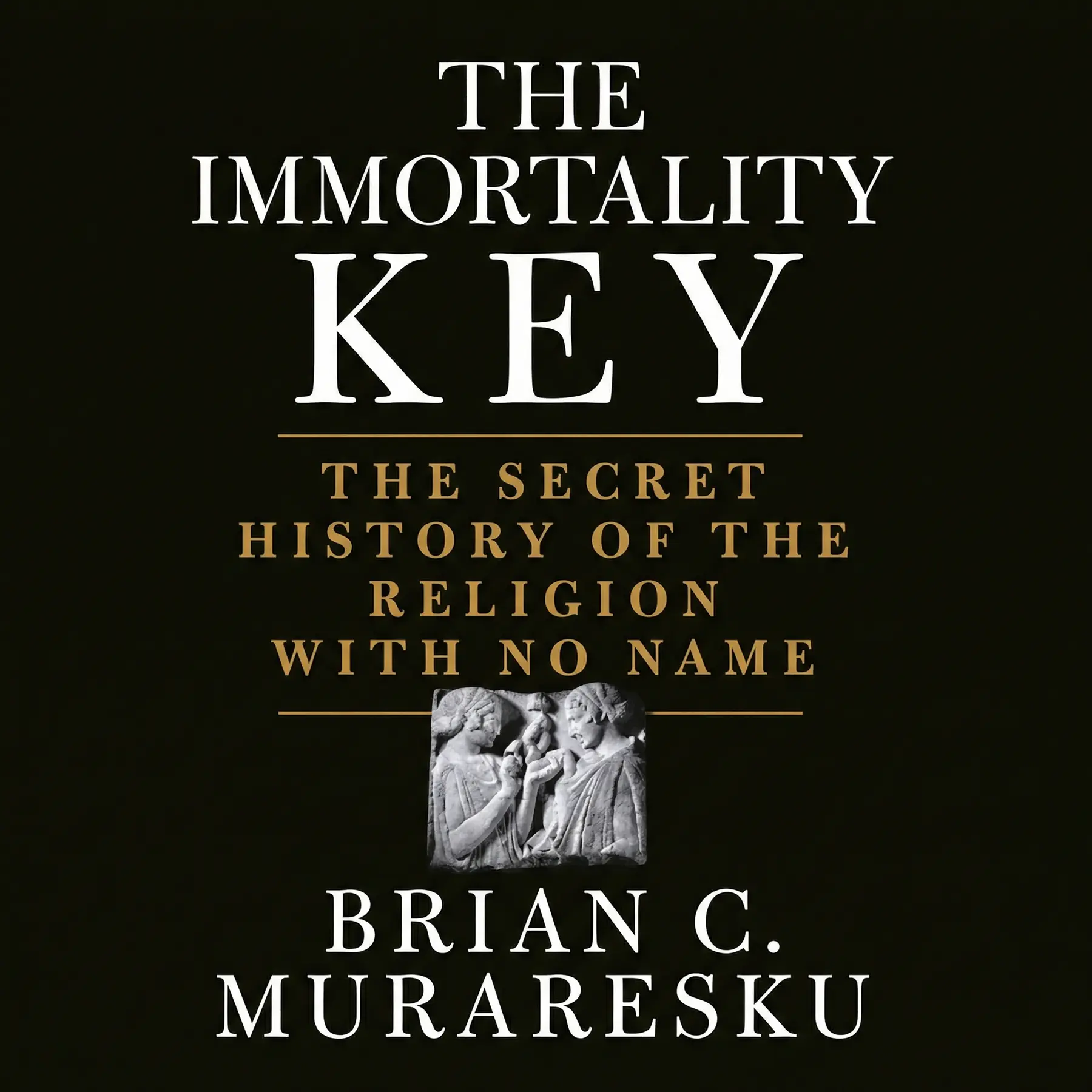
The Immortality Key: The Secret History of the Religion with No Name
A deep dive into the historical and archaeological evidence suggesting that the foundations of Western civilization and early Christianity were built upon visionary, psychedelic experiences hidden for centuries.
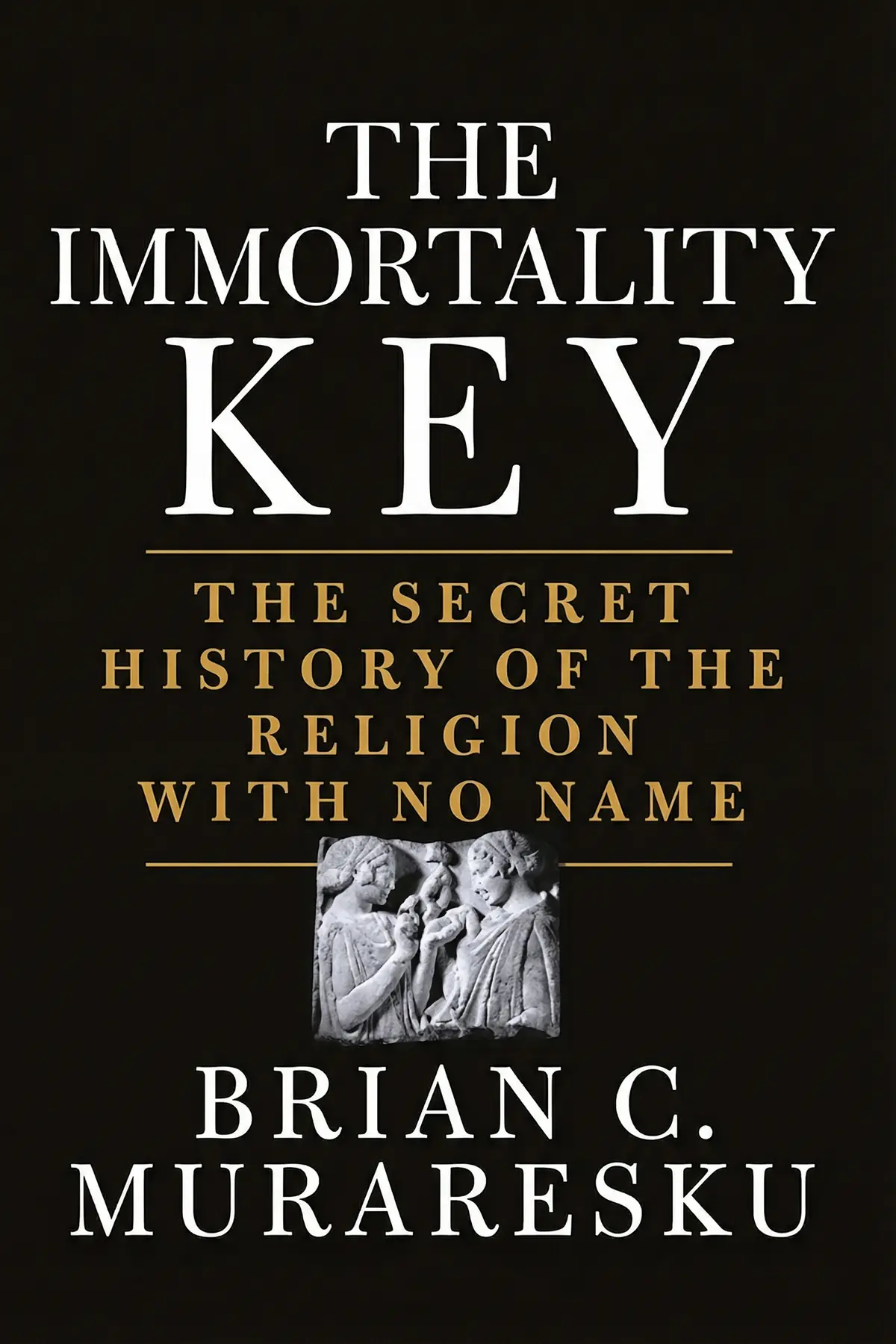
Table of Content
1. Introduction
2 min 01 sec
Every year, millions of people participate in religious services, taking part in rituals that have stood the test of time for two millennia. At the heart of the Christian tradition is the Eucharist—the consumption of bread and wine as a means of connecting with the divine. But what if the wine used today is just a pale shadow of what was once a transformative, mind-altering experience? What if the very foundations of Western civilization were built not just on philosophy and logic, but on a specific, chemically induced encounter with the afterlife?
In this exploration, we dive into a historical detective story that spans thousands of years. We are looking for a ‘lost’ tradition, one that links the secret mysteries of ancient Greece to the early followers of Jesus. This journey takes us from the dusty ruins of Mediterranean temples to the high-tech laboratories of modern scientists. The central question we’re asking is whether our ancestors used ‘entheogens’—natural psychedelic substances—to facilitate a direct, personal experience of God.
For centuries, this idea was relegated to the fringes of academia, often dismissed as a ‘hippie’ fantasy. However, recent breakthroughs in archaeology and linguistics are beginning to tell a different story. We are discovering that the ancient world was far more pharmacologically sophisticated than we previously thought. By re-examining old texts and analyzing the chemical residue left in ancient pottery, we can start to piece together a narrative that was intentionally erased from the history books.
This isn’t just a look at the past; it’s an investigation into the nature of belief itself. It’s about the shift from a religion of ‘experience’ to a religion of ‘dogma.’ As we uncover the throughline of this hidden history, we’ll see how a visionary tradition was slowly transformed into an institutionalized ritual, and what that loss has meant for the Western soul. Prepare to look at the origins of your own culture through a very different lens—one that suggests the ‘immortality’ sought by the ancients was something you could actually taste.
2. The Secret Rites of the Eleusinian Mysteries
2 min 19 sec
Ancient Greece’s most guarded secret promised a life without fear of death through a ritual beverage that changed everything.
3. The Chemical Evidence of Ancient Infusions
2 min 19 sec
Archaeological finds in Spain provide the ‘smoking gun’ for the use of psychedelics in ancient sacred rituals.
4. Dionysus and the Wine of the Soul
2 min 07 sec
The god of wine wasn’t just about intoxication; he was the gatekeeper to a state of ‘holy madness.’
5. The Christian Eucharist as a Visionary Rite
2 min 09 sec
Early Christian rituals may have been indistinguishable from the pagan mysteries, using the same visionary tools to connect with Christ.
6. The Erasure of the Feminine Brewsters
2 min 11 sec
The suppression of visionary rituals was also a suppression of the women who held the pharmacological keys to the ancient world.
7. The Council of Nicaea and the End of the Vision
2 min 09 sec
In the fourth century, the visionary experience was officially codified out of existence, making way for the modern Church.
8. Conclusion
2 min 02 sec
The story of the ‘Immortality Key’ is ultimately a story about the human search for meaning and our desire to transcend the limits of our physical existence. We have seen how the ancient world was built on a foundation of visionary experiences—rituals that allowed the greatest minds of antiquity to face death without fear. We have explored the archaeological evidence that suggests these visions were facilitated by sophisticated, mind-altering infusions, and we’ve seen how that tradition was nearly lost when it was absorbed and then suppressed by the institutional Church.
What does this mean for us today? It suggests that the ‘missing link’ in our modern lives might be the loss of that direct, personal connection to the transcendent. For centuries, Western culture has prioritized the ‘word’ over the ‘experience.’ We have built incredible structures of logic and faith, but we have often left out the very thing that makes those structures come alive: the felt presence of the divine. The ‘Immortality Key’ reminds us that our ancestors didn’t just talk about God; they experienced what they perceived to be the divine through the tools provided by the natural world.
As we look forward, the challenge is to integrate this ‘lost’ knowledge into our modern world. We don’t necessarily need to return to the ruins of Eleusis, but we can learn from the ancients’ respect for the ‘pharmakon.’ We can acknowledge that our brains have a capacity for visionary states that can lead to profound healing and a renewed sense of purpose. Whether through science or spirituality, the search for that ‘key’ continues.
In the end, the message is one of hope and continuity. The ‘Immortality Key’ hasn’t been destroyed; it’s just been waiting for us to find it again. By understanding our history, we can better understand ourselves. We can recognize that the urge to ‘die before we die’—to experience the eternal while still in the flesh—is one of the oldest and most beautiful parts of the human story. The door to that experience is still there, and perhaps, after all this time, we are finally ready to turn the key.
About this book
What is this book about?
This summary explores the provocative theory that the roots of Western spirituality are found in the intentional use of mind-altering substances. By tracing the lineage of ancient Greek mystery religions and their influence on the early Christian Church, it reveals how rituals once designed to provide a direct experience of the divine were gradually replaced by symbolic ceremonies. The narrative follows a search for the secret chemical recipes used in ancient spiked wines and beers. From the secret rites of Eleusis to the catacombs of Rome, we look at how archaeological finds are now beginning to back up what was long dismissed as mere myth. It ultimately challenges our understanding of the Eucharist and the historical shift from a feminine-led, visionary tradition to a male-dominated institutional hierarchy.
Book Information
About the Author
Brian C. Muraresku
Brian C. Muraresku is a legal professional based in Washington D.C. He serves as the founding executive director for Doctors for Cannabis Regulation. With an academic background from Brown University, where he studied Latin, Greek, and Sanskrit, Muraresku brings a unique linguistic perspective to historical research. The Immortality Key marks his debut as an author, combining his passion for classical studies with modern investigative techniques.
Ratings & Reviews
Ratings at a glance
What people think
Listeners find the work exceptionally well-researched, specifically regarding its look into religious history and psychedelics, and they value the superb prose and immersive narrative style. It is described as intriguing and evocative, with one listener highlighting how it shifts their view on organized religion. The tempo of the book gets varied feedback; while some consider it captivating, others characterize it as a slow grind.
Top reviews
June
Wow. This book completely reframed how I view the origins of Western spirituality. Muraresku takes us on a deep dive into the "pagan continuity hypothesis," suggesting that the early Eucharist was actually a psychedelic brew rooted in ancient Greek traditions. As a fan of both history and chemistry, I was hooked by the archaeobotanical evidence he digs up. To be fair, he does write with the flair of a thriller novelist, which makes the 400+ pages fly by, even when the data gets dense. The way he connects the Eleusinian Mysteries to the Dionysian cult and eventually to early Christianity is nothing short of brilliant. Look, whether you agree with his conclusions or not, the research into the suppressed role of women and sacred medicine is undeniable. It’s an intellectual adventure that feels like a more grounded version of a Dan Brown story. I finished this feeling a profound sense of awe for our ancestors' connection to the divine. Truly a masterpiece of historical detective work.
Show moreFatou
Ever wonder why the early Church was so intent on wiping out "witches" and their herbal brews? Muraresku presents a convincing case that the war on drugs is actually a 2,000-year-old war on spiritual autonomy. His journey through the Mediterranean to uncover the "Immortality Key" is both a scholarly triumph and a gripping travelogue. I was especially moved by the stories of modern cancer patients using psilocybin to find peace, mirroring the ancient rites of Eleusis. The truth is, the Catholic Church has spent centuries gatekeeping the divine, and this book tears down those walls with meticulous research. I loved the focus on the lost role of women in these rituals. It’s high time we acknowledge that our ancestors weren't just drinking "wine," but something much more potent. This book is a rare find—it changes your perspective on the world and makes you question everything you thought you knew about the Eucharist. Essential reading for seekers and skeptics alike.
Show moreDing
Finally got around to reading this and it’s a total game-changer. The Immortality Key isn't just a book about drugs; it's a book about the fundamental human desire to touch the infinite. Muraresku’s writing is evocative and deeply respectful of both the science and the mystery. He presents a history where the "holy" was something you experienced, not something you were told about. I found the connection between the ancient "science of awe" and modern psychedelic therapy to be the most compelling part. It makes the ancient world feel incredibly relevant to our current mental health crisis. In my experience, few books manage to be this informative while remaining so emotionally resonant. It’s a long journey, but every page feels like it’s peeling back another layer of a massive historical cover-up. If you want to understand the roots of Western civilization, you need to read this. Five stars without hesitation.
Show moreRuangrat
Nothing else I’ve read this year has challenged my worldview quite like this. Muraresku has a way of making 2,000-year-old history feel like a breaking news story. He traces the use of psychoactive "kykeon" from the secret rituals of Eleusis straight into the heart of the early Christian house churches. The way he highlights the suppression of women as the keepers of these "sacred medicines" is both enlightening and infuriating. Truth is, this book feels like a reclamation of a lost heritage. The writing is elegant, the pacing is mostly great, and the "insider" look at the Vatican was a total thrill. I loved how he stayed "sober" throughout his research to maintain his integrity; it adds a layer of objectivity to a subject that is usually shrouded in stoner tropes. This is serious scholarship disguised as a page-turner. If you’re even remotely interested in religion or history, buy this immediately.
Show moreClaire
The connection between the Greek cult of Dionysus and the Gospel of John was the "aha" moment for me. Muraresku’s deep dive into the "vine" imagery and the potential for fortified wines in the ancient world is genuinely brilliant. He managed to take a topic that could have been very "fringe" and turned it into a sophisticated, multi-disciplinary investigation. Frankly, I couldn't put it down. It’s refreshing to see someone tackle the origins of religion without the usual dogma or dismissiveness. The book is long, but I found the "slog" to be part of the experience—it felt like I was on the hunt alongside him. He asks the big questions: What if the Eucharist wasn't a symbol, but a technology for transcendence? It’s a bold, beautiful, and deeply researched book that deserves all the praise it’s getting. A definitive 5 stars for shifting the paradigm.
Show moreFon
Picked this up after hearing Muraresku on a podcast and was immediately sucked into the mystery of the "God pill." The author’s passion for the subject is infectious, and his linguistic skills are impressive, especially when he’s decoding ancient Greek and Latin texts. I particularly enjoyed the sections on the "science of awe" and how these substances might have helped people "die before they die." However, I’ve got to say that some of the connections he makes feel like a stretch, especially the jump from prehistoric beer to the literal Last Supper. It’s a compelling narrative, but there are moments where the evidence feels a little thin compared to the grandiosity of his claims. Still, the exploration of the Vatican’s secret archives was absolutely fascinating. It’s a thought-provoking read that challenges the orthodox history of the Church. Even if it’s a bit of a slog in the middle, the payoff is worth it for anyone interested in the intersection of drugs and religion.
Show moreChee
As a former theology student, I found Muraresku’s exploration of the "Dionysian Jesus" to be absolutely riveting. He manages to bridge the gap between classical antiquity and the birth of Christianity in a way that feels both fresh and dangerous. The chapters detailing his visits to the Vatican archives felt like a high-stakes spy novel, which kept the pacing brisk despite the heavy academic subject matter. Not gonna lie, some of his "leaps" regarding Gobekli Tepe felt a bit ungrounded, but the core thesis regarding the Greek influence on the Gospel of John is incredibly strong. He captures that sense of "awe" perfectly. My only real gripe is that he tends to repeat himself, frequently reminding the reader of previous points as if he’s worried we’ve forgotten the trail of breadcrumbs. Regardless, it’s a beautifully written book that humanizes the ancient world. It’s a 4-star read for me, mostly because it succeeds in making me want to dig deeper into archaeochemistry.
Show moreRin
After hearing so much hype about the "psychedelic origins of Christianity," I went in with a healthy dose of skepticism. What I found was a remarkably well-researched, if sometimes over-enthusiastic, look at how the early Church evolved. Brian Muraresku writes with a lawyer’s precision and a poet’s soul. He doesn't just claim things were "spiked"; he looks at the chemical analysis of ancient storage jars and the linguistic nuances of the New Testament. Look, does he prove beyond a shadow of a doubt that Jesus was handing out ergot? No. But he makes the possibility feel plausible enough to warrant serious discussion. The book is a bit long-winded in parts, and the "journey" structure can be a little repetitive. But the core message—that we’ve lost a direct, experiential connection to the divine—is powerful. It’s a 4-star book that will definitely spark some heated debates at your next dinner party.
Show moreNew
The chapter on the "witches" of the 16th century was by far the highlight of this book for me. It provided a much-needed context for why these psychedelic traditions were eventually driven underground by the Inquisition. However, for every brilliant insight, there seemed to be fifty pages of the author describing his travels or what he ate for dinner. To be fair, Muraresku is a great writer, but he definitely needed a more ruthless editor to trim the fat. The book oscillates between being a serious scientific inquiry and a personal memoir, and those two styles don't always mesh well. I’m fascinated by the idea that the Eucharist was originally a spiked beverage, yet I wish there was more "hard" data and less "Dan Brown" style intrigue. It’s an interesting hypothesis with some thin threads of evidence. It’s worth a read if you have the patience, but don't expect a smoking gun. A solid 3 stars for the effort and the beautiful prose.
Show moreMilk
This book is a massive disappointment that relies far too heavily on wild speculation and "what ifs." While Muraresku is clearly enthusiastic, he makes enormous logical leaps that often ignore thousands of years of geographical and temporal separation between his "proofs." Frankly, it feels like he’s trying to force a pre-conceived narrative onto history rather than letting the facts speak for themselves. There is so much filler here that it could have easily been a long-form article instead of a bloated tome. I also found his subtle hostility toward organized Christianity quite off-putting, as it clouded the objective analysis I was hoping for. The writing style is overly dramatic, almost desperate to sound profound when the evidence is just "chemical traces on a single tooth." If you’re looking for rigorous historical analysis, look elsewhere. This is more of a speculative "alt-history" journey than a serious academic work. Two stars only because the descriptions of the Catacombs were interesting.
Show moreReaders also enjoyed
A Splendid Exchange: How Trade Shaped the World
William J. Bernstein
A Spy Among Friends: Philby and the Great Betrayal
Ben Macintyre

1491: New Revelations of the Americas Before Columbus
Charles C. Mann
A Year in the Life of William Shakespeare: 1599
James Shapiro
AUDIO SUMMARY AVAILABLE
Listen to The Immortality Key in 15 minutes
Get the key ideas from The Immortality Key by Brian C. Muraresku, plus 5,000+ more titles in English and Thai.
- 5,000+ titles
- Listen as much as you want
- 7-day free trial
- Cancel anytime







