
15 min 05 sec
The Inner Clock: Living in Sync with Our Circadian Rhythms
Explore the fascinating science of circadian rhythms and discover how aligning your lifestyle with your biological clock can transform your health, energy levels, and sleep quality in a modern, artificial world.
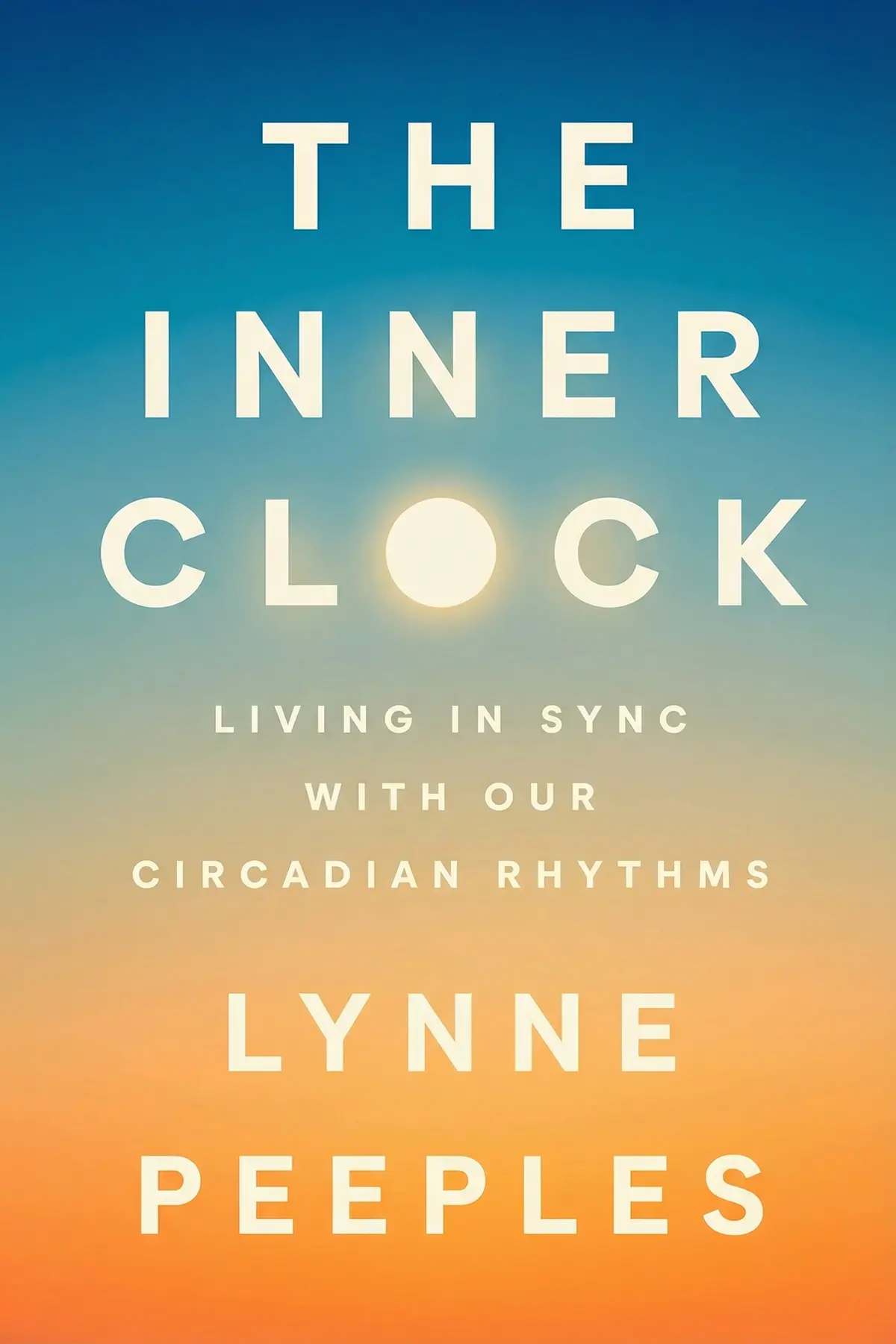
Table of Content
1. Introduction
1 min 41 sec
Have you ever felt like you’re constantly swimming against the current of your own body? You might struggle to keep your eyes open during a mid-afternoon meeting, or perhaps you find yourself staring at the ceiling at 3:00 a.m., your mind racing despite your exhaustion. These moments are more than just minor annoyances; they are signals that you’ve drifted away from the fundamental pulse of life. Every living creature on this planet, from the most microscopic organism to the largest mammal, operates according to a profound, ancient rhythm. This is the symphony of the internal clock.
In our contemporary world, we have largely abandoned the natural cues that once dictated our schedules. We live under the constant glow of LEDs, work through the night, and eat at hours that would baffle our ancestors. The result is a profound disconnect between our biological needs and our daily realities. However, by peeling back the layers of circadian science, we can begin to see how these rhythms govern our health, our moods, and even our longevity.
This journey is about more than just getting a better night’s sleep. It’s about understanding the deep biological architecture that shapes who we are. We will explore how our ancestors adapted to different climates, how historical taxes on windows changed our relationship with the sun, and why your specific DNA might make you a natural-born night owl. By the end of this exploration, you’ll have a new perspective on how to align your life with the throughline of nature, unlocking a level of well-being that only comes when you finally stop fighting your own inner timing and start dancing to its beat.
2. The Biological Conductor of Life
2 min 23 sec
Every cell in your body contains a tiny timekeeper, all synchronized by a master command center in your brain that responds to the world around you.
3. The Genetic Heritage of Your Sleep
2 min 23 sec
Your preference for early mornings or late nights isn’t a personality flaw; it’s a biological trait inherited from your ancient ancestors.
4. The Legacy of Light and Architectural Shadows
2 min 32 sec
Historical policies like the window tax once physically blocked the sun from our homes, setting the stage for our modern struggle with darkness.
5. The High Cost of Temporal Friction
2 min 14 sec
When our daily schedules clash with our internal clocks, it creates a dangerous form of physiological stress that can lead to chronic disease.
6. A Roadmap to Resynchronization
2 min 21 sec
Reclaiming your natural rhythm doesn’t require a return to the stone age; it starts with listening to your body and adjusting your relationship with time.
7. Conclusion
1 min 31 sec
The journey through the science of our inner clocks brings us to a singular, powerful realization: we are rhythmic beings in a non-rhythmic world. Our biological clocks are not mere suggestions; they are the fundamental framework through which our bodies experience life. From the master command center in our brain to the individual timekeepers in our liver and heart, we are built to live in harmony with the cycles of light and dark.
Modern life has provided us with incredible tools, but it has also created a rift between our schedules and our biology. The price of this rift is seen in our rising rates of chronic illness, our struggles with mental health, and our collective exhaustion. However, the throughline of this exploration is one of hope. We are not permanently broken; we are simply out of sync. By honoring our genetic chronotypes, managing our light exposure, and respecting the need for consistency, we can bridge the gap between the ancient past and the modern present.
As you move forward, try to view your daily routine not as a list of chores, but as a series of biological appointments. Listen to the cues your body is sending you. Seek out the sun in the morning and embrace the restorative power of darkness at night. When you align your daily activities with your internal symphony, you do more than just survive the day. You unlock a more vibrant, healthy, and connected version of yourself. It is time to stop fighting the clock and start living in sync with the profound rhythms that govern our world.
About this book
What is this book about?
This guide explores the intricate biological mechanisms that govern the timing of our lives. It delves into the ancient origins of our internal clocks, from the deep-seated genetic traits we inherited from our ancestors to the modern environmental factors that throw us off balance. By examining the roles of light, genetics, and historical societal shifts, the book provides a comprehensive look at why we feel the way we do at different times of the day. The promise here is one of restoration and optimization. By understanding the science of chronotypes—whether you are naturally a morning person or a night owl—you can begin to restructure your daily habits to work with your body instead of against it. From the history of architectural lighting to the modern health risks associated with shift work and social jet lag, this exploration offers a roadmap for anyone looking to reclaim their natural vitality. It is an invitation to stop fighting your biology and start living in harmony with the rhythms that have sustained life for millions of years.
Book Information
About the Author
Lynne Peeples
Lynne Peeples is an accomplished science journalist whose expertise has been featured in renowned publications including Nature, Scientific American, and The Guardian. Formerly a staff reporter for The Huffington Post, she has spent her career translating complex scientific concepts for the public. Her academic background is distinguished, holding dual master’s degrees from New York University and the Harvard School of Public Health. Additionally, her contributions to the field of science journalism were recognized through her selection as a prestigious MIT Knight Science Journalism fellow.
Ratings & Reviews
Ratings at a glance
What people think
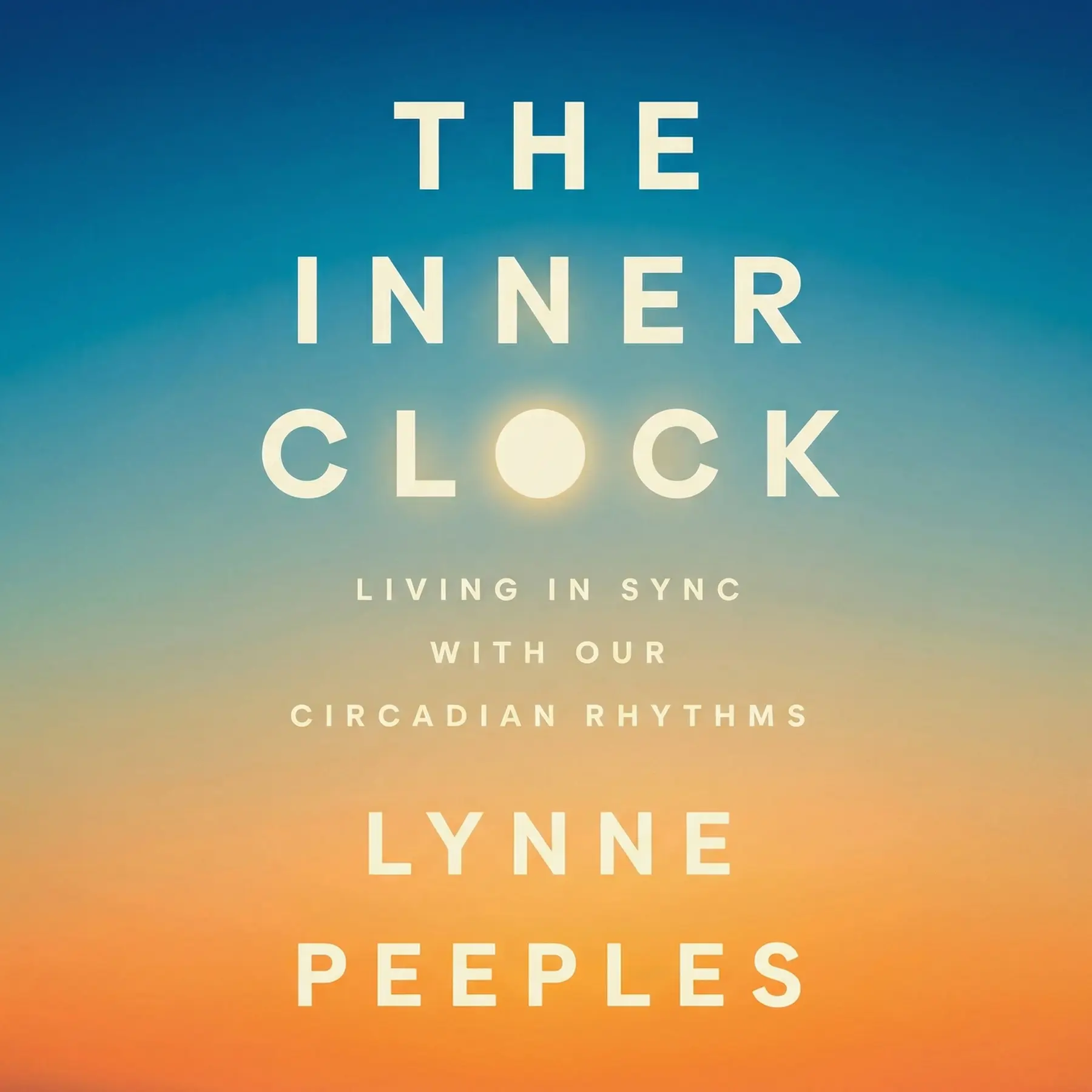
Listeners find the book consistently educational and engaging, with one review characterizing it as an enchanting journey into every aspect of biological clocks. Furthermore, the title earns praise for its focus on wellness, as one listener points out how curating spaces that support circadian health can enhance vitality and life expectancy. Listeners also value its flow, calling the book a masterful lesson in grasping the science of internal timing.
Top reviews
Thida
Ever wonder why you're a night owl in a world designed for early birds? This book explains exactly why your biology is working against your 9-to-5 schedule without making it feel like a personal failure. Lynne Peeples writes like she’s sitting right there in your living room, explaining complex biological clocks in a way that just clicks. I particularly loved the section on chronotypes—turns out I’m a 'dolphin,' which explains so much about my fragmented sleep patterns. The history of how we moved away from natural light cycles, from window taxes to the invention of LED bulbs, was absolutely fascinating. It’s less of a dry textbook and more of a master class in how our bodies actually function. I’ve already started making small changes to my morning light exposure, and I’m genuinely feeling more alert. This is easily one of the most informative books on health and longevity I’ve read in years.
Show moreSayan
As someone who struggles with shift work, this book felt like a lifeline. We often treat sleep like a luxury, but Peeples proves that our internal clock is actually the foundation of our entire physical and mental health. The way she breaks down the risks of heart disease and diabetes for those of us living out of sync with the sun was sobering but necessary. It’s a beautifully written exploration of how we can reclaim our health by just listening to our bodies. I loved the tips on using warm, dim lighting in the evening to mimic a natural sunset. The book isn't just informative; it's entertaining and paced like a good novel. I feel much more equipped to handle my irregular schedule now that I understand the biological 'why' behind my fatigue. It’s an essential read for anyone living in the modern, 24/7 world.
Show moreAkosua
Wow, I had no idea that 17th-century window taxes still had a spiritual successor in our modern LED bulbs! This book is such a delightful adventure through every facet of circadian rhythms. It manages to be both a scientific study and a call to action for better health. I loved learning about the 'mini-clocks' in our hearts and livers—it really changes how you think about eating late at night. The pacing is excellent, and Peeples does a fantastic job of making you care about the microscopic cells driving your behavior. It’s not just about sleep; it’s about how we relate to time itself. I feel much more in tune with my 'inner clock' now and have already seen improvements in my mood just by getting more morning sunlight. Truly a master class in understanding the rhythms of life.
Show moreSoontorn
The chapter on blue light was a total eye-opener for me, though not for the reasons I anticipated. Peeples does a great job illustrating how our modern environments are basically an assault on our internal rhythms. I found the section on melatonin timing especially helpful; I’d been taking it all wrong for months! While the book leans heavily into the 'science of why' rather than a 'list of how-tos,' the information provided is still incredibly practical for anyone looking to optimize their health. Truth be told, I did find some of the experimental sections a bit long-winded, and the pacing slowed down significantly toward the middle. However, the overall message about investing in circadian-friendly environments is powerful. It’s a delightful adventure through the history and future of chronobiology. Even if you aren't a science nerd, the way she connects these rhythms to everything from metabolic processes to mood disorders is compelling.
Show moreKamol
Lynne Peeples has a real knack for taking dense biology and turning it into a narrative journey. I was surprised by how much I enjoyed the historical context, especially the bits about 'knocker-ups' during the Industrial Revolution. It’s a fascinating look at how human-made schedules have slowly detached us from the natural world. My only gripe is that the marketing makes it look like a self-help book, when it’s really a deep dive into circadian science. If you go in with the right expectations, you’ll find a wealth of knowledge here. Personally, I found the research on how Neanderthal DNA affects our current sleep patterns to be the highlight of the whole thing. It’s a master class in science journalism that manages to be both educational and deeply human. Definitely worth a read for the curious mind.
Show moreCarter
Finally got around to reading this after hearing so much about circadian-friendly habits and how they improve longevity. I’m glad I did! The book is a fascinating exploration of the 'master clock' in the suprachiasmatic nucleus. I never realized how much our meal times and light exposure dictate our metabolic health. The writing style is very conversational, which helps when you're dealing with terms like 'suprachiasmatic.' I will say, there were moments where the author went on tangents that didn't feel necessary, especially the bits about her own vacations. But the core information about how to align your daily schedule with your natural energy peaks is gold. It’s a great mix of storytelling and data that kept me engaged until the very end. I’ve already recommended it to a few friends who are perpetual night owls.
Show moreNadia
Look, if you want a step-by-step 'how to sleep' guide, keep looking. But if you want to understand the profound connection between the Earth's rotation and your own well-being, this is the book for you. It’s science-heavy but written with the flair of a seasoned journalist, making it an easy and interesting read. I was particularly struck by the discussion on how high-rise buildings and artificial light contribute to our 'social jet lag.' While some of the COVID references might not age well, the core message about respecting our biological chronotypes is timeless. It’s a great reminder that we aren't just machines; we are biological beings that evolved under the sun. I walked away with a few great tips and a lot of food for thought. A solid 4-star read for anyone interested in the intersection of health and nature.
Show moreSuvannee
Picked this up because my sleep schedule is a dumpster fire and I needed a fix. I’ll admit, the science is cool—the idea that our organs have their own mini-clocks is wild—but the book felt more like a collection of magazine articles than a cohesive guide. Frankly, I was expecting a lot more actionable advice on resetting my habits. I learned a lot about why I feel tired, but I’m still not quite sure what to do about it besides 'get more sun.' The author’s personal stories were okay, but sometimes they felt like filler to hit a word count. Also, the dolphin/lion/wolf chronotype stuff is interesting, but it felt a bit like a personality quiz you’d find online rather than deep science. It’s an easy enough read, but if you’re looking for a strict self-help book for better sleep hygiene, this might leave you wanting more.
Show moreAndrew
Not what I expected at all. I was hoping for a roadmap to fix my insomnia, but instead, I got a memoir about the author sitting in the dark for weeks on end. In my experience, the personal anecdotes took up way too much space compared to the actual science. It felt like she wanted to write a biography but got stuck with a science contract. Plus, the constant mentions of the COVID pandemic already feel super dated and weirdly specific. There are some interesting facts about the suprachiasmatic nucleus, but they get buried under speculative research that doesn't always have a clear point. If you want a rigorous look at sleep hygiene, there are probably better resources out there that don't spend ten pages on blue light filters while ignoring the total volume of light exposure. It was just a bit of a slog for me.
Show moreNiramai
To be fair, the science is solid, but the execution felt scattered and a bit sensationalist at times. The author spends way too much time on circumstantial research without giving enough weight to established facts. For example, the focus on blue light filters felt disproportionate compared to the importance of the absolute quantity of light we receive. I also struggled with the tone; it felt like it couldn't decide if it wanted to be a scientific paper or a personal memoir. The anecdotes about living in darkness felt more like a stunt than a helpful experiment. While I appreciate the effort to make science accessible, it often came at the cost of clarity and practical application. I finished the book feeling like I knew a lot of trivia but didn't have a better grasp on my own sleep hygiene. Disappointing overall.
Show moreFeatured in
Readers also enjoyed

Alien Earths: The New Science of Planet Hunting in the Cosmos
Lisa Kaltenegger
A Life Decoded: My Genome: My Life
J. Craig Venter
AUDIO SUMMARY AVAILABLE
Listen to The Inner Clock in 15 minutes
Get the key ideas from The Inner Clock by Lynne Peeples, plus 5,000+ more titles in English and Thai.
- 5,000+ titles
- Listen as much as you want
- 7-day free trial
- Cancel anytime







