
26 min 32 sec
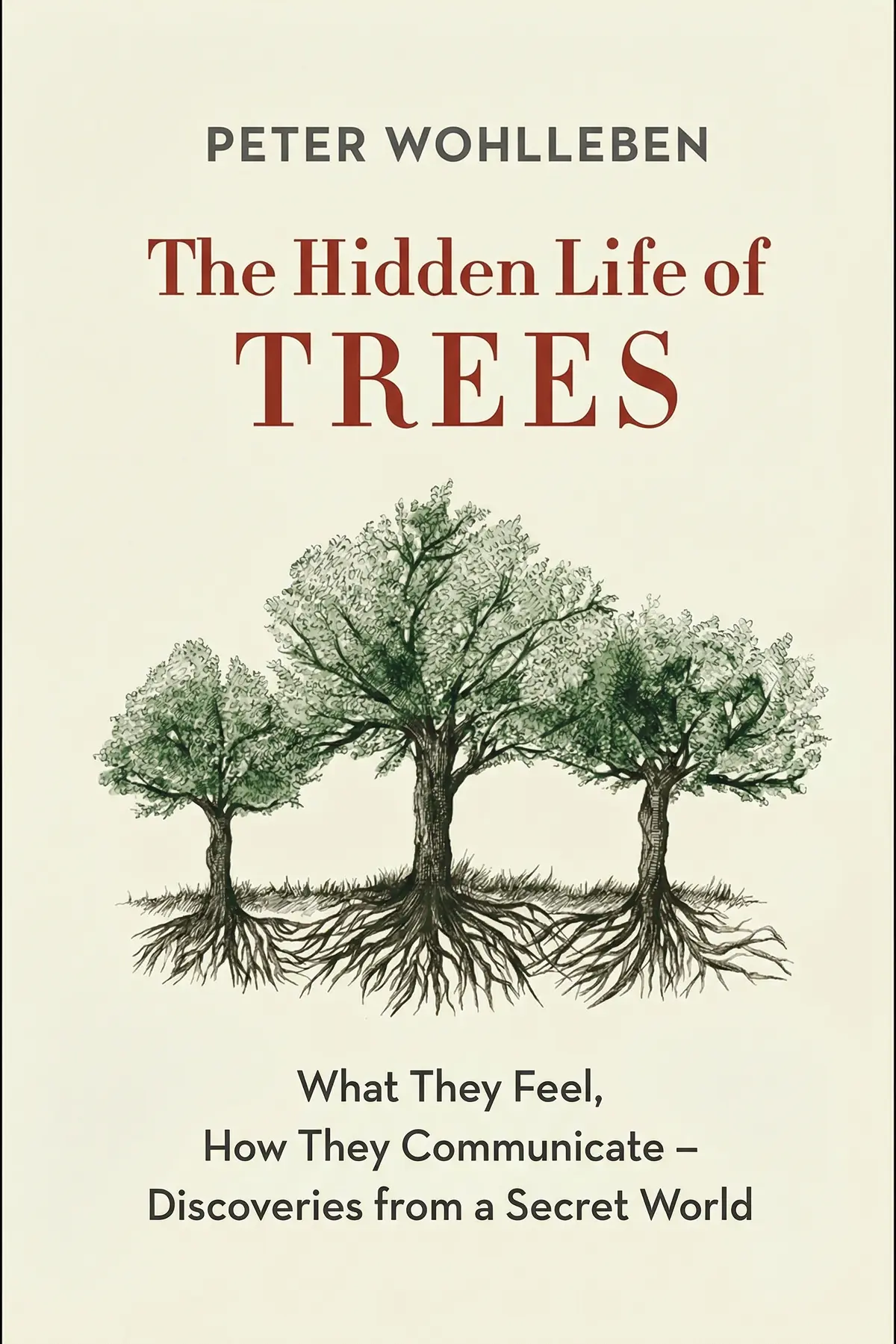
The Inner Life of Animals: Love, Grief, and Compassion – Surprising Observations of a Hidden World
A profound exploration into the emotional depth of the animal kingdom, revealing how creatures from pigs to ravens experience love, grief, and self-awareness in ways strikingly similar to humans.
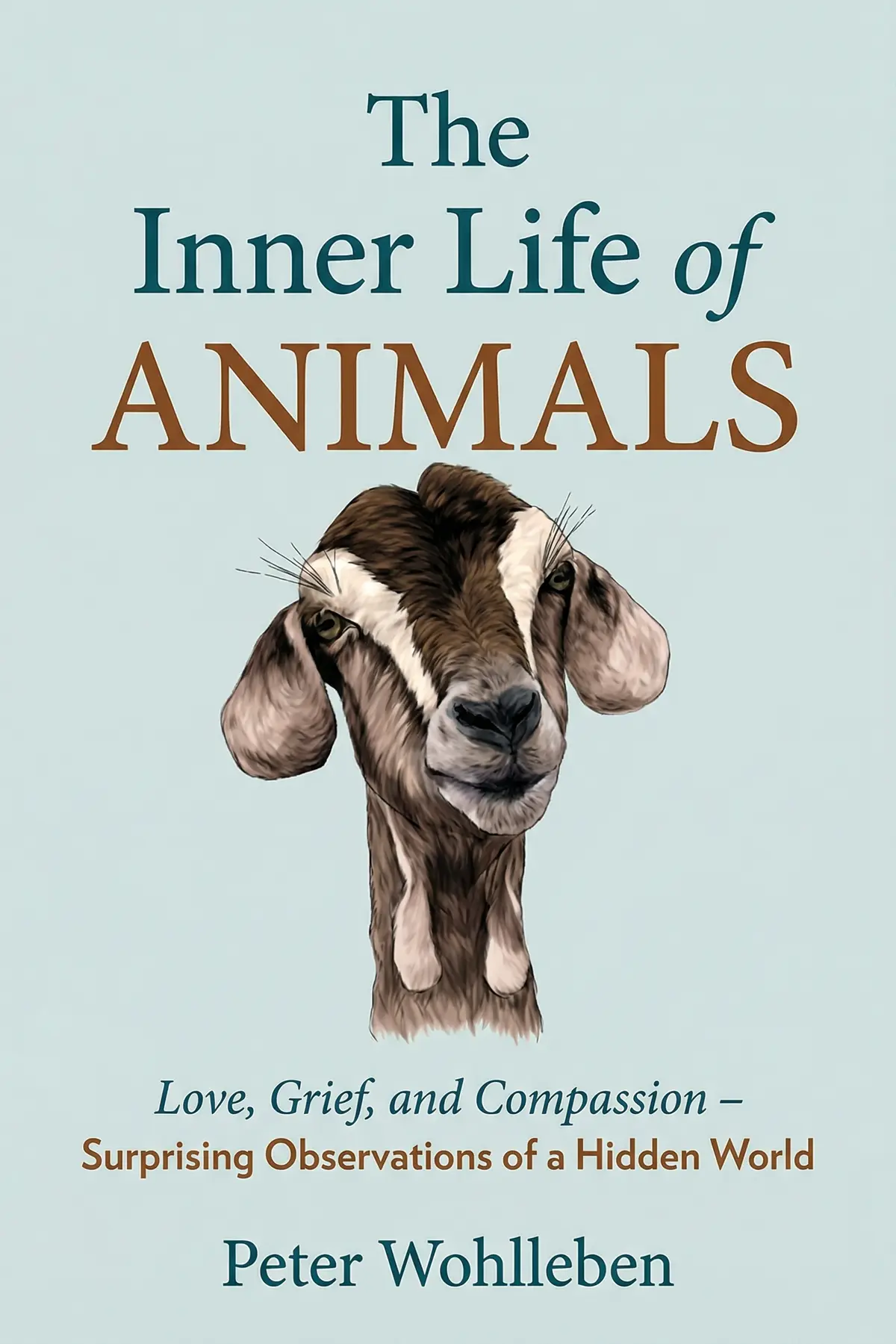
Table of Content
1. Introduction
1 min 35 sec
Imagine for a moment that you are standing in a quiet forest or perhaps just watching a dog in a suburban kitchen. We often see behaviors that look remarkably like our own. We see a dog hang its head when caught stealing food, or we see a mother bird tirelessly protecting her nest. For a long time, conventional wisdom suggested that we were just projecting our own feelings onto these animals—a mistake called anthropomorphism. We were told that while we feel love, grief, and shame, animals simply react to stimuli through programmed instincts.
But what if that perspective is not only limited but fundamentally wrong? In this exploration of the natural world, we are going to look behind the curtain of animal behavior to see the rich, vibrant, and often messy emotional lives that exist there. We are moving beyond the idea of animals as automatons. Instead, we will see them as individuals with fears, desires, and even a sense of self.
By weaving together scientific research with decades of firsthand observation from the forest, we will uncover a world where ravens have names for one another, where horses feel the sting of social embarrassment, and where even the smallest insects might be capable of dreaming. This journey isn’t just about understanding animals better; it’s about understanding our own place in the web of life and recognizing the biological heritage we share with every creature on this planet. Let’s begin by looking at why our shared history makes it almost certain that animals feel much more than we’ve traditionally given them credit for.
2. The Biological Mirror
2 min 15 sec
Explore why our shared evolutionary history means that human and animal emotions are built from the exact same biological blueprints.
3. The Bias of Utility
2 min 10 sec
Discover how the way we categorize animals as ‘useful’ or ‘harmful’ blinds us to their true intelligence and emotional complexity.
4. Hidden Languages and Unseen Worlds
2 min 19 sec
Uncover the sophisticated ways animals communicate their feelings, from the dual-frequency neighs of horses to the sign language of apes.
5. The Tug-of-War Between Instinct and Will
1 min 58 sec
Learn why the argument that animals are ‘just instinct’ fails when we realize how much of human behavior is also driven by the subconscious.
6. The Paradox of Human-Animal Bonds
2 min 06 sec
Analyze the deep, sometimes troubled, connections between people and animals, from the loyalty of dolphins to the dangers of over-breeding.
7. The Universal Language of Pain
1 min 52 sec
Examine the scientific evidence that proves even ‘lowly’ creatures like fish experience intense pain and fear, just as we do.
8. Mirror, Mirror: The Roots of Self-Awareness
2 min 03 sec
See the evidence for animal self-awareness through the fascinating results of the ‘mirror test’ and the use of individual names.
9. The Social Weight of Shame and Fairness
2 min 09 sec
Witness the surprisingly human social dynamics of animals, including their sense of justice and their capacity for embarrassment.
10. The Strategic Mind: Altruism and Deceit
2 min 07 sec
Explore the complex moral landscape of the forest, where vampire bats share meals and roosters use lies to get what they want.
11. The Theater of the Night
2 min 00 sec
Delve into the mysterious world of animal sleep and discover the evidence that suggests even fruit flies and rats dream of their daily adventures.
12. Evolution and the Question of the Soul
2 min 19 sec
Confront the profound question of whether animals have souls by looking at their awareness of death and the continuity of life.
13. Conclusion
1 min 39 sec
As we conclude our journey into the inner lives of animals, the picture that emerges is one of profound connection. We have seen that the emotions we once thought were uniquely human—shame, love, empathy, and even the capacity for deceit—are actually woven into the very fabric of the animal kingdom. From the clever pigs that outsmart hunters to the rats that dream of the mazes they’ve run, the evidence for animal consciousness is all around us.
This realization brings with it a significant responsibility. Once we accept that animals are sentient beings with complex inner worlds, we can no longer justify treating them as mere objects or industrial products. We have seen how our own biases often blind us to the intelligence of the ‘useful’ animals we consume and the ‘harmful’ ones we ignore.
The takeaway is not that we must all become perfect or that we can never interact with animals for our own needs, but rather that we must move forward with a new sense of decency. We should strive to treat every creature with the respect that a feeling, thinking being deserves. By acknowledging the biological and emotional heritage we share, we enrich our own lives. We no longer walk through a world of ‘things,’ but a world of ‘someones.’
Next time you see a bird in the garden or a dog in the park, take a moment to realize that there is a story happening inside them that is just as real as your own. They are dreaming, they are feeling, and they are living lives of quiet, hidden complexity. Recognizing that truth is the first step toward a more compassionate and connected world.
About this book
What is this book about?
Have you ever wondered if the animals around us—whether they are the pets in our homes or the wildlife in the woods—experience the world with the same emotional intensity that we do? This summary dives deep into the hidden lives of our fellow creatures, challenging the long-held belief that animals are merely biological machines driven by cold instinct. Through a combination of scientific study and intimate observation, the text explores the complex social structures and individual personalities found throughout nature. You will learn about the sophisticated communication of horses, the strategic altruism of bats, and the surprising intelligence of pigs. By the end, you’ll see that the line between human and animal consciousness is far thinner than we once thought, offering a new perspective on our moral responsibility toward the living world.
Book Information
About the Author
Peter Wohlleben
Peter Wohlleben is a German forester and the New York Times-bestselling author of the renowned The Hidden Life of Trees. He spent many years working as a civil servant in the forestry commission. He now works in his own woodland where he tries to apply alternative and more environmentally friendly forestry methods.
Ratings & Reviews
Ratings at a glance
What people think
Listeners find this book an accessible and pleasant experience, commending the high-quality writing and expert narrative style. Furthermore, the work is perceived as educational and thought-provoking, with one listener mentioning that the included research is explained in great detail. They also value the intriguing aspects of the narrative, specifically mentioning the portion on the Hidden Life of Trees, while one listener highlights the section on animal communication. The book's tempo is well-received, with one listener calling the experience soothing.
Top reviews
Elias
Ever wonder if the animals in your backyard are actually thinking and feeling just as deeply as we do? This book provides a resounding yes through a series of masterful stories that bridge the gap between humans and the wild. Wohlleben’s writing style is beautifully accessible, explaining complex ideas about animal communication and social structures without ever getting bogged down in jargon. I was particularly struck by the sections on pigs and their high level of intelligence, which really made me rethink some of my own lifestyle choices. The pacing is excellent, moving quickly from one fascinating species to the next while maintaining a sense of wonder throughout. It feels like a mystery unfolding, where the secret is the rich emotional life of every living thing. This is a must-read for anyone who feels a deep connection to the natural world.
Show moreEarn
Finally got around to reading this follow-up to Wohlleben’s tree book, and it was just as impactful in its own way. The author has a real talent for taking scientific studies and weaving them into narratives that feel personal and immediate. I loved the way he discussed the communication abilities of different species, making the forest feel like a bustling, chatty community. It’s a calming read that encourages you to slow down and actually look at the world around you. Not gonna lie, some of the stories about animal grief actually brought a tear to my eye. This isn't just a book about biology; it’s a book about the ethics of how we treat other living souls. If you want something that is both informative and spiritually fulfilling, this is exactly what you’re looking for.
Show moreLogan
Wow, what a beautiful journey through the minds of our fellow creatures! This book completely captured my imagination with its masterful storytelling and deep respect for the mystery of nature. It covers so much ground, from the courage of squirrels to the social bonds of bees, all while maintaining a brisk and engaging pace. I appreciated how the author explains various studies in full, giving weight to his observations about animal communication. It feels like a companion piece to The Hidden Life of Trees, expanding on that same sense of awe for the living world. The book is incredibly informative but never feels dry or academic. It left me with a renewed sense of gratitude for every animal I encounter, no matter how small. Truly a masterpiece of nature writing.
Show moreNikolai
After being completely captivated by Wohlleben's previous work on trees, I couldn't wait to dive into his take on the animal kingdom. The author has this incredible way of making you see the world through a different lens, turning ordinary forest encounters into profound moments of connection. While it doesn't quite have the same wow factor as his tree research, the stories about his goats and local wildlife are genuinely heart-warming. I found the pacing to be wonderfully calming, making it a perfect bedside read for winding down at night. Some might find his habit of attributing human emotions to every creature a bit much, but his passion is infectious. It’s not a dense scientific textbook, yet it somehow leaves you feeling more informed about the hidden complexity of the creatures we share our space with. It is a lovely addition to his trilogy.
Show moreWei
Picked this up on a whim because the cover was so inviting, and I ended up finishing it in just two sittings. The truth is, Wohlleben is a fantastic storyteller who knows exactly how to engage his audience with relatable examples and gentle humor. His observations of the goats on his farm are particularly delightful, highlighting the unique personalities that animals possess. It isn't a particularly long book, which makes it feel focused and punchy, though I did find myself wishing some chapters went a bit deeper. Some of the mysteries of nature he describes are genuinely eye-opening, especially regarding how animals perceive pain and fear. It’s a great introductory text for kids or adults who want to start viewing wildlife with more respect and empathy. Even if you don't agree with every conclusion, the perspective shift is worth it.
Show moreNarut
As someone who grew up in the city, I found these insights into rural life and forest dynamics absolutely fascinating. Wohlleben explains the inner workings of animal behavior with a level of warmth that you rarely see in traditional science writing. He manages to make you care about creatures you’d normally ignore, like worms or beetles, by illustrating their struggle for survival. Personally, I appreciated how the book challenges the idea that animals are just biological machines driven by instinct. There is a lot of heart in these pages, and the translation from German is smooth and lyrical. My only minor gripe is that it can feel a bit repetitive when he hammers home the same message about sentience in every chapter. Still, it’s a beautiful plea for a more compassionate relationship with the environment.
Show moreSurasit
Wohlleben writes with a palpable love for his subjects that is hard not to admire, even if you’re a skeptic. This book is a wonderful bridge for people who are just beginning to explore the idea of animal sentience. The chapters are short and digestible, making it easy to pick up and put down whenever you have a spare moment. I found the section on the emotional lives of farm animals like pigs and cows to be the most insightful part of the whole experience. He really highlights the moral implications of how we manage livestock without being too overbearing about it. While it’s more about observation than hard inquiry, the stories are well-written and stick with you long after you close the cover. It’s a gentle reminder that we aren't the only ones on this planet with feelings.
Show moreKavya
The chapter on ticks was where this book almost lost me entirely, as I just can't bring myself to empathize with blood-sucking parasites. To be fair, Wohlleben is a gifted observer and his enthusiasm for the natural world is truly undeniable. However, the book often feels like it's trying too hard to humanize creatures that are fundamentally different from us. While the stories about his dogs and horses are charming, I found the lack of hard data to support his claims a bit frustrating at times. It’s a very easy read and certainly informative for those who haven't spent much time around animals, but seasoned naturalists might find it a bit surface-level. It sits in a weird middle ground between a memoir and a nature guide. I enjoyed the calming tone, but I probably won't be revisiting it anytime soon.
Show moreYam
I really wanted to love this, but it felt like a collection of blog posts rather than a cohesive exploration of biology. The author relies far too heavily on personal anecdotes and gut feelings instead of providing the rigorous scientific inquiry I was hoping for. If you’ve ever lived with a dog or spent five minutes watching a bird, most of these revelations about animal emotions will seem incredibly obvious to you. Frankly, the level of anthropomorphism borders on the absurd at times, especially when he starts discussing the feelings of insects like ticks or flies. I prefer my nature writing with a bit more substance, along the lines of Frans de Waal. This was a fast read, sure, but it lacked the intellectual depth necessary to really change my mind about anything.
Show moreNarumon
This book was a bit of a disappointment after all the hype I'd heard surrounding the author. The introduction felt incredibly preachy, almost lecturing the reader on their perceived lack of empathy before the book even got started. While there are some interesting anecdotes scattered throughout, there are no actual trials or proofs offered to back up the bolder claims. It's all very anecdotal and subjective, which makes it hard to take the science part of it seriously. I found myself skimming through the parts where he got overly sentimental about insects or slime fungi. It says more about the author's own personality and family life than it does about the actual psychology of the animals he observes. I'd recommend sticking to authors who use peer-reviewed research if you're actually interested in animal cognition.
Show moreReaders also enjoyed

Beyond Words: What Animals Think and Feel
Carl Safina
Cod: A Biography of the Fish That Changed the World
Mark Kurlansky
Comfortably Unaware: What We Choose to Eat is Killing Us and Our
Richard A. Oppenlander

Cradle to Cradle: Remaking the Way We Make Things
William McDonough

Drinking Water: A History
James Salzman

Earth for All: A Survival Guide for Humanity
Sandrine Dixson-Decleve
Eating Animals
Jonathan Safran Foer
AUDIO SUMMARY AVAILABLE
Listen to The Inner Life of Animals in 15 minutes
Get the key ideas from The Inner Life of Animals by Peter Wohlleben, plus 5,000+ more titles in English and Thai.
- 5,000+ titles
- Listen as much as you want
- 7-day free trial
- Cancel anytime







