

19 min
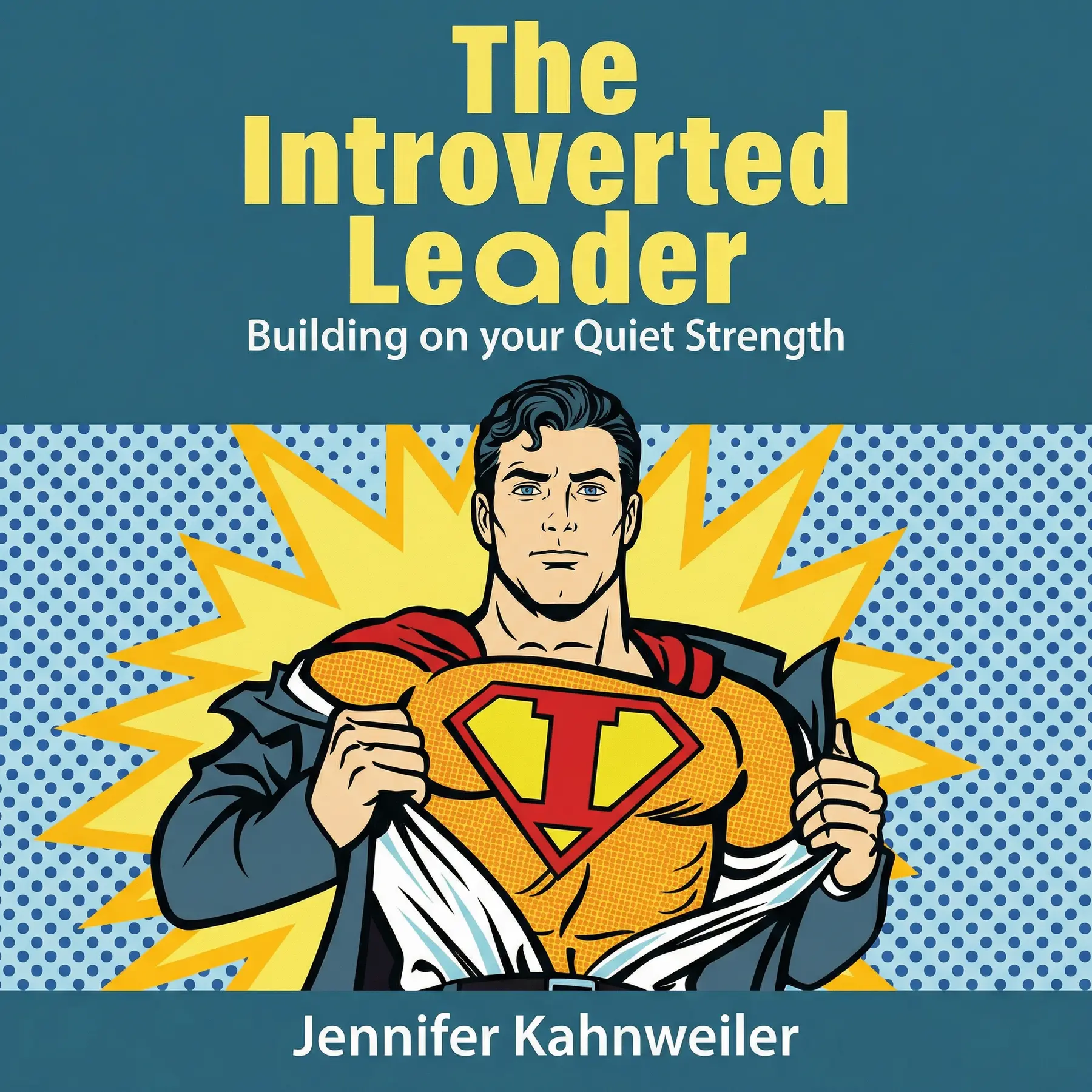
The Introverted Leader: Building on your Quiet Strength
The Introverted Leader explores how quiet professionals can thrive in an extroverted corporate world. It provides actionable strategies for introverts to leverage their natural strengths in listening and observation to achieve leadership success.
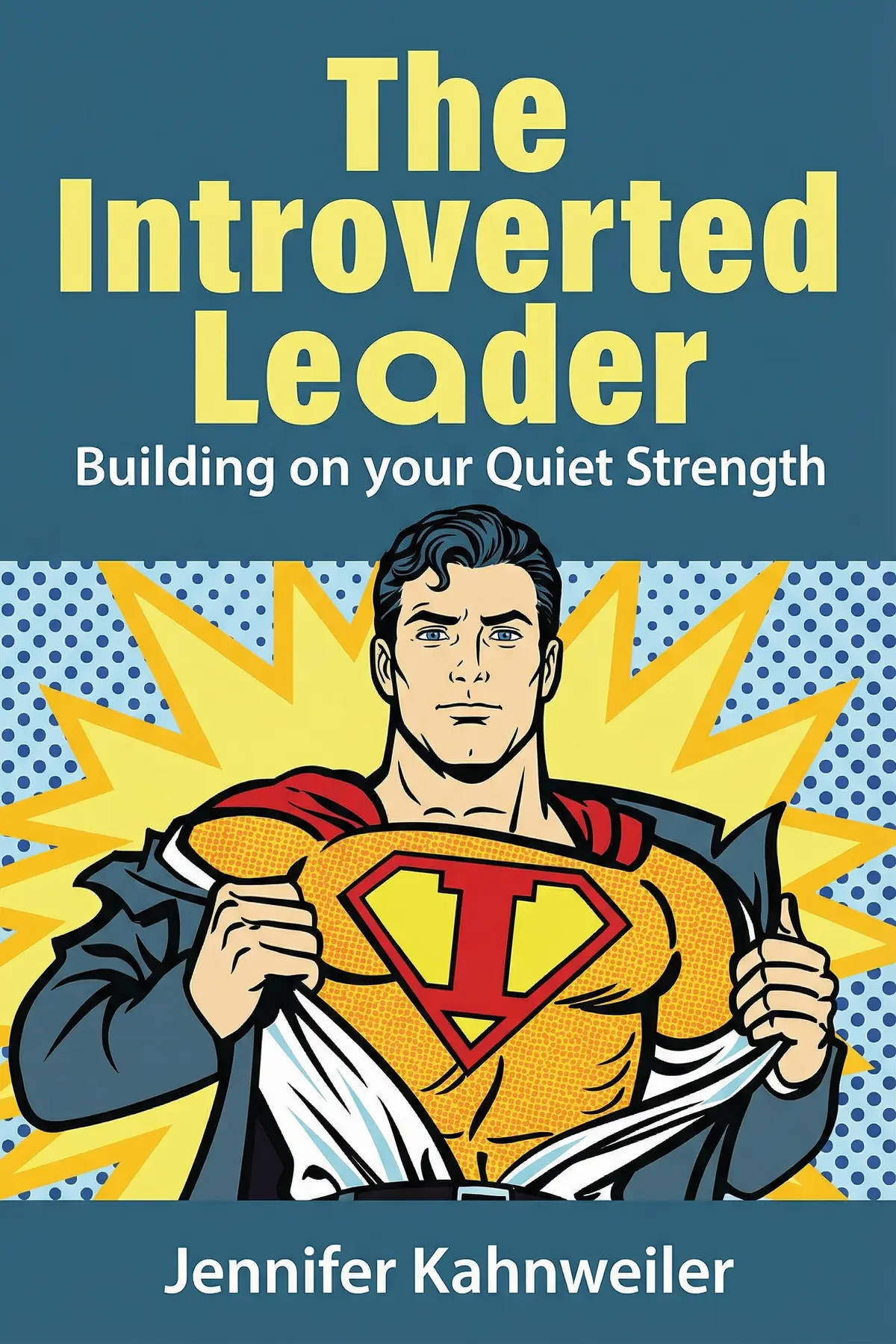
Table of Content
1. Introduction
1 min 59 sec
In a world that often seems designed for the loudest voice in the room, the traditional image of a leader is almost always an extrovert. We picture the charismatic orator, the tireless networker, and the person who thrives at the center of a bustling office. These individuals seem to naturally possess the qualities we associate with power: assertiveness, quick decisiveness, and a love for the spotlight. For many, the very definition of leadership is synonymous with extroversion. But if you identify as an introvert, this narrow definition can feel like a closed door. You might wonder if your preference for reflection over reaction, or your need for solitude over social stimulation, is a fundamental barrier to your career progression.
However, the reality of successful leadership is far more nuanced. As Jennifer Kahnweiler explores in The Introverted Leader, being quiet is not a deficiency to be cured, but a distinct style of engagement that offers hidden advantages. Some of history’s most effective and transformational leaders have been individuals who preferred the library to the ballroom. The challenge isn’t that introverts lack leadership potential; it’s that the modern corporate environment is often biased toward extroverted behaviors, forcing introverts to navigate a landscape that doesn’t always recognize their contributions.
This summary provides a bridge between the introverted temperament and the demands of high-level management. We will explore how you can harness your natural inclination for observation and deep thinking to outmaneuver more impulsive colleagues. You will learn why your tendency to pause before speaking is actually a professional asset, and how to manage the energy drain that comes from a culture of constant collaboration. By the end of this journey, the goal is to see your introversion not as something to overcome, but as the foundation of your unique leadership brand. We’ll look at practical strategies for making your voice heard, building influential networks on your own terms, and ensuring that your quiet strength is seen as the powerful tool it truly is.
2. The Science and Prevalence of the Quiet Temperament
2 min 00 sec
Introversion isn’t a rare trait or a sign of shyness; it is a fundamental personality type that represents nearly half of the population, including many top-tier leaders.
3. The Invisible Ceiling of the Quiet Contributor
1 min 35 sec
Introverts often lose out on high-profile opportunities because they wait for their work to speak for itself, while more vocal colleagues grab the attention of decision-makers.
4. Navigating the Social Exhaustion of Modern Business
1 min 45 sec
The modern office environment is designed for extroverts, making it essential for introverts to proactively manage their energy and protect their need for solitude.
5. Overcoming the Misperception of the Slow Thinker
1 min 46 sec
Introverts are often wrongly perceived as less intelligent or less engaged because they take more time to process information before they speak.
6. The Strategic Advantage of Thinking Before Speaking
1 min 45 sec
The very tendency that makes introverts seem slow is actually a powerful asset that prevents errors and builds high-level professional trust.
7. Harnessing the Power of Deep Observation and Listening
1 min 35 sec
Introverts excel at picking up on subtle cues and team dynamics that extroverts miss, allowing them to lead with greater empathy and precision.
8. Networking on Introverted Terms
1 min 43 sec
Forget the exhausting cocktail parties; introverts can build powerful professional networks by focusing on deep, one-on-one connections and digital platforms.
9. The Necessity of Stretching Beyond the Comfort Zone
1 min 36 sec
To reach the top, introverted leaders must occasionally embrace activities they find uncomfortable, such as public speaking and spontaneous phone calls.
10. Preparing for Success Through Intentional Practice
1 min 45 sec
Small talk and quick responses are skills that can be learned and practiced until they become a natural part of your leadership toolkit.
11. Conclusion
1 min 31 sec
As we have seen, the path to leadership for an introvert is not about transforming into someone else. It is about an intentional and strategic use of your natural temperament. We have explored how the ‘quiet’ traits of deep reflection, attentive listening, and careful preparation are not just personality quirks, but essential leadership competencies that provide a distinct advantage in a complex business world.
The throughline of the introverted leader’s success is the transition from ‘reacting’ to ‘acting.’ Instead of reacting to the extroverted world by withdrawing or feeling inadequate, you can act by managing your energy, preparing for social challenges, and positioning your contributions where they will have the most impact. You don’t need to be the loudest person in the room to be the most influential. In fact, your ability to provide a calm, steady, and well-reasoned presence is often exactly what a high-pressure team needs most.
The actionable takeaway here is to begin viewing your introversion as a specialized toolkit. Start small: plan your recovery time after big meetings, prepare three ‘stock’ questions for your next networking event, and find one opportunity this week to speak up early in a discussion to establish your presence. By honoring your need for solitude while also practicing the skills of visibility, you can build a leadership career that is both highly successful and deeply authentic. The world doesn’t need more loud leaders; it needs more leaders who have something meaningful to say and the quiet strength to say it well.
About this book
What is this book about?
The Introverted Leader addresses the common misconception that effective leadership is reserved for the loud and gregarious. Jennifer Kahnweiler demonstrates that while our business culture often rewards those who speak the loudest, introverts possess a unique set of "quiet strengths"—such as deep listening, careful preparation, and thoughtful reflection—that are essential for managing modern teams. The book serves as a roadmap for introverts who feel sidelined by the fast-paced, social demands of the office. It promises to teach quiet professionals how to navigate high-stakes meetings, build powerful networks without the exhaustion of small talk, and command respect without losing their authentic selves. By understanding the science of temperament and applying specific communication techniques, any introvert can move from the sidelines to the executive suite.
Book Information
About the Author
Jennifer Kahnweiler
Jennifer Kahnweiler is a renowned executive coach who specializes in the development of introverted leaders. She has worked as a consultant for Fortune 500 companies, and is also the author of Quiet Influence: The Introvert’s Guide to Making a Difference.
Ratings & Reviews
Ratings at a glance
What people think
Listeners find the book to be a functional resource filled with actionable advice and methods, proving especially helpful for introverts in the professional world. Furthermore, they value the framework tailored for quiet leaders and how it helps them distinguish themselves. Additionally, the work is praised for being easy to digest, empathetic, and highly relatable.
Top reviews
Sin
Ever wonder how some quiet people just seem to command the room effortlessly? This book explains the 'how' behind that quiet power. Jennifer Kahnweiler has written a fantastic guide that doesn't ask you to change your personality, but rather to refine your approach. The 4 P's—Prepare, Presence, Push, Practice—are now ingrained in my daily routine. I used the 'Prepare' phase for a major presentation last week and felt ten times more confident than usual. The book is filled with relatable content and real-world strategies that actually work in a corporate environment. I especially appreciated the tips on setting boundaries to avoid 'people exhaustion.' It’s a must-read for any introvert who wants to maximize their contribution at work without feeling like a fraud. It honestly changed the way I view my own quiet nature. This is easily one of the most useful business books I've ever purchased.
Show moreNoppadol
In my experience, most leadership books ignore the quiet power of the observer, but this one leans right into it. The Introverted Leader is a game-changer for anyone who feels like they have to shout to be heard. Kahnweiler provides a clear, structured path to overcome invisibility in the workplace. I loved the SAR method for situation-based leadership; it’s a simple tool that makes a huge difference in how you’re perceived. The book is very easy to read and feels like having a supportive coach in your corner. It helped me realize that my ability to listen and process deeply is a competitive advantage, not a weakness. For the first time, I feel like I have a strategy to handle networking and high-pressure meetings without losing my mind. This book is a practical, loaded guide that every 'quiet' leader should have in their bag. Highly recommended!
Show moreTawee
Finally got around to reading this, and I have to say, the 4 P's framework actually works if you apply it. Being a leader doesn't mean you have to be the loudest person in the room, but you do have to be present. Kahnweiler breaks down how to achieve that 'presence' without burning out. I found the networking tips especially grounded in reality—things like volunteering for a specific role at an event to give yourself a 'job' to do. The book is loaded with real-life strategies that I could implement the very next day at the office. My favorite takeaway was the idea of 'pushing' yourself in small, manageable increments. While some of the advice is basic, the structured approach is exactly what I needed to stop overthinking social interactions. It’s a quick, empathetic read that genuinely wants to see introverts succeed. Definitely worth a look for quiet professionals.
Show moreAom
Picked this up during a career transition, and it delivered some much-needed encouragement. The author does a great job of identifying the four key challenges—stress, perception gaps, derailed careers, and invisibility—that many of us face. I’ve definitely felt 'invisible' in the past, and this book gave me the kick in the rear to change that. I really liked the focus on 'preparation' as a core strength of the introvert. It reminded me that my tendency to over-prepare is actually a leadership asset, not a crutch. The writing is accessible and the tone is mostly supportive, even if the author is an extrovert. I didn't find it patronizing; I found it realistic about the demands of the modern workplace. It’s a great guide for anyone who wants to stand out without losing their authentic self. I’ll be keeping this on my shelf for reference.
Show moreWissanu
This book is essentially a toolkit for navigating an extrovert-heavy office. Kahnweiler’s approach is systematic and provides a lot of 'how-to' advice that other leadership books gloss over. I particularly enjoyed the sections on how introverts can 'manage up' and help their extroverted bosses understand their working style. It’s not about changing who you are; it’s about adapting your skills to different situations. The SAR method for project leading was a highlight for me. My only gripe is that it can feel a bit like a collection of seminar slides at points. That said, the readability is high, and the advice is actionable. If you’re an introvert in a leadership role feeling drained by the constant 'people' aspect of the job, this will give you some solid coping mechanisms. It’s a practical, empathetic guide that hits the right notes for the working professional.
Show moreKwame
As someone who has struggled with being overlooked in meetings, I found some of the practical tips here quite useful. The chapter on the 'perception gap' was particularly eye-opening for me. It’s true that people often mistake my silence for a lack of ideas or engagement. Truth is, the book is a bit of a mixed bag. On one hand, the 4 P's framework offers a structured way to handle high-stakes situations like public speaking or networking. On the other hand, the author's extroverted perspective sometimes misses the mark on why we function the way we do. It’s a very 'corporate' book—lots of charts and bullet points. It’s helpful if you’re a recent graduate or new to management and need a basic toolkit. Just don't expect a profound exploration of the introverted psyche. It’s a functional guide for surviving the office, nothing more.
Show moreMatteo
Look, the reality of the business world is that visibility matters, and Kahnweiler provides a roadmap for that. I appreciated the specific tools like the SAR (Situation, Action, Result) method for giving feedback. It’s a very practical, easy-to-digest book that doesn't waste much time on theory. Personally, I found the section on 'declaring yourself' to be the most valuable part of the entire text. Telling colleagues that you aren't aloof, just processing, is a simple but powerful move. However, the book does feel a bit dated and repetitive at times. The author tends to lean on the same few examples to prove her points. It’s a solid 3-star read: good for a flight or a weekend, but you’ll probably forget half of it a month later. It serves its purpose as a basic leadership primer for those of us who prefer the sidelines.
Show moreRatree
To be fair, I went into this with high expectations given the subject matter. However, I was quickly disappointed by the surface-level advice. The book relies heavily on the '4 Ps'—Prepare, Presence, Push, Practice—which felt like common sense stretched out over two hundred pages. It reads more like a transcript of a corporate seminar than a deeply researched psychological study. Not gonna lie, I’m tired of being told that the only way to succeed is to 'push' myself into extroverted behaviors that drain my battery. The author’s husband being an introvert doesn’t give her the street cred she thinks it does. The examples of leaders, like the Campbell Soup CEO, were interesting but didn’t feel replicable for someone not already at the top. It’s a quick read, but that’s mostly because there isn't much substance to chew on. It lacks the nuance required for such a complex personality trait.
Show moreThanakorn
Frankly, I found this book to be a bit of a letdown because it focuses entirely on how introverts must adapt to an extroverted world. Where is the section on how extroverted leaders can learn to listen or slow down? Kahnweiler treats the extroverted corporate culture as an unchangeable law of nature. As an introvert, I don’t need to be told to 'get some business cards' or 'just say hi' on an airplane. It assumes we are all socially inept or 'invisible' by default, which is a tired stereotype that needs to die. While the SAR method for feedback was a decent takeaway, the rest of the book felt like a collection of anecdotes that didn't provide any real 'aha' moments. The writing style is breezy but lacks the analytical depth I was hoping for. It feels like it was written for extroverted managers who want to 'manage' their quiet employees rather than for the introverts themselves.
Show moreMia
Why is a self-proclaimed extrovert writing a manual for us? It feels incredibly patronizing to be told how to 'fix' my personality by someone who admits she only understands introverts because she married one. The author seems to confuse introversion with a clinical lack of social skills or pathological shyness, which is frankly offensive. Throughout the chapters, the tone remains condescending, treating our natural preference for reflection as a 'perception gap' that needs to be bridged by acting more like her. The anecdotes feel like generic name-dropping from her motivational speaking circuit rather than genuine, helpful insights. I found the '4 P's' process to be a repetitive, shallow framework that basically boils down to 'try harder to be loud.' If you are looking for a book that actually celebrates quiet strength, skip this and read Susan Cain instead. This was a total waste of time for any self-aware professional.
Show moreReaders also enjoyed

7 Powers: The Foundations of Business Strategy
Hamilton Helmer

A Bigger Prize: How We Can Do Better Than the Competition
Margaret Heffernan

A Year with Peter Drucker: 52 Weeks of Coaching for Leadership Effectiveness
Joseph A. Maciariello


AUDIO SUMMARY AVAILABLE
Listen to The Introverted Leader in 15 minutes
Get the key ideas from The Introverted Leader by Jennifer Kahnweiler, plus 5,000+ more titles in English and Thai.
- 5,000+ titles
- Listen as much as you want
- 7-day free trial
- Cancel anytime







