
13 min 45 sec
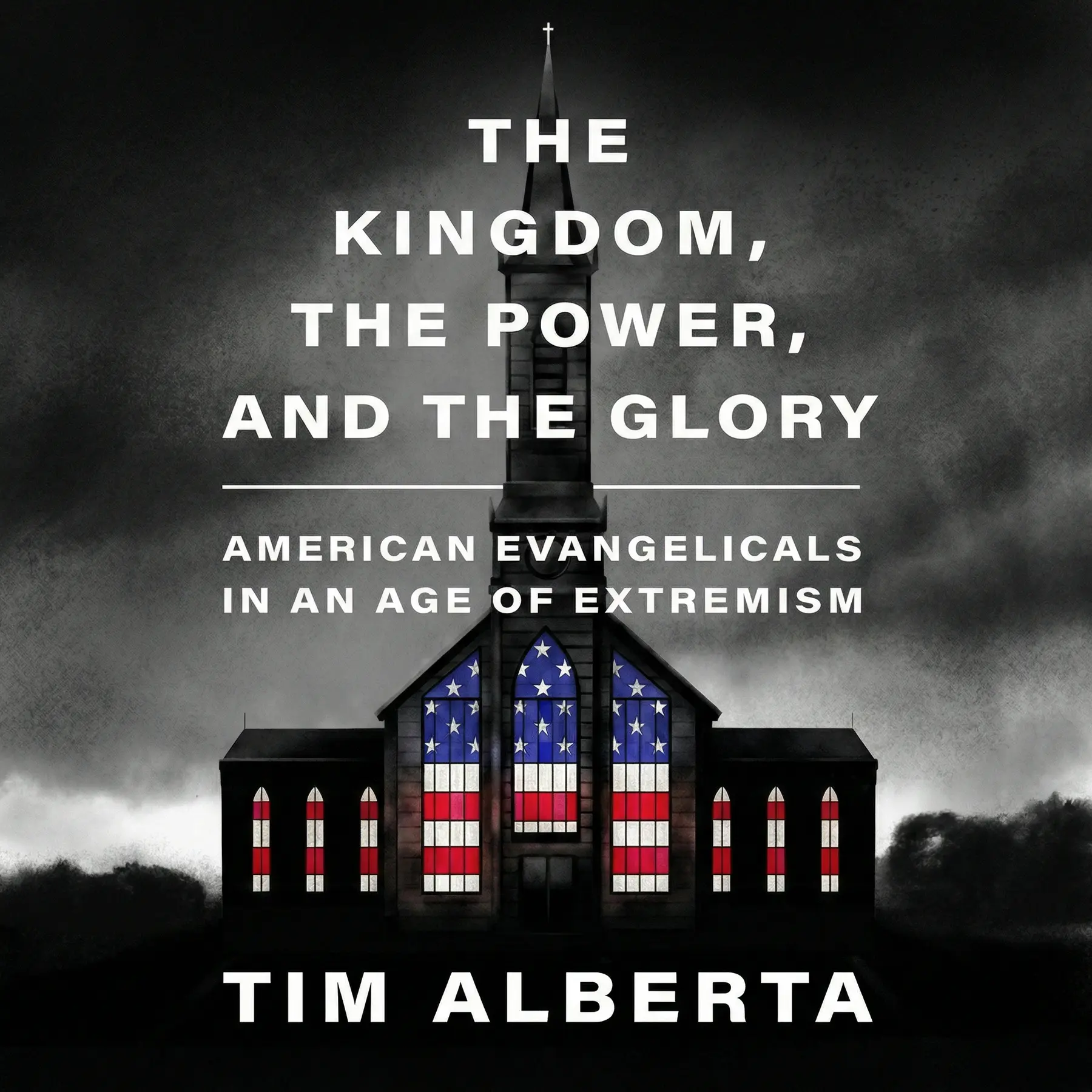
The Kingdom, the Power, and the Glory: American Evangelicals in an Age of Extremism
By Tim Alberta
Tim Alberta explores the transformation of American evangelicalism into a political movement. He documents how a faith centered on spiritual teachings has increasingly pivoted toward right-wing nationalism and earthly power struggles.
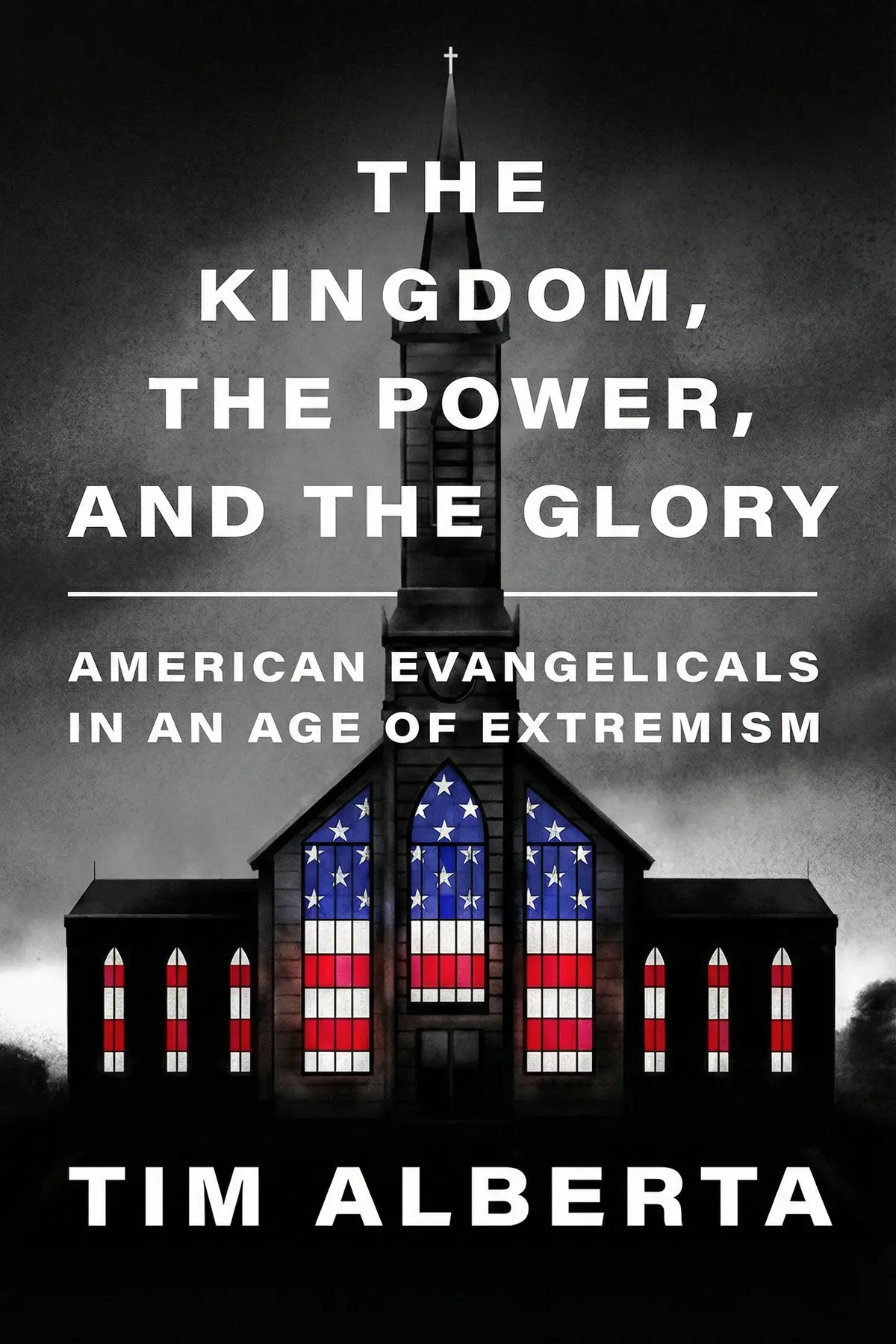
Table of Content
1. Introduction
1 min 45 sec
When we think about the relationship between faith and power, we often look to the classic instruction to separate the spiritual from the secular. The core idea has long been that believers owe their civic obedience to the state but their ultimate devotion to a higher, eternal kingdom. For centuries, this distinction acted as a boundary, keeping the religious life focused on personal salvation and the political life focused on the management of society. But in recent years, that boundary hasn’t just blurred; for many, it has completely vanished.
In American evangelicalism, a profound transformation has taken place. Millions of people have begun to view their national identity not just as a point of pride, but as a sacred covenant. They see the United States as a specially chosen land, a modern-day equivalent to the ancient biblical kingdom of Israel. This perspective shifts the focus of faith from the quiet work of the spirit to the loud, often aggressive work of political warfare. When the country is viewed as a divine project, every election becomes a holy war, and every political opponent becomes an enemy of God.
Tim Alberta, a journalist who grew up in the heart of this world as the son of a pastor, provides an intimate look at this shift. He explores how the movement he was raised in has been subverted by a hunger for political dominance that often contradicts the very scriptures it claims to uphold. This is more than just a political analysis; it is a story about the soul of a movement and the consequences of prioritizing the kingdom of this world over the one promised in the Gospels. As we walk through these ideas, we’ll see how fear, conspiracy, and a desire for cultural control have reshaped a major pillar of American life.
2. The Shift from Transactional Politics to Messianic Allegiance
2 min 22 sec
Explore how the evangelical movement transitioned from cautiously supporting conservative candidates to embracing a leader who promised to be a warrior for their cultural survival.
3. The Rise of Persecution Narratives and Conspiracy Theories
2 min 41 sec
Discover how a sense of being under siege, amplified by the global pandemic, turned many quiet congregations into hotbeds of political suspicion and resistance.
4. The Theological Conflict Between Earthly and Eternal Kingdoms
2 min 31 sec
Learn about the deep theological tension between the biblical call to live as ‘exiles’ and the modern evangelical drive to rule as ‘citizens’ of a chosen nation.
5. The High Price of Political Success and Institutional Decay
2 min 41 sec
Analyze the long-term consequences of merging faith with partisan politics, including declining membership and a growing sense of disillusionment among the youth.
6. Conclusion
1 min 45 sec
The journey through the modern landscape of American evangelicalism reveals a movement at a crossroads. What was once a faith defined by its focus on personal salvation and spiritual community has, for many, transformed into a vehicle for political power and nationalistic pride. As Tim Alberta has documented, this shift hasn’t just changed the way people vote; it has changed the way they relate to their neighbors, their leaders, and their own theology. By viewing the United States as a sacred kingdom that must be defended at all costs, the church has traded its role as a spiritual witness for the role of a political combatant.
However, the story doesn’t have to end with fragmentation and decline. The throughline of this analysis is a call to remember the original purpose of the faith. The ‘Kingdom’ mentioned in the title of Alberta’s book is meant to be one of the spirit, not one of earthly borders. The path forward for the evangelical movement involves a difficult but necessary return to its roots. This means rediscovering a faith that is big enough to include everyone and humble enough to exist without political dominance.
If the church can move away from the high walls of cultural defense and return to being a ‘hospital for the sick,’ it may find its way back to relevance. The ultimate takeaway is that true power isn’t found in the halls of government or the results of an election, but in the quiet, consistent work of living out one’s values with integrity and love. For those concerned about the future of faith in America, the challenge is to stop trying to rule the world and start trying to serve it once again. That, Alberta suggests, is the only way to find the glory that was originally intended.
About this book
What is this book about?
What happens when a religious movement becomes indistinguishable from a political faction? In The Kingdom, the Power, and the Glory, journalist Tim Alberta investigates the radicalization of the American evangelical church. Through the lens of an insider—the son of a pastor—he examines how a faith once centered on the teachings of Jesus has shifted toward political extremism. The book explores the hearts of congregations that have come to view political figures as messianic shields and their fellow citizens as existential enemies. By tracing the history of this shift from the Cold War to the contemporary era, Alberta illustrates the high cost of trading spiritual integrity for worldly influence. He analyzes the psychological impact of the pandemic, the rise of conspiracy theories within the pews, and the fracturing of major denominations. For anyone trying to understand the intersection of religion and modern American politics, this summary provides essential context, offering a path forward by examining what was lost and how the movement might rediscover its original universal purpose.
Book Information
About the Author
Tim Alberta
Tim Alberta is a staff writer for the Atlantic and previously served as the chief political correspondent for Politico. A New York Times bestselling author, his previous work includes American Carnage, which analyzed the transformation of the Republican Party. Beyond his writing, Alberta has been a significant voice in political discourse, even co-moderating the final Democratic presidential debate in 2019. He frequently contributes to major publications like the Wall Street Journal and Vanity Fair, bringing a veteran journalist's eye to the intersection of culture and governance.
Ratings & Reviews
Ratings at a glance
What people think
Listeners find the book thoroughly researched and full of intriguing case studies, making it an engaging and essential read. The writing quality is superb, with one listener noting the style isn't dry, and listeners value the journalistic approach, though one mentions the author maintains no pretense of objectivity. Listeners consider the work both honest and thought-provoking, while one review highlights its packed Biblical content. Pacing receives mixed reactions, with some finding it repetitive.
Top reviews
A
As a former youth pastor who survived the 2016 and 2020 election cycles, Tim Alberta’s reporting hit way too close to home. He captures the heartbreaking shift from saving souls to winning elections with frightening precision. The anecdote about how he was treated at his own father’s funeral is genuinely shocking and serves as a perfect microcosm for the tribalism infecting the pews. To be fair, this isn't just a political hit piece; Alberta writes as someone who loves the church and wants to see it restored. His deep dives into Liberty University and the Southern Baptist Convention are packed with fascinating case studies that go beyond simple headlines. The writing is high-quality and never feels dry despite the heavy theological and political subject matter. Frankly, it should be required reading for anyone wondering why their childhood faith now feels unrecognizable. It’s a masterful, if occasionally discouraging, look at the quest for earthly power.
Show morePooja
This book broke my heart but in a way that felt necessary for my own spiritual growth and understanding of the current zeitgeist. Alberta’s perspective as the son of an evangelical pastor gives him a unique credibility that shines through every chapter. He isn't an outsider throwing stones; he’s a believer mourning the loss of the Beatitudes in favor of a 'winning is a virtue' mentality. The way he juxtaposes the humble teachings of Jesus with the brash, vulgar style of modern political leaders is thought-provoking and deeply convicted me. I appreciated the stories of those who remained focused on being 'salt and light,' like Russell Moore and Rachael Denhollander, even when it cost them their status. Truth is, the world needs more Christians who prioritize the Great Commission over the culture wars. This is a compelling, truthful, and incredibly important piece of work that I’ll be thinking about for a long time.
Show moreKanokporn
Tim Alberta provides an unflinching look at the wreckage of modern American Christianity without ever pretending to be a neutral observer. His blend of investigative reporting and personal lament is masterfully executed, making the 400+ pages fly by. I was particularly struck by the interviews with pastors who feel like they are losing their congregations to Fox News and talk radio. The book isn't just about politics; it’s about the idolatry of a nation and the dangerous syncretism that results when we mistake our flag for our faith. Personally, I found the ending to be surprisingly hopeful, shining a light on those who refuse to bow the knee to the culture war. The research is deep, the writing is sharp, and the message is urgent. If you only read one book on the intersection of religion and politics this year, make it this one. It is a brilliant, necessary indictment of power-hungry leaders and a call back to the way of Jesus.
Show moreChaiwat
Picked this up on a whim after deconstructing my own faith, and it gave me the vocabulary to describe exactly what happened to my childhood church. Alberta’s reporting is deeply researched and filled with fascinating case studies that illuminate the path from the pulpit to the political rally. He brilliantly captures how fear has been weaponized to convince people that their very existence is under threat. I found the sections on the exegesis of Greek words to be a refreshing change of pace from standard political reporting. Truthfully, the book is a bit of a tragedy, showing how a faith built on humility has been co-opted by those who believe 'winning is a virtue.' It’s a compelling must-read that manages to be both an intellectual exercise and an emotional journey. I’ve recommended it to several friends who are struggling to reconcile their faith with the current political climate. It’s simply excellent.
Show moreSue
Not what I expected from a political reporter, but Alberta’s perspective is exactly what this conversation needed. He tackles the 'hostile takeover' of the church with the precision of an investigator and the heart of a grieving son. The book is comprehensive in scope, covering everything from the toxic environment at Liberty to the quiet courage of local pastors trying to stay faithful. I was fascinated by the discussion of how the church has become a place of cultural identity rather than spiritual transformation. The writing is never dry; it’s vivid, urgent, and deeply thought-provoking throughout every single chapter. Got to say, the way he challenges the idea of 'winning' as the ultimate Christian goal is incredibly powerful and counter-cultural. It’s a 5-star masterclass in narrative non-fiction that feels both timely and timeless. Alberta has written a definitive account of this era of American religion.
Show moreRatchanee
Finally got around to reading this after seeing it all over the news, and I have complicated feelings about the journey Alberta takes us on. The journalism is top-tier, and he clearly has access to evangelical circles that most secular reporters could only dream of reaching. I found the sections on Charlie Kirk and Greg Locke to be particularly illuminating, showing how fear is used as a primary tool for mobilization. However, the book does get a bit repetitive in the middle sections, and I think it could have been trimmed by fifty pages without losing the core message. It often covers similar ground to 'Jesus and John Wayne,' though from a more internal, faith-based perspective. Look, if you want a deeply researched exploration of Christian nationalism, this is it, but be prepared for some dense passages of biblical exegesis. It’s a sobering 4-star read that highlights a pervasive disease within American culture.
Show moreSomsri
Ever wonder how your kindly neighbor went from quiet Bible studies to believing the FBI led the January 6 insurrection? Tim Alberta doesn't just ask the question; he embeds himself in the communities where these ideas take root to find the answers. The case studies are mesmerizing, particularly the drama surrounding Liberty University and the rise of the activist-pastor. Alberta maintains no pretense of objectivity, which actually makes the book more compelling because his personal stakes are so high. The writing is punchy and accessible, avoiding the dry academic tone often found in political non-fiction. My only real gripe is that it leans heavily on personal anecdotes when I would have preferred more historical context regarding the seeds planted before the Trump era. Still, it’s an eye-opening experience that perfectly captures the current state of white evangelicalism. It’s a heavy read, but the truth usually is.
Show moreChai
Wow, what a punch to the gut this was for someone who grew up in the Southern Baptist Convention. Alberta exposes the dark powers at work where too many have exchanged a heavenly kingdom for a finite game of political dominance. The chapters detailing the cover-ups of sexual abuse were particularly difficult to get through but absolutely vital for understanding the institutional rot. While the book is quite long and repeats its thesis several times, the quality of the prose kept me engaged throughout. I loved the focus on the 'infinite game' versus the 'finite battle' at the end of the book. It’s a thoughtful, well-paced analysis that doesn't shy away from naming names or calling out hypocrisy. I do wish there was more focus on non-white evangelical perspectives, as the book is very centered on the white suburban experience. Nevertheless, it remains a profound and truthful exploration of a community in crisis.
Show moreChamnong
The chapter on the Southern Baptist leadership alone is worth the price of admission for anyone tracking the moral decline of our institutions. Alberta is a talented writer who knows how to weave together complex historical threads with boots-on-the-ground reporting. He captures the apocalyptic anger that shapes the souls of many parishioners today, fueled by hours of conservative media. While the book is packed with biblical content that might feel overwhelming to secular readers, it provides necessary context for the motivations of the people he interviews. I appreciated the journalistic approach, though I think the author’s own theology occasionally clouds his analysis of the broader cultural shifts. Some parts felt a bit redundant, especially regarding the 'fear-mongering' tactics of political operatives, but the overall impact is undeniable. It’s an important, sobering look at the conflation of cross and flag that every American should consider.
Show moreSing
I wanted to like this more, but it felt like Alberta was pulling his punches when it came to the actual theological rot at the center of the movement. He seems to believe there is a 'pure' version of evangelicalism that has been hijacked, but 85% support for MAGA suggests this is simply who the members are now. The book blames leaders and outside influences while largely giving the parishioners a pass for their own choices. At times, the prose is excellent, yet the pacing is sluggish and the narrative loops back to the same points about fear and power far too often. Not gonna lie, I found his theological defense of the church a bit tiresome after the fourth or fifth chapter. It’s an interesting journalistic project with plenty of research, but it fails to answer the fundamental question of why these believers abandoned their supposed values so eagerly. It's a decent read but flawed in its premise.
Show moreReaders also enjoyed
A Warning
Miles Taylor
A Force for Good: The Dalai Lama's Vision for Our World
Daniel Goleman
Abolish Rent: How Tenants Can End the Housing Crisis
Tracy Rosenthal
A New Earth: Awakening to Your Life’s Purpose
Eckhart Tolle
Abortion: Our Bodies, Their Lies, and the Truths We Use to
Jessica Valenti
AUDIO SUMMARY AVAILABLE
Listen to The Kingdom, the Power, and the Glory in 15 minutes
Get the key ideas from The Kingdom, the Power, and the Glory by Tim Alberta, plus 5,000+ more titles in English and Thai.
- 5,000+ titles
- Listen as much as you want
- 7-day free trial
- Cancel anytime







