

20 min 30 sec
American Carnage: On the Front Lines of the Republican Civil War and the Rise of President Trump
By Tim Alberta
A deep dive into the internal transformation of the Republican Party, tracing its journey from traditional conservatism to the populist, nativist movement that defined the rise of Donald Trump.
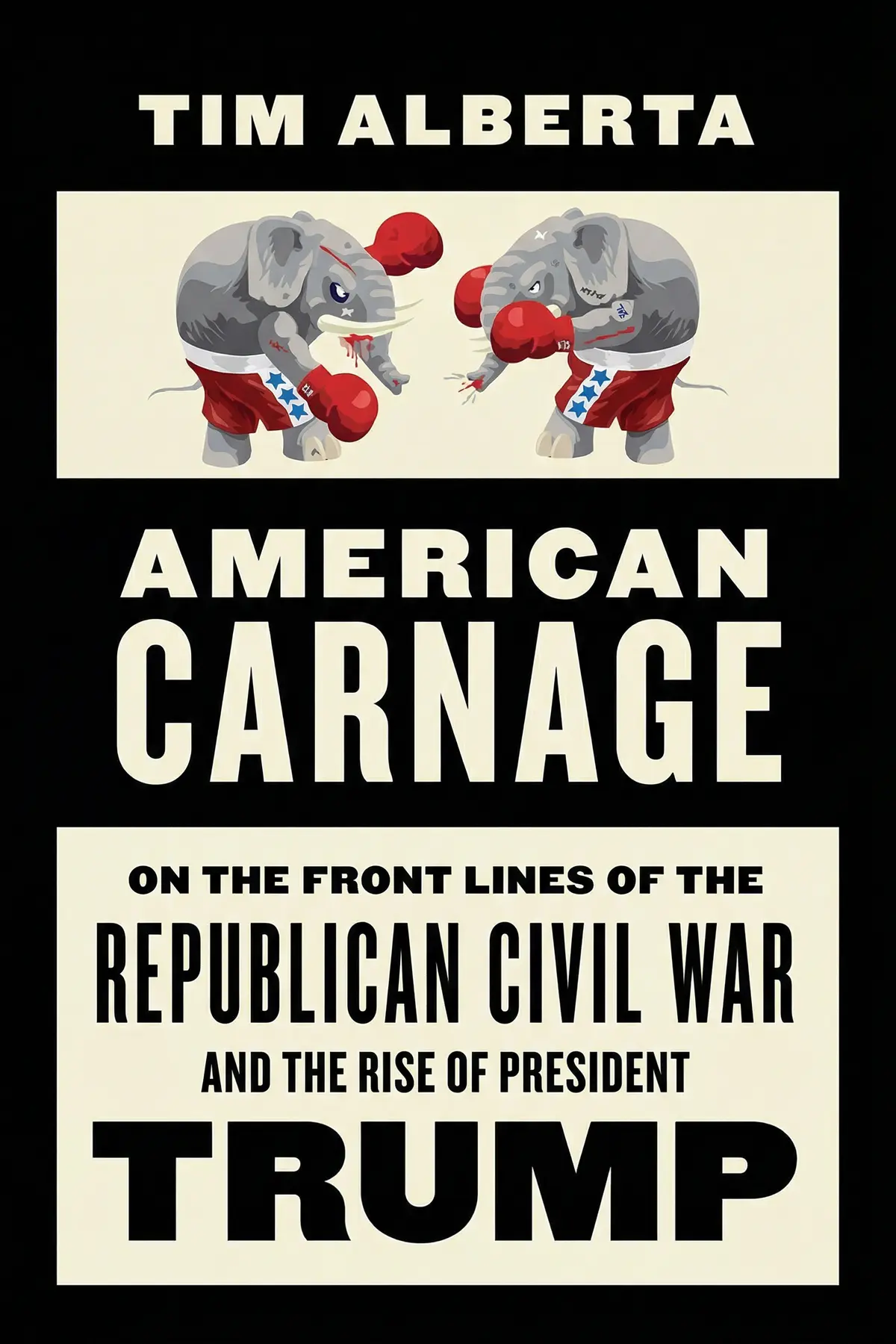
Table of Content
1. Introduction
1 min 54 sec
When we look at the current state of American politics, it is easy to view the presidency of Donald Trump as a sudden, isolated shock to the system. But if we pull back the curtain and look at the preceding decade, a different story emerges. It is a story of a long-simmering internal conflict, a true ideological civil war that has fundamentally reshaped one of the country’s two major political parties.
For decades, the Republican Party—the Grand Old Party—was seen as the home of neoconservative foreign policy, affluent suburbanites, and a specific brand of market-driven logic. It was the party of ‘compassionate conservatism,’ a phrase popularized by George W. Bush to signal an inclusive, internationalist outlook. Yet, in what feels like a historical blink of an eye, that party has been replaced by something entirely different. Today’s GOP is driven by populist energy, anchored in rural white communities, and defined by a combative, nativist worldview.
How did we get here? This isn’t just a story about one man; it’s a story about the erosion of old norms and the rise of new, volatile forces. To understand this transformation, we have to look back at the moments where the cracks first started to show. We have to trace the line from the 2008 financial collapse and the visceral reactions to the first Black president, through the insurgent energy of the Tea Party, all the way to the 2016 election and the events that followed.
In this summary, we are going to explore the front lines of this Republican civil war. We’ll look at how immigration became the litmus test for the party’s soul, why a $700 billion bank bailout triggered a grassroots revolt, and how the very definition of what it means to be a conservative was rewritten. This is a journey through a decade of political upheaval, showing how the ground was meticulously prepared for a hostile takeover that few saw coming, but many now live with every day.
2. The Shift from Policy to Populist Identity
2 min 30 sec
Discover how the 2008 Republican primaries signaled a major departure from traditional conservative issues like war and finance toward a heated focus on immigration.
3. The Financial Crisis and the Death of Statism
2 min 01 sec
Explore the internal Republican revolt triggered by the 2008 financial bailout, which forced a choice between market ideology and government intervention.
4. The Obama Presidency as an Ideological Catalyst
1 min 57 sec
See how the election of Barack Obama transformed the American right, shifting it toward a more aggressive and ideologically charged form of opposition.
5. The Tea Party and the Marriage of Convenience
1 min 59 sec
Understand the rise of the Tea Party as a bridge between grassroots cultural anxiety and elite libertarian financial interests.
6. Trump’s Critique of Republican Weakness
1 min 55 sec
Analyze Donald Trump’s entrance into the 2016 race and his fundamental challenge to the traditional GOP way of doing business.
7. The Dismantling of Policy Orthodoxy
2 min 03 sec
Observe how Donald Trump’s lack of traditional policy knowledge and his embrace of authoritarian figures reshaped the expectations for a Republican leader.
8. The Cultural Geography of the New Divide
2 min 05 sec
Learn about the ‘Cracker Barrel vs. Whole Foods’ metric and what it reveals about the deep cultural polarization of the American electorate.
9. The Soul of the Conflict in Charlottesville
2 min 15 sec
Reflect on the tragic events in Charlottesville as the ultimate manifestation of the culture war and the new identity of the Republican Party.
10. Conclusion
1 min 51 sec
As we look back on the last decade of the Republican Party, it is clear that we have witnessed a transformation as profound as any in American political history. What began as a series of tremors during the 2008 primaries—expressed as a growing anxiety over immigration and a rejection of economic elites—eventually grew into a full-scale earthquake that leveled the party’s traditional structure.
The GOP has moved from being a party of policy-driven neoconservatism to one of identity-driven populism. It has traded the ‘compassionate’ rhetoric of the 2000s for the ‘America First’ combativeness of the present. This shift wasn’t accidental; it was the result of a million small fractures. It was fueled by the anger of the financial crisis, the cultural backlash to the Obama years, and the opportunistic alliance between wealthy donors and grassroots firebrands.
Donald Trump didn’t create these forces, but he was the first politician to truly understand their power and the first to be willing to ride them all the way to the White House. He realized that for a significant portion of the electorate, the old rules of civility, policy expertise, and international cooperation no longer mattered. They wanted a champion who would fight for their version of America, regardless of the cost to democratic norms or party tradition.
Today, the Republican Party remains a battlefield. The old guard has mostly been purged or silenced, and the movement that Trump built continues to redefine the boundaries of conservative thought. The central question that remains is whether this new, populist identity can coexist with the traditional functions of a governing party in a diverse democracy. One thing is certain: the road back to the party of John McCain or George W. Bush seems permanently closed. The revolution is here, and its consequences will be felt for generations to come. The challenge for the future is to find a way to navigate this polarized landscape without losing the core values that once held the country together.
About this book
What is this book about?
American Carnage offers a comprehensive look at the ideological civil war that has redefined the Republican Party over the last decade. It explores how a party once defined by internationalism and fiscal prudence transformed into a populist powerhouse fueled by cultural grievances and nativist sentiment. The narrative begins in the late 2000s, tracing the fallout of the financial crisis and the rise of the Tea Party as precursors to a much larger shift. The book promises to explain the 'why' behind the 'how' of modern American politics. It details the internal fractures that allowed an outsider like Donald Trump to seize control of the party infrastructure. By examining key moments like the 2008 primaries, the reaction to the Obama presidency, and the cultural divide represented by different consumer brands, it provides a roadmap of the GOP’s evolution. Readers will understand the decline of 'compassionate conservatism' and the rise of a new, more combative political identity that culminated in the events of 2016 and beyond.
Book Information
About the Author
Tim Alberta
Tim Alberta is a prominent political journalist currently serving as a staff writer at The Atlantic. His extensive career in political reporting includes previous roles as chief political correspondent for Politico Magazine and at the National Review and National Journal. Alberta’s work has also been featured in respected publications such as Sports Illustrated, showcasing his versatility as a writer. He currently resides in Falls Church, Virginia, where he lives with his wife and three sons.
Ratings & Reviews
Ratings at a glance
What people think
Listeners find the account captivating and extensively researched, featuring polished writing that offers an eye-opening perspective on contemporary political trends and the growth of populism. Additionally, the narrative’s tempo earns high marks, with one listener noting it reads like a dramatic novel. On the other hand, listeners express differing opinions regarding its value, and several mention its significant length.
Top reviews
Narut
Tim Alberta manages to turn a decade of political chaos into something that reads like a high-stakes thriller. I was particularly struck by the behind-the-scenes accounts of John Boehner’s tenure and the internal fractures that paved the way for a populist takeover. The length is daunting. However, the prose is so sharp that the pages practically turn themselves. Some might find the sheer density of names, dates, and legislative minutiae to be overwhelming, but for any citizen seeking to truly understand the roots of our current political landscape, this is essential, unmissable reading. The research is clearly exhaustive, featuring interviews that provide genuine insight rather than just recycled talking points. It offers an enlightening look into how the GOP evolved from the Reagan era into the party we see today.
Show moreMaya
This book is an absolute masterclass in political journalism that avoids the typical clichés found in modern punditry. Tim Alberta treats the transformation of the GOP with the seriousness of a historian, providing a comprehensive look at the rise of populism. I was fascinated by the lunch conversations with Boehner and the depiction of the 2010 'Red Map' strategy. The writing is incredibly engaging. It often feels more like a political drama than a dry non-fiction text. You can tell the author spent years embedded in these circles to get this level of access. It’s rare to find a book this long that doesn't feel like it needs an editor’s scissors. For those who want to understand the 'how' and 'why' of the last decade, look no further.
Show morePete
Picked this up because I wanted to understand the Paul Ryan and John Boehner era better, and the level of access Alberta secured is stunning. The book successfully explains how the 'schlubby shadow' of Trumpism loomed over the party long before he actually entered the race. It’s a sobering look at how the incentive structures in D.C. are warped by money and the allure of self-preservation. I finished the book feeling like I finally understood the nuances of the Tea Party’s disappearance into the MAGA movement. Even though it's a doorstopper of a book, the storytelling keeps you hooked through the complex political machinations. It's easily one of the most thoroughly researched political books I've ever owned. Every page feels backed by multiple sources.
Show moreNong
Wow, I didn't expect to be so gripped by a breakdown of the Freedom Caucus and the Tea Party's rise to power. Most political books these days feel like they are written in a vacuum, but Alberta connects the dots across eleven years of history beautifully. The interviews with insiders provide a 'fly on the wall' perspective that makes you feel like you're in the room for these major shifts. It’s an engaging, thorough, and ultimately tragic account of a party in flux. The author’s ability to remain unbiased while describing such polarized events is a testament to his skill as a reporter. I highly recommend this to anyone who wants to move beyond the headlines and understand the actual mechanics of political change.
Show moreIff
As someone who has followed the Republican civil war since the Obama years, I found this account to be remarkably fair-minded and comprehensive. It avoids the easy path. Instead of blaming just one person for the state of our politics, Alberta examines the systemic failures of the GOP leadership over the last decade. The transition from the 'fiscal conservative' era to the 'populist' era is handled with great care and interesting anecdotal evidence. I particularly enjoyed the chapters on the 2012 election failure and how it set the stage for the 2016 disruption. It's a long journey, but Alberta's writing is so polished that it never feels like a chore. This is the definitive account of modern conservatism’s identity crisis.
Show moreNathan
After hearing the buzz about this book for months, I finally sat down with all 700 pages and found it quite rewarding. The author does a fantastic job of humanizing figures like Paul Ryan and Mitt Romney without veering into blatant partisan hackery. It feels like a definitive autopsy of the Republican civil war, tracing the line from the 2008 economic crisis directly to the 2018 midterms. The pacing is surprisingly brisk. I appreciated the nuance regarding the Freedom Caucus and the shifting incentives in Washington. It’s a bit pricey for a hardcover, but the depth of research makes it a solid value for history buffs. I did find the final 50 pages to be a bit repetitive as the author tries to wrap up the current era.
Show moreAva
Ever wonder how we actually got here? Alberta traces the GOP's transformation from the 2008 collapse to the Trump era with surgical precision and clear-eyed analysis. The narrative provides a front-row seat to the self-inflicted wounds and strategic blunders that reshaped the American right. While the book focuses heavily on the 'Republican Civil War,' it also provides glimpses into how the Democratic response played into the hands of populists. It’s a dense read. The sheer volume of names and dates might be a bit much for a casual reader. However, the epilogue alone is worth the price of admission for its insightful look at our political future. It is a long journey, but it provides context that you simply can't get from reading daily news snippets.
Show morePrim
To be fair, you have to be a real political junkie to appreciate the level of detail Alberta brings to this chronological history. He covers everything from Sarah Palin's influence to the rise of the Freedom Caucus with a balanced, journalistic tone. The book shines when it explores the internal conspiracies and backstabbing that defined the House of Representatives during the Obama years. My only real gripe is that it occasionally feels like it’s pulling its punches when addressing the more radical elements of the base. Still, the prose is elegant. The insights into the 2016 primary are genuinely enlightening for any voter. It’s a hefty commitment of time, but the historical context it provides is invaluable in today’s climate.
Show moreBig
Look, this is a massive deep dive, but there's a nagging feeling that most of this was already litigated on political blogs years ago. If you’re a news junkie who lived through the Tea Party rise and the 2016 primary, you might find yourself skimming large sections. Alberta is a talented writer. Unfortunately, the structure feels a bit like a chronological Wikipedia summary at times. It lacks a truly fresh thesis that justifies its daunting length. To be fair, the sections on the primary contest between Trump and Cruz are well-reported and offer some 'dish' I hadn't seen elsewhere. It's a competent history, just not exactly the groundbreaking revelation I was hoping for after seeing the rave reviews online. It felt a bit overpriced for the lack of new information.
Show moreJib
Frankly, I found the pacing to be incredibly sluggish for something often described as a 'dramatic novel' in the blurbs. There is very little here that hasn't been reported better by the New York Times or on Twitter over the last decade. The author seems overly interested in flattering establishment Republicans like Ryan and Cantor, presenting them as tragic figures rather than participants in their own downfall. I struggled to finish the second half because the narrative felt so repetitive. It adds nothing of substance to the conversation. If you want a recycled summary of the 2016 election, this might work for you. I expected more bite and less sycophantic spin from someone with this kind of access.
Show moreReaders also enjoyed
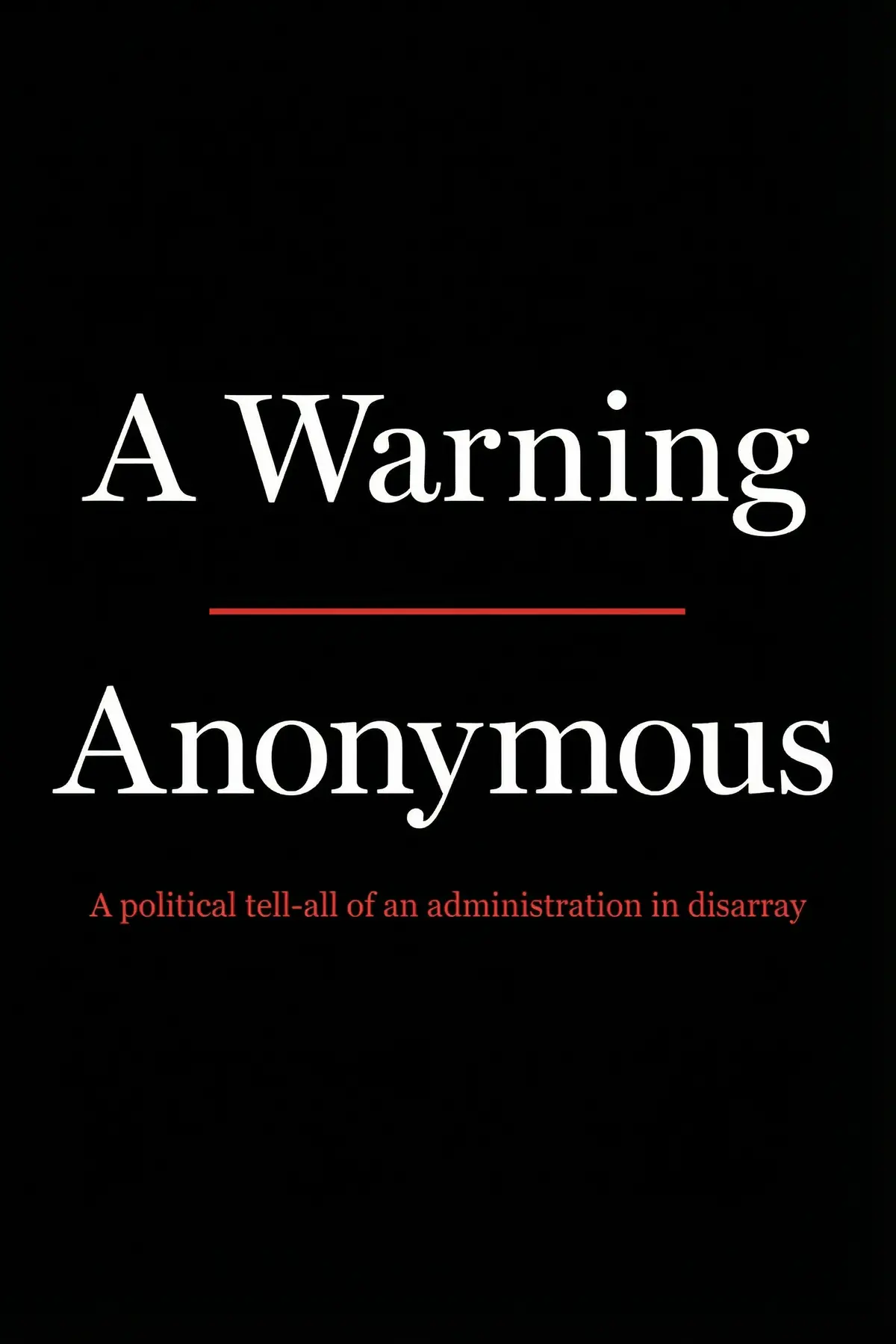
A Warning
Miles Taylor
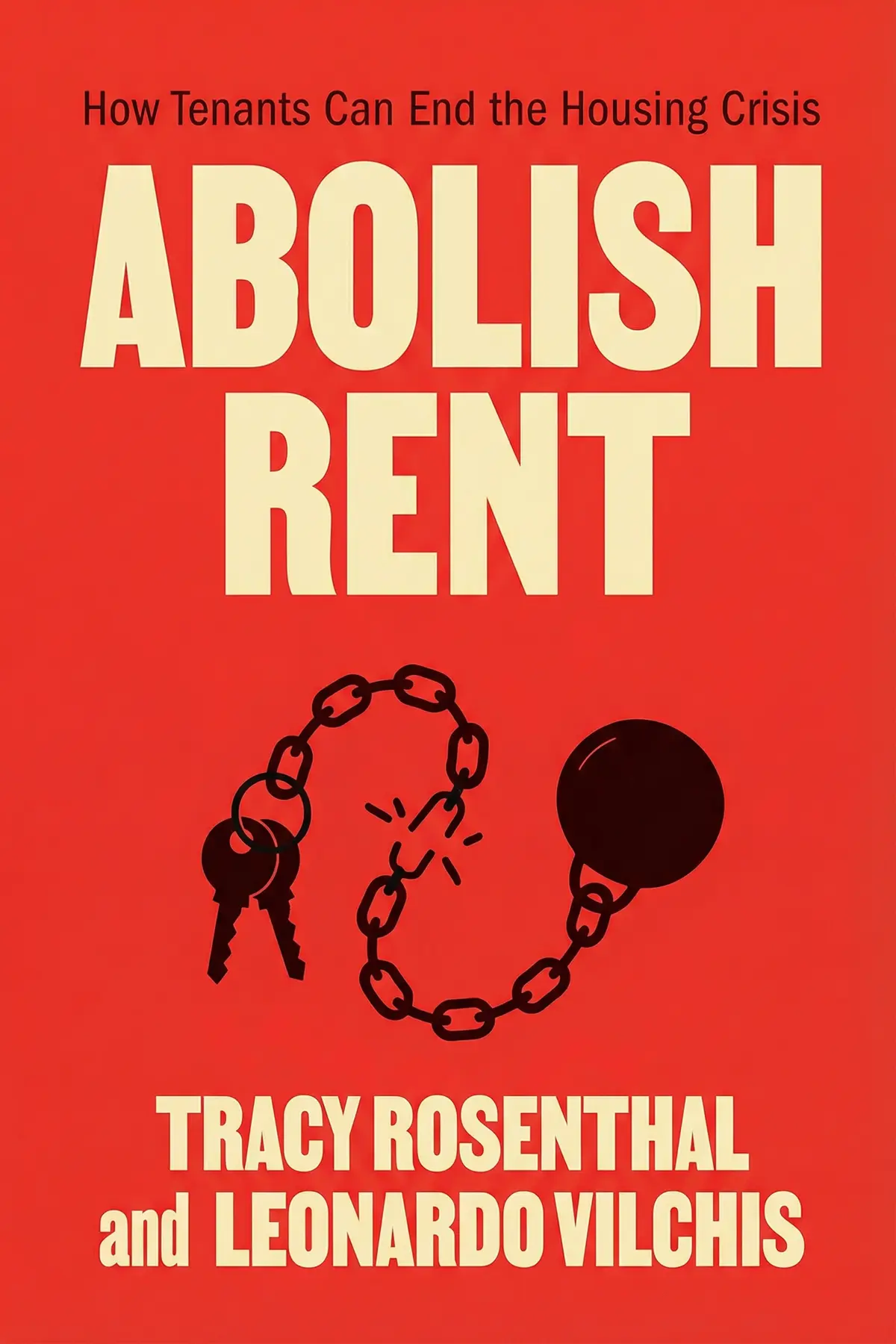
Abolish Rent: How Tenants Can End the Housing Crisis
Tracy Rosenthal
Abortion: Our Bodies, Their Lies, and the Truths We Use to
Jessica Valenti

Adults in The Room: My Battle With Europe’s Deep Establishment
Yanis Varoufakis
21 Lessons for the 21st Century
Yuval Noah Harari
AUDIO SUMMARY AVAILABLE
Listen to American Carnage in 15 minutes
Get the key ideas from American Carnage by Tim Alberta, plus 5,000+ more titles in English and Thai.
- 5,000+ titles
- Listen as much as you want
- 7-day free trial
- Cancel anytime







