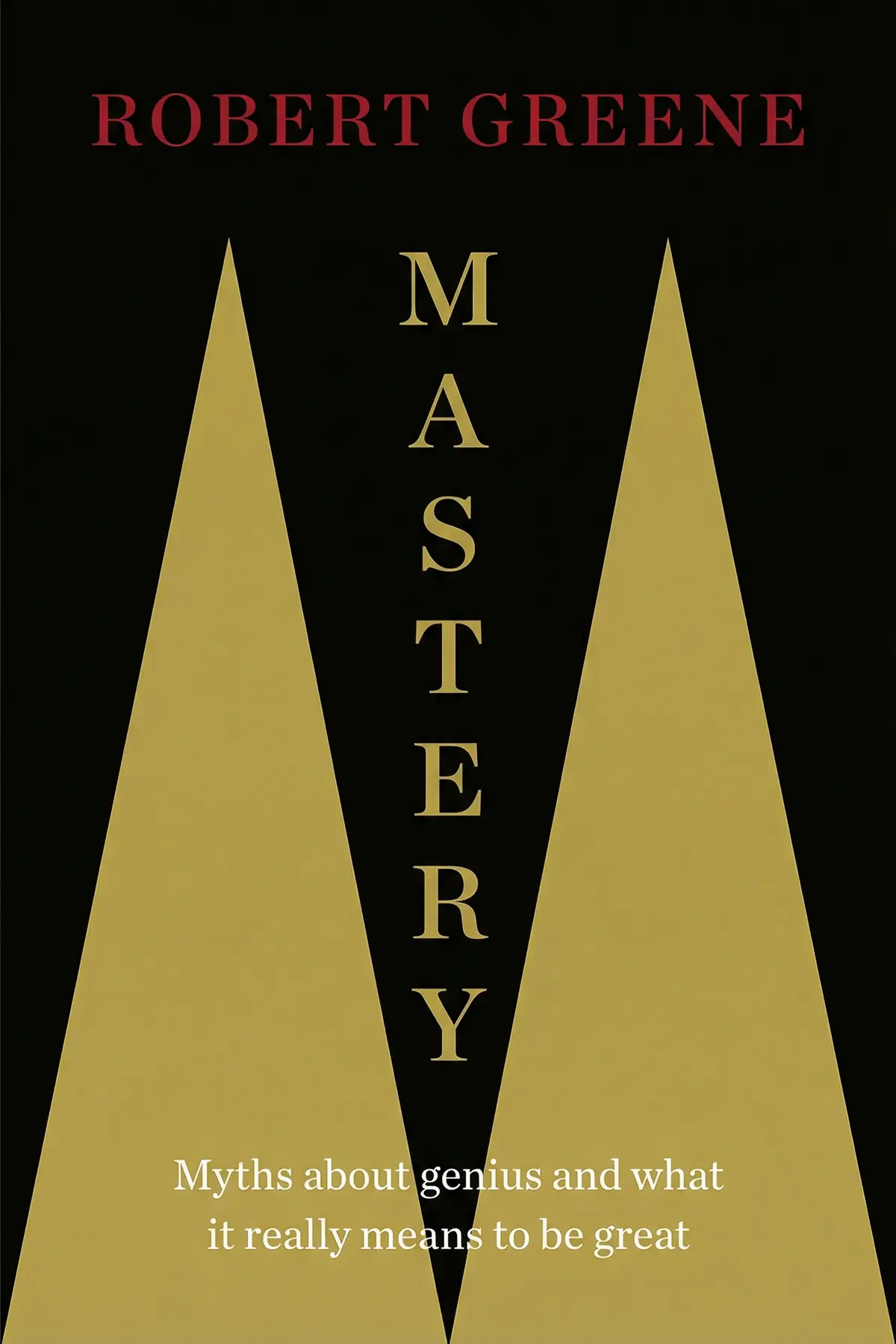
Mastery
Robert Greene
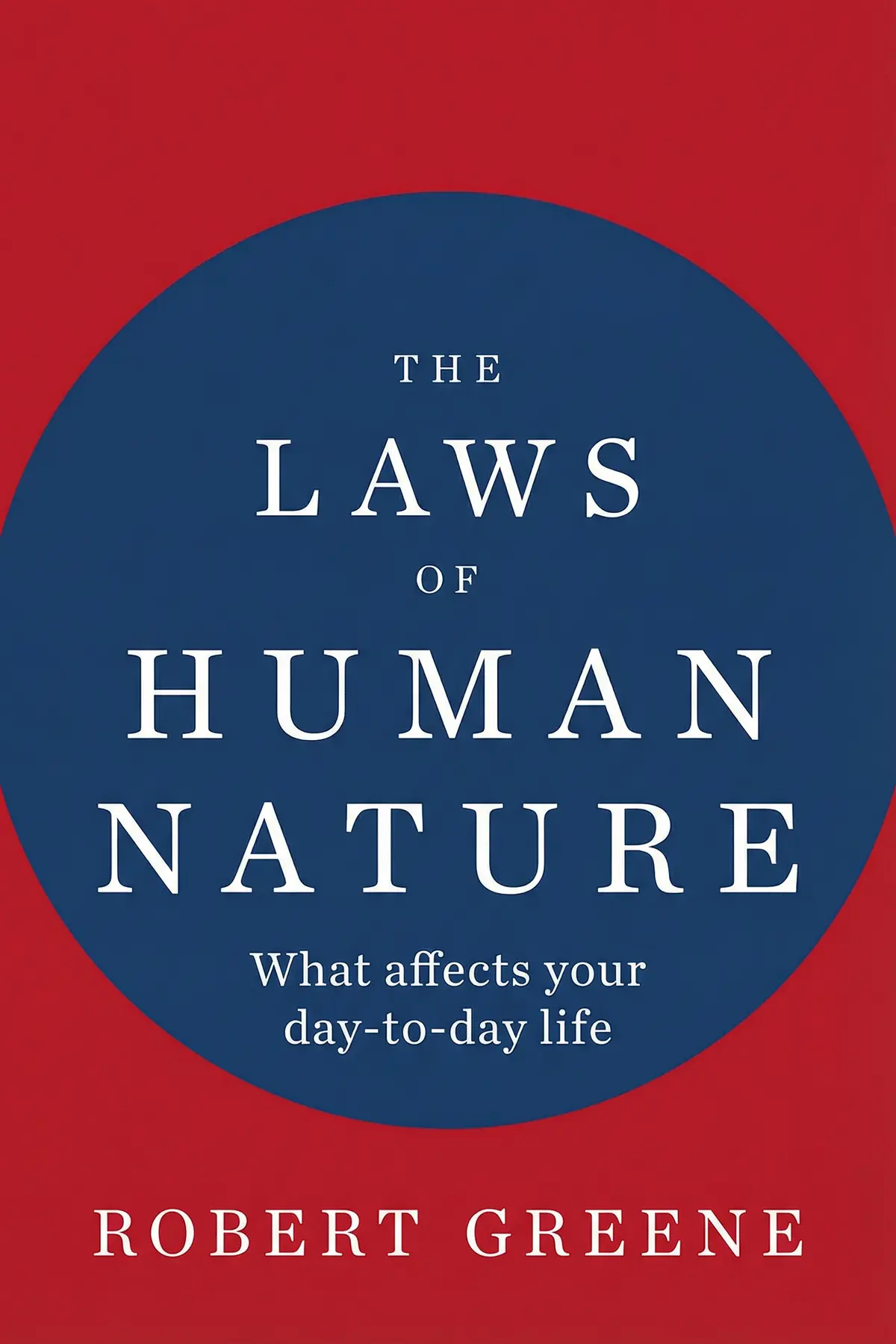
Master the hidden forces driving human behavior. Robert Greene provides a psychological roadmap to understanding motivations, mastering self-control, and navigating the complexities of social dynamics to achieve personal and professional success.
1 min 52 sec
Every day, we interact with a variety of people—colleagues, friends, family, and even strangers—and yet, much of what drives these interactions remains a mystery. We like to believe that we are rational, self-aware beings who make logical choices based on clear evidence. However, if we look closer at our history and our daily lives, a different picture emerges. We are often pushed and pulled by deep-seated emotional currents and ancient biological imperatives that we barely acknowledge. This is the realm of human nature.
Understanding these hidden forces is not just an academic exercise; it is a vital skill for navigating life. When we lack this insight, we are at the mercy of our own moods and the hidden agendas of others. We find ourselves baffled by the irrationality of the world, wondering why talented people fail or why we feel a pang of envy toward a friend’s success. But by pulling back the curtain on these psychological laws, we can move from a state of confusion to one of mastery.
The goal here is to develop a specialized kind of vision—a way of seeing through the masks people wear and recognizing the true motivations behind their actions. This process begins with an honest look in the mirror. We must admit that the flaws we see in others—the self-absorption, the short-term thinking, the defensive posturing—are also present within us. Once we stop denying these traits, we can begin to tame them.
Over the course of this exploration, we will look at how to curb our most destructive impulses and how to channel our natural energy into productive ends. We will learn from the wisdom of historical figures and the mistakes of modern moguls. By the end, the aim is to establish a ‘throughline’ of self-awareness that allows you to live with more intention and empathy. Let’s begin by addressing the fundamental struggle between our hearts and our minds.
3 min 07 sec
We pride ourselves on our logic, but our emotions are often the true captains of our ship, leading us toward reactive and biased decisions.
2 min 53 sec
Self-absorption is a universal human trait, but understanding where someone falls on the spectrum of narcissism can save you from toxic relationships.
2 min 32 sec
Our character is built on a foundation of genetic traits and early experiences, and recognizing the power of envy is key to mastering social influence.
2 min 44 sec
Our brains are wired to react to the immediate present, but long-term success requires the discipline to look far beyond the current crisis.
2 min 46 sec
Your perspective on the world often becomes a self-fulfilling prophecy, and ignoring your ‘dark side’ only gives it more power over your life.
2 min 41 sec
Success can be a dangerous intoxicant that blinds us to our limitations and disconnects us from the very reality that made us successful.
2 min 42 sec
Breaking free from narrow gender roles and connecting with a deep sense of calling can unlock unprecedented levels of creativity and focus.
2 min 42 sec
The mob mindset can turn even rational people into reactive followers, making it essential to create a ‘reality group’ focused on cooperation over ego.
2 min 41 sec
Aggression is a natural human energy that, when understood and directed correctly, becomes the fuel for persistence and achieving difficult goals.
2 min 58 sec
We are all shaped by the era we live in, but recognizing the inevitability of death is the ultimate catalyst for a vibrant and empathetic life.
2 min 02 sec
In the journey through the laws of human nature, we have looked into the depths of our own psychology and the complexities of the world around us. We’ve seen how our irrationality can lead us astray, how our narcissism can blind us, and how our hidden aggression can either destroy us or fuel our greatest achievements. But the most important lesson is that we are not helpless victims of these laws. By developing self-awareness and empathy, we can move from being reactive players in a game we don’t understand to becoming strategic masters of our own lives.
The ‘throughline’ that connects all these ideas is the importance of the ‘reality-based’ mindset. Whether you are managing your own ego, dealing with a difficult boss, or trying to find your life’s purpose, the answer always lies in seeing things as they truly are, not as you wish them to be. This requires a certain level of courage—the courage to look at your own flaws and the courage to admit that the world doesn’t revolve around you. But the rewards for this honesty are immense: a deeper connection to others, a more focused career, and a sense of internal peace that comes from being in harmony with your true nature.
As you move forward, try to be ‘motivated by the sublime.’ Take a moment to think about the incredible series of events that led to your existence on this planet. Against all odds, in a vast and silent universe, life emerged, and eventually, it produced a consciousness capable of reflecting on itself. Your life is a remarkable, once-in-a-billion-years event. Don’t let it be consumed by petty resentments or mindless conformity. Use your understanding of human nature to build bridges, to create value, and to live with a sense of wonder. The laws of human nature are always in effect, but with knowledge and discipline, you can learn to work with them to write a story that is uniquely yours and truly meaningful. This is the ultimate power: the power to master yourself and, in doing so, to positively influence the world.
Have you ever wondered why people act the way they do, or why you often find yourself repeating the same mistakes? This exploration into the human psyche reveals that our behavior is often driven by ancient, unconscious patterns rather than rational thought. By examining the fundamental laws that govern our species—ranging from narcissism and irrationality to aggression and shortsightedness—we gain the tools to look beneath the surface of social interactions. The book promises a transformation in how you perceive the world. Instead of being a victim of your own impulses or the manipulations of others, you can become a strategic observer. Through historical examples and psychological insights, you will learn to manage your emotions, build superior character, and develop a deeper sense of empathy. Ultimately, this journey is about gaining power over yourself and navigating the social landscape with newfound clarity and purpose.
Robert Greene is a celebrated New York Times bestselling author renowned for his deep dives into the mechanics of power, strategy, and human nature. His work is highly regarded by historians, business leaders, and students of psychology for its ability to distill complex historical lessons into actionable modern wisdom. Greene's influential bibliography includes acclaimed titles such as The 48 Laws of Power, The 33 Strategies of War, and Mastery, all of which explore the qualities and strategies that define great historical figures.
Robert Greene

Robert Greene
Robert Greene
Robert Greene
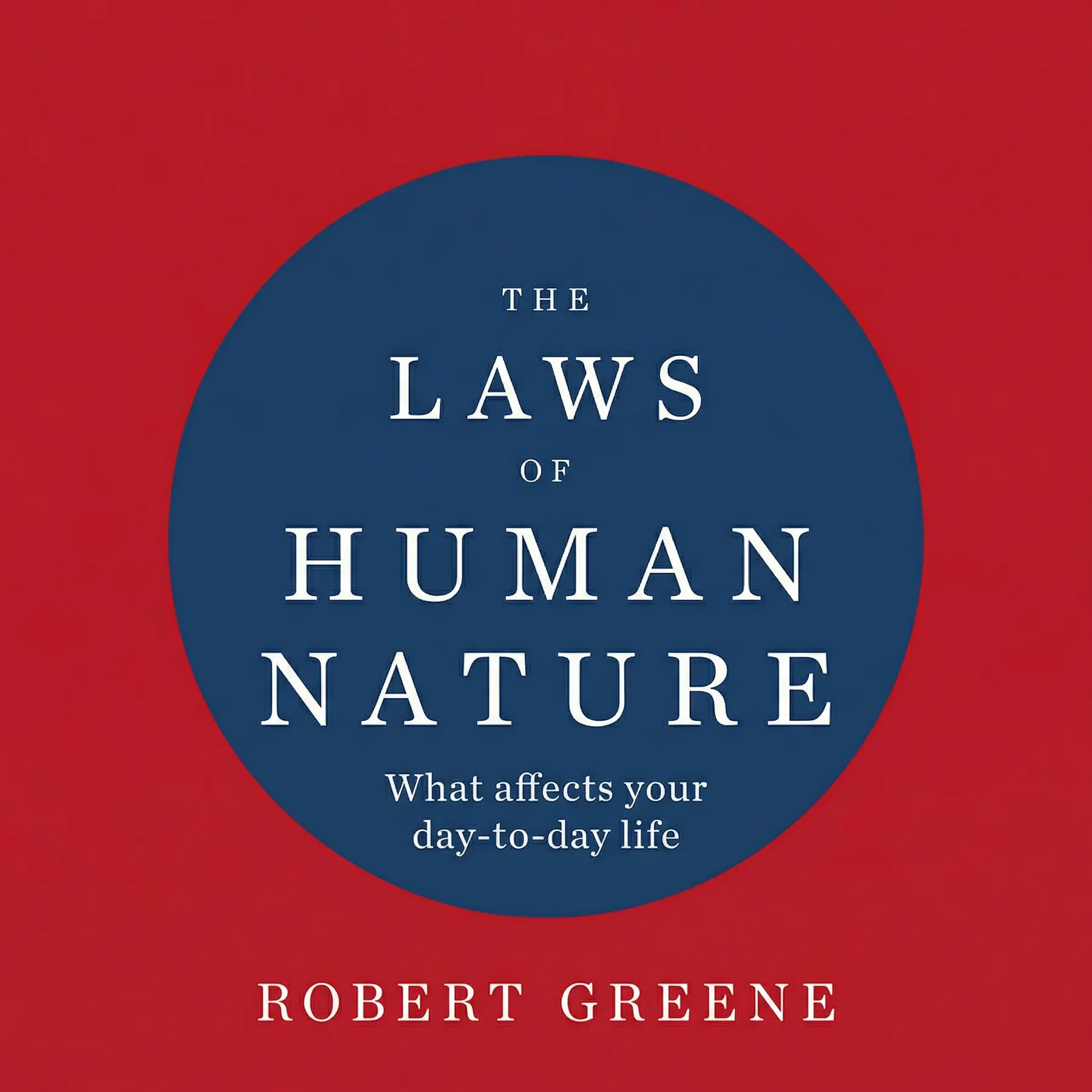
Listeners find this work to be an absorbing experience that blends psychological study with useful strategies for achieving goals in life and work. They also admire the depth of research, with one listener highlighting the inclusion of many short biographies that demonstrate vital lessons. Additionally, the narrative approach is well-regarded, with listeners characterizing it as some of the author's top writing. The content is packed with captivating accounts, ranging from actual events to tales about figures from history. However, there are differing views among listeners regarding the book's overall length.
Robert Greene has a way of peeling back the layers of our social masks that is both terrifying and liberating. This book functions as a masterclass in decoding the hidden motives of those around us, using 18 distinct 'laws' to categorize the messiness of human behavior. I found the chapter on narcissism particularly enlightening, as it differentiates between the healthy and the deep-seated varieties we encounter daily. The research is staggering; Greene pulls from a vast library of historical examples, from Pericles to Anton Chekhov, to illustrate how these tendencies play out in real life. While some might find the emphasis on strategy a bit cold, I believe it’s essential for anyone trying to maintain their sanity in a competitive professional environment. It's not just about manipulation; it's about developing the self-awareness to stop your own irrational impulses from sabotaging your goals.
Show moreFinally got around to this massive tome, and the deep dive into our shadow selves was worth every hour spent reading. Greene explores the 'Dark Side' of human nature without flinching, arguing that ignoring our aggressive or envious tendencies only makes us more vulnerable to them. The Law of Role-playing was a standout for me, teaching the importance of observing facial micro-expressions and body language rather than just listening to words. I appreciated how he uses figures like Mary Shelley and Howard Hughes to ground abstract concepts in reality. It’s easily one of his best works, even if it demands a lot from the reader. If you want to understand the 'nous' or intelligence that permeates our social interactions, this is the definitive guide.
Show moreThis book is essentially a modern-day guide for navigating a world full of ego and hidden agendas. Greene doesn't sugarcoat the fact that humans are often irrational, governed by a need for status and a fear of death. What I found most useful were the strategies for developing 'high-level' empathy. By stepping back and imagining another person's story from the inside—as Chekhov did—you can move from hatred to a place of pity and understanding. It’s a transformative way to look at your enemies. The amount of historical research is incredible, covering everything from ancient Greece to the French Revolution. Not gonna lie, it's a long read, but the insights into the 'Law of Envy' and 'Aggression' are immediately applicable to any workplace. Essential reading for the ambitious.
Show moreWow. I’ve been a fan of Greene since 'The 48 Laws of Power,' but this feels like his most mature and self-reflective work yet. Instead of just teaching you how to win, he teaches you how to understand yourself first. The 'Law of Irrationality' is a punch to the gut; it forced me to realize how often I’m driven by emotion while pretending to be logical. The stories about Coco Chanel and Walt Disney aren't just filler; they are surgical dissections of character and personality. Frankly, the advice on how to handle toxic types is worth the price of admission alone. It’s a heavy book, but the short chapters and engaging prose make it digestible. This is a manual for life that I’ll be returning to for years.
Show moreThe historical vignettes—ranging from the triumphs of Pericles to the failures of the British in India—provide such a vivid backdrop for these psychological principles. Greene’s writing style is as sharp as ever, turning what could be a dry textbook into a page-turning narrative. I was particularly struck by the 'Law of Shortsightedness' and how it explains our current political and social climate. The book encourages you to look past the immediate 'cobra effect' of your actions and think long-term. It’s a primer on rationality that we desperately need right now. While it is a long read, the depth of research justifies the page count. If you want to understand why people act the way they do, there is no better starting point than this.
Show moreEver wonder why you keep falling into the same social traps or why certain people just seem to rub you the wrong way? This book offers a deep, psychological dive into those exact questions. The writing style is vintage Greene—authoritative, sharp, and incredibly well-researched. I loved the short biographies, especially the one about Milton Erickson and his use of non-verbal cues. However, gotta say, the book is quite a haul. There are moments where the author repeats the same point across twenty pages when five would have sufficed. It can feel a bit like a 1970s Jungian therapy session at times, focusing heavily on childhood roots and archetypes. Despite the length, the practical advice on how to transform our natural flaws into strengths is too valuable to ignore. Just be prepared to take your time with it.
Show moreAs someone who has always struggled to read non-verbal cues, the chapter on the 'Law of Role-playing' was a total eye-opener. Greene explains how we all wear masks and how to look past them by focusing on mirror neurons and physical tension. I found the discussion on 'Othello’s Error'—where we misinterpret someone’s nervousness as guilt—to be a very necessary warning. Look, the book isn't perfect. It definitely drags in the middle, and I think Greene over-interprets some of the historical figures to fit his specific narrative. Some of the psychological 'laws' feel more like personal observations than universal truths. But even with those flaws, the sheer number of 'aha!' moments I had made it a four-star experience. It helps you see the world in high definition.
Show moreI've read most of Greene's work, and this one feels the most personal. The truth is, we all like to think we're rational beings, but this book proves just how much our emotions pull the strings. The section on the 'Law of Compulsive Behavior' really hit home for me, especially the idea that our character is formed by repetitive patterns we aren't even aware of. It's a bit of a dark read, as it assumes everyone is playing a game of influence, but Greene argues that being good at influence is more socially beneficial than just being 'moral' and naive. My only real complaint is that it’s repetitive. He could have made the same impact with 100 fewer pages. Still, the biographies are top-notch storytelling.
Show moreWhile I appreciate the sheer volume of research Greene poured into this, some sections felt more like speculative pseudo-science than grounded psychology. The author claims to rely on modern giants like Daniel Kahneman, but then he pivots heavily into Carl Jung and Milton Erickson, whose theories are much more controversial. For example, the idea that Erickson could heal himself through pure mental stimulation of his nerves is a bit of a stretch. To be fair, the historical vignettes are fascinating and well-written, but the 'laws' themselves often feel like tautologies—statements that are true only because the author defines them that way. It’s a compelling read, but I’d recommend approaching it with a healthy dose of skepticism. It's hard to separate the solid science from the author's own confirmation bias.
Show moreTo be fair, the book could have been about 200 pages shorter without losing any of its core message. Greene tends to hammer his points home until they lose their edge. I also found his reliance on Jungian archetypes and the 'collective unconscious' to be a bit dated—it feels very much like a throwback to 1970s psychological trends. He presents every idea with such forceful confidence that it’s easy to forget that much of this is interpretive rather than scientific. For instance, blaming a historical figure’s entire career on a 'smothering mother' is the kind of simplistic Freudian logic we’ve mostly moved past. That said, there are some great nuggets of wisdom scattered throughout, especially regarding how to manage your own ego. It’s worth a read, just take the 'laws' with a grain of salt.
Show more
Anthony Pratkanis

William B. Irvine
Andrew D. Thompson
Deepak Chopra
AUDIO SUMMARY AVAILABLE
Get the key ideas from The Laws of Human Nature by Robert Greene, plus 5,000+ more titles in English and Thai.