
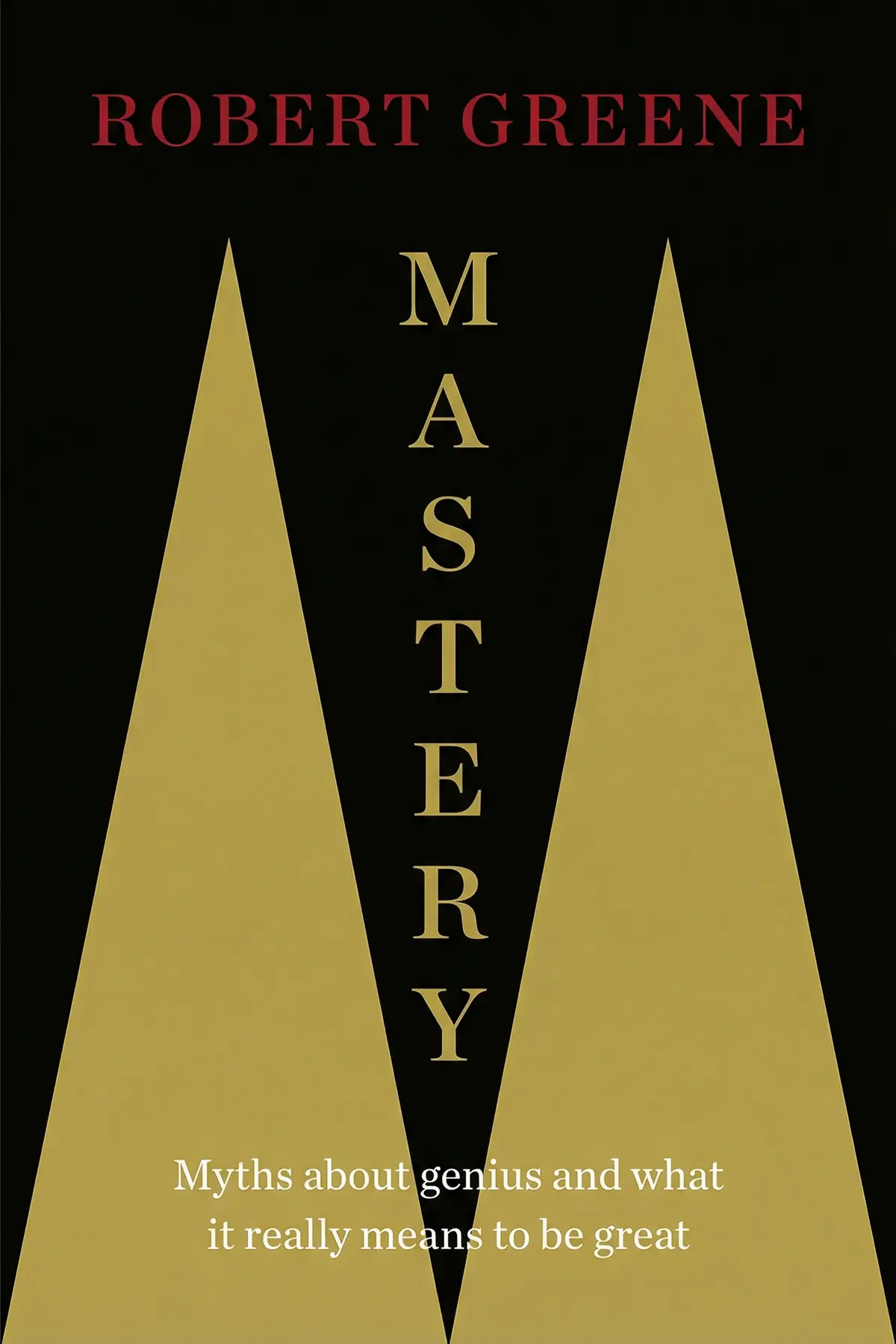
Mastery
Robert Greene
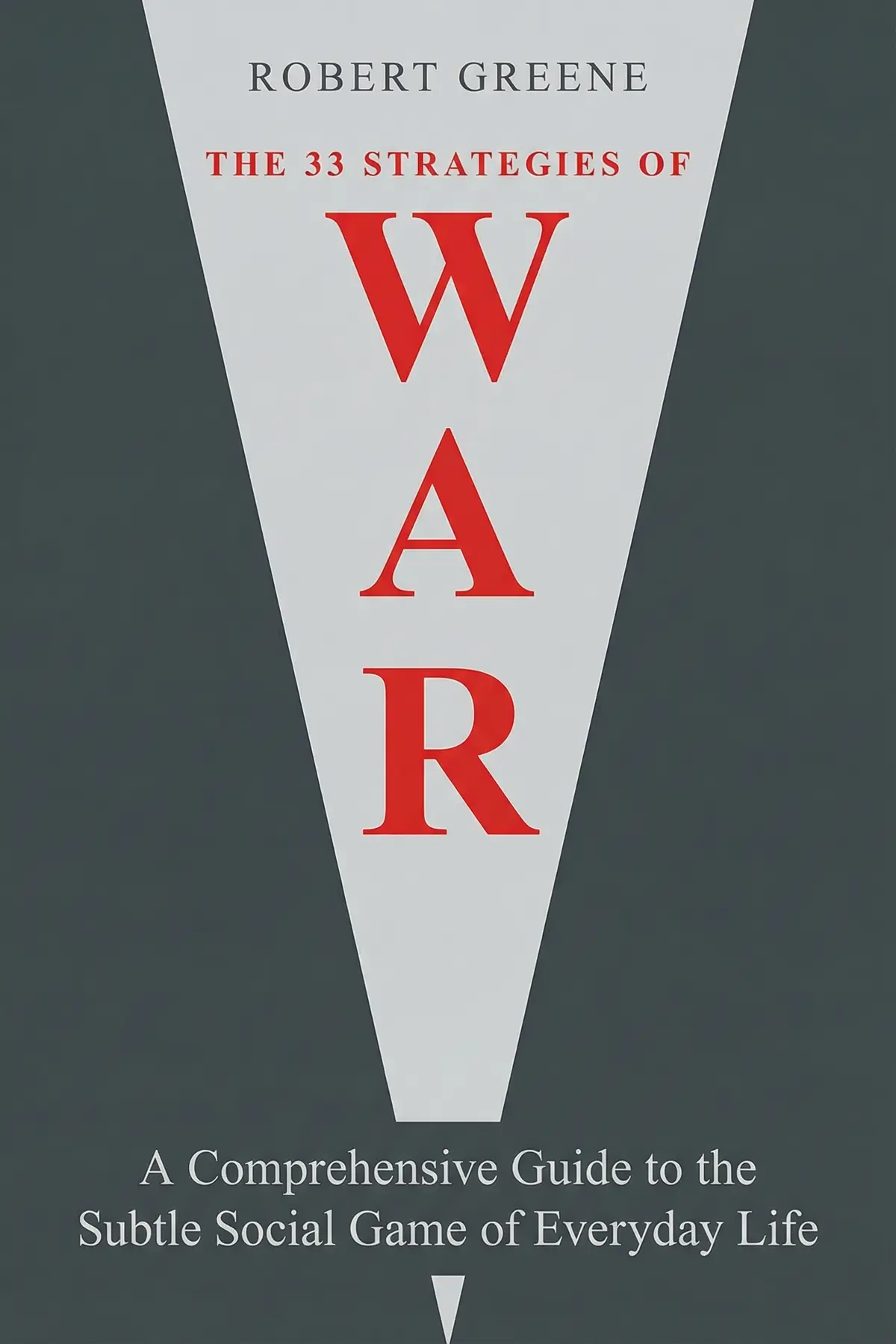
Explore the psychological foundations of conflict and achievement. This guide applies timeless military principles to the social and professional battles of modern life, emphasizing strategic planning, mental urgency, and the true cost of victory.
1 min 41 sec
When we think about the concept of war, our minds often jump to the physical tools of combat—the roar of engines, the gleam of weaponry, or the vast economic engines that fuel national defenses. We might consider how technological leaps, like a faster-loading rifle or a more expansive railway system, tip the scales of history. However, as many modern powers have discovered, material superiority often wilts when confronted by an opponent with a superior grasp of the human spirit and strategic planning. This suggests that the true essence of conflict isn’t found in the hardware, but in the software of the human mind.
Strategy is essentially the art of organizing one’s available resources to achieve a specific end, and at its heart, strategy is an exercise in psychology. To successfully navigate any conflict, whether it’s on a literal battlefield or within the subtle social maneuvering of a corporate office, you must understand how people think, what drives their fears, and how they respond to pressure. This summary delves into the human underpinnings of military strategy, showing how these principles can be applied to the challenges of everyday life. By looking at historical examples and the philosophy of master strategists, we can uncover a framework for acting with more purpose and resolve.
In the following sections, we will explore why facing our mortality can be the ultimate motivational tool, why having no way out is sometimes the best way forward, and why the price of a win can sometimes be so high that it’s better to walk away. We won’t be covering all thirty-three of Robert Greene’s outlined strategies, but we have selected the most impactful insights to help you cultivate a more strategic approach to your own life and ambitions.
2 min 07 sec
Discover how a brush with the end of life can strip away years of procrastination and unlock a lifetime of creative energy and focus.
1 min 59 sec
Explore why having your back against the wall can be a psychological advantage that fuels your most determined and successful efforts.
2 min 08 sec
Learn to distinguish between a short-term win and a long-term disaster by calculating the hidden costs of your battles.
2 min 00 sec
Understand why the most effective move is often to wait, observe, and preserve your resources rather than attacking head-on.
1 min 55 sec
See how adopting a strategic mindset can protect you from emotional volatility and keep you grounded in the face of chaos.
1 min 52 sec
Discover why the careful allocation of your time and energy is more important than the intensity of a single effort.
1 min 46 sec
The principles of strategy are not reserved for generals on a battlefield; they are essential tools for anyone looking to navigate the complexities of the modern world. Throughout this exploration of the human side of conflict, a clear throughline has emerged: the most successful individuals are those who can master their own psychology and maintain a long-term perspective. Whether it is using the reality of mortality to spark urgency, creating ‘death grounds’ to ensure focus, or carefully calculating the cost of every victory, strategy is about acting with intention rather than reacting to impulse.
Complacency is perhaps the greatest enemy we face. It tells us we have plenty of time, that we can always retreat, and that every win is a good win. By adopting a strategic mindset, we can dismantle these illusions. We can learn to value our time as the precious resource it is, to commit fully to our paths by removing easy exits, and to evaluate our goals based on their true, long-term impact.
As you move forward, try to look at your daily challenges through this strategic lens. Ask yourself if you are fighting unnecessary battles or if you are neglecting the psychological preparation needed for your most important goals. Remember that the ultimate goal of strategy is not just to win, but to live a life of purpose, clarity, and sovereignty. By placing your back against the wall when necessary and always keeping the long view in mind, you can turn the friction of life into the fuel for your greatest achievements. The game of life is always being played; the only question is whether you will be a passive participant or a conscious strategist.
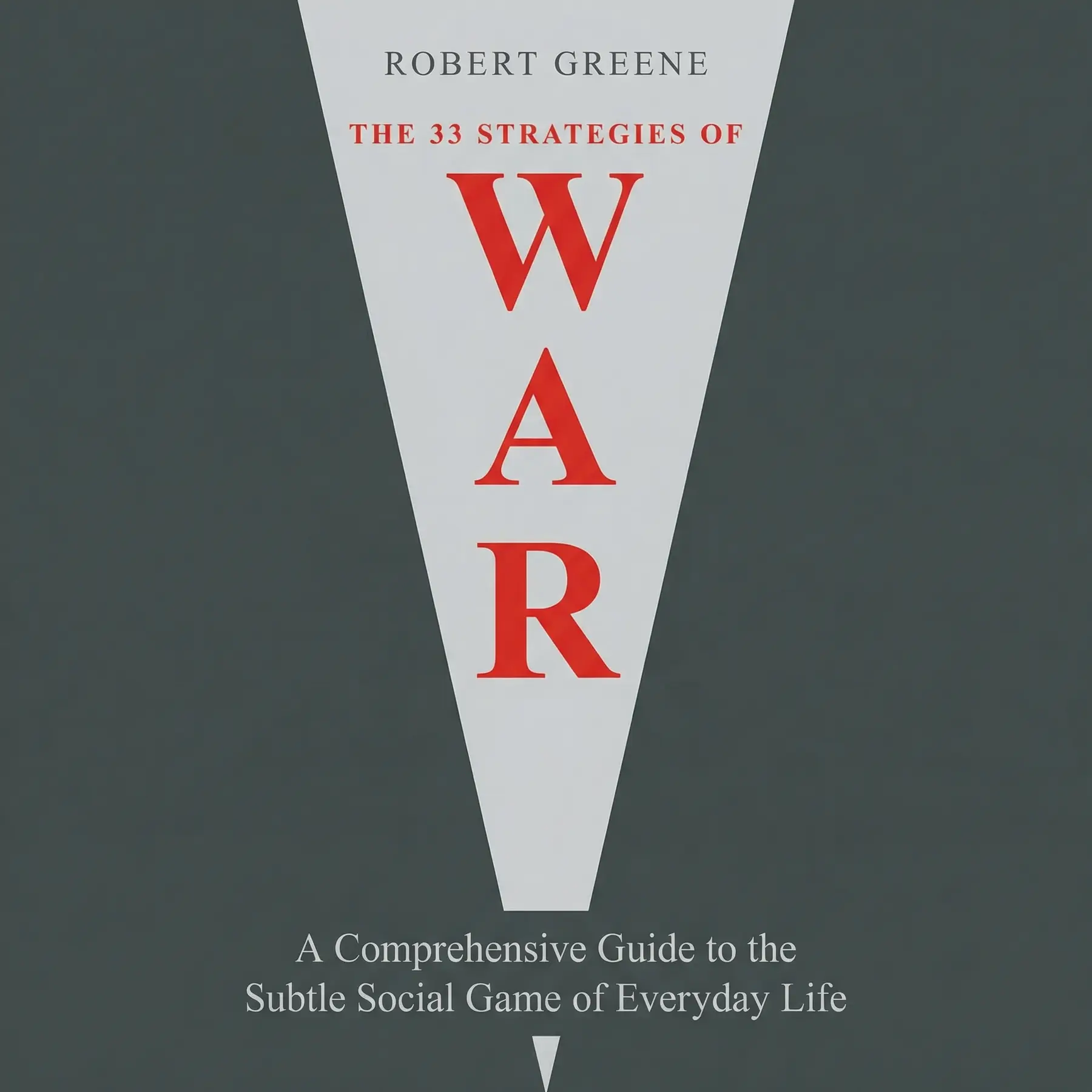
The 33 Strategies of War provides a deep dive into the underlying human dynamics that govern conflict and competition. Rather than focusing solely on ancient battlefields, it translates the maneuvers of history’s greatest generals into a toolkit for navigating the complexities of everyday social and professional interactions. The book argues that strategy is not just about moving pieces on a board, but about mastering one's own psychology and understanding the motivations of others. Through various historical vignettes, the summary explores how a sense of urgency can act as a catalyst for creative output, why eliminating escape routes can lead to unprecedented focus, and how to avoid the trap of a victory that costs more than it is worth. The core promise is that by adopting a strategic mindset, individuals can overcome complacency, manage their resources more effectively, and navigate the inevitable friction of life with greater clarity and purpose.
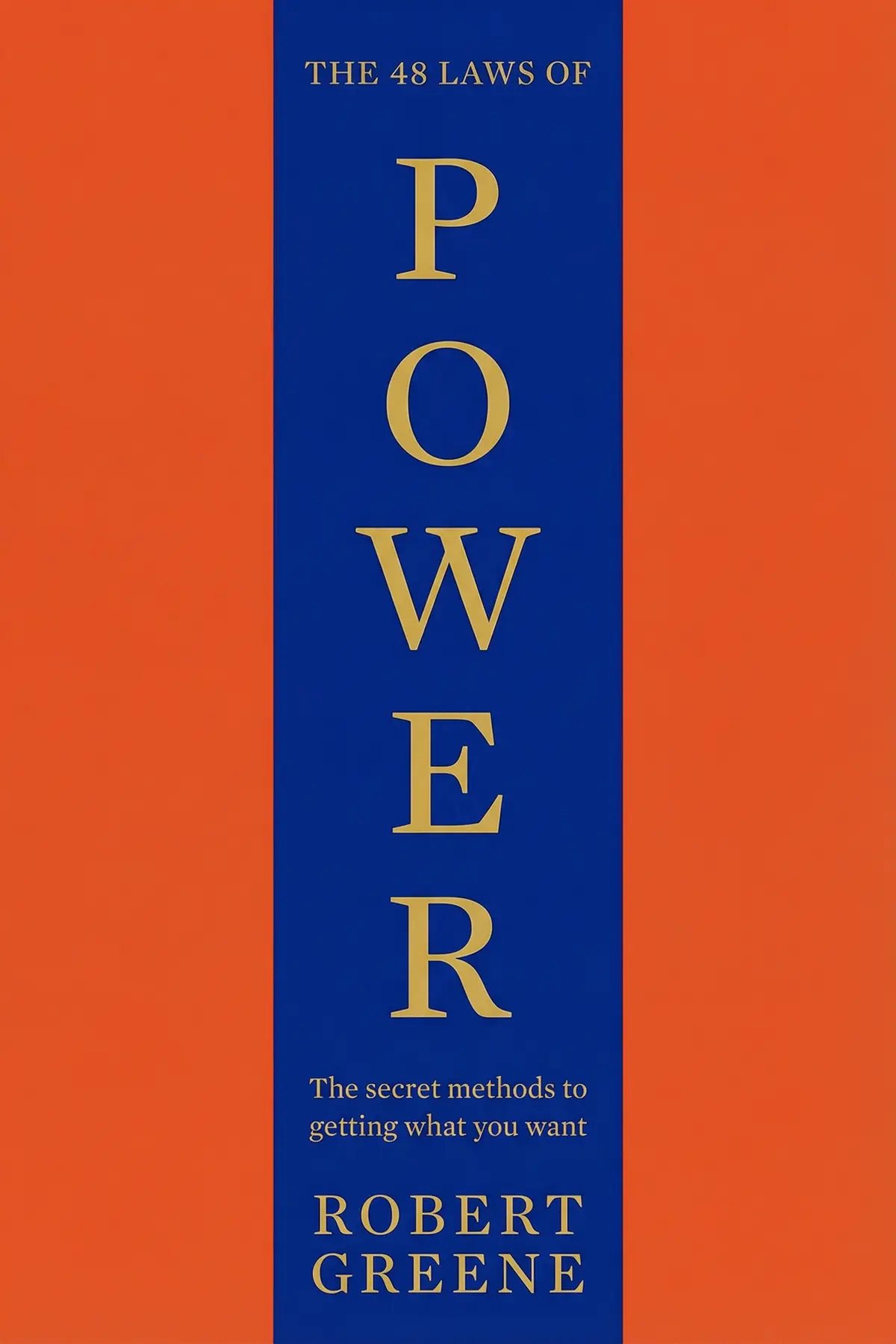
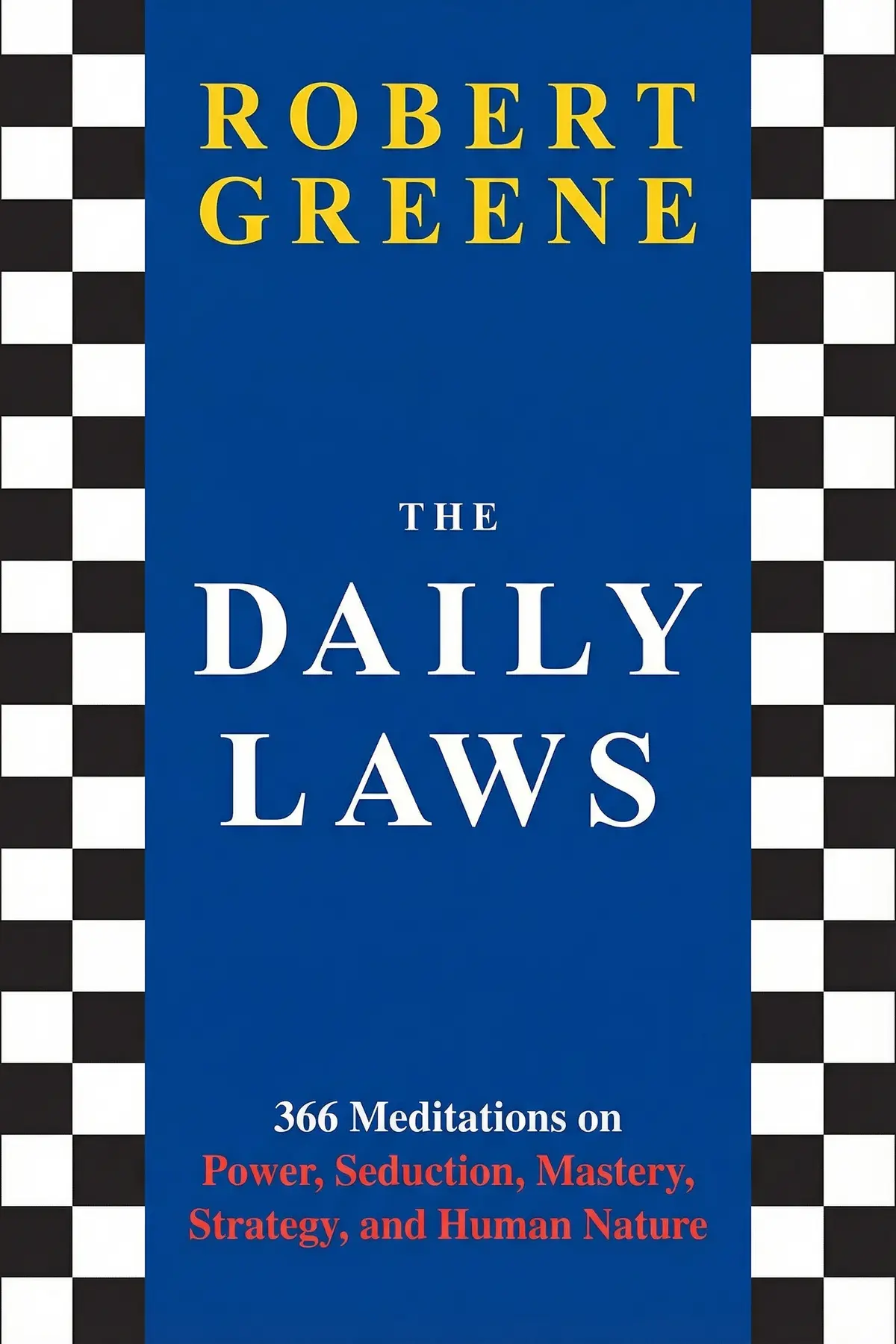
Robert Greene is a celebrated author, playwright, and editor living in Los Angeles. He pursued Classical Studies at the University of California, Berkeley, and the University of Wisconsin–Madison. Greene has gained international acclaim for his deep explorations of power, strategy, and human nature, authoring six best-selling titles including Mastery, The 48 Laws of Power, and The Art of Seduction.
Robert Greene
Robert Greene

Robert Greene
Robert Greene
Listeners view this book as essential reading, noting that the way it organizes lessons into various segments creates a truly immersive experience. They also value how the text merges thorough historical examples of military tactics with profound psychological insights into conflict, showing how these principles apply to daily routines and private hurdles. Additionally, the writing is quite captivating, with listeners finding the material straightforward; one listener specifically pointed out that it renders complicated theories accessible to listeners from all backgrounds.
Robert Greene’s work is essentially a masterclass in human nature disguised as a military manual. I found the way he bridges ancient battlefield maneuvers with modern corporate office politics to be absolutely brilliant. Each section feels like a deep dive into the darker corners of our psyche, making the 'psychology of conflict' much more accessible than a dry academic text. Some might find the amoral tone a bit jarring, but in my experience, it’s refreshing to read something that doesn't sugarcoat the competitive reality of the world. The historical vignettes—from Napoleon to Margaret Thatcher—are curated perfectly to illustrate his points without feeling like a boring history lecture. It is an immersive, necessary read for the modern age.
Show morePicked this up after finishing 'The 48 Laws of Power' and I think this might actually be the superior book. Greene manages to make complex strategic concepts feel intuitive by breaking them down into 33 distinct, digestible sections. The writing style is incredibly engaging, pulling you into historical moments that feel as vivid as a modern thriller. Truth is, while it’s framed around 'war,' the real value lies in the personal challenges it helps you navigate daily. It’s a required read for anyone who feels like they’re being pushed around and needs a concrete plan of attack to regain their ground. It makes complex history accessible to readers from all backgrounds.
Show moreRobert Greene’s ability to synthesize centuries of military thought into a cohesive framework for modern life is nothing short of impressive. I loved the layout of this book, especially the way the margins are filled with quotes and anecdotes that complement the main text. It makes for an immersive reading experience that feels much more interactive than your standard non-fiction book. The insights into the psychology of conflict are particularly sharp, offering a window into how 'great leaders' really think behind the scenes. It’s a fascinating, if somewhat chilling, look at the lengths people will go to in order to secure power. Highly recommended for those who want to understand the hidden layers of strategy.
Show moreFinally got around to reading this beast and I'm genuinely impressed by the sheer volume of military history included. From the tactics of Hannibal to the maneuvers of Roosevelt, the book serves as both a history lesson and a psychological deep dive. The content is surprisingly easy to understand, even for someone who doesn't have a background in military theory or history. It’s one of those rare books that makes complex concepts accessible without dumbing them down. If you want to understand the 'sheepdogs and wolves' dynamic of the real world, you need to have this on your shelf. It is a comprehensive breakdown of the human will to power.
Show moreAfter hearing that this was a 'scary' book, I was eager to see what all the fuss was about. What I found was a brilliantly structured guide to human nature that uses war as its primary metaphor. It’s definitely not for the faint of heart, as it assumes that everyone you meet has their own agenda. But look, in a world that can be quite cutthroat, having these insights into the psychology of conflict is a huge advantage. The stories are the best part—Greene is a fantastic storyteller who knows exactly how to highlight the strategic genius in every historical moment he covers. It makes complex concepts accessible to readers from all backgrounds.
Show moreEver wonder why some people always seem to come out on top in social or professional settings? This book provides a rigorous breakdown of the tactical advantages those individuals likely use, whether they realize it or not. I’ll be honest, the sheer length of the book can be daunting, and I did notice some redundancy in the later chapters where stories felt repeated. However, the immersive experience of reading about Sun Tzu and then applying those lessons to a difficult boss is invaluable. It’s more of an encyclopedia than a narrative, so you can dip in and out of different strategies as needed. It definitely changed how I view interpersonal dynamics forever.
Show moreAs someone who usually avoids the self-help genre, I was surprised by how much I enjoyed this 'Machiavellian' approach to life. It’s not just about winning; it’s about understanding the 'why' behind human behavior in high-stakes environments. Greene doesn’t hold back, presenting the world as a place where everyone is a potential adversary, which might feel cynical or even 'psychopathic' to some. Yet, the historical research is so thorough that it’s hard to argue with his conclusions. Just be prepared for a long haul—the book is dense and covers a massive amount of ground from ancient Greece to Hollywood moguls. It is certainly a required read for the ambitious.
Show moreThe chapter on 'The Death-Ground Strategy' alone made this entire purchase worth it for me. It’s a powerful look at how urgency can become your greatest weapon in personal and professional growth. While I agree with some critics that the book leans toward a 'psychopathy 101' vibe, I think that’s mostly a stylistic choice by Greene to emphasize his points. In reality, the strategies are quite practical for anyone facing opposition or navigating complex social hierarchies. The writing is punchy and the short sentences keep the momentum going even through the denser, more philosophical sections of the text. It provides great insights into the psychology of conflict without being overly dry.
Show moreNot what I expected, but still worth the time for the history alone. The biggest issue I had was the internal contradiction; one chapter tells you to be bold, while the next suggests a more passive-aggressive 'indirect' approach. Of course, strategy depends on the situation, but the book sometimes feels like it’s trying to have it both ways. Also, the prose is a bit repetitive, and you might find yourself reading the same 'life-is-war' sentiment every ten pages. It’s a good guide to different strategic mindsets, but don’t expect a simple step-by-step manual for success. It’s more of a philosophical toolbox than a coherent guide. Some parts feel a bit like vapid self-help.
Show moreThis book is frankly exhausting and feels like a manifesto for sociopaths. While the historical stories are entertaining and well-researched, the author’s insistence on viewing every human interaction as a 'battle' is wearisome and pessimistic. I started to feel like I was reading a guide on how to be the most manipulative person in the room. Some of the 'pithy' catchphrases are so vague they border on meaningless, and the constant repetitive tone makes the 400+ pages feel like 800. If you want to justify an amoral worldview, this is for you, but I found it lacking in actual wisdom or honor. It’s too much Machiavelli and not enough substance for my taste.
Show more
Deepak Chopra
Robin Ryan

Richard Wiseman

AUDIO SUMMARY AVAILABLE
Get the key ideas from The 33 Strategies of War by Robert Greene, plus 5,000+ more titles in English and Thai.







