
25 min 22 sec
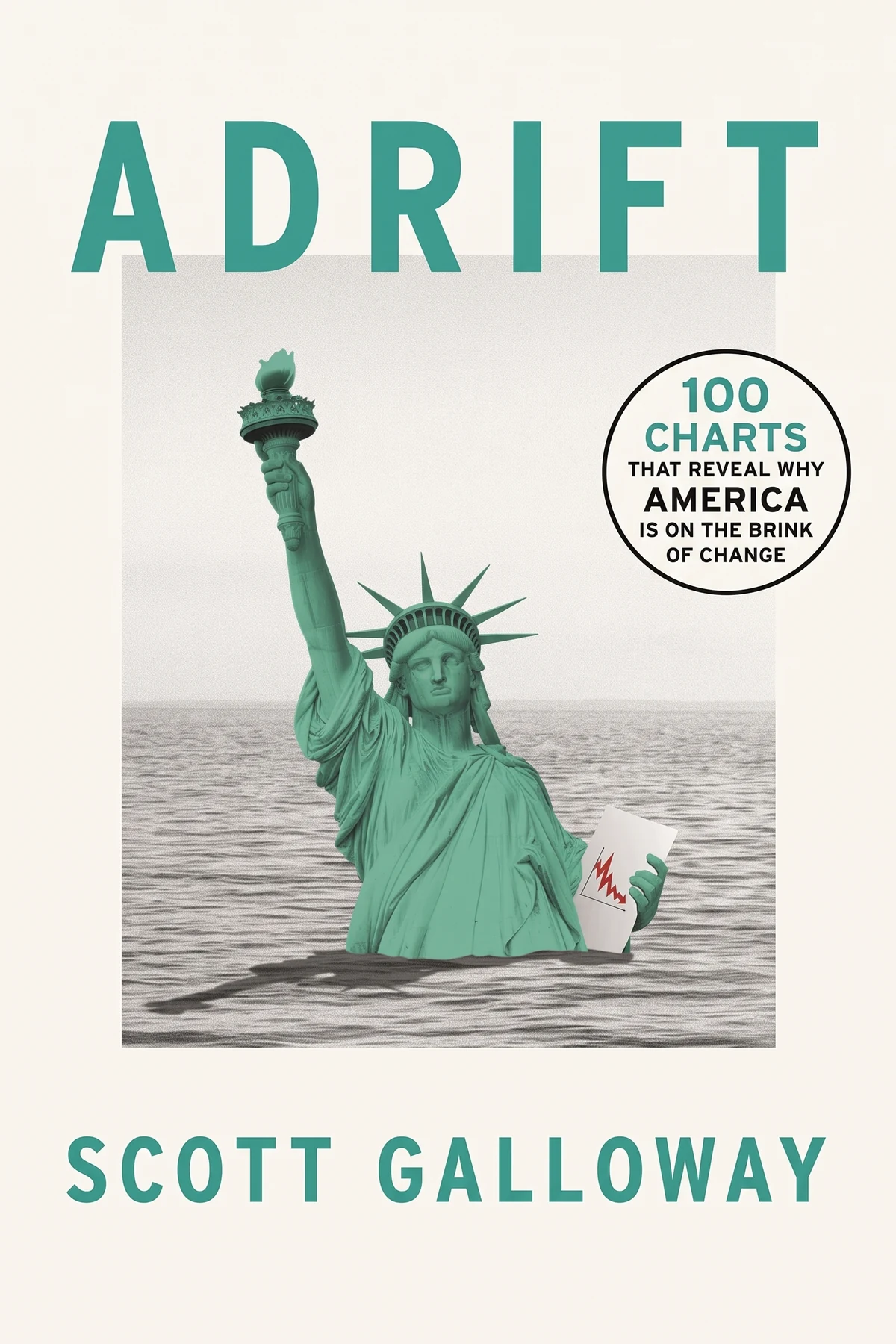
The Life You Can Save: How to Do Your Part to End World Poverty
By Peter Singer
Explore the ethical imperative to address global poverty through the lens of effective altruism. This guide challenges our spending habits and provides a rational framework for making a significant impact on the world.
Table of Content
1. Introduction
1 min 48 sec
We often think of ourselves as moral individuals who care about the suffering of others. We believe in kindness, fairness, and the value of human life. Yet, most of us live in a world where we regularly enjoy small luxuries—a new pair of shoes, a fancy dinner, or the latest tech gadget—while, simultaneously, millions of people struggle to survive on less than two dollars a day. This stark contrast creates a deep ethical tension that we usually prefer to ignore. What if the choice to buy a latte or a new outfit was actually a choice to let someone else die?
This is the uncomfortable but vital question at the heart of our exploration. We are diving into a framework that challenges the very foundation of our daily choices and asks us to reconsider our responsibilities toward the global community. The throughline here is simple yet profound: if we have the power to prevent something very bad from happening without sacrificing anything of comparable moral importance, we are ethically required to act. This isn’t just about being ‘nice’ or ‘generous’; it’s about what justice and reason demand from us.
In the following minutes, we will look at why our moral compass often fails when the suffering is far away, and how we can recalibrate it. We will explore the mathematics of compassion, seeing how relatively small amounts of money can perform what seem like miracles in the developing world. We will also address the common psychological traps that make us feel like our help doesn’t matter, and we will look at practical, realistic ways to integrate meaningful giving into our lives. By the end, you’ll see that the opportunity to save a life isn’t a rare event reserved for heroes, but a choice that sits in your pocket every single day. Let’s begin by looking at a simple story that reveals the true weight of our inaction.
2. The Moral Compulsion of Proximity
2 min 41 sec
Imagine seeing a child drowning in a shallow pond. Would you ruin your expensive shoes to save them? This simple scenario exposes a deep contradiction in our ethical behavior.
3. The Global Disparity and Our Unrealized Potential
2 min 38 sec
Humanity has the resources to end extreme poverty, yet hundreds of millions still live on the brink of survival while global wealth reaches record highs.
4. The Logical Core of Effective Giving
2 min 42 sec
Is it actually wrong to spend money on ourselves? By following three simple premises, we can build a rational case for why donation is a requirement, not a choice.
5. Overcoming the Psychological Glitches of Altruism
2 min 46 sec
Why do we rush to help one child in a well while ignoring millions of others? Understanding our internal biases is the first step toward more rational compassion.
6. Building a Culture Where Giving is the Norm
2 min 42 sec
Individual effort is important, but true change happens when we shift the social landscape. Discover how social proof and default choices can revolutionize how we give.
7. The Importance of Rigorous Effectiveness
2 min 41 sec
Not all charities are created equal. Learn why focusing on cost-effectiveness is a moral necessity and how to ensure your dollars are making the biggest possible impact.
8. Navigating the Tension Between Family and Global Duty
2 min 42 sec
How much do we owe our children versus the children of strangers? Exploring the limits of empathy and the challenge of living an impartial moral life.
9. A Realistic Standard for a Life of Giving
2 min 51 sec
Ending world poverty doesn’t require us to live in misery. Discover the ‘sliding scale’ of giving and how a modest commitment from the wealthy can change the world.
10. Conclusion
1 min 51 sec
In the end, the challenge posed by global poverty is not a lack of resources, but a lack of focused intention. We have seen that the moral duty to act is as clear as the duty to save a drowning child in a shallow pond. Distance and numbers might dull our emotional response, but they do not diminish the reality of the suffering or our capacity to end it. By acknowledging our psychological biases, we can move toward a more rational form of compassion that prioritizes effectiveness and real-world results.
You don’t have to be a billionaire or a philosopher to make a difference. The path forward is built on simple, actionable steps. Start by looking at your own budget and identifying the ‘luxuries’ that you could live without. Consider committing to a specific percentage of your income—whether it’s 1 percent, 5 percent, or more—and direct that money toward charities that have been proven to be highly effective. Tools like the Impact Calculator on thelifeyoucansave.org can help you see exactly what your contribution will achieve, whether it’s providing bed nets, supplements, or life-changing surgeries.
Living a moral life in a world of extreme disparity is a journey, not a single event. It starts with a shift in perspective: seeing your resources not just as a means for personal comfort, but as a powerful tool for global justice. As you begin to give, you will likely find that the sense of fulfillment you gain far outweighs any minor financial sacrifice. You are not just ‘giving money away’; you are participating in the greatest humanitarian achievement of our time. The life you save may be halfway across the world, but the impact of that choice will resonate within your own life forever. Now is the time to step into the water.
About this book
What is this book about?
The Life You Can Save addresses one of the most pressing moral questions of our time: what do we owe to those living in extreme poverty? While many of us consider ourselves good people, we often spend money on luxuries while millions perish from preventable causes. This summary breaks down the philosophical arguments for why we are morally obligated to help and explores the psychological barriers that keep us from acting. Beyond just making a moral case, it provides a practical roadmap for effective giving. By examining the work of organizations that vet charities for their impact, it shows how even small contributions can save lives or restore sight. It moves from theory to action, suggesting a realistic sliding scale for donations that can empower anyone to become part of a global solution to end extreme deprivation.
Book Information
About the Author
Peter Singer
Peter Singer is a world-renowned public intellectual and the Ira W. DeCamp Professor of Bioethics at Princeton University. His writing includes foundational works of contemporary philosophy such as Animal Liberation, Practical Ethics, and One World: Ethics and Globalization.
Ratings & Reviews
Ratings at a glance
What people think
Listeners find the writing exceptionally accessible and believe it should be mandatory reading for students. They value the moral insights provided, and one listener emphasizes its focus on reducing severe global poverty. The work receives acclaim for its charitable significance, with one listener mentioning it suggests reputable charities for contributions. Listeners also observe that the book is quite affordable.
Top reviews
Somsri
Picked this up after seeing a TED talk, and it has genuinely shifted my perspective on personal finance. Peter Singer uses the famous 'drowning child' analogy to illustrate our moral obligations, and it’s a difficult argument to escape. The book is refreshingly accessible for a work of philosophy, making a dense ethical topic feel like a practical conversation. I appreciated the specific mention of organizations like the Fistula Foundation, which provides a concrete sense of where impact happens. It’s a foundational text for anyone looking to live more intentionally. Frankly, the low price of the book makes it an easy investment for the sheer amount of perspective you gain. If you are looking for a way to actually reduce global poverty instead of just feeling bad about it, start here.
Show moreTom
This is easily one of the most important books I’ve ever held in my hands. Singer doesn't just preach; he provides a tangible scale for giving that feels achievable for the average person. Reading about how a simple $50 operation can restore sight through the Fred Hollows Foundation was incredibly moving. It moves the conversation from vague 'charity' to effective 'philanthropy.' The writing style is direct and avoids the typical academic jargon you might expect from a Princeton professor. Not gonna lie, I finished this and immediately signed the online pledge to donate a portion of my annual earnings. It is a rare book that doesn't just ask you to think differently, but actually compels you to act immediately. A life-changing experience.
Show moreManika
As a student of ethics, I found this to be a foundational text that should be mandatory for every university curriculum. Singer makes a brilliant case for why our distance from the world's poorest doesn't diminish our responsibility to them. He highlights that 1.4 billion people live on less than $1.25 a day, a statistic that he humanizes through incredibly powerful anecdotes. The focus on reputable charities like the Small Enterprise Foundation was exactly the practical guidance I was looking for. Unlike other philosophy books, this one is remarkably cheap and easy to digest over a weekend. It challenges the culture of consumerism in a way that feels urgent yet hopeful. You won't look at a bottle of water the same way again after finishing this. Essential reading.
Show morePaiboon
After hearing about the drowning child thought experiment, I knew I had to read the full argument. Singer does not disappoint, delivering a persuasive case that our current level of consumption is morally indefensible. The book is incredibly readable and doesn't require a background in philosophy to understand. I was particularly struck by the stories of people who have dedicated their lives to this cause, like Paul Farmer. It’s a call to action that provides the tools necessary to evaluate where your money can do the most good. Personally, I found the breakdown of how organizations lack capability or transparency to be a vital part of the text. It’s not just about giving; it’s about giving smart. This is a five-star book for its impact alone.
Show moreChatchai
Finally got around to this classic and it certainly lived up to the hype. Singer is a master at making you question your lifestyle choices without feeling like he's attacking you personally. The book is a perfect mix of moral philosophy and practical advice on which reputable charities to trust. I was surprised by how much I enjoyed the sections on international aid and the Millennium Development Goals. It’s an inexpensive purchase that could lead to you saving lives, which is a pretty incredible ROI. The writing is sharp, the arguments are compelling, and the call to action is clear. This should be required reading for anyone who thinks they are a 'good person.' It really puts things into perspective.
Show moreAria
Singer’s logic is practically airtight, even if it leaves you feeling deeply uncomfortable about your morning latte. The core premise—that we should donate a percentage of our income to save lives—is laid out with surgical precision. To be fair, he addresses almost every common excuse we use to avoid giving, which makes for a challenging read. I particularly liked the section on the psychology of giving and why we are moved by individual stories rather than massive statistics. However, I do think he occasionally glosses over the systemic reasons why global poverty persists in the first place. Despite that minor gripe, it remains required reading for students and professionals alike. It’s an ethical wake-up call that provides a clear roadmap through sites like GiveWell. Definitely worth your time.
Show moreTanyaporn
Look, you’re going to feel guilty reading this, but it’s a 'good' kind of guilt that actually leads to change. Singer’s writing is clear and concise, stripping away the layers of rationalization we use to protect our bank accounts. He provides a much-needed bridge between abstract moral theory and real-world results. I appreciated the focus on 'effective altruism' and the data provided by GiveWell to ensure money isn't wasted. My only issue is that the book can feel a bit repetitive in its middle sections. Still, the philanthropic value of the advice is undeniable for anyone wanting to make a difference. It’s a highly readable guide that turns an intimidating global crisis into a series of small, manageable actions. Everyone should read this at least once.
Show moreSara
Ever wonder how much it actually costs to save a human life? This book gives you the answer, and it’s surprisingly less than you’d think. Singer’s approach is refreshing because it’s so practical and avoids the 'all or nothing' trap that keeps people from giving. He suggests a sliding scale for donations that starts at just 1%, making it accessible for almost anyone. The chapters on the psychology of why we don't give were eye-opening for me personally. Although some of the stats are slightly dated, the core ethical argument remains incredibly relevant today. It's a quick read that packs a punch and leaves you with a list of reputable charities to support. Highly recommend for any student of life.
Show morePreeda
While the ethical framework presented here is compelling, the book feels somewhat geared toward a very specific demographic. Singer defines 'comfortable' as anyone earning over $105,000, which might alienate readers who are struggling with their own cost of living. The drowning child metaphor is a classic for a reason, but the repetition of it felt a bit like sentimentalized writing after a while. I was hoping for a deeper dive into the failures of certain NGOs, yet the book stays mostly on the surface of organizational analysis. Truth is, it’s a great introductory text for students, but seasoned donors might find the advice a bit basic. It’s a nice starting point for philanthropy, but it lacks the critical depth needed to understand the complex politics of international development.
Show morePranee
The truth is that Singer treats global poverty like a math problem rather than a political one. While his heart is in the right place, his insistence on individual donations completely ignores the structural issues caused by global capitalism and predatory lending. He suggests donating to UNICEF or Oxfam but barely scratches the surface of why these interventions sometimes fail or create dependency. In my experience, throwing money at a problem without addressing the root cause is just a band-aid. The writing felt a bit sensationalized, focusing on emotional triggers rather than a rigorous analysis of international power dynamics. If you want a feel-good book about giving, this is fine. If you want to understand why poverty exists, you’ll need to look elsewhere. It’s a bit too simplistic for such a complex issue.
Show moreReaders also enjoyed
Afropean: Notes From Black Europe
Johny Pitts
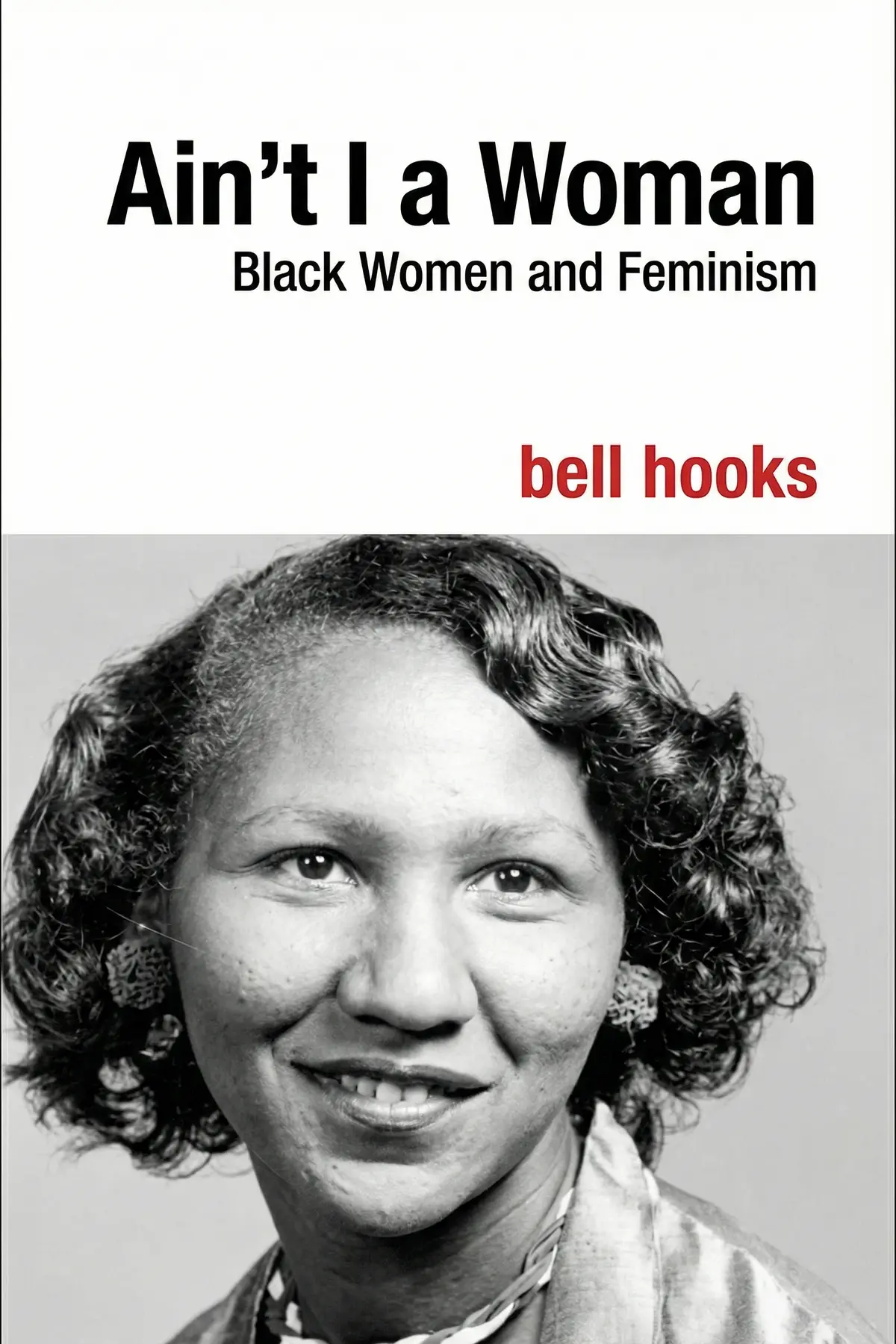
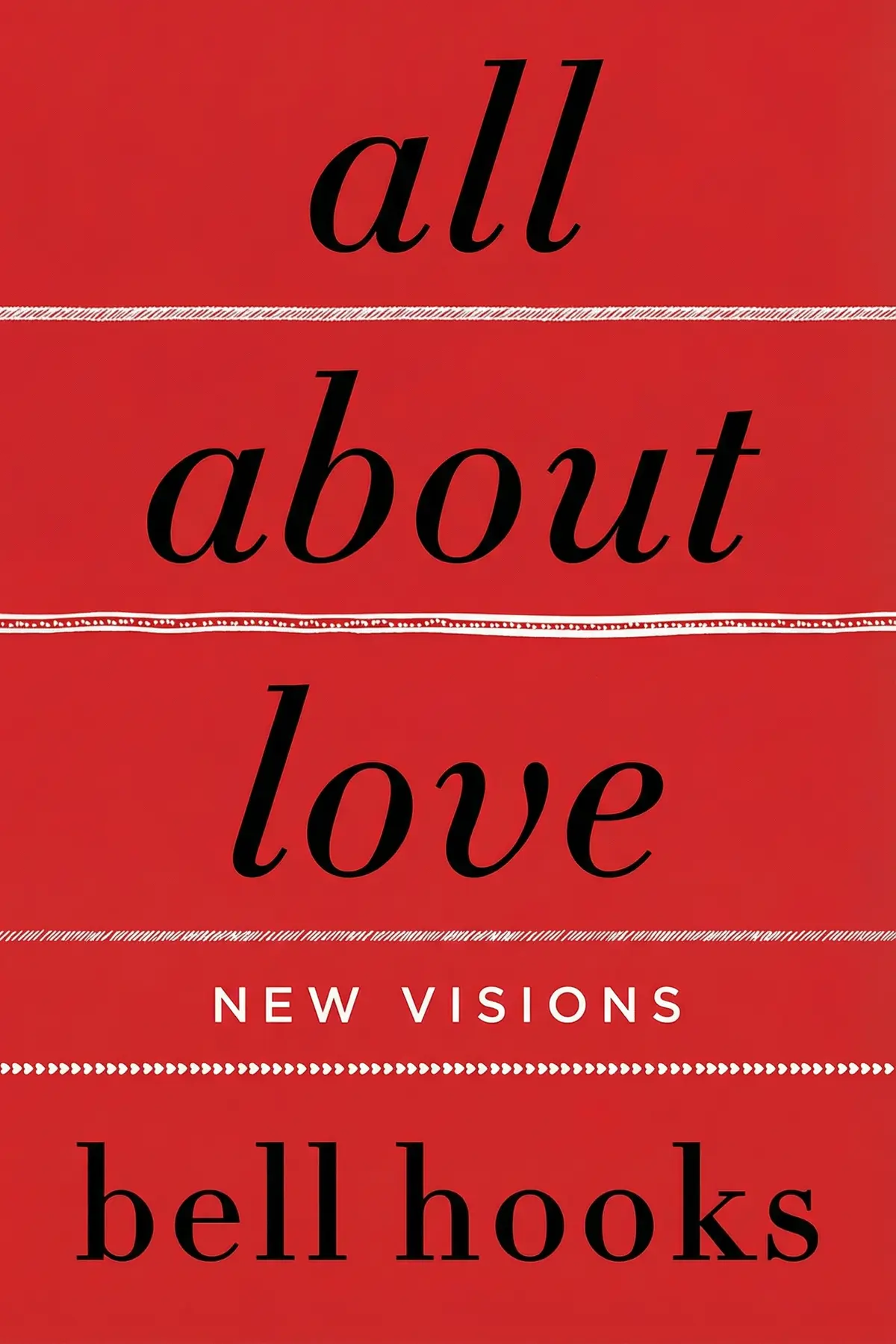
All About Love: New Visions
bell hooks

A Guide to the Good Life: The Ancient Art of Stoic Joy
William B. Irvine

A Biography of Loneliness: The History of an Emotion
Fay Bound Alberti
A Little History of Philosophy
Nigel Warburton
AUDIO SUMMARY AVAILABLE
Listen to The Life You Can Save in 15 minutes
Get the key ideas from The Life You Can Save by Peter Singer, plus 5,000+ more titles in English and Thai.
- 5,000+ titles
- Listen as much as you want
- 7-day free trial
- Cancel anytime







