
16 min 43 sec
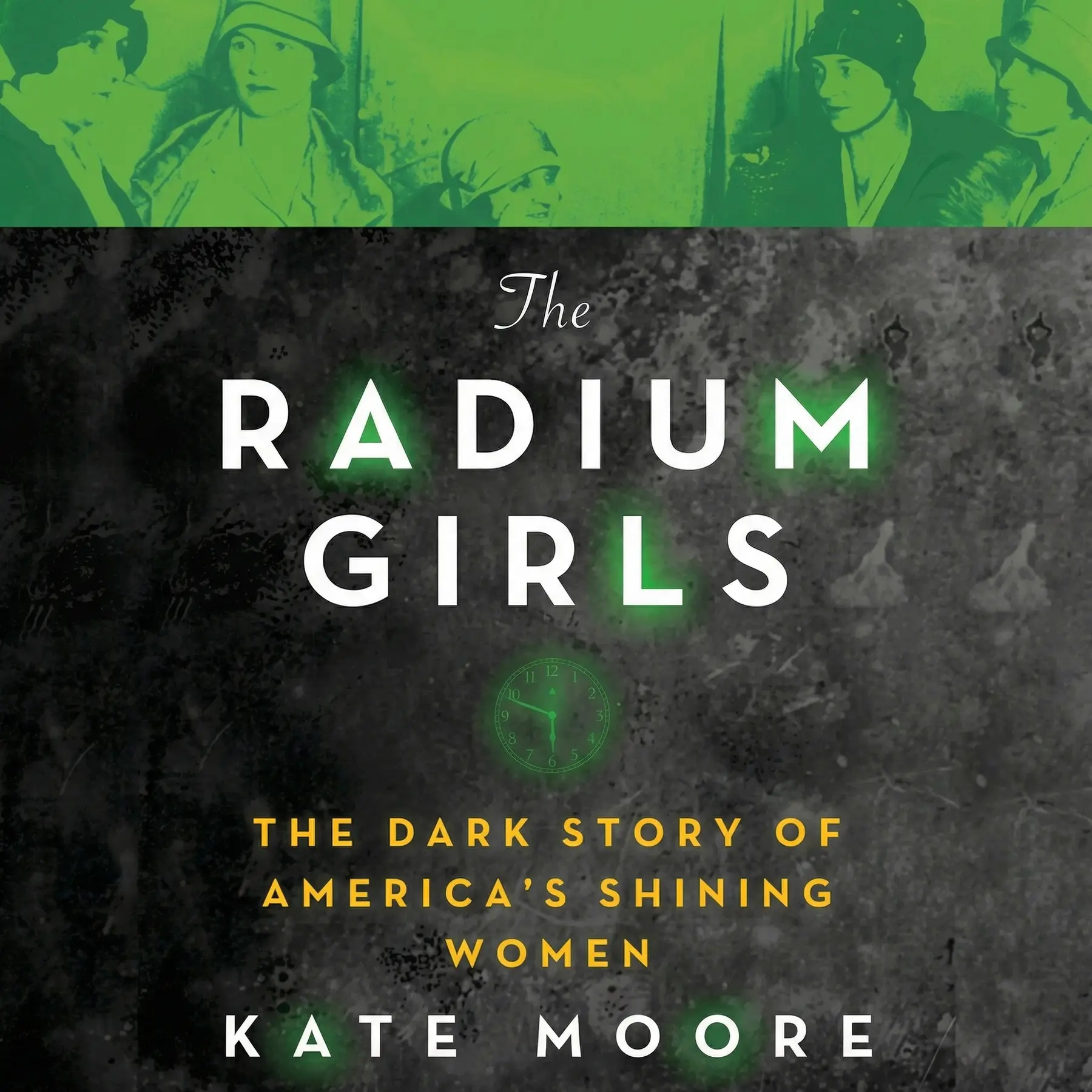
The Radium Girls: The Dark Story of America’s Shining Women
By Kate Moore
Discover the harrowing true story of the women who fought for justice after being poisoned by radium. This summary explores corporate negligence, medical mystery, and the birth of American labor safety laws.
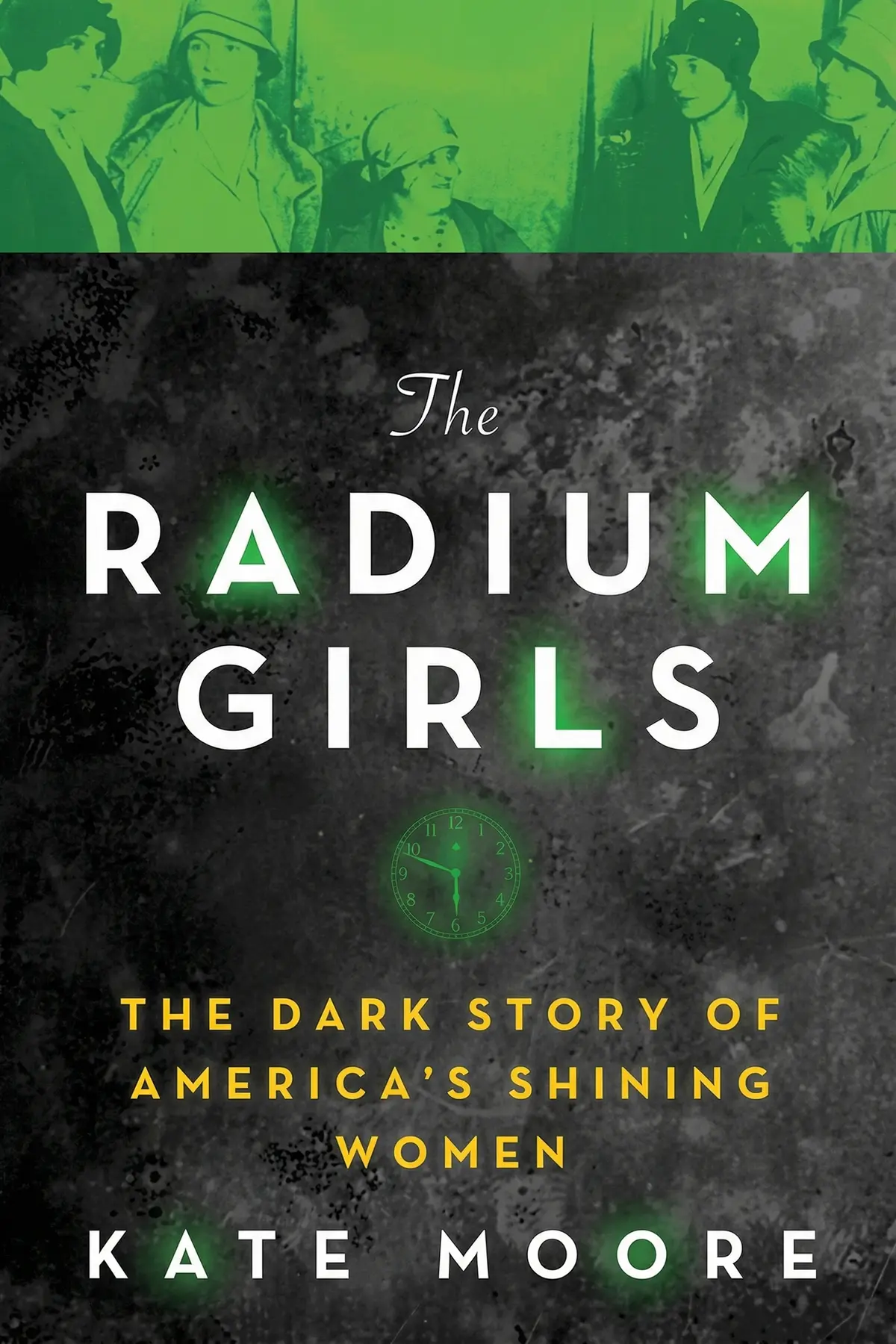
Table of Content
1. Introduction
1 min 51 sec
Imagine entering a workplace that feels like a dream. In the early 1900s, for many young women, this was exactly what painting watch dials offered. It was a job that wasn’t just lucrative—it was considered glamorous. These workers were handling a substance that the world viewed as a miracle: radium. They walked home at night literally glowing, looking like ethereal figures to their neighbors and friends. But beneath that eerie, beautiful light was a terrifying reality that would eventually lead to one of the most significant and tragic labor disputes in the history of the United States.
As we explore this narrative, we aren’t just looking at a historical curiosity; we are examining a fundamental shift in how society views the responsibility of an employer toward its employees. It is a story that pits teenage girls against massive industrial giants who were willing to hide evidence, lie to the public, and watch their workers waste away rather than admit fault. This is a journey through the dark side of American industry, but it is also a celebration of the human spirit. Even as their bodies were failing them, these women found the strength to stand up in courtrooms, to testify from their deathbeds, and to demand that no one else suffer the same fate.
In the following segments, we will trace the rise and fall of the radium industry. We’ll look at the specific scientific misunderstandings that allowed this tragedy to happen, the gruesome physical toll the radiation took on the human frame, and the calculated legal strategies used by corporations to evade accountability. Most importantly, we will see how the perseverance of these few individuals eventually changed the law of the land, providing protections that every worker in America benefits from today. It is a sobering reminder that our modern safety standards were bought with the lives of those who refused to be forgotten.
2. The Allure of a Miracle Element
2 min 24 sec
At the turn of the century, radium was marketed as a fountain of youth and health, appearing in everything from drinking water to beauty products.
3. The Ghostly Work of Dial Painting
2 min 04 sec
Young women were trained in a specific technique called lip pointing, which ensured they ingested deadly radioactive paint with every single brushstroke.
4. When the Bones Begin to Crumble
2 min 11 sec
A mysterious and gruesome illness began to plague the workers, characterized by crumbling jawbones and wounds that would not heal.
5. The Calculated Campaign of Denial
2 min 05 sec
Faced with mounting evidence of their negligence, corporations employed deceptive legal tactics and fake medical experts to avoid responsibility.
6. The Legal Battle for Human Rights
2 min 04 sec
Despite their failing health, the Radium Girls took their fight to the highest courts, securing a landmark victory for worker safety.
7. A Legacy Built on Sacrifice
2 min 18 sec
The tragedy of the radium painters led to the creation of OSHA and provided crucial data for nuclear safety during the Manhattan Project.
8. Conclusion
1 min 46 sec
The story of the radium girls is one of the most poignant chapters in the history of American labor. It begins with the shimmering promise of a modern miracle and ends in the cold reality of corporate betrayal and physical agony. These women were not just victims of a misunderstood element; they were victims of a system that prioritized the accumulation of wealth over the sanctity of human health. Their journey from the vibrant, glowing workshops of their youth to the sterile, painful courtrooms of their final years is a narrative of profound transformation. They started as workers and ended as pioneers of human rights.
What we must take away from this history is the understanding that progress often comes at a steep price, and that price is usually paid by those with the least power. The bravery of women like Mollie Maggia, Grace Fryer, and Catherine Donahue should never be forgotten. They stood up when it would have been easier to lie down. They spoke out when their voices were failing. Because of them, we have the protections we enjoy today. We have laws that mandate transparency about chemical risks, and we have agencies dedicated to ensuring that no one has to choose between their paycheck and their life.
As you reflect on this story, consider the importance of vigilance in our modern world. Corporate negligence is not a relic of the past; it is a recurring theme that requires constant oversight and a courageous public. The radium girls showed us that even in the face of insurmountable odds and terminal illness, justice can be pursued and won. Their legacy is a call to action—to always demand accountability, to value the well-being of every worker, and to ensure that the light of truth always shines brighter than the glow of profit. Let their story serve as a reminder that the most valuable resource in any industry is the human being at the center of it.
About this book
What is this book about?
The Radium Girls tells the heartbreaking yet powerful story of young female factory workers in the early twentieth century. These women were employed to paint watch dials with a new, miraculous glowing substance: radium. Unaware of the lethal dangers, they were encouraged to use their mouths to point their brushes, leading to horrific physical decay and terminal illness. This account follows their transition from glamorous wage-earners to dying activists. When their employers turned a blind eye to the suffering, these women refused to stay silent. Their multi-year legal battle against powerful corporations paved the way for modern workplace safety standards and the creation of OSHA. It is a story of incredible resilience against corporate greed and a reminder of the human cost of industrial progress. You will learn about the science of radioactivity, the specifics of the legal hurdles they faced, and how their sacrifice changed the world forever.
Book Information
About the Author
Kate Moore
Kate Moore is an acclaimed, bestselling author whose literary works have reached audiences across the globe, with translations in more than twelve languages. She is particularly recognized for her ability to bring historical narratives to life. In addition to her work on labor history, she authored the popular book Felix the Railway Cat, which achieved significant commercial success by reaching number three on the Sunday Times Bestsellers list.
Ratings & Reviews
Ratings at a glance
What people think
Listeners find this an incredible experience featuring a masterfully narrated historical tale, superbly crafted as narrative non-fiction with impressive depth of research. The work grips audiences from the very start and is viewed as vital and intriguing history; one listener characterizes it as an elegantly recounted historical record of unimaginable wrongs. Reactions to the emotional weight are varied, with listeners calling it tragic and sorrowful, and opinions on the tempo are similarly split, as some find the progression stirring while others feel it slows down significantly.
Top reviews
Gai
Wow. This was one of the most gut-wrenching and essential books I’ve picked up in years, and I can't stop thinking about it. Kate Moore has done a magnificent job of taking a dry historical event and turning it into a vivid, breathing narrative that honors these women. I was horrified to learn how the companies knowingly poisoned their workers and then tried to smear their reputations to avoid paying medical bills. The way the radium literally settled into their bones and caused their jaws to disintegrate was described in such visceral, painful detail. It’s a heavy read that will likely make you angry, but the strength of the Maggia sisters and Grace Fryer is truly inspiring. This is a powerful testament to the necessity of worker protections and the endurance of the human spirit. While the medical descriptions are tough to stomach, they are necessary to grasp the scale of the injustice.
Show moreAlice
After hearing so many people talk about the 'shining girls,' I finally understood the horror behind that seemingly beautiful nickname. This book is a masterclass in narrative non-fiction, managing to be both a medical mystery and a courtroom drama at the same time. The level of research is simply staggering, as Moore reconstructs the daily lives of these dial painters with such intimacy that you feel like you know them personally. I found myself gasping at the descriptions of the 'lip-pointing' technique and the callousness of the doctors who were paid to lie to these dying teenagers. It’s an infuriating look at how profit is often prioritized over human life, yet it’s also a beautiful tribute to the women who fought back. Please be warned that the medical descriptions are quite graphic, but they are necessary to understand the scale of this tragedy. This is a book that everyone should read at least once.
Show moreLek
Imagine working a job that literally makes you glow in the dark, only to find out that the 'magical' substance is eating you from the inside out. This book is a stunning portrayal of a group of women who refused to be silenced by the powerful men who were profiting from their slow and painful deaths. I was particularly struck by the sense of community among the workers, as they supported one another even as their own families struggled with the mounting medical costs. Moore's writing is incredibly evocative, painting a picture of a time when radium was the height of fashion and girls painted it on their teeth for fun. It’s a dark, tragic, and ultimately triumphant story about the power of the truth and the importance of holding large corporations accountable for their actions. I can't recommend this enough to fans of history or anyone who appreciates a well-told story about underdogs fighting for justice.
Show moreMatteo
These women were absolute warriors who refused to stay silent while their bodies were literally falling apart due to the negligence of their employers. I was moved to tears by the descriptions of the Maggia sisters and their relentless pursuit of the truth in a world that wanted to ignore them. The way Moore weaves together personal letters and court transcripts makes the history feel immediate and incredibly personal for the modern reader. It’s a difficult book to get through at times because of the graphic nature of the radium's effects, but it's an important story that needs to be told. I walked away from this feeling a profound sense of gratitude for the workers' rights that we often take for granted today. If you have any interest in women's history or social justice, you absolutely must pick up a copy of this book immediately. It is truly an unforgettable reading experience.
Show moreCarlos
Finally got around to this historical account and I’m just stunned by how much I didn't know about this specific era of American history. The narrative non-fiction style works perfectly here, making the facts feel as engaging as a novel while maintaining the integrity of the research. I was especially impressed by the way the author detailed the scientific community's slow realization of the dangers of radioactivity. Watching the women fight for justice even as they were too weak to stand up in court was one of the most moving things I’ve ever read. This is a beautifully written and meticulously researched tribute to the 'shining girls' who changed the world through their suffering and their courage. Every chapter is filled with a sense of urgency that keeps you turning the pages, even when the subject matter is difficult to stomach. It is truly an essential read for anyone interested in the human side of history and science.
Show moreNew
Kate Moore has clearly done an incredible amount of homework for this project, utilizing diaries and letters to bring the 1920s back to life. I was fascinated by the early chapters that described how radium was once considered a miracle cure for everything from fatigue to aging. The transition from the 'shining girls' who glowed after work to the women who were dying in agony was masterfully handled by the author. Sometimes the sheer volume of names and dates became a bit much to handle, but the emotional core of the story never wavered. I particularly appreciated the focus on the legal precedents set by these women, which still protect workers in factories across the country today. It’s an informative and deeply moving piece of narrative non-fiction that deserves a spot on everyone's bookshelf. To be fair, the pacing slows down in the middle, but the conclusion is incredibly impactful.
Show moreOak
The sheer level of corporate greed on display in this historical account is enough to make anyone's blood boil with righteous anger. I was captivated by the story of how these young women, many of whom were just teenagers, had to take on massive corporations while their health was rapidly failing. The book does an excellent job of explaining the science of radium poisoning without making it feel like a boring textbook or a dry lecture. My only minor complaint is that the pacing occasionally felt a bit uneven during the middle chapters when the litigation seemed to stall out. Regardless of those small lulls, the overall impact of the story is undeniable and left me feeling deeply reflective about our current labor laws. This is a vital piece of history that should be taught in schools to ensure these women are never forgotten again. It is a long read, but it is worth every minute.
Show moreSiraporn
Not many non-fiction books manage to read like a fast-paced thriller, but this account of the radium dial painters certainly achieves that goal. I found the first half of the book particularly gripping as we watched the girls discover their 'superpower' of glowing in the dark before the symptoms began to emerge. The author does a great job of balancing the individual stories of the women with the broader social and legal implications of their lawsuits. Look, the book is definitely a long read, and there are moments where the repetitive nature of the illnesses can feel overwhelming to the reader. However, the emotional payoff in the final chapters is more than worth the investment of time and energy required to finish it. It’s a heartbreaking reminder of the human cost of industrial progress and the bravery of those who stand up for what is right. I learned so much about the early labor movement from this.
Show moreMingkwan
Is it possible for a historical account to be both incredibly detailed and slightly repetitive at the same time? I found myself struggling to keep track of the dozens of different women introduced, as many of their stories began to blend together after a while. The middle section of the book definitely drags, especially when the legal battles become bogged down in minute details that don't always propel the story forward. To be fair, the descriptions of the physical ailments are absolutely haunting and will likely stay with me for a very long time. I am glad I read this because it shines a light on a forgotten tragedy, but the pacing made it a much slower read than I anticipated. It's a solid piece of non-fiction, but it probably could have benefited from some tighter editing to keep the momentum going through the legal chapters.
Show moreNuk
I really wanted to love this because the history is so vital, but the writing style felt incredibly distracting to me. Why did we need a paragraph about the 'pretty blonde hair' or 'twinkling blue eyes' of every single person introduced? It felt like the author thought we would only care about their horrific deaths if we knew they were attractive first. Frankly, the constant repetition of 'lip, dip, paint' started to feel like a gimmick after the tenth time it appeared on the page. While the research is undeniably thorough, the narrative voice felt more like a YA novel than a serious historical account of corporate negligence. I appreciate the effort to humanize these workers, but the flowery language and cliffhanger chapter endings really undermined the gravity of the subject matter for me. It is an important story, but I wish it had been written with more professional restraint.
Show moreReaders also enjoyed


A Splendid Exchange: How Trade Shaped the World
William J. Bernstein
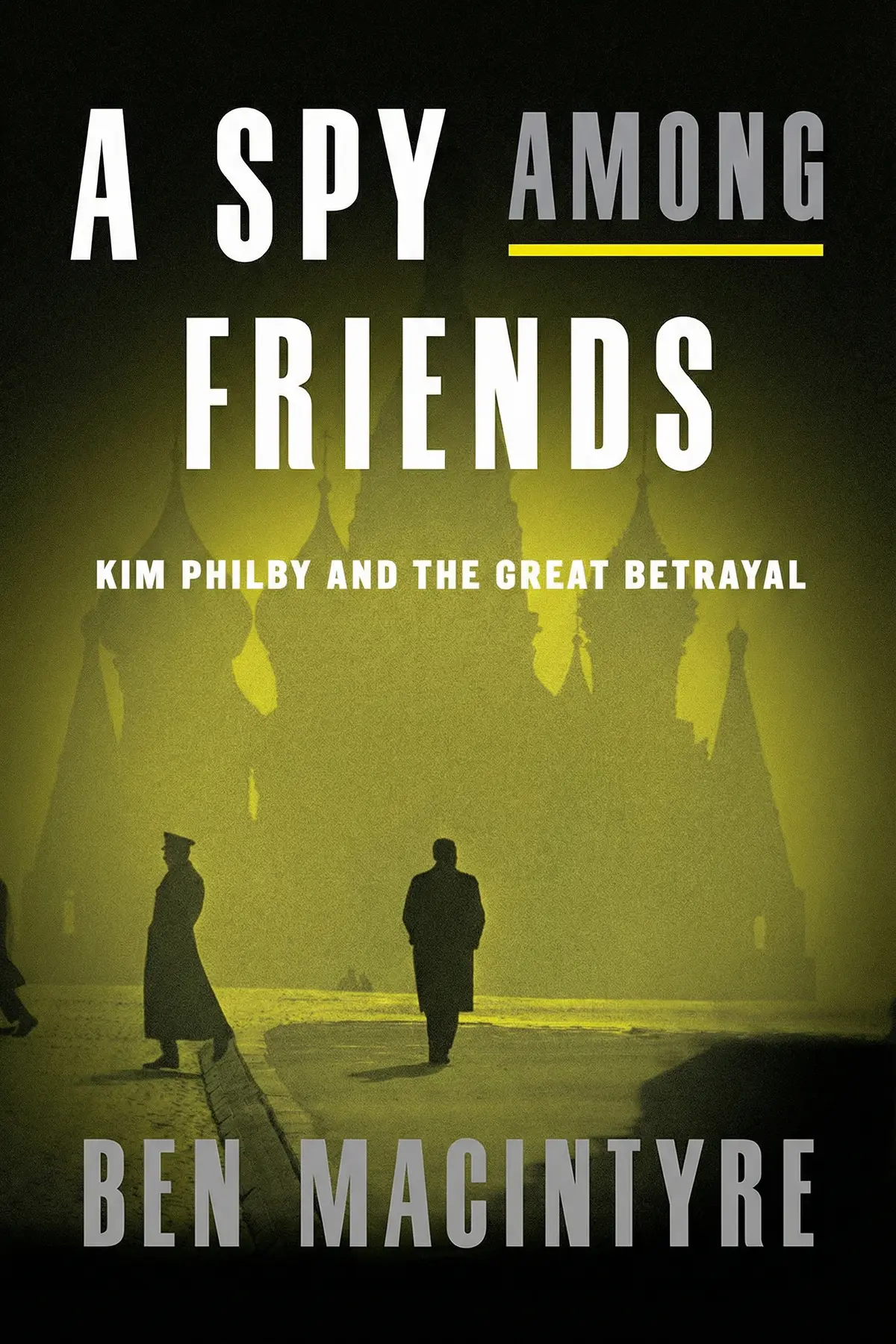
A Spy Among Friends: Philby and the Great Betrayal
Ben Macintyre
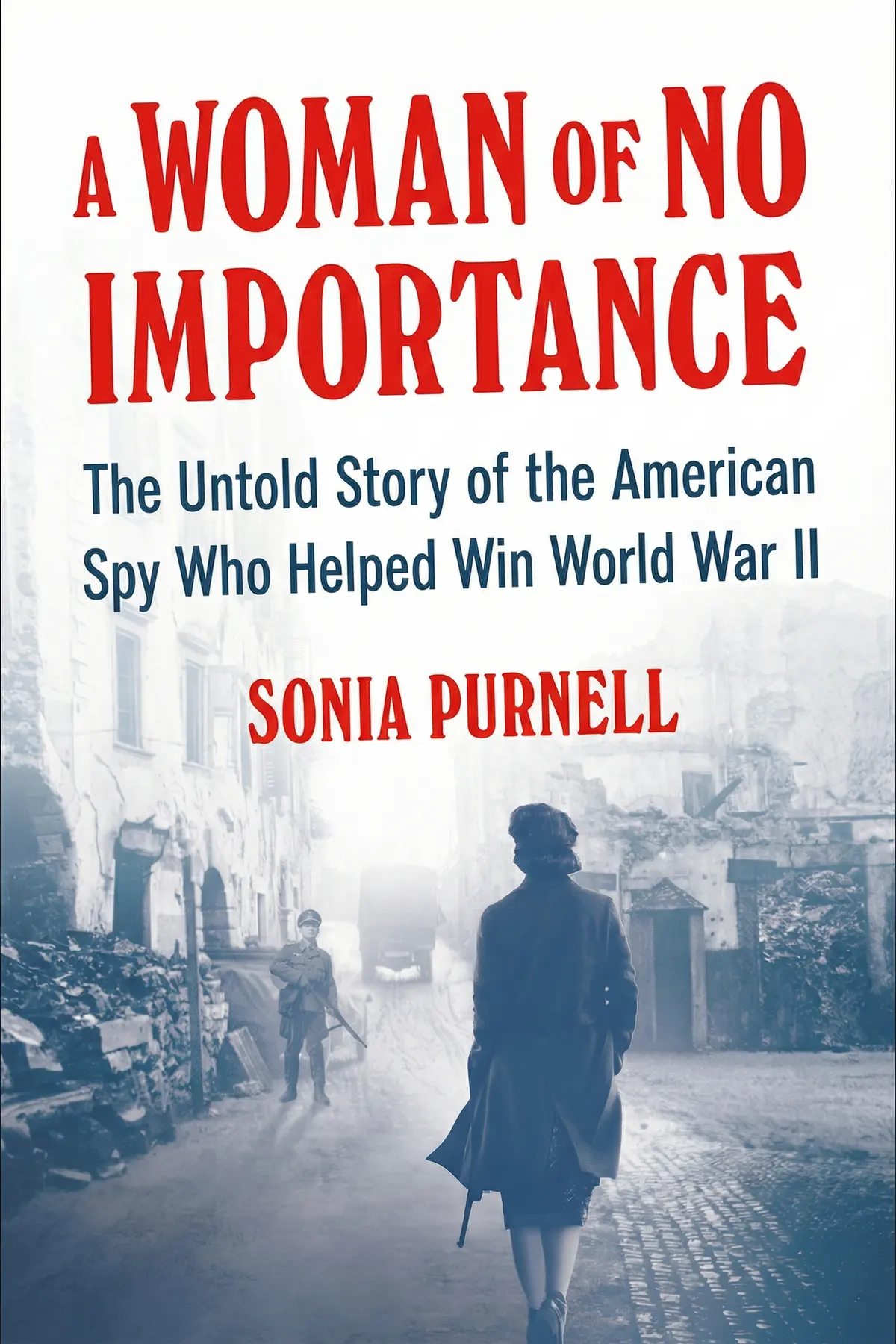

1491: New Revelations of the Americas Before Columbus
Charles C. Mann

A Year in the Life of William Shakespeare: 1599
James Shapiro
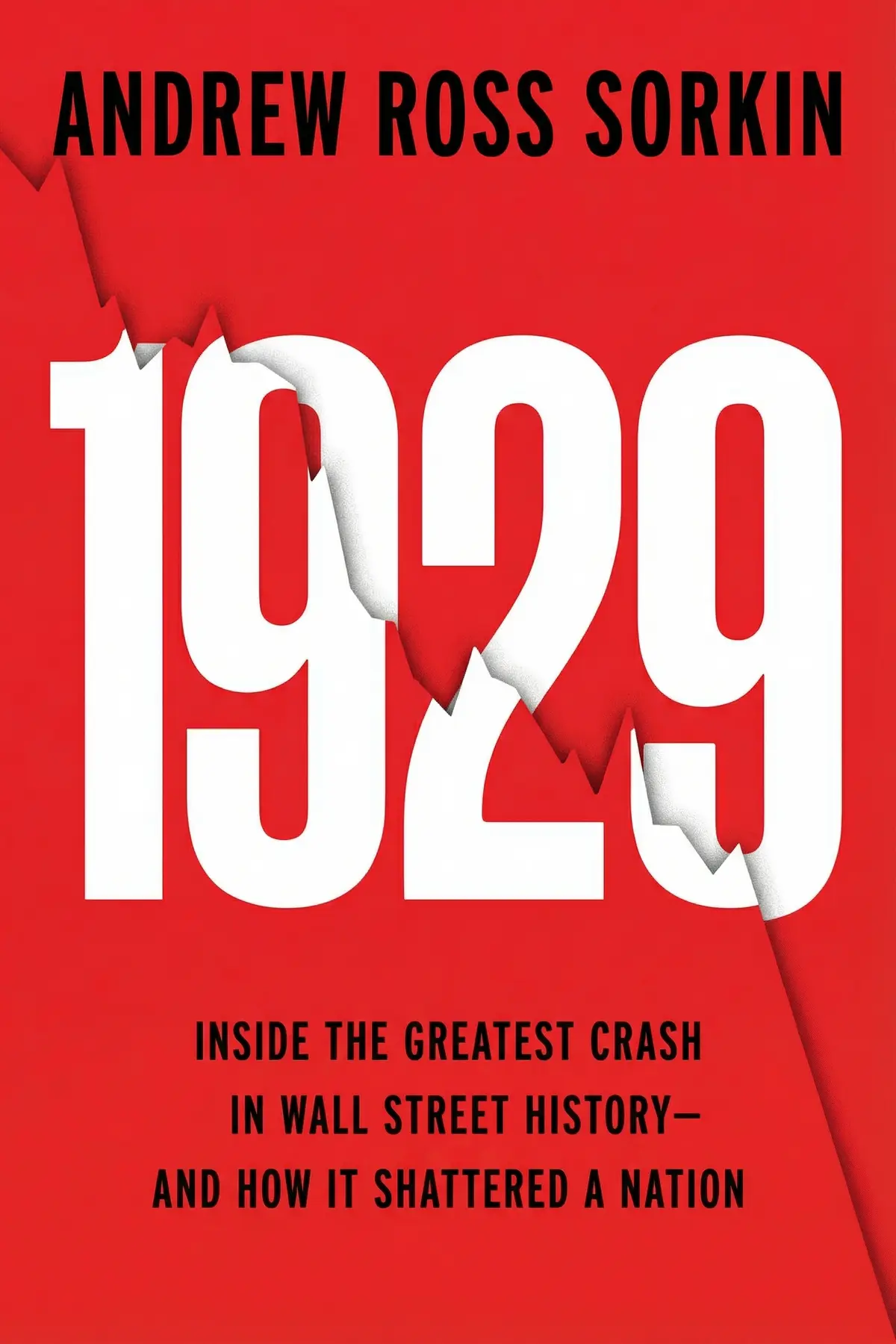
1929: Inside the Greatest Crash in Wall Street History--and How It
Andrew Ross Sorkin
AUDIO SUMMARY AVAILABLE
Listen to The Radium Girls in 15 minutes
Get the key ideas from The Radium Girls by Kate Moore, plus 5,000+ more titles in English and Thai.
- 5,000+ titles
- Listen as much as you want
- 7-day free trial
- Cancel anytime







