
Adults in The Room: My Battle With Europe’s Deep Establishment
Yanis Varoufakis
The Raging 2020s examines the crumbling social contract between citizens, business, and government. Alec Ross explores how to rebalance power, fix global tax systems, and navigate the disruptive shift toward a more equitable future.
1 min 41 sec
Every time you move through your day, you are benefiting from a silent, invisible infrastructure. Think about your morning drive. You’re navigating a vehicle that was likely a global effort—engineered in one country, manufactured in another, and safety-tested according to regulations set by a third. You rely on the quality of the asphalt beneath your wheels and the traffic laws that keep chaos at bay. This seamless experience is the result of a delicate, three-way partnership between the individual, the government, and private enterprise. When this partnership works, society moves forward in relative harmony.
However, if you feel like that harmony has been replaced by friction and frustration, you aren’t alone. That invisible web of cooperation—often called the social contract—is beginning to fray at the edges, and in some places, it has snapped entirely. We are living through a decade of intense disruption where the old rules no longer seem to apply, and the new ones haven’t been written yet. The throughline of our exploration today is this very contract: what it is, why it’s broken, and how we can mend it.
As we dive into the ideas of Alec Ross, we will look at the historical precedents for our current turmoil and the economic shifts that have allowed corporations to grow more powerful than some nations. We’ll examine the specific ways that tax codes and labor laws have fallen behind the pace of innovation, leaving the average person vulnerable. But this isn’t just a list of grievances. It’s a search for a better equilibrium—a way to ensure that the roaring progress of the 2020s doesn’t leave the majority of the world’s population behind. By the end of this journey, you’ll have a clearer picture of the competing models for our global future and what role we must play in deciding which one wins out.
2 min 03 sec
What really holds a society together when laws and culture aren’t enough? Explore the hidden agreements that balance power and why they occasionally collapse.
2 min 05 sec
Discover how a single economic theory changed the mission of the modern corporation and led to life-saving medicines becoming unaffordable.
2 min 05 sec
When the state retreats, who fills the void? Learn why modern governments are struggling to provide basic services and how lobbying plays a role.
2 min 02 sec
Labor unions were once the backbone of the middle class. Explore how new models of worker organization could bridge the gap in modern inequality.
2 min 02 sec
How do the world’s most profitable companies pay almost nothing in taxes? Uncover the complex schemes that drain public funds.
1 min 47 sec
Is it possible to stop the ‘race to the bottom’? Learn about the innovative proposal that could force multinationals to pay their fair share.
1 min 49 sec
Warfare is no longer just about soldiers and tanks. Discover why the next great conflict will be fought with code and why the state needs tech experts.
2 min 16 sec
The world stands at a crossroads. Will we follow the path of individual liberty or trade freedom for state-sponsored stability?
1 min 27 sec
The decade we are currently navigating is one of profound transition. As we have seen, the social contract that held our world together for the last century is no longer sufficient to meet the challenges of the digital age. We have allowed the balance of power to tilt too far toward corporations, resulting in a world of extreme inequality, weakened governance, and a fraying sense of community. The ‘Raging 2020s’ are a wake-up call, a signal that the old ways of doing business and politics are reaching their breaking point.
But within this turmoil lies an opportunity for renewal. By shifting from shareholder primacy to stakeholder capitalism, we can ensure that businesses once again serve the interests of society. By reforming our global tax systems and modernizing labor organizations, we can begin to rebuild a middle class that has been hollowed out by decades of neglect. And by fostering a new, ethical partnership between technology and the state, we can protect our freedoms in the digital frontier.
The road ahead requires us to choose between an open future of liberty and a closed future of control. This isn’t just a choice for politicians or CEOs; it’s a choice for all of us. It starts with demanding accountability and recognizing that a functioning society is not something that happens by accident—it’s something we have to build and protect together. The lesson of this decade is clear: if we want to survive the rage of the 2020s, we must find a way to write a new contract that leaves no one behind.
The world is currently navigating a period of intense volatility, where the traditional agreements that once balanced the interests of the public, the state, and the private sector have begun to disintegrate. In The Raging 2020s, Alec Ross explores the root causes of this instability, from the rise of shareholder-first capitalism to the digital arms race between global powers. The book serves as a roadmap for understanding why our current economic and political systems are failing so many people and what can be done to restore harmony. Ross promises a deep look into the mechanisms of modern power, including the ways multinational corporations avoid their civic duties and how technology is redefining national security. By comparing different global models—such as the authoritarian approach of China and the social safety nets of the Nordic countries—he illustrates the choices that lie ahead for humanity. The promise is a clearer understanding of the 'new social contract' required to survive and thrive in this decade of disruption.
Alec Ross is a multi-faceted professional with a background as an entrepreneur, professor, and high-level policy advisor. He notably served as the technology policy advisor for Secretary of State Hillary Clinton during the Obama administration. Currently, he shares his expertise as a Distinguished Visiting Professor at the University of Bologna and works as a Board Partner at the venture capital firm Amplo. Ross is also a recognized author; his 2016 work, Industries of the Future, earned a spot on the New York Times best-seller list and was honored as Book of the Year by the TriBeCa Film Festival’s Disruptive Innovation Foundation.
Listeners consider this work a deeply researched and eye-opening examination of how the social contract is evolving among businesses, states, and the citizenry. They praise how the author explains complicated global hurdles and economic friction using a straightforward, easy-to-understand approach. Furthermore, many listeners prize the book for its optimistic urge for change, with one listener highlighting its special relevance for the youth who must live with today's policy decisions. They additionally point out that the text delivers an exhaustive assessment of contemporary problems while suggesting possible remedies to achieve a more balanced tomorrow.
Alec Ross has a way of taking these massive, looming global anxieties and turning them into something you can actually wrap your head around. I found the analysis of how the social contract has disintegrated since the 1970s to be particularly sharp and well-documented. It is a bit of a heavy read at times—it will definitely make you feel a mix of anger and sadness—but the hope is there if you look for it. Truth is, we have spent too many decades prioritizing shareholder returns over the actual well-being of the people who make these companies run. This book serves as an essential roadmap for the next generation to start making better choices. I have already bought copies for my younger cousins because they are the ones who will really have to navigate this 'raging' decade. Highly recommended for anyone interested in the intersection of tech, labor, and the future of our democracy.
Show moreWow, what a wake-up call for anyone trying to navigate the chaos of the current decade. This book provides a much-needed diagnosis of why everything feels so unstable right now, from the way we work to the way we are governed. I was particularly struck by the sections on AI and how technology is allowing for levels of observation and control that we aren't prepared for. Ross manages to articulate those vague tensions many of us feel but can’t quite put into words. It’s a bit of a hard read emotionally because the stakes are so high, but it’s also edifying. We can’t fix what we don’t understand, and this book lays the groundwork for that understanding. If you care about climate change, labor rights, or global politics, you really shouldn't skip this one.
Show moreFinally got around to reading this, and it’s easily one of the most illuminating books I’ve picked up this year regarding the clash between open and closed economic systems. Alec Ross has a gift for making complex IT and AI concepts feel relevant to the average person’s daily life and future job security. The discussion about how technologies of observation are being used globally was genuinely disturbing and has changed how I look at my own digital footprint. It’s a fast read because the style is so clear, but the ideas will stick with you for a long time. It feels like a definitive call to action for our generation to stop spiraling toward chaos and start building rules that actually work for society as a whole. A must-read for anyone who wants to understand the 2020s.
Show moreAs someone who works in the tech sector, seeing the breakdown of how companies like Google and Apple manipulate paper transactions to avoid taxes was both eye-opening and deeply frustrating. Ross doesn't pull any punches when describing how we've let corporations gain influence at the expense of sovereign countries and their citizens. This book isn't just a list of complaints, though; it’s a well-researched exploration of the history that led us here and a hopeful look at how we can fix it. The emphasis on sustainability and the need for a new 'contract' is exactly what we need to be talking about right now. I felt overwhelmed at points, but ultimately, the book left me feeling empowered to think about ways to make a change. It’s a rare book that can be both scary and inspiring at the same time.
Show moreIs the social contract between citizens and the powers-that-be fundamentally broken? After reading this, it’s hard to argue otherwise. Ross does an excellent job explaining how multinational giants like Apple and Google use complex paper transactions to essentially pay themselves while avoiding the tax burdens that support the rest of society. The book is incredibly well-researched, tracing the shift from stakeholder focus to the current obsession with short-term gains. I appreciated the clear and accessible writing style, which kept me engaged through some pretty dense economic theories. My only minor gripe is that some of the solutions felt a bit more optimistic than the reality on the ground might allow for. Still, it is a crucial call to action that identifies where our current tensions come from and where we might find the leverage to fix them.
Show morePicked this up after seeing a few interviews with Ross, and I wasn’t disappointed by his deep dive into how stakeholder focus has shifted toward pure shareholder greed since the 1970s. The way he frames the conflict between companies, countries, and people is illuminating and helped me see the global economy in a new light. I found the chapters on tax avoidance to be especially eye-opening; it’s frustrating to see how the system is rigged, but seeing the mechanics of it is the first step toward change. The writing is snappy and moves quickly despite the heavy subject matter. I do wish there was a bit more focus on small business owners who are caught in the crossfire of these giant corporations and government regulations. Overall, it’s a strong, informative piece of work that actually offers a glimpse of a more equitable future.
Show moreAfter hearing so much buzz about 'The Raging 2020s,' I was surprised by how accessible the prose actually was. Many books on political science or global economics can be dry, but Ross keeps things moving with relevant examples and a clear narrative arc. He does a great job of explaining how the wealth distribution has been fundamentally altered by multinational influence over the last fifty years. It’s a bit of a lose-lose situation right now, but Ross argues that we can still turn it into a win-win if we have the courage to rewrite the social contract. I would have liked a little more detail on how specific industries like farming are being impacted by these shifts, as that felt a bit brief. Still, this is a very high-quality analysis that doesn't shy away from the hard truths.
Show moreThe chapter on the intersection of government and labor was particularly poignant, highlighting how we've traded long-term stability for short-term gains. Not gonna lie, some of the sections on tax evasion made my blood boil, but that’s clearly the point. Ross wants us to see the 'malefactors of great wealth' for what they are and understand that the current mess is a result of specific choices, not just bad luck. My only criticism is that the author’s optimism can feel a bit detached from the reality of our current political division. However, his ability to articulate these concerns in such a clear way is a major service to the public. Whether you're interested in climate change, AI, or just the future of your own paycheck, there is something valuable in here for you.
Show moreWhile the research here is undeniably thorough, the tone occasionally veered a bit too far into 'doom and gloom' territory for my liking. Ross is clearly an expert, and his history of the social contract is fascinating, but I felt the book occasionally lacked a balanced perspective on how private enterprise can also drive positive change without heavy-handed government intervention. Look, I get that things are a mess by design for a small number of wealthy people, but the emphasis on progressive social programs felt a bit repetitive by the end. To be fair, the discussion on the clash between open and closed economic systems was brilliant and offered some of the best insight into the rise of China I’ve read recently. It’s worth a read, just be prepared for a very specific political slant that might not sit right with everyone.
Show moreTo be fair, I went into this expecting a non-partisan look at the economy, but it felt more like a political primer than a balanced analysis. The author’s background in the Obama administration clearly colors every page, and I found the constant praise for progressive activism to be a bit one-sided. He spends a lot of time criticizing contemporary capitalism but seems to gloss over the failures of the social programs he advocates for. For example, the discussion on the response to Hurricane Maria felt like it was missing a lot of context regarding local bureaucracy. If you’re looking for a book that reinforces a left-leaning worldview, you’ll love it. Personally, I was hoping for something that looked more at qualifications and personal responsibility rather than just shifting power to the 'workers' regardless of the larger economic picture. I ended up skimming the last third.
Show moreYanis Varoufakis
Tracy Rosenthal
Jessica Valenti
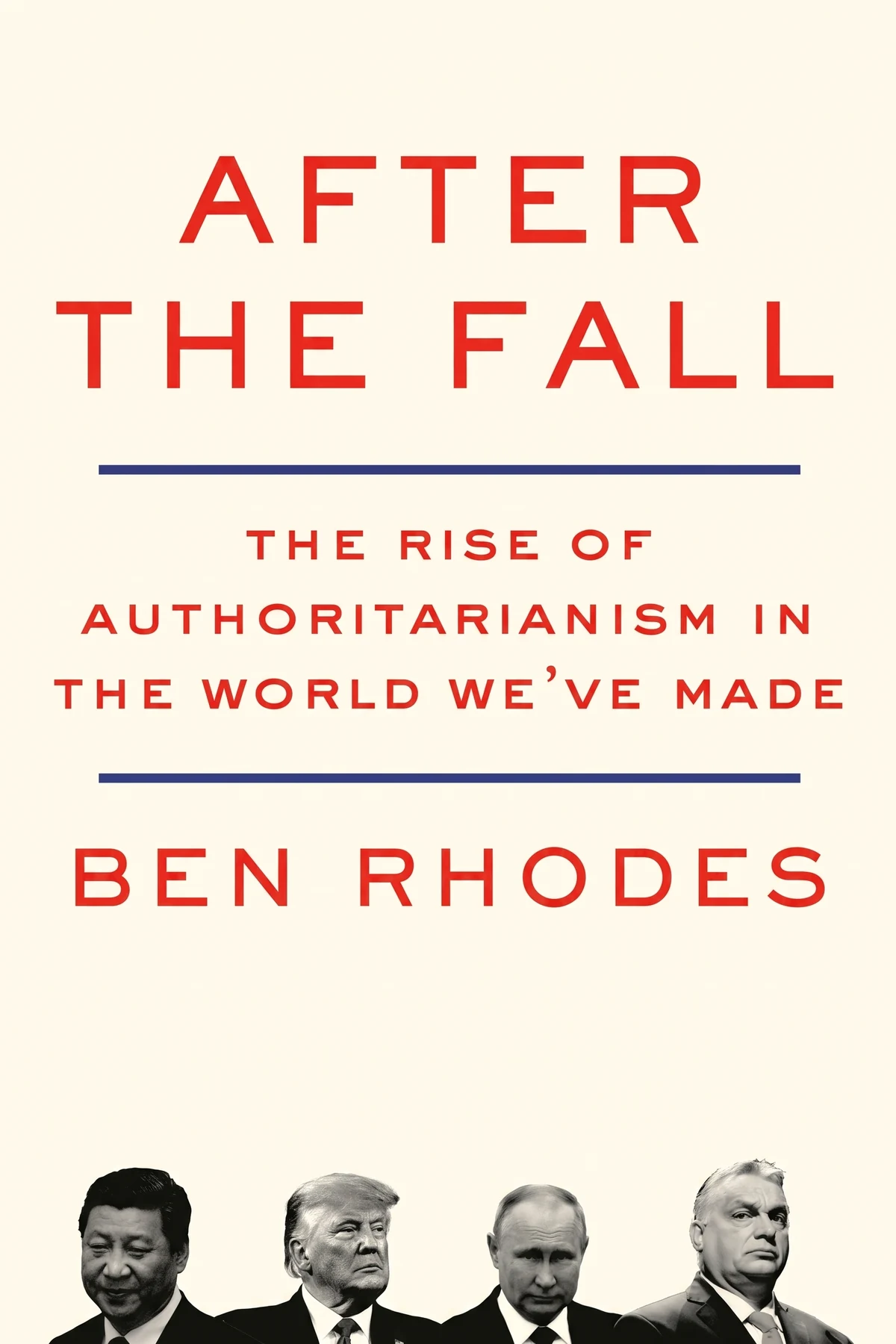
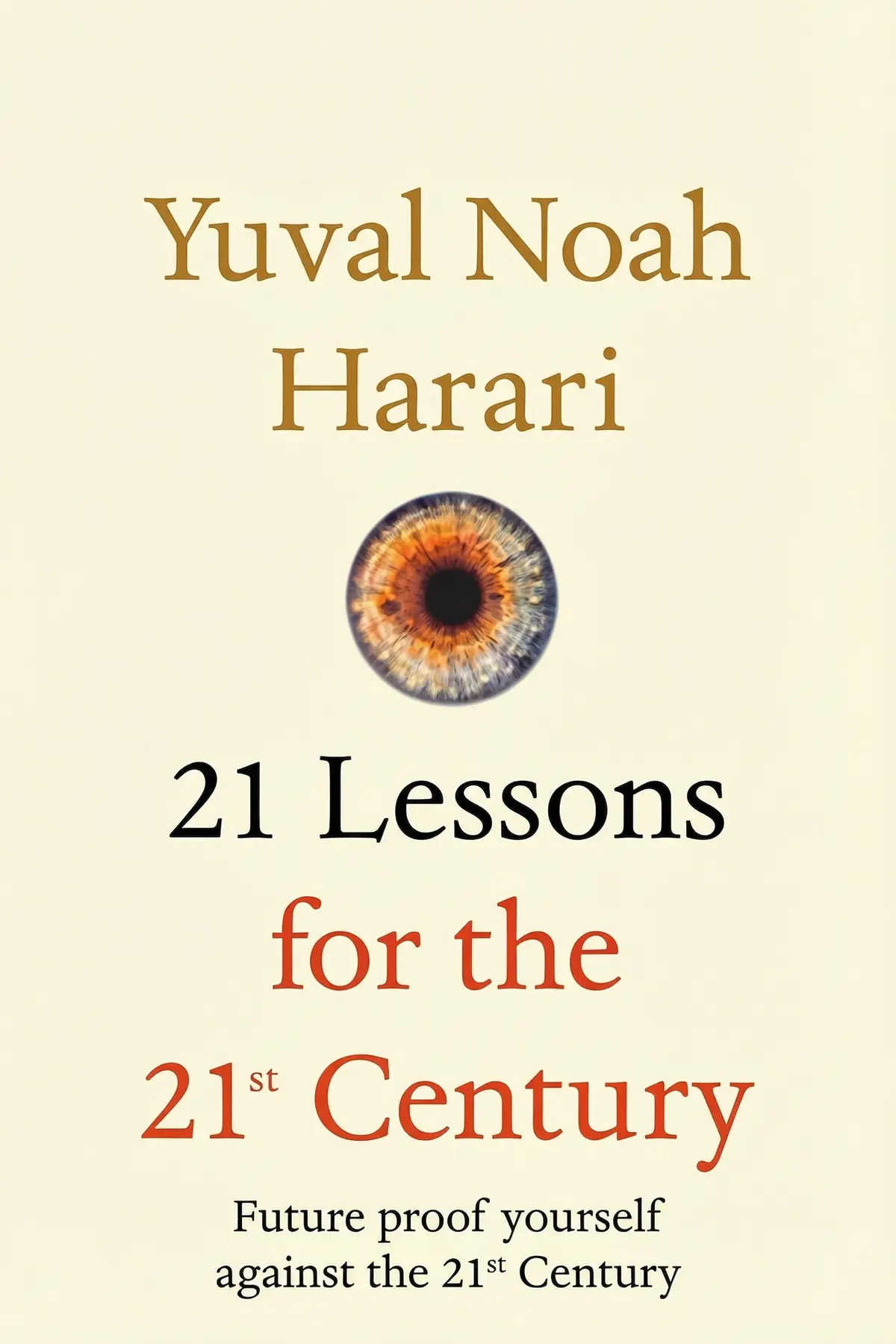
Yuval Noah Harari
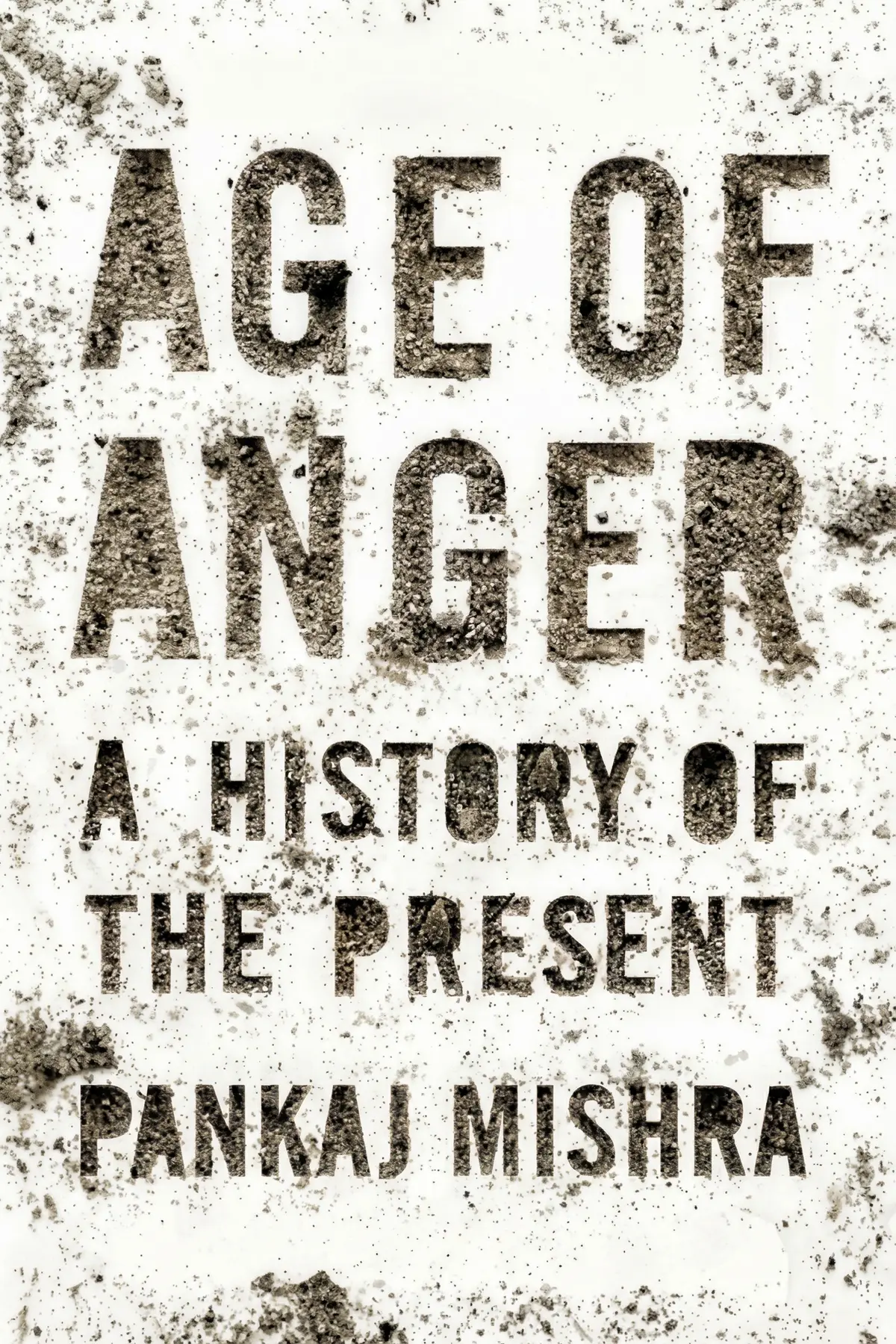
Pankaj Mishra
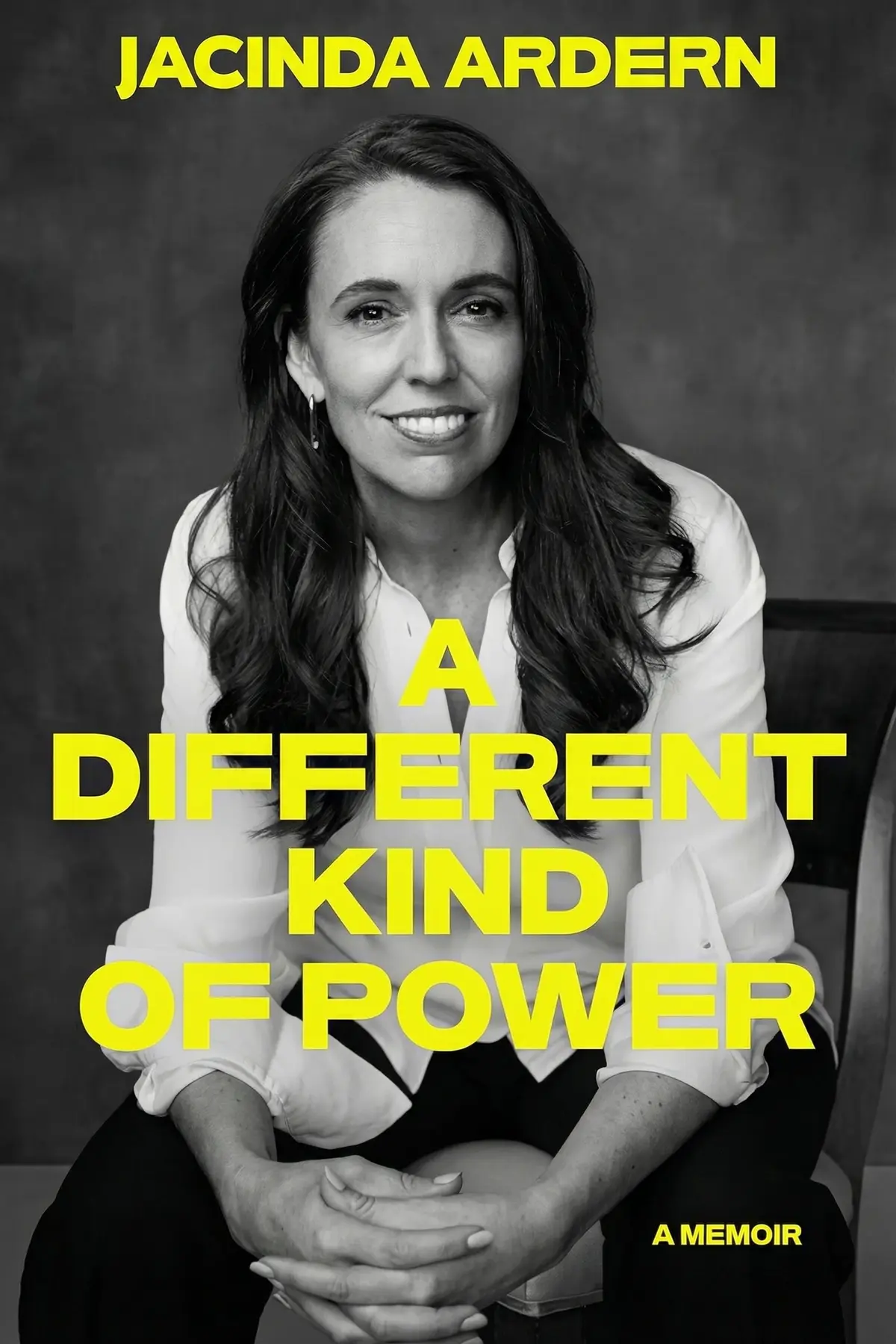
Jacinda Ardern
AUDIO SUMMARY AVAILABLE
Get the key ideas from The Raging 2020s by Alec Ross, plus 5,000+ more titles in English and Thai.







