
18 min 46 sec
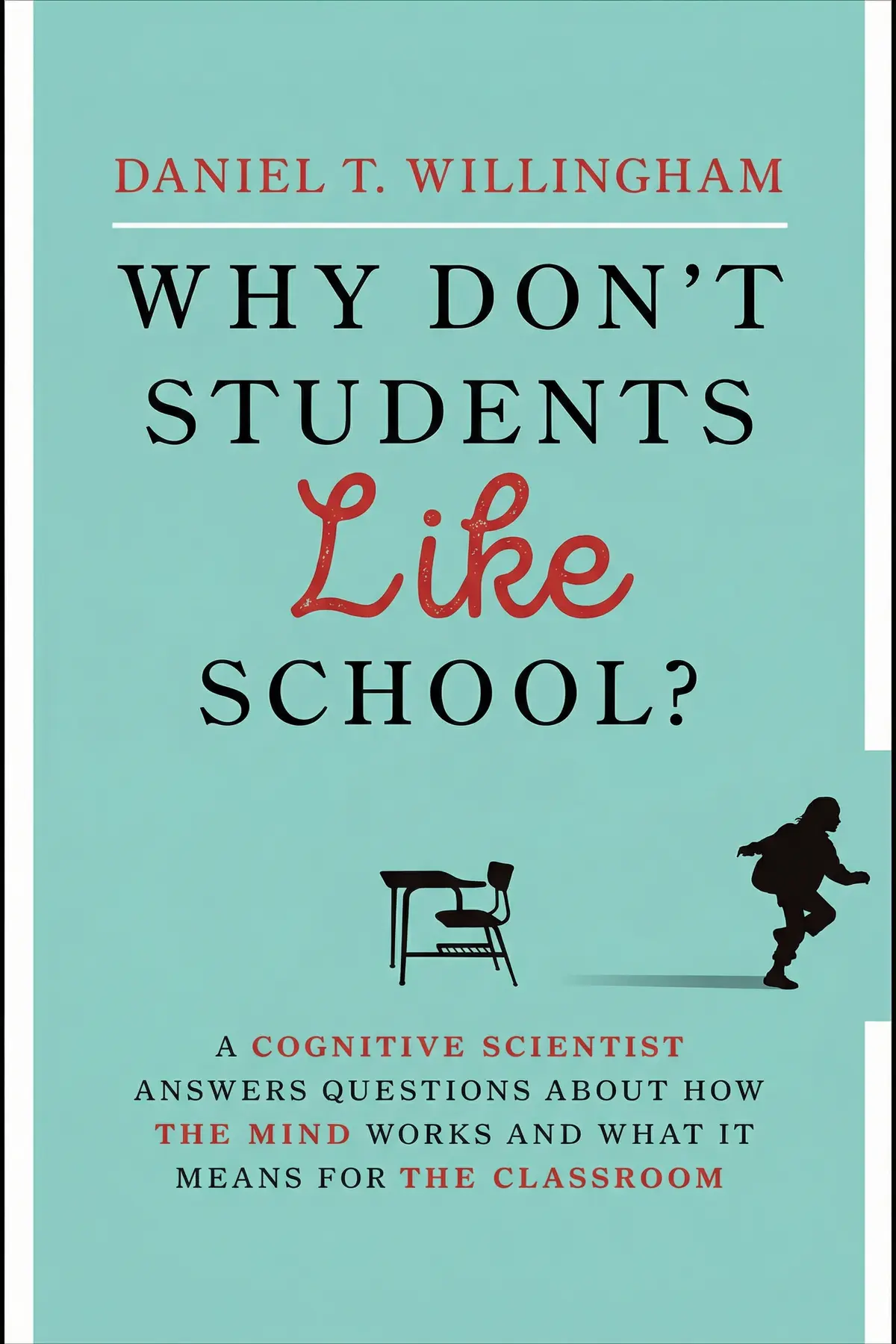
The Reading Mind: A Cognitive Approach to Understanding How the Mind Reads
Explore the cognitive science behind reading, from how our eyes decode symbols to how our brains build complex mental worlds, offering insights into enhancing comprehension and fostering a lifelong love of books.
Table of Content
1. Introduction
1 min 25 sec
Imagine for a moment that you are looking at a page in a novel. To a casual observer, or perhaps to a small child who hasn’t yet learned to read, the page is just a chaotic landscape of black marks, loops, and lines on a white background. But to you, those marks are invisible. Instead of seeing ink, you see a sprawling mountain range, feel the biting cold of a fictional winter, or hear the tense whispers of two characters in an alleyway. This transformation is nothing short of a cognitive miracle. It is a process that our brains were never actually evolved to do, yet we have hijacked older systems—systems meant for vision and spoken language—to perform this high-wire act of literacy.
In this exploration, we are going to look under the hood of the reading mind. We’ll trace the journey from the moment your eyes first land on a letter to the moment your brain synthesizes a complex idea. We will see how reading is not a single skill, but a massive coordination of visual processing, sound mapping, and deep conceptual networking. By understanding how the mind reads, we gain more than just scientific trivia; we gain a better understanding of how to learn, how to teach, and how to protect the joy of reading in an age of constant distraction. Let’s dive into the intricate machinery that allows us to travel through time and space without ever leaving our chairs.
2. The Evolutionary Hijack of Writing
2 min 22 sec
Humans weren’t born to read, but we learned to repurpose our brains to turn accounting records and ancient symbols into the foundation of modern civilization.
3. The Visual Architecture of Letters
2 min 37 sec
Why do ‘b’ and ‘p’ look so similar? The answer lies in how our ancestors viewed the natural world and how our brains categorize shapes.
4. From Decoding to Automaticity
1 min 59 sec
The secret to reading fast isn’t just moving your eyes quicker; it’s training your brain to stop seeing letters and start seeing whole words.
5. The Auditorium of the Mind
2 min 05 sec
Even when reading in total silence, your brain is performing a vocal concert, using rhythm and pitch to unlock deeper meaning.
6. The Interconnected Web of Meaning
2 min 10 sec
Words aren’t just definitions; they are hubs in a massive mental network where context determines everything from ‘spilled milk’ to ‘heavy hearts.’
7. Constructing a Mental World
2 min 07 sec
We don’t remember sentences; we remember scenes. Discover how our brains build ‘situation models’ to track characters and plots across hundreds of pages.
8. The Feedback Loop of the Lifelong Reader
2 min 27 sec
Becoming a great reader isn’t just about intelligence; it’s about an emotional cycle of success, identity, and the simple act of choosing to pick up a book.
9. Conclusion
1 min 34 sec
As we have seen, reading is far more than the simple act of looking at letters. It is a massive, multi-layered cognitive achievement that involves our history, our biology, and our emotions. We start by hijacking ancient visual systems to recognize symbols, mapping them onto the rich landscape of human speech. We then move toward automaticity, freeing our minds to move past the ‘how’ of reading and into the ‘what’ of the story. We build intricate mental models, filling in the blanks left by authors with our own life experiences and knowledge of the world.
But perhaps the most important takeaway is that the reading mind is not a finished product; it is a dynamic system that we can continue to grow and nurture. Whether you are a student struggling with complex texts, a parent trying to inspire a child, or a lifelong learner looking to sharpen your focus, the secret remains the same: understand the process, respect the effort it takes, and prioritize the joy of the journey. Reading is the ultimate technology for human connection, allowing us to download the thoughts of people who lived centuries ago or on the other side of the globe. By understanding how our minds perform this miracle, we can better appreciate the magic that happens every time we open a book. So, next time you pick up a page of text, take a moment to marvel at the internal concert your brain is about to perform. Then, dive in and let the simulation begin.
About this book
What is this book about?
This exploration into the mechanics of the reading mind breaks down the sophisticated cognitive machinery required to turn static ink into a dynamic mental experience. It moves beyond simple literacy to investigate how the brain manages phonetics, visual recognition, and the deep networks of meaning that allow us to understand complex narratives. By understanding the interplay between memory, attention, and language development, the book promises to reveal why some people struggle with reading while others flourish. It provides a roadmap for how we can better support developing readers by focusing on both the mechanical skills of decoding and the psychological factors, like motivation and self-identity, that turn a task into a passion.
Book Information
About the Author
Daniel T. Willingham
Daniel T. Willingham is a professor of psychology at the University of Virginia, where his research focuses on the application of cognitive psychology to K–12 education and the science of learning. He is the author of several influential books including Why Don’t Students Like School? and When Can You Trust the Experts?
Ratings & Reviews
Ratings at a glance
What people think
Listeners find the work highly informative, with one person noting how it condenses essential discoveries, and they value its accessibility as a fantastic, simple read. Listeners characterize the text as enlightening, with one pointing out its ability to foster a deeper passion for reading in children.
Top reviews
Riley
Finally got around to this after loving Willingham’s previous work on students, and it didn't disappoint. This is an essential resource for anyone involved in education or literacy mentorship. Willingham makes a compelling case that fostering a love of reading isn't just about fun—it's about demonstrating the sheer utility of the skill. To be frank, the advice on building positive emotional associations with books at home is something every parent needs to hear. We often focus so much on the mechanics of phonics that we forget the psychological aspect of being a 'reader.' The book is well-structured, with clear summaries at the end of each chapter that make it easy to revisit key concepts. It’s illuminating to see the hard science behind why bedtime stories actually matter. Five stars for making cognitive psychology so practical and readable.
Show moreFrida
The chapter on the statistical nature of reading blew my mind. Willingham explains that our brains aren't just looking up definitions in a mental dictionary; they're activating vast networks of connected concepts. It's a sophisticated way to view literacy that moves beyond the simple 'phonics vs. whole language' debate. I’ve read a lot of educational theory, but few authors distill complex research into such a readable format as well as he does. Not gonna lie, some of the diagrams are a bit technical, but they serve a purpose. This should be required reading for school board members and administrators. It highlights how important background knowledge is to comprehension. When we read, we aren't just decoding—we're constructing meaning using everything we already know. Absolutely brilliant work that increases my appreciation for the written word.
Show moreKai
Willingham has a gift for making the invisible processes of the mind visible. As a parent struggling to get my child interested in books, the insights into the emotional aspects of reading were a godsend. He explains that we can't just tell kids reading is 'fun'—we have to show them it is useful and valuable. The idea of using utility to kickstart the reading cycle by focusing on a child's specific interests, like sports or animals, is so simple yet so profound. This book is illuminating and has genuinely changed how I approach our family reading time. It’s not just about the mechanics of decoding; it’s about the heart and the mind working together. I can’t recommend this enough to parents who want to foster a lifelong love of literacy. Truly a five-star guide.
Show moreMoon
Picked this up because I wanted to understand why some students struggle so much more than others despite having similar instruction. The Reading Mind provides the answers. Willingham’s cognitive approach clarifies how background knowledge acts as a lubricant for comprehension. If a student doesn't know the context, the mental load of decoding becomes too heavy. The book also tackles the digital revolution in a way that feels practical rather than panicked. It’s an excellent, easy read that manages to distill massive amounts of data into actionable insights. To be fair, I did find myself wanting even more on the transition from oral language to text. But overall, this is a five-star masterpiece of science communication. Every teacher should have a copy of this on their desk for reference and inspiration.
Show moreEye
Ever wonder what's actually happening in your brain when your eyes hit a page? Daniel Willingham breaks down the complex journey from simple letter recognition to the deep comprehension of complex narratives. Unlike many dense academic texts, this remains incredibly accessible for the layperson without sacrificing the scientific rigor he's known for. I found the section on how we decode sentences through a statistical activation of networks particularly illuminating. It isn’t a guide on speed reading, and to be fair, some sections on general grammar felt a bit like filler. However, for a teacher or a curious bibliophile, it provides a much-needed window into the mechanics of the reading mind. The way he clarifies the difference between beginner struggles and fluent reading is invaluable. I appreciated how the book treats reading as a cognitive process rather than just a school subject.
Show moreBam
As a reading coach, I found the breakdown of the digital revolution's impact on our attention spans quite sobering. Willingham explores how our brains adapt to different mediums, from traditional paper to digital screens, without being overly alarmist. The text is packed with illustrations that help visualize how knowledge and reading ability are inextricably linked. I appreciated the specific focus on struggling readers and the strategies offered to encourage them. The book clarifies why simply 'trying harder' isn't a solution for those who haven't mastered the phonological basics. My only gripe is that it focuses heavily on the English language, which might limit its application for ESL teachers. Still, the insights into the mental processes of a fluent reader are incredibly useful for my daily work. It bridges the gap between research and the classroom effectively.
Show moreWitthaya
Not what I expected, but in a good way. I picked this up thinking it would be a guide to becoming a more efficient reader, but it’s actually a fascinating look at the 'under the hood' mechanics of the brain. Daniel T. Willingham explains how we go from seeing blobs of ink to forming complex ideas. It’s like a cognitive map of the reading process. Look, it’s not a page-turner in the traditional sense, but the science is handled with such a light touch that it never feels overwhelming. The chapter on the pleasure we derive from text was particularly interesting to me. It makes you realize how much work your mind is doing every time you open a novel. I’d recommend it to anyone who likes knowing the 'why' behind their habits. It’s an excellent easy read for science fans.
Show moreSawit
After hearing several teachers rave about Willingham's work, I decided to see if it lived up to the hype. For the most part, it does. The book offers a clear, cognitive approach to understanding how the mind reads, debunking several popular but incorrect myths about the process. I particularly liked the separation of research findings from practical classroom implications. It’s refreshing to see an author be so honest about the limits of current science. Personally, I would have loved to see more focus on the very early precursors to reading in toddlers, as the book jumps into letters pretty quickly. Nevertheless, the section on how vocabulary is built through immersion vs. direct instruction was eye-opening. It's a very solid four-star book that provides a lot of 'aha' moments for any lifelong learner.
Show moreAnong
This book is definitely a deep dive into cognitive science rather than a practical 'how-to' manual for personal improvement. If you’re looking for tips on how to read faster or retain more information through hacks, you should probably look elsewhere. Truth is, I found the early chapters on letter and word recognition fascinating, but the middle section dragged quite a bit. It felt like the author spent too much time on general linguistics and English-specific grammar rules that didn't feel exclusively about the act of reading itself. While the clarity of his writing is excellent, the tone occasionally shifts into a 'training manual' vibe that can be a bit dry for a casual reader. It's a solid 3-star read—informative, but perhaps a bit too academic for my specific tastes and needs.
Show moreDuangjai
Frankly, I struggled to stay engaged with the middle chapters of this book. While the initial discussion on how our eyes track across a page was fascinating, the later sections felt repetitive. It felt less like a book about the joy of reading and more like a dense textbook on linguistics. If you’re a cognitive scientist, you’ll likely love the level of detail regarding word activation networks. But for a general reader, the flow-impacting meta-commentary can be a bit much. I appreciated the summaries at the end of each section, but I often found myself skimming to get to the 'implications' part. It's informative, sure, but it lacks the spark of some of his other writings. It’s a decent resource for a specific audience, but maybe not the best choice for a casual weekend read.
Show moreReaders also enjoyed
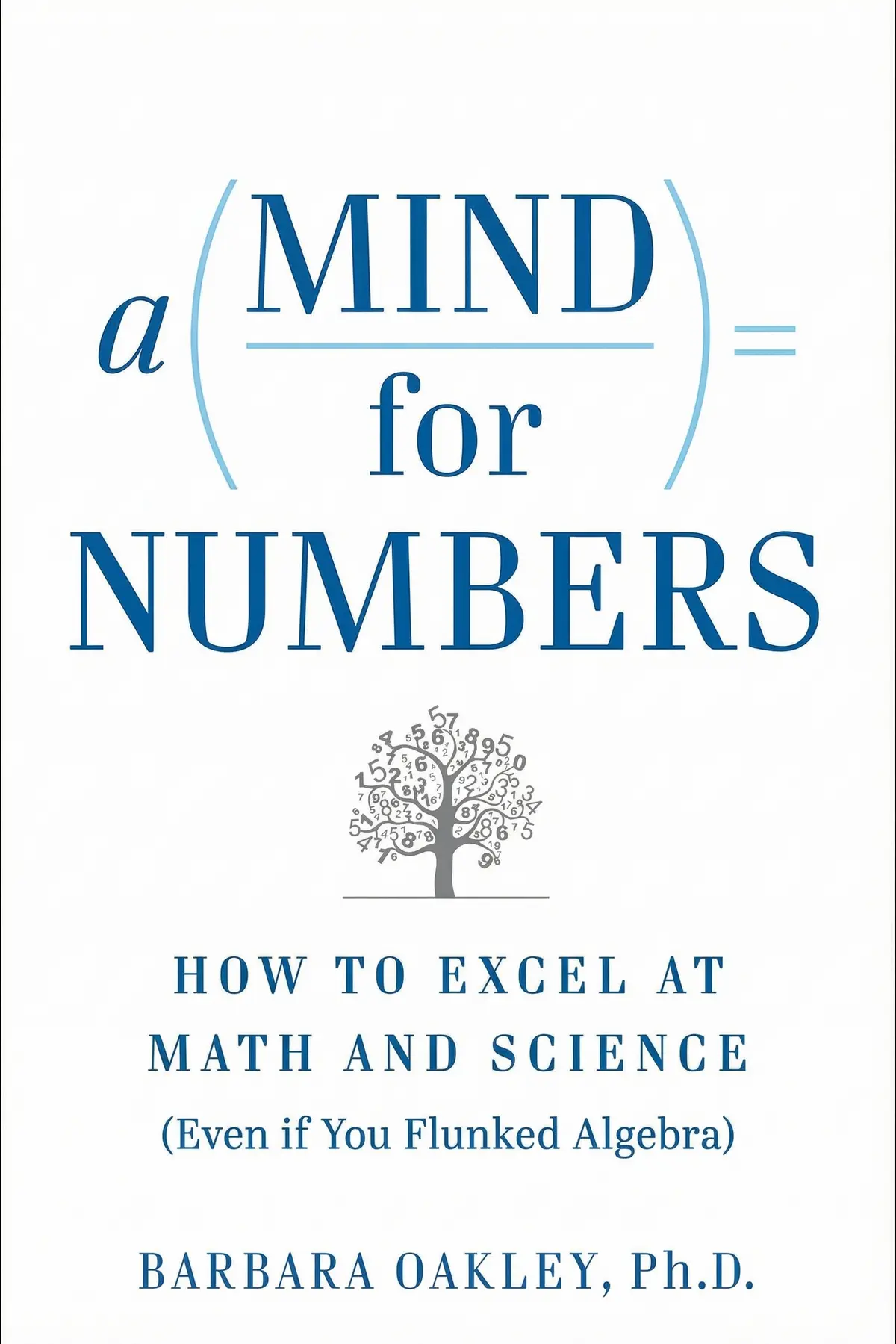
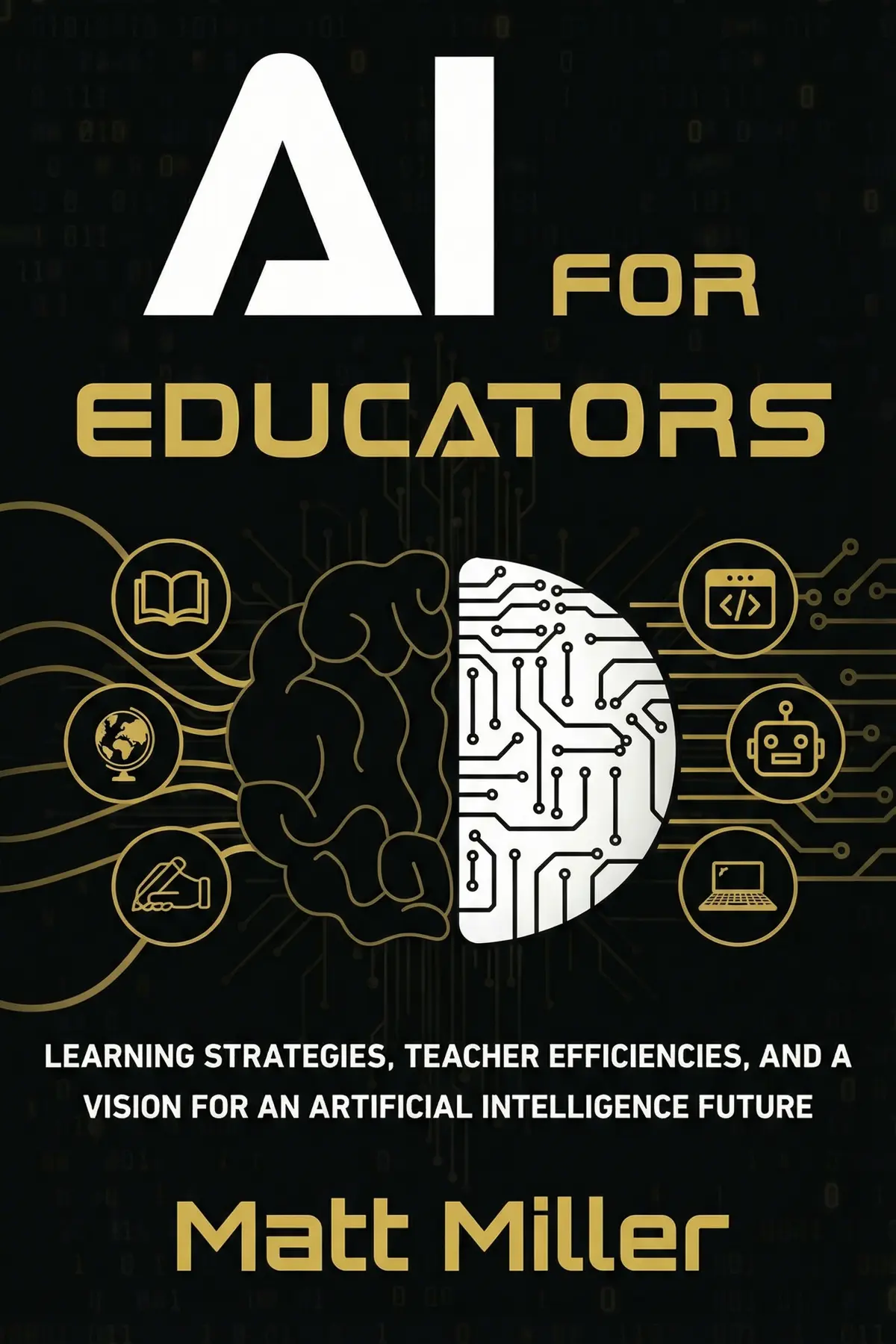
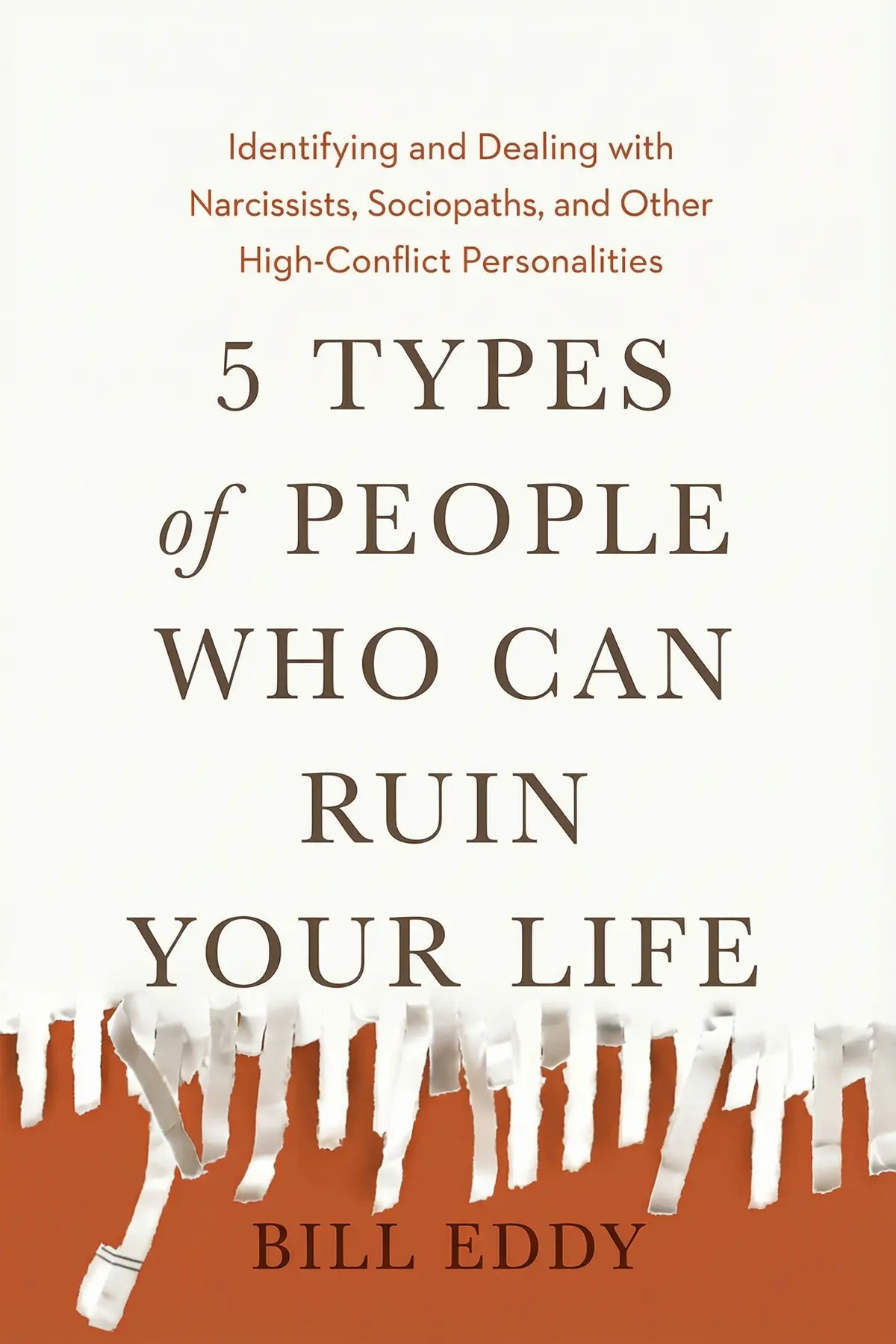
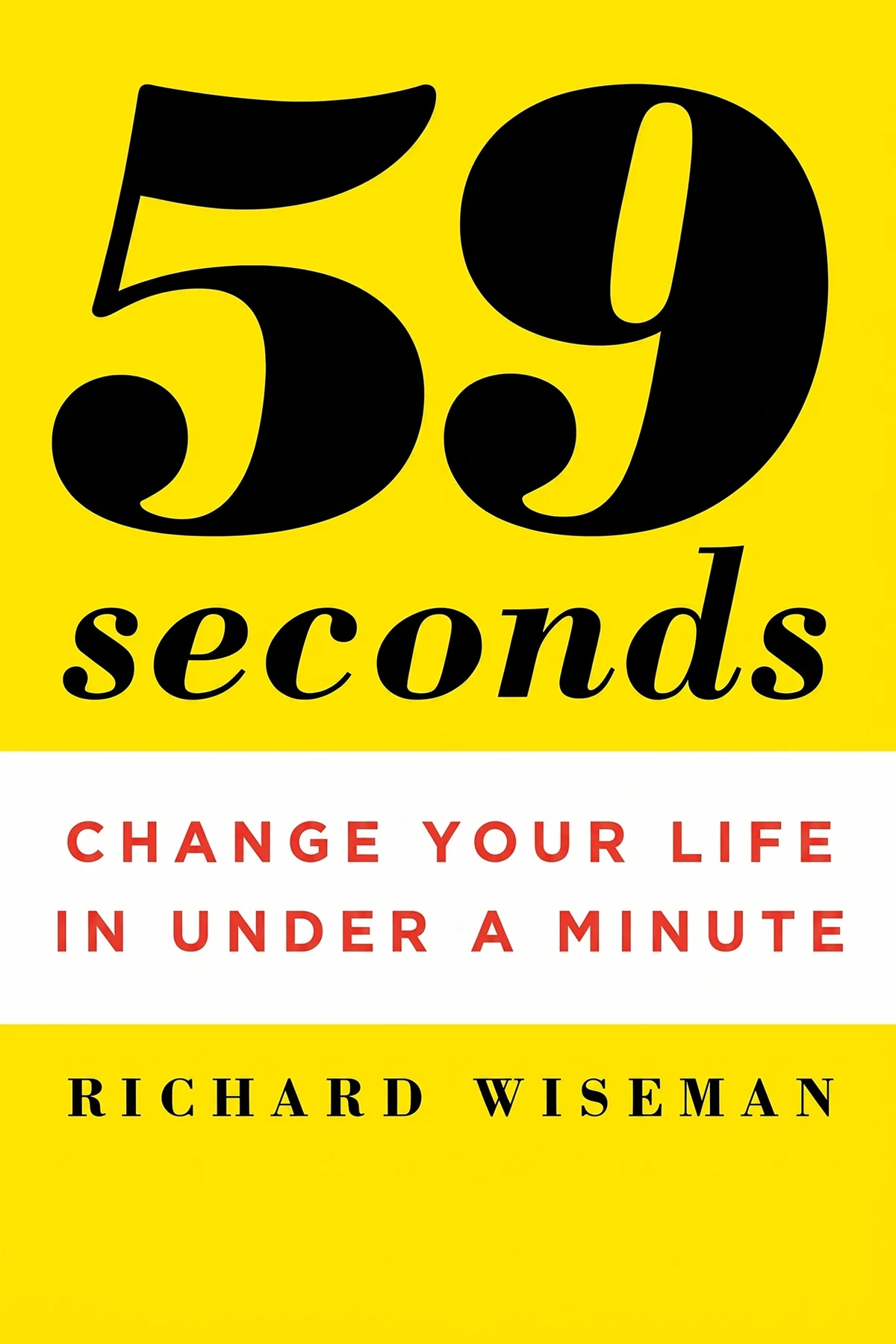
59 Seconds: Change Your Life in Under a Minute
Richard Wiseman
A Liberated Mind: How to Pivot Toward What Matters
Steven C. Hayes
AUDIO SUMMARY AVAILABLE
Listen to The Reading Mind in 15 minutes
Get the key ideas from The Reading Mind by Daniel T. Willingham, plus 5,000+ more titles in English and Thai.
- 5,000+ titles
- Listen as much as you want
- 7-day free trial
- Cancel anytime







