
27 min 58 sec
The Serendipity Mindset: The Art and Science of Creating Good Luck
Explore how to transform random encounters into meaningful opportunities by developing a specific mental framework. This guide reveals the hidden mechanics of luck and how to cultivate serendipity in everyday life.
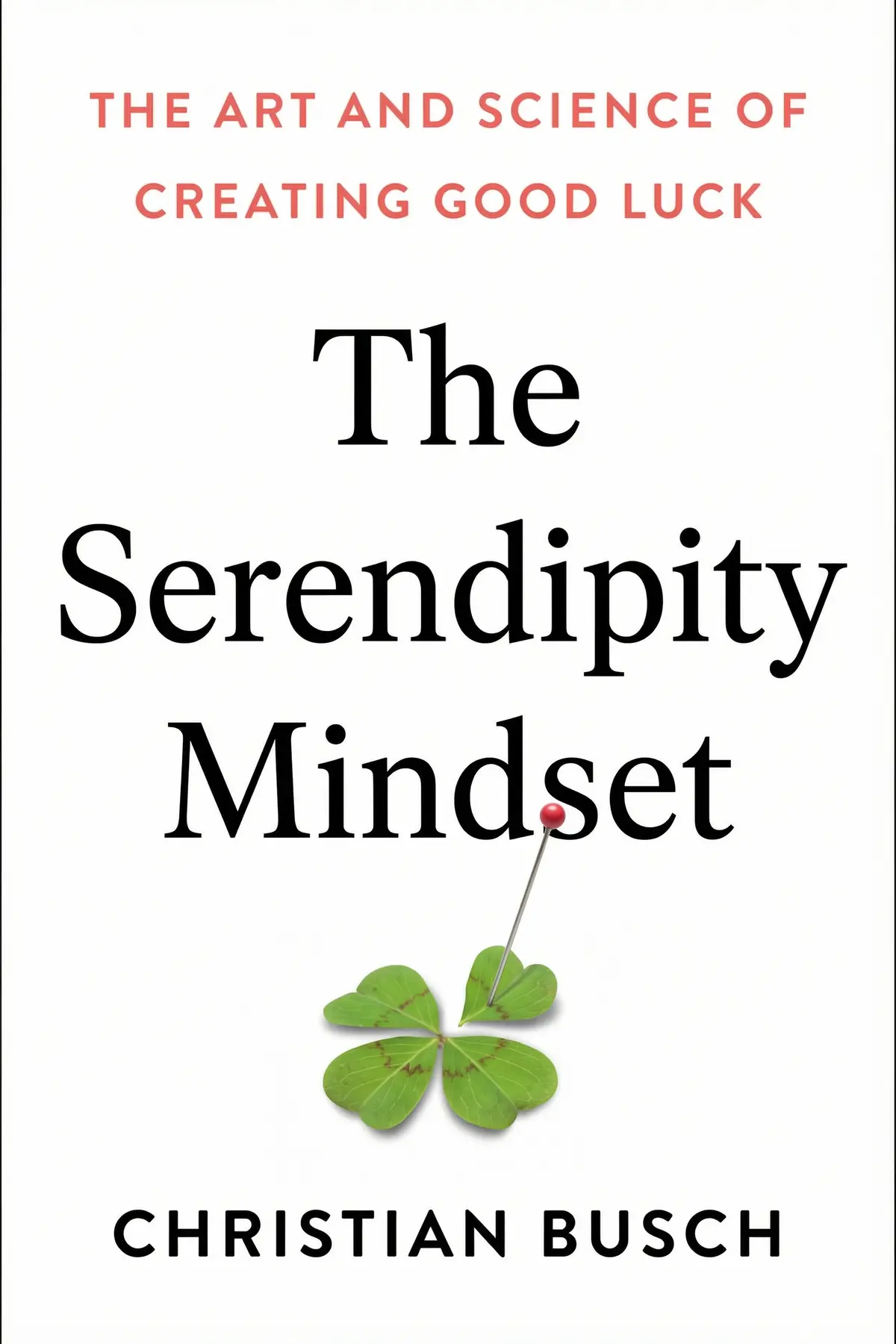
Table of Content
1. Introduction
2 min 11 sec
We often think of our lives as following a predictable path, shaped by hard work, careful planning, and the occasional stroke of good fortune. When something wonderful and unexpected happens—a chance meeting that leads to a dream job, or a random observation that sparks a brilliant idea—we tend to call it luck. We assume it’s a cosmic accident, something that happened to us rather than something we had any hand in creating. But what if we’ve been looking at luck all wrong? What if the most impactful moments in our lives aren’t just random occurrences, but are actually the result of a specific mindset and a repeatable process? This is the core premise of our exploration into the art and science of the serendipity mindset.
Serendipity is more than just a happy accident; it’s a form of active luck. It’s the ability to find valuable things we weren’t looking for, or to turn a surprise event into a meaningful outcome. Throughout this journey, we’ll move beyond the idea of luck as a passive phenomenon and start seeing it as a skill that can be developed. We’ll look at how we can train our minds to notice the ‘triggers’ that life constantly throws our way, and how we can learn to connect the dots between seemingly unrelated events to create something new and valuable.
In the following segments, we’ll break down the mechanics of this mindset. We’ll look at why our brains often filter out the very opportunities we’re looking for because of our desire for certainty and control. We’ll discuss practical ways to ‘seed’ our environment with potential serendipity, making it more likely that we’ll encounter the kind of surprises that change our lives for the better. We’ll also examine the role of social connections and how we can communicate in a way that invites luck into our conversations.
This isn’t just about being in the right place at the right time. It’s about being the right person in the right place at the right time. It’s about cultivating an openness to the world that allows us to see beauty in the unexpected and potential in the chaotic. By the end of this summary, you’ll have a new lens through which to view your daily experiences, shifting from a mindset of limitation and planning to one of possibility and serendipity. Let’s begin by redefining what luck actually is and how we can start taking responsibility for it.
2. Redefining Luck as a Dynamic Skill
2 min 20 sec
What if luck isn’t just something that happens to you, but something you can learn to create? Discover the difference between blind chance and smart luck.
3. The Three Essential Pillars of Serendipity
2 min 19 sec
Serendipity is more than just a moment; it’s a three-part process. Learn how triggers, connections, and actions work together to create opportunity.
4. Mastering the Art of the Serendipity Hook
2 min 05 sec
Your daily conversations are full of missed chances. Discover how to use ‘hooks’ to invite more meaningful coincidences into your life.
5. Breaking the Grip of Functional Fixedness
2 min 13 sec
Our brains are wired to see things only for their intended use. Learn how to overcome this mental barrier to spot hidden opportunities.
6. Navigating the Tension Between Planning and Chance
2 min 31 sec
How do you balance the need for a plan with the desire for serendipity? Learn why ‘planned emergence’ is the key to modern success.
7. Seeding Your Environment for Smart Luck
2 min 17 sec
Luck isn’t just a internal mindset; it’s also about your surroundings. Learn how to engineer your environment to maximize ‘lucky’ collisions.
8. Reframing Failure as a Serendipity Trigger
2 min 20 sec
What if your biggest mistakes were actually your greatest opportunities in disguise? Learn how to find the ‘hidden value’ in setbacks.
9. Building a Serendipity-Friendly Network
2 min 19 sec
It’s not just what you know, but how you connect. Discover how to build a network that thrives on mutual discovery and shared luck.
10. The Power of Physical and Social Space Design
2 min 25 sec
Where you work and live matters more than you think. Learn how to design spaces that encourage spontaneous and productive interactions.
11. Developing Serendipity as a Lifelong Practice
2 min 31 sec
Serendipity isn’t a one-time event; it’s a way of being. Discover how to turn these principles into a lasting habit for a more fulfilling life.
12. Conclusion
2 min 27 sec
As we conclude our journey through the serendipity mindset, it’s worth reflecting on how much of our potential is often left untapped simply because we are waiting for the ‘perfect’ moment or following a ‘perfect’ plan. We’ve seen that the most transformative opportunities often arrive unannounced, disguised as accidents, mistakes, or random encounters. The difference between those who benefit from these moments and those who don’t isn’t just a matter of ‘luck’ in the traditional sense; it’s a matter of preparation, perception, and action.
By understanding that serendipity is a process—a sequence of triggers, connections, and persistent efforts—we take the mystery out of good fortune and turn it into a manageable skill. We’ve learned how to seed our environments, how to use social hooks to invite connection, and how to reframe our failures as catalysts for new ideas. We’ve seen the importance of breaking out of our mental silos and designing our spaces for the kind of collisions that spark innovation. These aren’t just abstract theories; they are practical tools that can be applied to every area of our lives, from our careers and businesses to our personal relationships and self-growth.
The throughline of everything we’ve discussed is the shift from a mindset of ‘scarcity and control’ to one of ‘abundance and possibility.’ When we stop trying to force the world to fit our narrow expectations, we open ourselves up to the vast, hidden potential that exists in the unexpected. We start to see the world not as a series of obstacles to be overcome, but as a sea of dots waiting to be connected.
Your challenge now is to take these principles and put them into practice. Start small. Throw out one ‘hook’ in your next conversation. Take a different path home today. When your next mistake happens—and it will—take a deep breath and ask what new information it’s bringing you. The more you act as if the world is full of serendipity, the more serendipity you will find. Luck isn’t just something you have; it’s something you do. It’s a way of engaging with the world with an open heart and an alert mind. As you move forward, remember that the most exciting parts of your life probably haven’t been planned yet. They are waiting for you in the next surprise, the next ‘wrong’ turn, and the next ‘random’ person you meet. All you have to do is be ready to see the connection and have the courage to follow where it leads.
About this book
What is this book about?
The Serendipity Mindset explores the fascinating intersection of chance, intention, and action. While most people view luck as a mysterious, uncontrollable force that either strikes like lightning or passes us by, Christian Busch argues that a significant portion of the good fortune we experience is actually the result of a specific process. The book shifts the focus from 'blind luck' to 'smart luck'—the kind of luck we can actively foster by staying alert to the unexpected and having the courage to act on it. By blending evidence-based insights with practical strategies, the book promises to help readers transition from passive observers of their lives to active architects of opportunity. It covers the essential components of serendipity, including how to spot triggers, connect disparate pieces of information, and build the social and mental habits that make surprise encounters productive. Ultimately, it’s about learning to see the world as a place filled with hidden potential, waiting for a prepared mind to unlock it.
Book Information
About the Author
Christian Busch
Dr. Christian Busch is a professor at New York University, where he directs the CGA Global Economy Program, and a Visiting Fellow at the London School of Economics. Christian is the cofounder of the Sandbox Network, which brings together entrepreneurs and innovators from around the world, and Leaders on Purpose, an organization convening purpose-driven leaders. His Twitter: @ChrisSerendip.
Ratings & Reviews
Ratings at a glance
What people think
Listeners find the writing stimulating and encouraging, with one listener mentioning how it helped expand their grasp of serendipity. Furthermore, the caliber of information earns positive remarks, as one listener notes it provides lovely real-world examples. They also value the book's capacity to inspire, with one listener describing it as an amazing source of motivation. Conversely, perspectives on readability are varied, with one listener characterizing it as a dry read.
Top reviews
Ahmed
Finally, a book that explains why some people just seem 'luckier' than others without falling into the trap of toxic positivity or magical thinking. Busch distinguishes between 'blind luck' and 'serendipity,' arguing that the latter is something we actively co-create through our reactions to the unexpected. The chapter on connecting dots was a total game-changer for me. It encouraged me to look at daily inconveniences as potential opportunities rather than just annoyances. I’ve started my own serendipity journal to reflect on missed connections, and it has already shifted my perspective on my daily commute and coffee shop runs. Look, this isn't just about feeling good; it’s about being tenacious and adaptable when things go wrong. The book is packed with motivation and actionable advice that feels grounded in reality. It is one of those rare reads that actually changes how you look at a stray conversation with a stranger or a missed train.
Show moreFilm
Wow, I never realized how much 'luck' I was leaving on the table simply by not being open to the unexpected. Busch’s writing is deeply motivational and helped me understand that serendipity is a skill that needs to be practiced daily. The stories about people who turned massive failures into life-changing jobs—like the priest who became a CFO—were incredibly inspiring. This book isn't just about optimism; it’s about the grit and tenacity required to turn a random encounter into a meaningful connection. I loved the suggestion to map out your network to find the 'multipliers' you might be neglecting. Since finishing, I’ve been much more conscious about how I respond to the question 'What do you do?' by adding more 'hooks' to my answers. It’s a transformative read for anyone feeling stuck in a rut or looking for more 'fortuitous' events to happen in their life.
Show moreNarumon
Ever wonder why some innovators always happen to be in the right place at the right time? This book proves that it’s rarely just a coincidence. Christian Busch shows us that the most successful people are those who have trained their minds to see connections where others see noise. I found the advice on creating a 'serendipity journal' to be a simple but powerful way to change my daily habits. The book is filled with lovely examples of how staying open-minded and curious can lead to breakthrough ideas. In my experience, most career books are either too dry or too 'woo-woo,' but this hits the perfect middle ground of being research-backed and deeply human. It’s a manual for active opportunity grabbing that everyone should read. It taught me that while we can't know for sure what the future holds, we can certainly prepare our hooks to catch whatever fish come our way.
Show moreNew
Christian Busch manages to take a fuzzy concept like luck and break it down into a repeatable, scientific framework. I particularly enjoyed the section on how introverts can act as extroverts to trigger serendipity without burning out. The idea of setting 'hooks' in conversation—sharing multiple interests instead of just a job title—is something I’ve already started using in my own life with great results. Personally, I found the 'Serendipity Score' test at the end of the book to be a high point because it provided a tangible way to measure my progress. While the writing style is a bit dense and occasionally academic, the wealth of real-world examples from BMW and Dyson keeps the concepts grounded. It’s a deeply thought-provoking read that challenges the notion that we are just passive observers of our own lives. If you are willing to overlook some repetitive phrasing, there is some serious gold in these pages.
Show moreAurora
Picked this up on a whim after seeing the author's TED talk, and the actionable strategies for networking are where it really shines. I’ve always been someone who waits for things to happen, but this book pushed me to realize that opportunity is often nearby, just waiting to be explored. The concept of 'key multipliers'—the bartenders or teachers who hold massive social capital—was eye-opening. Busch encourages readers to be precise when reaching out on LinkedIn and to view every interaction as a 'hook' for future potential. My only gripe is that the book can be quite repetitive, reiterating the same core principles of curiosity and adaptability in every chapter. Still, for a professional looking to inject some fresh energy into their career, this is a fantastic source of motivation. It provides a lovely mix of science and storytelling that makes the idea of 'smart luck' feel attainable.
Show moreMatteo
After hearing about the 'Serendipity Mindset' from a colleague, I decided to see if there was any real substance behind the buzzwords. I was pleasantly surprised to find that Christian Busch offers a very structured approach to what is usually considered an abstract concept. The book provides excellent real-world examples of how large organizations like Procter & Gamble foster innovation by leaving room for the unexpected. While I agree with other reviewers that it can be a bit repetitive, the quality of the information is high enough to make it worth the effort. Frankly, the 'Serendipity Score' test alone is worth the price of the book for the self-reflection it triggers. It’s a great resource for leaders who want to move away from rigid, 'straight line' thinking and embrace the beautiful chaos of the modern world. It’s a professional-grade guide to becoming a more effective and 'lucky' person.
Show moreHannah
As someone looking for personal growth strategies outside of corporate ladder climbing, this was a bit of a mismatch. While the book is marketed as a mindset shift for everyone, it leans very heavily into the professional and entrepreneurial world. Most stories focus on startup founders or executives at companies like Unilever, which makes the advice feel less applicable to stay-at-home parents or students. Truth is, the concept of the 'serendipity journal' is a great takeaway, and I appreciated the 'What do you do?' hook strategy to maximize social capital. However, the tone is quite dry and academic, making it a bit of a slog to get through during a casual evening read. It is definitely a useful tool for networking and career advancement, but don't go in expecting a light, inspirational self-help book. It’s a dense manual that requires significant effort to translate into a non-business context.
Show moreAmelia
Is it a good book or just a collection of very well-documented anecdotes? I’m still on the fence. On one hand, the central argument that we can cultivate a mindset to 'grab' opportunities is empowering and well-supported by various case studies. On the other hand, the structure of the book feels a bit disjointed at times. The author promises a frame for looking at the world, but it often feels like a series of loosely connected points of view rather than a cohesive system. Not gonna lie, the middle section felt like a dry read and I found myself losing focus frequently. However, the specific tips for managing meetings—like asking people what they are excited about instead of their titles—are genuinely useful for any professional. It’s a solid 3-star book that probably could have been 100 pages shorter without losing any of its core impact or message.
Show morePannipa
The core thesis here is actually brilliant, but the execution left me feeling like I was stuck in a loop. Christian Busch introduces the idea that luck isn't just random chance—it's a skill you can cultivate by connecting dots that others ignore. However, the book suffers from extreme repetitiveness, hammer-nailing the same points across every chapter until the initial excitement wears off. To be fair, the examples involving companies like Mastercard and Haier are interesting, but they don't justify the sheer volume of pages. It really feels like a compelling long-form essay or a TED talk that was stretched into a full-length book to satisfy a publishing contract. If you value your time, you might be better off reading a summary of the 'serendipity hooks' and skipping the rest of the fluff. I wanted to love this, but I just found myself skimming the final hundred pages because I felt I had already learned the lesson five times over.
Show moreYongyut
Honestly, I found the writing style so incredibly dense and repetitive that it became a chore to finish the final third. The book starts with a fascinating premise: that serendipity is a process of seeing and bridging, not just a random event. Unfortunately, the author spends the rest of the book explaining and re-explaining this same idea with slightly different corporate examples. While I appreciate the research that went into this, the pacing is just off. It felt like I was reading a textbook at times, which sucked the joy out of what should have been an inspiring topic. To be fair, the advice on freeing up creative space by auditing your meetings is practical, but it’s buried under layers of academic jargon. I think the core message is vital, but the delivery makes it hard to recommend to anyone who isn't a dedicated business student.
Show moreReaders also enjoyed
A Guide to the Good Life: The Ancient Art of Stoic Joy
William B. Irvine
A High-Performing Mind: Strengthen Your Mind and Live Your Best Life
Andrew D. Thompson
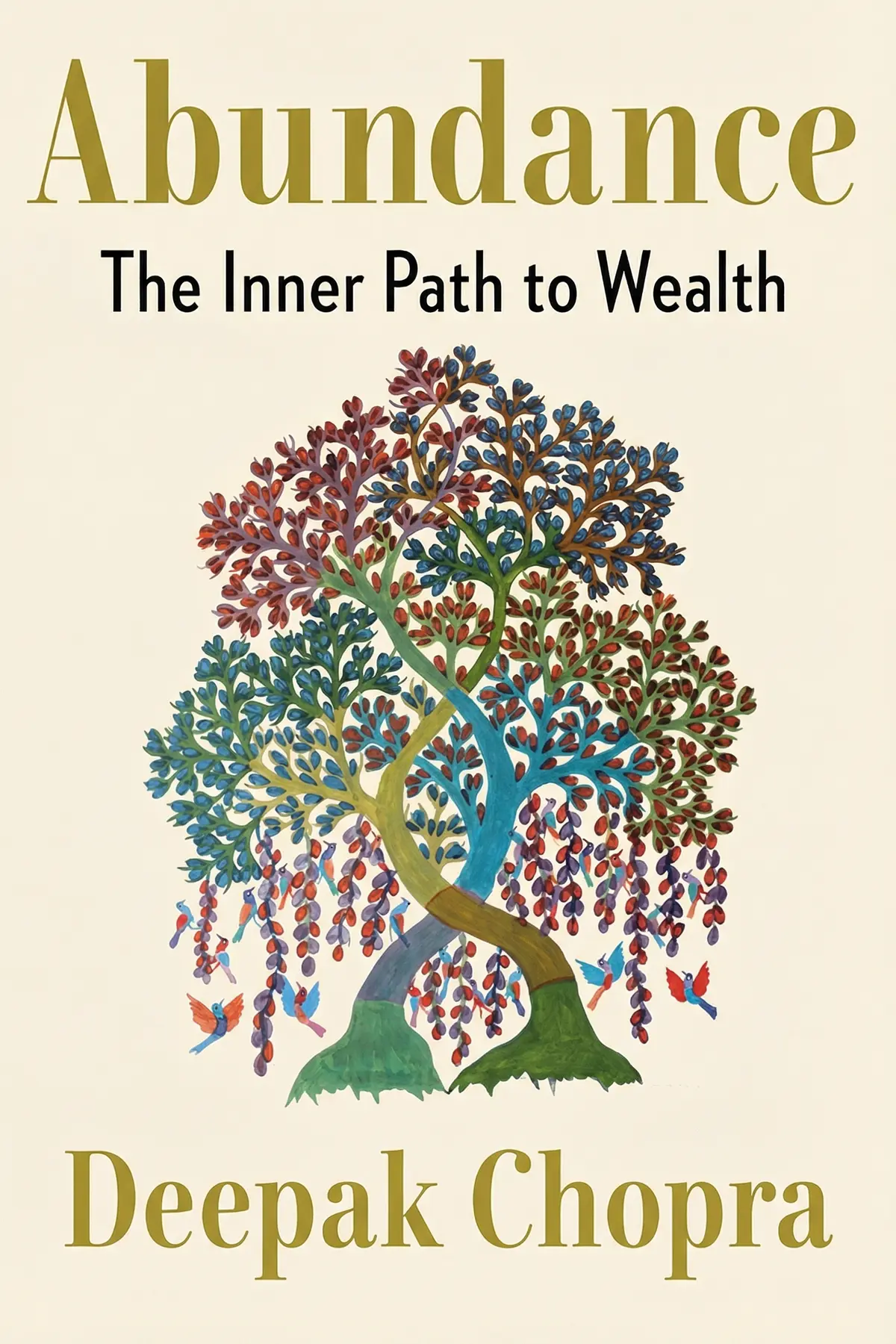
Abundance: The Inner Path to Wealth
Deepak Chopra
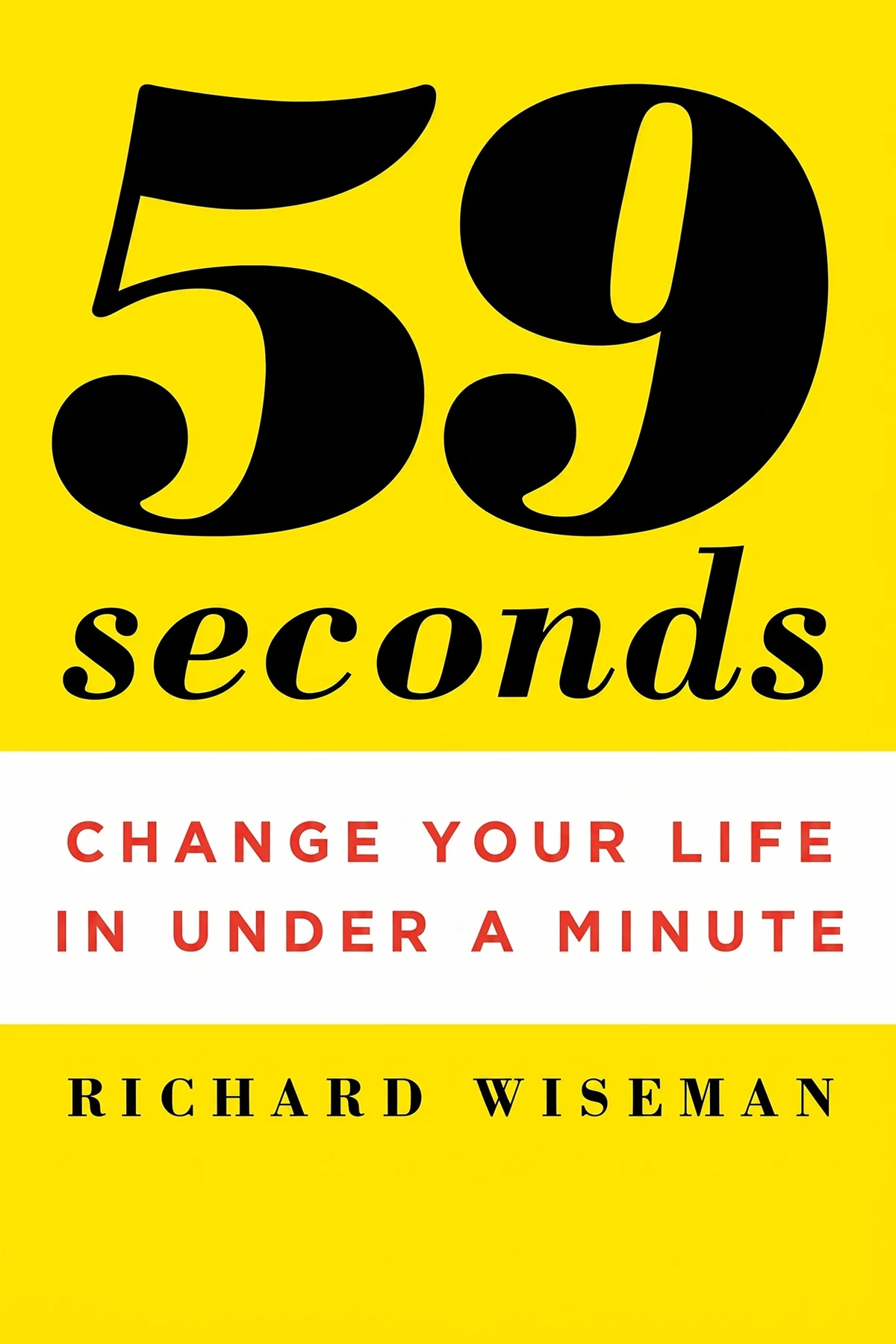
59 Seconds: Change Your Life in Under a Minute
Richard Wiseman
AUDIO SUMMARY AVAILABLE
Listen to The Serendipity Mindset in 15 minutes
Get the key ideas from The Serendipity Mindset by Christian Busch, plus 5,000+ more titles in English and Thai.
- 5,000+ titles
- Listen as much as you want
- 7-day free trial
- Cancel anytime







