
1491: New Revelations of the Americas Before Columbus
Charles C. Mann
Explore the intricate web of diplomatic failures and psychological biases that led European powers to inadvertently trigger the catastrophic First World War through a series of tragic miscalculations.
1 min 42 sec
The dawn of the twentieth century was a time of immense progress, yet it harbored a deep, underlying tension that would eventually tear the continent apart. To look back at the year 1914 is to witness one of the most profound turning points in human history. For decades, the narrative of the First World War has often been reduced to a simple sequence of events: an assassination in Sarajevo, a flurry of telegrams, and the sudden mobilization of millions. But when we peel back the layers of history, we find a far more complex and haunting reality. It wasn’t a matter of a single villain or a solitary mistake; it was a collective failure of imagination and a breakdown of a system that was supposed to keep the peace.
In this exploration, we delve into the world of the policymakers, the monarchs, and the diplomats who occupied the halls of power in London, Berlin, Saint Petersburg, Paris, and Vienna. These were men who believed they were acting rationally, protecting their national interests and honoring their commitments. Yet, they were operating within a framework of alliances and rivalries that had become so rigid and polarized that it left almost no room for error. We will trace the throughline of this catastrophe, moving from the volatile ethnic tensions of the Balkans to the grand strategy rooms of the Great Powers.
You will see how the belief in the inevitability of conflict became a self-fulfilling prophecy, and how the very mechanisms designed to prevent a localized skirmish from escalating ended up ensuring that a regional spark would ignite a global inferno. By understanding the motivations and the deep-seated fears of each nation, we can begin to see whether the Great War was a tragic necessity or a avoidable disaster that the world simply sleepwalked into.
1 min 59 sec
European powers built a complex web of alliances intended to deter aggression, but this very network transformed a regional spark into a continental catastrophe.
2 min 05 sec
The crumbling influence of the Ottoman Empire in Southeast Europe created a volatile vacuum that pulled major empires into a dangerous regional struggle.
1 min 57 sec
In their quest to preserve imperial honor and security, Austria-Hungary and Germany chose a path of deliberate escalation after the Sarajevo assassination.
1 min 59 sec
Russia and France shared in the escalation by prioritizing their military readiness and alliance commitments over diplomatic compromise with Austria.
1 min 59 sec
The prevailing belief among European leaders that war was bound to happen eventually led them to make decisions that ensured it happened immediately.
2 min 02 sec
Each major power felt a pressing need to go to war sooner rather than later, fearing that time was shifting the balance of power against them.
2 min 03 sec
Muddled government structures and a lack of clear authority made it nearly impossible for nations to accurately interpret each other’s intentions.
2 min 10 sec
Even as the world stood on the brink, last-minute attempts at peace were sabotaged by the rigid technical demands of military mobilization.
1 min 46 sec
The story of how Europe went to war in 1914 serves as a haunting reminder of how easily the world can slide into catastrophe. As we have seen, the Great War was not the result of a single, grand conspiracy or a simple act of aggression. Instead, it was the culmination of decades of systemic instability, deep-seated psychological fears, and a series of tragic miscalculations by a generation of leaders who were remarkably similar to one another. They were men of their time, trapped in a web of alliances they didn’t know how to untangle and blinded by a belief that war was an unavoidable part of the human condition.
The throughline of this history is the collapse of complexity into simplicity. A regional conflict in the Balkans, rooted in the messy reality of decaying empires and rising nationalism, was forced into the rigid binary of the alliance system. This turned a manageable fire into a continental blaze. The lesson for us today is clear: peace is not merely the absence of war, but a continuous process of active diplomacy, clear communication, and the rejection of fatalism. When we start to believe that conflict is inevitable, we begin to make the very choices that ensure its arrival.
As you reflect on these events, consider the ‘Sleepwalkers’ metaphor. It challenges us to remain awake and vigilant in our own era. It asks us to look closely at the systems we rely on for security and to ensure they aren’t actually functioning as tripwires for disaster. The tragedy of 1914 was that the leaders of the time had the power to stop, but they lacked the collective vision to see the cliff before they walked over it. By understanding their missteps, we gain the perspective necessary to navigate the complexities of our own world with greater care and clarity.
The Sleepwalkers offers a meticulous examination of the political, social, and cultural factors that converged to ignite World War I. Moving beyond simple blame, it explores how a decentralized network of leaders and diplomats navigated a volatile international landscape, ultimately making decisions that led to a global disaster. The book reconstructs the era’s complex alliance systems and the specific regional tensions in the Balkans that served as the primary spark for the conflict. Readers will gain a deep understanding of the internal pressures facing major powers like Austria-Hungary, Germany, Russia, and France. By analyzing the motivations and fears of individual policymakers, the narrative reveals why war began to seem inevitable to those in power. It provides a compelling promise: to show how the world didn't just stumble into war by accident, but rather walked into it like sleepwalkers—watchful but unseeing, haunted by dreams but blind to the reality of the horror they were about to unleash.
Christopher Clark is an acclaimed historian from Australia who serves as the Regius Professor of History at the University of Cambridge. He is well-regarded for his deep expertise in European history, particularly concerning the development of modern states. In addition to his celebrated work on the origins of the Great War, he has also authored Iron Kingdom: The Rise and Downfall of Prussia, 1600-1947.
Listeners view this historical work as an exceptional listen, praising its deep research and comprehensive analysis of the facts. The narration is charming, with one listener highlighting the elegant prose style, and the text functions as an indispensable resource for mastering the material. Furthermore, the storytelling offers a sophisticated breakdown of a complicated and tangled history, and listeners value how it stimulates reflection and debate. Conversely, the speed of the narrative gets varied feedback, with some finding it somewhat exhausting.
This book is a masterclass in diplomatic history that completely reshaped my understanding of the Great War’s origins. Clark moves away from the simplistic "who to blame" narrative and instead dissects the "how" of the catastrophe. He illustrates a Europe where leaders weren't necessarily villains, but rather calculated risk-takers who didn't fully grasp the consequences of their brinkmanship. The prose is remarkably elegant for a work of this academic depth. I was particularly fascinated by the detailed look at Serbian nationalism and the 1903 coup, which provided much-needed context often skipped in other histories. It’s a dense read, but the payoff is a nuanced, multi-layered view of how a series of small, local crises snowballed into global carnage. If you want to understand the systemic fragility of early 20th-century alliances, this is the definitive text.
Show moreThe 1903 regicide in Belgrade starts this book with a literal bang, setting a dark and gripping tone for what follows. Christopher Clark manages to take the dry, dusty documents of 1914 and turn them into a living, breathing political thriller. I loved his "sleepwalkers" metaphor—the idea of leaders moving toward danger with eyes open but somehow failing to see the reality of the horror they were inviting. The analysis of the shifting alliances between the Entente and the Central Powers is incredibly thorough. I’ve read a lot of WWI history, but the focus on the Balkan perspective here felt fresh and vital. It’s an essential guide for anyone who finds the standard "mobilization timetables" explanation a bit too mechanical. Truly a wonderful, thought-provoking read.
Show moreFinally got around to this after hearing so much praise, and it absolutely lives up to the hype. The "why" of WWI is always debated, but Clark’s focus on the "how" provides a much clearer picture of the actual steps taken toward the abyss. It’s a haunting reminder that peace is fragile and often maintained by people who are just as confused and biased as the rest of us. The final third of the book, covering the assassination of Franz Ferdinand and the subsequent ultimatum, is as tense as any modern novel. I particularly appreciated the way Clark humanizes the actors without excusing their failures. It’s a thick, heavy book, but the prose is surprisingly delightful once you get into the rhythm. Essential reading for history buffs.
Show moreThe level of research on display here is frankly mind-blowing. Clark seems to have read every diary, telegram, and memo ever written in the decade leading up to 1914. What results is a thorough analysis of how a series of contingent events and individual choices—not just "inevitable forces"—led to war. The way he connects the 1911 invasion of Libya to the instability in the Balkans was a particularly "aha!" moment for me. It’s a very smart book that treats its readers like adults, refusing to simplify the byzantine complexity of the era. Despite the length, I found it to be a page-turner because the stakes are so high. It really is the definitive modern account of the July Crisis.
Show moreAfter hearing this was the "replacement" for Tuchman, I had high expectations, and Clark delivered. He captures the atmosphere of a Europe that was simultaneously sophisticated and utterly incapable of resolving its own disputes. The book is saturated with agency, showing that war wasn't some unavoidable storm but the result of specific, flawed decisions. The description of the assassination in Sarajevo is particularly vivid and moving, bringing the human cost of the political maneuvering into sharp focus. It’s an incredible achievement that manages to be both a massive scholarly work and a compelling story. I’d recommend it to anyone who wants a truly deep understanding of how the 20th century really began.
Show moreEver wonder how a single assassination in a Balkan backwater could set the entire world on fire? Clark provides a staggering amount of detail, though I’ll admit the sheer volume of diplomats—Kokovtsov, Sazonov, Hartwig—made my head spin at times. The book’s central strength lies in its refusal to offer easy answers or point a single finger at Germany or Austria. Instead, it treats every player as an agent with their own logical, if ultimately tragic, motivations. The middle sections on the various Moroccan and Balkan crises can feel a bit like wading through thick mud, but the momentum picks up significantly once you reach the July Crisis. It is a profound piece of research that demands your full attention. To be fair, it’s probably not for the casual reader looking for a quick summary.
Show moreAs someone who grew up on Barbara Tuchman’s The Guns of August, reading Clark was an eye-opening experience. He offers a much more modern, revisionist take that moves the spotlight toward the east and the volatile politics of the Balkans. The way he describes the "lumbering mechanism" of the alliance systems is brilliant; you really feel the weight of those mountaineers being dragged into the crevasse. My only gripe is that the pacing is quite uneven. One chapter flows beautifully, and the next feels like a slog through the finer points of French high finance. Still, the level of insight into the minds of the decision-makers is unparalleled. It’s a deep dive into the sheer amateurishness of international relations during the Belle Époque.
Show morePicked this up for a book club and it sparked the best discussion we’ve had in months. Clark’s nuanced explanation of the Balkan Wars as a precursor to 1914 was a revelation to me. He paints a picture of a world where everyone felt like they were acting in self-defense, which makes the eventual explosion even more tragic. The writing style is generally great, although some of the middle chapters on international crises are definitely a test of endurance. I liked that it didn't just fall back on the "poor old ostrich" jokes but actually dug into the real political pressures of the time. It's a demanding book that asks you to rethink your assumptions about who was really "guilty" for the slaughter.
Show moreWow, this was a lot more academic than I anticipated. While the research is clearly exhaustive and the analysis is sharp, the prose often becomes so stodgy and abstract that I found myself rereading the same paragraph three times. Clark spends hundreds of pages on minor diplomatic shifts that, while likely important to a scholar, felt like they were stalling the narrative for a general reader. The cast of characters is absolutely massive, and without a scorecard, it’s hard to keep track of which Russian or Austrian minister is advocating for what. When he finally gets to Sarajevo and the July Crisis, the writing is electric and genuinely gripping. I just wish the road to get there hadn't been so paved with dense, bureaucratic minutiae. It’s a 5-star piece of research trapped in a 3-star reading experience.
Show moreNot what I expected at all. I was looking for a narrative history of the start of the war, but this felt more like a 700-page dissertation on diplomatic cables and obscure Balkan treaties. The truth is, I couldn't keep the names straight—too many Russian and Serbian ministers that all started to sound the same after a while. It’s clearly a work of profound research, and I respect the scholarship, but it’s just so dry. The prose is often described as "elegant," but I found it needlessly wordy and abstract. I wanted more of the human element and less of the "disembodied state level" analysis. If you aren't already a serious student of the period, you might find this one a bit of a chore to get through.
Show moreCharles C. Mann
James Shapiro
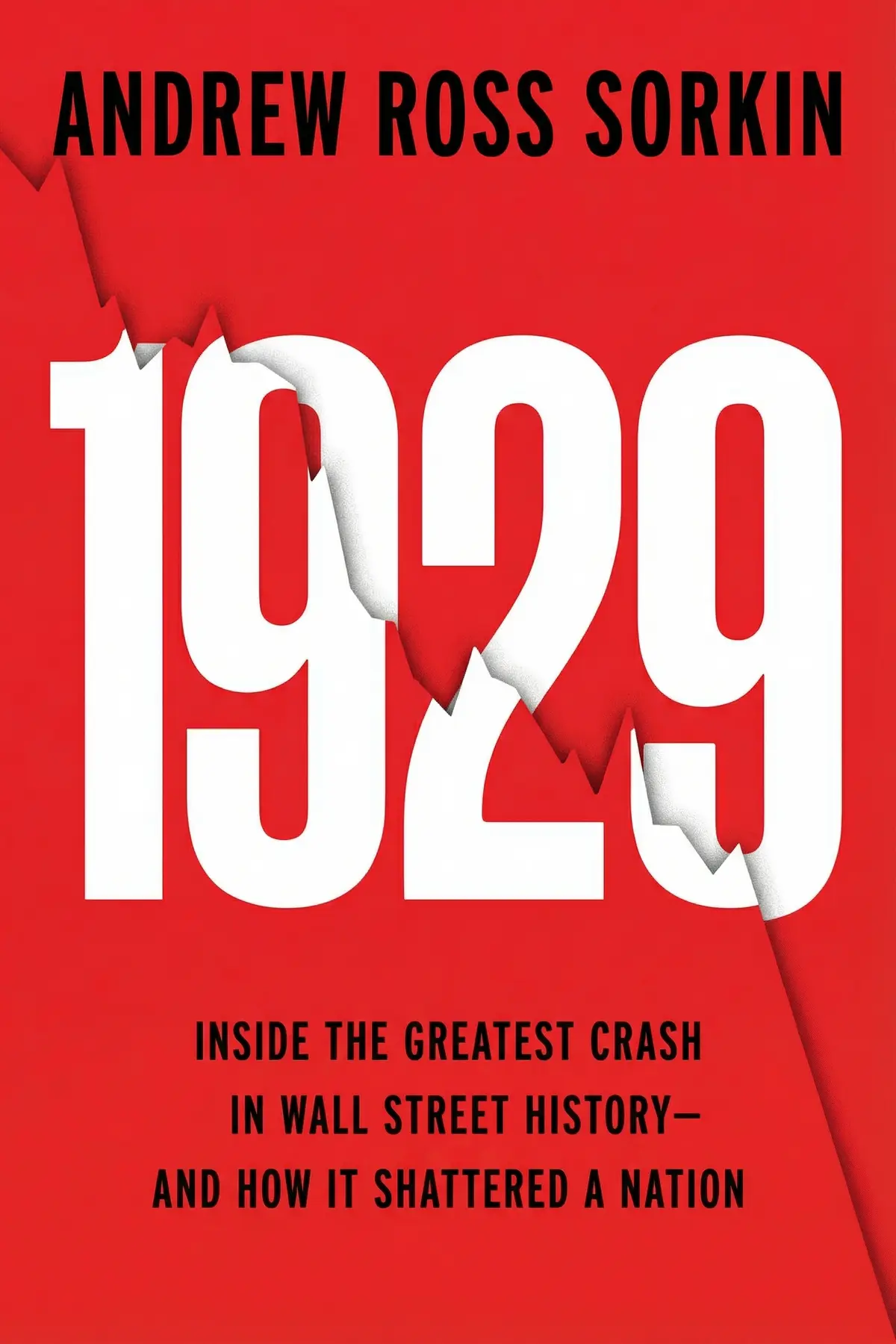
Andrew Ross Sorkin
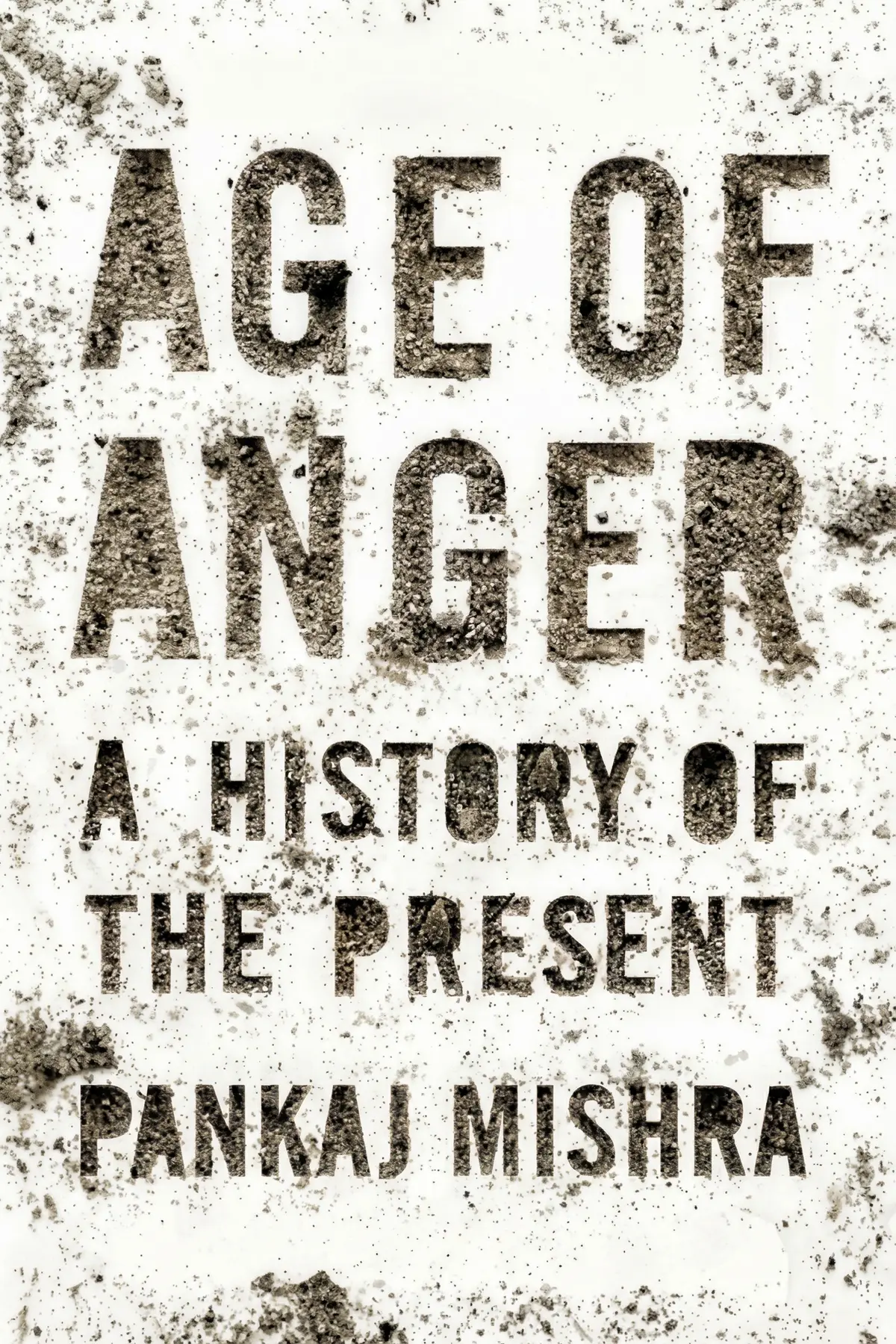
Pankaj Mishra

Fay Bound Alberti
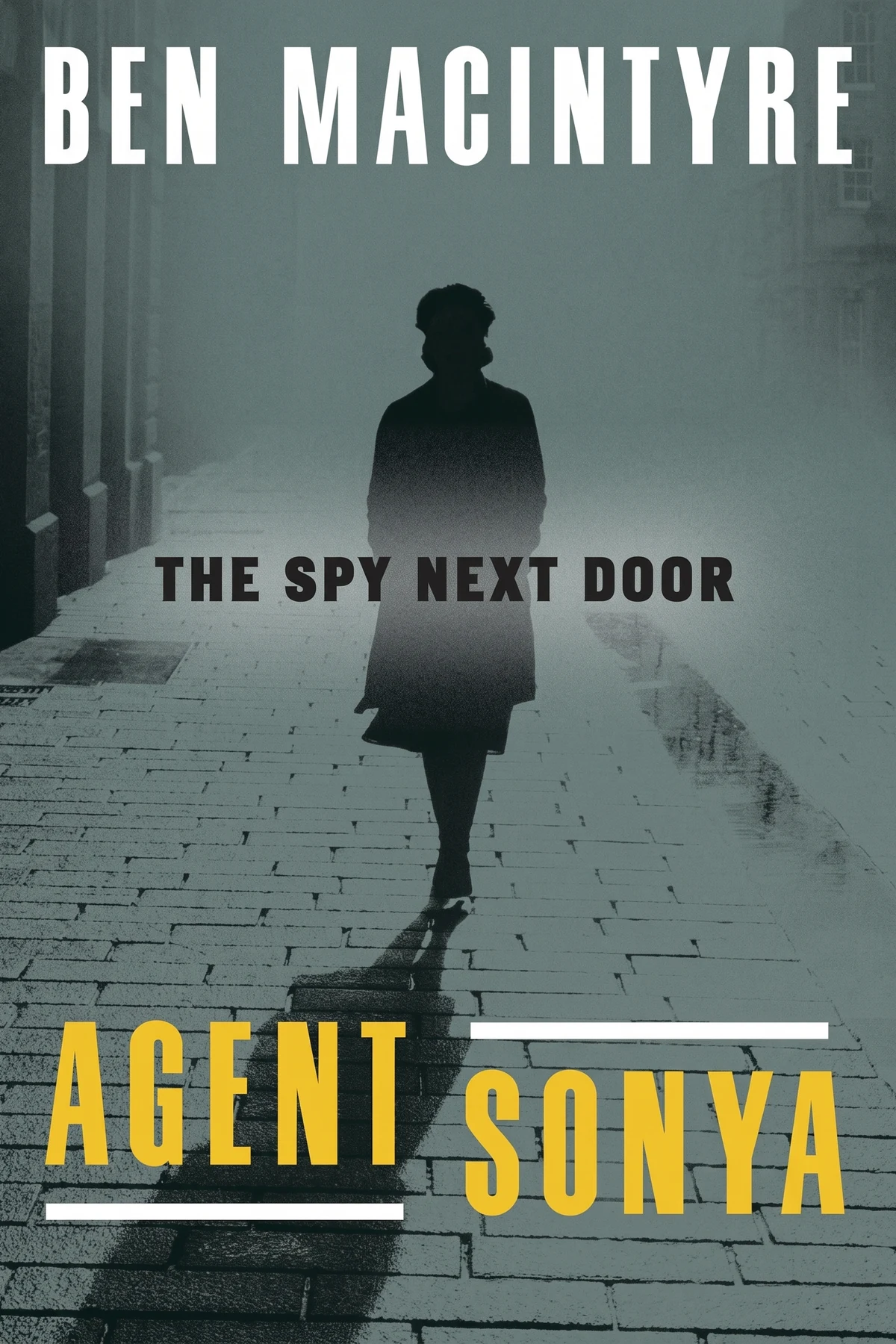
Ben Macintyre
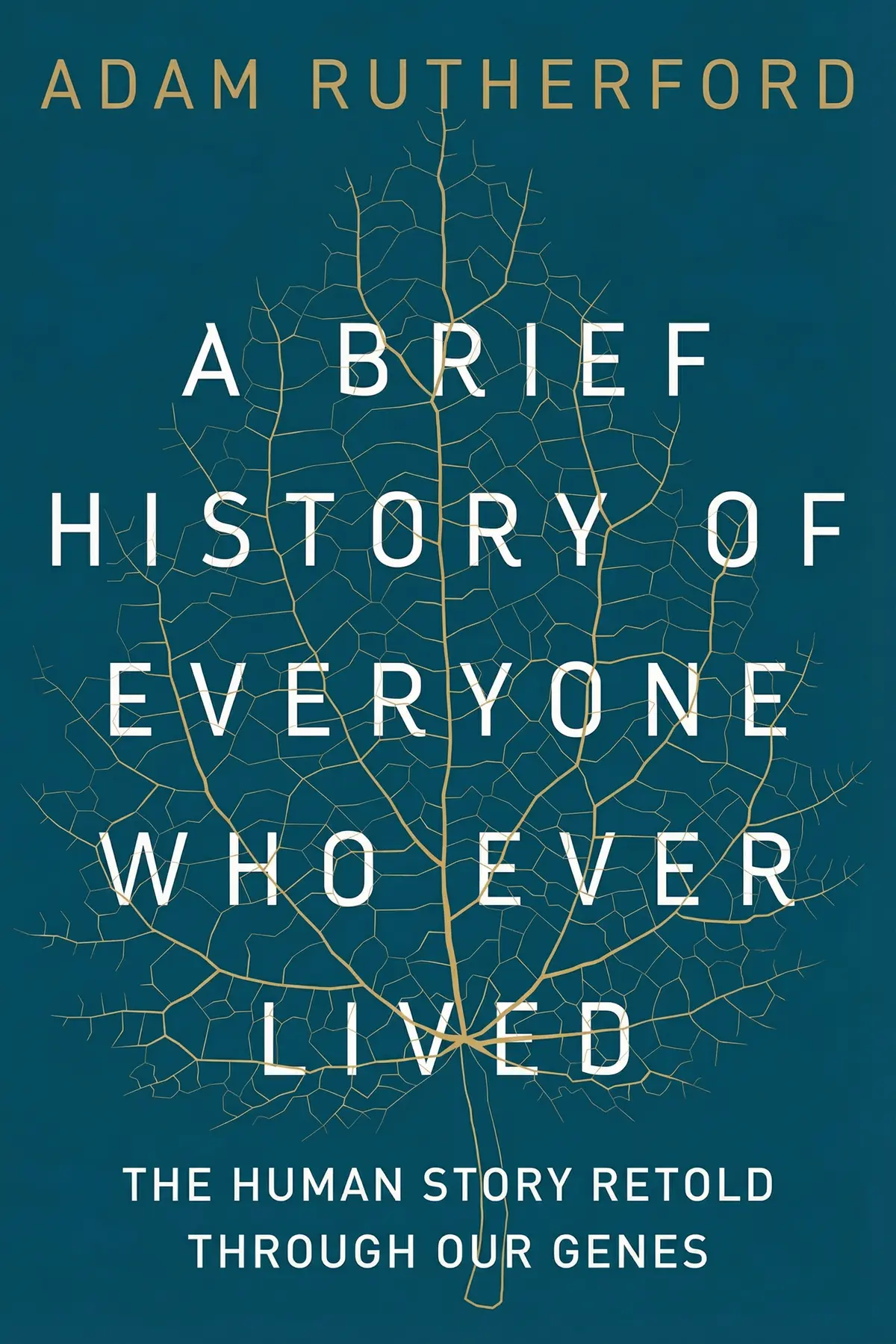
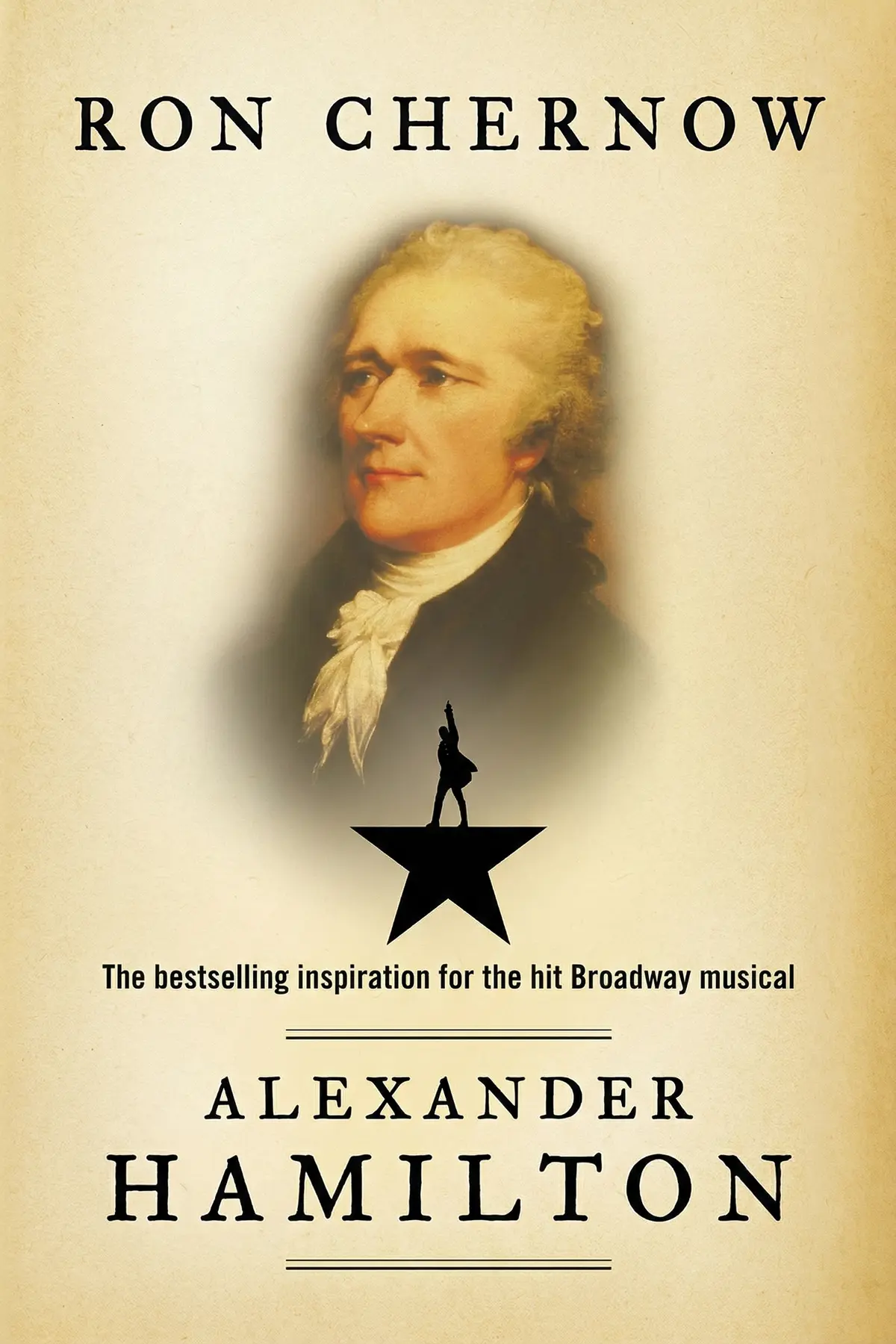
Ron Chernow
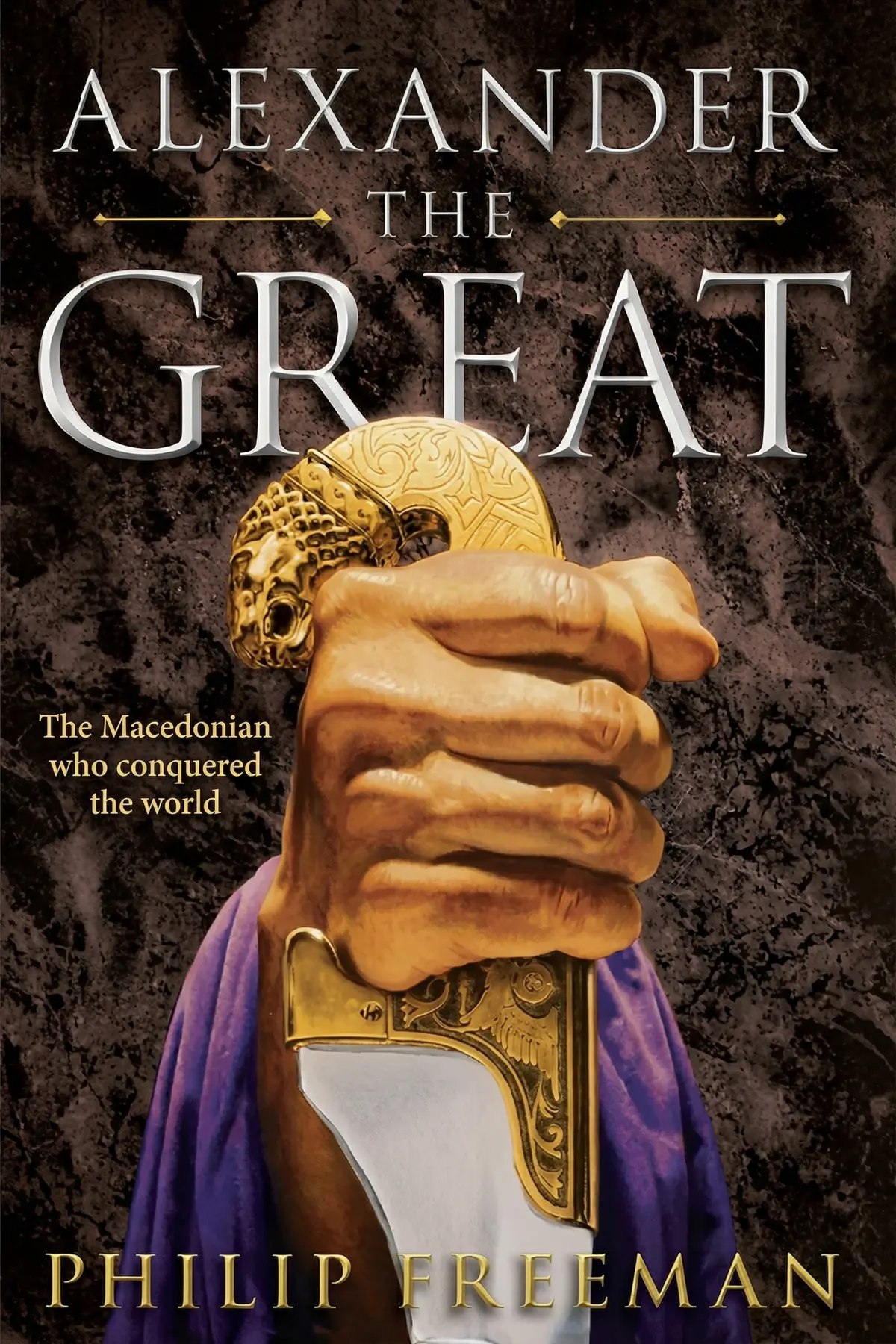
Philip Freeman
AUDIO SUMMARY AVAILABLE
Get the key ideas from The Sleepwalkers by Christopher Clark, plus 5,000+ more titles in English and Thai.







