
20 min 47 sec
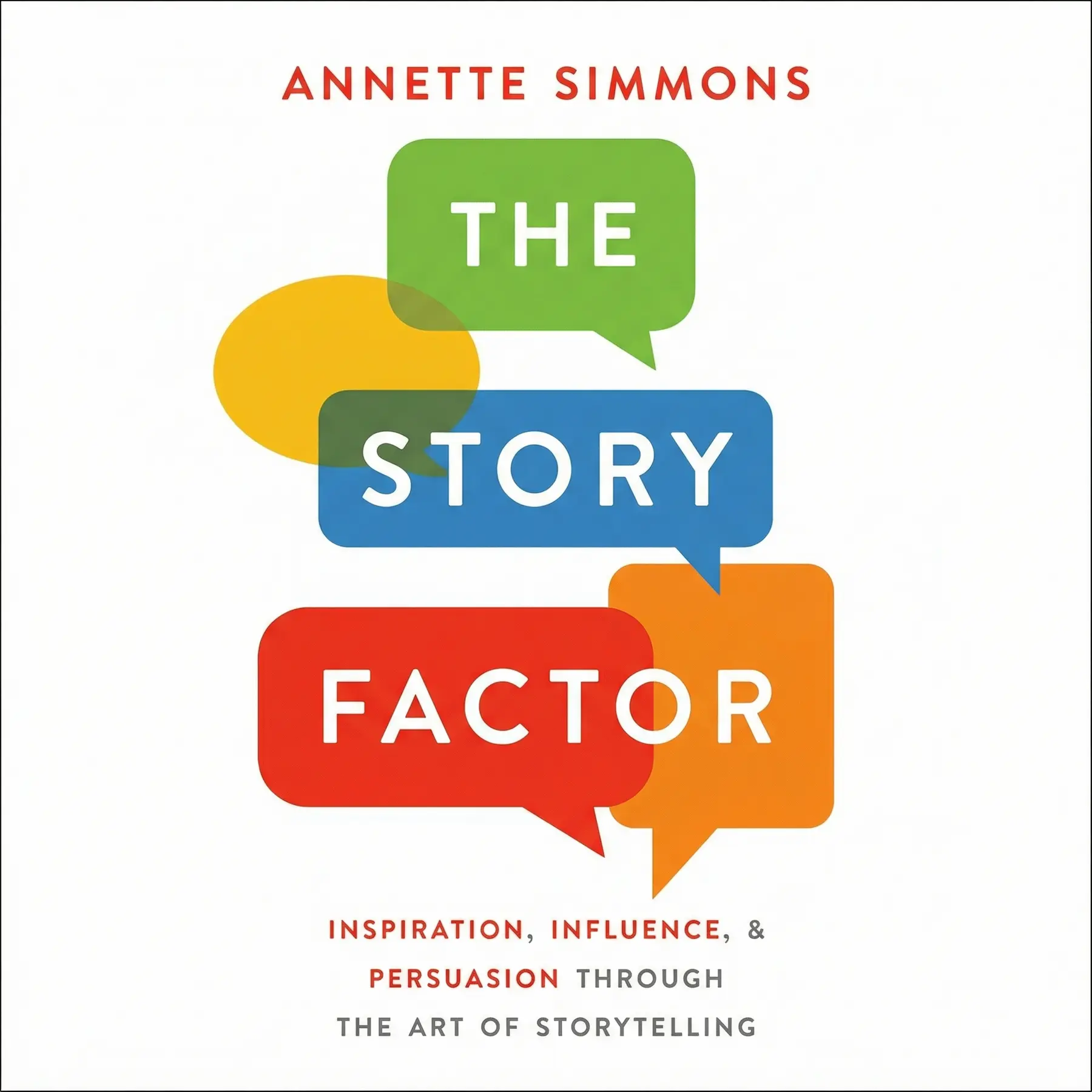
The Story Factor: Inspiration, Influence, and Persuasion through the Art of Storytelling
The Story Factor explores the profound influence of narrative in professional and personal communication. Annette Simmons reveals how storytelling bypasses logic to build trust, inspire action, and foster deep emotional connections.
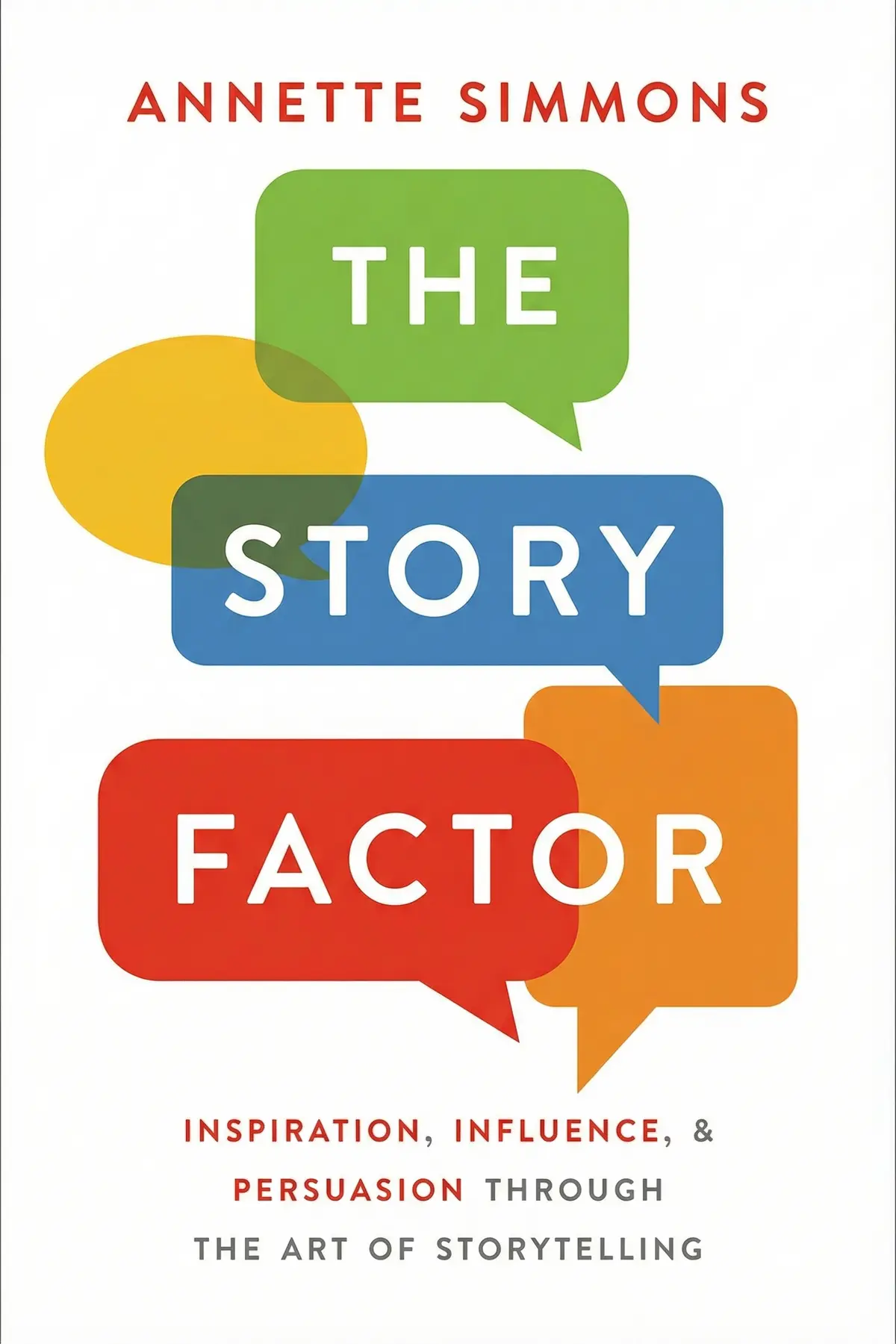
Table of Content
1. Introduction
1 min 38 sec
In a world increasingly dominated by data, spreadsheets, and the relentless pursuit of objective facts, it is easy to forget that human history was not written in numbers. For thousands of years, the primary currency of human connection was the story. From the ancient bards who traveled from village to village to the modern best-selling novels we can’t put down, narrative has always been our most potent tool for making sense of the chaos around us. But why do we remain so deeply drawn to stories, even when we think we only need the facts to make a rational decision?
The throughline of this exploration is that facts are inert until they are given meaning. A story provides the necessary lens through which an audience can interpret those facts, turning a list of data points into a simulated personal experience. When you tell a story, you aren’t just relaying information; you are inviting your listener to walk in someone else’s shoes, to feel what they feel, and to arrive at a conclusion that feels like their own. This is the heart of influence.
In the following minutes, we are going to look at how storytelling serves as a tool for persuasion, why your physical delivery is just as important as your script, and the specific types of stories every leader needs to have in their arsenal. We will also discover how stories can disarm even the most cynical listeners and why the act of listening to someone else’s story might be the most persuasive move you can make. By the end, you’ll see that becoming a storyteller doesn’t just change how others see you—it changes how you see the world and your responsibility within it. Let’s begin by looking at why stories are so much more than mere entertainment.
2. The Interpretive Power of Narrative
1 min 58 sec
Discover why stories are more effective than direct guidance and how they help us navigate a complex world by providing a framework for understanding.
3. Performing the Narrative with Your Whole Being
2 min 04 sec
Learn why storytelling is a physical act and how your voice, gestures, and sensory details can create a more immersive and memorable experience for your audience.
4. The Six Essential Stories for Influence
2 min 02 sec
Effective persuasion requires a diverse toolkit. Explore the six specific types of stories you need to tell to build trust and inspire action.
5. Bypassing Resistance Through Psychological Disarmament
1 min 53 sec
Discover the ‘hypnotic’ power of stories and how they can shift an audience from an analytical, critical state to a relaxed and receptive one.
6. Engaging the Reluctant and the Indifferent
2 min 02 sec
Persuading a difficult audience requires empathy and positivity. Learn how to acknowledge opposing views and use hope to spark action.
7. The Power of Storylistening as Influence
1 min 58 sec
Influence isn’t just about speaking; it’s about listening. Discover how giving someone the space to tell their story can be a transformative act.
8. Navigating the Pitfalls of Persuasion
1 min 56 sec
Even a good story can fail if the delivery is flawed. Avoid the three common mistakes that can alienate your audience and undermine your message.
9. The Ethical Responsibility of the Storyteller
1 min 46 sec
Becoming an influential narrator changes your perspective and your impact on the world. Explore the power and the duty that comes with storytelling.
10. Adopting the Mindset of Story Thinking
2 min 02 sec
Contrast rational analysis with the creative, fluid nature of story thinking. Learn why embracing subjectivity is key to driving real change.
11. Conclusion
1 min 28 sec
As we conclude this journey into the art of influence, it’s clear that the power of the story lies in its ability to do what facts alone never can: create a shared human experience. We have explored how a well-told narrative can simplify the complex, disarm the skeptical, and turn a passive listener into an active participant. We’ve seen that storytelling is a physical performance, an ethical responsibility, and a fundamental shift in how we process the world around us.
The core lesson is that people don’t just want data; they want to know what that data means for their lives. They want to know who you are, why you care, and where you are leading them. By mastering the six essential stories and committing to the practice of ‘storylistening,’ you gain the ability to build bridges where there were once only walls.
As an actionable takeaway, look at your very next opportunity to persuade someone—whether it’s a formal presentation or a casual coffee with a colleague. Instead of reaching for a list of bullet points or statistics, find the story. If you’re advocating for a new project, don’t just talk about the budget; tell a story about the person whose life will be improved by the result. Describe the ‘blueberry pie’ details that make that person’s world real to your audience. When you stop presenting and start storytelling, you’ll find that your message doesn’t just reach people’s ears—it sticks in their hearts. Go forth and find the stories that need to be told, and remember that the person with the best story doesn’t just win the argument; they change the world.
About this book
What is this book about?
The Story Factor serves as a comprehensive guide to the ancient yet often misunderstood art of storytelling in the modern world. It challenges the common assumption that facts, figures, and rational arguments are the most effective ways to persuade others. Instead, the book argues that human beings are neurologically wired for narrative. By learning to craft and share specific types of stories, you can overcome resistance, clarify complex visions, and demonstrate your values in a way that dry data never could. The book promises a transformation in how you approach influence. It moves beyond simple public speaking tips to explore the psychology of storytelling, the physical performance of narration, and the critical importance of storylistening. Whether you are leading a corporation, managing a team, or trying to effect social change, these insights provide a roadmap for connecting with your audience on a visceral level, turning skepticism into cooperation and apathy into shared purpose.
Book Information
About the Author
Annette Simmons
Annette Simmons turned a career in marketing and an interest in psychology into a new way of thinking about the age-old art of storytelling. She is an expert in the art of narrative who has given popular storytelling seminars for years. She is also the author of Whoever Tells the Best Story Wins.
Ratings & Reviews
Ratings at a glance
What people think
Listeners consider the content educational and skillfully crafted, utilizing engaging anecdotes to highlight key concepts. Furthermore, they value the way it equips individuals to impact others and find the material very accessible. Nevertheless, opinions on the prose are varied, as some find the details precise while others argue they are too broad. Additionally, several listeners point out that the narrative begins to feel tedious around the midpoint.
Top reviews
Hugo
Ever wonder why some leaders command a room without shouting? Simmons argues it’s all about the story you tell, not the data you dump on people. I loved the breakdown of the six types of stories, especially the "Who I Am" and "Values-in-Action" categories. The Nelson Mandela anecdote near the end was a moving touchstone for the whole philosophy. To be fair, she gets a little philosophical at times, but the core message is empowering for anyone in a leadership role. This isn't just a business book; it's a toolkit for human connection. I feel much more confident about using narrative to bridge emotional gaps now.
Show moreManop
As someone who works in a data-heavy field, I found this book's emphasis on faith and belief to be revolutionary. We often assume that facts speak for themselves, but Simmons proves that facts need a story to survive. The "Why I Am Here" story type has already changed how I approach my quarterly presentations. I no longer just list my credentials; I explain the journey that led me to the problem we’re solving. Truth is, people value their own conclusions more than yours, and a good story lets them reach those conclusions naturally. This is essential reading for anyone who wants to move beyond simple information sharing.
Show morePakpoom
After hearing so much buzz about story-driven leadership, I decided to give Annette Simmons a shot. The way she describes an idea as a "resilient parasite" that sticks in the brain is exactly what I needed to hear for my branding projects. It’s empowering to realize that anyone can be a storyteller because it is our natural birthright. I particularly connected with the "Vision" story section, which helps bridge the gap between abstract goals and daily action. While the text is a bit disorganized at times, the emotional intelligence on display is truly impressive. This is a great read for anyone looking to inspire others without relying on dry data.
Show moreJonathan
Finally got around to reading this staple of communication literature. Simmons is a clear expert, and her writing is generally engaging, though it does drag slightly in the middle sections. The distinction between "push" and "pull" strategies really stuck with me as a copywriter. Frankly, we often try to force ideas on people when we should be inviting them in with a story. While I would have liked more granular, step-by-step instructions that I could apply to specific client pitches, the "Teaching" stories provided enough of a general framework to get started. It’s an informative read that shifts your mindset away from cold facts toward meaningful persuasion.
Show moreKung
The chapter on the six specific stories is worth the price of admission alone. I particularly liked the "I Know What You Are Thinking" category, which is perfect for disarming skeptics before they even speak. Simmons writes with a lot of heart, though she can lean into being a bit preachy about the "purity" of storytelling. I found the Pittsburgh butcher example very relatable for someone trying to humanize their professional background. It’s an easy read that focuses more on the spirit of the teller than the mechanics of the tale. If you want a rigid 1-2-3 guide, look elsewhere, but if you want inspiration, this is it.
Show moreEllie
Annette Simmons delivers a powerful argument for the emotional weight of narrative over the dry delivery of facts. The proverb about the man beating his horse was a standout moment that perfectly illustrated her point about consequences and influence. I found the section on "The Vision" story especially helpful for my current project at work. However, the book does get a bit preachy toward the end, and the writing style isn't always as crisp as I’d like. Still, the core idea that we are always "living our story" is a profound shift in perspective. It’s a solid 4-star read for anyone looking to increase their influence through authenticity.
Show moreFinn
Not what I expected when I picked this up for my marketing team last month. I was hoping for a technical manual on how to construct a perfect narrative arc, but Simmons intentionally avoids that. She actually compares dissecting a story to "dissecting a kitten" to see why it's cute—you lose the magic in the process. While I appreciate that sentiment, it makes the book feel a bit too abstract and disorganized for my taste. Look, there are some golden nuggets here about influence, but you have to sift through a lot of "water" to find them. It’s a decent philosophical look at the art, but not a practical guide for beginners.
Show moreSuphan
This book feels like it could have been a very impactful 50-page essay rather than a full-length volume. Don’t get me wrong, the initial concept of using narrative as a "pull" strategy is brilliant and well-explained. However, the writing gets extremely repetitive after the first few chapters, and I found myself skimming through several sections. She keeps telling us stories are powerful without giving us enough "how-to" meat to chew on. In my experience, the advice on being a better listener was a bit generic for a book specifically about storytelling. It’s an okay resource for general self-help, but it lacks the depth I wanted for professional development.
Show moreBella
In my experience, the first few chapters had me hooked, but the momentum died out pretty quickly. The author has a wealth of knowledge, yet the book feels like it’s constantly talking around the subject instead of diving in. I loved the "Who I Am" concept, but I wanted more examples of how to refine that story for different audiences. It’s a bit frustrating when a book about storytelling is this repetitive and, at times, quite dull. While it’s certainly informative about the "why," it leaves the "how" almost entirely up to the reader’s intuition. It’s a fine supplementary read, but it shouldn't be your only resource on the topic.
Show moreFatou
Look, I’m going to be blunt: I found this incredibly boring and far too vague to be useful. I came into this expecting specific techniques to sharpen my narrative skills for sales, but it felt more like a series of disjointed anecdotes. Simmons argues that storytelling is too instinctive to be modeled, which seems like a bit of a cop-out for an instructional book that promised to help me improve my professional influence. I much prefer Paul Smith’s "Lead With a Story" because it actually provides a structure you can follow. The "Story Factor" is just too philosophical and abstract for someone who needs practical results. Unless you enjoy wading through "water" and repetitive phrases about how "stories are cool," skip this one.
Show moreReaders also enjoyed
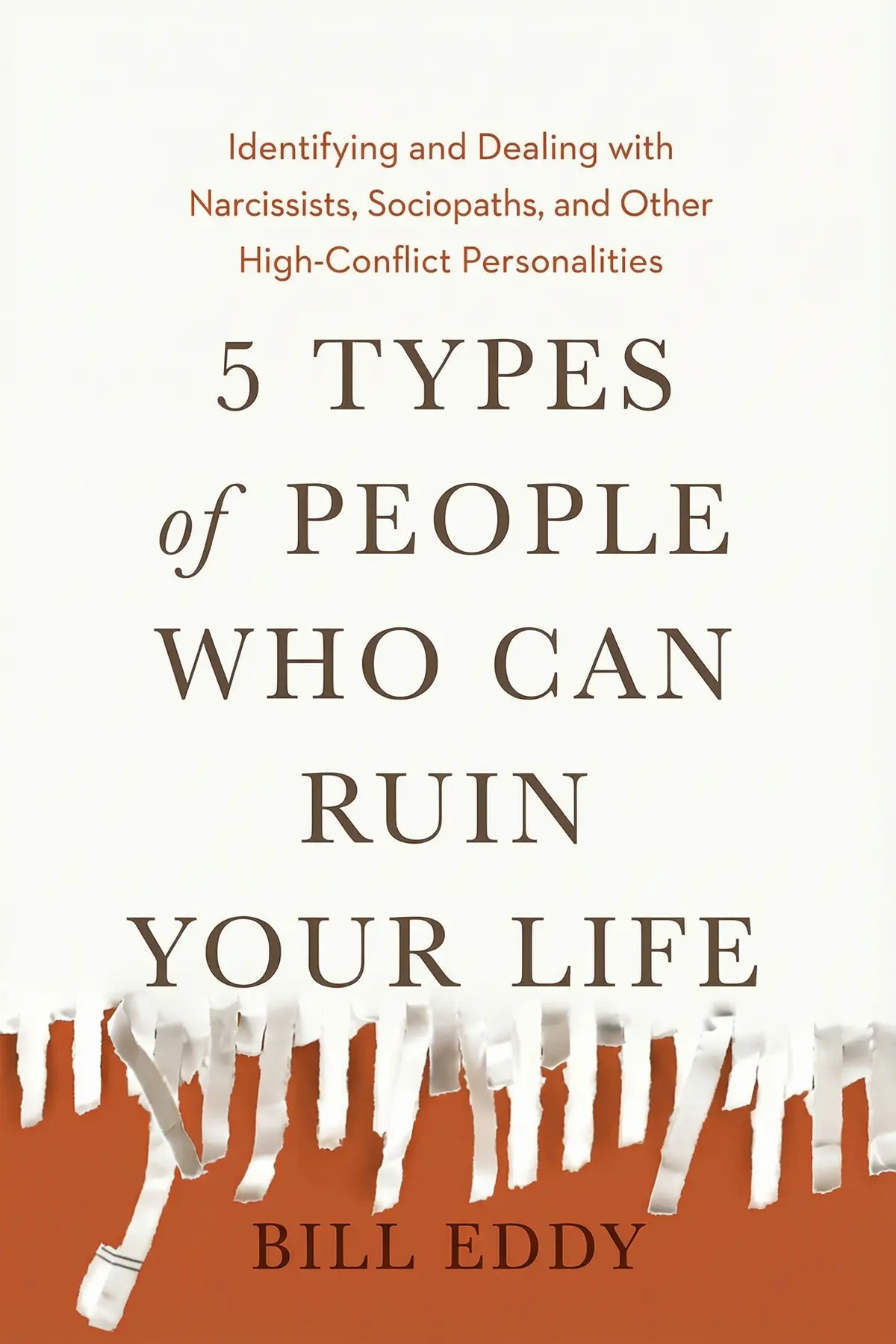
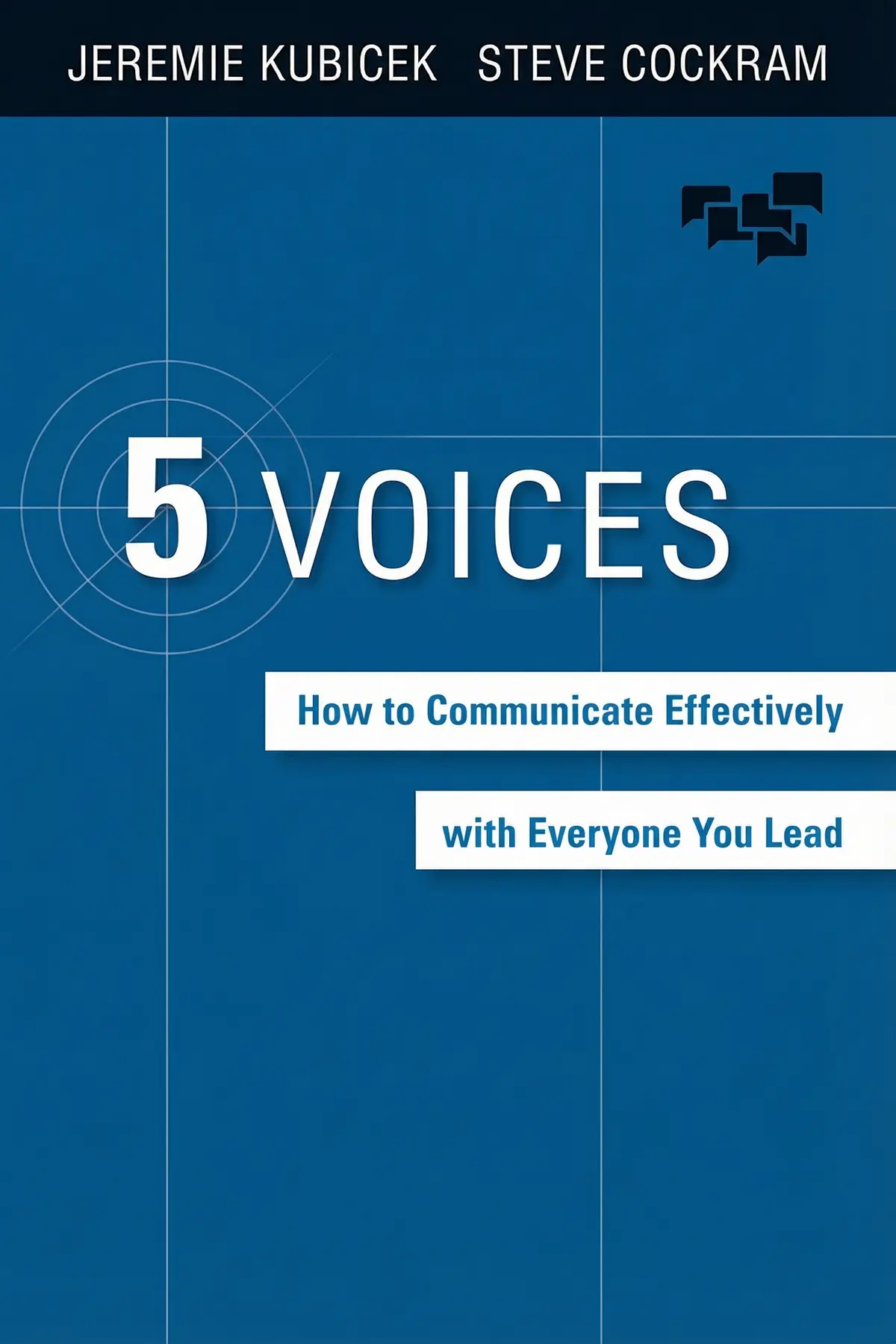
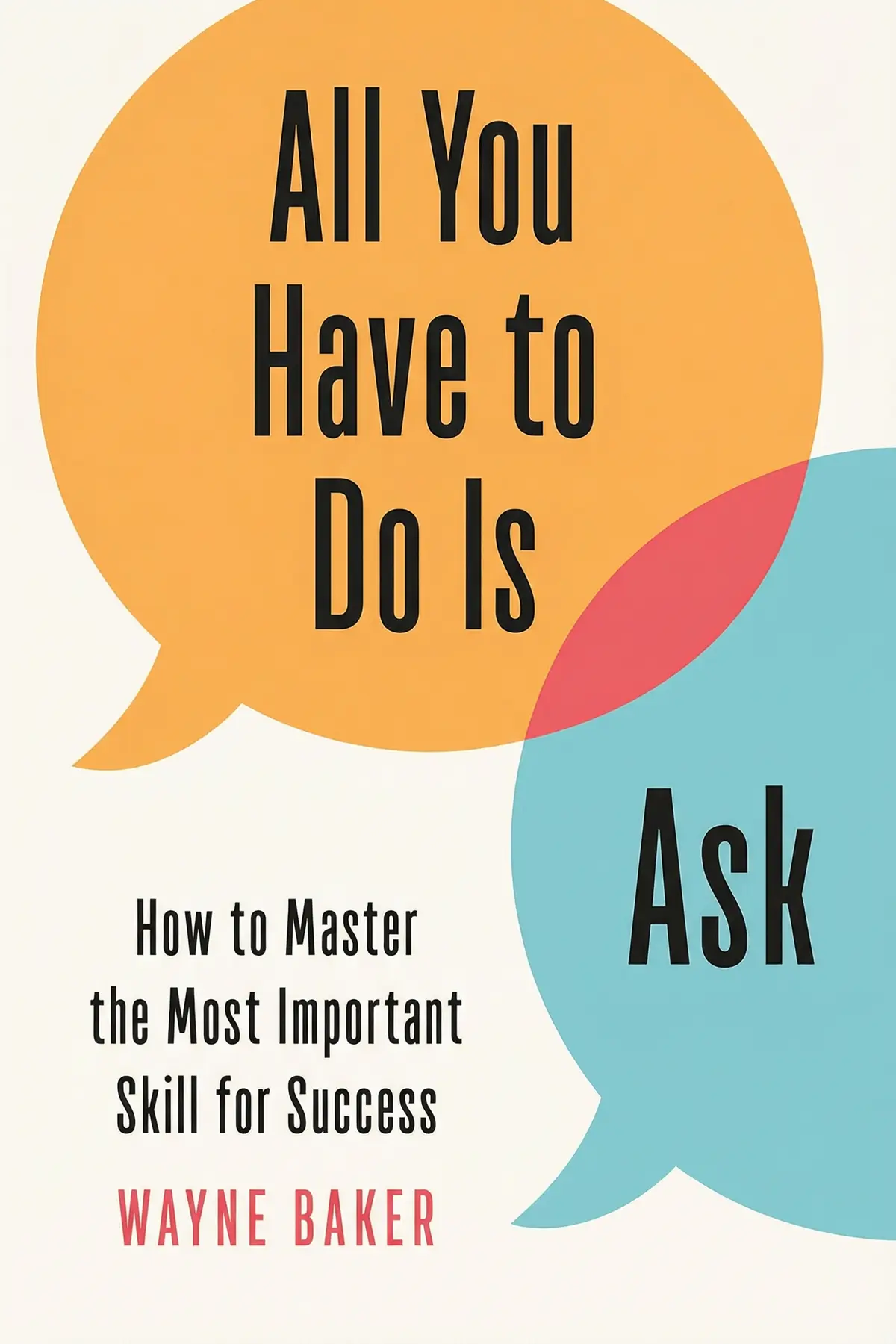
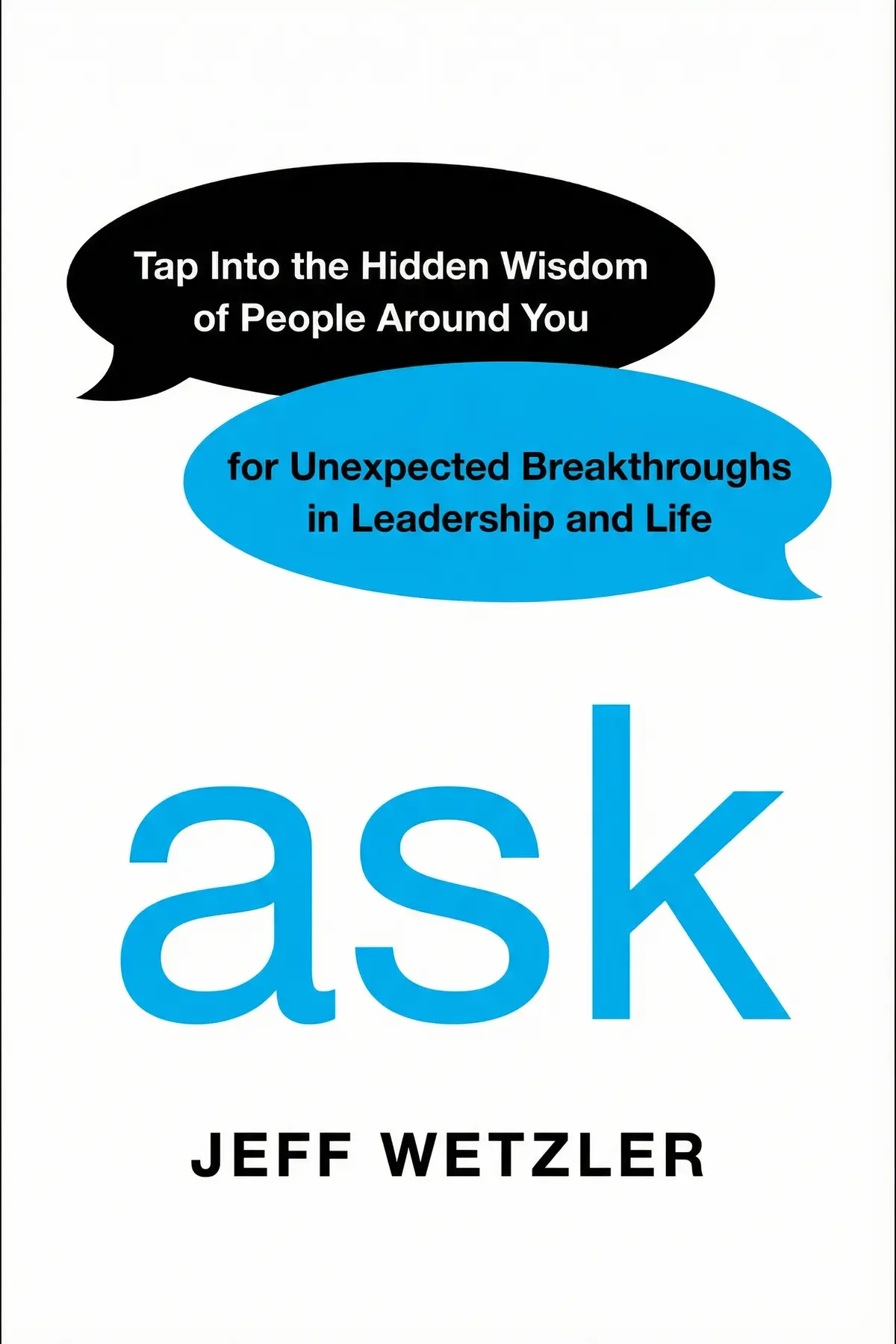
AUDIO SUMMARY AVAILABLE
Listen to The Story Factor in 15 minutes
Get the key ideas from The Story Factor by Annette Simmons, plus 5,000+ more titles in English and Thai.
- 5,000+ titles
- Listen as much as you want
- 7-day free trial
- Cancel anytime







