
17 min 03 sec
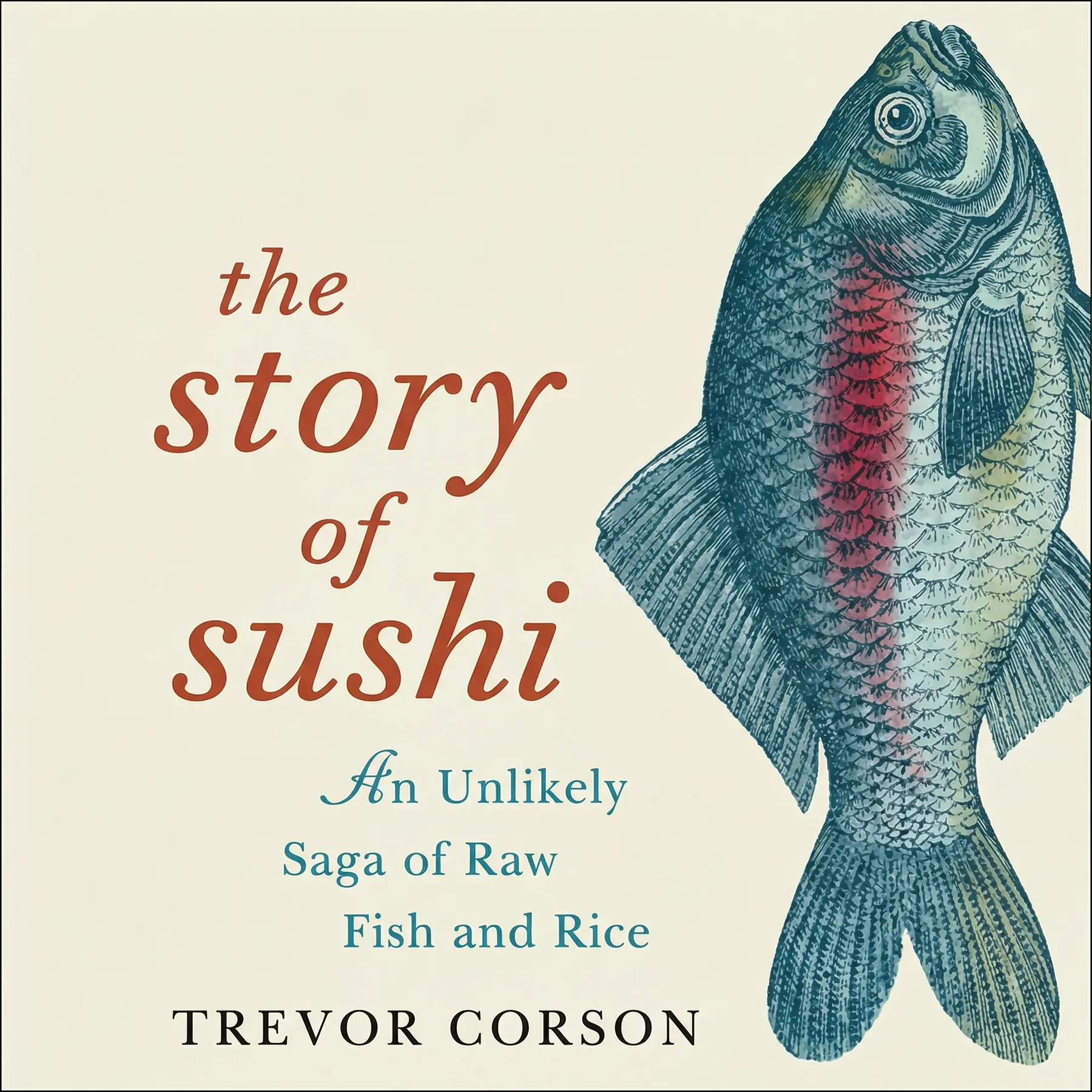
The Story of Sushi: An Unlikely Saga of Raw Fish and Rice
Explore the rich history, hidden science, and cultural rituals behind one of the world’s most popular cuisines. This guide reveals the secrets to becoming a true sushi connoisseur by mastering tradition and etiquette.
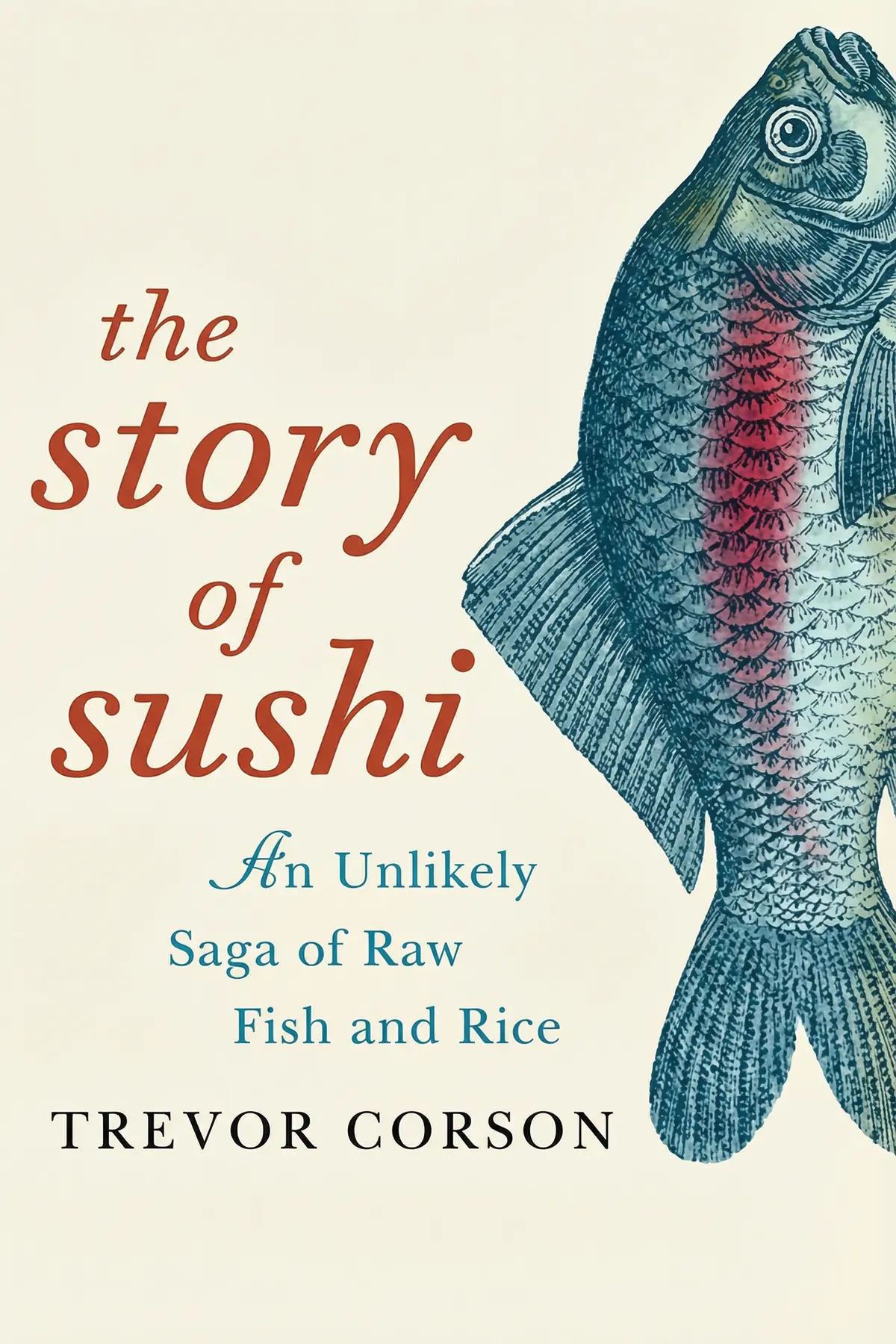
Table of Content
1. Introduction
1 min 34 sec
Step into any modern city today, and you are likely to find sushi in almost every corner of the culinary landscape. What was once considered a rare and exotic novelty just a few decades ago has transformed into a global phenomenon. It is sold in high-end, exclusive boutiques where a single meal costs hundreds of dollars, and it is simultaneously available in plastic containers at the local supermarket. But despite this incredible ubiquity, there is a profound gap between how often we eat sushi and how much we actually understand it.
Most of us walk into a sushi bar with a few basic assumptions. We think sushi is simply another word for raw fish. We believe that chopsticks are the only proper tool for the job. We might even think that the more soy sauce and wasabi we use, the more we are enjoying the experience. However, as we explore the throughline of this story, we will find that many of these common habits actually separate us from the true artistry of the dish.
In this journey, we are going to look beneath the surface of the rice and the fish. We will explore the ancient origins of sushi, which was born from a need to preserve food rather than a desire for freshness. We will examine the intense, years-long training that turns a student into a master, and we will look at the surprising health benefits that have made this cuisine a symbol of well-being in Japan for generations. By the time we finish, you won’t just be someone who enjoys sushi; you will be a connoisseur who understands the history, the biology, and the profound ritual behind every single bite. Let’s begin by redefining what sushi actually is.
2. The True Definition of Sushi
2 min 07 sec
Think sushi means raw fish? Think again. Discover the ancient history of a dish where the rice was once used only as a preservative and then discarded.
3. A Legacy of Health and Well-being
2 min 09 sec
From children’s fables to modern recovery stories, sushi is viewed as a restorative power that connects the body and the mind through careful preparation.
4. The Architecture of the Perfect Nigiri
1 min 54 sec
Mastering the perfect sushi bite is a feat of engineering. Learn how chefs use ‘U-shapes’ and air pockets to create a roll that dissolves in the mouth.
5. Navigating Sushi Etiquette
1 min 54 sec
Are you ruining your sushi with soy sauce and wasabi? Learn the proper way to season and eat your rolls to respect the chef’s craft.
6. The Complexity of Ingredients and Sustainability
1 min 59 sec
Explore the biological wonders and ethical dilemmas behind popular toppings like shrimp and yellowtail, from sex-changing crustaceans to wild vs. farmed tuna.
7. The Art of the Salmon Egg
1 min 56 sec
Salmon eggs aren’t just garnish; they are the result of a multi-day culinary ritual involving brines, marinades, and a billion-dollar black market.
8. Sushi as a Martial Art
1 min 57 sec
A sushi master’s kitchen is a dojo. Discover how the physical discipline of kung fu informs the speed, power, and precision of the world’s best chefs.
9. Conclusion
1 min 33 sec
As we conclude our exploration into the world of sushi, it becomes clear that this cuisine is far more than a simple meal—it is a profound intersection of history, science, and art. We have seen how the word ‘sushi’ itself points us away from the fish and toward the rice, the true foundation of the dish. We have explored the rigorous physical and mental discipline required of the masters who spend decades perfecting a single squeeze of the hand or a single stroke of the knife. And we have looked at the complex biological and environmental stories behind the ingredients we often take for granted.
The throughline of the sushi story is one of constant evolution held together by a deep respect for tradition. From its beginnings as a fermented preservative to its current status as a global health food and a medium for artistic expression, sushi remains a testament to the Japanese commitment to excellence. The next time you find yourself at a sushi bar, remember the air pockets in the rice, the multi-day marinade of the salmon eggs, and the martial-arts-like stance of the chef behind the counter.
If there is one actionable lesson to take away from this journey, it is to embrace the traditional experience. The next time you order nigiri, put down the chopsticks and use your hands. Dip only the fish into the soy sauce, and let the ginger cleanse your palate between bites. By approaching the meal with this newfound knowledge and respect, you move beyond being a mere consumer. You become a participant in a thousand-year-old ritual, and in doing so, you truly become a sushi connoisseur. Enjoy the journey, one mindful bite at a time.
About this book
What is this book about?
The Story of Sushi offers a deep dive into the fascinating evolution of a Japanese staple that has conquered the globe. It dispels common myths—starting with the fact that sushi is primarily about the rice, not the fish—and explores the ancient preservation techniques that birthed the modern nigiri. Through the lens of history, philosophy, and culinary science, the narrative follows the journey of both the ingredients and the masters who prepare them. Listeners will discover the rigorous training sushi chefs undergo, the environmental impact of modern fishing, and the surprising biological life of the creatures served on the plate. From the spiritual connections between sushi-making and martial arts to the specific etiquette required at a traditional sushi bar, this summary provides the knowledge necessary to appreciate every bite. By the end, you will understand how sushi functions as a source of health and how to navigate a menu with the confidence of a seasoned expert.
Book Information
About the Author
Trevor Corson
Trevor Corson is a writer who brings a unique global perspective to his work. He has lived in Buddhist temples in Japan and studied philosophy in China, experiences that inform his deep appreciation for East Asian culture. Beyond his academic pursuits, Corson has also spent time working on commercial fishing boats off the coast of Maine, giving him firsthand insight into the seafood industry. He is a frequent contributor to the New York Times and is also the author of The Secret Life of Lobsters.
Ratings & Reviews
Ratings at a glance
What people think
Listeners consider this work an enjoyable and easy read that offers excellent details regarding sushi and its origins, while one listener points out that it follows the food's evolution within Japan. Furthermore, the material is highly informative, helping listeners deepen their understanding of the cuisine, and one listener notes that it demonstrates proper nigiri eating techniques. The quality of the writing is also praised, as listeners enjoy the narrative style, with one comparing the experience to watching a documentary or reality show about fish.
Top reviews
Tun
Picked this up on a whim because I'm a sushi fanatic, and I was absolutely floored by how much I didn't know. This isn't just a cookbook; it’s an educational journey that traces the development of sushi from a fermented street food to a global luxury. The storytelling approach reminded me of a well-produced documentary, jumping effortlessly between the ancient history of the Edo period and the modern-day struggles of diverse students in a Los Angeles classroom. I found the chapter on the life cycle of the eel and its connection to the Bermuda Triangle to be absolutely mind-blowing. In my experience, the book is a light, engaging read that manages to sneak in a ton of science without feeling like a chore. You’ll definitely walk away with a much deeper respect for the craft and the biology behind your favorite roll. Highly recommended for anyone who wants to be a more informed eater.
Show moreHemp
Wow, I had no idea that sushi actually began as a way to preserve fish in fermenting rice centuries ago. This book is a wonderful light read that feels more like a documentary series than a dry historical text. Corson does a great job of explaining how the Edo period changed the way people viewed quick meals. I especially loved the bits about the microbes involved in making soy sauce and how those strains are guarded like state secrets. While some of the drama at the Los Angeles school felt a bit like a reality show, it actually helped humanize the intense pressure these chefs face. The book even taught me the proper way to handle nigiri so I don't look like an amateur at the sushi bar next time. If you love food and history, this is an absolute must-read that will change your next dinner out.
Show moreSuphan
After hearing my friends rave about omakase, I finally picked this up to get the facts straight about what I was actually eating. The book is incredibly educational, teaching you everything from proper nigiri techniques to the hidden dangers of parasites in fresh-water fish. I was fascinated by the detail about how mold is kept in secret vaults for the fermentation process. Trevor Corson has a gift for making complex biological processes feel like a fast-paced narrative. The mix of the historical perspective from Japan and the modern-day classroom setting kept the pace moving quickly. It really does feel like watching a documentary where you get to see behind the curtain of a mysterious industry. Even if you aren't a big fan of raw fish, the cultural insights are well worth your time. This book turned me into a much more savvy and appreciative diner.
Show moreJames
Ever wonder why salmon is always served frozen at your local spot or why traditional chefs are so picky about their rice? This book provides those answers and so much more. While the title suggests a broad history, it’s actually a focused microhistory blended with the story of a sushi school. I loved learning about the organic chemistry of fish and how different amino acids create that specific 'tastiness' known as umami. Gotta say, the author’s tone can be a little simplistic at times, almost like he's explaining things to a child, but the information is so good I didn't mind too much. The sections on the California Sushi Academy were fun, even if the students like Marcos felt a bit like archetypes. It’s an entertaining read that will definitely turn you into a bit of a sushi snob, in a good way.
Show moreWanphen
Finally got around to reading this, and it feels like watching a high-stakes reality show set in a professional kitchen. The way Corson follows students like Kate and Takumi through the California Sushi Academy adds a personal layer to the dense history of the craft. It was eye-opening to see how much work goes into just keeping a knife from rusting or mastering the 'squeeze' of the rice. Personally, the author’s focus on Kate’s 'pretty hair' was a bit odd and felt out of place in a book that is otherwise so informative. Still, the science behind how fish breaks down and the history of why we associate sushi with Japan rather than Korea was top-notch. It’s a very light, enjoyable read that manages to be educational without being dry. Perfect for anyone who loves a good food story.
Show moreFon
Look, if you want a dry textbook on Japanese culinary history, you should probably keep moving. This is narrative non-fiction at its most accessible, blending science with a 'behind the scenes' look at a sushi school in California. It is definitely not your average history book. I found the facts about the 'shiny-skinned' mackerel and its connection to European dandies to be hilarious and totally unexpected. The truth is, the book is at its best when it explores the microhistory of the ingredients, like the bizarre migration patterns of eels. My only real gripe is that the dialogue between the students sometimes felt a bit forced or overly dramatic. Still, the educational value here is massive, and it’s written in such a breezy style that you’ll fly through it. It’s the kind of book that makes you the most interesting person at the dinner table.
Show moreAom
As someone who eats sushi three times a week, I expected a more scholarly deep dive into the culinary tradition. The truth is, the book spends an inordinate amount of time on the students at the California Sushi Academy rather than the fish themselves. Trevor Corson writes with a light, accessible touch, but occasionally it feels like he’s talking down to the reader, especially during the chemical breakdowns of amino acids. I found the constant descriptions of the main student Kate's appearance—specifically her hair—to be completely irrelevant and honestly a bit distracting from the educational content. That being said, the segments on the history of Nigiri and how it evolved from a fermented preservation method are gold. You’ll definitely walk away with a better understanding of why we eat what we eat, even if the narrative structure feels like a messy roll.
Show moreKasemsan
Not what I expected, as the title is actually a bit of a misnomer regarding the true focus of the content. I went into this expecting a comprehensive history of Japanese cuisine, but it's mostly about a specific group of people studying to be chefs in California. While the 'reality show' vibe of following the students is fine, I found myself skimming those parts to get back to the actual fish facts. The sections on the history of nori and the evolution of the 'inside out' roll were by far the highlights for me. However, the dialogue between the characters often felt stilted and unnatural, which made it hard to really care about their personal journeys. It’s a decent light read if you want some fun trivia to share over dinner, but it feels a bit confused about whether it wants to be a memoir or a history book. Three stars for the bits of sushi history that saved it from being a total drag.
Show moreGung
This book is a bit of a mixed bag for me, but ultimately worth it for the history. On one hand, you get these incredible deep dives into the chemistry of fish and why salmon is actually a newcomer to the sushi scene. On the other hand, the narrative following the students at the academy—like the pop star Takumi and the Midwestern girl Kate—can be hit or miss. Not gonna lie, the way the author describes Kate's appearance felt a little unnecessary at times and distracted from the 'Zen' of the title. I also found the constant references to that old sushi manga meant to inspire her to be a bit repetitive. However, the educational aspect is top-notch, and it really feels like watching a reality show where you actually learn something useful. If you can get past the slightly stilted dialogue in the school sections, there is a lot of great information about Japanese culture to be found here.
Show moreConnor
To be fair, the sections on the life cycle of the eel and the chemistry of miso were legitimately fascinating pieces of microhistory. However, the author’s narrative choices throughout the rest of the book made it a real struggle for me to finish. The dialogue between the students at the academy felt incredibly stilted, like a poorly dubbed anime filled with unnecessary exclamation points. Even worse was the patronizing tone used for the scientific explanations; it felt like being back in second grade. Corson also seems strangely fixated on Kate, focusing on her 'pretty hair' or her clothing in ways that felt unprofessional for a non-fiction work. If you can ignore the awkward character drama, there is some good information here about mercury levels and fish parasites. But frankly, I’d suggest just watching a documentary on the subject instead.
Show moreReaders also enjoyed







AUDIO SUMMARY AVAILABLE
Listen to The Story of Sushi in 15 minutes
Get the key ideas from The Story of Sushi by Trevor Corson, plus 5,000+ more titles in English and Thai.
- 5,000+ titles
- Listen as much as you want
- 7-day free trial
- Cancel anytime







