
12 min 49 sec
The Stress Prescription: 7 Days to More Joy and Ease
By Elissa Epel
The Stress Prescription provides a scientifically grounded guide to navigating the modern epidemic of pressure. Dr. Elissa Epel explores how chronic tension accelerates aging and offers practical, evidence-based tools to reclaim metabolic health and emotional resilience.
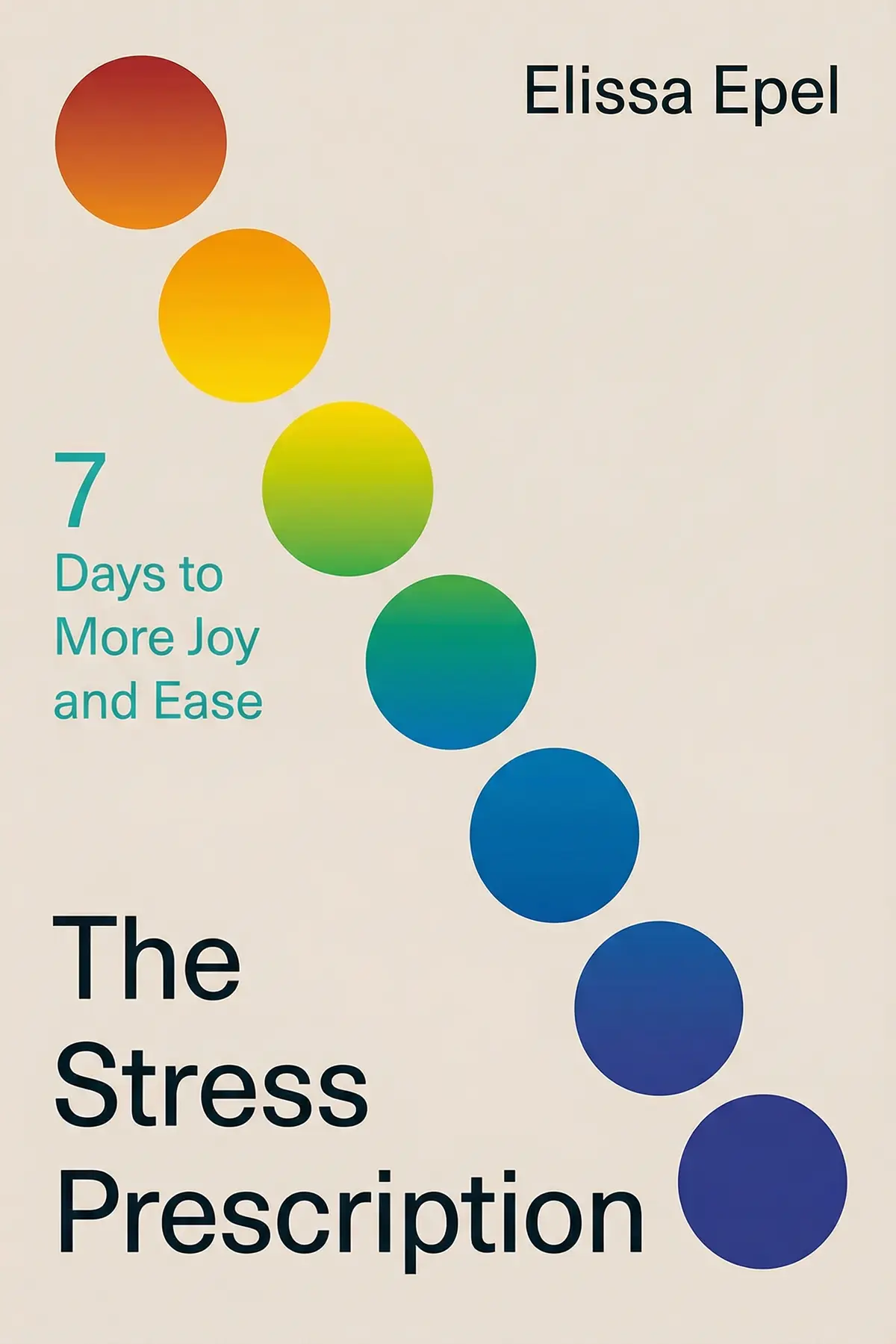
Table of Content
1. Introduction
1 min 22 sec
We often think of stress as an invisible, atmospheric weight—something we just have to carry until the weekend or our next vacation. But as we dive into the insights of Dr. Elissa Epel, we start to see that stress is far more than a feeling. It is a biological event that leaves a physical footprint on our cells, our metabolism, and our very DNA. In her work, The Stress Prescription, Epel bridges the gap between the high-pressure world we live in and the intricate internal systems that keep us young and healthy.
The central throughline of this exploration is the idea that we are not helpless victims of our environments. While we cannot always control the external triggers that spark anxiety, we have an incredible amount of agency over how those triggers translate into physical health outcomes. Epel, a leading expert in the fields of psychiatry and aging, shows us that the goal isn’t necessarily to live a life devoid of stress—that’s an impossible and perhaps even undesirable aim. Instead, the goal is to develop a ‘stress prescription’ that allows us to bounce back, to recover fully, and to prevent the slow, quiet erosion of our health that comes from chronic, unmanaged tension. Over the course of this summary, we’ll explore how stress impacts the body at a cellular level and, more importantly, the practical, daily strategies you can use to transform your relationship with pressure.
2. The Cellular Clock and the Impact of Stress
2 min 02 sec
Discover how the hidden mechanisms inside your cells react to daily pressure and why chronic stress might be making you age faster than you realize.
3. The Metabolic Intersection of Emotion and Health
2 min 04 sec
Uncover the complex relationship between your emotional state and your body’s energy systems, and how stress disrupts your metabolic balance.
4. Distinguishing Between Acute and Chronic Stress
1 min 53 sec
Learn why not all stress is bad for you and how to tell the difference between a helpful temporary boost and a harmful permanent state.
5. Building a Stress Management Toolkit
2 min 09 sec
Explore the practical strategies that can help you buffer against the pressures of life and maintain your well-being.
6. The Role of Purpose and Mindfulness in Resilience
1 min 58 sec
Find out how looking beyond yourself and staying present in the moment can provide a lasting shield against environmental pressure.
7. Conclusion
1 min 21 sec
As we conclude our look at The Stress Prescription, it’s clear that our health is a dynamic conversation between our minds and our cells. Dr. Elissa Epel’s research provides a powerful reminder that while we live in a world that often demands more than we can give, we have the biological and psychological tools to protect ourselves. We’ve seen how chronic stress acts as an accelerant for aging by shortening our telomeres and disrupting our metabolism, but we’ve also seen that this process is not inevitable.
The actionable takeaway from this journey is to begin viewing stress management as a daily, essential practice. It’s about making the conscious choice to shift from a threat mindset to a challenge mindset. It’s about prioritizing those small moments of connection, mindfulness, and physical restoration that signal safety to our nervous systems. We don’t need to change our entire lives to see a difference; we just need to change how we respond to the lives we have. By taking control of what we can, letting go of what we can’t, and staying present in the moment, we can effectively rewrite our own stress prescription. Start today by taking one deep breath and remembering that your health is built in these small, quiet moments of recovery. You have the power to protect your vitality, preserve your cellular health, and live a life defined not by its pressures, but by its resilience.
About this book
What is this book about?
The Stress Prescription is a deep dive into the biological mechanisms that connect our daily anxieties to our physical health. Drawing on years of clinical research, the book examines the hidden cost of constant pressure, specifically how it affects our cellular integrity and metabolic functions. It moves beyond simple relaxation techniques to offer a comprehensive strategy for transforming the way our bodies and minds respond to inevitable life challenges. The promise of the book is a shift from merely surviving stress to mastering it. By understanding the science of aging and the role of telomeres, readers learn to differentiate between helpful acute responses and harmful chronic strain. It provides a toolkit for building a resilient internal environment, ensuring that while we cannot eliminate the demands of the world, we can protect ourselves from their most damaging long-term effects.
Book Information
About the Author
Elissa Epel
Elissa Epel is a health psychologist who studies the effects of stress on aging. She’s a professor in the Department of Psychiatry & Behavioral Sciences at the University of California, San Francisco, and the director of the Aging, Metabolism and Emotions Center. In addition to The Stress Prescription, she’s also a coauthor of the New York Times best-seller The Telomere Effect.
Ratings & Reviews
Ratings at a glance
What people think
Listeners find this guide practical and simple to digest, with one listener highlighting that it contains gems of wisdom on every page. They also appreciate how it fundamentally shifts their perspective on managing stress and has the potential for significant impact. Furthermore, the book is direct and well-researched, providing deep insights that make listeners feel it is well worth the read.
Top reviews
Earn
After hearing Dr. Epel on a podcast, I was immediately struck by her warmth and kindness, which radiates through every page of this guide. She manages to balance high-level biological research with practical, bite-sized tasks that don't feel overwhelming to a fried brain. The seven-day structure provides a clear path forward, though it's obvious these habits are meant to be lifelong practices rather than a quick fix. I particularly loved the section on monotasking and how observing nature can help us reclaim our focus. Truth is, we are all breathing far too fast and living in a state of constant anticipation. By implementing her 4-6-8 breathing technique, I’ve noticed a measurable shift in my daily heart rate. It’s a beautifully written, well-researched book that offers genuine wisdom on every page.
Show morePranee
Wow, this is the first wellness book that actually feels like it's grounded in hard biological reality rather than just empty 'vibes.' Dr. Epel explains the measurable negative influence of chronic stress on our biology, which was the wake-up call I desperately needed. She doesn't just tell you to relax; she explains how acute physical stress, like holding your breath or heat exposure, actually builds long-term resilience. I’ve started the practice of asking myself what I'm grateful for every morning, and it really does set a different tone for the day. The writing style is very encouraging, making you feel like you have a wise mentor guiding you through the wreckage of your busy life. It’s a rare find that is both deeply scientific and incredibly kind.
Show moreIce
Finally got around to finishing this after a long hiatus, and I’m kicking myself for not doing it sooner because it’s a total game-changer. The way Epel discusses 'suffering twice' by anticipating problems that haven't happened yet was a massive lightbulb moment for me. I’ve started incorporating the evening practice of recalling joy and the morning practice of looking forward to small things. It sounds simple, but these small acts of kindness toward oneself create a powerful shield against daily frustrations. The book is well-researched, straightforward, and filled with gems of wisdom that actually feel doable in a normal life. I love that she includes extra resources and references for those who want to dive deeper into the molecular biology. It’s a beautiful marriage of science and soul.
Show moreAubrey
Ever wonder why some people bounce back from adversity while others seem to stay stuck in a cycle of tension? This book provides the scientific 'prescription' for building that specific kind of resilience through manageable, daily interventions. Dr. Epel’s expertise as a professor shines through, but she never talks down to the reader or makes the data feel inaccessible. I found the section on 'floating in water' and its impact on anxiety to be fascinating and something I hadn't considered before. Not gonna lie, I was skeptical about the 7-day format, but it actually helps to prevent the feeling of being overwhelmed by too much information at once. It’s a thoughtful, well-paced guide that encourages you to embrace uncertainty rather than fighting a losing battle against it. Truly a must-read for our high-pressure modern era.
Show moreChanikarn
To be fair, most of this isn't necessarily 'new' information, but Epel organizes it in such a compelling, actionable way that it feels fresh. I’ve read dozens of books on meditation, yet her explanation of why we need to slow our breathing rate was the most convincing I've encountered. The book is a bit heavy on the personal stories at times, which can feel like filler when you just want the facts. However, the 'experience awe' to-do list item is a brilliant way to shift your focus from tasks to presence. I also appreciated the mention of the 'post-vacation blues' and how gratitude can help bridge that emotional gap. It’s a very practical guide that doesn't demand hours of your time, making it perfect for the very people who need it most.
Show moreThanakorn
The chapter on uncertainty changed my entire perspective on how I handle workplace anxiety and unpredictable life events. Instead of dreading the unknown, Epel encourages us to embrace it as a gateway to awe and joy. This shift from 'threat' to 'excitement' is backed by solid research, which makes the advice feel more credible than your average self-help book. I did find some of the instructions a bit repetitive by the time I reached the final chapters. However, the specific tips on cold water exposure and the importance of nature are gems that I've already integrated into my routine. It's not a magic wand, but it’s a very solid toolkit for anyone feeling the weight of the modern world. If you commit to the exercises, you will definitely see a benefit.
Show moreBo
Picked this up during a particularly brutal month at work, hoping for a quick fix for my spiraling cortisol levels. What I found was a thoughtful, seven-day curriculum that challenges you to relinquish control over things you simply cannot change. The focus on physical sensations—like the feeling of a hot cup of coffee or the chill of a cold shower—really helps ground you in the present moment. Some might find the advice about breathing and gratitude to be a bit basic, but Epel provides the biological 'why' that makes it stick. My only gripe is that the workbook elements could have been a bit more robust to help with the habit-forming process. Overall, it’s a straightforward and highly accessible read for anyone needing to lower their expectations and find some peace.
Show moreTim
As someone who has struggled with chronic burnout for years, the concept of 'rest as a social justice issue' really hit home for me. It’s easy to feel guilty for taking a break, but this book frames restoration as a fundamental responsibility to ourselves and our community. The practical tips on using essential oils and finding 'awe' in daily life are surprisingly effective for such simple actions. I’ll admit that the sections on animal experiments felt a bit unnecessary and distracted from the human element of the narrative. Even so, the core message about reframing anticipatory stress is worth the price of admission alone. It’s a well-referenced piece of work that offers a unique take on easing the mental burden we all carry. Highly recommended for those ready to commit to a lifestyle change.
Show moreOoi
Look, the science is clearly there, but I struggled with how repetitive the advice felt after the third or fourth chapter. Dr. Epel is clearly an expert, and her voice is very soothing, yet I found myself skimming through the personal anecdotes quite often. The 7-day plan is a good idea in theory, but the distinction between the days feels a little forced and could have been condensed. I did appreciate the 4-6-8 breathing exercises and the emphasis on 'monotasking' to reduce the friction of a busy schedule. If you’ve never read a book on stress management, this will be a goldmine of information for you. For those of us who have read a lot in this genre, you might find yourself wishing for a bit more 'meat' and fewer reminders to take a walk.
Show moreNoi
Not what I expected from a world-renowned PhD expert, especially given the bold 'prescription' title. While I hoped for rigorous clinical evidence for every single tip, I found myself wading through far too many personal anecdotes and irrelevant molecular biology data. Frankly, telling a stressed person to 'just breathe' or 'take a walk' feels dismissive when they are looking for a scientific breakthrough. The animal experiments mentioned felt disconnected from my daily reality of bills and deadlines. To be fair, some people might like the storytelling, but for me, it just added to the frustration. I wanted a roadmap, not a collection of Sleepy Time tea-style platitudes mixed with dense academic filler.
Show more
Readers also enjoyed
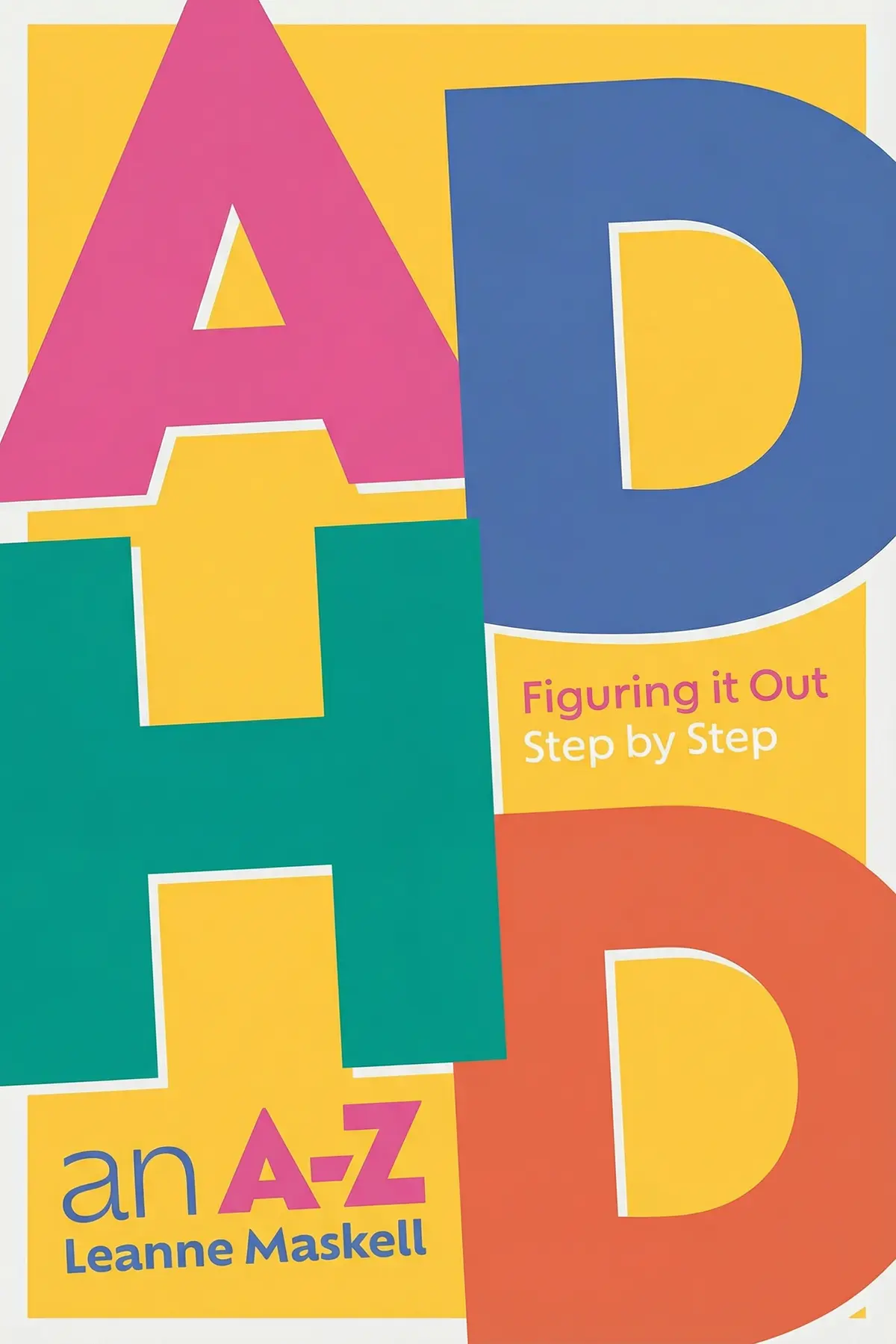
ADHD an A-Z: Figuring It Out Step by Step
Leanne Maskell
Alcoholics Anonymous
Alcoholics Anonymous World Services
AUDIO SUMMARY AVAILABLE
Listen to The Stress Prescription in 15 minutes
Get the key ideas from The Stress Prescription by Elissa Epel, plus 5,000+ more titles in English and Thai.
- 5,000+ titles
- Listen as much as you want
- 7-day free trial
- Cancel anytime







