
21 min 23 sec
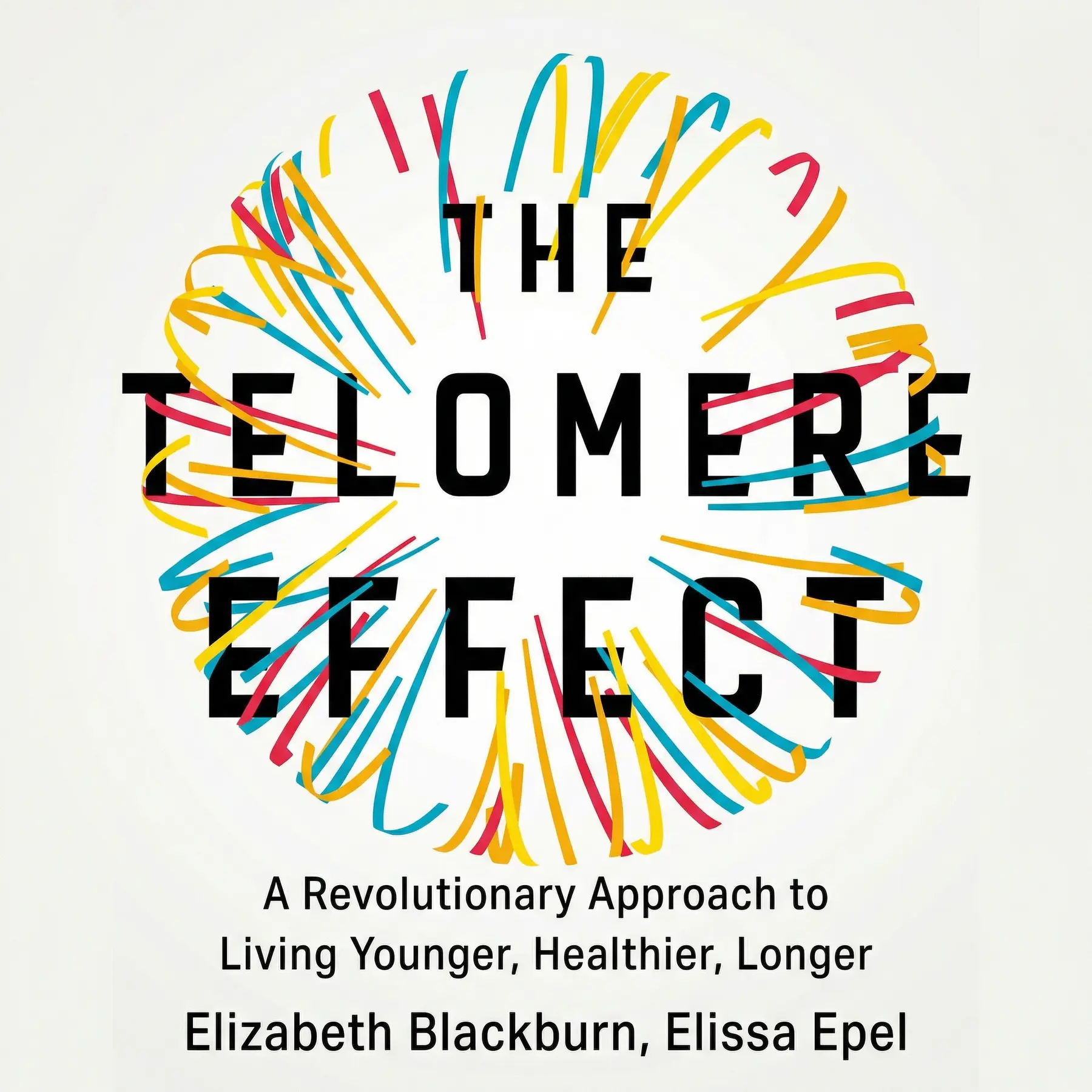
The Telomere Effect: A Revolutionary Approach to Living Younger, Healthier, Longer
Discover the revolutionary science of telomeres and learn how specific lifestyle shifts—from stress management to dietary choices—can protect your cellular health and potentially slow down the biological clock for a longer life.
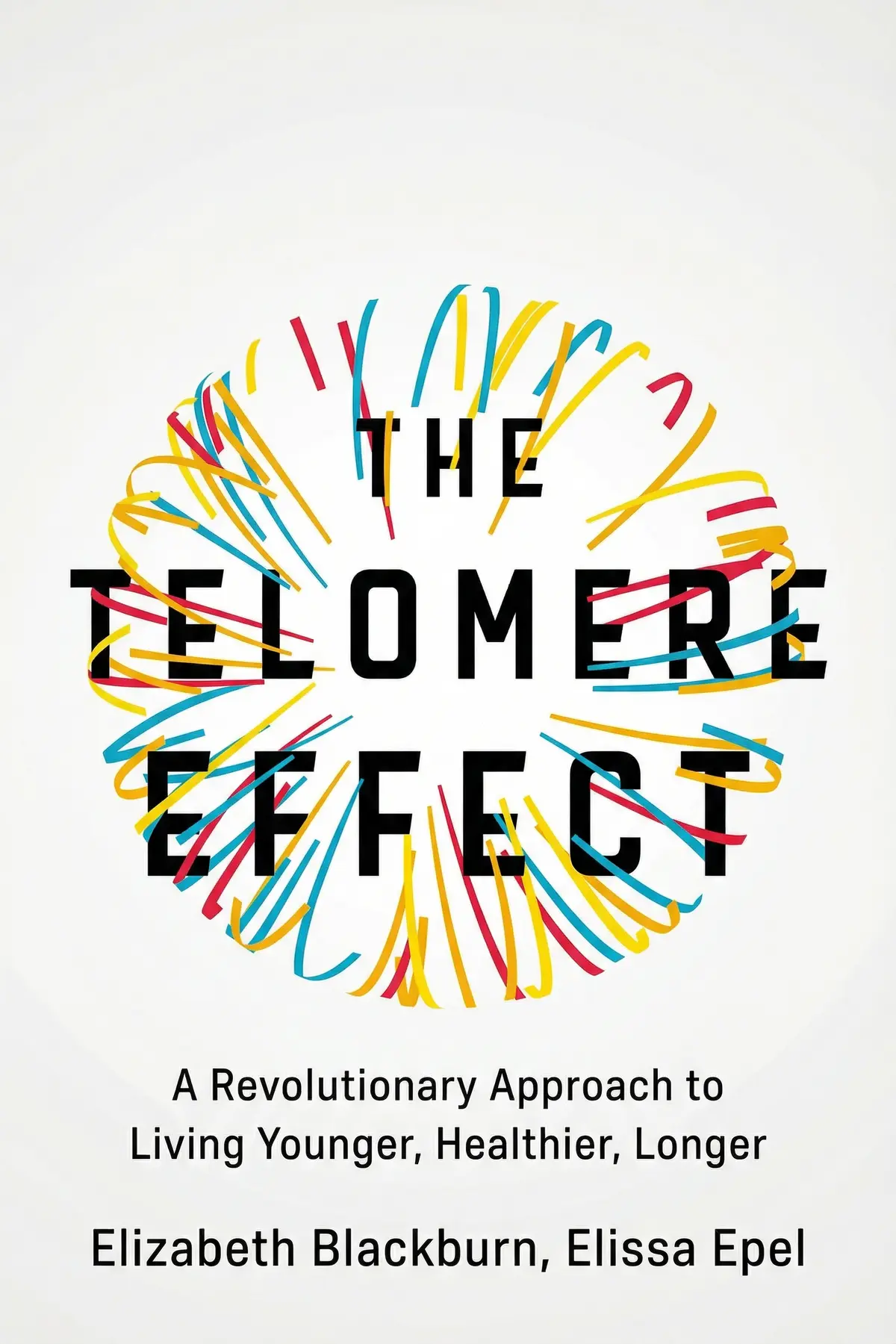
Table of Content
1. Introduction
2 min 00 sec
For millennia, humanity has been captivated by the mystery of aging. We see it in ancient texts, where figures like Methuselah were said to live for centuries, and in the timeless folklore of explorers searching for the Fountain of Youth. Even today, our culture remains deeply preoccupied with staying young, looking healthy, and extending our time on this planet. But what if the secret to aging wasn’t found in a mythical spring or a magical potion? What if it was written into the very architecture of our cells?
This is the starting point for a revolutionary look at human longevity. It turns out that while we cannot stop the clock, we have much more control over how we age than we previously imagined. The key lies in tiny structures called telomeres. These are essentially the protective caps at the ends of our chromosomes, and they play a massive role in determining whether we stay vital and energetic or succumb to the frailty of old age prematurely.
In this exploration, we are going to look at the groundbreaking science that earned a Nobel Prize and see how it applies to our everyday lives. We will move past the broad advice of “eat well and exercise” and look at the actual cellular mechanisms that respond to our thoughts, our stress levels, and our environments. We’ll see why some people seem to age faster than others and why some kinds of stress can actually be good for us while others are toxic.
Most importantly, we will establish a throughline: your lifestyle choices act as a set of instructions for your cells. By understanding the science of telomeres, you can learn how to provide your body with the right environment to thrive, effectively slowing down the biological ticking of the clock. Whether you are interested in the molecular biology of life or simply looking for practical ways to improve your long-term health, understanding this cellular foundation is the first step toward living a longer, healthier life. Let’s dive into the world of telomeres and see what they reveal about the art and science of living well.
2. The Cellular Mechanism of Aging
2 min 17 sec
Explore how the regeneration of our cells dictates our vitality and why some cells eventually stop renewing themselves, leading to the physical signs of aging.
3. The Role of Telomerase in Repair
2 min 06 sec
Learn about the incredible enzyme that acts as a cellular mechanic, capable of rebuilding the protective caps on our chromosomes and potentially reversing damage.
4. How Stress Impacts Cellular Length
2 min 20 sec
Understand the connection between your emotional state and your DNA, and why the way you perceive challenges can save your telomeres from premature wear.
5. Mindset and the Speed of Aging
2 min 13 sec
Discover how patterns of negative thinking, from cynicism to mind-wandering, can accelerate the aging process in your brain and body.
6. Exercise and Sleep as Restorative Tools
2 min 05 sec
Find out the optimal way to move your body and the specific amount of sleep required to give your cells the time they need to repair their DNA.
7. Metabolic Health and Nutritional Support
2 min 01 sec
Uncover why your metabolic markers matter more than the number on the scale and which specific nutrients nourish your telomeres.
8. The Influence of Your Environment
2 min 01 sec
Learn how the safety, social connections, and physical surroundings of your neighborhood can leave a lasting mark on your biological age.
9. Generational Health and Early Life
2 min 07 sec
Explore how cellular health is passed from parent to child and why early childhood experiences shape your telomeres for decades to come.
10. Conclusion
2 min 13 sec
As we reach the end of this journey through the science of aging, the message is clear: our telomeres are the guardians of our health, and we have a remarkable amount of influence over how well they do their job. We’ve seen that aging isn’t just something that happens to us from the outside; it is a dynamic process happening within every cell of our bodies. While we are born with a certain genetic hand, the way we play that hand—through our thoughts, our movements, our meals, and our communities—determines the pace at which our biological clock ticks.
Everything we have discussed points toward the idea of resilience. By managing chronic stress, shifting our mindset from threat to challenge, and prioritizing restorative sleep, we are giving our telomeres the environment they need to stay long and functional. We’ve learned that it’s not just about the intensity of our efforts, but the consistency and the balance. Whether it’s choosing antioxidant-rich foods or finding a sense of belonging in our neighborhoods, these small, daily choices accumulate into a significant impact over a lifetime.
To put this into practice, consider setting a specific aging goal. Don’t just think about living a long time; think about how you want to feel when you are in your 70s or 80s. What activities do you want to be doing? Who do you want to be spending time with? Once you have that vision, look for a role model—someone who embodies the vitality and health you hope to achieve. This could be a public figure or a member of your own family. By keeping that image in mind, you can stay motivated to make the choices that support your cellular health today.
Ultimately, the science of telomeres is a science of hope. It tells us that it is never too late to start supporting our cells. By attending to the health of our telomeres, we aren’t just trying to live longer; we are trying to live younger, ensuring that our years are filled with the energy and health we need to enjoy life to the fullest. Now that you understand the secret written in your DNA, the power to influence your future is in your hands.
About this book
What is this book about?
The Telomere Effect explores the groundbreaking biological discovery that the way we age is not just a matter of genetics or luck, but is deeply connected to the protective caps on our chromosomes. These caps, known as telomeres, determine how well our cells can regenerate. When they wear down, we experience the symptoms of aging and disease; however, as the authors reveal, we have significant influence over their length and health. This summary dives into the complex relationship between our daily habits and our cellular longevity. It promises to show readers how to cultivate resilience through better stress management, targeted exercise, restorative sleep, and mindful nutrition. Beyond individual choices, it also looks at how our social environments and even our childhood experiences leave lasting marks on our DNA. By understanding the molecular mechanisms of aging, you can take practical steps to improve your health span—the years you spend feeling vital and energetic—rather than just extending your lifespan. It is an empowering look at the intersection of biology and lifestyle, offering a roadmap for living younger for longer.
Book Information
About the Author
Elizabeth Blackburn
Dr. Elizabeth Blackburn is a Nobel Prize winner in Physiology or Medicine, recognized for her monumental discovery of the molecular nature of telomeres. She served as the president of the Salk Institute and is a professor emeritus at the University of California, San Francisco. Joining her is Dr. Elissa Epel, a prominent health psychologist who specializes in the study of stress, aging, and obesity. Dr. Epel is a professor in the Department of Psychiatry at UCSF and is an elected member of the National Academy of Medicine. Together, they bridge the worlds of molecular biology and psychology to provide a comprehensive look at how our minds and bodies interact at the cellular level.
Ratings & Reviews
Ratings at a glance
What people think
Listeners find this book deeply informative, connecting research data to key concepts with scientific insights and recommendations. The writing is accessible and easy for most people to understand, making for a quick and captivating experience. Listeners value the specific health tips for managing stress and protecting telomeres, finding the book inspiring and useful for both teens and adults.
Top reviews
Sara
Finally got around to reading "The Telomere Effect," and I’m genuinely impressed by how Blackburn and Epel translate high-level biology into something actionable. Most of us know that stress is a killer, but seeing the molecular evidence regarding how it literally frays our DNA—like the plastic tips on shoelaces—is a total game-changer. The book is written in very accessible, laymen's language that doesn't sacrifice scientific integrity for the sake of simplicity. I particularly appreciated the sections on how our social environment and community health impact our cellular longevity. It’s not just about eating your greens; it’s about how we live our lives and relate to one another. Some might find the advice familiar, but having a Nobel Prize winner explain the "why" makes it much more compelling. It’s an inspiring read for anyone looking to understand the mechanics of aging beyond just surface-level vanity.
Show moreHassan
Ever wonder why some people seem to age so much faster than others? This book provides the scientific answer through the lens of telomeres, the protective caps at the end of our chromosomes. I found the research on how our thought patterns—like cynical hostility or rumination—affect our cellular health to be eye-opening. Elizabeth Blackburn and Elissa Epel have created a masterpiece that is both informative and deeply practical. It’s rare to find a book that combines Nobel-level science with such relatable health tips. The chapters on pregnancy and childhood telomeres were particularly moving and highlighted the long-term impact of our early environments. This isn't just a book for old people; it’s valuable for teens and young adults who want to set a foundation for a long, healthy life. It’s easily understood and very inspiring.
Show moreDavid
This is the first health book I’ve read that actually provides a satisfying "why" behind the standard medical advice we receive. Instead of just saying "stress is bad," the authors show us the physical damage it does to our chromosomes. The writing is incredibly accessible, making complex biological processes feel like common sense. I loved the "Telomere Tips" at the end of the chapters; they made the information feel very applicable to my daily routine. Not gonna lie, I’ve already started changing the way I handle work stress because of the data in these pages. It’s a rare book that manages to be both scientifically rigorous and deeply personal. Whether you’re a scientist or just someone who wants to live a better life, there is something valuable here for you.
Show moreNatalie
Picked this up on a whim and was pleasantly surprised by how much I learned. The Telomere Effect does a fantastic job of explaining the intersection between our biology and our environment. It’s not just about your genes; it’s about how you wear them. The insights into how even our neighborhood safety and social ties affect our cellular health were particularly profound. The authors have a way of making you feel empowered rather than doomed by your genetics. The book is organized beautifully, moving from the microscopic level to the broad lifestyle factors that we can actually control. It’s a quick read but one that stays with you long after you finish. Highly recommend it to anyone looking for a scientific basis for improving their overall well-being and longevity.
Show moreNuk
As a science enthusiast, I found the core research into telomerase and chromosome protection absolutely fascinating. Elizabeth Blackburn’s discovery is groundbreaking, and this book does a decent job of explaining why these repetitive DNA sequences matter so much for our health span. Truth is, the book leans quite heavily into the psychology of stress management, which I didn't anticipate going in. While the scientific explanations are solid, the self-help quizzes felt a bit out of place for a work co-authored by a Nobel Laureate. However, the practical recommendations on sleep and avoiding processed meats are well-supported by the data they present. It’s a quick and engaging read that successfully bridges the gap between laboratory research and daily habits. I would recommend it to anyone who wants a more rigorous justification for their wellness routine.
Show moreJoe
After hearing Elizabeth Blackburn speak in a TED talk, I had high hopes for this book, and it mostly delivered. The way the authors explain the enzyme telomerase is clear and helpful for someone without a PhD in genetics. I really liked how they addressed the caregiver phenomenon, showing how high-stress roles can actually shorten our life at a cellular level. Gotta say, the book does get a bit repetitive towards the middle, and I could have done without some of the more basic diet advice. We all know processed food is bad by now. Still, the underlying message about the healthspan versus the lifespan is an important distinction that more people need to understand. It’s a well-written, engaging look at how we can influence our own biological aging through mindful choices.
Show moreAstrid
Not what I expected from a book written by a world-class biologist. I was hoping for a deep, technical dive into the molecular pathways of telomere maintenance, but instead, I got a lot of mindfulness advice and "eat your vegetables" tropes. To be fair, the connection between chronic stress and cellular aging is interesting, especially the studies on caregivers, but the book repeats these points far too often. It feels like the science is being used as a thin veneer to sell yet another lifestyle program. The prose is clear and easy to follow, but it lacks the intellectual meat I was craving. If you’ve never read a health book before, you’ll find this revolutionary. If you’re already well-versed in basic biology and wellness, you might find yourself skimming through the sections on exercise and diet.
Show moreWoravit
To be fair, the actual science presented here is quite compelling, but the delivery is a mixed bag. I appreciated the specific details about how telomeres protect our genetic data during cell division. However, the book often feels like it's trying too hard to be a wellness manual. One minute you're learning about base pairs, and the next you're being told to take up meditation or change your social circle. It feels a bit disjointed at times. Also, the frequent mention of Dr. Blackburn’s Nobel Prize starts to feel like an appeal to authority after a while. I didn't hate it, but I didn't love it either. It’s a solid 3-star read for me—useful for the bibliography and the core concepts, but hindered by a lot of fluff.
Show moreKofi
This book is mostly a repackaging of common-sense health advice that we’ve all heard a million times before. Frankly, it’s a bit disappointing to see a Nobel Prize winner attach her name to something that feels so much like a generic wellness guide. The authors tell us to exercise more, sleep better, and avoid sugar—revolutionary, right? My main gripe is that the science often feels secondary to the branding. They mention correlation frequently but don't always do a great job of proving causation in a way that feels scientifically rigorous. Personally, I found the tone a bit too pop-science for my liking. There are better books out there if you actually want to understand the biology of aging without the heavy-handed therapy sessions and lifestyle quizzes. It’s okay as a basic primer, but it doesn't live up to the hype.
Show moreSomrutai
Look, I wanted a science book, but I got a therapy session instead. The connection between telomeres and lifestyle is an interesting hypothesis, but this book treats it like settled law in a way that feels disingenuous. The authors lean heavily on a few specific studies while ignoring the broader complexities of genetic research. It feels like an exercise in branding for a health program rather than a genuine attempt at science education. Even the mention of Deepak Chopra was a red flag for me. If you want a book that tells you to eat your veggies and be happy, this is for you. If you want a rigorous exploration of the current state of telomere research, look elsewhere. It was a boring read that failed to justify its own existence as anything more than a glorified self-help manual.
Show moreFeatured in
Readers also enjoyed
A Life Decoded: My Genome: My Life
J. Craig Venter
A Planet of Viruses
Carl Zimmer
A Short History of Nearly Everything
Bill Bryson
A Thousand Brains: A New Theory of Intelligence
Jeff Hawkins
AUDIO SUMMARY AVAILABLE
Listen to The Telomere Effect in 15 minutes
Get the key ideas from The Telomere Effect by Elizabeth Blackburn, plus 5,000+ more titles in English and Thai.
- 5,000+ titles
- Listen as much as you want
- 7-day free trial
- Cancel anytime







