
Abortion: Our Bodies, Their Lies, and the Truths We Use to
Jessica Valenti
Explore the hidden machinery of the human mind and society. Slavoj Žižek combines psychoanalysis and philosophy to reveal how our desires, beliefs, and perceptions are structured by unseen ideological forces.
1 min 47 sec
Imagine a philosopher who tells you that the biggest lie isn’t what you see, but the very way you look at the world. This is the realm of Slavoj Žižek, a thinker who famously claims to find his intellectual nourishment in the ‘trashcan of ideology.’ For most of us, ideology sounds like something from a political textbook—a set of rigid dogmas or distant propaganda. But Žižek invites us to see it as something much closer to home. He suggests that ideology is actually the invisible framework that makes our reality feel consistent. It’s the lens through which we view our relationships, our work, and our identities.
Žižek has a reputation as a celebrity of the philosophical world, known for his energetic delivery and his knack for finding deep meaning in the most unlikely places. Whether he is dissecting a blockbuster film or a classic novel, his goal is always the same: to show us the hidden forces that pull our strings. He asks us to confront a difficult question: are we the masters of our own thoughts, or are we simply actors playing roles in a script we didn’t write?
In this exploration of his landmark work, we aren’t just going to look at dry theories. We are going to dive into the strange mechanics of human desire and the surprising ways our minds cope with the messy, often contradictory nature of existence. We will look at how we build our sense of ‘self’ out of the materials society gives us, and why we often feel a strange satisfaction even when things aren’t going our way. This is a journey to the heart of what it means to be a conscious being in a world saturated with meaning. By the end, you may find that the ‘sublime objects’ you’ve been chasing are quite different from what they appear to be.
2 min 48 sec
Many believed that the end of the Cold War signaled the death of ideology, but it actually just went underground, becoming more pervasive than ever.
2 min 44 sec
Our lives are often driven by a quest for a perfect object or state of being that is, by definition, impossible to attain.
3 min 13 sec
Our reality is not a single, solid thing; it is composed of three overlapping orders that help us make sense of the world.
2 min 54 sec
Our peculiar habits and social contradictions aren’t just accidents; they are clues to the hidden conflicts that drive our lives.
3 min 03 sec
Meaning is not built into the world naturally; it is anchored by key concepts that act like stitches in a vast fabric of ideas.
2 min 08 sec
As we reach the end of this exploration into the mind-bending world of Slavoj Žižek, it’s worth taking a moment to look back at the landscape we’ve covered. We have seen that ideology is far more than just a set of political slogans; it is the very fabric of our perceived reality. It is the invisible lens that shapes our deepest desires and the symbolic rules that govern our social dance. From the ‘trashcan’ of everyday culture to the high theories of psychoanalysis, we’ve discovered that our lives are often organized around ‘sublime objects’—fantasies of perfection that keep us moving precisely because they can never be reached.
We’ve learned that our experience is a delicate balance of the Symbolic, the Imaginary, and the Real, and that our personal and societal ‘symptoms’ are actually clever ways of managing the contradictions inherent in being human. We’ve also explored how ‘quilting points’ anchor our meaning, turning a chaotic world of symbols into a structured and stable worldview.
The throughline of all these ideas is a call to awareness. Žižek isn’t suggesting that we can simply ‘step outside’ of ideology and see the pure, unvarnished truth—after all, our very language and thoughts are part of the system. However, by understanding the mechanics of how these forces work, we can start to see the strings. We can begin to recognize when our desires are being manufactured and when our ‘certainties’ are just temporary stitches in a shifting quilt.
The next time you find yourself captivated by a celebrity, a brand, or a powerful political idea, ask yourself: What is the sublime object here? What is the ‘it’ factor I am chasing? By engaging with these questions, you move from being a passive observer of your own life to an active participant in the construction of your own meaning. The world may still be a complex web of symbols and fantasies, but you now have the tools to navigate it with a much sharper eye.
Have you ever wondered why we continue to follow certain social rules even when we claim not to believe in them? This exploration into the work of Slavoj Žižek tackles exactly that question. It moves beyond the idea that ideology is simply a set of false ideas we are tricked into believing. Instead, it suggests that ideology is woven into the very way we experience reality, acting as a lens that colors every interaction, choice, and desire. By drawing on the complex theories of Jacques Lacan and Georg Wilhelm Friedrich Hegel, the text explains how our sense of self is built through social symbols and personal fantasies. It introduces the concept of the sublime object—an elusive target of our desire that keeps us trapped in a cycle of pursuit. This journey through philosophy and pop culture promises to change the way you look at everything from romantic comedies to your own deepest habits. You will discover how the 'symptoms' of our lives actually reveal the core contradictions of our society, and how we might begin to recognize the invisible stitches that hold our world together.
Slavoj Žižek is a world-renowned philosopher, cultural theorist, and public intellectual. He is celebrated for his unique ability to synthesize Hegelian philosophy, Lacanian psychoanalysis, and Marxist theory. Žižek has written numerous influential works, including The Ticklish Subject, Less Than Nothing, and The Parallax View. He holds esteemed academic positions at the University of Ljubljana, the European Graduate School, and New York University. His provocative and often controversial ideas have made him a central figure in contemporary thought.
Listeners find this text to be a thick and academically rigorous blend of Lacanian, Hegelian, and Marxist thought that provides deep "aha moments" for those willing to be patient. Even though some listeners view the language as "intentionally abstruse," most value the writer’s distinctive skill in mixing advanced philosophy with cultural references ranging from Hitchcock to *Tom & Jerry*. Moreover, they admire the methodical arrangement of the chapters, with one listener highlighting that the "preceding density" of the concepts makes the author's sharp humor even more striking when it appears. They also describe the book as a fun yet fundamental resource for learning how ideology constructs our reality.
Finally managed to climb this mountain of a book, and the view from the top is unlike anything else. I’ll be honest, the first fifty pages were a total slog through Lacanian terminology that made my eyes cross. But then, everything suddenly and beautifully clicks into place for the patient reader. Zizek has this bizarre ability to explain the most 'out there' philosophical concepts using Alfred Hitchcock films or old Soviet jokes. Suddenly, the 'Big Other' isn't just a term, it’s a palpable force you see in every social interaction. Frankly, it’s his most systematic work, even if the system feels like it’s on the verge of collapsing. It’s dense and occasionally abstruse, yet I found myself anticipating the next chapter like a thriller. If you want to understand why we do things we know are stupid, read this book. Just bring a dictionary and plenty of caffeine for the journey.
Show moreThe concept of the 'Big Other' is a total game-changer for how I see the world in my daily life. Before reading this, I thought of ideology as something 'out there' that politicians used to trick us. Zizek flips that on its head, showing how we are the ones sustaining the lie through our own actions. It is brilliant how he connects the dots between the 'sublime object' and the way we fetishize everything around us. The prose is definitely dense, and there were sections on the logic of the signifier that I had to reread three times. But that is precisely where the beauty of the work lies for the dedicated reader. Once you start seeing the 'traumatic kernel' at the center of social structures, you simply cannot unsee it anymore. This is easily the most lucid and essential introduction to Zizek’s core philosophical project.
Show moreWow, this book is just absolutely and completely incredible in its scope and its daring execution. Zizek argues that ideology is most effective when we think we are being cynical and seeing through it. That 'practicing non-believer' stance is exactly what keeps the wheels of the entire system turning today. Personally, I found the analysis of the 'sublime object' to be the most profound part of the entire book. He uses examples from Hitchcock to show how our desire is always structured around a fundamental lack. It is a heavy realization, but it feels strangely liberating once you accept the void. The writing is admittedly thick with jargon, but Zizek’s voice is so distinct that it pulls you through. This is absolutely essential reading for anyone living in the modern age and seeking clarity.
Show moreZizek is essentially the only philosopher who can make me laugh out loud while discussing the traumatic void. His use of perverted jokes to explain bureaucratic absurdity is a stroke of total genius in this book. The chapter on the Sublime Object itself is a masterpiece of dialectical thought and Marxian critique. It shows how we imbue ordinary things with a magical quality to hide the fact that reality is broken. I loved the way he weaves Marx's theory of value with Freud's dream-work in a seamless manner. Mind you, you need at least a passing acquaintance with Hegel to not get totally lost in the weeds. But even if you don't catch every reference, the overall thrust of his argument remains undeniable. It is an intellectual rollercoaster that leaves you feeling like you have finally woken up from a dream.
Show moreStaring into the abyss is rarely this entertaining or intellectually stimulating for the average reader of theory. Zizek’s debut is a demanding and often frustrating exploration of the nothing behind the veil of our reality. He successfully argues that our subjective freedom comes from recognizing that the Big Other is just a fiction. Once you realize the abyss is staring back, you are forced to take responsibility for your own subjectivity. The way he uses the Real to explain social ruptures is incredibly insightful for understanding our current climate. Yes, the language is dense and requires a machete to hack through at times, but it is worth it. The 'aha moments' are worth every ounce of effort you put into deciphering the text. This is a foundational text for anyone who is serious about critical theory and postmodern thought.
Show moreWhere else can you find Kant, Hegel, and the movie Alien discussed with equal gravity in the same chapter? This book is a wild ride that somehow manages to ground high-level theory in the grit of everyday life. I loved the way Zizek deconstructs ideology—not as a 'false consciousness' but as the very structure of our reality. The 'aha moments' are frequent, but they require you to really sit with the text and chew on the contradictions. My only real gripe is that he can be a bit of a show-off at times; the constant references to the 'Real' can feel repetitive. Still, for anyone tired of standard political theory, this is a necessary and welcome jolt to the system. It is a dense synthesis that rewards those who are willing to put in the intellectual labor.
Show moreAfter hearing so much hype about Zizek’s debut, I decided to tackle this systematic beast of a book. He lays out a rigorous framework for understanding how the Subject is formed within the Symbolic order. The synthesis of Marx’s commodity fetishism with Lacan’s theory of desire is particularly powerful and well-executed here. I found myself highlighting entire pages of the chapter regarding the logic of the signifier and its functions. However, I do think he overstates the universality of his model throughout the latter half of the text. He claims this structure is inescapable, which leaves his revolutionary politics feeling like a bit of a dead end. Despite these philosophical hang-ups, the book is an intellectual powerhouse that everyone should engage with. It is challenging, perverse, and deeply funny in a way that most philosophy books wouldn't dare to be.
Show moreLook, I wanted to love this, but Zizek’s style is an absolute nightmare for the uninitiated or casual reader. I picked this up hoping for a coherent critique of modern ideology and instead got a seminar on Hegel. While I appreciate the humor and the dirty jokes used to illustrate points about totalitarianism, the structure feels disjointed. He moves from the 'thing-in-itself' to excrement without skipping a beat, which is funny at first but feels like a gimmick. In my experience, the sections on the 'Big Other' and the 'emperor's new clothes' are the only genuinely insightful parts. But getting to those nuggets of gold requires digging through mountains of abstruse academic sludge and postmodern wordplay. It is a manifesto that is just as self-referential as the systems it tries to critique.
Show moreEver wonder if someone is just talking in circles to see if you will keep nodding along? That is the vibe I got from a lot of this text during my first reading. Zizek is undeniably brilliant, but he relies so heavily on paradoxes that it starts to feel like a game. I enjoyed the bits where he deconstructs popular culture like Tom and Jerry, but I am not convinced. Gotta say, it often feels like he is using Hegel to justify a very specific and vague political vision. It is a wild ride, but I am still searching for the depth he claims isn't actually there. The book is definitely an experience, but I left feeling like I had been tricked by a clever performance. It is witty and abstruse, though I doubt its actual utility in the real world.
Show moreMy brain actually feels bruised after attempting to navigate this labyrinth of academic jargon and high theory. I’m all for intellectual rigor, but Zizek seems to go out of his way to be as opaque as humanly possible. He jumps from Marx to Lacan with the grace of a caffeinated squirrel, often leaving the reader stranded in a sea of signifiers. To be fair, there are flashes of genuine wit, particularly when he brings in pop culture like Tom and Jerry to illustrate Hegelian points. However, these moments are too few and far between to justify the sheer mental exhaustion required to reach them. Truth is, this felt more like a performance than a coherent argument to me. It’s as if he’s stalling, spinning words in a void where there is actually nothing behind the curtain. Maybe I am just not part of the enlightened club, but I found the experience more draining than enlightening.
Show moreJessica Valenti
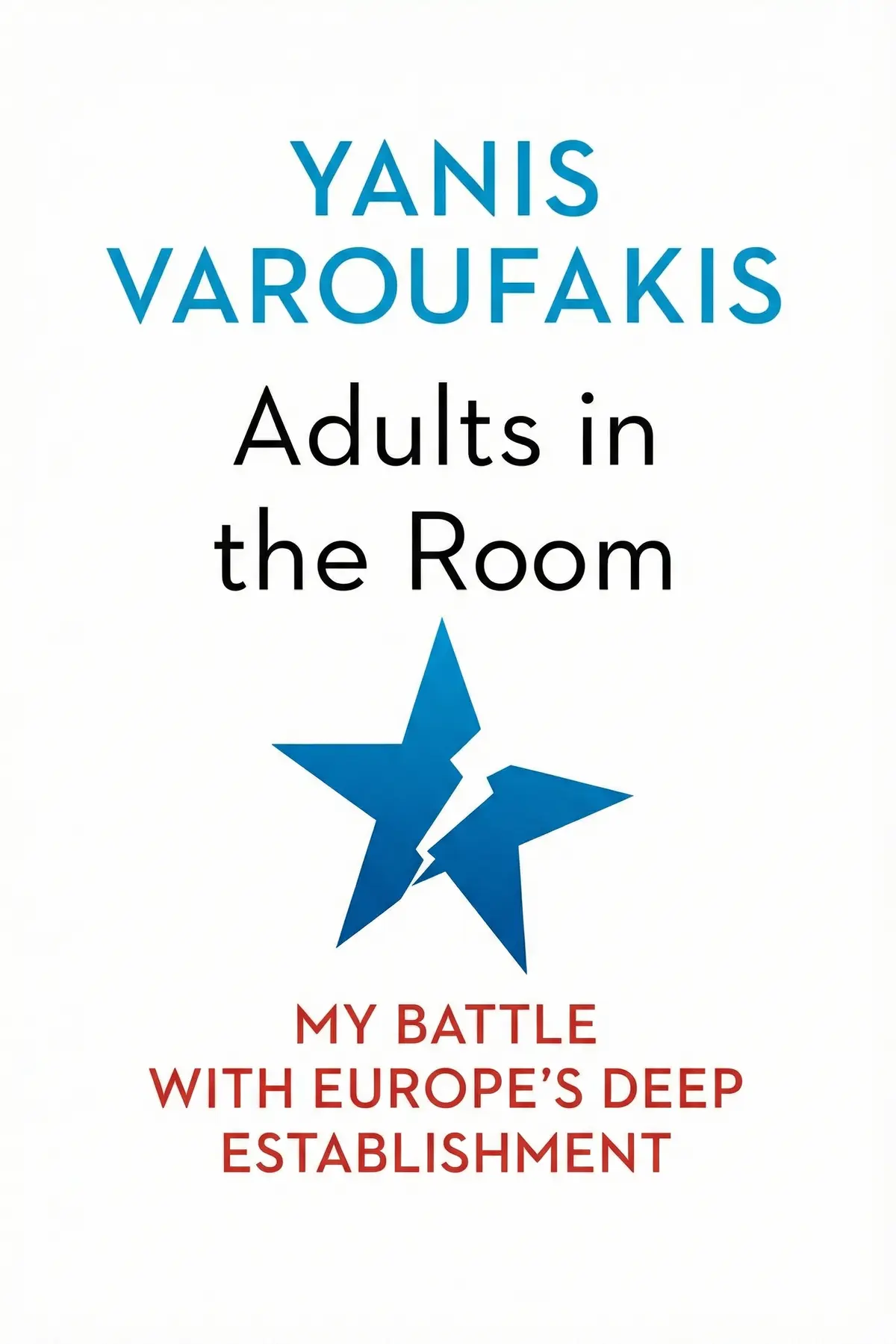
Yanis Varoufakis
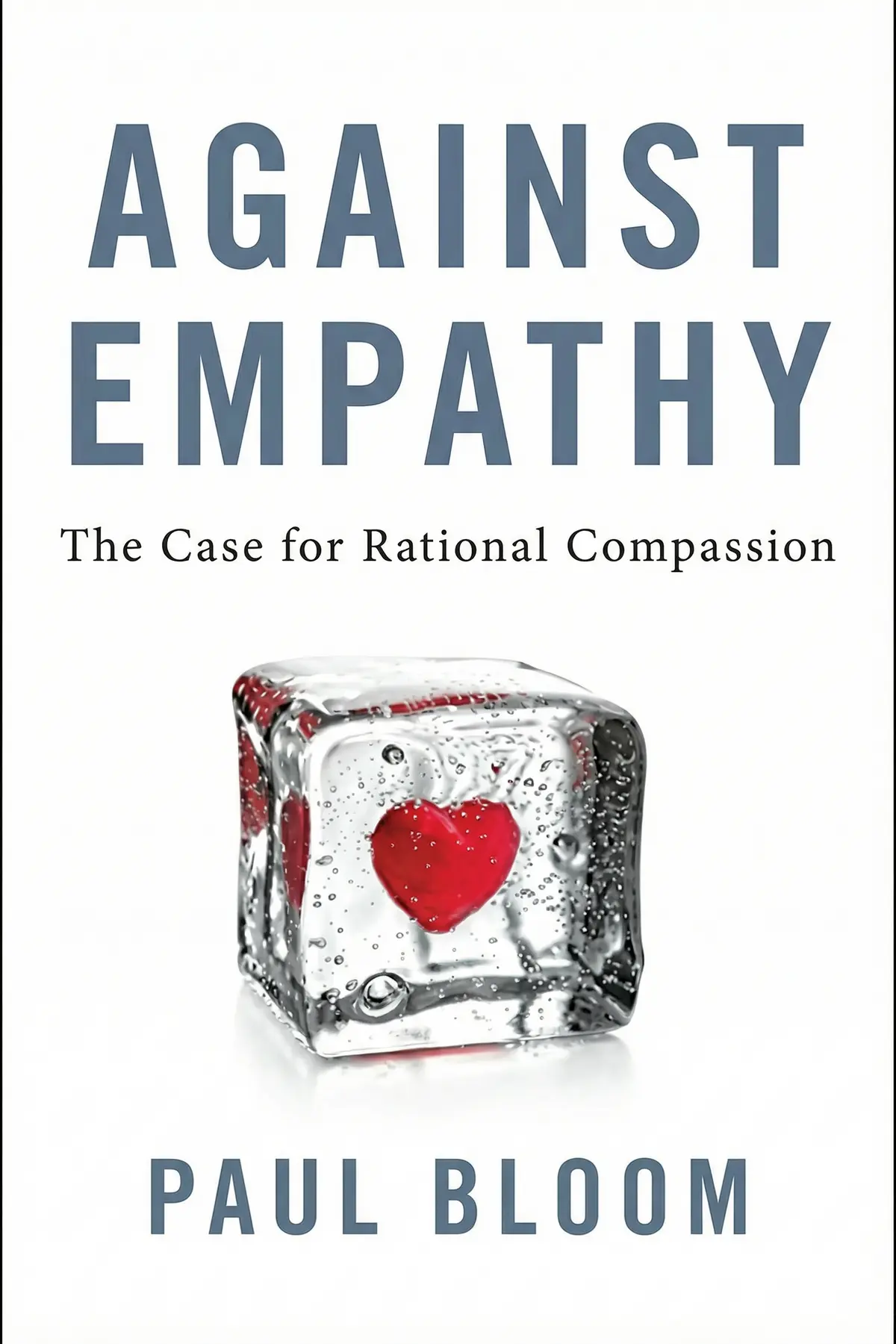
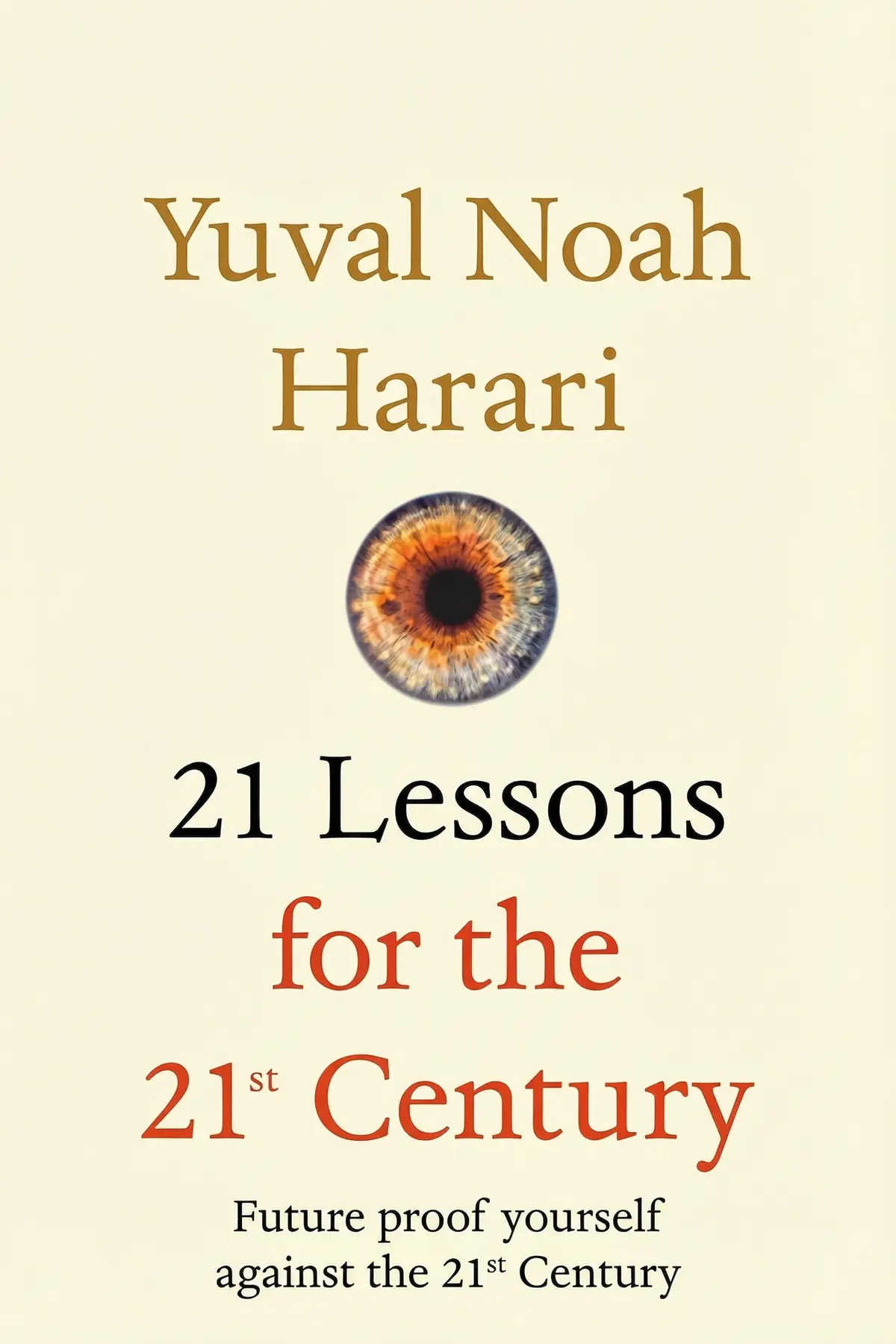
Yuval Noah Harari
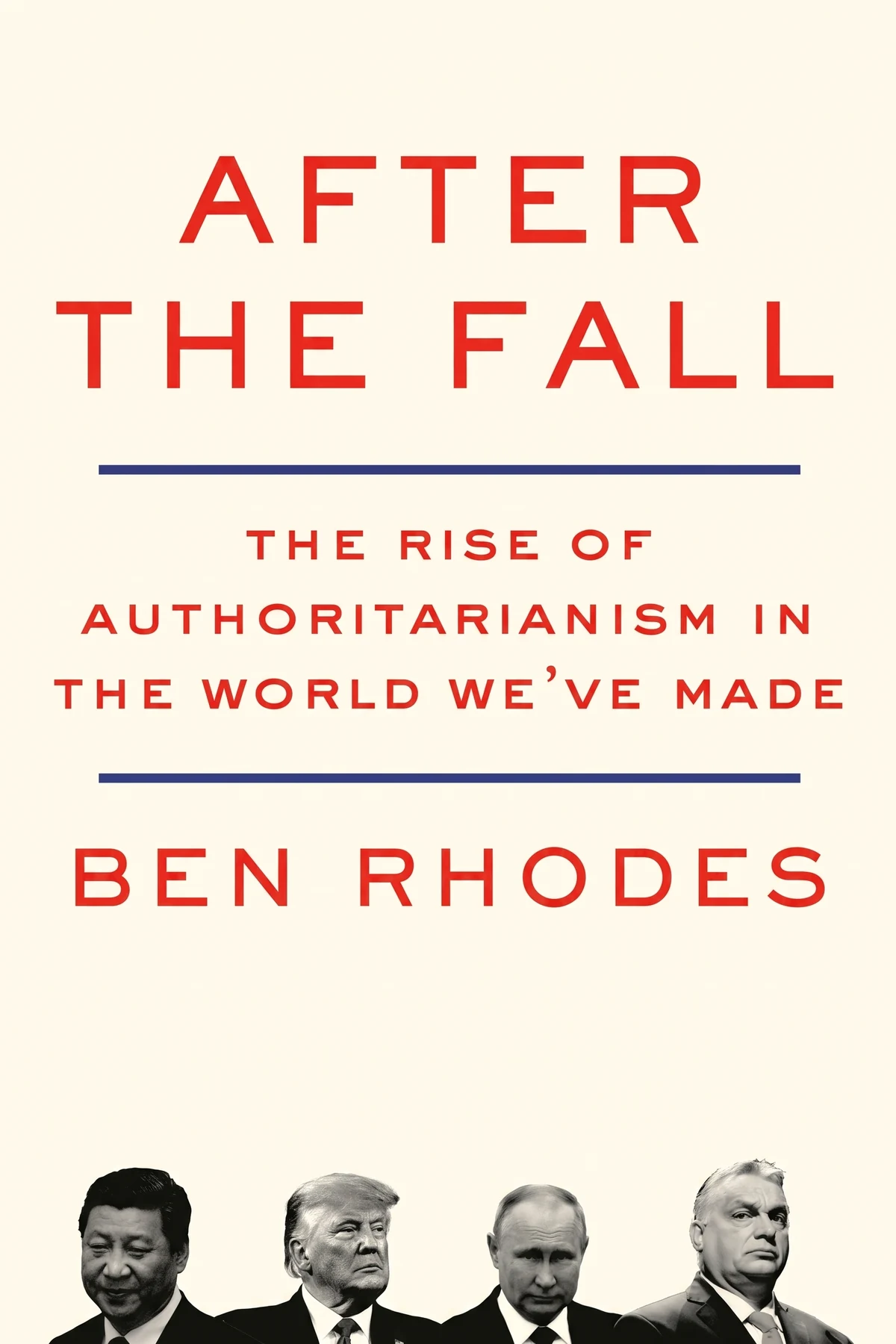

Jacinda Ardern
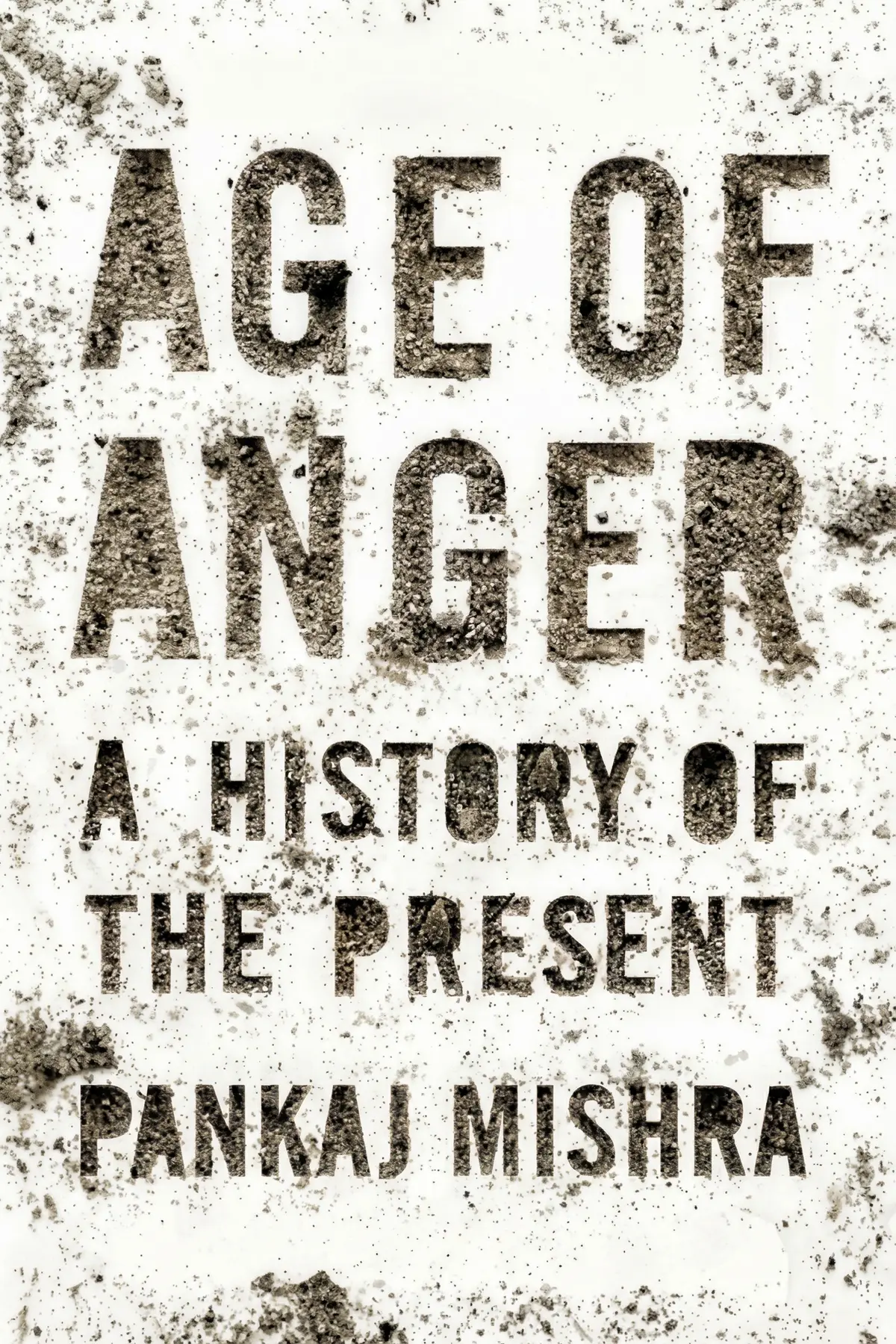
Pankaj Mishra
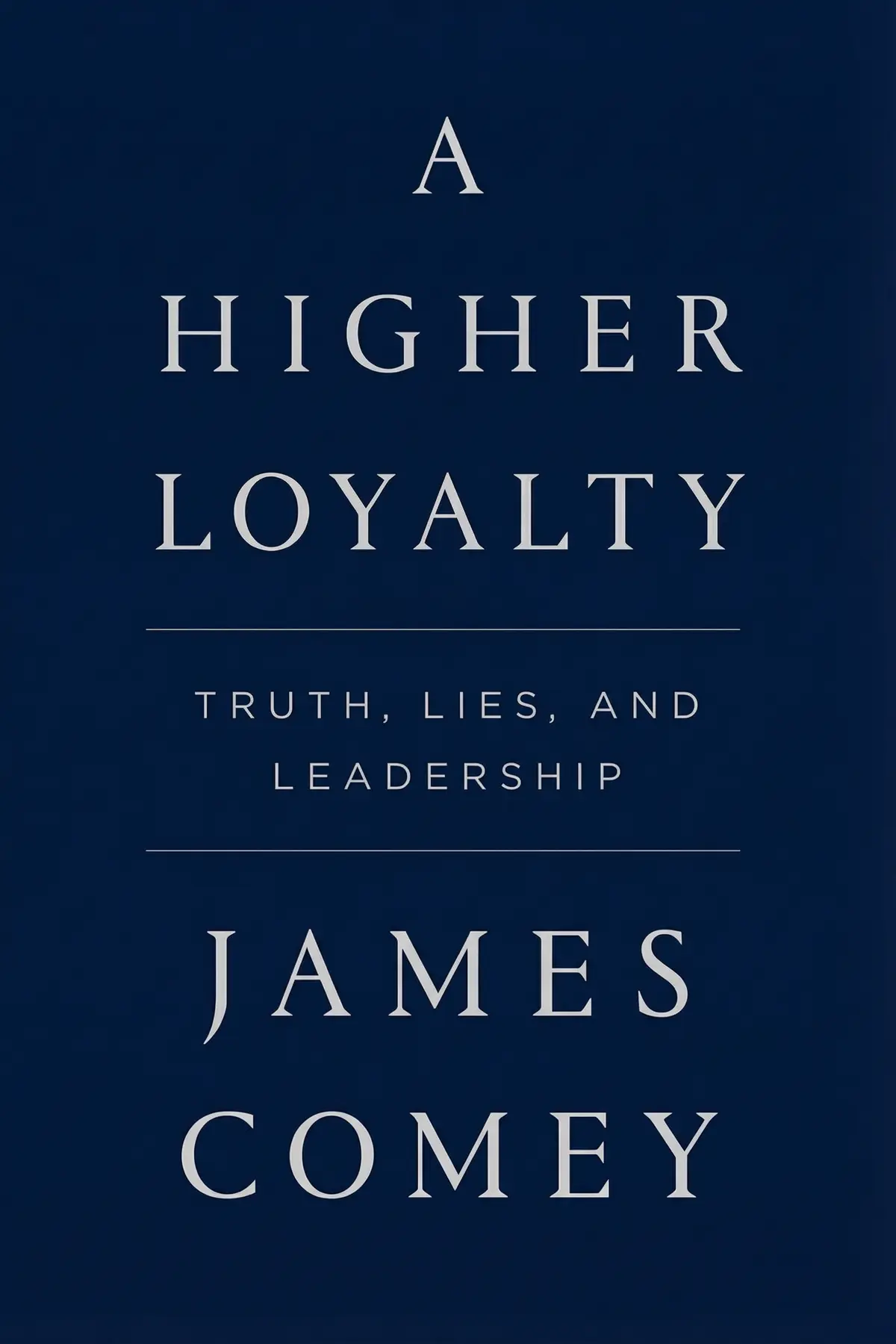
James Comey
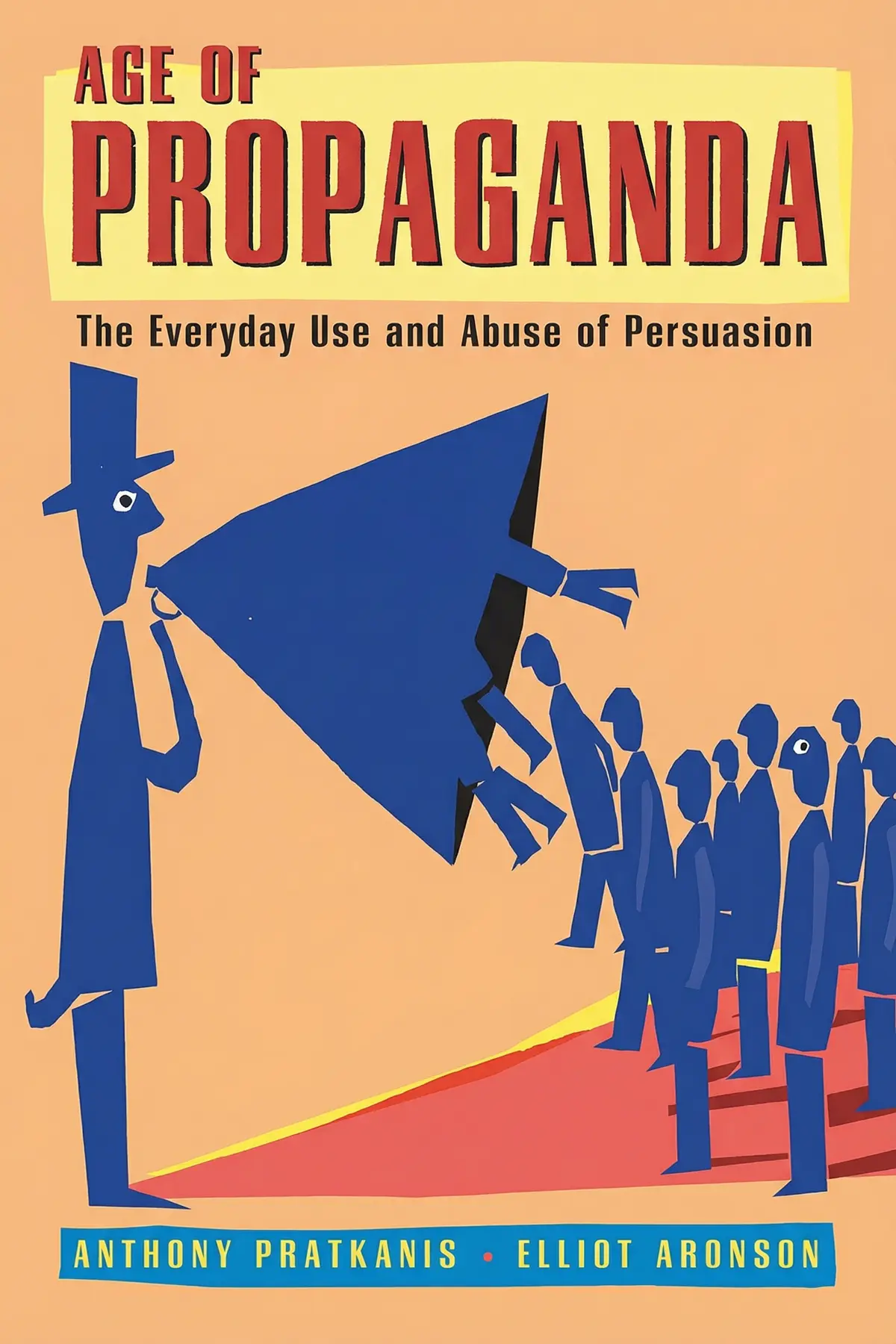
Anthony Pratkanis
AUDIO SUMMARY AVAILABLE
Get the key ideas from The Sublime Object of Ideology by Slavoj Zizek, plus 5,000+ more titles in English and Thai.







