

Adults in The Room: My Battle With Europe’s Deep Establishment
Yanis Varoufakis
Explore how systemic racism negatively impacts the American economy and social fabric for everyone. This summary reveals the hidden costs of racial division and the potential prosperity found in cross-racial solidarity.
1 min 41 sec
Have you ever wondered why, in one of the wealthiest nations on earth, the basic building blocks of a stable life—like affordable healthcare, high-quality schools, and modern infrastructure—seem so out of reach for so many? It often feels like the country is stuck in a state of self-sabotage. To understand why this is happening, we have to look deeper than just simple political gridlock. We have to look at the stories we tell ourselves about who belongs and who deserves a seat at the table.
Heather McGhee, an expert in economic policy, spent years trying to figure out why American public policy frequently fails the very people it’s supposed to help. What she discovered is a powerful, invisible narrative that shapes almost every aspect of our lives. It’s the idea of the zero-sum game: the belief that there’s a limited amount of prosperity to go around, and if one group gets a bigger slice of the pie, another group must necessarily get a smaller one. This mindset, rooted in the history of racial hierarchy, has convinced millions of people that progress for their neighbors is a threat to their own status.
In the following pages, we’re going to explore how this way of thinking has led to the literal and metaphorical draining of America’s public resources. We’ll see how it has weakened labor unions, stalled action on the environment, and even threatened the foundations of democracy itself. But more importantly, we’re going to look at the alternative. We’ll see what happens when communities reject the zero-sum myth and discover the solidarity dividend—the massive, untapped benefits that occur when we realize that our fates are actually linked. By the end of this journey, you’ll see that the cost of racism isn’t just a burden for some; it’s a bill that everyone is paying, and solving it is the key to a more prosperous future for us all.
2 min 12 sec
Explore the psychological trap that convinces people that a neighbor’s success is their own loss, and discover how this mindset has been used to maintain social hierarchies.
2 min 22 sec
Uncover the striking historical metaphor of cities that chose to destroy their own public amenities rather than share them, a trend that still haunts public policy today.
2 min 12 sec
See how efforts to limit the political power of some groups end up degrading the democratic rights and voting access of the entire population.
2 min 25 sec
Witness how racial resentment is used as a wedge to break up unions and keep wages low, preventing workers from realizing their collective power.
2 min 21 sec
Discover the hidden link between racial prejudice and climate inaction, and why the belief that we can ‘isolate’ pollution is a dangerous illusion.
2 min 30 sec
Learn how the geographic and social separation of races creates an ‘inefficiency tax’ that burdens housing markets and limits the potential of our children.
2 min 08 sec
Understand why ignoring race won’t fix the problems created by it, and how targeted investments in the most harmed communities can boost the entire economy.
2 min 17 sec
Discover the incredible economic and social rewards that await when we stop fighting over the crumbs and start baking a bigger pie together.
1 min 38 sec
As we reach the end of this exploration, the central theme is clear: the zero-sum myth is perhaps the most expensive lie in American history. It has cost us our public infrastructure, our economic stability, and our sense of community. But as Heather McGhee has shown, we are not trapped by this history. We have the power to write a new story—one based on the reality of our linked fates.
We have seen how the ‘drained pool’ mentality continues to haunt our policy decisions, but we’ve also seen the glimmers of a different future. Whether it’s workers standing together on a picket line, neighbors revitalizing a dying town, or citizens fighting for the right to breathe clean air, the evidence is everywhere: solidarity works. It is the only force capable of overcoming the deep-seated divisions that have held us back for so long.
To move forward, we must be willing to do two things. First, we must look honestly at the ways racism has been baked into our systems and be brave enough to name it. Second, we must reject the idea that someone else’s progress is our loss. We have to start believing in the solidarity dividend—the idea that a more equitable society is a more prosperous society for everyone.
The next time you hear someone frame a social issue as a conflict between groups, ask yourself: who benefits from this division? Often, the answer is not you or your neighbor. The path to the future we all want—a future with good jobs, a healthy planet, and a vibrant democracy—is a path we have to walk together. By recognizing that we are all in the same pool, we can finally start making sure there’s enough water for everyone to swim.
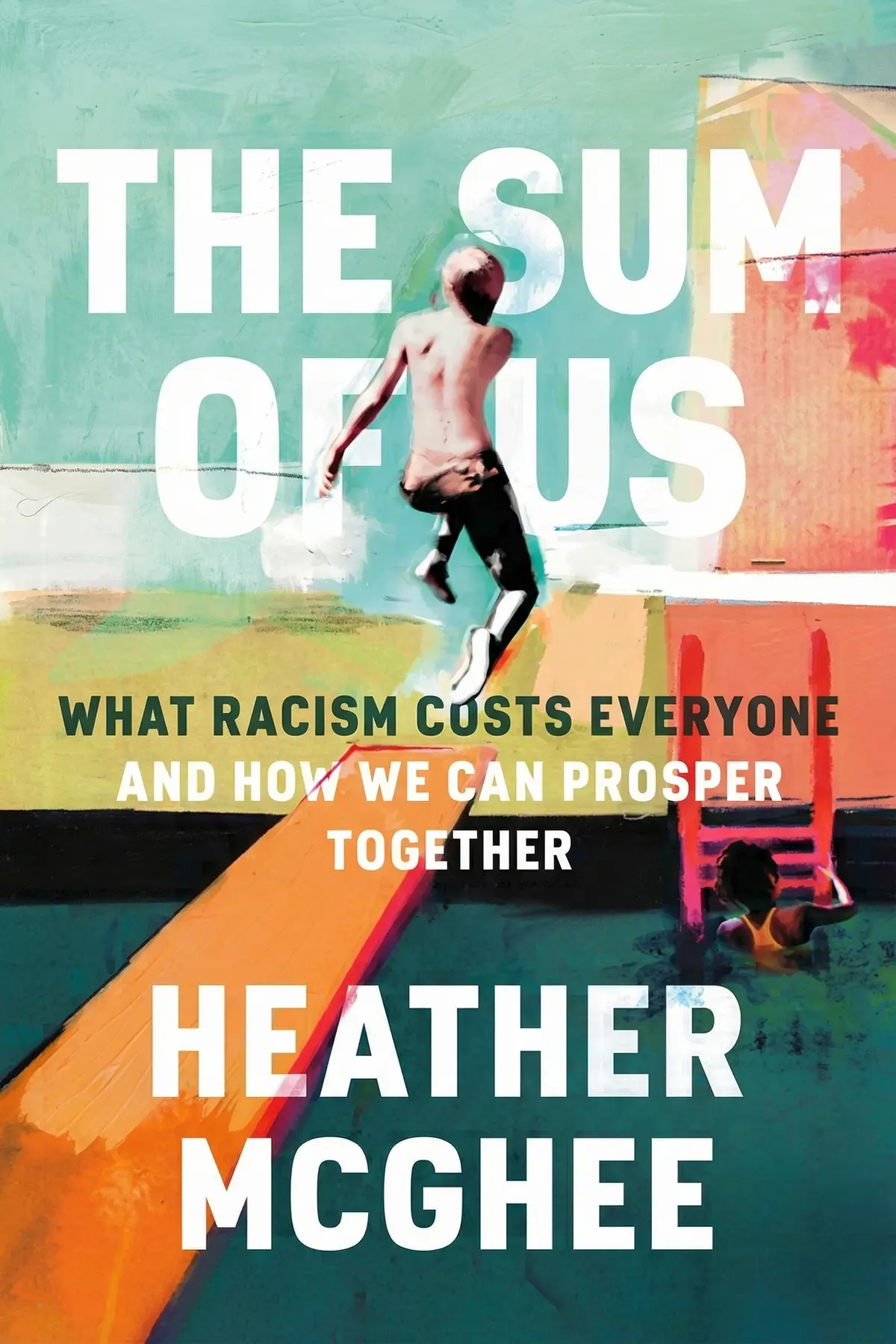
The Sum of Us explores a profound paradox in American life: why do so many people support policies that seem to work against their own economic and social interests? Heather McGhee investigates the root of this behavior, tracing it back to a deeply ingrained belief in the zero-sum game. This is the idea that progress for one racial group must come at the expense of another. Through historical analysis and contemporary stories, the book illustrates how this mindset led to the dismantling of public goods, from swimming pools to healthcare and robust infrastructure. Beyond just identifying the problem, the book offers a hopeful path forward. It introduces the concept of the solidarity dividend—the collective gains realized when people of different backgrounds organize together. By shifting away from racial resentment and toward a shared vision of prosperity, society can unlock trillions in economic value and rebuild the democratic institutions that sustain us all. It is a call to recognize that the price of prejudice is paid by everyone, but the benefits of equity are also shared by all.
Heather McGhee is the former president of Demos, a think tank dedicated to addressing inequality. An expert in economic policy, she has drafted legislation, testified before Congress, and provided counsel to presidential candidates. McGhee is a frequent contributor to news outlets like NBC’s Meet the Press and serves as the chair of Color of Change, the largest online organization in the United States focused on racial justice.
Listeners consider this title a necessary read that is thoroughly researched and full of facts, with one listener noting how it merges analytical data with personal accounts. The writing is captivating, and listeners value the way it offers vital encouragement and expands perspectives. They appreciate the historical background, particularly the masterful history of the causes and costs of racism, finding the book both enlightening and mentally stimulating.
Wow. This book completely reframed how I view American history and public policy. McGhee uses the metaphor of the "drained pool" to illustrate how white communities literally destroyed their own amenities rather than integrate them. It’s a gut-wrenching realization that racial resentment has stripped us all of basic public goods like universal healthcare and affordable education. The writing is incredibly accessible, blending rigorous data with deeply human stories that keep you turning pages. Truth is, I expected a dry economic text but found a heart-centered plea for a better future. The idea of the Solidarity Dividend—that we all gain when we work together—is exactly the kind of hope we need right now. It is truly eye-opening to see how much we have all lost by refusing to share.
Show morePicked this up after seeing it on several "must-read" lists and it did not disappoint. Heather McGhee has a gift for taking complex financial systems—like the predatory lending that led to the 2008 crash—and making them understandable for the average reader. She shows how the "zero-sum" mindset—the belief that if you win, I lose—is the fundamental lie holding back the American economy. The stories she shares from her travels across the country bring these abstract concepts to life in a way that feels both urgent and personal. I found myself highlighting passages on almost every page because the connections she makes between history and our current struggles are so sharp. Honestly, it’s one of those rare books that actually changes the way you see the world.
Show moreAfter hearing McGhee on a podcast, I knew I had to grab a copy of "The Sum of Us." The way she connects the dots between the subprime mortgage crisis and systemic racism is nothing short of brilliant. She proves that when we allow the most vulnerable to be exploited, that exploitation eventually spreads to everyone. It’s a sobering look at how much we’ve lost—from public parks to robust unions—because of the refusal to share. Despite the heavy subject matter, McGhee’s voice remains compassionate and optimistic throughout. She doesn't just point out the problems; she offers a vision for a "Solidarity Dividend" that could benefit us all. This is essential reading for anyone trying to understand why our democracy feels so broken and how we can start to fix it.
Show moreThis book should be mandatory reading in every high school and college in the country. McGhee masterfully dismantles the idea that progress for people of color must come at the expense of white people. She shows how we are all stuck at the bottom of the "pool drain" together, losing out on the "nice things" other developed nations take for granted. The writing is engaging and the pace is perfect, moving between historical analysis and contemporary interviews with ease. I loved how she centered the humanity of the people she met on her journey. It’s not just a book about policy; it’s a book about the soul of our country. I came away feeling challenged, enlightened, and strangely hopeful about our collective potential.
Show moreEver wonder why we can't have nice things in this country? Heather McGhee answers that question with devastating clarity in this well-researched and deeply moving book. She traces the history of how racism has been used as a tool to dismantle the public good, hurting the very people who think they are benefiting from the status quo. The research into residential segregation and its link to environmental pollution was particularly striking to me. It turns out that living in a segregated neighborhood actually brings more pollution to everyone, including white families. This isn't just about social justice; it's about survival. McGhee’s call for a multi-racial coalition to rebuild our infrastructure and our trust is a powerful vision for the future. An absolute must-read.
Show moreFinally got around to finishing this, and I’m still processing everything I learned. McGhee manages to take a subject as heavy as systemic racism and turn it into a story about potential and collective growth. Her concept of the "Solidarity Dividend" is such a refreshing alternative to the zero-sum thinking that dominates our news cycles. It’s a book that asks us to imagine what we could achieve if we stopped trying to protect our "slice" of the pie and started making a bigger pie for everyone. The prose is beautiful and the research is meticulous, making it a very persuasive read. If you’re looking for a book that combines deep history with a roadmap for the future, this is it. It left me feeling freshly reinvigorated.
Show moreThe chapter on healthcare and hospital closures really hit home for me. McGhee demonstrates how the refusal to expand Medicaid, driven by racialized politics, has led to the collapse of rural hospitals that white families depend on. It’s a stark example of "last place aversion" where people vote against their own interests just to maintain a hierarchy. My only real critique is that the book sometimes feels a bit too partisan, leaning into a "Red team bad" narrative while ignoring the role of neoliberalism across the board. Still, the research on subprime mortgages being "test-run" in Black neighborhoods before crashing the whole economy is vital information. It’s a compelling, data-driven argument that challenges the zero-sum myth. It is well organized and makes a whole lot of sense for anyone trying to understand our current economic stagnation.
Show moreAs someone who grew up in the South, I’ve seen the "drained pool" mentality in action my entire life. McGhee puts words to a phenomenon I’ve always felt but couldn't quite articulate: the way we sabotage our own communities out of fear of the "other." The historical context she provides about the labor movement and the intentional destruction of unions was particularly eye-opening for me. I did feel like the book was a bit long-winded in the middle sections, and the presentation can occasionally be a wee bit dry. However, the core message that racism has a cost for everyone is supported by so much evidence that it’s impossible to ignore. It’s an important contribution to the conversation about equity and economics in America.
Show moreTo be fair, I went in skeptical of another "anti-racist" bestseller, but McGhee’s economic focus won me over. She avoids the usual buzzwords and instead focuses on hard facts about housing, debt, and the labor market. The chapter on the "psychic wages of whiteness" was particularly thought-provoking, though I wish she had spent more time on how local Democratic administrations have also participated in austerity. Sometimes the book feels a bit like it’s trying to please a specific political base, which can dilute the more radical implications of her findings. Still, the data she presents regarding the 2008 financial crisis is worth the price of admission alone. It’s a solid 4-star read that will definitely spark some uncomfortable but necessary conversations.
Show moreWhile I appreciate the effort to bridge divides, I found the analysis somewhat lacking in certain academic areas. McGhee correctly identifies the racialized undertones of austerity, but she omits significant scholars like David Theo Goldberg or the insights of the Afropessimism school. Her focus on "educating" white people as the primary solution feels a bit naive given the deep-seated nature of systemic power. Additionally, the argument that climate change denial is rooted in racial resentment felt like a bit of a stretch compared to the more robust economic sections on housing. Look, it’s a decent introductory text for those new to these concepts, but it lacks the structural critique of finance capital I was hoping for. It’s a good attempt at a popular audience analysis, but the reality of political power is often more complex.
Show moreYanis Varoufakis
Yuval Noah Harari
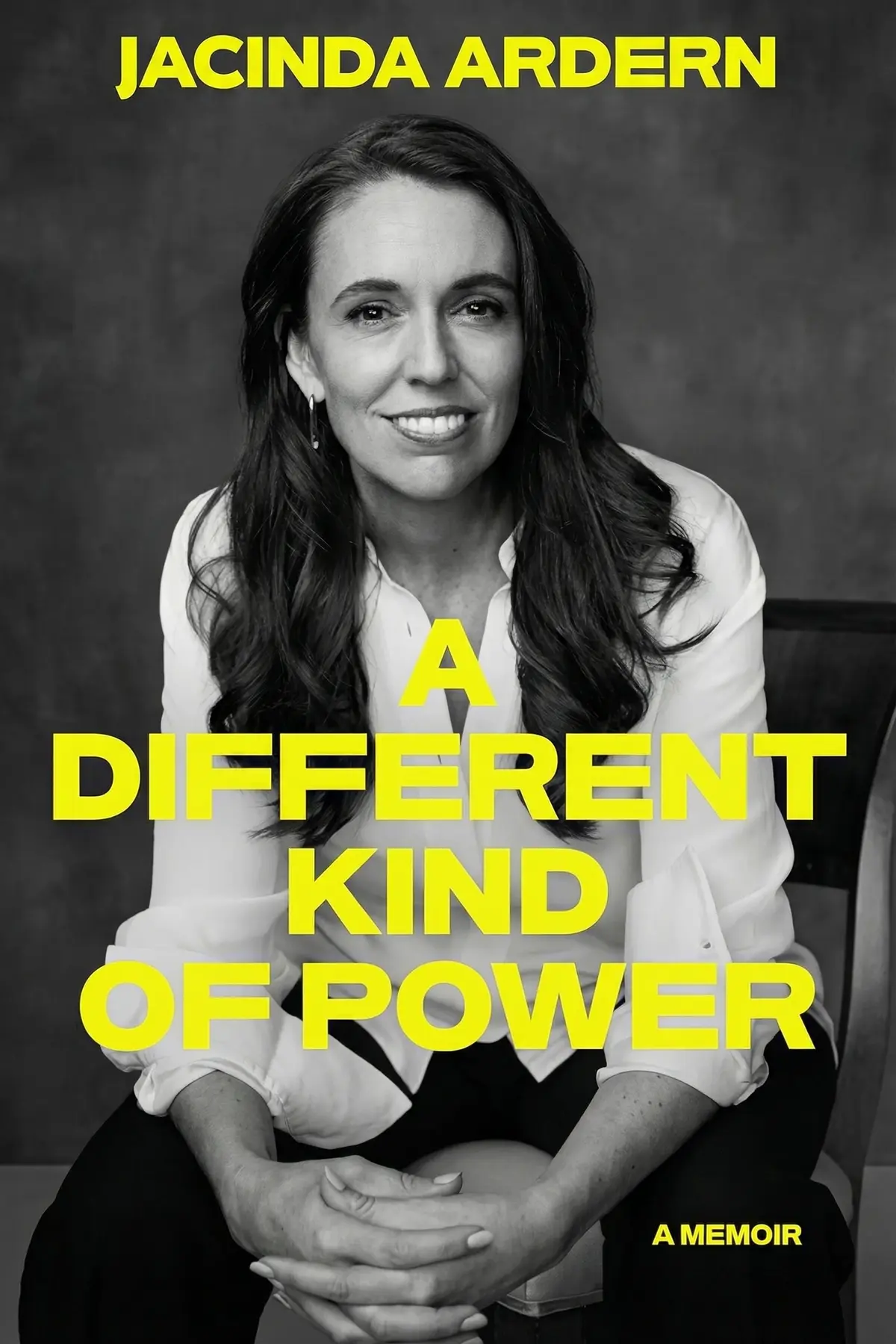
Jacinda Ardern
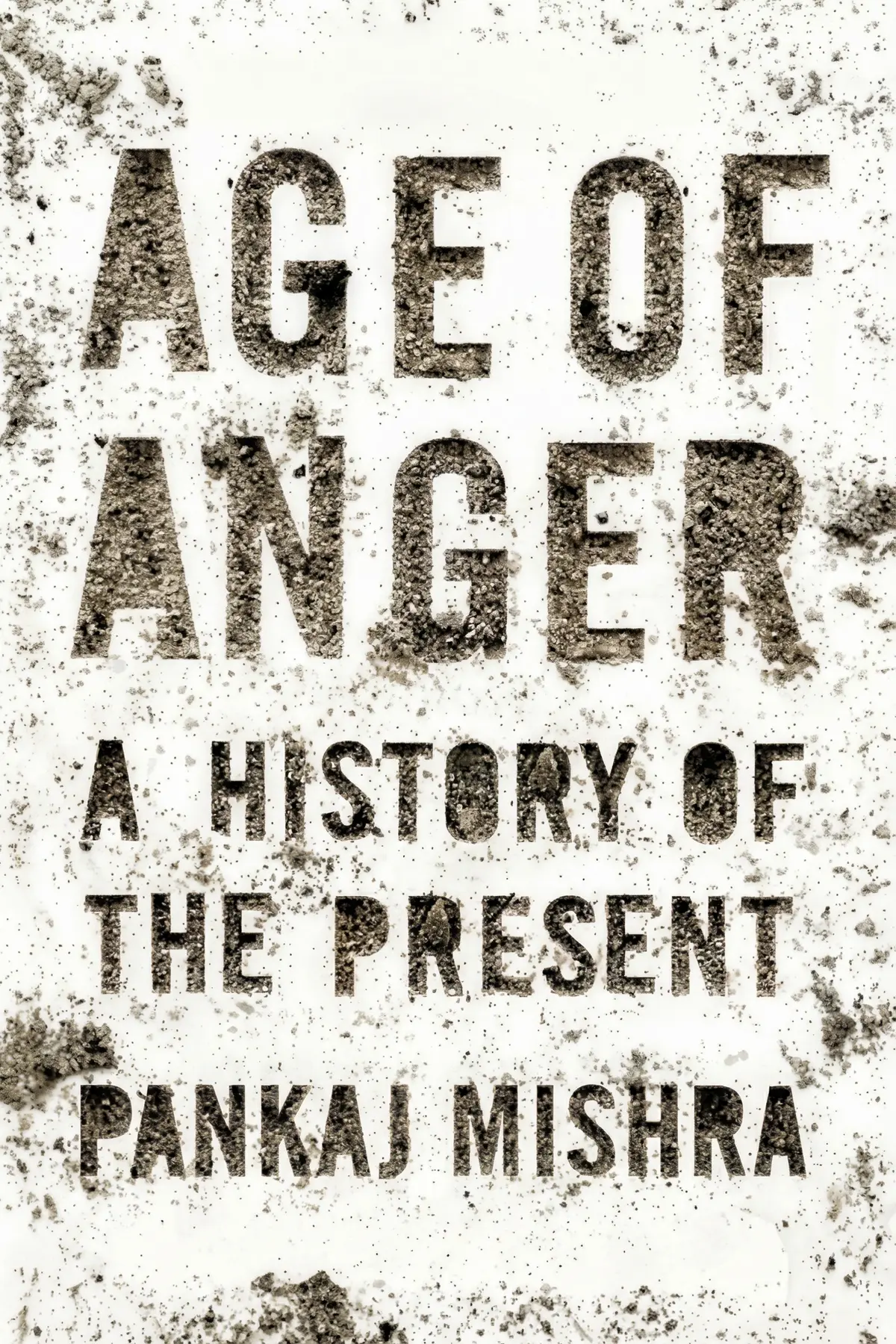
Pankaj Mishra
Johny Pitts
James Comey
Anthony Pratkanis
AUDIO SUMMARY AVAILABLE
Get the key ideas from The Sum of Us by Heather McGhee, plus 5,000+ more titles in English and Thai.







