

15 min 12 sec
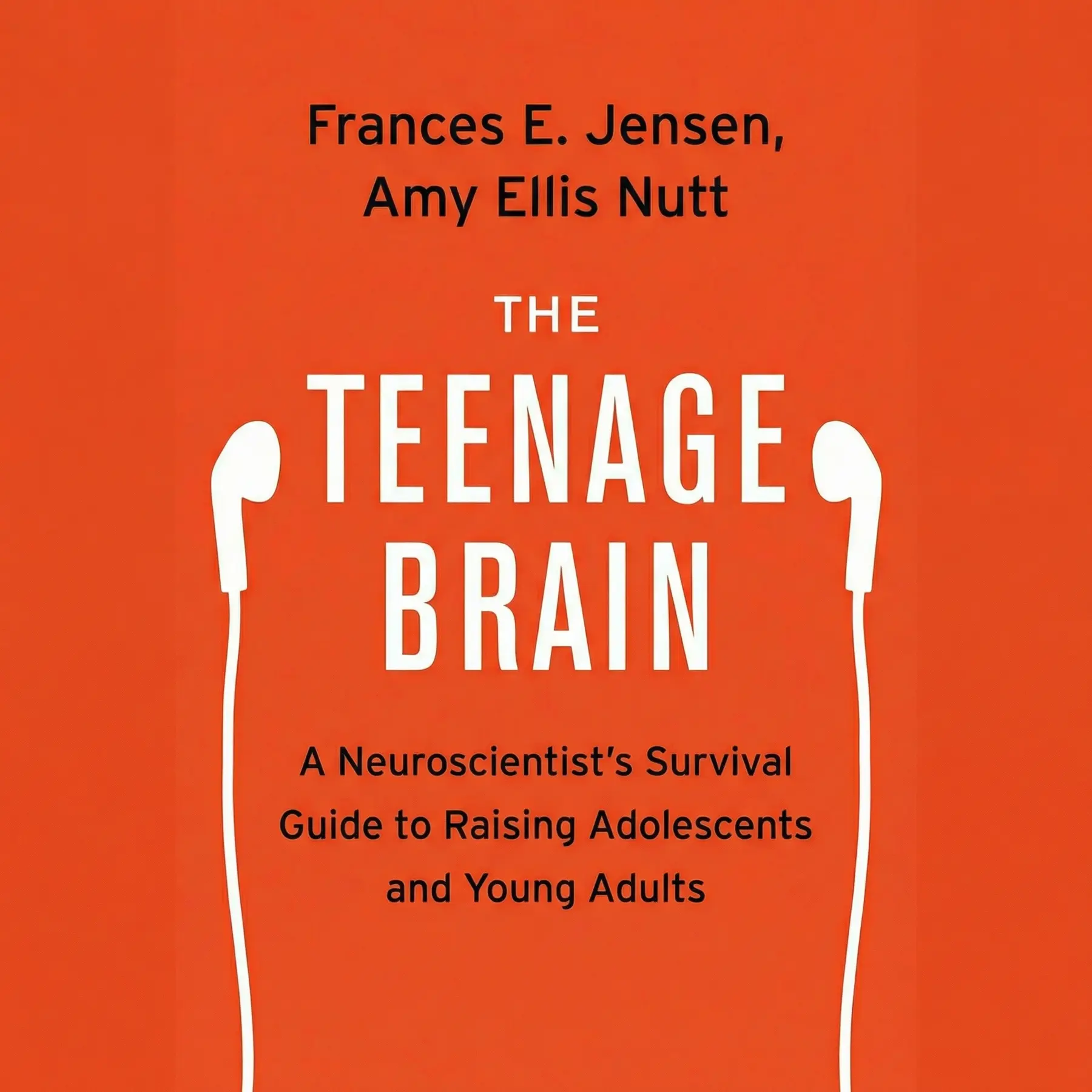
The Teenage Brain: A Neuroscientist's Survival Guide to Raising Adolescents and Young Adults
Explore the fascinating neurobiology of adolescence to understand why teenagers act impulsively and how parents can provide the right support during this high-stakes period of rapid brain development and cognitive growth.
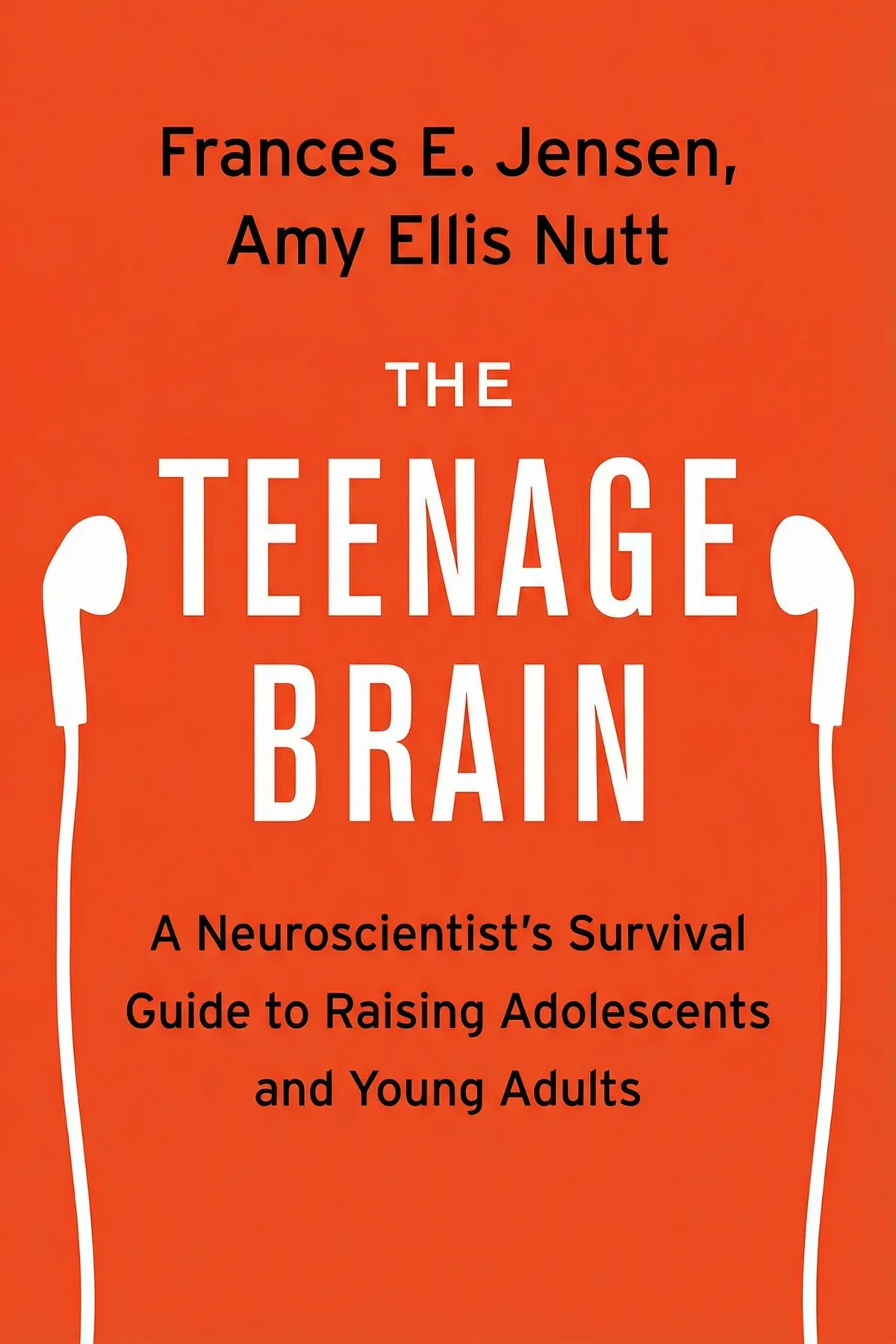
Table of Content
1. Introduction
1 min 28 sec
Every parent of a teenager knows the feeling: one day you are raising a cooperative, predictable child, and the next, you are living with a complete stranger. This new person might be impulsive, moody, or seemingly incapable of making logical decisions. It is easy to assume that your teenager is simply being difficult or rebellious on purpose. However, the reality is far more complex and rooted deep within the folds of the brain. What we are witnessing during these turbulent years is not a lack of character, but a massive neurological renovation.
In this exploration of the adolescent mind, we are going to look past the surface-level drama to see what is actually happening in the biological machinery of youth. The teenage years represent a unique window in human development where the brain is at its most adaptable and powerful, but also its most fragile. We will uncover why the brain’s wiring makes teenagers prone to risk, why their sleep schedules seem so erratic, and how their heightened sensitivity to stress and substances can shape their future for years to come.
This isn’t just about survival; it is about understanding. By decoding the shifts in brain chemistry and structure, we can move away from conflict and toward a supportive partnership. We will see that the behaviors that frustrate adults are often the byproducts of a brain that is learning how to be adult, even if it doesn’t have all the tools yet. Let’s start by looking at the physical blueprint of this transformation and how we first came to recognize adolescence as a distinct stage of life.
2. The Biological Blueprint of the In-Between Years
2 min 21 sec
Adolescence is more than just a social phase; it is a distinct physiological state where the emotional brain is often working without a filter.
3. A High-Performance Learning Machine with a Catch
2 min 22 sec
The teenage brain possesses incredible plasticity, allowing for rapid skill acquisition, but this adaptability also leaves it open to unique vulnerabilities.
4. The Science of the Teenage Sleep Cycle
2 min 30 sec
It’s not just laziness; the adolescent body undergoes a literal shift in its internal clock that makes early mornings a biological struggle.
5. The High Stakes of Adolescent Addiction
2 min 22 sec
Because the teenage brain is still wiring its reward systems, it is uniquely vulnerable to the long-term consequences of substance use.
6. Navigating the Storm of Stress and Mental Health
2 min 30 sec
A teenager’s biological response to stress is far more intense than an adult’s, making it crucial to distinguish between normal moodiness and serious red flags.
7. Conclusion
1 min 39 sec
The journey through adolescence is often described as a rollercoaster, but as we have seen, there is a clear neurological reason for every twist and turn. The teenage brain is a marvel of nature—a high-speed learning machine that is both more capable and more vulnerable than at any other time in life. By understanding that their impulsivity is a result of a developmental gap between emotion and logic, we can stop taking their behavior personally and start providing the structure they need to grow.
We have explored how the physical reality of the teen brain affects everything from their need for sleep to their susceptibility to addiction and stress. The takeaway for any adult in a teenager’s life is that this period is a high-stakes window of opportunity. It is a time to encourage their passions, protect their health, and, most importantly, maintain a connection. Your role is not to control every move, but to serve as a guide and a safety net while their own internal systems catch up to their physical growth.
As you move forward, remember that the frustration of today is a byproduct of the transformation that will make them the adults of tomorrow. Every time you choose empathy over anger, or a conversation over a lecture, you are helping them build a stronger, more resilient brain. Adolescence eventually ends, and the brain will find its balance. Until then, your understanding of the science behind their struggle is the greatest gift you can give them. Keep the dialogue open, keep the house quiet enough for them to sleep, and keep providing the steady hand they need to navigate the exciting, chaotic world of the teenage brain.
About this book
What is this book about?
Adolescence is often viewed through a lens of frustration, characterized by mood swings, risk-taking, and a sudden lack of communication. However, this book reframes these behaviors not as character flaws, but as the result of a brain under construction. By diving deep into the science of the adolescent mind, it reveals that the teenage brain is uniquely powerful yet incredibly vulnerable. The summary explores the neurological mismatch between the brain's emotional centers and its decision-making regions. It examines how heightened neural plasticity allows for rapid learning while also creating a window of risk for addiction and mental health struggles. Readers will learn about the physiological shifts in sleep patterns, the impact of hormones on the limbic system, and why teenagers perceive stress so differently than adults. This guide offers a neuroscientific roadmap for parents and educators, providing the empathy and practical insight needed to help young adults navigate the transition from childhood to maturity safely and successfully.
Book Information
About the Author
Frances E. Jensen
Frances E. Jensen, MD, is the Chair of the Department of Neurology at the University of Pennsylvania's Perelman School of Medicine. With a career dedicated to the study of brain development across the lifespan, she formerly served as a Professor of Neurology at Harvard Medical School and as the Director of Epilepsy Research at Boston Children's Hospital. Dr. Jensen is a frequent lecturer on the complexities of the teenage brain and has presented her insights at TEDMED.
Ratings & Reviews
Ratings at a glance
What people think
Listeners find this book essential for parents and those working with adolescents, offering fantastic neurological data and deep insight into the maturation of the teenage brain. Additionally, the writing is exceptionally well-crafted and approachable, using clear language, and listeners value the practical guidance and compelling anecdotes throughout. However, the tempo and reading speed receive varied feedback; while some find it incredibly fascinating, others consider it dull.
Top reviews
Wyatt
As a parent of two teenagers, I found this book to be an absolute lifesaver during a very turbulent time in our household. Jensen does a masterful job of breaking down complex neuroscientific concepts into clear, understandable terms that actually make sense to someone without a PhD. The explanation of why their circadian rhythms are shifted—making them late-to-bed and late-to-rise—was a total revelation for us. It turned our morning battles into moments of understanding. While some might find the science heavy, I appreciated having actual data to back up the behavioral changes I was seeing every day. It’s not just a 'survival guide' in name; it genuinely provides the ammunition you need to stay patient when things get heated. This is an essential read for anyone living with an adolescent.
Show morePiyanart
Wow. I wish I had read this five years ago. This book completely changed my perspective from one of constant frustration to one of genuine empathy. Learning that the part of the brain responsible for impulse control is the last to 'plug in' was a game-changer for my relationship with my daughter. The writing is exceedingly well-done and accessible, avoiding the dry, academic tone you might expect from a neuroscientist. I particularly appreciated the section on gender differences in brain development, which explained so much about the different social pressures my kids face. Personally, I think every middle school parent should be handed a copy of this at orientation. It’s an engaging, informative, and deeply necessary look at the most misunderstood stage of human life. It really helps you keep your cool.
Show moreLars
This book is basically a survival manual for anyone who interacts with adolescents. Jensen takes the 'mystery' out of teen behavior by showing the literal physical changes happening under the hood. Not gonna lie, some of the drug and alcohol sections are terrifying, but they are backed by rigorous studies on rat brains and epidemiological data. I loved the focus on the 'excitatory neurotransmitters'—it finally explains why teens are so prone to acting before they think. The writing is clear and avoids unnecessary jargon, making it a quick and engaging read despite the heavy subject matter. It’s rare to find a science book that is this practical. If you want to understand the 'why' behind the mood swings and the risky choices, this is the definitive book to read.
Show moreMaksim
Picked this up after my oldest hit puberty and suddenly turned into a different person overnight. Frankly, I was at my wit's end, but this book gave me the context I was missing. It turns out that 'acting out' is often just a byproduct of a brain that is literally pruning its connections to become more efficient. The chapter on the 'digital invasion' was particularly relevant, as it explained how social media affects the dopamine receptors in a way that is vastly different for teens than for adults. Jensen and Nutt have created something that is both intellectually stimulating and deeply practical for daily life. It’s a wonderful resource that promotes patience and understanding over punishment and anger. I’ve already recommended it to three other families in our neighborhood.
Show moreGioia
Finally got around to reading this after my son’s teacher recommended it, and I’m glad I did. The chapters on the biology of addiction and how the teenage brain is essentially 'wired' to learn faster—including bad habits—were incredibly eye-opening. Jensen explains that because the frontal lobe isn't fully connected yet, teens are essentially driving a fast car with no brakes. My only real gripe is that it can feel a bit repetitive in the middle sections, especially when she starts looping back to the same points about synaptic pruning. Still, the practical advice on prospective memory and why kids need planners was worth the price of admission alone. It’s a solid, evidence-based look at why they act the way they do, even if the tone leans a bit toward the cautious side.
Show moreRung
Ever wonder why your teenager can't seem to remember to bring their sneakers home from school even though they can memorize every line of a movie? This book dives deep into the 'white matter' versus 'grey matter' debate to explain exactly why that happens. I loved the section on multitasking—it’s a myth for adults, but it’s a total disaster for the developing adolescent brain. Jensen writes with a very accessible style that bridges the gap between a medical textbook and a parenting blog. To be fair, she does get a little 'D.A.R.E. program' in the chapters on marijuana and alcohol, but the underlying science regarding how these substances affect a brain that is still 'under construction' is hard to argue with. A very useful resource for any educator's bookshelf.
Show moreSuthida
After hearing the interview on KQED, I picked this up to better understand my students. The insights into 'prospective memory' were a total 'aha' moment for me. Now I understand why my 7th graders genuinely forget their homework even when it’s right in front of them! The book is very well-written, though it does move at a mixed pace; some chapters are page-turners while others feel like a slog through data tables. I was particularly impressed by the chapter on concussions and sports, which provided a sobering look at how long-term damage happens. It’s a bit biased toward a certain demographic of high-achievers, but the core neuroscience is universally applicable. It definitely helped me restructure how I give instructions in my classroom to better suit the teenage mind.
Show morePruet
To be fair, the science here is top-notch, but the parenting advice felt extremely recycled. Most of the 'solutions' offered in the book boil down to 'stay involved' and 'be a good role model,' which isn't exactly groundbreaking information for most parents. I also struggled with the way the author uses extreme, terrifying anecdotes—like the story of a teen stealing car keys and crashing through a garage—to drive home her points. It felt like a 'scared straight' tactic for parents rather than a balanced look at adolescence. The chapters on sleep and digital distractions were the most useful for me, but I found myself skimming through a lot of the repetitive warnings about drugs. It’s an interesting read if you love brain chemistry, but as a practical guide, it’s a bit thin on new ideas.
Show moreKwame
Look, I really wanted to like this, but the catastrophizing was just too much for me. Jensen starts the book by describing her son coming home with blue hair as if it were a four-alarm fire. If that's her baseline for a 'crisis,' it’s hard to take her other warnings seriously. She claims teenagers today face more danger than ever before in history, which is just statistically untrue when you consider the risks of the past. The science bits are fascinating, especially regarding high plasticity and learning, but they are buried under a mountain of fear-mongering anecdotes. She even suggests chewing tobacco as an alternative if your kid won't stop smoking—as a scientist, she should know better. It felt more like a lecture from a panicked parent than a balanced scientific exploration.
Show moreDivya
The truth is, Jensen is a brilliant neuroscientist, but she is completely out of touch with the reality of most families. This book should have been titled 'The Upper-Middle Class Teenage Brain' because it almost exclusively focuses on privileged kids heading to elite colleges. As a teacher in a socio-economically diverse district, I found her tone regarding 'emergencies' like a kid dyeing their hair blue to be absolutely laughable. She ignores how poverty and trauma impact brain development, instead choosing to focus on anecdotes about her own high-achieving sons. The advice to 'just be involved' is a luxury that many working-class parents working three jobs simply cannot afford in the way she describes. It’s a biased, elitist perspective disguised as objective science, and I honestly can’t recommend it to the parents I work with.
Show moreFeatured in
Readers also enjoyed

A Life Decoded: My Genome: My Life
J. Craig Venter

A Planet of Viruses
Carl Zimmer

A Short History of Nearly Everything
Bill Bryson
A Thousand Brains: A New Theory of Intelligence
Jeff Hawkins


AUDIO SUMMARY AVAILABLE
Listen to The Teenage Brain in 15 minutes
Get the key ideas from The Teenage Brain by Frances E. Jensen, plus 5,000+ more titles in English and Thai.
- 5,000+ titles
- Listen as much as you want
- 7-day free trial
- Cancel anytime







