
A Life Decoded: My Genome: My Life
J. Craig Venter
The Volunteer tells the incredible true story of Witold Pilecki, a Polish resistance member who deliberately allowed himself to be captured by the Nazis to infiltrate Auschwitz and expose its horrors to the world.
1 min 36 sec
Imagine, for a moment, the year is 1940. The world is descending into a darkness that feels absolute. Across occupied Europe, people are disappearing into a network of camps, but the true nature of these places remains a terrifying mystery to those on the outside. In the heart of Warsaw, a man named Witold Pilecki is faced with a choice that defies conventional logic. To understand the enemy and save his countrymen, he realizes that someone must go inside. Not as a victim, but as a spy.
On September 19, Pilecki intentionally walked into a Nazi roundup. He wasn’t caught through a lapse in security or a betrayal; he was there because he chose to be. This was the beginning of a mission that would last over two years, taking him into the depths of Auschwitz. At that time, the camp was not yet the global symbol of the Holocaust we recognize today; it was a burgeoning site of cruelty where the rules of humanity were being systematically erased.
In this summary, we will follow Pilecki’s journey through the unimaginable. We’ll explore how he built an underground army in the middle of a death camp, how he smuggled out the first reports of the Final Solution, and why his warnings were met with a silence that still haunts history. This is more than a war story; it’s a profound examination of what it means to hold onto your soul when everything around you is designed to destroy it. We will see the evolution of Auschwitz through the eyes of a man who volunteered for hell, and we will witness the immense cost of a heroism that the world was not yet ready to believe.
2 min 15 sec
Witness the sudden fall of Poland in 1939 and follow one man’s transition from a traditional landowner to a clandestine operative determined to save his country’s soul.
2 min 13 sec
Discover the high-stakes gamble taken by a resistance fighter who chose to be arrested, entering a place from which no one was expected to return.
2 min 12 sec
Learn how the human spirit persists in the face of starvation and systematic murder through the formation of a secret society of survivors.
2 min 14 sec
Follow the journey of the first eyewitness reports of Nazi atrocities as they reach the highest levels of global power, only to be dismissed.
2 min 01 sec
Witness the horrific transformation of a prison camp into a testing ground for mass execution as the Nazis refine their methods of killing.
2 min 12 sec
Track the evolution of the Holocaust as the Nazi regime formalizes its plan for genocide and centers its operations on a single, terrifying location.
2 min 17 sec
Explore the complex social structure that emerged within the camp, where resistance meant more than just sabotage—it meant maintaining a moral compass.
2 min 07 sec
Experience the tension of a high-stakes breakout as Pilecki and his companions risk everything to carry their message of horror to the world.
2 min 09 sec
Follow the tragedy of a man who escapes one prison only to find his city in ruins and his nation’s future sold out by its allies.
1 min 59 sec
The story concludes with a tragic irony: a hero who survived the Holocaust is ultimately destroyed by the very government he fought to liberate.
1 min 48 sec
In the end, the story of Witold Pilecki is not just a chronicle of war, but a profound testament to the power of human will. For decades, his name was hidden, his reports buried in the archives of a regime that feared his spirit of independence. But the truth has a way of surfacing. When his files were finally discovered in 1991, they revealed a man who had stared into the absolute center of human depravity and refused to blink. He didn’t just survive Auschwitz; he mastered it, using its own systems against it to build a network of hope.
Pilecki’s life offers us a challenging lesson in what it means to be a witness. He proved that even in the most restricted and brutal environments, an individual can maintain their agency and their moral compass. He also shows us the tragic consequences of collective indifference. His warnings about the Holocaust were clear, detailed, and urgent, yet they were discarded by those with the power to act. This suggests that the greatest obstacle to justice isn’t always a lack of information, but a lack of will to believe the uncomfortable truth.
As we reflect on Pilecki’s journey, we are forced to ask ourselves how we would respond to the injustices of our own time. Would we have the courage to step up when others step back? Would we hold onto our values when the world around us is losing theirs? Pilecki’s legacy is a call to action. It reminds us that our duty to our fellow human beings doesn’t end when the situation becomes dangerous or inconvenient. By remembering his story, we honor the millions he tried to save and the uncompromising integrity he maintained until his final breath. His life remains a beacon of light, proving that even in the darkest chapters of history, one person’s courage can illuminate the path for generations to come.
The Volunteer provides a harrowing and deeply moving account of one of the most extraordinary acts of resistance during World War II. The narrative follows Witold Pilecki, a Polish army officer who took on the unthinkable mission of infiltrating the Auschwitz concentration camp. At the time of his entry, the world knew little of the camp’s true purpose. Pilecki’s goal was to gather intelligence, organize an underground resistance from within the prisoner population, and ultimately plan an uprising. Over the course of more than two years, Pilecki witnessed the camp’s transition from a brutal prison for political dissidents into the industrial epicenter of the Holocaust. The book promises a detailed look at his bravery, the network of informants he built under the noses of the SS, and his increasingly desperate attempts to convince the Allied powers to intervene. It is a story of personal sacrifice and the resilience of the human spirit in the face of systematic evil, concluding with Pilecki's daring escape and his tragic post-war fate under a new regime.
Jack Fairweather is a British journalist and author. His work on this narrative has gained international recognition, with the book being translated into 25 languages. For his biographical work on The Volunteer, Fairweather was honored with the 2019 Costa Book Award.
Listeners find this work both deeply memorable and extensively documented, offering thorough descriptions of the era's atrocities. The narrative presents an engrossing real-life account of the Polish resistance movement, and listeners highlight the quality of the writing and the protagonist's staggering bravery. While the book is highly regarded for its powerful emotional impact, some describe the experience as profoundly heartbreaking.
How have I never heard this story before? Witold Pilecki’s decision to volunteer for Auschwitz is the kind of heroism that feels like it belongs in a movie, but the reality was far more gruesome and taxing than any screen adaptation could convey. Jack Fairweather does a phenomenal job tracing the evolution of the camp from a brutal prison for Polish soldiers into the industrialized death machine we recognize today. The level of research here is staggering, drawing on reports that were buried for decades by the Soviets. It is deeply moving to read about the underground network Pilecki built within the camp, risking everything to smuggle out evidence of the Holocaust. Honestly, the book is a masterclass in narrative non-fiction. It’s a heavy read, obviously, but Pilecki’s resilience provides a flickering light in all that darkness. Everyone needs to know this man’s name.
Show moreThis isn't just another Holocaust history book; it's a testament to human resilience in the face of absolute depravity. I was floored by the sheer audacity of Pilecki's mission. Imagine walking into the lion's den on purpose just to see how the teeth work. Fairweather writes with a propulsive energy that makes the 400+ pages fly by, even when the subject matter makes you want to look away. The descriptions of the daily humiliations, the typhus outbreaks, and the casual murders are harrowing but necessary. What stayed with me most was the tragic ending—surviving the Nazis only to be executed by the Soviet-backed regime in his own country. It’s a gut-punch. The book is well-researched, deeply empathetic, and serves as a powerful reminder of what one individual can achieve against a tide of evil.
Show moreAbsolutely gut-wrenching from start to finish. Pilecki is a legend. The way he organized the resistance inside Auschwitz, right under the noses of the SS, is mind-blowing. Fairweather doesn't sugarcoat anything. You feel the hunger, the cold, and the constant fear. It’s a miracle he kept his sanity, let alone his courage. The betrayal by the Allies—the way they dismissed his reports as 'exaggerations'—made my blood boil. It’s a tragic, beautiful, and essential book. I couldn't put it down even when it was breaking my heart. This is the definition of a five-star read.
Show moreFinally got around to reading this biography of Witold Pilecki, and I’m genuinely stunned. The bravery required to do what he did is beyond my comprehension. Fairweather’s writing is crisp and evocative, making the complex web of the Polish resistance easy to follow. I was especially moved by the accounts of the 'secret army' he raised inside the camp. It wasn't just about survival; it was about maintaining dignity and a sense of purpose in a place designed to strip both away. The epilogue, detailing his post-war trial and execution, is one of the saddest things I’ve ever read. This book is a masterpiece of historical recovery.
Show moreWhat Pilecki endured is fundamentally beyond the pale, and Fairweather captures that horror without veering into sensationalism. The book is an incredible tribute to a man who was erased from history for nearly fifty years. The descriptions of his escape from the camp are as tense as any thriller novel I've ever read. More importantly, the book forces the reader to confront the moral failings of the West during the war. We like to think of the Allies as pure saviors, but this account shows they had the information and the means to act much sooner. It’s a challenging, necessary, and beautifully written book. I’ve been recommending it to everyone I know who has even a passing interest in history. A stunning achievement.
Show moreFairweather has managed to piece together a narrative that feels both academically rigorous and intensely personal. The central figure, Witold Pilecki, is fascinating—a man of immense traditional duty who found himself in the middle of a nightmare. I was particularly struck by the detailed account of the Polish underground’s frustration with the Allied powers. It’s infuriating to realize how much information reached London and Washington only to be met with skepticism or political foot-dragging. My only real gripe is that the author occasionally frames WWII politics through a very modern, almost American-centric lens of 'left vs right' which felt a bit anachronistic for 1940s Poland. Also, the transition into Pilecki's post-war life felt a bit rushed compared to the painstaking detail of the camp years. Still, this is a vital piece of history that finally gives a hero his due.
Show moreAfter hearing so much about the resistance in France, reading about the Polish underground's efforts was a revelation. Pilecki is a character who defies belief. The book does an excellent job of showing how Auschwitz changed over time; it wasn't a death camp on day one, and seeing that slow descent into hell through Pilecki’s eyes was chilling. I appreciated the focus on the technicalities of how they smuggled messages out using laundry details and hidden radio parts. My only criticism is that I wish the maps and photos were better quality in my edition, as they are essential for following the layout of the camp. Look, if you want to understand the complexities of the Polish experience during the war, this is the book to get. It’s a sober, detailed account of a man who deserved better from the world.
Show moreTruth is, I didn't expect to be so infuriated by the Allies' response—or lack thereof—to the intel Pilecki was literally dying to provide. Fairweather builds a compelling case against the 'total incompetence' or perhaps the cold indifference of the British and American leadership. The biography is meticulously researched, and you can tell the author spent years digging through the archives. It’s a bit of a slow burner at first as it sets the stage in Warsaw, but once Pilecki enters the camp, the tension is relentless. Some of the author's arguments about Pilecki’s relationship with his family felt a bit speculative and unnecessary, but that's a minor nitpick in an otherwise stellar work. It’s a haunting look at a man who put country above everything and paid the ultimate price.
Show moreWhile the subject matter is undeniably vital, the author’s tendency to use 'colour' and invented dialogue occasionally pulled me out of the experience. To be fair, Pilecki’s story is so incredible it doesn't really need the flourishes of a thriller novel. I found the sections detailing the Allied response to be the most enlightening, though they left me feeling incredibly cynical about the 'Great Men' of history who chose to look the other way for so long. There were also a few geographical errors regarding Italy that made me wonder about the precision of other details. It’s a decent introduction to a forgotten hero, but I think I would have preferred a more straightforward historical analysis without the speculative internal monologues. It’s a important read for the facts alone, but the prose style wasn't quite my cup of tea.
Show moreThe research on display here is undeniably top-notch, yet I found the pacing to be quite uneven during the later chapters. Personally, I felt the book spent a bit too much time on the international political maneuvering at the expense of exploring Pilecki’s internal state during his final years. Don't get me wrong, the facts are staggering and Pilecki is a true hero, but the narrative felt a bit dry in the middle sections. It’s a dense read that requires a lot of emotional energy. I think it’s an important contribution to Holocaust literature, especially for those who think they already know everything about Auschwitz, but it lacks the lyrical quality that makes for a truly immersive biography. 3.5 stars, rounded down for some repetitive phrasing.
Show moreJ. Craig Venter
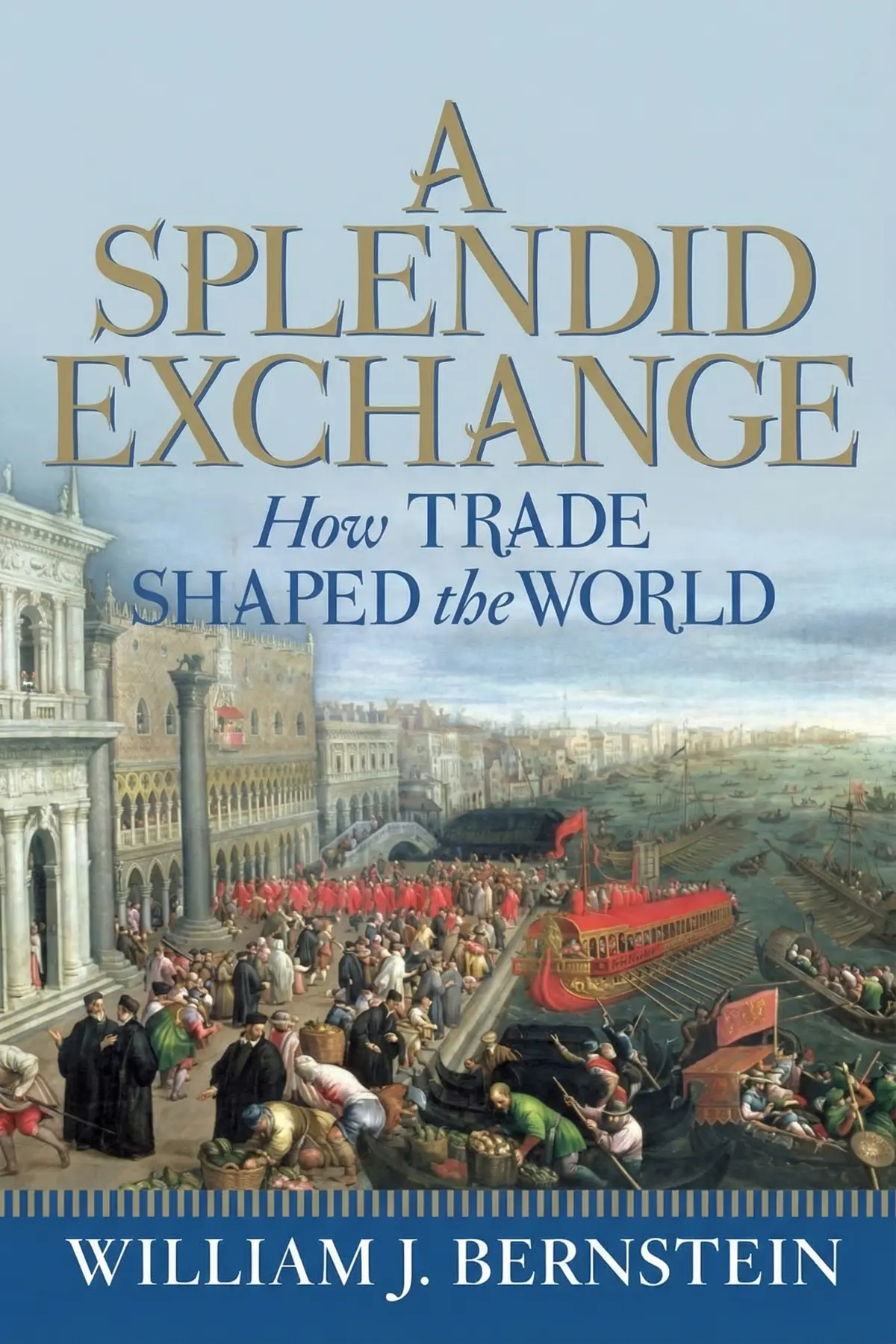
William J. Bernstein
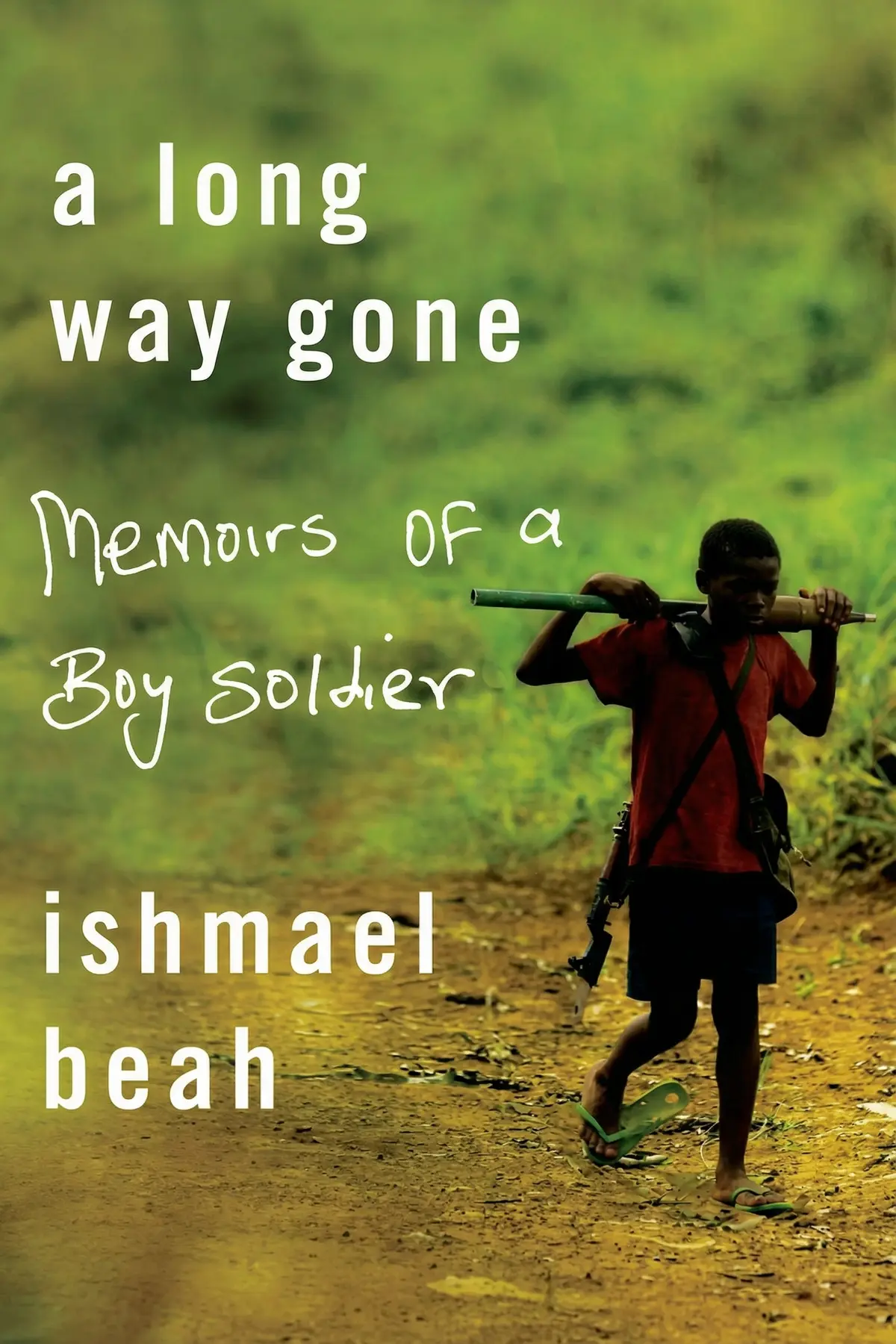
Ishmael Beah

James Herriot
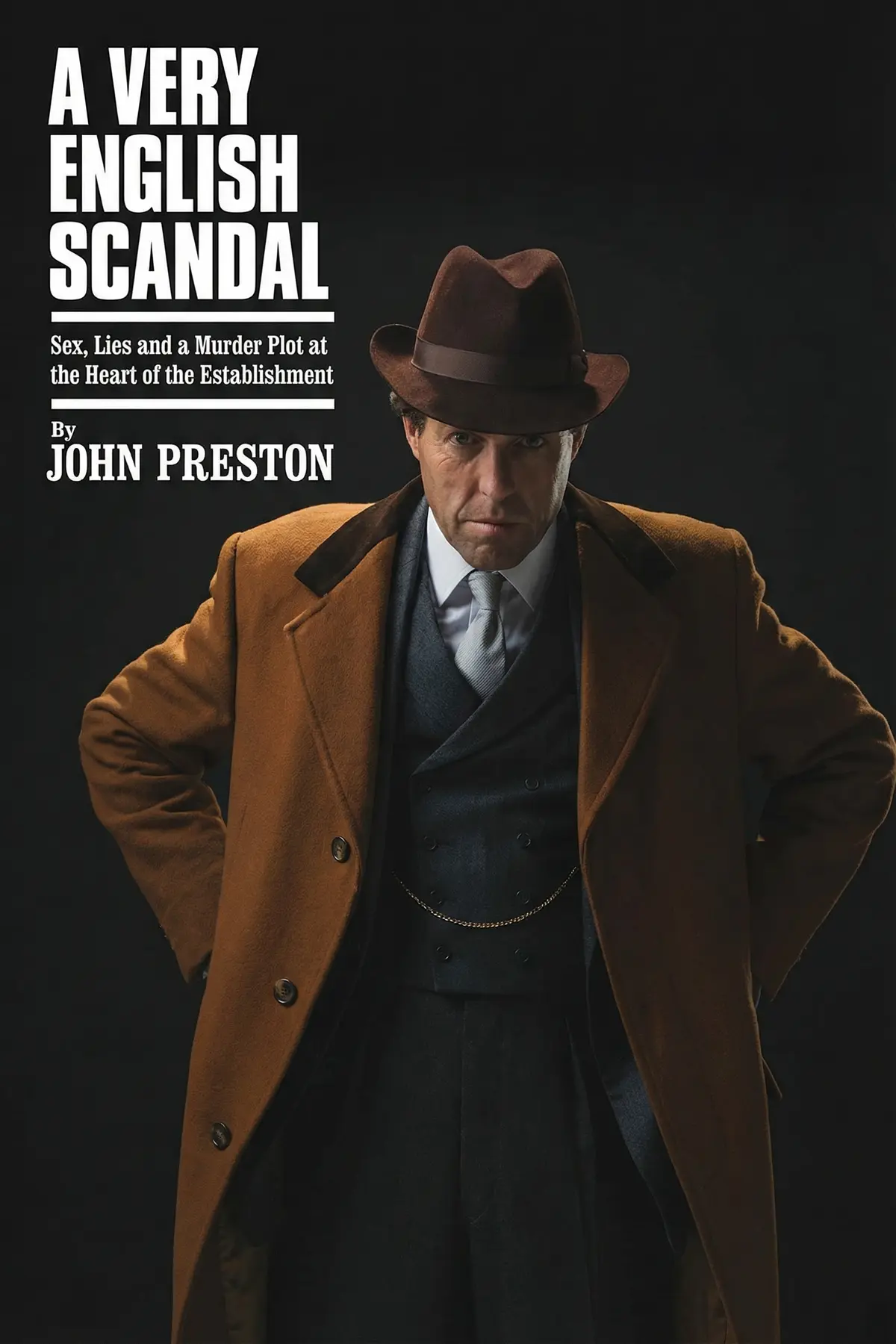

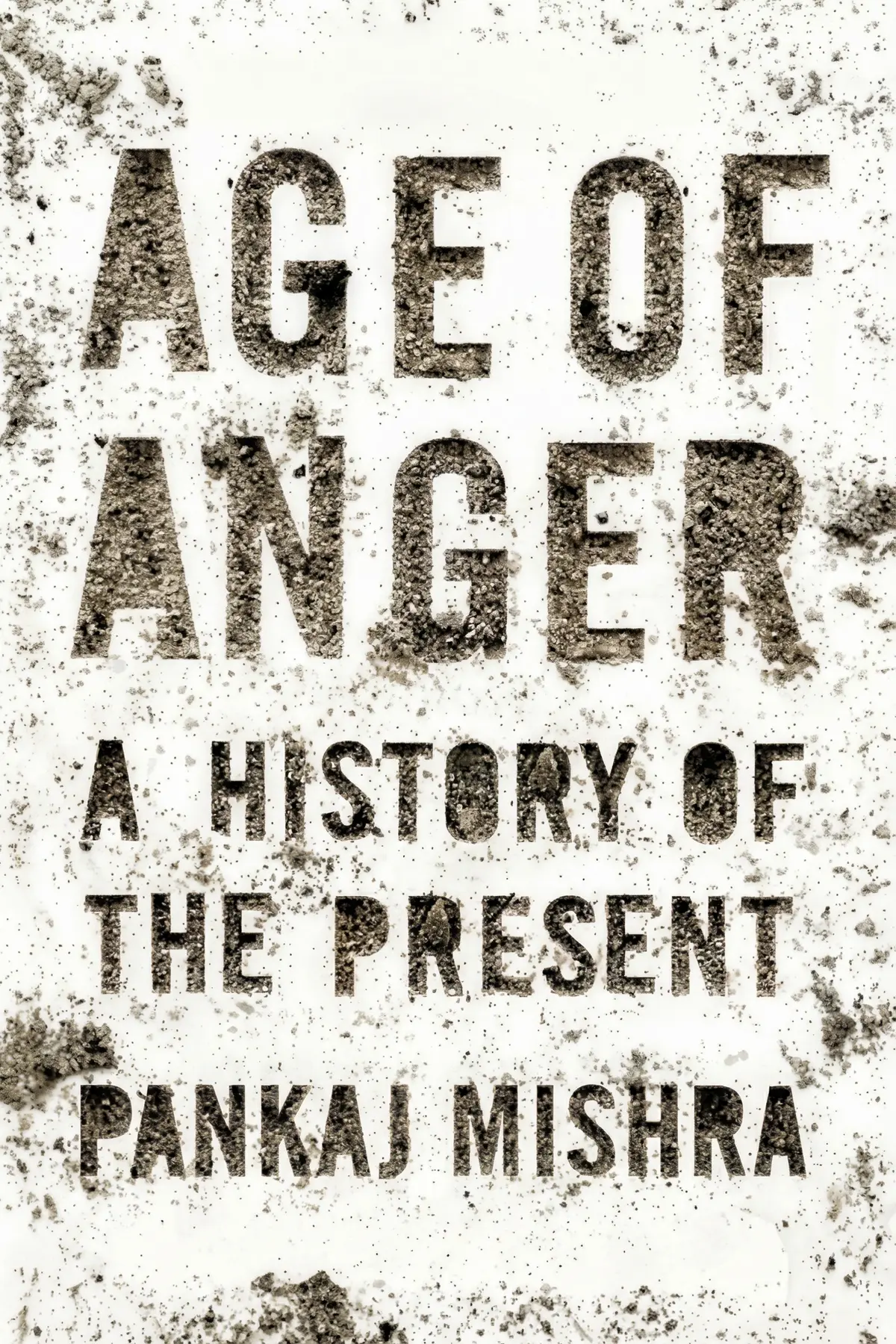
Pankaj Mishra
Barack Obama

AUDIO SUMMARY AVAILABLE
Get the key ideas from The Volunteer by Jack Fairweather, plus 5,000+ more titles in English and Thai.







