
Abortion: Our Bodies, Their Lies, and the Truths We Use to
Jessica Valenti
A comprehensive analysis of thousands of leaked diplomatic cables, exposing the internal mechanics of American foreign policy, military conduct, and the strategic expansion of global economic influence through trade and finance.
1 min 53 sec
In 2006, a seismic shift occurred in the landscape of global information. A relatively unknown Australian hacker named Julian Assange, along with a dedicated network of programmers, activists, and investigative journalists, launched a platform designed to change the relationship between the public and the powerful. That platform was WikiLeaks. Its mission was simple but radical: to provide a secure, anonymous vault where whistleblowers could expose the inner workings of governments, corporations, and massive institutions. Since its inception, WikiLeaks has released hundreds of thousands of pages of classified materials, shining a harsh light on international warfare, secret diplomacy, and the opaque world of policy-making—with a heavy focus on the United States.
Naturally, this endeavor did not go unnoticed by those in power. The U.S. government quickly branded WikiLeaks as a subversive and dangerous organization, accusing it of spreading falsehoods and taking sensitive information out of its necessary context. But for those willing to look at the documents themselves, a different story emerges. These files offer a staggering view of the machinery of a modern empire, revealing a world where public statements often stand in direct opposition to private actions.
In the following sections, we are going to explore what these files actually say. We will look at how the government has attempted to contain the spread of this information, the reality of military operations that the public was never supposed to see, and the strategic way the United States has navigated international law and the global economy to maintain its position at the top. This is an exploration of the gap between the “official” version of history and the one written in classified cables. By the end of this journey, you will have a clearer understanding of how global power is exercised and the lengths to which institutions will go to keep their secrets in the dark.
2 min 15 sec
Discover how the United States government responded to the threat of transparency by utilizing propaganda budgets and technical filters to suppress the leaked data.
2 min 11 sec
Examine the disturbing gap between the stated goals of ‘just wars’ and the documented incidents of civilian casualties and human rights violations revealed in the cables.
2 min 20 sec
Learn how the CIA utilized complex linguistic strategies and selective briefings to carry out and justify prohibited interrogation techniques.
2 min 08 sec
Explore the strategic ways the United States has influenced the International Criminal Court to ensure its own citizens remain beyond the reach of global prosecution.
2 min 14 sec
Understand how modern American imperialism is exercised through obscure trade agreements and the global dominance of the financial sector.
1 min 38 sec
The revelations contained within the WikiLeaks files offer more than just a collection of scandals; they provide a comprehensive look at the architecture of modern power. By examining these leaked communications, we can see the precise ways in which language, law, and economic policy are manipulated to serve the goals of a global hegemony. We see a world where the official narrative of human rights and democratic values often masks a much colder reality of strategic interest and military necessity.
What this means for us is that transparency is not just a buzzword, but a vital necessity for a functioning society. The efforts to suppress WikiLeaks—from blocking web access to labeling its founder a terrorist—highlight just how much is at stake when the curtain is pulled back. When the public is denied access to the truth about how its government operates, it loses the ability to make informed decisions and to hold its leaders accountable.
The throughline of these files is the persistent gap between what is said in public and what is done in private. Whether it is the semantic redefinition of torture, the strategic undermining of the International Criminal Court, or the secret negotiation of trade deals that favor Wall Street over workers, the pattern remains the same. The WikiLeaks files remind us that power, when left unchecked by transparency, will always seek to expand itself and protect its secrets. As we move forward in an increasingly complex global landscape, the lessons from these documents serve as a vital reminder to look beyond the “public diplomacy” and demand a version of history that is based on raw data and documented facts rather than carefully crafted propaganda.
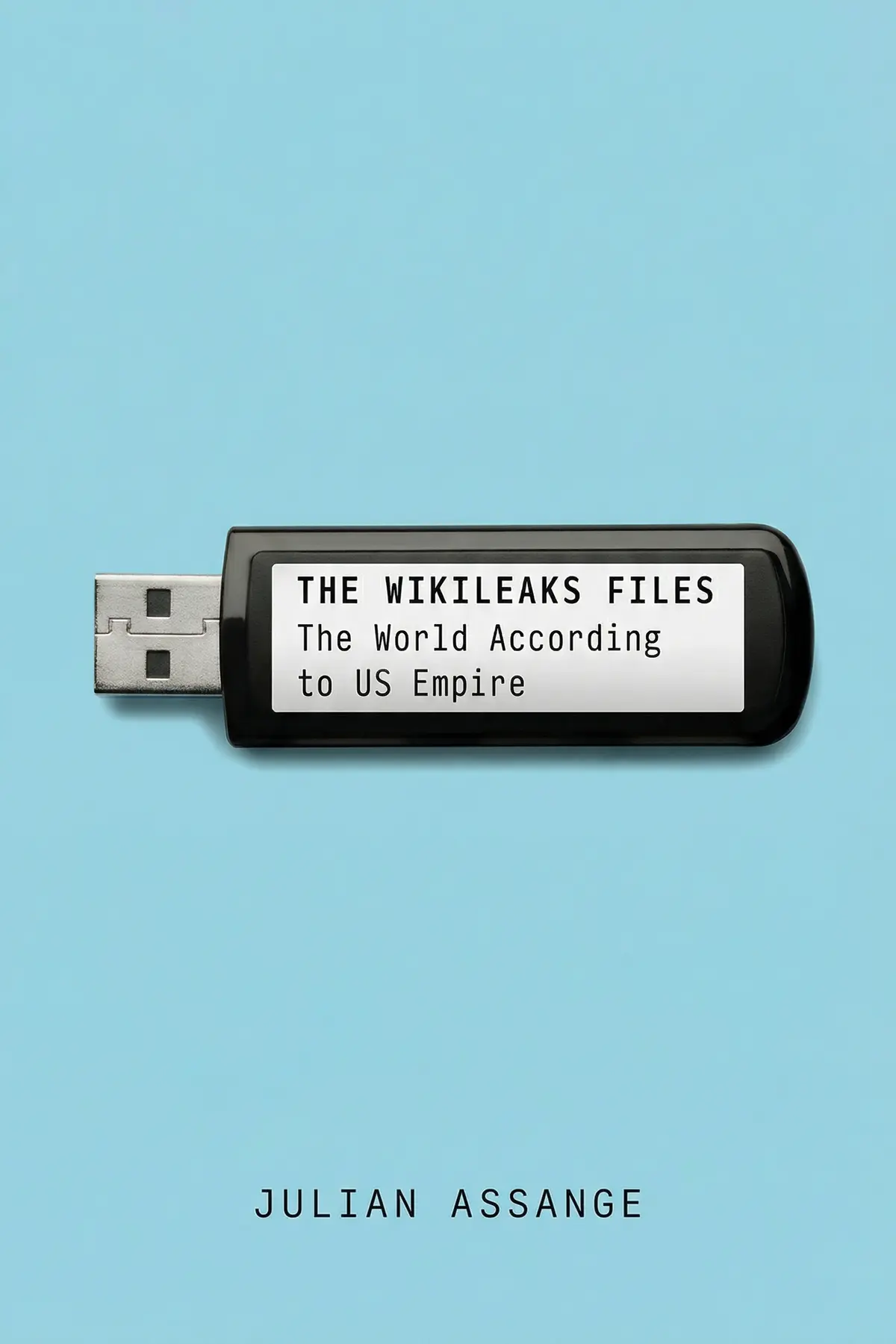
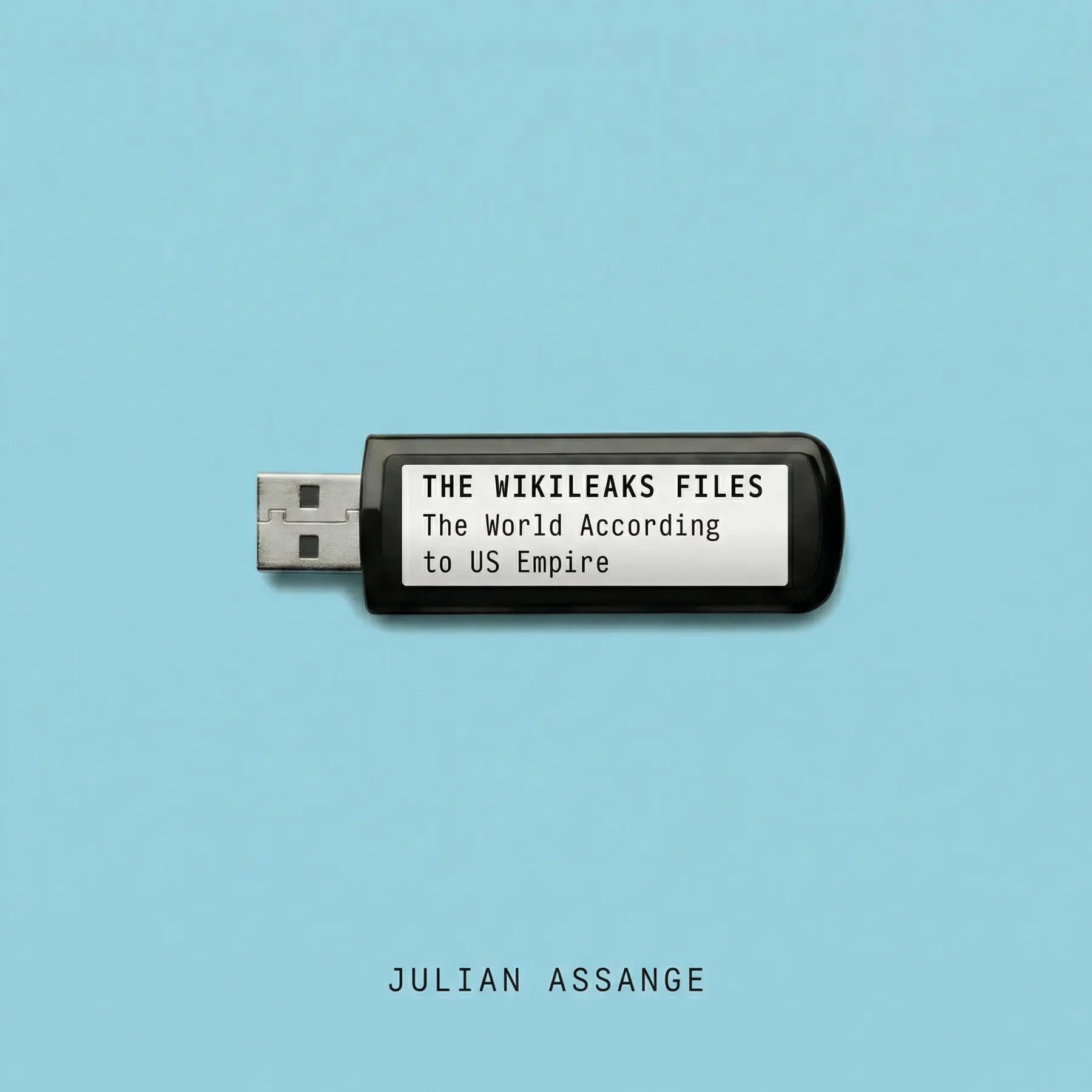
This summary provides a deep dive into the massive cache of classified documents released by WikiLeaks, offering a rare look behind the curtain of the United States' international dealings. It moves beyond the headlines to investigate how a global superpower manages its image versus its actual operations on the ground. Listeners will explore the friction between official government rhetoric and the raw data found in internal communications. The narrative covers the systemic suppression of whistleblowers, the realities of military engagements in the Middle East, and the semantic gymnastics used to justify controversial interrogation techniques. Furthermore, it examines how the U.S. has navigated international law to protect its own interests and how it leverages economic agreements to export its financial model to the rest of the world.
The WikiLeaks Files features an introduction by Julian Assange, an Australian hacker, activist, and the founder and editor-in-chief of WikiLeaks. Since 2006, Assange has led a network of programmers and journalists dedicated to transparency. The book also includes contributions from a diverse group of scholars, journalists, and activists who provide expert analysis on the leaked materials.
Listeners consider the book a crucial read and value its educational depth, with one listener characterizing the text as a meticulously considered academic piece. Opinions are divided among listeners, however, when it comes to the style of the commentary.
This volume serves as a staggering testament to the power of primary source documents. It is a carefully thought-out scholarly work that peels back the layers of global diplomacy. While some might find the sheer density of leaked cables overwhelming, the analysis provided helps contextualize the motivations of the US Empire. This isn't just a collection of secrets; it's a fundamental shift in how we view history as it’s being written. To be fair, you have to be in the right mindset to tackle such a massive amount of data, but the rewards are worth the effort. It feels essential for anyone who values transparency over curated government narratives.
Show moreFinally got around to finishing this massive collection, and it’s truly a one-of-a-kind resource. The regional chapters—especially those covering the workings of US Empire in Syria, Russia, and East Asia—provide a clarity you just won't find in mainstream media. It’s fascinating to see how the inner workings of diplomacy actually function when the cameras are off. Frankly, the level of detail is astounding, though the editing can be a bit dense in parts. This is scientific journalism at its finest, offering a raw look at foreign policy objectives that rarely align with public rhetoric. It’s an eye-opening deep dive that demands your full attention.
Show morePicking this up feels like holding a forbidden textbook on modern geopolitics. The WikiLeaks Files is essential reading for anyone who wants to move beyond the talking points of the 24-hour news cycle. Each section provides a granular look at how the US tries to bring states into its sphere of influence. I found the chapter on Turkey and the Middle East to be particularly insightful given current events. This is a scholarly work that doesn't pull any punches. It proves that regardless of who is in the White House, the underlying machinery of empire remains remarkably consistent. It’s a heavy read, but undeniably important.
Show moreEver wonder what’s actually happening behind the closed doors of the State Department? This book offers an informative, if slightly dry, look into those very corridors. I appreciated how it uses actual diplomatic cables to ground its arguments, making the critique of the military-industrial complex feel much more substantial. Some sections are definitely difficult to read because of the heavy academic tone. It isn't a "fun" read by any means, but it is necessary for anyone trying to understand the reality of international relations. The chapter on Israel and Iran was particularly enlightening, even if I didn't agree with every single conclusion the guest authors reached.
Show moreAfter hearing so much about Assange, I wanted to see the actual material for myself. What I found was a meticulously researched volume that acts as a global sightseeing tour of U.S. foreign policy over the last several decades. The book is incredibly informative, though the commentary style receives mixed reactions from me depending on the author of the specific chapter. I found the section on Latin America and Venezuela to be particularly well-argued. It’s a bit of a shame that the editing is so uneven, as it makes the frameworks between chapters feel inconsistent. Still, the primary documents alone make this a purchase you won't regret if you care about truth.
Show moreGotta say, the sheer volume of information here is enough to make anyone’s head spin. I took a different approach and treated it like a reference book, jumping around using the index. This made the "info dump" much more manageable. The actual cables provide small but vital details about how diplomats really think about their host countries. While the book is loaded with facts, the prose can be quite stiff and academic. It’s a carefully thought-out work, but it lacks the populist energy of other political critiques. If you want the raw truth and have the patience to dig for it, this is the book for you.
Show moreLook, I appreciate the transparency WikiLeaks provides, but reading this was an absolute slog. It feels more like a textbook than a narrative, and the information overload is very real. I was hoping for something more accessible, similar to how Noam Chomsky manages to make complex topics feel punchy and urgent. Instead, the language here is often impartial to the point of being boring. Truth is, unless you are a die-hard policy wonk, you might find your eyes glazing over by the third chapter. It's a valuable reference work for sure, but it lacks the "juicy" quality I was anticipating from such a high-profile leak.
Show moreThe chapter on the ICC was phenomenal, yet I found the overall editing quite inconsistent across the different contributors. Some authors seem to take the assumptions of the global elite as a given, which felt counter-intuitive to the WikiLeaks mission. Personally, I was expecting a more unified voice throughout the book. Instead, it’s a collection of essays that vary wildly in tone and quality. While the cables themselves are fascinating, the surrounding analysis can feel a bit repetitive. It’s definitely not a book you read from cover to cover in one sitting. You’re better off using the exhaustive index to find the topics that interest you most.
Show moreAs someone who follows international news closely, I found the cables insightful but the commentary a bit hit-or-miss. The book attempts to summarize thousands of documents, which is a massive task, but the execution is somewhat flawed. Some chapters are brilliant, like the ones on Afghanistan and East Asia, while others feel like they are just retreading old ground. To be fair, the inclusion of the actual leaked material is what saves it from being just another political manifesto. It’s an important document of our time, but the dry writing style and poor editing make it a bit of a chore to get through.
Show moreNot what I expected at all. I was hoping for a detailed independent account of what's happening around the world, but instead, it felt like a series of far-left essays. It’s a shame because I think WikiLeaks works best when it acts as an unbiased watchdog. This book, however, spends a lot of time whining about how certain "rogue" nations are misunderstood. I wanted more focus on the actual shenanigans and less on the ideological spin of the guest writers. The writing is incredibly dry and academic, making it almost impossible to enjoy. If you aren't already an anti-imperialist, this probably won't change your mind.
Show moreJessica Valenti
Yanis Varoufakis

Yuval Noah Harari
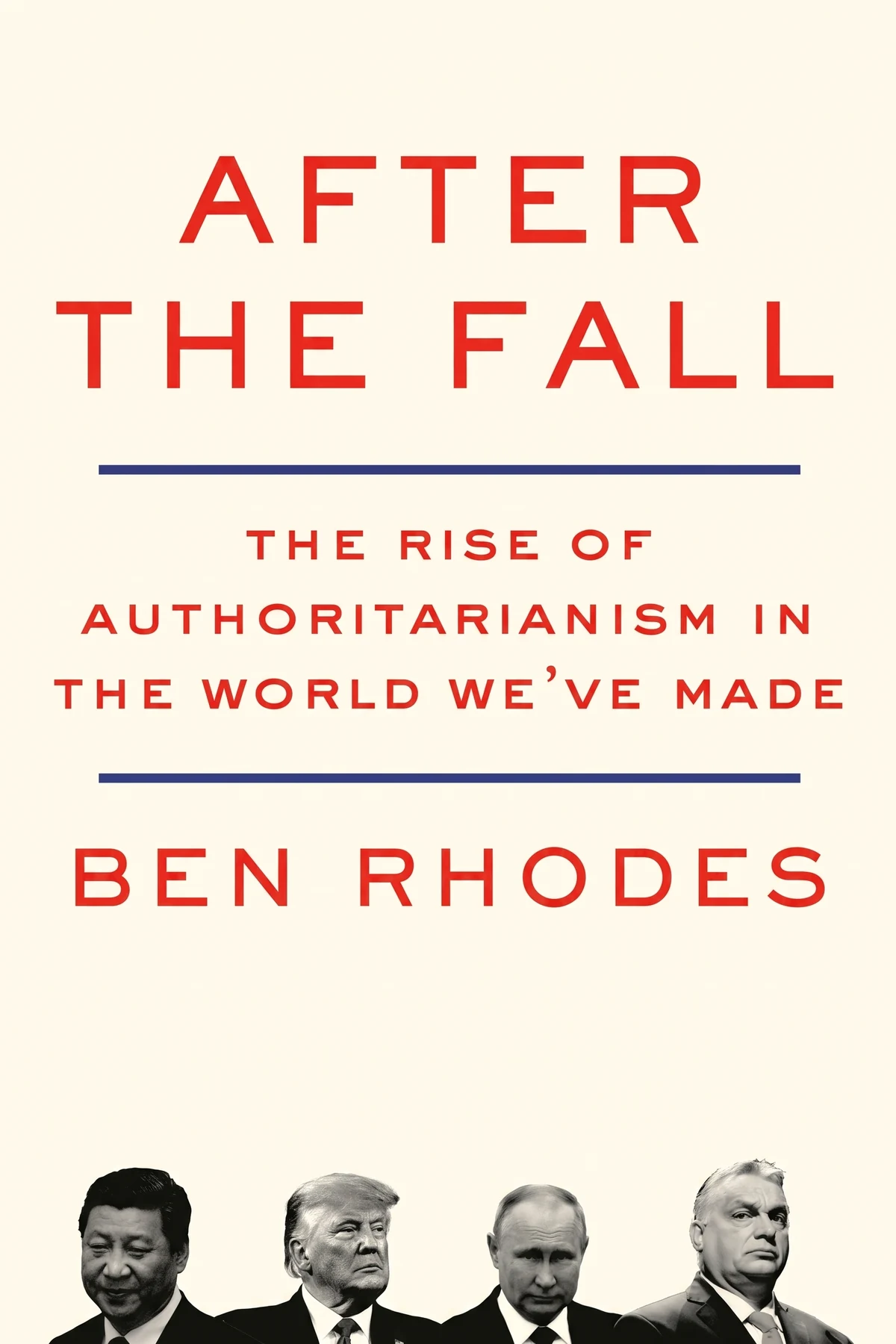
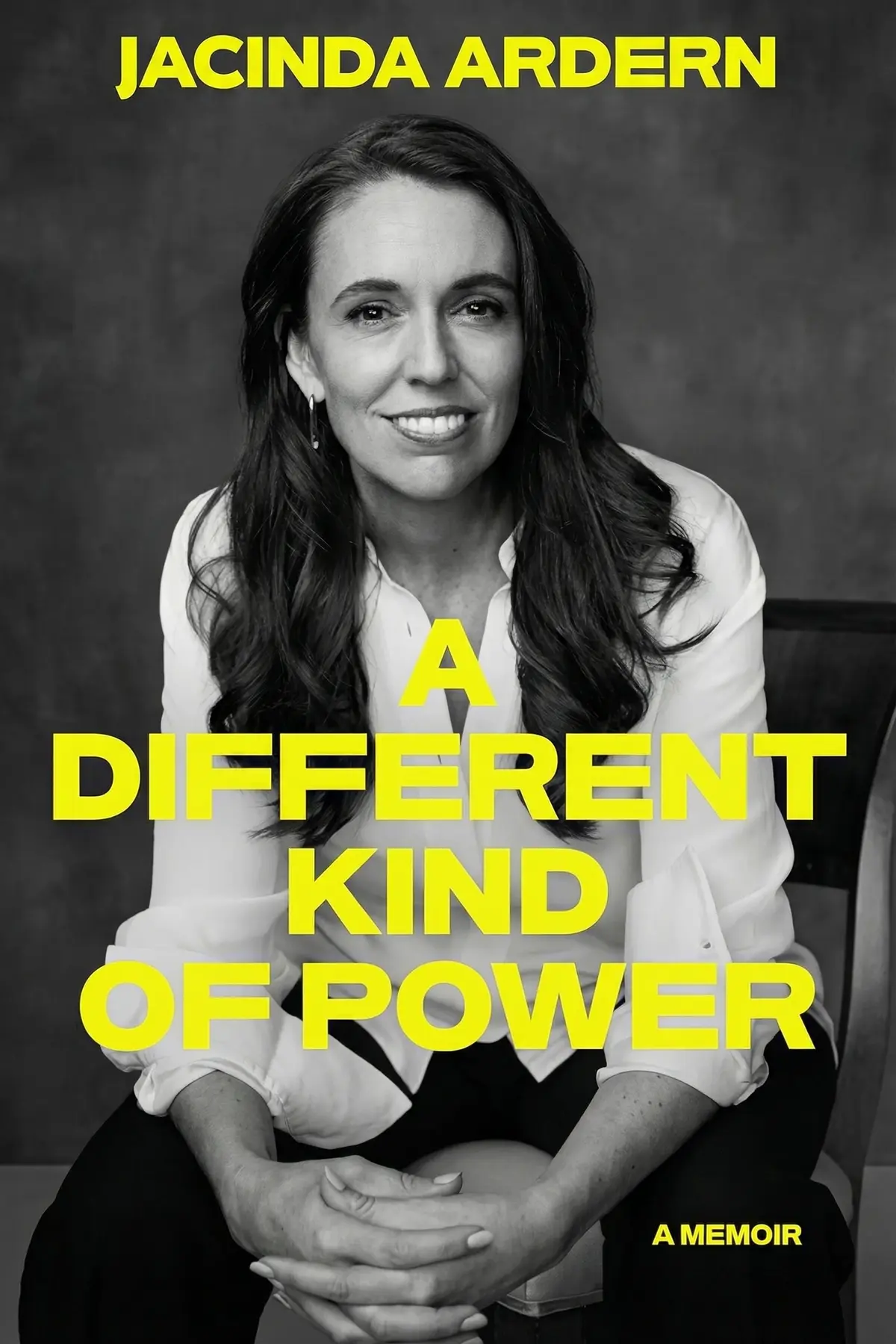
Jacinda Ardern
Pankaj Mishra
James Comey
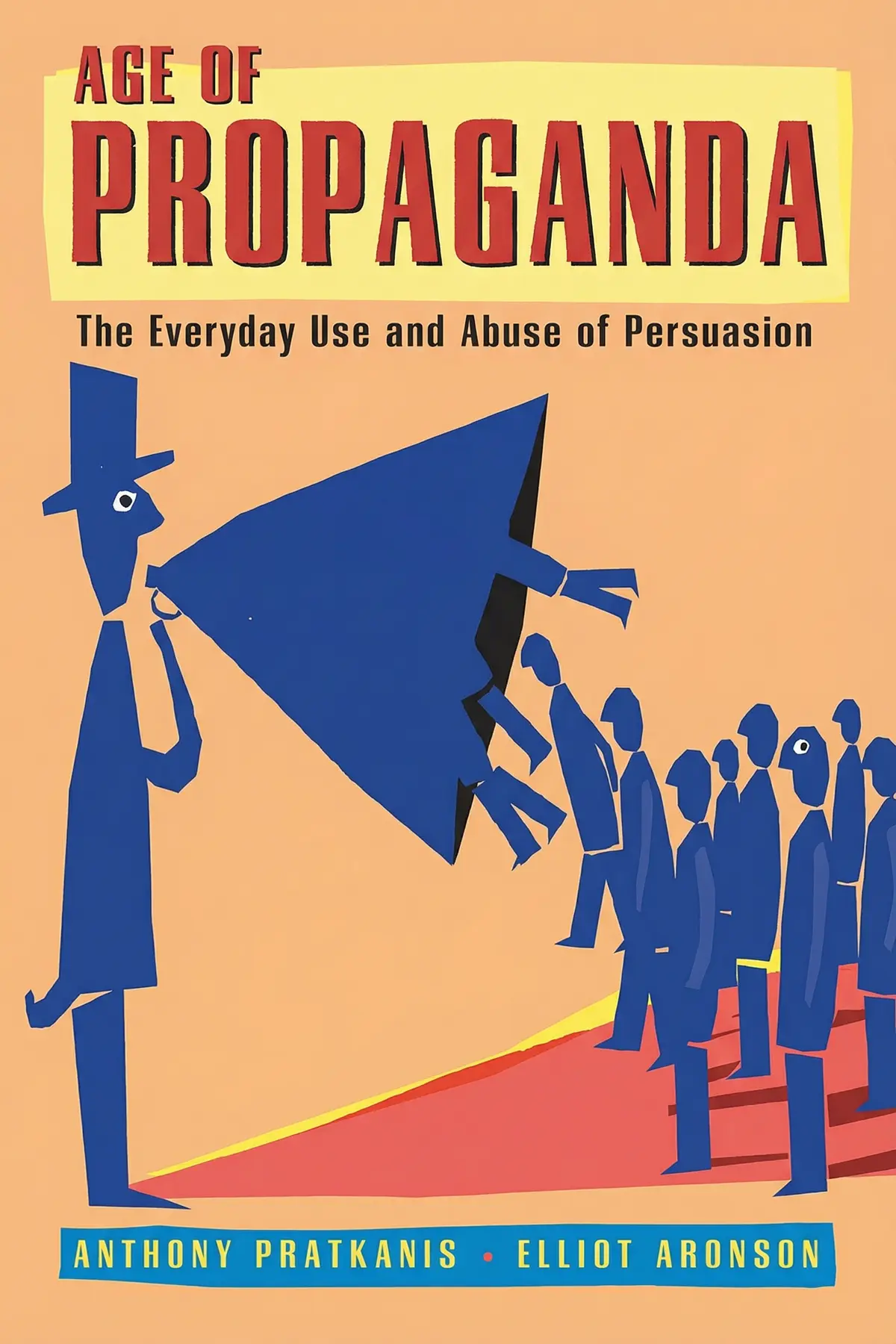
Anthony Pratkanis
AUDIO SUMMARY AVAILABLE
Get the key ideas from The WikiLeaks Files by Julian Assange, plus 5,000+ more titles in English and Thai.







