
14 min 20 sec
The Wisdom of Insecurity: A Message for an Age of Anxiety
By Alan Watts
The Wisdom of Insecurity explores why chasing stability often leads to anxiety. Alan Watts argues that true peace comes from embracing life’s inherent uncertainty and living fully in the present moment.
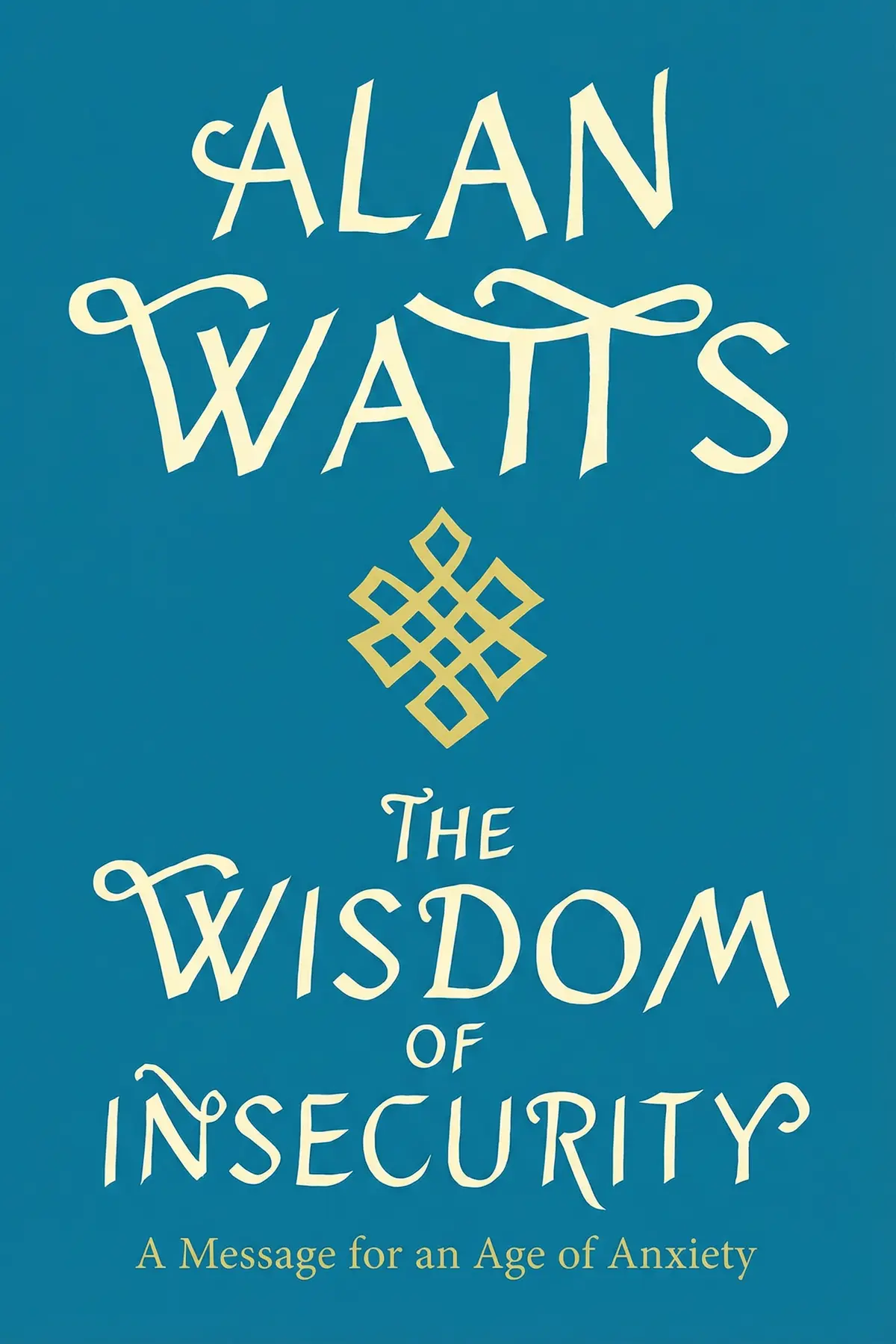
Table of Content
1. Introduction
1 min 28 sec
In an era defined by rapid technological advancement and an almost obsessive focus on the future, many of us find ourselves gripped by a persistent sense of unease. We live in what is often called the ‘Age of Anxiety,’ a time when the very structures that once provided a sense of stability have begun to crumble. This exploration of Alan Watts’s timeless insights invites us to reconsider our relationship with uncertainty. Instead of viewing insecurity as a problem to be solved or a monster to be outrun, we are invited to see it as an inherent and even beautiful part of being alive.
The central throughline of this journey is a radical shift in perspective. Most of us spend our lives building walls against the unknown, hoping that if we just earn enough money, find the right partner, or plan far enough ahead, we will finally be safe. But what if the very act of searching for security is what makes us feel insecure? This isn’t just a philosophical puzzle; it’s a practical challenge to the way we work, love, and think. Throughout these segments, we will look at why modern consumerism fails to fill the spiritual void, how our obsession with ‘tomorrow’ robs us of ‘today,’ and why the mind and body must work in harmony to navigate the complexities of existence. By the end, the goal isn’t to find a way to make life certain, but to learn how to walk with grace through a world that is fundamentally unpredictable.
2. The Void Left by Declining Traditions
2 min 14 sec
Explore how the fading influence of traditional structures has left a modern vacuum that many of us try to fill with temporary and often hollow distractions.
3. The Illusion of Future Fulfillment
2 min 06 sec
Investigate the trap of consumerism and why the habit of living for tomorrow prevents us from ever finding true satisfaction in the present.
4. The Inseparable Nature of Pleasure and Pain
2 min 12 sec
Understand why our attempt to isolate joy from suffering is a futile effort that only increases our overall sense of anxiety and instability.
5. Engaging the Reality of the Present Moment
2 min 20 sec
Discover why overthinking about life often prevents us from actually experiencing it, and learn the value of direct sensory awareness.
6. The Integrated Wisdom of Mind and Body
2 min 24 sec
Uncover the limitations of pure logic and see how trusting the body’s innate intelligence can lead to greater creativity and a balanced life.
7. Conclusion
1 min 36 sec
The journey through the wisdom of insecurity brings us to a singular, transformative realization: the security we spend our lives chasing is an illusion, and that’s actually good news. We have seen how the decline of traditional structures left a void that consumerism tried, and failed, to fill. We have explored how living for the future keeps us on a treadmill of dissatisfaction, and why trying to separate pleasure from pain only leads to more anxiety.
The throughline here is the necessity of presence. By moving our focus from the abstract world of ‘what might be’ to the concrete reality of ‘what is,’ we reclaim our lives. We stop being victims of the unknown and start being participants in the flow of existence. This requires us to trust not just our analytical minds, but the integrated wisdom of our entire being—body and spirit.
As you move back into your daily routine, try to take one small, actionable step: practice a few minutes of quiet awareness each morning. Whether you call it meditation or simply sitting still, use that time to tune out the noise of your worries and tune into the sensations of your body. Notice your breath, the feeling of the air on your skin, and the sounds around you. By practicing this presence, you build the ‘muscle’ of acceptance. You begin to see that even in an uncertain world, you can find a deep, underlying tranquility. You don’t need to fix the future to be happy today; you only need to be here, fully and without reservation, to discover that you have always been enough.
About this book
What is this book about?
This summary explores the paradox of the modern search for security. As traditional structures like religion have faded, we have replaced them with a frantic pursuit of consumerism and future-oriented goals that never quite satisfy. This perpetual state of 'living for tomorrow' creates a deep sense of unease and disconnects us from our actual lives. Alan Watts promises a different path: one where we stop running from pain and start engaging with the reality of right now. The book suggests that the more we try to grasp onto life, the more it slips through our fingers. By understanding the inseparable nature of pleasure and pain and recognizing the connection between our minds and bodies, we can move from a state of constant worry to a state of flow and acceptance. This is not about being passive, but about being truly alive in an unpredictable world.
Book Information
About the Author
Alan Watts
Alan Watts is considered one of the most influential interpreters of Eastern philosophy in the Western world. An advanced student of theology, his enlightening and compassionate writings continue to influence thinkers today. His other books include The Way of Zen and Eastern Wisdom and Modern Life.
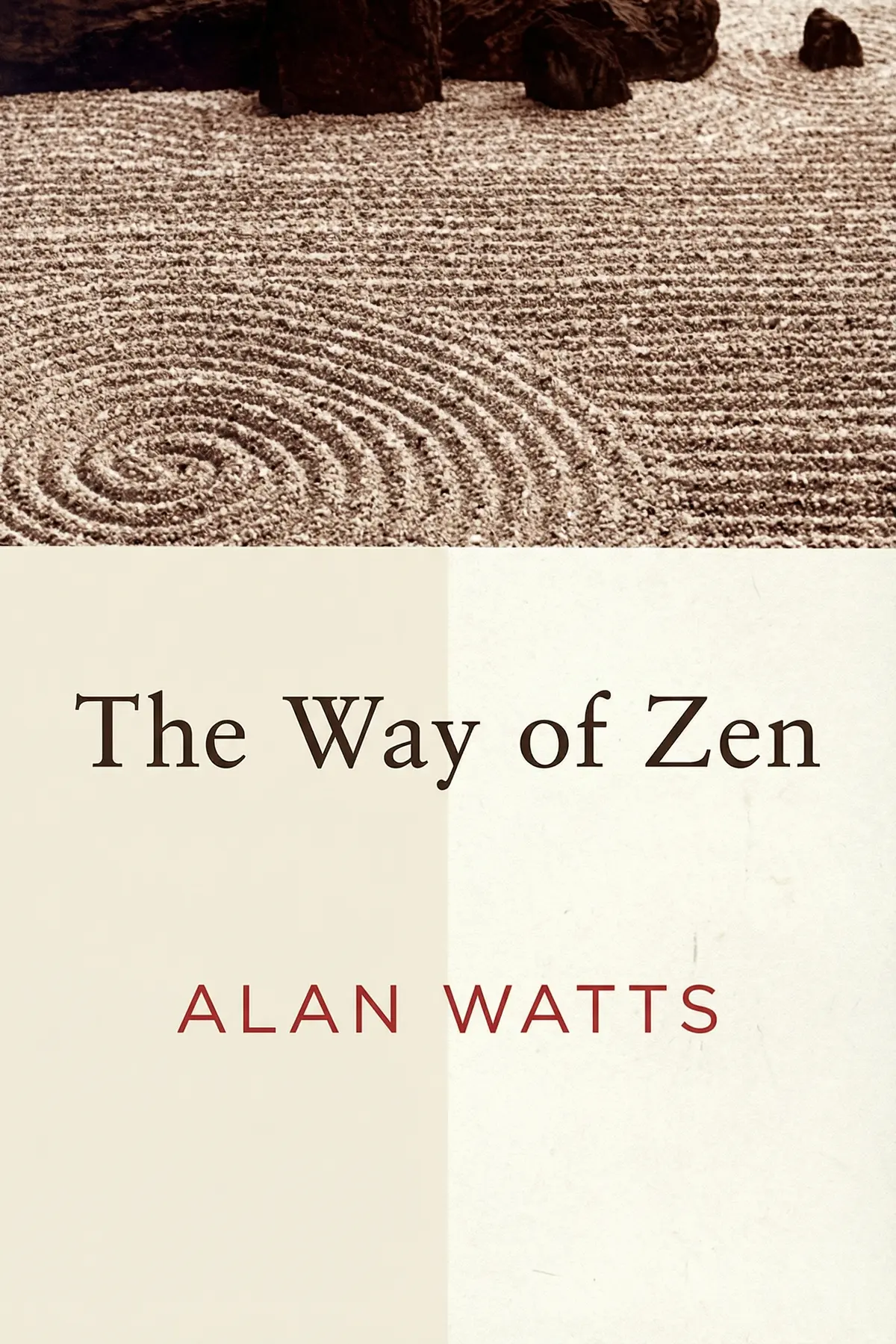
The Way of Zen
Alan Watts
Ratings & Reviews
Ratings at a glance
What people think
Listeners view this as an indispensable guide brimming with Buddhist-influenced perspectives on the struggles of humanity. The author’s coherent and orderly writing style aids in attaining inner peace while encouraging the use of contemplation and meditation. While some listeners enjoy the transparent logic, others find the material abstract in places, and many describe it as a difficult listen.
Top reviews
Landon
Watts presents a compelling paradox that challenges the very foundation of how we approach modern life. By suggesting that our frantic search for security is the primary cause of our anxiety, he forces the reader to confront the futility of controlling the future. Personally, I found the parallels between human consciousness and the simple existence of animals to be the most moving part of the text. His writing is lucid and surprisingly logical for a philosopher often associated with 1960s counter-culture. While the concepts are deeply rooted in Eastern traditions like Vedanta and Zen, the presentation is accessible to a Western, secular mind. It’s a short read, yet every paragraph demands a pause for deep contemplation. If you feel like your brain has developed a tyranny over your body, this book provides the necessary tools for a peaceful coup. Truly a vital read for anyone drowning in the Age of Anxiety.
Show moreJin
Picked this up during a particularly rough patch and it hit home immediately. Unlike many modern self-help books that feel like they’re shouting at you to 'be better,' Watts offers a quiet, devastatingly clear analysis of why we are so unhappy. Truth is, we are all addicted to a future that doesn't exist, and we're missing the only thing we actually have: the now. I love how he compares our 'sophisticated' brains to the innate wisdom of animals who simply exist without the burden of constant worry. The writing is elegant and feels much more modern than its 1951 publication date would suggest. It’s a challenging read not because the words are difficult, but because the ideas require you to let go of your ego. This book sits on my shelf next to Tolle and Robert Wright, and I revisit it whenever I feel myself slipping back into the trap of overthinking.
Show moreSamroeng
Not many books can make you feel both incredibly small and deeply significant at the same time. Watts explores why humans are so dissatisfied, tracing it back to our futile quest for psychological security. In my experience, reading this is like a form of therapy. He argues that we must relinquish control and embrace the uncertainty inherent to life, which is a terrifying but liberating thought. The way he describes the 'tyranny of the brain' over the body perfectly captures the modern struggle with anxiety. Sentence by sentence, the logic is lucid, even if the overall theme is about the limits of logic itself. I particularly enjoyed the sections on how we've lost the 'childish' wonder of the present moment. It's a godsend for anyone feeling lost in their own philosophical pursuits. This is a book I will keep coming back to for the rest of my life.
Show moreGioia
Wow, this little book packs a punch that I wasn't prepared for. I've been feeling pretty shot lately, struggling with my identity and overwhelmed by constant stress, and Watts felt like a voice of reason in the dark. Truth is, I picked it up because I felt insecure, and I ended up learning that insecurity is actually where the wisdom is. The way he explains that we are 'living in the answer' but just don't know it yet gave me a sense of peace I haven't felt in years. It’s a quick read, but the ideas are heavy enough that you can only digest a few pages at a time. I loved the connection between our childhood wonder and the 'innate wisdom' of living in the now. If you're lost in a sea of goals and promises, read this. It’s a beautiful, messy, and profound guide to just being.
Show morePawinee
Ever wonder why we spend so much energy running away from the present moment? Alan Watts argues that our obsession with the future—specifically the fear of pain and death—keeps us from ever actually living. Look, I found some of his metaphors a bit indulgent and very much 'of their time,' especially given the 1950s vibe of the prose. However, the core message about the 'wisdom' found in embracing insecurity is life-changing if you actually let it sink in. He explains how our desire for perfect self-control is actually a vicious circle that leads to constant frustration. I’m a very pragmatic person, so I struggled slightly with the lack of 'action steps,' but the shift in perspective is the real value here. It's less of a manual and more of a mirror. You might not like what you see, but you can't deny the truth of his logic.
Show moreTantipat
As someone who prefers a scientific mind-set, I was surprised by how much the logical structure of this book appealed to me. Watts doesn't just ask you to believe; he shows you the self-contradiction of trying to hold on to life while it moves. Not gonna lie, the lack of real-world references can make the text feel a bit abstract and untidy at times. You have to be in the right headspace to appreciate his 'idleness' and the rejection of goal-oriented living. My favorite takeaway was the idea that we are 'living in the answer' without realizing it because we are too wed to promises of tomorrow. It’s a thin volume, but it’s packed with Buddhist-inspired wisdom that feels more relevant in our hyper-connected world than it probably did 70 years ago. It’s a solid 4 stars for the perspective shift alone, even if it's a bit repetitive.
Show morePrapaiwan
Finally got around to this 'classic' and I can see why it’s still a staple for anyone interested in the human predicament. Watts manages to dismantle the illusion of the 'self' with a style that is both challenging and strangely comforting. Not what I expected at all; I thought it would be more mystical, but it’s actually quite grounded in observations about how our brains function. One minor criticism is that he can be a bit dismissive of the real-world anxieties people face, treating them as mere 'fantasies' of the mind. That said, his points about the pursuit of pleasure being inseparable from pain are fascinating. The book is well-structured for something that claims to value insecurity, leading the reader through a series of 'unlearning' steps. It’s a great introduction to meditation and contemplation without the heavy religious baggage usually attached to those practices.
Show moreElena
After hearing about Watts for years, I expected something far more 'new age' and fluffy, but this is surprisingly sharp. Look, the guy was a product of the 50s, so some of the phrasing feels a bit dated and 'old fogeyish.' However, his core argument—that we are frustrated because we try to be separate from our experiences—is incredibly powerful. He uses the metaphor of a pebble to explain control: you can't throw it if you won't let go of it. This logic is used to explain everything from religion to our fear of death. While some parts feel like a stoner ramble, most of it is a well-crafted attack on our habitual ways of thinking. It’s a challenging read because it asks you to stop 'trying' so hard. If you’re a perfectionist or a chronic worrier, this book might just break your brain in the best way possible.
Show morePensri
The chapter on the 'I am lying' paradox was brilliant, but the rest of the book felt like a bit of a repetitive slog. I’ve been trying to open my horizons, and while I recognize Watts was ahead of his time, his style is just so rambling. To be fair, he creates some beautiful metaphors about the nature of time and the 'hidden' side of our personas. But as a pragmatic reader, I kept waiting for a 'how-to' that never arrived. It’s like he’s describing a beautiful sunset but never tells you how to get to the beach. I think it’s a bit of an 'Idiot’s Guide to Nothingness'—it’s accessible, sure, but lacks the depth of the original Eastern texts he’s drawing from. It was okay, but I don't quite understand the cult-like adoration it receives. If you're already well-read in Zen, you might find this a bit trite.
Show moreFinn
Frankly, this felt like listening to a reasonably intelligent person ramble on while cleaning his navel. I was expecting a thought-provoking exploration of philosophy, but what I got was a series of random ideas presented with almost no evidence or real-world backing. The style is incredibly unorganized, jumping back and forth between metaphors without any clear logical progression. To be fair, some people find beauty in this 'organic' stream of thought, but for me, it just felt like theoretical prattling. Watts has a massive ego that drips off the page, and he seems more interested in his own cleverness than in helping the reader find peace. As short as the book is, it could have been a quarter of the length if he just cut the indulgent flourishes. It’s overrated, unpractical, and ultimately a disappointing experience for anyone who values structured arguments over stoner logic.
Show more
Readers also enjoyed
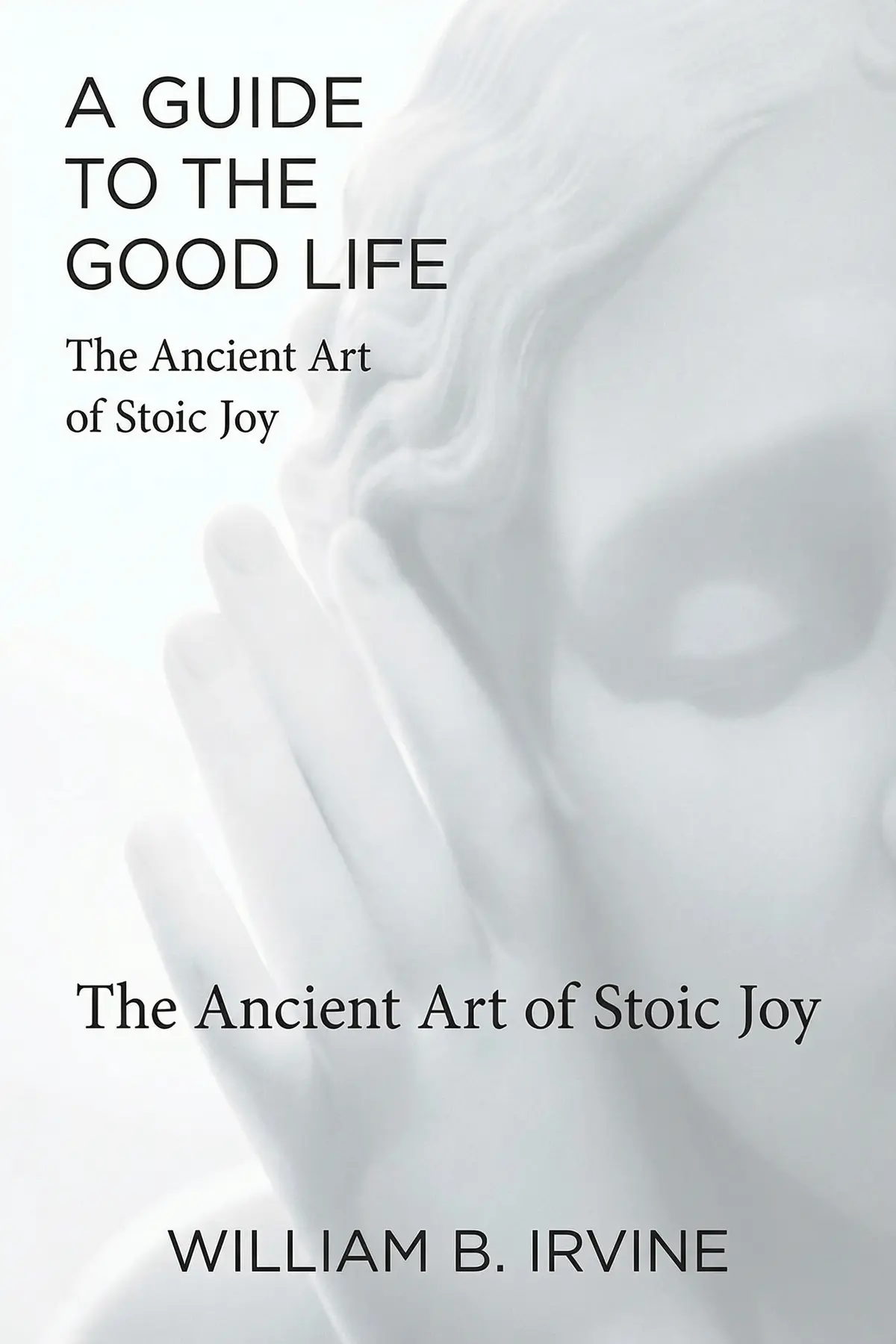
A Guide to the Good Life: The Ancient Art of Stoic Joy
William B. Irvine
A Little History of Philosophy
Nigel Warburton
A Theory of Justice
John Rawls
A New Earth: Awakening to Your Life’s Purpose
Eckhart Tolle
AUDIO SUMMARY AVAILABLE
Listen to The Wisdom of Insecurity in 15 minutes
Get the key ideas from The Wisdom of Insecurity by Alan Watts, plus 5,000+ more titles in English and Thai.
- 5,000+ titles
- Listen as much as you want
- 7-day free trial
- Cancel anytime







