
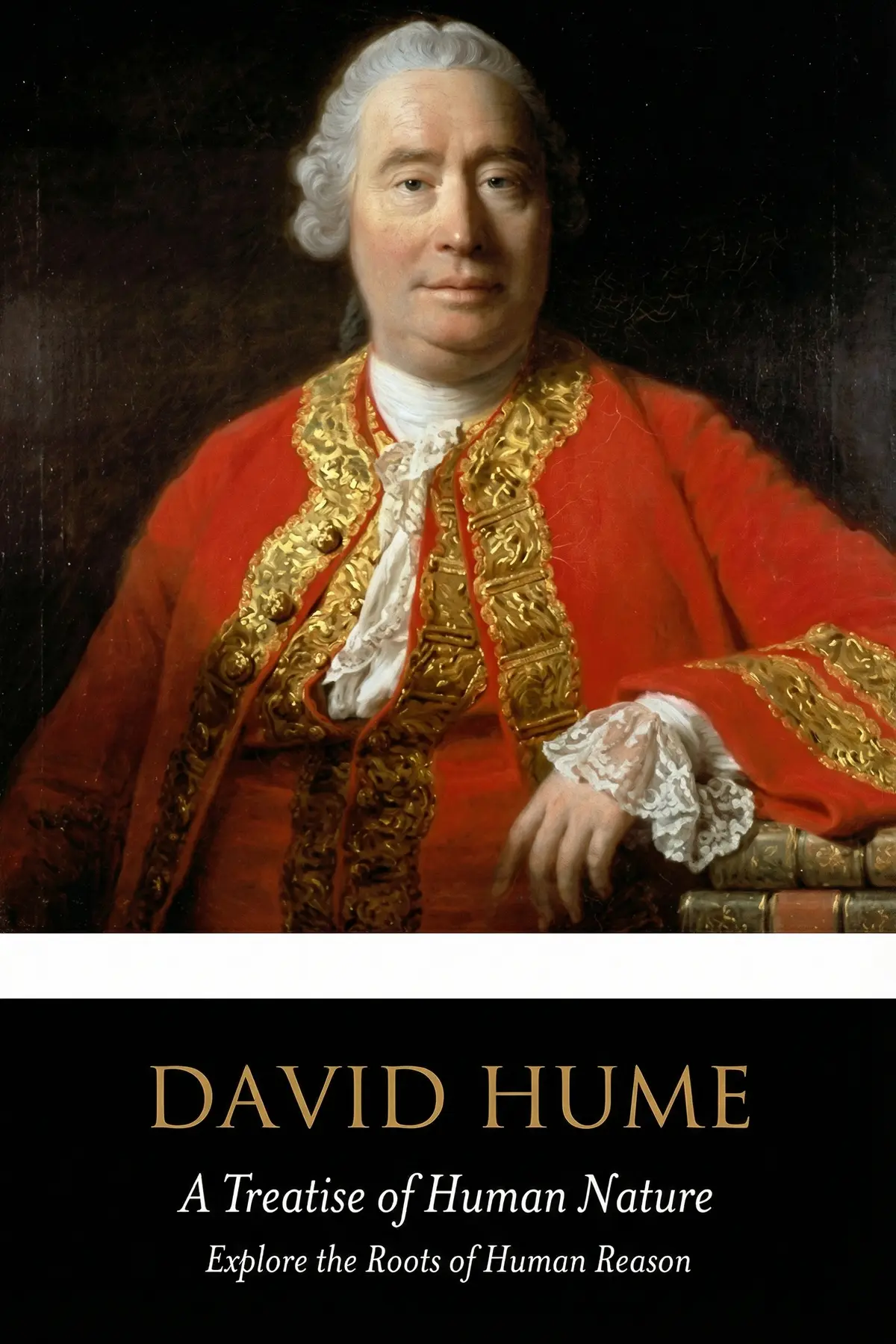
4 min 07 sec
The Work of Art in the Age of Mechanical Reproduction
Walter Benjamin explores how mechanical reproduction, like photography and film, strips art of its unique aura. He examines how this shift transforms art from a ritualistic object into a tool for mass political mobilization.
Table of Content
1. Introduction
48 sec
When we stand before a famous painting in a museum, we often feel a weight of history—a sense that we are in the presence of something irreplaceable. But what happens when that same image is printed on millions of postcards or displayed on every digital screen? In this summary of Walter Benjamin’s influential work, we examine how mechanical reproduction fundamentally shifts our relationship with art. Benjamin suggests that as art moves from being a unique, localized object to something infinitely repeatable, it loses its “aura.” This transformation isn’t just about accessibility; it changes the very soul of the artwork and its function in our lives. As we explore his observations, we will see how the decay of the original transforms art into a medium for mass social change.
2. The Fading of the Aura
54 sec
Discover why a copy never feels quite like the original as we explore the concept of the aura and how reproduction technology strips art of its unique place in time.
3. From Ritual to Political Engagement
52 sec
Learn how the loss of authenticity transforms art from a tool of sacred ritual into a powerful medium for social communication and collective political action.
4. The Intersection of Aesthetics and Power
57 sec
Explore the ways mass media can manipulate the public through spectacle, and why Benjamin believed art should be reclaimed as a powerful weapon for resistance.
5. Conclusion
36 sec
Ultimately, Benjamin reveals that the decay of the aura is a double-edged sword. While it marks the end of art as a sacred, elite experience, it opens the door to a more democratic and politically engaged culture. We must remain alert to how mass media can be used to manipulate us through spectacle, but we can also use these same tools to build a shared consciousness. By understanding this shift, we see that in the modern era, art is no longer just for looking at—it is a tool for living, questioning, and acting together in a rapidly changing world.
About this book
What is this book about?
This seminal text delves into the fundamental transformation of art’s nature during the rise of industrial technology. Walter Benjamin argues that when an artistic work is easily copied through photography or film, it loses what he calls its aura—that singular, mystical presence that stems from an object being in a specific place at a specific time. No longer confined to the private galleries of the elite, art becomes accessible to the masses for the first time in history. The promise of this analysis is a deeper understanding of how technological shifts influence the way we perceive reality and power. It serves as both a warning about how mass media can be manipulated for propaganda and an invitation to see how art can be reclaimed as a revolutionary tool for the public. By examining the shift from ritual to politics, Benjamin offers a framework for navigating a world saturated with images and messages.
Book Information
About the Author
Walter Benjamin
Walter Benjamin was a German philosopher, cultural critic, and essayist associated with the Frankfurt School. He is celebrated for his deep insights into media theory and the intersections of culture and politics. His work remains a cornerstone for scholars in cultural studies, influencing how we view technology's impact on human experience.
Ratings & Reviews
Ratings at a glance
What people think
Listeners consider these essays to be an essential and stimulating resource for grasping how art, technology, and political spheres overlap. They value Benjamin’s groundbreaking idea of the "aura," which examines the way mass reproduction alters the distinctiveness of a piece of art. Furthermore, listeners often point out the text's lasting importance to today's media landscape, with one listener observing that it offers "plenty of meat" for studying cultural and cinematic developments. In addition, they remark that while the book is brief, it provides a deep and enduring critique of conventional perspectives on aesthetic worth.
Top reviews
Ellie
This foundational essay remains remarkably prescient, especially when you consider it was written nearly a century ago. Benjamin’s exploration of the 'aura'—that unique, singular quality of a work of art that vanishes when it becomes infinitely reproducible—is a concept I find myself applying to everything from digital NFTs to TikTok trends. The way he ties the democratization of art through film and photography to the dangerous aestheticizing of politics by fascist regimes is chilling and brilliant. While the prose can be dense and leans heavily into Marxist theory, the core arguments feel incredibly fresh. It’s a short read, yet it provides more intellectual nourishment than books five times its length. Even if you aren't an art historian, the observations on how we consume media in a state of 'distraction' will change how you view your smartphone.
Show moreThanakorn
The concept of the 'aura' is one of those ideas that once you learn it, you see it everywhere. I found Benjamin’s writing to be hauntingly beautiful, particularly his descriptions of the mountain range and the branch casting its shadow. He captures that sense of distance and uniqueness that disappears when we can just pull up a masterpiece on Google Images. Frankly, his warnings about the aestheticization of politics feel more relevant today than they probably did in 1936. The way he analyzes how the masses 'absorb' art in a state of distraction perfectly describes our current relationship with streaming media and social feeds. It’s a tragic masterpiece from a brilliant mind lost too soon. This is a foundational text that challenges you to rethink what 'authenticity' even means in a world where everything is a copy.
Show moreValentina
Finally got around to reading this after seeing that 'Art in the Age' boutique in Philly, and I’m glad I didn't just settle for the name on a storefront. Benjamin offers an incredibly sophisticated look at how technology doesn't just change how we make art, but how we perceive it. The way he contrasts the 'cult value' of ancient icons with the 'exhibition value' of modern photography is brilliant. I loved his take on how the film industry tries to manufacture a 'sham' aura for stars to replace the lost authenticity of the live performance. It’s intellectually nourishing stuff. To be fair, you have to be in the right headspace for his writing, as it moves quickly between art history, theology, and radical politics. But the reward is a completely new lens through which to view our media landscape.
Show moreMax
Wow, what a massive punch for such a small book. I was expecting a dry academic treatise, but Benjamin’s prose is actually quite evocative and filled with striking imagery. His description of the 'angel of history' perfectly captures the tragic, backward-looking nature of his philosophy as he fled from Nazi Germany. The way he breaks down how technology 'pries' the object from its shell to destroy its uniqueness is a masterclass in cultural criticism. I found the section on how film corresponds to the 'shocks' of modern life to be especially enlightening. While some of the Proustian Marxist critiques felt like a reach, the overall impact of the book is undeniable. It’s a foundational text for a reason. For anyone trying to navigate the intersection of art and technology, this provides a necessary map.
Show moreSarocha
Picked this up after hearing about Benjamin's tragic end while fleeing the Nazis, and I was struck by how much life is packed into such a slim volume. The title essay is obviously the star, providing a rigorous critique of how mechanical reproduction strips art of its ritualistic power. Truth be told, I struggled a bit with the later essays on Kafka and Proust included in this edition. The Kafka piece felt deeply spiritual but perhaps a bit conventional in its focus on paternal oppression. However, the 'aura' concept is worth the price of admission alone. It’s fascinating to see him grapple with film as an art form that alienates the actor while simultaneously being a tool for mass mobilization. A few sections felt dated, but the overall framework for understanding technology's impact on culture is essential.
Show moreSook
As someone who studied film theory in college, returning to this text was a revelation. Benjamin’s insights into the 'shattered' nature of film acting—the way the camera replaces the audience—is still one of the best explanations for why movie stars feel so different from stage actors. The truth is, his work bridges the gap between high art and mass culture in a way few others have managed. I particularly enjoyed the section on how architecture is received in a state of 'distraction,' as it perfectly mirrors how we interact with the digital world today. My only real gripe is that the translation can be a bit stiff at times, making some of the more nuanced Marxist points harder to grasp than they probably need to be. Still, it’s a meatier read than most modern books.
Show moreBond
This book is a dense little powerhouse. Walter Benjamin managed to predict the trajectory of modern culture with terrifying accuracy back in the thirties. The core idea that mass reproduction 'democratizes' art while simultaneously stripping it of its sacred uniqueness is the fundamental tension of our time. Personally, I found the essay on Kafka to be a nice change of pace, showing a more spiritual side of his thinking that contrasts with the hard-edged Marxist analysis of the title track. The writing can be difficult, and he definitely has a tendency to go off the deep end with some of his political conclusions, but the 'aura' concept is indispensable. It’s the kind of book you keep on your shelf and revisit every few years, finding something new each time. A bit dry, but a heavyweight.
Show morePat
After hearing so much about the 'aura,' I had to see the source for myself. Benjamin’s writing is surprisingly infectious when he’s talking about his love for Proust or the shock of big-city traffic. I’ll admit, the Marxist jargon can be a bit thick, but his underlying point about art becoming a political tool rather than a religious ritual is profound. Not gonna lie, I disagreed with his take on film actors being 'alienated'—I think the medium just creates a different kind of intimacy. However, his analysis of Fascism turning politics into a grand aesthetic spectacle is chillingly relevant to the age of the 24-hour news cycle. It’s a slim volume that demands your full attention, but it pays off in spades. If you want to understand why we value 'the original,' start here.
Show moreFang
Ever wonder if we've lost something essential in our era of infinite digital copies? Benjamin certainly thought so, and his theory of the 'withering' aura is definitely compelling. Look, I appreciate the historical significance of this work, and his insights into how film changes the viewer's perception are top-notch. But I've gotta say, some of the Marxist connections felt a bit forced, particularly when he tries to turn Proust into a revolutionary critique of the bourgeoisie. It’s a dense read for such a small book, and I found myself re-reading paragraphs multiple times just to parse the jargon. It’s an important text, no doubt, but it's not exactly a 'pleasant' afternoon read, though the intellectual payoff is there if you’re willing to put in the work.
Show moreRin
Not what I expected at all. While I recognize Benjamin is a legendary critic, this collection felt fragmented and unnecessarily dense. The main essay has some interesting points about photography, but the argument that film has no 'aura' seems totally wrong to me. In my experience, great cinema has a very specific presence that a stage play can't replicate. Also, the inclusion of the Kafka and Proust essays felt like padding. The Proust piece in particular was a slog, making wild claims about snobbishness being a Marxist critique of market prices—it just felt like a stretch. Maybe I’m just not the target audience for 1930s Frankfurt School philosophy, but I found the writing style to be pretentious and the logic often circular. It’s a very slim book that took me forever to finish.
Show moreReaders also enjoyed
A Guide to the Good Life: The Ancient Art of Stoic Joy
William B. Irvine
A Little History of Philosophy
Nigel Warburton
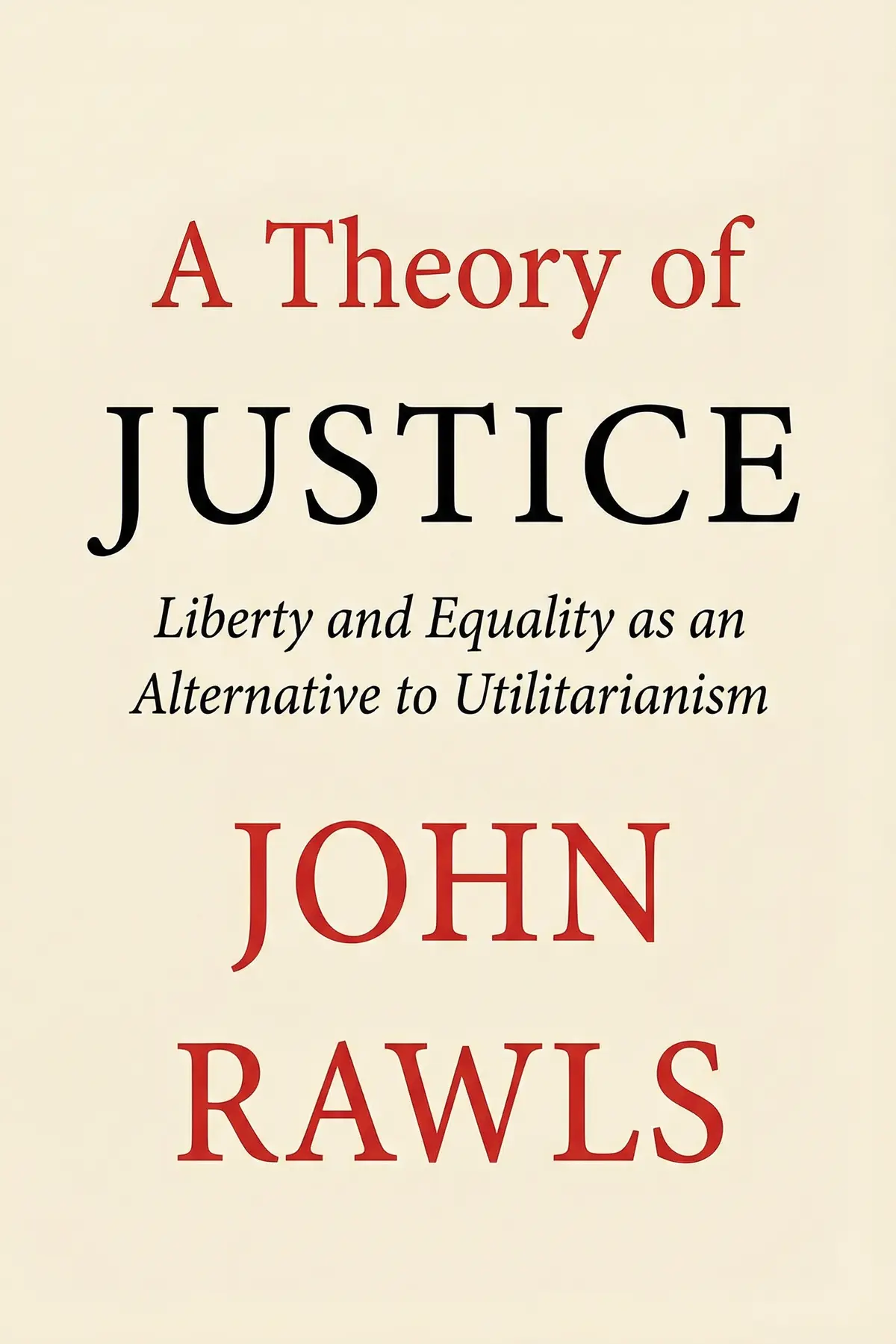
A Theory of Justice
John Rawls
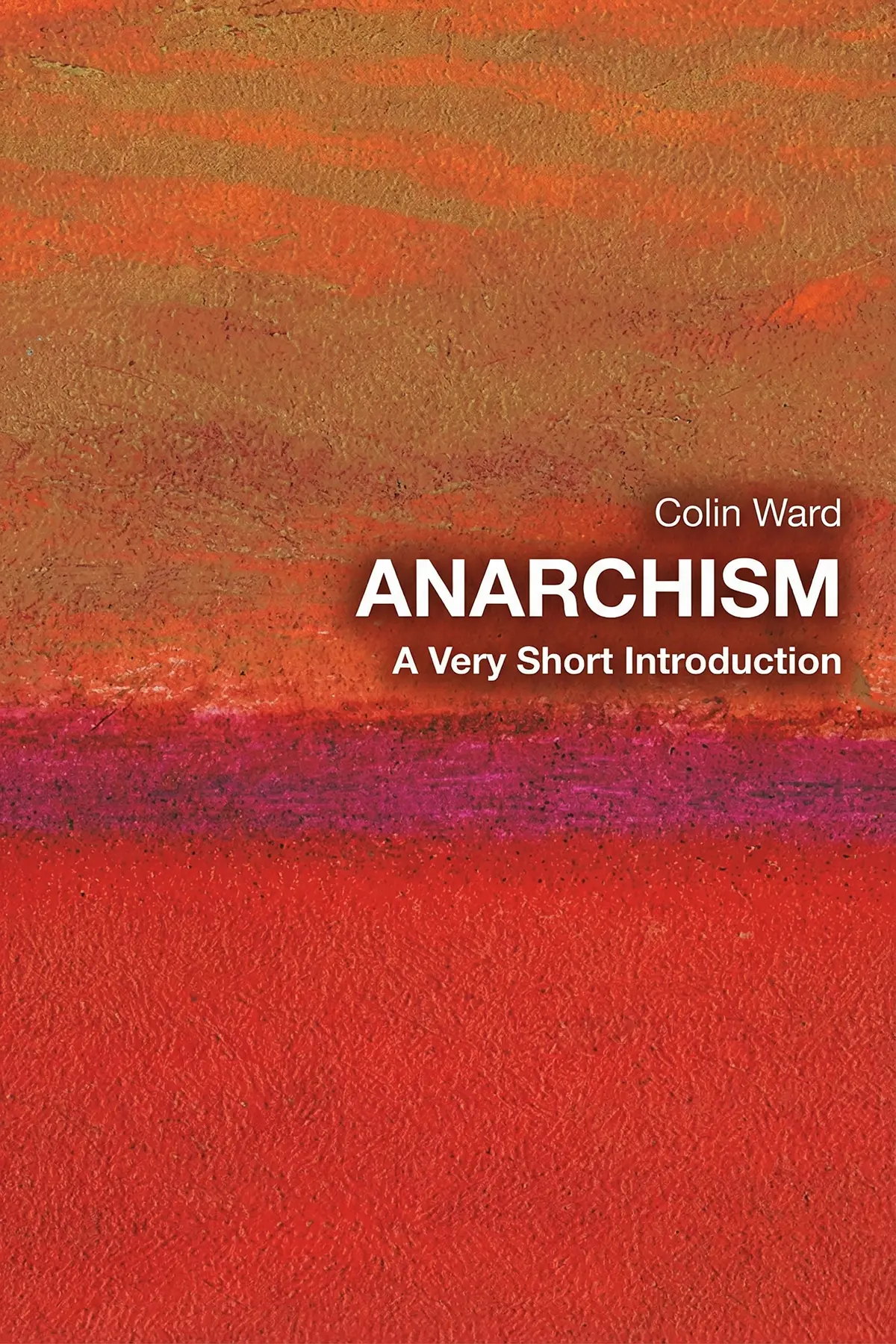
Anarchism: A Very Short Introduction
Colin Ward
AUDIO SUMMARY AVAILABLE
Listen to The Work of Art in the Age of Mechanical Reproduction in 15 minutes
Get the key ideas from The Work of Art in the Age of Mechanical Reproduction by Walter Benjamin, plus 5,000+ more titles in English and Thai.
- 5,000+ titles
- Listen as much as you want
- 7-day free trial
- Cancel anytime







