

22 min 39 sec
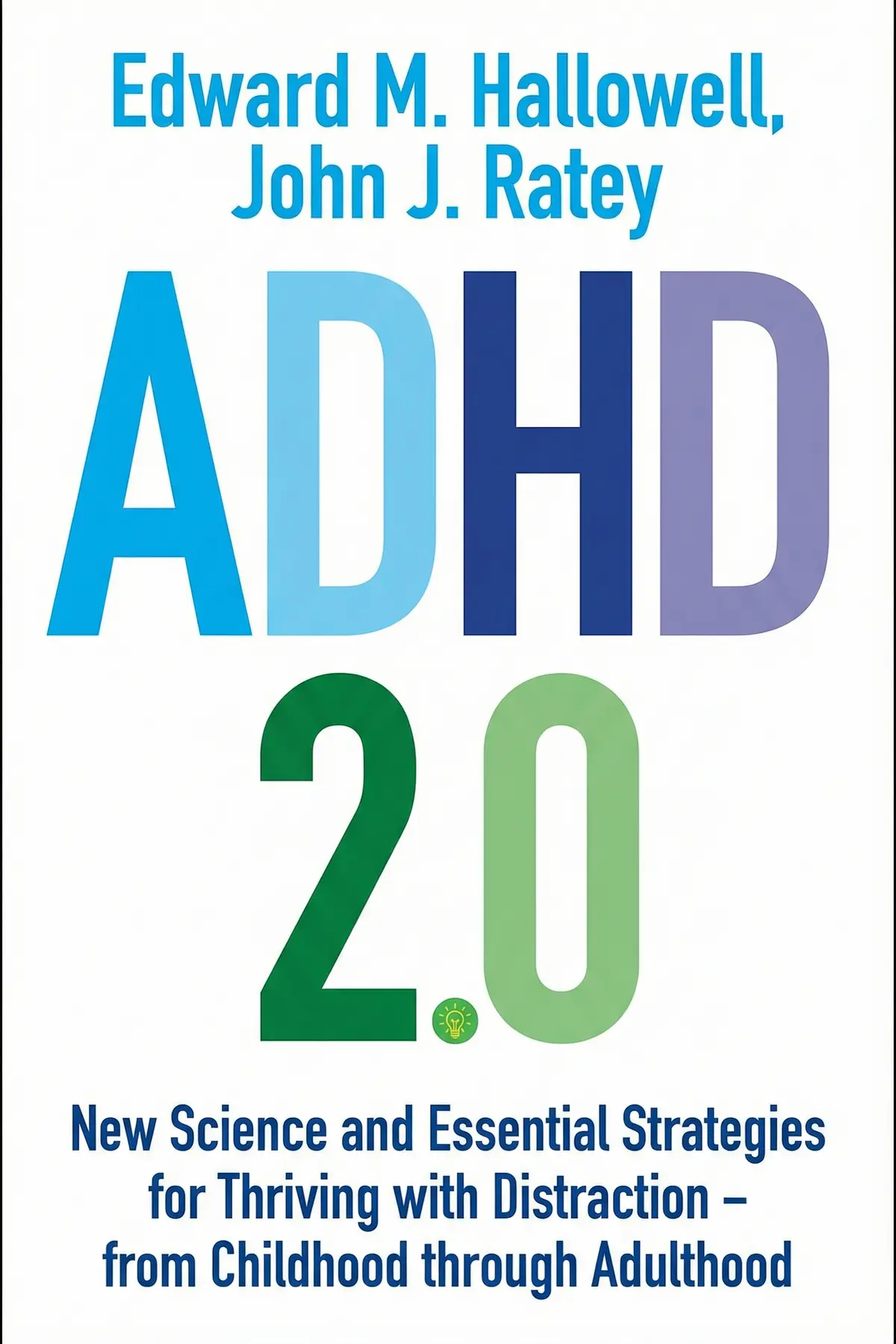
Toxic Positivity: Keeping It Real in a World Obsessed with Being Happy
Toxic Positivity challenges the societal pressure to maintain a cheerful outlook at all times. It explores how forced optimism dismisses authentic suffering and provides a healthier framework for navigating complex, difficult emotions.
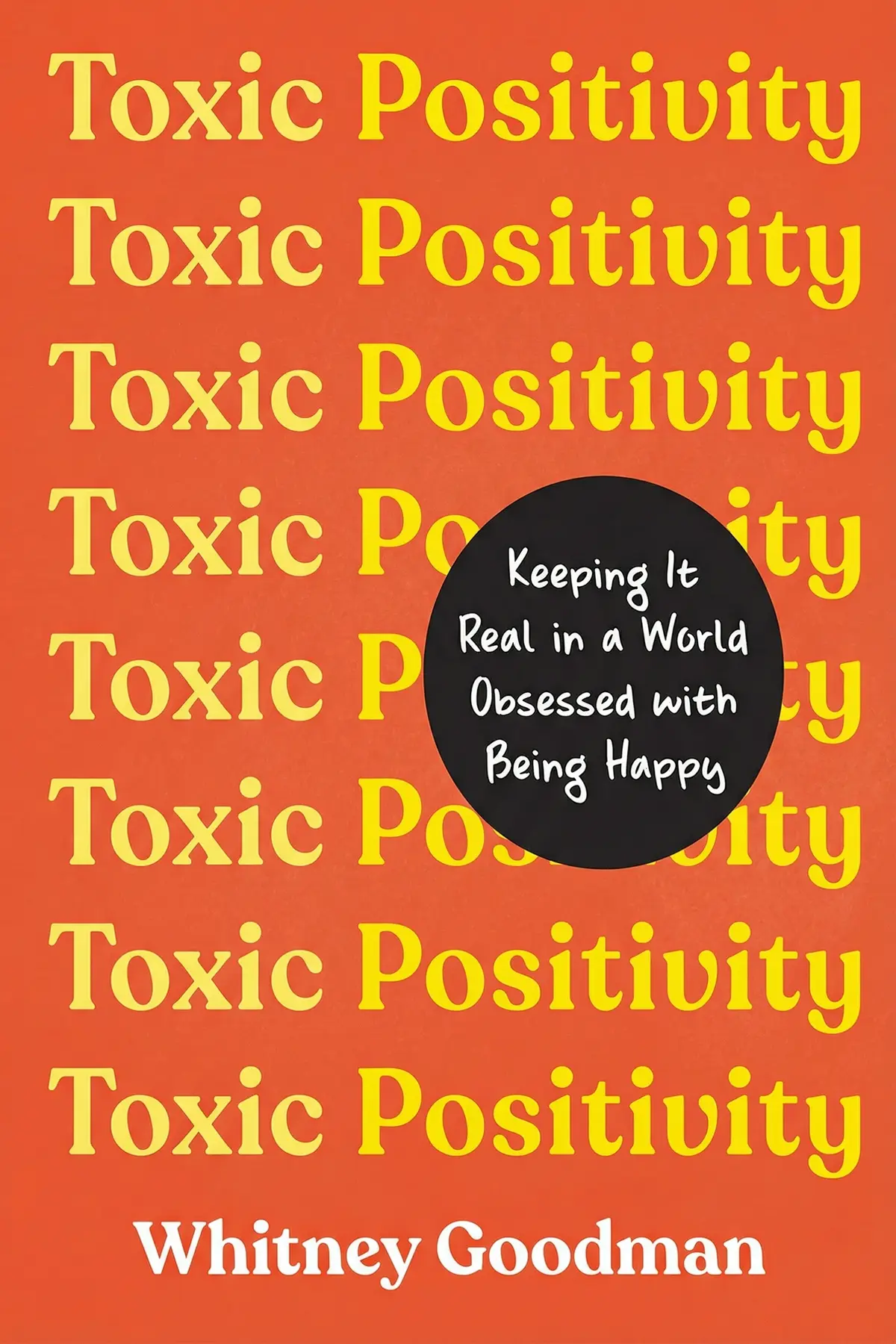
Table of Content
1. Introduction
1 min 48 sec
We live in a culture that is obsessed with the idea of happiness. From the slogans on our coffee mugs to the advice we receive from friends, the message is constant and clear: think positive, stay upbeat, and focus on the good. But what happens when life takes a turn for the worse? What happens when you lose a job, face a health crisis, or experience the death of a loved one? In these moments, the command to just be positive doesn’t just feel impossible—it can actually be deeply damaging.
This is the core problem explored in Whitney Goodman’s work. She identifies a trend called toxic positivity, a phenomenon where we use optimism to silence, dismiss, or ignore the very real pain that people go through. It is a form of emotional gaslighting that suggests if you aren’t happy, you simply aren’t trying hard enough. The irony, as we will see, is that the more we chase this idealized state of constant positivity, the more exhausted and disconnected we become.
In the pages that follow, we are going to unpack the reality behind this cultural obsession. We will look at how this mindset took root in the American consciousness, why it creates a cycle of shame for those who are struggling, and how it even reinforces systemic inequalities. Most importantly, we will explore an alternative: a way of living that honors the full human experience, including the difficult and painful parts. Through the lens of a therapist’s experience, we will learn that the true path to well-being isn’t about ignoring the dark—it’s about learning how to sit with it. This journey isn’t just about understanding a concept; it’s about learning a new way to support ourselves and the people we care about by being real instead of being perfect.
2. The Hidden Harm in Well-Meaning Advice
2 min 17 sec
Discover why common phrases meant to comfort us often do the exact opposite, creating a barrier between friends and isolating the person who is suffering.
3. Validation Over Platitudes in Times of Crisis
2 min 41 sec
Learn from the powerful story of a grieving family why empty encouragement fails during tragedy and what authentic support actually looks like.
4. The Cultural and Historical Roots of Optimism
2 min 48 sec
Trace the fascinating evolution of the American obsession with positivity, from its nineteenth-century beginnings to the modern success industry.
5. The Exhausting Cycle of the Happiness Chase
2 min 39 sec
Explore the psychological toll of trying to be happy all the time, including the burnout and the damaging shame spirals that follow.
6. A Blueprint for Genuine Connection
2 min 37 sec
Discover the four essential ingredients for supporting others that go beyond simple advice and build lasting, authentic relationships.
7. Feeling the Full Cycle of Emotion
2 min 47 sec
Understand why the only way out of a difficult feeling is through it, and how to practice the skill of radical acceptance.
8. The Social and Political Implications of Forced Harmony
2 min 49 sec
Uncover the darker side of positivity culture and how it is used to silence marginalized voices and maintain unfair societal structures.
9. Conclusion
2 min 13 sec
As we come to the end of this exploration, it’s clear that the message of Whitney Goodman’s work isn’t that positivity is bad, but that forced positivity is a trap. We’ve seen how the pressure to be constantly upbeat can lead to emotional exhaustion, a cycle of shame, and the isolation of those who are suffering. We’ve traced the history of this mindset and seen how it has been used to maintain social inequalities. But we’ve also found a path forward.
The alternative to toxic positivity is a life built on authenticity, validation, and radical acceptance. It’s a life where we allow ourselves to feel the full range of human emotions and where we offer others the same grace. We’ve learned that being a supportive friend means being curious and validating, rather than being a fountain of clichés. We’ve learned that our own well-being is better served by following our values than by chasing an elusive and permanent state of happiness.
As a final piece of actionable advice, consider how you use positive affirmations. Many of us have been told to repeat phrases like I love my body or I am successful until we believe them. But Goodman points out that these only work if they feel achievable or true to you. If you are struggling with your body image, forcing yourself to say you love it can actually create more internal conflict. Instead, try moving toward a more neutral and honest affirmation. You might say, I am learning to accept my body, or My body allows me to move through the world. These phrases are grounded in reality and don’t require you to lie to yourself.
Ultimately, the goal is to stop being afraid of the difficult parts of being human. Life is often hard, messy, and unfair. But when we stop trying to hide that fact behind a mask of positivity, we find something much more valuable: true connection and the freedom to be our real selves. So, the next time you feel the pressure to look on the bright side, remember that it’s okay to stay in the dark for a while. That’s often where the most important growth happens.
About this book
What is this book about?
Have you ever been told to just look on the bright side when you were dealing with a genuine crisis? This book examines the phenomenon of toxic positivity, which is the cultural insistence that we must maintain a positive mindset regardless of our circumstances. While well-intentioned, this pressure often leads to emotional suppression, shame, and a sense of isolation. Whitney Goodman argues that the pursuit of happiness has become a multibillion-dollar industry that actually makes us more miserable. By exploring the historical roots of positive thinking and its impact on mental health and social justice, the book provides a roadmap for authentic living. You will discover how to validate your own feelings and those of others, how to practice radical acceptance, and how to move toward a life guided by personal values rather than the unreachable goal of constant happiness. It’s a call to reclaim our right to feel the full spectrum of human emotion, including the messy and difficult parts.
Book Information
About the Author
Whitney Goodman
Whitney Goodman is a licensed psychotherapist who operates a private therapy practice located in Miami. She is widely recognized for her influential social media presence, where her Instagram account, known as @sitwithwhit, has reached a following of nearly half a million people. Toxic Positivity represents her debut as an author, bringing her professional insights into the mainstream conversation about mental health and emotional well-being.
Ratings & Reviews
Ratings at a glance
What people think
Listeners find this book helpful, with one noting it directs readers toward practical strategies and solutions. The content is well-received, as one listener points out how expertly the research is integrated into the self-help framework. They appreciate the emotional perspective, with one individual mentioning that it validates feeling hurt, sad, or angry. However, the book’s readability and overall value receive mixed reviews.
Top reviews
Supaporn
Finally, a self-help book that doesn't feel like a lecture on how to be a ray of sunshine 24/7. As a parent of a child with a chronic condition, I am so tired of being told that 'everything happens for a reason.' Goodman weaves expert research into a format that feels deeply empathetic and human. She doesn't just focus on the individual; she looks at systemic issues and social justice, which is so rare in this genre. It’s okay to feel hurt or angry when things are actually bad. This book is a vital tool for anyone living in the real world.
Show moreSue
The chapter on how we support others during grief was a massive wake-up call for my own communication style. I realized I’ve been guilty of offering unsolicited advice when what people really needed was validation. Goodman’s tone is firm but encouraging, and she provides excellent alternatives to standard platitudes. Some parts felt a little repetitive, especially if you already follow her on social media, but the case studies add needed depth. It’s a solid guide for navigating those hard conversations where you usually don't know what to say. Definitely a book I'll keep on my shelf for reference.
Show moreVera
Wow, I didn't realize how much I was suppressing my own valid anger until Goodman broke down the 'happiness is a choice' myth. This book gave me permission to be a human being with a full range of emotions. The writing is clear and the emotional approach is handled with so much grace and expertise. It’s not just about being negative; it’s about being honest with ourselves and others. I found the sections on chronic illness particularly moving and well-researched. It’s a rare self-help book that actually feels like it’s on your side. Highly recommended for everyone.
Show moreSuthee
Whitney Goodman manages to articulate something I've felt for years but couldn't quite name. The way she breaks down how 'good vibes only' culture actually feeds into anxiety is brilliant. I loved the clinical anecdotes from her practice, though I did find some of the dialogue examples a bit stiff. Truth is, we all need to learn how to sit with the dark emotions instead of rushing to fix them. It’s a relief to hear a therapist say that happiness isn't always a choice. I’ll be recommending this to my more 'optimistic' friends who struggle with empathy.
Show moreScarlett
If you've ever been told to 'just think positive' while your life was falling apart, this is your manifesto. Goodman provides such a refreshing perspective on the validity of negative emotions like anger and sadness. The book is very readable and offers practical strategies for how to actually support someone in pain. I appreciated her honesty about how hard it is to get this right. We are so conditioned to fix things that we forget how to just listen. It’s a great value for anyone looking to improve their emotional intelligence and stop the fake smiling.
Show moreYuki
To be fair, I went into this expecting a lot of 'woo-woo' psychology, but was pleasantly surprised by the practical approach. Goodman is a realist, and she speaks to those of us who find the 'manifesting' trend a bit exhausting. The book offers a clear path toward understanding how our culture punishes those who aren't constantly cheerful. I loved the focus on solutions and strategies rather than just complaining about the problem. My only gripe is that it feels a bit long for the amount of new information provided. Overall, it’s a very grounding and necessary read.
Show moreZanya
Picked this up because the Instagram hype was unavoidable, but I left feeling a bit underwhelmed by the middle section. The first few chapters are gold, but then it starts feeling quite repetitive. I also noticed she used the word 'complained' frequently when referring to her patients, which felt oddly judgmental for a book about validation. Some of the 'toxic' phrases she lists didn't feel that toxic to me personally; it really depends on the relationship. While the core message is great, it could have been edited down significantly. It’s a decent read but felt a bit surface-level at times.
Show moreViroj
Is it helpful? Yes. Is it groundbreaking? Maybe not if you already follow the author on social media or read similar psychology blogs. The content is definitely important, and the research is expertly woven into the self-help format, but the writing gets very circular. I think I got the main point within the first fifty pages. To be fair, the section on 'inspiration porn' was excellent and very eye-opening for me. It’s a good book for a specific audience, but it might feel like common sense to some. Still worth a read for the validation.
Show moreJonathan
After hearing so many people rave about this, I expected more than just a list of what not to say. My biggest issue is that some of the 'appropriate' responses she suggests sound like total cop-outs. Communication is a two-way street, and the book puts all the burden on the speaker to guess exactly what the receiver wants. It would have been more helpful to see advice on how to explain your intentions so things aren't misconstrued. It felt like the author was checking off boxes for social media trends rather than providing deep psychological insights. It's okay, but wait for the paperback version.
Show moreSukit
Look, the intention behind this book is clearly good, but the logical foundation felt shaky to me. The author seems to label any positivity that doesn't land perfectly as 'toxic,' which feels like an oversimplification. Is positivity the poison, or is it just poor timing and a lack of listening skills? I felt like 'toxic positivity' is just a catchy hashtag for social media rather than a rigorous psychological concept. It's ironic because the book warns against labels, yet it uses one to shut down complex conversations. I'd recommend Brené Brown if you want a deeper dive into these themes.
Show moreFeatured in
Readers also enjoyed
ADHD an A-Z: Figuring It Out Step by Step
Leanne Maskell
Alcoholics Anonymous
Alcoholics Anonymous World Services
A Liberated Mind: How to Pivot Toward What Matters
Steven C. Hayes
AUDIO SUMMARY AVAILABLE
Listen to Toxic Positivity in 15 minutes
Get the key ideas from Toxic Positivity by Whitney Goodman, plus 5,000+ more titles in English and Thai.
- 5,000+ titles
- Listen as much as you want
- 7-day free trial
- Cancel anytime







