
16 min 59 sec
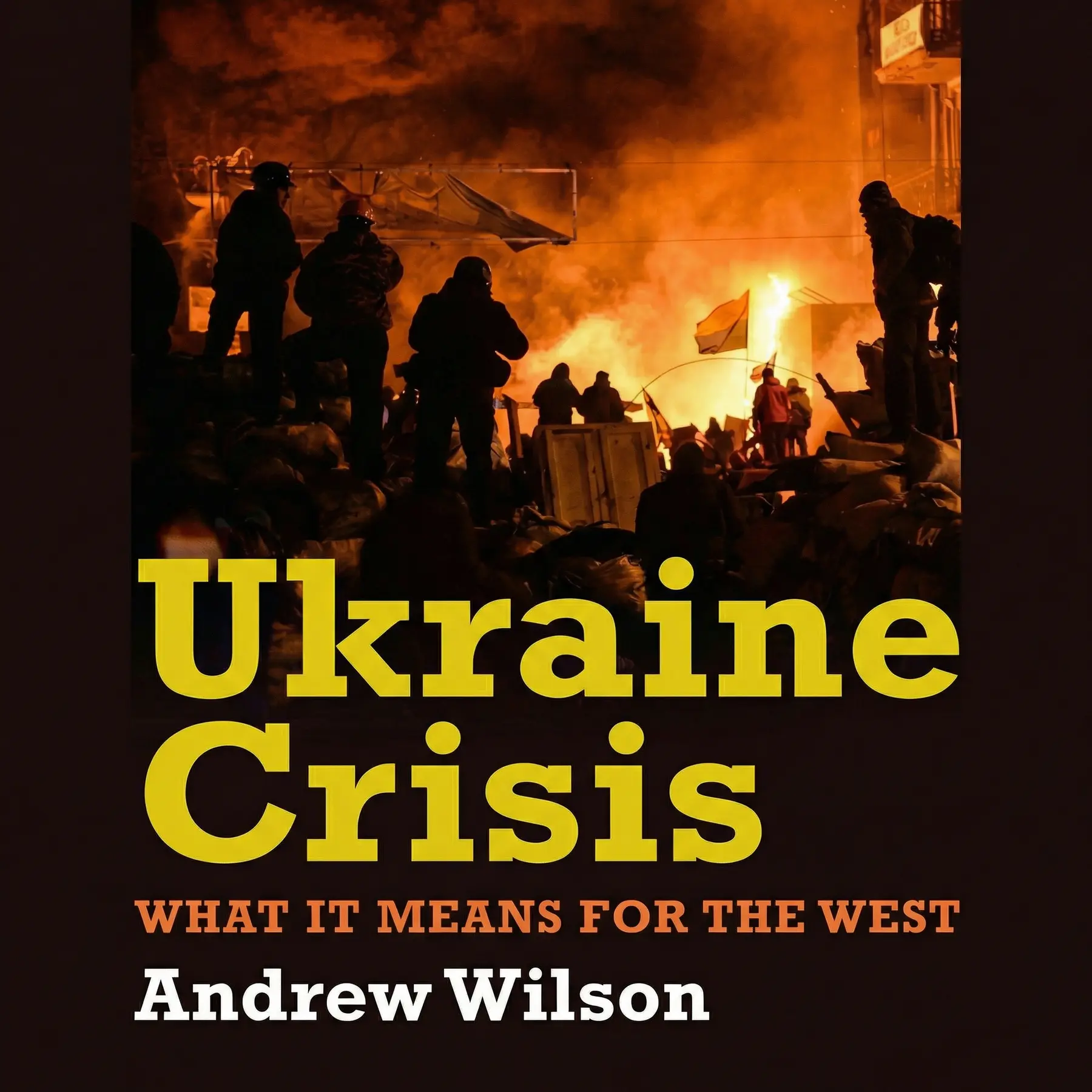
Ukraine Crisis: What It Means for the West
Ukraine Crisis examines the historical and political roots of the 2014 conflict, analyzing how internal corruption and Russian intervention reshaped the region’s landscape and tested the resolve of Western alliances.
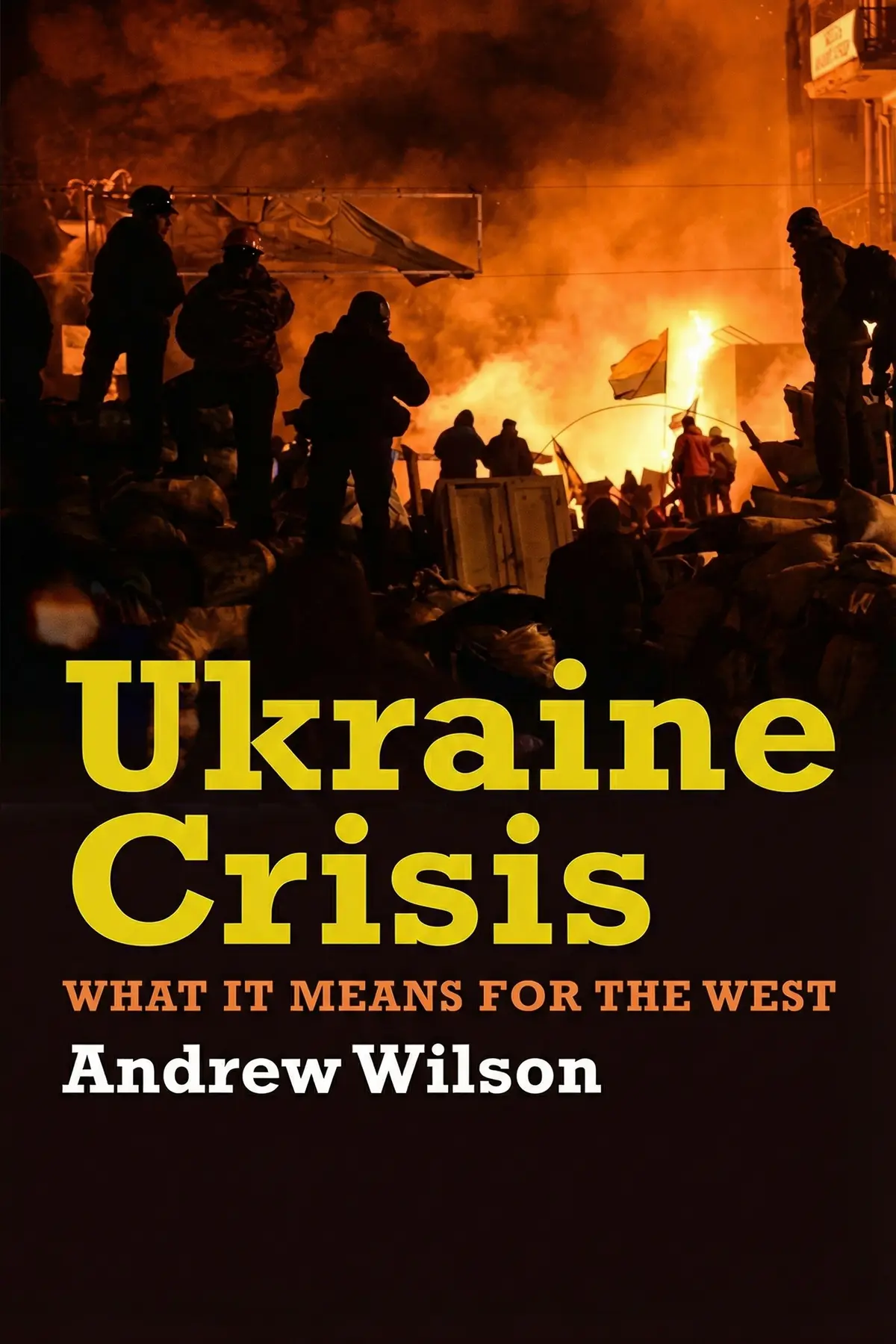
Table of Content
1. Introduction
1 min 39 sec
Imagine a nation standing at a crossroads, physically and metaphorically positioned between the democratic ideals of Western Europe and the assertive influence of a resurgent Russia. This is the reality of Ukraine, a country where the echoes of the Soviet past frequently collide with the aspirations of a modern, independent future. In this exploration of the Ukraine Crisis, we peel back the layers of a conflict that is often simplified in news headlines but is actually rooted in decades of political maneuvering, economic leverage, and cultural identity.
For years, the political landscape of this Eastern European nation has been a battleground for influence. On one side, you have internal power players—oligarchs and political figures—who have often treated the state treasury as a personal account. On the other side, you have the external pressure of a neighbor that views Ukraine not just as a sovereign state, but as a vital part of its own historical sphere of influence. This summary will take you through the critical moments that defined the 2014 crisis, showing how a dispute over a trade agreement transformed into a revolution, a territorial annexation, and an ongoing war.
We will look at the sophisticated ways power is projected in the region, from the use of energy as a weapon to the deployment of digital misinformation. We’ll see how the failure of early democratic movements led to a second, more violent wave of unrest, and how the international community’s hesitation allowed for a total shift in European borders. By the end of this journey, you’ll understand the deeper dynamics at play and why the events in Ukraine are not just a local dispute, but a warning sign for the rest of the world.
2. A Nation Caught Between Two Spheres of Influence
2 min 10 sec
Ukraine’s geographic position makes it a strategic prize for both Russia and the West, creating a constant tug-of-war for its loyalty.
3. The Projection of Russian Power and Propaganda
1 min 55 sec
Under Vladimir Putin, Russia has refined a strategy of using internal manipulation and massive PR campaigns to influence neighboring states.
4. The Legacy of Failed Reforms and Endemic Corruption
1 min 58 sec
Despite gaining independence in 1991, Ukraine struggled to escape a cycle of corruption and oligarchic control that stifled democratic growth.
5. The Maidan Uprising and the Fall of Yanukovych
2 min 01 sec
A rejected trade deal with Europe ignited a second revolution, leading to a violent standoff and a sudden change in leadership.
6. The Swift and Silent Annexation of Crimea
1 min 49 sec
Taking advantage of the chaos in Kiev, Russia moved quickly to seize the Crimean Peninsula, marking a historic shift in European borders.
7. A Manufactured Conflict in the Donbas
2 min 05 sec
The crisis spread to Eastern Ukraine as Russia-backed rebels launched an insurgency, leading to a protracted and tragic war.
8. The Global Consequences of the Ukrainian Crisis
1 min 53 sec
The events in Ukraine have ushered in a new era of tension, challenging the security of Europe and the strength of international alliances.
9. Conclusion
1 min 29 sec
As we look back at the journey of Ukraine through revolution and conflict, the central theme is one of a nation struggling to define its own destiny against overwhelming external and internal pressures. Andrew Wilson’s analysis shows us that the 2014 crisis was not just a sudden explosion of violence, but the result of a long-term erosion of democratic institutions and the persistent interference of a neighbor unwilling to let go of its imperial past.
The key takeaway is that the stability of the international order depends on more than just treaties; it requires the active defense of sovereignty and a commitment to rooting out the corruption that makes nations vulnerable to manipulation. Ukraine’s fight for a European future is a testament to the resilience of people who desire transparency and the rule of law. However, it also serves as a stark warning about the return of great-power politics and the reality of a new kind of Cold War.
For the West, the lesson is clear: ignoring the problems of nations on the periphery only allows those problems to grow until they can no longer be contained. Whether through energy policy, economic support, or diplomatic firmness, the world must engage with the reality of the Ukrainian situation. The future of Ukraine is inextricably linked to the security of Europe and the very idea of a world governed by rules rather than by force. As the situation continues to evolve, the lessons learned from the 2014 crisis will remain essential for anyone trying to navigate the complexities of modern global politics.
About this book
What is this book about?
Ukraine Crisis provides a deep dive into the complex geopolitical struggle that erupted in 2014, fundamentally altering the relationship between Russia and the West. The book explores how Ukraine, a nation caught between the democratic aspirations of the European Union and the historical influence of Moscow, became a flashpoint for international tension. Author Andrew Wilson breaks down the timeline of events—from the early days of independence to the high-stakes drama of the Maidan protests and the eventual annexation of Crimea. The promise of this work is to clarify why this specific conflict serves as a bellwether for global security. It investigates the mechanisms of Russian propaganda, the systemic corruption that plagued Ukrainian leadership, and the slow response of the international community. By looking at the roles of oligarchs, the power of energy resources, and the tactical use of masked soldiers, Wilson offers a comprehensive view of a crisis that signaled the end of the post-Cold War era and the beginning of a far more uncertain geopolitical reality.
Book Information
About the Author
Andrew Wilson
Andrew Wilson is a distinguished scholar specializing in the history and politics of post-Soviet Ukraine and Eastern Europe. He serves as a professor of Ukrainian studies at University College London and is a senior policy fellow at the European Council. His expertise provides a nuanced perspective on the internal dynamics and external pressures facing contemporary Ukraine.
Ratings & Reviews
Ratings at a glance
What people think
Listeners find the work highly educational and compelling, with one review praising its thorough coverage of contemporary developments. Furthermore, the book’s academic depth earns praise, with one listener describing it as the finest initial response to the situation in Ukraine. Conversely, opinions vary regarding the author's prose and how individuals are portrayed. Also, several listeners mention that the text exhibits significant bias.
Top reviews
Pensri
To try to start understanding the complex mess of modern geopolitics, this is essential reading for everyone. Wilson delivers a detailed and fascinating account of the events leading up to the Donbas rebellion and the fall of the Yanukovych regime. I was moved by the descriptions of the popular protests and the tragic human cost of these political games. The book stands as a powerful sign of support for all people who believe in 'no war' and seek truth over propaganda. Even with the minor criticisms of his writing style, the sheer volume of facts makes this a vital historical document. It explains the 'green men' and the 'Family' mafia circle with clarity. Every page reveals how fragile democracy can be when faced with cynical manipulation. Truly an informative and necessary piece of work.
Show moreKai
Wow, the sheer amount of detail regarding the 'political technologists' and their fake democracy scripts is staggering. Wilson has written what I consider the best first reaction to the events in Ukraine. He perfectly captures the essence of Yanukovych—a man who wanted to be both president and the number one oligarch. The way he describes the 'green men' and the covert funding of NGOs provides a masterclass in modern hybrid warfare. It’s a fascinating, scholarly account that doesn't shy away from the gritty details of bribing politicians and setting up front parties. For anyone who wants to look past the propaganda and see the machinery of the state, this is the book. It’s dense, informative, and absolutely vital. I couldn't put it down despite the complexity of the subject matter.
Show moreRin
Wilson provides a remarkably dense chronology of the 2014 upheaval that changed the face of Europe forever. The book excels when it dives into the world of 'political technologists' and the cynical manipulation of democratic systems by the Kremlin. It reads like a high-stakes political thriller, though the historical weight is very real. I found the analysis of Yanukovych’s 'Asiatic despotism' particularly insightful compared to the more medieval monarchical style of Kuchma. While the writing occasionally feels like it was rushed to press to remain topical, the scholarly content is top-tier. You get a real sense of the corruption within the 'Family' inner circle and how that triggered the Maidan. It is a fascinating, if sometimes harrowing, look at the mechanisms of modern power. To be fair, it provides the best first reaction to the crisis I have come across so far.
Show moreHazel
After hearing so much about the 2022 escalation, going back to Wilson’s 2014 analysis is an eye-opening experience. He captures the immediate shock of the annexation and the West’s total confusion in the face of Russian 'soft power' and covert bribery. The chapter on the 'anti-fascist' narrative was especially enlightening, showing how labels are manipulated for propaganda. It highlights the shortsightedness of Western political agendas that ignored the breakaway regions for far too long. I appreciated the critical look at both Russian aggression and the internal failures of the Ukrainian elite to implement real reform. Wilson doesn't hold back on the missed opportunities of the post-Orange Revolution years. This is a very informative resource for anyone trying to understand the roots of today's conflict. It helps connect the dots between 2004, 2014, and the present.
Show moreChiw
Wilson’s background as a historian shines through in the way he dissects the Kremlin's warped view of 'soft power.' He provides an amazingly accurate assessment of how the Yeltsin-Putin regime transitioned into a monopoly of manipulation. The book is scholarly and detailed, moving beyond simple headlines to explain the 'political technologists' behind the scenes. It’s striking how he predicts that parliament might become more patriotic but not necessarily more reformist. This proved to be quite prescient given the events that followed. While some readers find the tone biased, I think he’s just being realistic about the cynical nature of the actors involved. The prose is dense, which requires some patience, but the payoff is a much clearer understanding of the 2014 crisis. It's a solid, fascinating read for history buffs.
Show moreElena
Ever wonder how Russia managed to annex Crimea so swiftly while the West stood by in confusion? Wilson breaks down the covert methods and the bribing of local politicians in a way that is both informative and fascinating. He mentions the Brzezinski quote about the 'category mistake' of Western policy, which provides a great framework for the whole book. The writing is a little 'rough-draft' in places, but the specific elements regarding the Donbas rebellion are excellent. It clearly shows how the West’s shortsighted political agenda backfired in the post-Soviet space. Even with the occasional awkward phrase, the depth of the scholarly content makes it a worthy addition to your shelf. It’s a sobering look at how the region has been used as a geopolitical chessboard. Definitely worth the time if you want the full picture.
Show moreSaranya
This felt like a collection of hurried newspaper columns rather than a cohesive, polished academic study. The truth is, the information is incredibly detailed, but the prose suffers from a distinct 'rough-draft' vibe that can be distracting. Some sentences are quite clunky, like the odd remarks about Western Europe becoming post-modern. Still, the book serves as a solid overview of the standard topics: the Orange Revolution, the 'green men' in Crimea, and the war in Donbas. It captures the essence of the crisis well enough for a casual reader. However, it lacks a certain depth of analysis regarding the long-term aftereffects of the Cold War. It’s a decent primer, but don't expect a literary masterpiece. It covers the ground without breaking much new soil.
Show moreSuthinee
Picked this up to learn more about the vertical power structures in Kyiv, but found it a bit hit-or-miss. The comparison between Kuchma’s 'barons' and Yanukovych’s Asiatic style of rule was a highlight for me. However, much of the rest feels like a standard list of topics any news-obsessed citizen already knows by heart. We get the two revolutions, the shooting down of the civilian plane, and the annexation of Crimea. The writing is very rough, almost like the author was typing as the events were still unfolding in real-time. It’s informative, sure, but the lack of a final polish makes it hard to recommend over more recent, more refined scholarship. It’s a good 'first draft' of history, but it feels dated already. Use it as a reference, not a definitive guide.
Show moreManop
Frankly, the book struggles to balance its desire to be an immediate response with the need for deep reflection. It is undeniably informative, and Wilson’s knowledge of the region is impressive, but the execution is often clunky. I noticed several passages where the expression of ideas felt incomplete or distracting. For example, the discussion on Right Sector felt a bit shallow compared to the complex reality of Ukrainian nationalism. To be fair, it’s a great first reaction to the crisis, but it misses the polish of a well-edited volume. The content is scholarly, yet the delivery is unpolished. If you can get past the awkward phrasing, there is a lot of valuable information here about the 'anti-fascist' narrative and the Donbas. It’s a middle-of-the-road experience for me.
Show moreMaya
Not what I expected from a scholarly work because the bias is palpable on almost every page. The author clearly writes from a very specific Western perspective, which often results in a one-sided interpretation of complex regional history. It feels like a summary of Western newspaper coverage rather than a deep dive into the nuances of the post-Soviet space. The writing is incredibly unpolished and many ideas seem half-baked or rushed. Look, if you want a standard pro-EU take on why things fell apart, this is fine. But if you’re looking for a balanced, three-dimensional analysis of the internal dynamics in both Russia and Ukraine, you will be disappointed. It lacks the intellectual depth required for such a volatile subject. Frankly, it’s a bit of a slog to get through the awkward phrasing and repetitive points.
Show moreReaders also enjoyed
A Year in the Life of William Shakespeare: 1599
James Shapiro
A Warning
Miles Taylor
Agent Sonya: The Spy Next Door
Ben Macintyre
1491: New Revelations of the Americas Before Columbus
Charles C. Mann
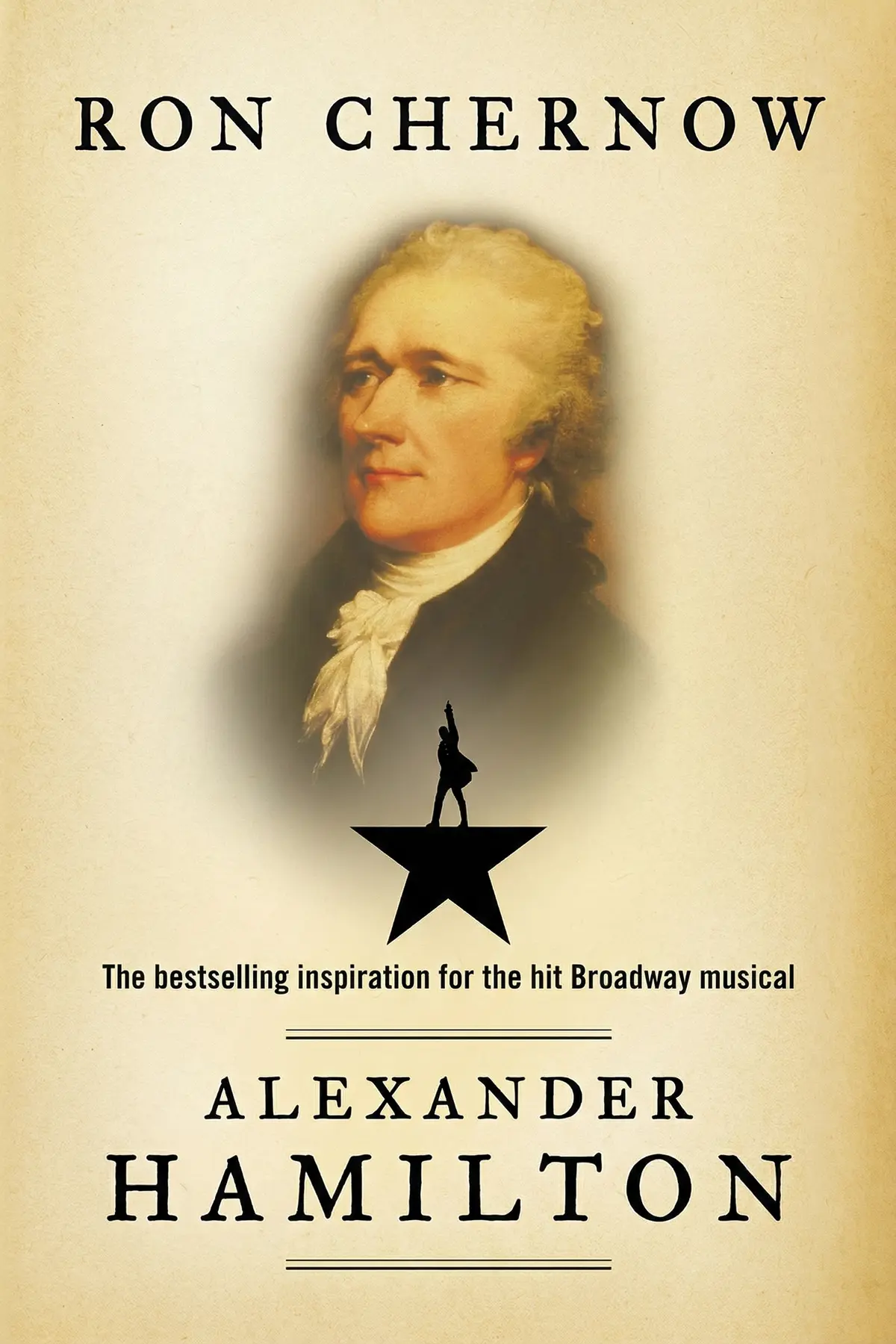
Alexander Hamilton
Ron Chernow
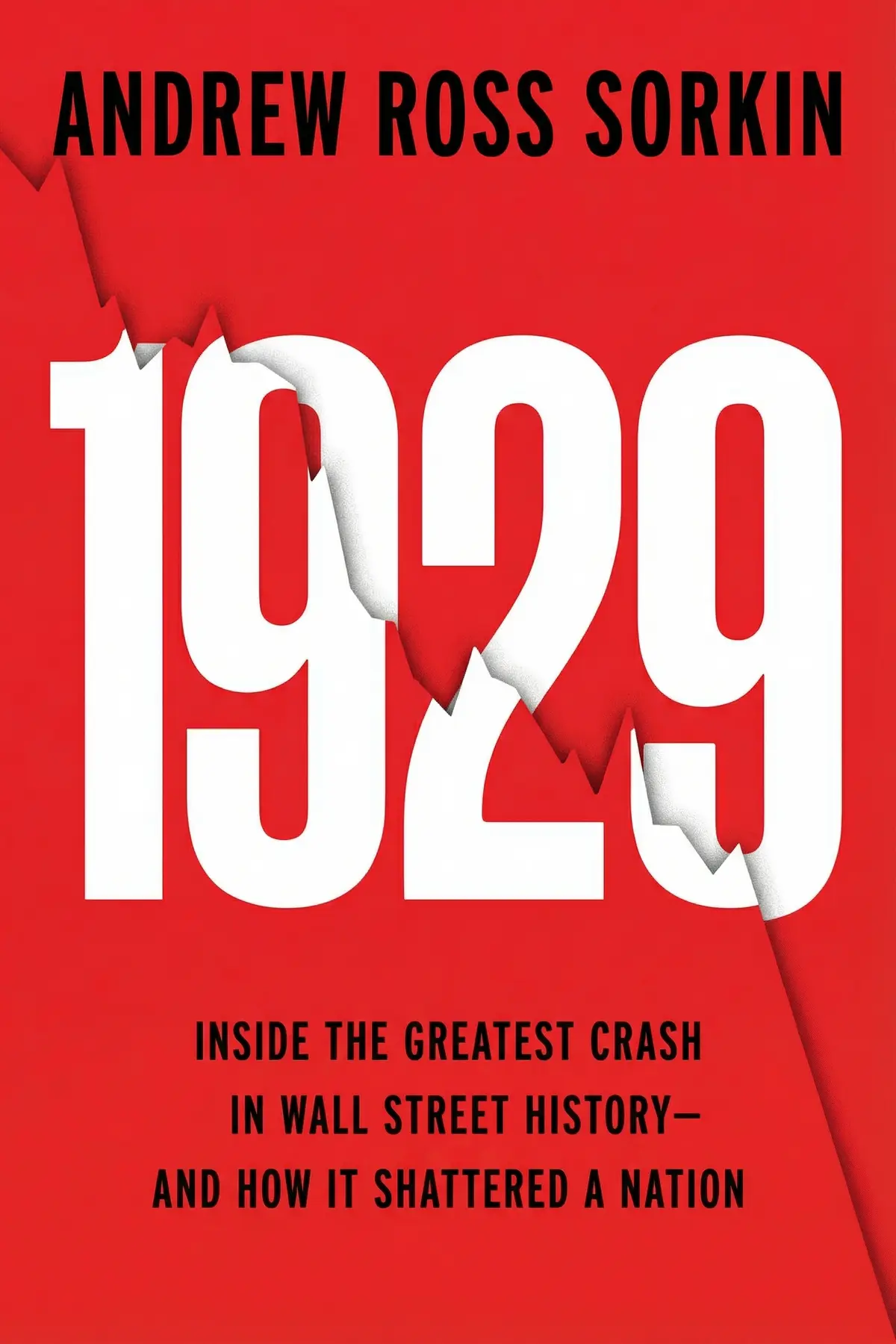
1929: Inside the Greatest Crash in Wall Street History--and How It
Andrew Ross Sorkin
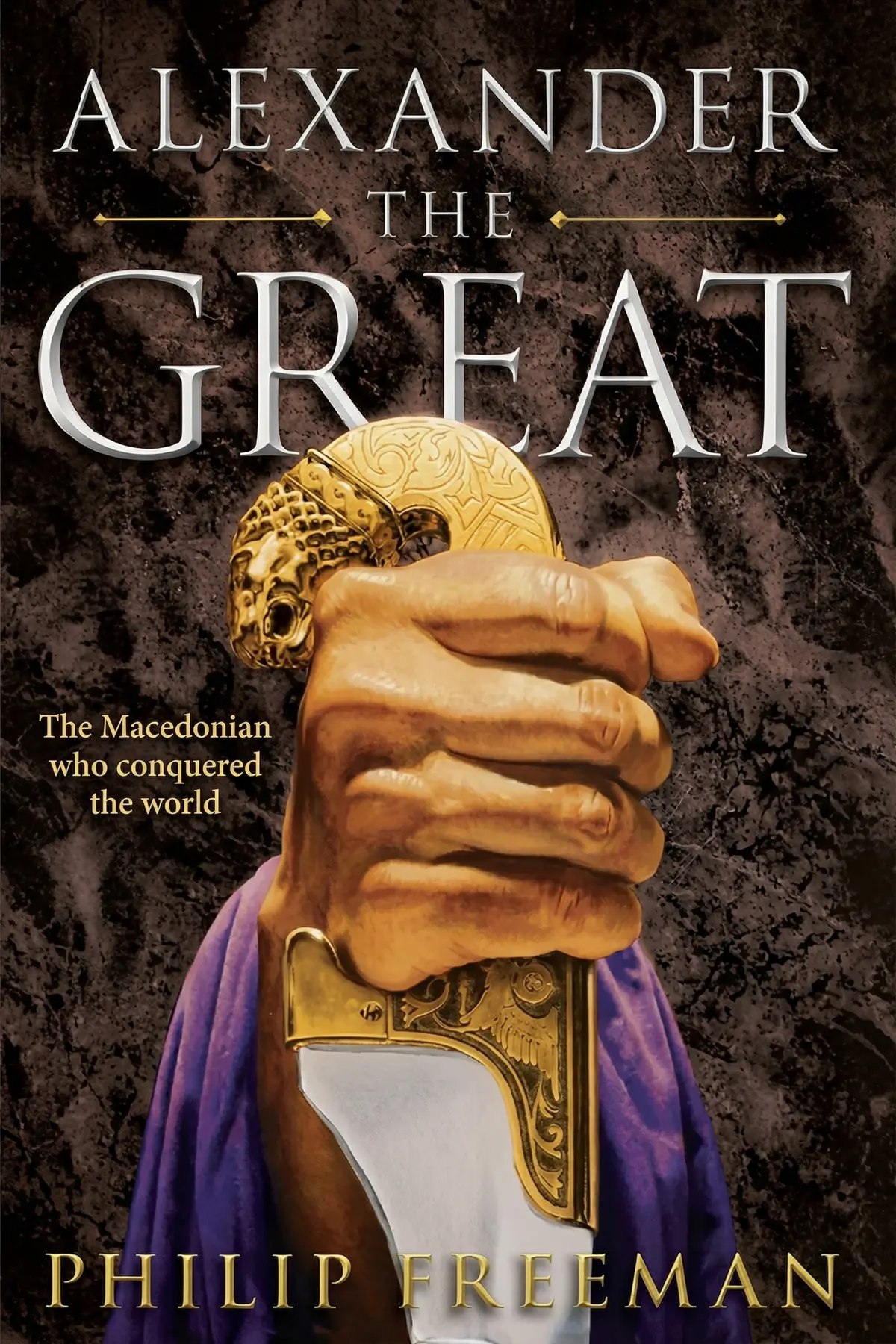
Alexander the Great
Philip Freeman
AUDIO SUMMARY AVAILABLE
Listen to Ukraine Crisis in 15 minutes
Get the key ideas from Ukraine Crisis by Andrew Wilson, plus 5,000+ more titles in English and Thai.
- 5,000+ titles
- Listen as much as you want
- 7-day free trial
- Cancel anytime







