
19 min 13 sec
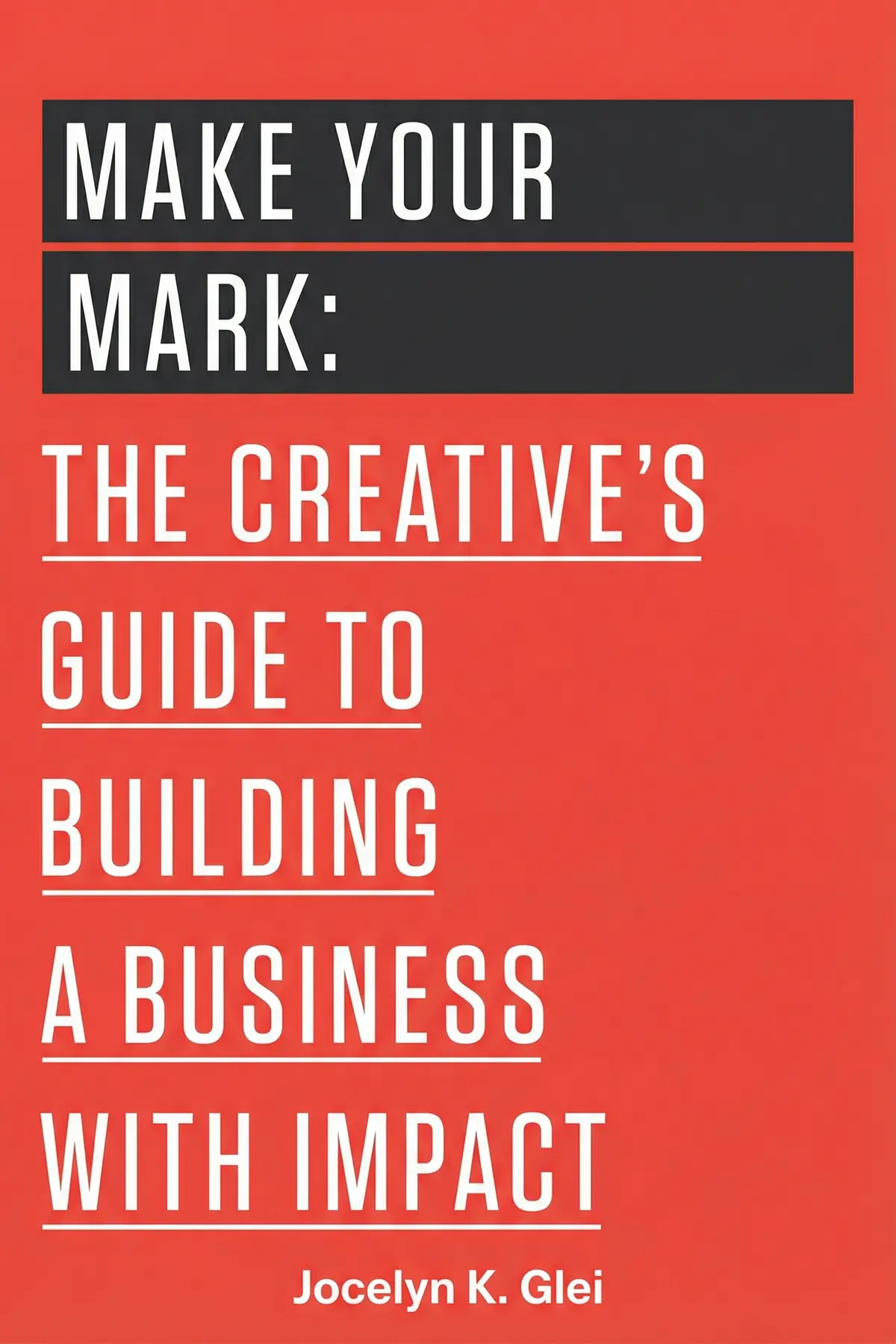
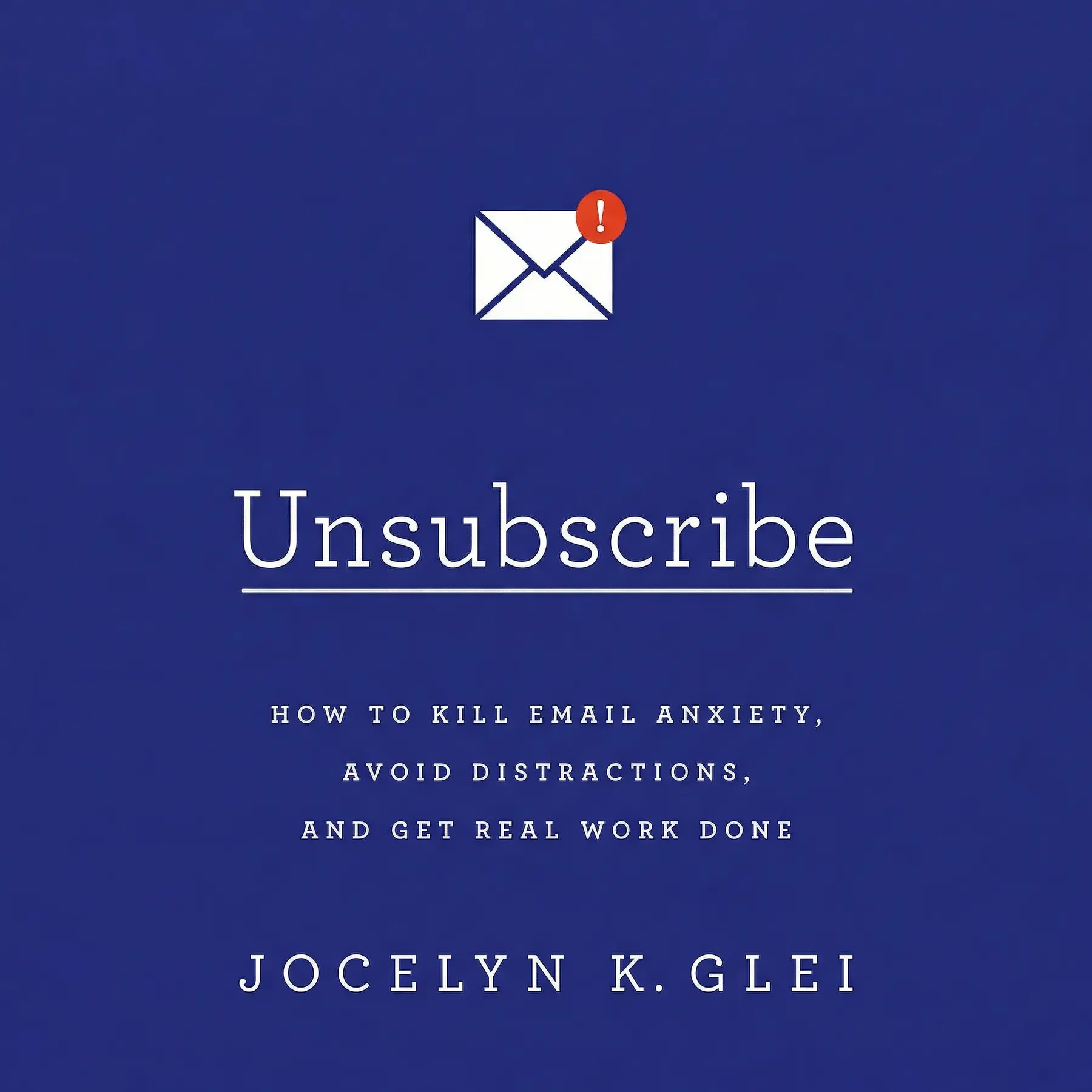
Unsubscribe: How to Kill Email Anxiety, Avoid Distractions, and Get Real Work Done
Unsubscribe offers a roadmap for escaping the digital treadmill. It explores the psychology of email addiction and provides actionable strategies to regain focus, manage communication bias, and prioritize deep, meaningful work over constant inbox-checking.
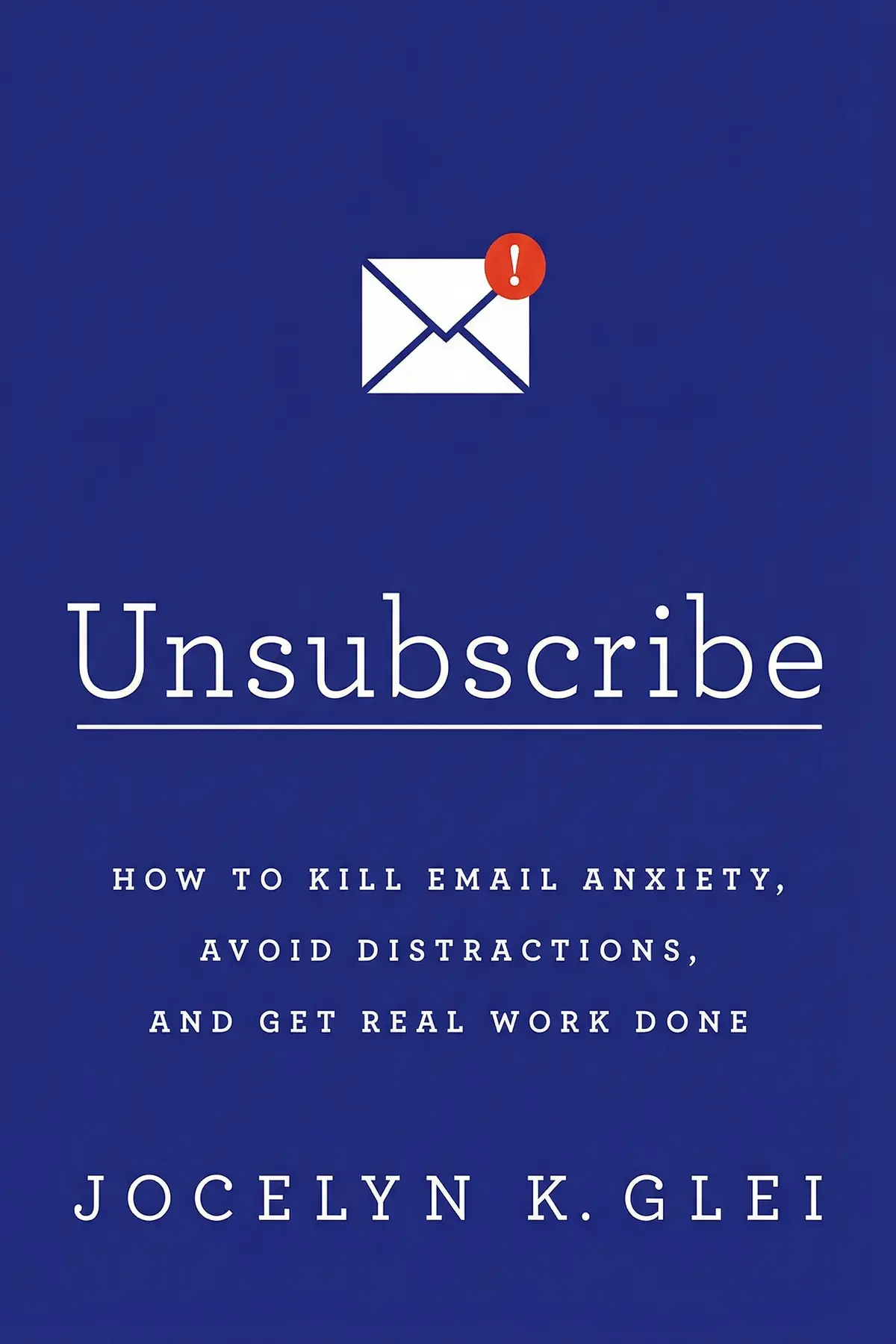
Table of Content
1. Introduction
2 min 15 sec
Imagine for a moment that you have a neighbor who seems to be struggling with a very specific, very visible compulsion. Every ten minutes, regardless of the weather or the time of day, he walks down to the end of his driveway to check his physical mailbox. He opens it, peers inside, sighs when it’s empty, or perhaps looks briefly thrilled if there’s a stray flyer, and then walks back inside, only to repeat the process moments later. If you witnessed this, you’d likely worry about his mental state. You might think he’s lost his sense of priority or that he’s trapped in a loop of unproductive anxiety.
Yet, for most of us working in the digital age, this is exactly how we treat our email. We might not be walking to the driveway, but we are clicking that refresh button or glancing at our smartphone screens dozens, if not hundreds, of times a day. We have become subservient to a tool that was supposed to make our lives easier, but has instead become a source of constant distraction and stress. In Unsubscribe, Jocelyn K. Glei explores how we can break this cycle. The central goal here isn’t just to delete a few messages; it’s about reclaiming our cognitive resources and our time.
We often feel like we are at the mercy of our inboxes, but that is a choice we make every morning. Throughout this exploration, we will see how the very structure of email plays on our primal instincts, why digital messages are so easily misunderstood, and how we can redesign our workdays to put our most important contributions first. It is time to stop letting the loudest, most frequent notifications dictate our lives and start focusing on the work that actually defines our legacy. By the end of this journey, you’ll have a new framework for managing your digital life—one that prioritizes meaningful output over the endless treadmill of staying ‘busy.’
2. The Psychological Pull of the Random Reward
2 min 25 sec
Discover why checking your email feels like playing a slot machine and how our brains are wired to crave the next digital notification.
3. The Deception of the Progress Paradox
2 min 18 sec
Learn how clearing your inbox provides a false sense of achievement while keeping you from the work that truly matters.
4. Navigating the Negativity Bias in Text
2 min 07 sec
Uncover the hidden reasons why your polite emails are often perceived as cold or aggressive and how to bridge the communication gap.
5. The Weight of the Reciprocity Rule
2 min 14 sec
Explore why we feel an overwhelming social obligation to reply to every message and why that rule is broken in the digital age.
6. Defining Your Meaningful Work
2 min 01 sec
Before you can fix your inbox, you must identify your legacy tasks. Learn how to separate what is urgent from what is truly important.
7. The Power of Batching and Morning Rituals
2 min 03 sec
Stop the constant interruptions by scheduling specific times for email and protecting your most creative hours from the digital noise.
8. The Art of Triage and Clear Communication
2 min 07 sec
Learn how to write shorter, more effective emails and use quick replies to manage expectations without losing productivity.
9. Conclusion
1 min 43 sec
The journey toward a healthier digital life is not about abandoning technology, but about reasserting our humanity in the face of it. Throughout this exploration of Jocelyn K. Glei’s insights, we’ve seen that our struggle with email is deeply tied to our biology—from the dopamine hits of random rewards to the social pressure of the reciprocity rule. We’ve discovered that true productivity is often found in the work we avoid while clearing our inboxes, and that the ‘progress’ we feel when hitting zero unread messages is often an illusion.
To break free, you must be the architect of your own workday. This starts with identifying those core tasks that define your legacy and protecting your most valuable mental energy in the morning hours. By adopting a strategy of batching and triage, you move from being a reactive participant in the digital world to a proactive leader of your own attention. You learn to communicate with empathy and clarity, reducing the cycle of misunderstanding and endless threads.
The most important takeaway is that you are in control. You can choose to stop checking your digital mailbox every ten minutes. You can choose to prioritize your own meaningful work. Start today by setting a single boundary—perhaps by waiting an hour before checking your email tomorrow morning, or by setting up VIP notifications for your boss so you can safely ignore the rest of your inbox. Reclaiming your focus is the greatest gift you can give to your career and your peace of mind. The world can wait; your best work cannot.
About this book
What is this book about?
Modern professionals are drowning in a sea of digital messages, often spending more time managing their inboxes than performing the work that actually matters. Unsubscribe takes a deep dive into why we are so biologically drawn to checking our email and how this habit sabotages our creativity and mental well-being. The book promises to help readers transition from being reactive, stressed-out message-senders to proactive, focused creators. By breaking down the science of digital addiction, Jocelyn K. Glei explains the 'progress paradox' and the negativity bias that plagues written communication. The core promise is a shift in perspective: seeing email not as a burden that must be cleared, but as a tool that must be tamed. Through practical advice on batching, prioritization, and effective writing, the book provides a framework for reclaiming the first hours of the day for high-impact tasks and setting boundaries that others will respect. It is ultimately about learning to value your own time and legacy over the relentless demands of a glowing screen.
Book Information
About the Author
Jocelyn K. Glei
Jocelyn K. Glei is an American writer who focuses on productivity and helping people optimize their workdays for maximum impact. She has established herself as a leading voice in the conversation about modern work habits and creativity. Her other popular books include Manage Your Day-to-Day and Maximize Your Potential.
Ratings & Reviews
Ratings at a glance
What people think
Listeners find this email management guide functional and brief, offering clear illustrations of communication psychology. They value its high readability, with one listener noting it can be finished in a single hour. This resource provides excellent advice for organizing an inbox and helps with distraction control. Listeners appreciate the writing style; one listener mentions it provides templates for better messaging, while another emphasizes its consideration for the time constraints of contemporary readers.
Top reviews
Sook
Ever wonder why you feel like a lab rat pressing a lever every time you refresh your inbox? Glei digs into the psychology of our digital addictions with refreshing clarity, making it clear that our struggle with email isn't just about volume, but about human wiring. To be fair, most of us know we check our messages too often, but seeing the data behind the 'random rewards' mechanism was a wake-up call for me. The book itself is lean and moves quickly, which is ironic and appreciated given the subject matter. I finished it in about ninety minutes and immediately implemented the batching strategy she suggests. If you’re drowning in notifications and feel that low-level hum of anxiety whenever you see a red badge on your screen, this is a vital read.
Show moreEnd
Wow, I didn't expect a book about email to actually lower my heart rate, but here we are. After finishing Unsubscribe, I moved my mail app off my home screen and committed to only checking it twice a day—a small change that has had a massive impact on my mental clarity. Not gonna lie, I was addicted to the 'new mail' hit, and Glei’s breakdown of the psychology behind that compulsion was exactly what I needed to see. The book is packed with practical strategies that feel realistic rather than idealistic. It’s concise, beautifully designed, and stays focused on the goal of getting you back to your real work. I’ve already bought copies for my direct reports to help our whole department adopt these habits.
Show moreSue
Finally got around to reading this after hearing coworkers rave about the templates, and I have to say the 'cheat sheets' in the final section are worth the price of admission alone. Writing a polite but firm 'no' is a skill I’ve always struggled with, so having those scripts ready to go is a massive time-saver for me. Look, the first half of the book is mostly common sense advice about unsubscribing from newsletters and turning off notifications, which felt a bit like filler. However, the insights regarding how tone is lost in digital text—and why using an occasional exclamation mark is actually a smart move—were genuinely helpful. It’s a slim volume that respects your time, which is exactly what a book about productivity should do.
Show moreConnor
Picked this up during a particularly stressful week where my inbox felt like a monster I couldn't slay. What I loved most was Glei’s direct, no-nonsense approach to the 'utility' of email; she doesn't tell you to delete your account, but rather how to make it work for you again. The strategies for maintaining focus and limiting distractions are actionable and didn't require me to buy any expensive new software. I particularly liked the discussion on setting false expectations with your contacts—if you reply in thirty seconds, they’ll expect that every time. Truth is, shifting to a 'digital snail mail' mindset has lowered my stress levels significantly. It’s a short, punchy book that you can digest in one sitting and start using immediately.
Show moreGoy
The chapter on how we interpret tone in digital messages was the highlight of the book for me. It’s so easy to come across as cold or demanding when you’re being brief, so I appreciated the defense of emoticons and exclamation points as tools for clarity. Personally, I found the earlier sections on unsubscribing a bit basic, as most of us already know how to use a 'search and delete' function or an Unroll.me type service. But the later half, which focuses on writing effective, scannable, and actionable emails, is pure gold. Glei practices what she preaches by keeping the book itself very punchy. It’s not a life-changing philosophical tome, but it’s a very handy tool for anyone who feels like their life is dictated by their inbox.
Show moreMan
After hearing so much about the 'email problem,' it was refreshing to read a book that treats the subject with such pragmatism and respect for the reader's time. Glei avoids the fluff and gets straight to the tactics, offering sample emails that show you exactly how to handle awkward professional situations without being a jerk. I particularly enjoyed the section on how to handle the 'nagging' email or the 'vague request'—those are the ones that usually sit in my inbox for days because I don't know how to answer them. Look, it’s not a perfect book, and some of the advice feels a bit repetitive, but the overall framework for managing distraction is sound. It’s helped me reclaim at least an hour of my day.
Show moreRoydao
In my experience, there is some solid advice tucked into these pages, but I couldn't shake the feeling that this entire book could have been a single, well-organized blog post. Glei writes well and the layout is visually engaging, but many of the concepts felt repetitive if you've ever read a Productivity 101 article on Medium. I did appreciate the section on the psychology of the 'intermittent variable reward'—it explains why I feel compelled to check my phone even when I know no new messages have arrived. That said, if you’re already an inbox zero enthusiast or someone who is digitally savvy, you probably won’t find anything revolutionary here. It's a decent primer for someone just starting to feel overwhelmed by their digital life.
Show moreTippawan
The central problem with this guide is its narrow focus on the 'creative' as a lone wolf rather than a team player. While Glei offers fantastic tips for carving out 'deep work' time, she doesn't adequately address how to maintain these boundaries when your job requires constant feedback loops and collaborative iteration. Unsubscribing from the noise is great, but you can’t exactly unsubscribe from your project manager or your co-designer without causing a bottleneck. To be fair, the writing style is excellent and the book is formatted for easy scanning, which I liked. It works well as a personal manifesto for reclaiming your time, but it falls short of being a comprehensive manual for modern team-based workflows. It’s a good starting point for individuals.
Show moreUdom
As someone who has been following productivity blogs for years, I didn't find many novel concepts here, but I still think it's a valuable 'one-stop shop' for the overwhelmed. The book is eminently practical and manages to synthesize a lot of different theories into a single, quick-to-read package. My only gripe is that it feels a bit like a compilation of things you could find with a quick Google search, and the $15 price tag feels steep for an hour of reading. Gotta say, the 'cheat sheets' at the end are helpful, but you can find similar templates online for free. If you want everything in one place and prefer a physical book to digital articles, it’s a solid purchase. Otherwise, you might feel like you’ve heard most of this before.
Show moreManika
This book feels incredibly dated and out of touch with how modern, collaborative workplaces actually function. While the author makes valid points about the 'time parasite' nature of constant communication, her primary solution seems to be simply stepping away or moving conversations offline. Frankly, for anyone working in a fast-paced tech environment or managing a remote team, that advice is impractical at best and career-ending at worst. The tone leans toward a general distaste for technology rather than offering a way to master it for professional growth. Most of the 'revelations' here are things you've likely already figured out if you've been using the internet for more than a week. It’s a very quick read, but unfortunately, there just isn't much substance beneath the surface.
Show moreReaders also enjoyed
AUDIO SUMMARY AVAILABLE
Listen to Unsubscribe in 15 minutes
Get the key ideas from Unsubscribe by Jocelyn K. Glei, plus 5,000+ more titles in English and Thai.
- 5,000+ titles
- Listen as much as you want
- 7-day free trial
- Cancel anytime







