
Dear Ijeawele, or A Feminist Manifesto in Fifteen Suggestions
Chimamanda Ngozi Adichie
Chimamanda Ngozi Adichie explores the persistent gender inequalities of the modern world. By dismantling stereotypes and examining cultural biases, she presents a compelling argument for why feminism is essential for everyone’s collective progress.
1 min 43 sec
In the grand tapestry of human history, the last century stands out as a period of remarkable transformation for the rights of women. We can look back at the hard-won victories of the suffrage movement, the gradual closing of the pay gap in certain sectors, and landmark legal decisions that granted women more autonomy over their own bodies. Because of these monumental leaps forward, there is a common sentiment that the work of feminism is finished. Some suggest that we have already crossed the finish line and that the term itself is a relic of a bygone era.
However, a closer look at our modern world reveals a different story. While the legal architecture of equality has been drafted, the cultural foundation remains uneven. We find ourselves in a society where, despite our progress, the male experience is still treated as the default human experience. Women continue to navigate a landscape filled with obstacles that their male counterparts simply do not encounter. These barriers aren’t always visible in the law books; often, they are woven into the very fabric of our social interactions, our workplace dynamics, and our internal expectations.
This exploration isn’t just about pointing out what is wrong; it is about imagining a world that is better for everyone. By looking at the deeply ingrained biases that persist today, we can begin to see why the label of “feminist” is not just a political choice for a few, but a necessary stance for us all. Through the lens of personal experience and social observation, we will see how the current system fails both men and women, and why a more inclusive world is not just a dream, but a requirement for a truly just society. The journey toward this better world starts with understanding the subtle ways inequality survives in the modern age and finding the courage to call it by its name.
2 min 23 sec
The term feminism often carries heavy, negative baggage. Discover how social misunderstandings can turn a movement for equality into a label that people fear or dismiss.
2 min 45 sec
The rulebook says everyone has an equal shot, but the scoreboard tells a different story. Uncover why women still face invisible barriers—from the glass ceiling to the exhausting double standard—that no policy can legislate away.
2 min 40 sec
Society doesn’t just dictate what women do; it dictates how they should be. Uncover the social and physical expectations that limit female freedom in every corner of life.
2 min 35 sec
Is inequality just a natural result of biological differences? Explore why the old arguments about physical strength no longer apply in our modern, skill-based economy.
3 min 05 sec
Culture isn’t a permanent law; it’s a living thing that we can change. Learn how a shift in how we raise both boys and girls can lead to a more just world.
1 min 32 sec
The call for feminism is not a call for division, but a call for a more honest and equitable world. As we have seen, the struggle for gender equality didn’t end with the right to vote or the entry of women into the workforce. It continues in the subtle ways we communicate, the way we value labor, and the way we raise the next generation. Feminism, at its core, is the radical belief that men and women are equally human, and that our social structures should reflect that basic truth.
When we embrace feminism, we are not just fighting for women’s rights; we are fighting for a society where everyone is free from the stifling constraints of gender stereotypes. We are moving toward a future where a man can be vulnerable without shame, and a woman can be powerful without apology. The path forward requires us to be vigilant and to challenge the “norms” that we often take for granted.
The next time you find yourself witnessing a double standard or hearing someone dismissed because of their gender, take a moment to pause. Ask yourself: Would I feel the same way if the roles were reversed? This simple question is a powerful tool for dismantling bias. By having these conversations and making conscious choices in our daily lives, we can ensure that the progress of the last century is just the beginning. We all have a role to play in this transformation, because a world that is better for women is, ultimately, a better world for everyone. It is time for us all to step into that future together.
We Should All Be Feminists is a powerful examination of the subtle and overt ways gender roles shape our lives. The book argues that feminism isn't a niche movement or an outdated struggle, but a vital necessity for a functional, fair society. It moves past the dictionary definition to look at the lived reality of women globally—from the boardroom to the household—highlighting how traditional expectations limit the potential of both women and men. The narrative provides a fresh, inclusive perspective on gender. It invites readers to look at the world through a more observant lens, recognizing that even in societies where legal equality seems to exist, social and cultural biases remain deeply entrenched. Adichie uses her own experiences as a Nigerian woman to illustrate broader human truths, ultimately showing that true equality requires us to unlearn the restrictive lessons of the past. It is an invitation to redefine what it means to be human in a world that often insists on categorization based on sex.
Chimamanda Ngozi Adichie is a highly acclaimed Nigerian writer. Her work has garnered significant international recognition, including a MacArthur Fellowship. She is the author of several celebrated novels, most notably Half of a Yellow Sun, which won the Orange Prize, and Americanah, which was honored with the National Book Critics Circle Award. Known for her insightful commentary on culture and identity, Adichie has become a leading voice in contemporary literature and social discourse.
Chimamanda Ngozi Adichie
Listeners describe this work as a swift and straightforward listen that clearly expresses the difficult realities of gender-based inequality. The tone is both approachable and encouraging, and one listener pointed out that the prose carries the same impact as the author's live talks. Listeners value the clarity and grace of the narrative, with one review mentioning that every single passage feels worth quoting. Although opinions on the duration vary—with some considering it high-impact while others found it lengthy and dull—listeners regularly commend the work for its stimulating ideas and uplifting spirit.
This essay is exactly what the world needs right now, providing a clear-eyed look at how gender norms diminish us all. Adichie’s writing is so incredibly accessible that it feels less like a formal lecture and more like an urgent, necessary conversation. To be fair, I initially worried it might be another 'angry' manifesto, but her tone is remarkably calm and logical throughout the text. She perfectly articulates the frustration of being told to dial back your ambition to suit a partner’s ego. Every page is filled with quotable insights that highlight the subtle ways we stifle the humanity of our boys while teaching girls to shrink themselves. My only real gripe is that it’s over so quickly that you’re left wishing for a much deeper dive into systemic solutions. Still, it serves as a powerful foundation for anyone trying to understand why the term 'feminism' is still vital today.
Show moreEver wonder why we still need the specific word 'feminism' instead of just calling it 'humanism' or 'equality'? Adichie answers this question with such brilliant simplicity that it makes you wonder why we ever struggled with the distinction in the first place. She argues that to use a vague term is to deny the specific historical reality of gendered oppression, and she is absolutely right. I found myself highlighting almost every other sentence because the logic is just that sharp and undeniable. The book is short enough to read in a single sitting, yet the ideas stayed with me for weeks afterward. It is a call to action that doesn't feel like a chore, but rather an invitation to a better way of living. We should all be feminists, not just for the sake of women, but for the freedom of every human being to exist outside of a box.
Show moreWow, every single paragraph in this tiny book packs a massive punch that hits you right in the gut. I was practically nodding my head the entire time because Adichie manages to put words to feelings I’ve had my whole life but couldn’t quite name. She doesn't just point fingers or blame men for everything; instead, she invites everyone to look at the 'hard, small cage' of masculinity that hurts men too. Not gonna lie, I’ve been that person who wondered why we don’t just use the word 'humanism,' but her explanation of why we must name the specific injustice of gender is just flawless. It’s a very fast read, which makes it perfect for sharing with friends who might be intimidated by thick academic texts. This book should be required reading in every high school across the globe. We simply must start raising our daughters and sons differently.
Show moreThe truth is, Adichie has a way of making complex sociological issues feel like a chat over coffee with a friend. This essay is a masterclass in effective communication, stripping away the jargon to reveal the human heart of the feminist movement. I was particularly struck by her discussion of how we teach girls to be likable and silent while encouraging boys to be dominant and tough. It’s a cycle of mutual harm that needs to be broken for the sake of future generations. Personally, I think the most moving part was her description of the 'strongest feminist' she ever knew, who happened to be a man. It reminds us that this isn't a war between genders, but a collective effort to build a fairer world. It’s short, punchy, and utterly convincing from start to finish. If you only read one thing about gender this year, let it be this essay.
Show morePicked this up on a whim at the airport and finished it before we even reached cruising altitude. It is rare to find a book so short that manages to be so profoundly life-altering in its perspective. Adichie’s observations about the 'gendered boxes' we are forced into are sharp, witty, and devastatingly accurate. She highlights how masculinity is often defined by what it is *not* (not feminine, not weak), which ultimately traps men in a cycle of repression. The prose is elegant and simple, proving that you don't need five hundred pages to make a world-class argument. While I know there is some controversy regarding the author's later comments on trans issues, this specific text remains a foundational piece of writing for understanding basic gender dynamics. It is motivational, heart-wrenching, and logically sound. Every person, regardless of gender, should have this on their shelf.
Show moreFinally got around to reading this after seeing the famous TED Talk, and Adichie’s voice translates perfectly to the page. The truth is, many people still view feminism as a 'man-hating' movement, but this book dismantles that myth with grace and humor. I particularly loved her anecdote about being called a 'feminist' as if it were a dirty word or a terminal illness. Her writing style is conversational yet firm, making it an excellent introductory text for those who find academic theory too dense or intimidating. However, I did find some of the gendered assumptions a bit dated and strictly focused on the binary. While it’s a great starting point, I think readers should look for more inclusive, intersectional works once they finish this one. It's a quick, motivational read that hits all the right notes for a general audience.
Show moreLooking back at my own upbringing, Adichie’s anecdote about the suit she wore to be taken seriously as a teacher resonated deeply with my soul. We spend so much time performing gender roles that we forget who we actually are beneath the expectations of society. To be fair, this is a very brief essay, so it doesn't provide a ton of statistical data or complex sociological framework. It is more of a personal narrative that uses stories to illustrate the harsh truths of inequality in both Nigeria and the West. Look, if you’re looking for a deep academic treatise, this isn’t it, but if you want something that can change a person's perspective in thirty minutes, this is the book. I do wish she had addressed the plight of trans women, as their exclusion feels like a missed opportunity for true solidarity. Nonetheless, it’s an effective and highly readable piece of work.
Show moreAs someone who has struggled to explain gender inequality to skeptical family members, I find this to be an invaluable tool. Adichie uses a tone that is conversational and persuasive without being patronizing or preachy. She focuses on the way we socialise children, which is something almost everyone can relate to regardless of their political background. Gotta say, the brevity is both a strength and a weakness; it's easy to digest, but it leaves many nuances of the movement on the cutting room floor. I felt that some of the biological arguments she briefly mentions were a bit shaky and could have been phrased better. However, the core message remains powerful and incredibly relevant in today’s climate. It’s an essential piece of modern writing that forces you to confront your own biases in the best way possible. I'll be gifting copies to several people this year.
Show moreNot what I expected from a scholarly essay, but that is precisely why it works so well for the general public. Adichie avoids the ivory tower approach, instead using her own lived experiences in Nigeria and America to illustrate how gender functions as an injustice. Frankly, some of the points she makes about domestic roles and cooking genes felt a little odd and potentially misinterpreted, but the broader message is what matters. She successfully argues that feminism is not about superiority, but about the freedom to be our true individual selves without the weight of societal expectations. I do wish the essay addressed the intersection of race and gender more deeply, especially given her background, but I understand the need for brevity in this format. It is a quick read that functions as a perfect conversation starter. A solid four stars for clarity and impact.
Show moreWhile I appreciate the accessibility of the prose, it’s impossible to ignore the glaring lack of intersectionality regarding trans identities. Frankly, reading this after learning about Adichie’s public support for exclusionary rhetoric makes the title feel somewhat hollow and ironic. The essay relies heavily on a binary view of gender, frequently defaulting to heteronormative assumptions that erase the lived experiences of queer and non-binary individuals. There is a lot of talk about how we treat 'boys' and 'girls,' but those categories are treated as rigid biological certainties. It is a quick and easy read, and I suppose it works as a very basic 'Feminism 101' for a specific demographic. However, in a modern world, building a feminist framework on such narrow foundations feels like a step backward. I wanted to love this, but the exclusionary undertones are too loud to ignore.
Show more

Fay Bound Alberti
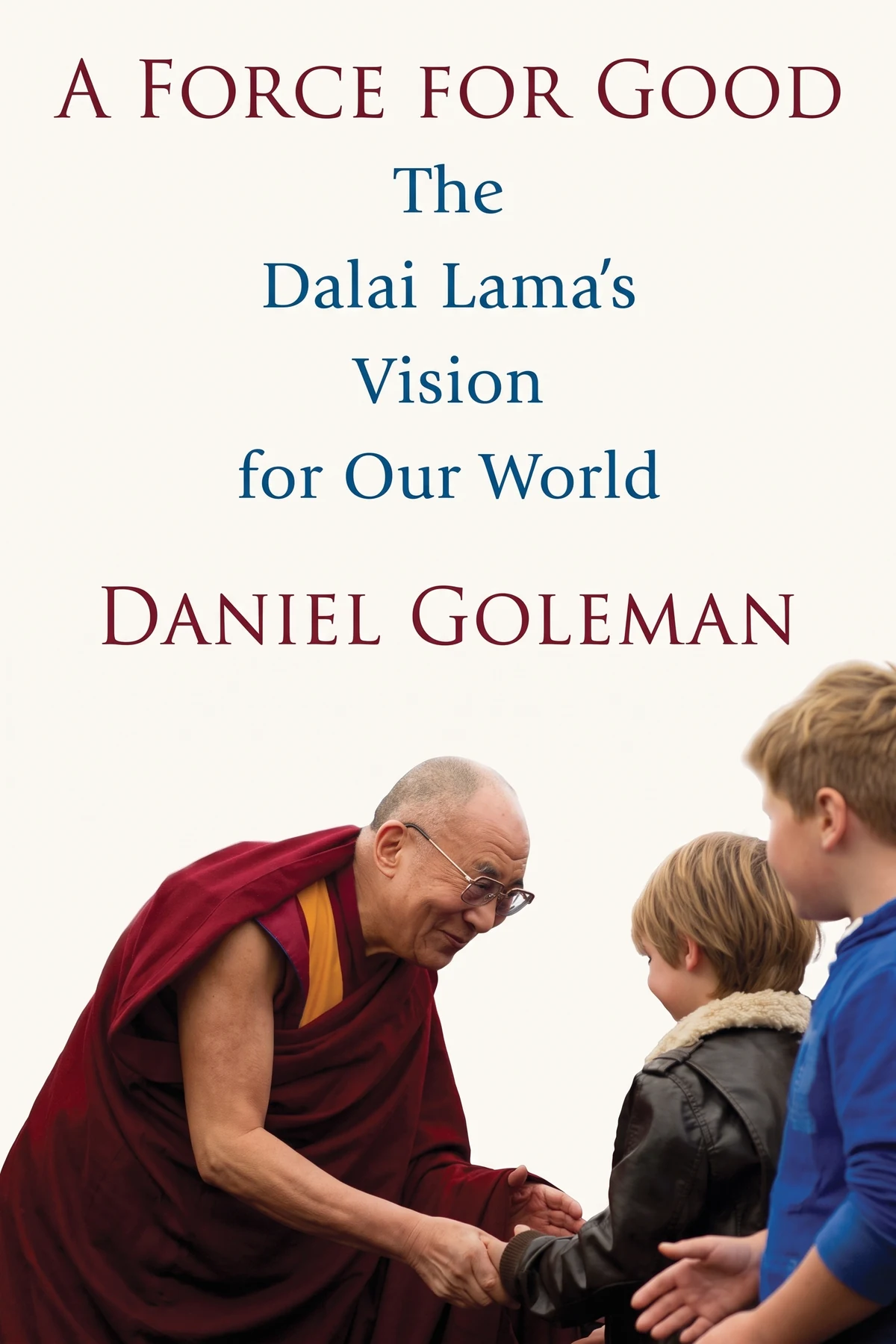
Daniel Goleman
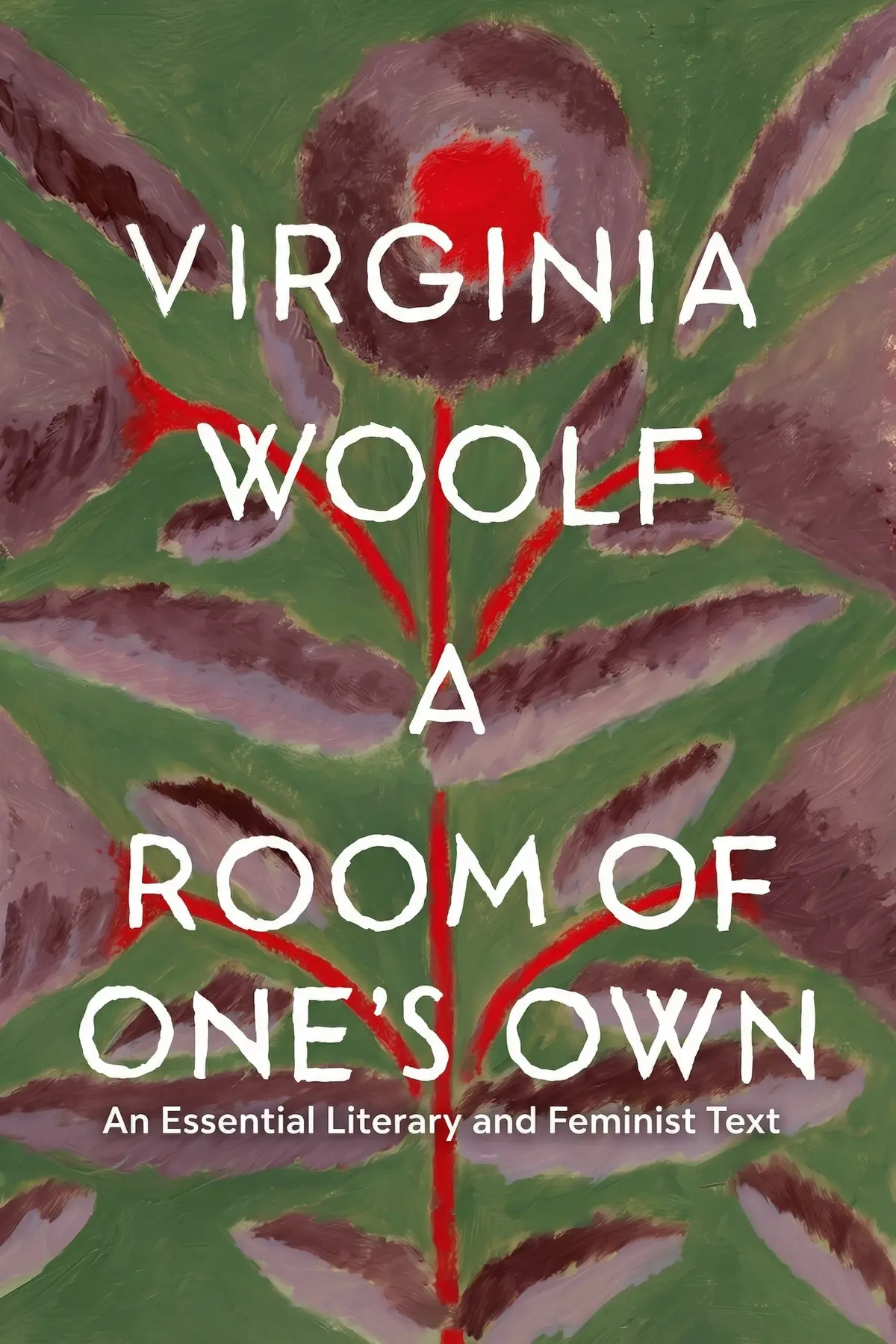
Virginia Woolf
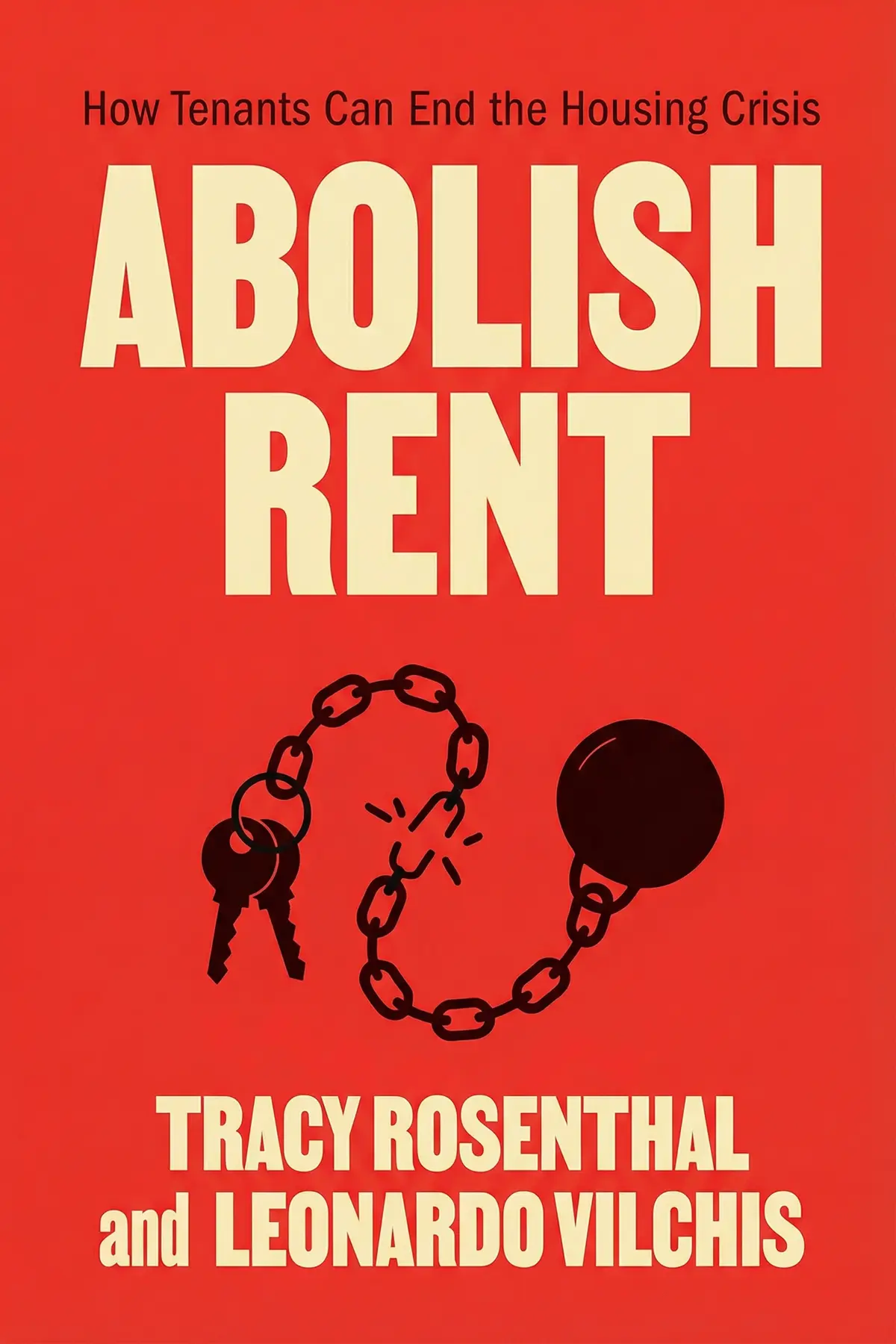
Tracy Rosenthal
Jessica Valenti
Johny Pitts
AUDIO SUMMARY AVAILABLE
Get the key ideas from We Should All Be Feminists by Chimamanda Ngozi Adichie, plus 5,000+ more titles in English and Thai.







