
16 min 52 sec
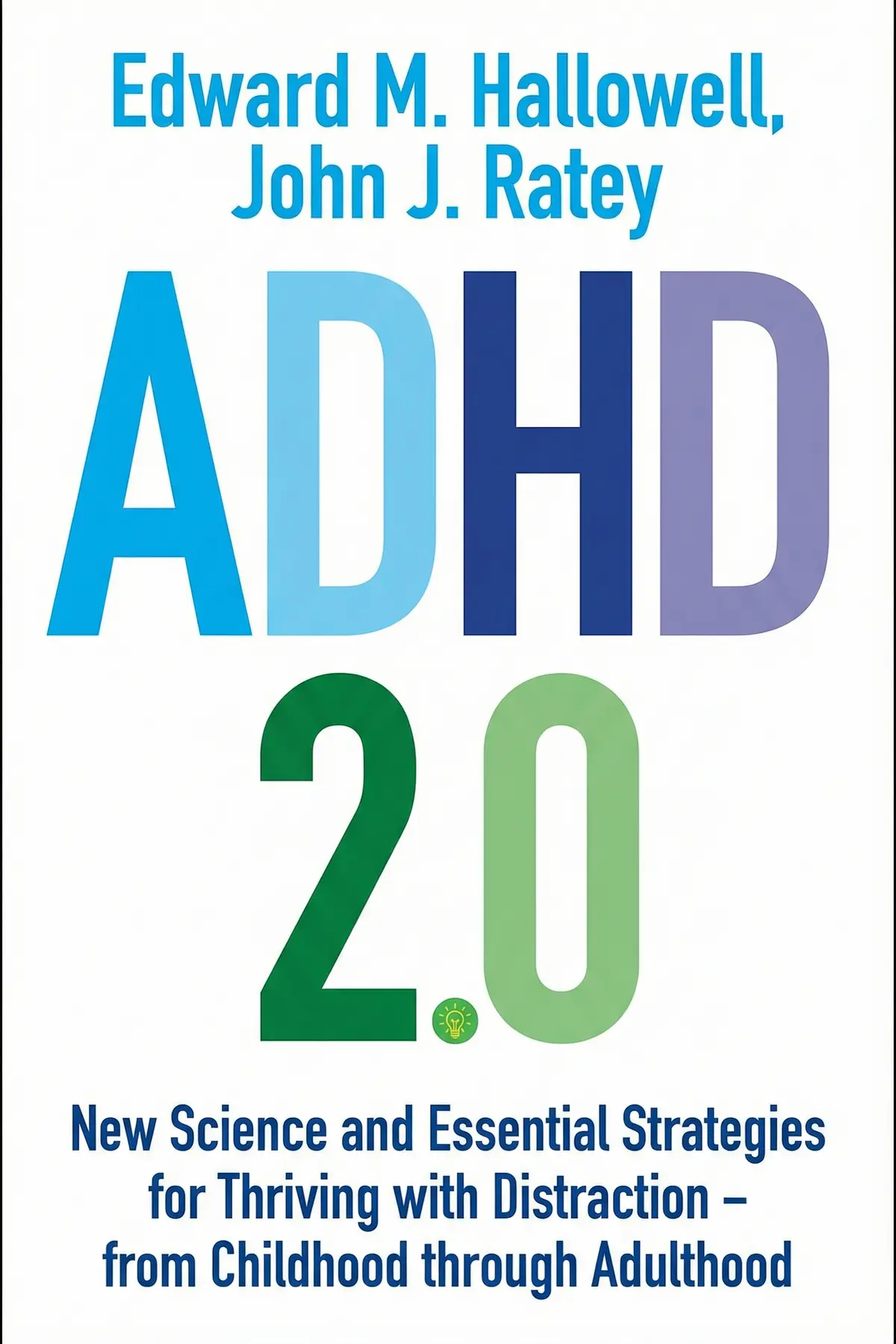
What It Takes to Heal: How Transforming Ourselves Can Change the World
A transformative exploration of how somatic healing and social justice intertwine, offering a roadmap for individuals and communities to move through trauma toward a future rooted in collective liberation and deep belonging.
Table of Content
1. Introduction
1 min 46 sec
Imagine a warm evening in Los Angeles. The atmosphere is thick with the kind of tension that usually precedes a storm. You’ve just finished a long day at a community mental health clinic, a place where the goal is to help individuals navigate the heavy burdens of their own minds. But as you step outside, you aren’t walking into a quiet night. Instead, you are swept up in a sea of thousands of people. The city is vibrating with grief and outrage following the acquittal of the man who killed Trayvon Martin.
This was the reality for Prentis Hemphill, and it served as a moment of profound realization. In the clinic, healing was treated as a private, individual pursuit. On the streets, it was clear that the pain being felt was collective, systemic, and deeply historical. The traditional walls of therapy seemed to dissolve in the face of such massive social upheaval. It became clear that we cannot truly heal the person without looking at the world they live in, and we cannot transform the world without addressing the trauma held within the people who inhabit it.
This is the central journey of What It Takes to Heal. It is an invitation to look at the intersection of our private struggles and our public movements. It asks us to consider how our bodies hold onto history and how our communities can become places of restorative power. Whether you are an activist feeling the weight of the world, a person seeking deeper personal insight, or someone wondering how we might build a more compassionate society, this exploration offers a bridge between the internal and the external. We are going to look at how vision, embodiment, and courage can become the tools we use to not just survive, but to truly transform ourselves and our collective future.
2. The Power of Radical Vision
2 min 31 sec
Discover how stepping outside of the roles society expects of us can unlock a deeper sense of self and a clearer path toward freedom.
3. Understanding the Social Life of Trauma
2 min 10 sec
Trauma is more than a personal memory; it is a physiological force that can impact entire communities and social movements if left unaddressed.
4. The Path of Embodied Awareness
2 min 19 sec
True transformation happens when we move beyond intellectual understanding and start listening to the wisdom held within our physical bodies.
5. Healing within the Systemic Context
2 min 05 sec
To sustain personal healing, we must also work to change the environments and structures that cause harm in the first place.
6. Redefining Kinship and Belonging
2 min 13 sec
In a fractured world, creating ‘oddkin’ and deep networks of belonging is a vital strategy for emotional and social resilience.
7. The Practice of Courageous Love
2 min 22 sec
Courage is not the absence of fear, but the ability to act on what matters most while making room for the fear that inevitably arises.
8. Conclusion
1 min 26 sec
As we reach the end of this journey through the insights of Prentis Hemphill, the throughline becomes clear: the work of healing is both deeply personal and profoundly political. We have seen that we cannot separate our nervous systems from the social systems we inhabit. To heal from trauma is to reclaim our bodies, our imaginations, and our connections to one another.
The final message is one of integration. It asks us to bring our whole selves—our grief, our longings, our fears, and our love—into the work of changing the world. We are reminded that transformation doesn’t happen overnight; it is a consistent practice, much like tending a garden or showing up for a weekly dinner. It requires the courage to be vulnerable and the vision to see beyond the limitations of the present.
As you move forward, consider one small way you can bring more embodiment or more courage into your daily life. Perhaps it’s a moment of pause to listen to your body’s signals, or a commitment to a deeper, more empathetic conversation with someone in your community. By nurturing these small shifts, we contribute to a larger, collective healing. We move toward a society where safety is not something we have to fight for individually, but something we provide for one another. Through vision, courage, and love, we find what it truly takes to heal.
About this book
What is this book about?
This book explores the vital intersection between our internal emotional landscapes and the external struggle for social justice. It argues that personal healing is not just a private matter but a necessary foundation for meaningful systemic change. By examining the way trauma lives in our bodies and shapes our movements, it provides a path toward building more resilient, connected communities. The promise of the book is a shift in perspective. Instead of seeing activism and therapy as separate worlds, the reader is invited to integrate them. Through stories of personal struggle and community resilience, it offers a guide for anyone looking to navigate grief, reclaim their imagination, and foster deeper relationships. Ultimately, it’s about discovering what it truly takes to mend ourselves so that we can effectively mend the world around us.
Book Information
About the Author
Prentis Hemphill
Prentis Hemphill is a therapist, somatic practitioner, and political organizer known for bridging the gap between healing and social justice. They served as the Healing Justice Director for the Black Lives Matter Global Network and founded The Embodiment Institute to teach embodied leadership. Hemphill also hosts the podcast Finding Our Way and has contributed to publications like the New York Times and the Huffington Post.
Ratings & Reviews
Ratings at a glance
What people think
Listeners describe the writing as beautiful and value the insights provided, while one individual mentions that it functions as a roadmap toward wholeness. Furthermore, the work is commended for its straightforwardness, sincerity, and accessible style. They find the exploration of healing on both personal and communal levels valuable, and one listener defines the book as emotionally resonant.
Top reviews
Weera
This book is exactly the roadmap to wholeness I didn't know I was searching for. Hemphill connects the dots between our internal somatic state and the external movements for justice. To be fair, I expected a dry manual, but instead, I found a deeply honest narrative about what it means to stay human in a current hellscape. The prose is clear yet incredibly resonant, moving seamlessly from personal anecdotes to profound insights on collective recovery. I appreciated the emphasis on how numbing our emotions is actually a form of self-sabotage in the long run. Truth is, we can’t change the world if we are too disconnected from our own bodies to feel the stakes. It’s a beautifully written call to action that prioritizes our humanity over our productivity. This is essential reading for anyone who wants to do the work without losing their soul in the process.
Show moreCamila
Wow, Chapter 9 on courage completely leveled me in the best possible way. Hemphill has this incredible ability to take complex emotional landscapes and map them out with startling clarity. I felt broken open by the discussion on how our wounds dictate our political movements and our private lives. Frankly, the honesty in these pages is rare for books that sit at the intersection of self-help and social theory. It’s not just about "feeling good"; it’s about the gritty, necessary work of becoming whole so we can show up for each other. The writing style is approachable but carries a weight that lingers long after you close the cover. Every organizer and activist needs to sit with this book for a while. It feels like a gift to those of us feeling the weight of the world.
Show moreA
Ever wonder why our movements for change often replicate the very systems of harm we are trying to dismantle? Prentis Hemphill answers that question by diving deep into the somatic roots of our behavior and relationships. This book feels like a warm, yet firm, hand on the shoulder guiding you toward a more integrated way of existing. I loved the section on remapping relationships because it gave me a concrete way to think about my own patterns of avoidance. Look, this isn't a quick fix, but it is a sustainable path toward a different kind of power. The language is poetic and precise, making "embodiment" feel like a lived reality rather than a buzzword. It’s easily one of the most important books I’ve read this year for my own personal growth.
Show moreAria
The chapter on remapping relationships changed the way I look at every single person in my life. Prentis Hemphill writes with a level of vulnerability that is both disarming and deeply inspiring for the reader. I’ve followed their work for a long time, but seeing it all synthesized here is a different experience entirely. The truth is, most of us are walking around in "armored" bodies, and this book explains exactly why that's killing our potential for real connection. I found myself highlighting entire pages because the phrasing was so perfect and resonant. It’s a roadmap to a more honest existence, one where we don’t have to hide our wounds to be useful. This is a gift to anyone who feels exhausted by the current state of the world and needs a reminder of what is possible.
Show moreAir
Finally, a book that addresses the emotional toll of activism without being clinical or dismissive. Prentis Hemphill has created something truly special here that bridges the gap between the personal and the political. I felt so seen by their descriptions of how we store trauma and how that trauma eventually sabotages our best intentions for justice. The prose is clear, honest, and moves at a pace that allows for genuine reflection. Personally, I found the audiobook version read by the author to be particularly powerful because you can hear the intention in their voice. It’s a profound exploration of what it means to be whole in a world that wants us fragmented. This is essential reading for anyone trying to build a better future through collective care.
Show moreJulian
Briefly put, this is the most compelling case for the power of healing I have ever encountered. Hemphill successfully argues that tending to our own wounds is not an indulgence, but a prerequisite for collective liberation. In my experience, most books on somatics ignore the systemic realities of oppression, but this one puts them front and center. The chapter on courage provides a much-needed spark for anyone feeling burnt out by the current political climate. It’s a roadmap for those of us who want to lead with our hearts rather than just our anger. The writing is accessible but never feels simplified, maintaining a beautiful balance of intellect and emotion. I feel more grounded and hopeful after finishing this than I have in months. Everyone should have a copy of this on their shelf.
Show moreAndrei
Picked this up after hearing so much buzz about Prentis Hemphill’s work in the organizing world. While I found the wisdom here undeniable, it leaned much more into the memoir territory than I initially anticipated. Personally, I was looking for more step-by-step exercises, yet the storytelling itself offered a different kind of instruction. The way they break down the concept of embodiment makes it accessible even if you aren't familiar with the Scientific Revolution's impact on our mind-body split. I found the chapter on remapping relationships particularly enlightening for my own life. Some sections felt a bit dense, but the overall message about healing ourselves to heal the world is vital. It’s a solid 4-star read that rewards those who take their time with the text rather than rushing through for quick answers.
Show moreJeeranan
As someone who has spent years in the mental health field, I found this to be an excellent, if slightly familiar, exploration of somatics. Hemphill’s perspective as a practitioner and organizer adds a much-needed political layer to the concept of embodiment. They do a great job of critiquing how Western traditions have historically stripped healing of its communal context. My only minor gripe is that for those already deep in the social justice world, some of the core themes might feel slightly repetitive. However, the execution is so polished and the tone so inviting that it’s still worth the read. In my experience, the way they frame boundaries as a way to love everyone simultaneously is a game-changer. It’s a grounded, necessary text for our current political landscape that offers plenty of food for thought.
Show morePhimwan
After hearing the author on several podcasts, I finally got around to reading the full text of their debut. It is a beautifully written meditation on what it actually takes to sustain a life dedicated to social change. Hemphill’s critique of how white/Western thinking separated the mind from the body provides a necessary historical grounding for their somatic work. Not gonna lie, some of the more abstract concepts took a few reads to fully grasp, but the effort was rewarded. The tone is consistently hopeful even when discussing the most challenging aspects of our political turmoil. I think it’s a bit less "complete" than the summary suggests, as it focuses heavily on the author's specific lineage. Still, the wisdom contained within these pages is undeniable and deeply moving for any reader.
Show moreIce
Not what I expected based on the marketing, which framed this as a comprehensive guide to somatic practice. It’s a good book, but it feels more like a collection of essays and personal reflections than a complete manual on healing. Gotta say, I was hoping for more practical tools I could implement immediately in my community work. Hemphill is a gifted writer and their story is compelling, but the pace dragged for me in the middle sections. To be fair, the insights on the mind-body split are historically well-researched and interesting to read. I think I would have appreciated it more if I had entered with the expectation of reading a memoir. If you want a narrative-driven look at healing, you'll love it, but seekers of a "how-to" might feel let down by the lack of structure.
Show moreReaders also enjoyed
ADHD an A-Z: Figuring It Out Step by Step
Leanne Maskell



Afropean: Notes From Black Europe
Johny Pitts
All About Love: New Visions
bell hooks
AUDIO SUMMARY AVAILABLE
Listen to What It Takes to Heal in 15 minutes
Get the key ideas from What It Takes to Heal by Prentis Hemphill, plus 5,000+ more titles in English and Thai.
- 5,000+ titles
- Listen as much as you want
- 7-day free trial
- Cancel anytime







